-
November 18, 2026
Speaker: Paul Tackett
Topic: Acts 16 sermon outline, Acts 16:25, Acts 16:31, baptism and salvation, Believe on the Lord Jesus Christ, biblical Christian testimony, Christian Perseverance, faithful witness during persecution, KJV Sermon Outline, Lydia of Philippi, midnight prayer and praise, Paul and Silas in prison, Philippian jailer salvation, praising God during suffering, Praising God in the Night Season, prison earthquake miracle, rightly divided Bible study, salvation by grace through faith, singing praises in adversity, spirit of divination
Book: Acts
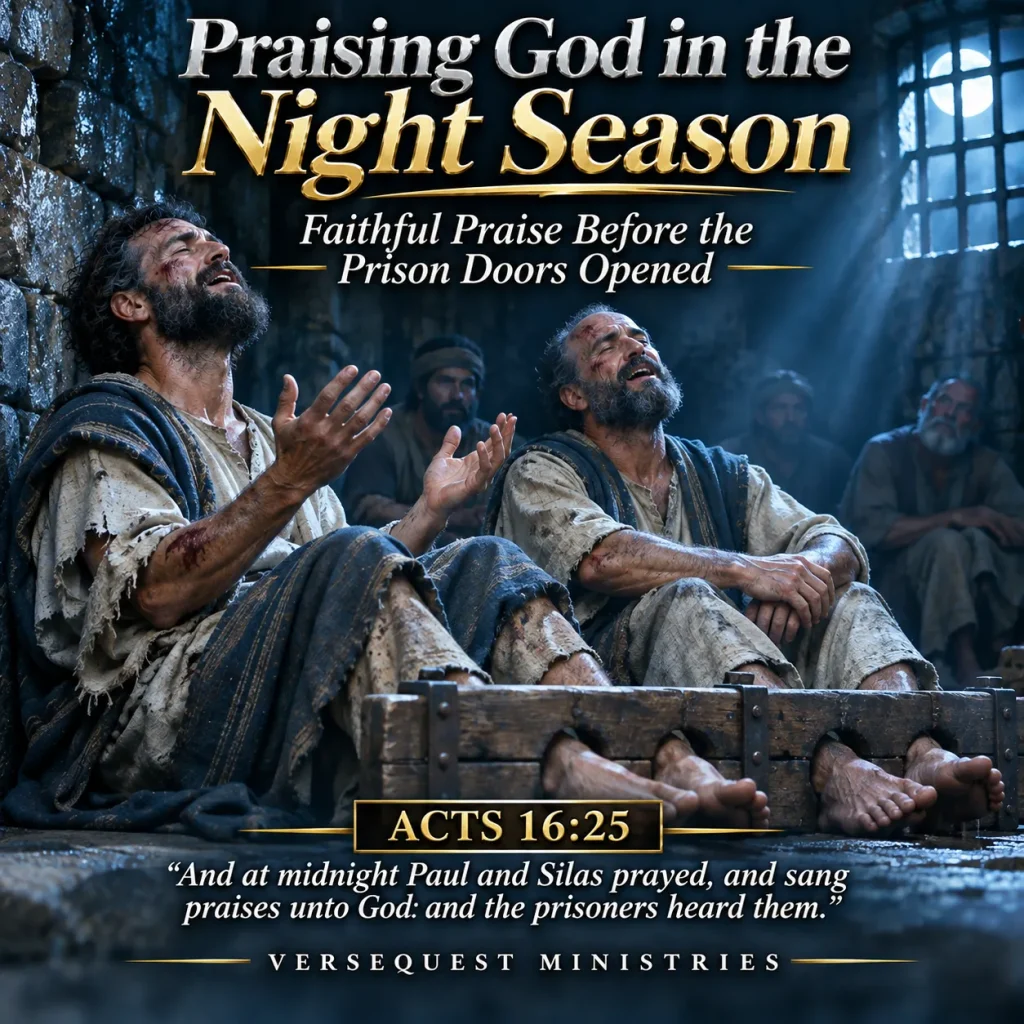
This detailed sermon outline examines Acts 16:25 and the extraordinary testimony of the Apostle Paul and Silas, “And at midnight Paul and Silas prayed, and sang praises unto God: and the prisoners heard them,” revealing the believer’s responsibility to remain faithful in prayer, praise, and Christian testimony even when suffering, persecution, and difficult earthly circumstances have not been removed. The message carefully establishes the historical and doctrinal setting of Acts 16, beginning with Paul’s Macedonian call, the missionaries’ arrival in Philippi, the conversion of Lydia, and the deliverance of a young woman possessed with a spirit of divination whose masters had profited financially from her bondage. Special attention is given to the violent opposition that followed when the woman’s masters discovered their financial gain had disappeared, resulting in Paul and Silas being publicly beaten, imprisoned without proper proceedings, and placed in the inner prison with their feet fastened in stocks. The sermon examines the significance of the midnight hour, the physical suffering endured by the missionaries, and the remarkable fact that they prayed and sang praises unto God before any miraculous deliverance had occurred. It explores why genuine biblical praise must be grounded in the unchanging worthiness of Jesus Christ rather than favorable circumstances, immediate answers to prayer, or the promise that every earthly difficulty will disappear. Drawing upon Acts 16:25–40, Romans 8, 2 Corinthians 4 and 12, Philippians 1 and 4, Colossians 3, and other supporting passages, the outline examines the relationship between prayer, thanksgiving, spiritual perseverance, Christian suffering, and the sufficiency of divine grace. Particular emphasis is placed upon the statement “and the prisoners heard them,” demonstrating how faithful conduct during adversity can become a powerful testimony before people who might otherwise never hear the gospel. The message also examines the miraculous earthquake that shook the prison, opened its doors, and loosed the prisoners’ bands, carefully distinguishing this extraordinary apostolic event from the false teaching that sufficient prayer or praise guarantees immediate deliverance from every illness, persecution, financial hardship, or personal difficulty. The sermon follows the Philippian jailer’s response to the earthquake, Paul’s urgent intervention when the jailer prepared to take his own life, and the jailer’s life-changing question, “Sirs, what must I do to be saved?” Special consideration is given to the apostolic answer, “Believe on the Lord Jesus Christ, and thou shalt be saved, and thy house,” explaining salvation by grace through faith, the necessity of personally believing the gospel, and why baptism and the faith of another household member cannot substitute for an individual’s trust in Jesus Christ. The outline further examines Paul’s assertion of his Roman citizenship, the magistrates’ improper treatment of the missionaries, and why faithful Christian endurance does not require surrendering legitimate legal protections or pretending that injustice is righteous. Finally, the message considers Paul and Silas returning to Lydia’s house to comfort the brethren, demonstrating why faithful service must continue after extraordinary circumstances have passed. Preachers, pastors, teachers, and Bible students will gain a comprehensive, KJV-based, rightly divided, sermon-ready framework for teaching praise during suffering, midnight prayer, Christian perseverance, apostolic miracles, the Philippian jailer’s salvation, biblical faith, the witness of faithful believers, and the importance of glorifying Jesus Christ before, during, and after life’s darkest seasons.
-
November 17, 2026
Series: John 4:24, Worship in Spirit and in Truth
Speaker: Paul Tackett
Topic: biblical worship, false worship and idolatry, God is a Spirit, Jacob's well, Jesus and the Samaritan woman, Jesus Christ the Messiah, John 4 sermon outline, John 4:24, KJV Sermon Outline, religious hypocrisy, rightly divided Bible study, salvation is of the Jews, Samaritan worship and Mount Gerizim, sincerity and truth in worship, spiritual worship, the Father seeks true worshipers, worship according to Scripture, worship at Jerusalem, Worship in Spirit and in Truth, worship under grace
Book: John
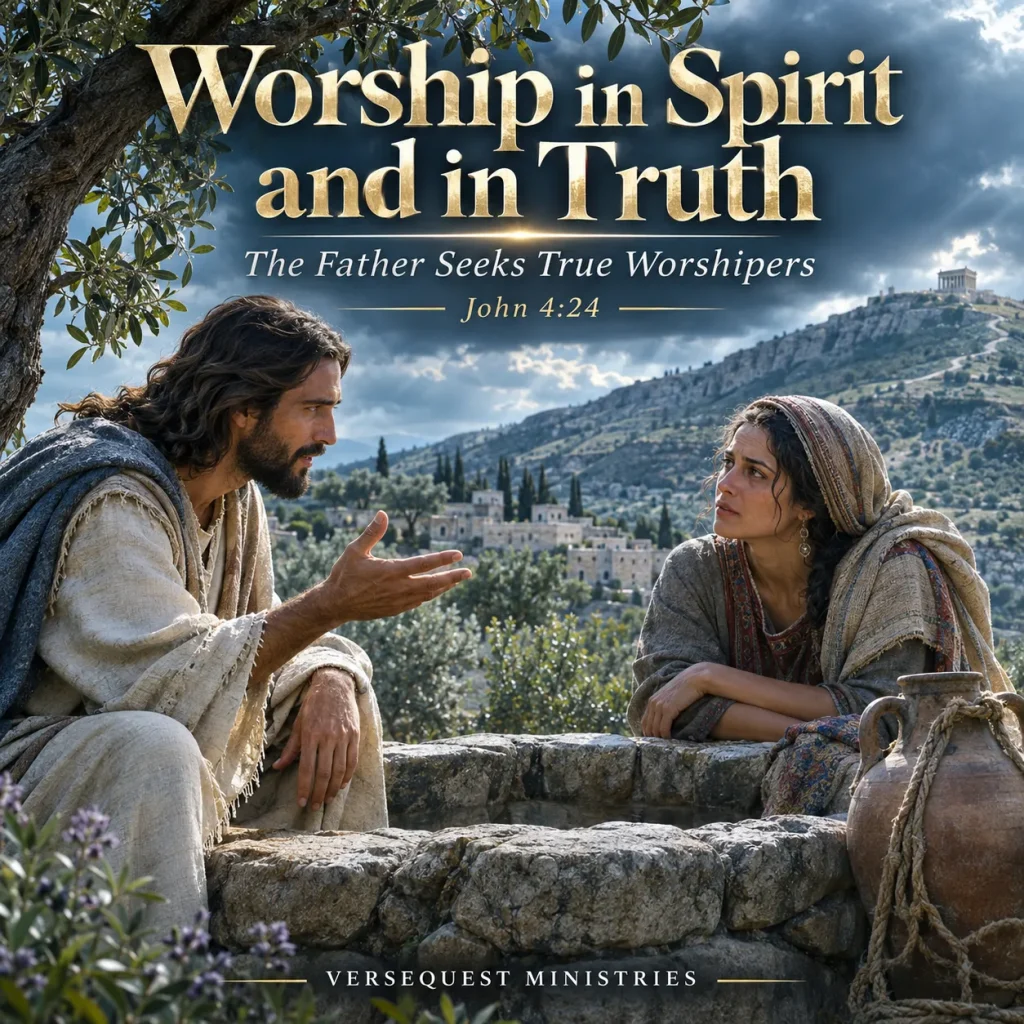
This detailed sermon outline examines John 4:24 and the Lord Jesus Christ’s declaration, “God is a Spirit: and they that worship him must worship him in spirit and in truth,” revealing the essential difference between genuine biblical worship and religious activity governed by human traditions, emotional experiences, outward ceremonies, or personal preferences. The message carefully establishes the historical and doctrinal setting of John 4:1–42, where Jesus Christ encounters the Samaritan woman at Jacob’s well and directs her attention from physical water and inherited religious customs toward the living water He provides and the spiritual truth concerning acceptable worship. Special attention is given to the longstanding disagreement between Jewish and Samaritan worship, the significance of Mount Gerizim and Jerusalem, and why Christ declared that the coming hour would change the question of worship from disputes over sacred locations to the necessity of worshiping the Father in spirit and in truth. The sermon examines the expressions “Ye worship ye know not what,” “salvation is of the Jews,” “the Father seeketh such to worship him,” and “God is a Spirit,” explaining why sincerity alone cannot make false doctrine acceptable and why correct religious terminology cannot excuse hypocrisy, spiritual pride, or a heart that remains far from God. Drawing upon John 4, Matthew 15, Romans 12, Philippians 3, Ephesians 2, Colossians 3, and other supporting passages, the outline explores the nature of God, the deity and Messiahship of Jesus Christ, the historical distinction between Israel and the Church, and the believer’s access to the Father through Jesus Christ by the Holy Spirit. It explains why true worship cannot be confined to a church building, religious ceremony, musical performance, emotional atmosphere, or inherited tradition, while emphasizing the necessity of genuine spiritual devotion governed by the authority of Scripture. The message also confronts the dangers of idolatry, religious entertainment, man-centered worship, false teaching, and the tendency to mistake outward solemnity or emotional excitement for genuine spirituality. Particular emphasis is placed upon the importance of rightly dividing the word of truth, recognizing salvation by grace through faith in the finished work of Jesus Christ, and understanding how Christian worship should be expressed through reverent prayer, scripturally sound praise, thanksgiving, holiness, spiritual discernment, and faithful obedience. The sermon concludes by examining the Samaritan woman’s testimony concerning the Messiah and the response of those who heard Jesus Christ for themselves, demonstrating why genuine worship and faithful Christian witness must direct attention toward the Saviour rather than the personality or reputation of the worshiper. Preachers, pastors, teachers, and Bible students will gain a comprehensive, KJV-based, rightly divided, sermon-ready framework for teaching worship in spirit and truth, the Samaritan woman at the well, the nature of God, the importance of sound doctrine, the dangers of religious hypocrisy, spiritual sincerity, and the Christian’s responsibility to glorify the Father through Jesus Christ according to His revealed word.
-
November 16, 2026
Series: Philippians 4:7
Speaker: Paul Tackett
Topic: biblical thought life, Christian contentment, Christian peace during trials, freedom from anxious worry, God of peace, hearts and minds through Christ Jesus, KJV Sermon Outline, Paul in prison, peace with God versus peace of God, Philippians 4 sermon outline, Philippians 4:6–9, Philippians 4:7, prayer with thanksgiving, rejoicing in the Lord, renewing the mind, rightly divided Bible teaching, salvation by grace through faith, strength through Christ, the peace of God, The Peace That Keeps the Heart
Book: Philippians
This detailed sermon outline examines Philippians 4:7 and the Apostle Paul’s remarkable declaration, “And the peace of God, which passeth all understanding, shall keep your hearts and minds through Christ Jesus,” revealing the spiritual peace available to saved believers through Jesus Christ even when earthly circumstances remain uncertain, painful, or beyond human control. The message carefully establishes the passage’s immediate context within Philippians 4:4–9, where Paul instructs believers to rejoice in the Lord, reject consuming anxiety, bring their requests before God through prayer and supplication with thanksgiving, and direct their thoughts toward things that are true, honest, just, pure, lovely, and of good report. Special attention is given to the distinction between peace with God through justification by faith in Romans 5:1 and the practical peace of God that guards the believer’s heart and mind through Christ Jesus. The sermon examines the expressions “the peace of God,” “which passeth all understanding,” “shall keep your hearts and minds,” and “through Christ Jesus,” explaining why biblical peace does not depend upon the immediate removal of suffering, complete knowledge concerning the future, material prosperity, or favorable earthly circumstances. Drawing upon Romans 8, Ephesians 2–3, Colossians 3, 2 Corinthians 12, and other supporting passages, the outline explores the believer’s secure position in Jesus Christ, the Holy Spirit’s assistance in prayer, and the importance of maintaining confidence in God’s wisdom while facing genuine difficulties. The message addresses the dangers of allowing fear, anxious speculation, bitterness, worldly influences, and unbiblical thinking to dominate the heart and mind, while emphasizing the necessity of renewing the mind through Scripture rightly divided. Special consideration is given to Philippians 4:8–9, demonstrating why the peace of God should be accompanied by disciplined biblical thinking, practical obedience, sound doctrine, and walking in the Spirit. The sermon also examines Paul’s testimony of contentment in both abundance and need, explaining the proper meaning of Philippians 4:13 and why Christ’s sufficient strength does not guarantee uninterrupted earthly comfort or the fulfillment of every personal ambition. Throughout the message, salvation by grace through faith in the finished work of Jesus Christ is carefully distinguished from the saved believer’s continuing responsibilities concerning prayer, thanksgiving, spiritual maturity, holiness, and faithful Christian service. Preachers, pastors, teachers, and Bible students will gain a comprehensive, KJV-based, rightly divided, sermon-ready framework for teaching the peace of God, assurance of salvation, freedom from consuming anxiety, Christian contentment, biblical prayer, the renewing of the mind, spiritual perseverance, and the sufficiency of Jesus Christ through every circumstance of life.
-
November 15, 2026
Speaker: Paul Tackett
Topic: be careful for nothing, biblical prayer and supplication, Christian contentment, Christian giving and generosity, Christian gratitude, freedom from anxious worry, KJV Sermon Outline, Paul's imprisonment, Peace of God, Peace With God, Philippians 4 sermon outline, Philippians 4:13, Philippians 4:6, Philippians 4:7, prayer with thanksgiving, rejoicing in the Lord, rightly divided Bible teaching, salvation by grace through faith, The Prayer of Thanksgiving, trusting God through hardship
Book: Philippians
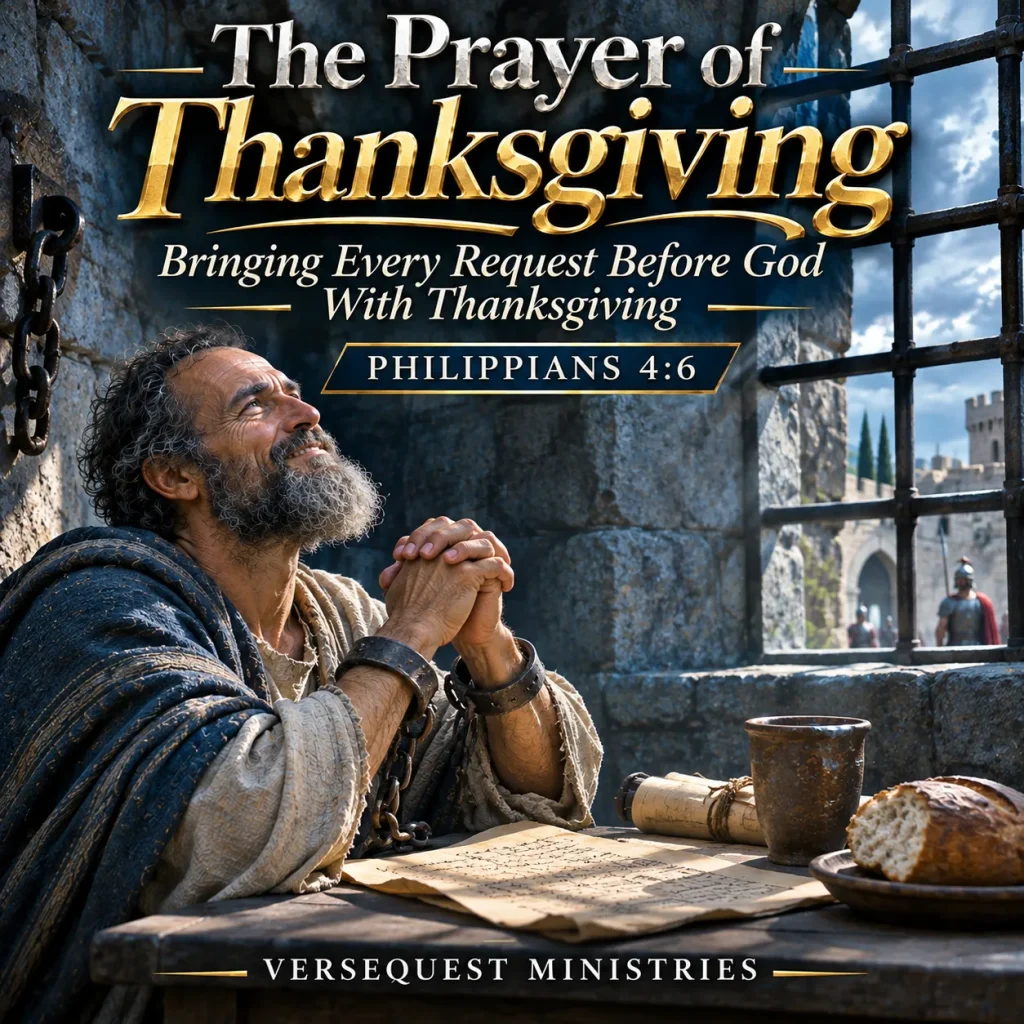
This detailed sermon outline examines Philippians 4:6 and the Apostle Paul’s instruction, “Be careful for nothing; but in every thing by prayer and supplication with thanksgiving let your requests be made known unto God,” revealing the importance of approaching the Father with gratitude, spiritual dependence, and confidence in the sufficiency of Jesus Christ. The message carefully establishes the historical and doctrinal setting of Philippians, where Paul, writing amid imprisonment and opposition, encourages saved believers to rejoice in the Lord, remain faithful through adversity, practice Christian unity, and bring their requests before God with thanksgiving. Special attention is given to the expressions “Be careful for nothing,” “in every thing,” “by prayer and supplication,” “with thanksgiving,” and “let your requests be made known unto God,” explaining why biblical prayer should be characterized by gratitude rather than anxious preoccupation, religious performance, or attempts to manipulate divine decisions. The sermon distinguishes consuming anxiety from legitimate concern, prudent planning, responsible stewardship, and appropriate responses to suffering, while emphasizing why Christians should not allow uncertainty about tomorrow to control their thinking today. Drawing upon Philippians 4:4–9, Romans 5 and 8, Ephesians 2–3, Colossians 3–4, and 1 Thessalonians 5, the outline explains the relationship between rejoicing, prayer, thanksgiving, and the peace of God that passes all understanding and guards believers’ hearts and minds through Jesus Christ. It carefully distinguishes the believer’s peace with God through justification by faith from the practical peace of God experienced through prayerful dependence upon the Lord. The message also examines Philippians 4:8–9, demonstrating why thankful prayer must be accompanied by disciplined biblical thinking, sound doctrine, and faithful obedience rather than continually feeding the mind with fear, bitterness, speculation, and worldly influences. Special consideration is given to Paul’s testimony of contentment in abundance and need, the proper interpretation of Philippians 4:13, and the importance of rejecting prosperity teaching that misuses biblical promises to guarantee earthly wealth, physical healing, or the fulfillment of every personal ambition. The outline further explores the Philippians’ financial support of Paul’s ministry, biblical generosity, cheerful giving, and the proper interpretation of God’s provision in Philippians 4:19. Throughout the message, salvation by grace through faith in the finished work of Jesus Christ is distinguished from the saved believer’s continuing responsibilities concerning prayer, gratitude, holiness, intercession, stewardship, and spiritual perseverance. Preachers, pastors, teachers, and Bible students will gain a comprehensive, KJV-based, rightly divided, sermon-ready framework for teaching the prayer of thanksgiving, freedom from consuming anxiety, divine peace, Christian contentment, biblical generosity, spiritual maturity, and the importance of remaining grateful and faithful to Jesus Christ even when earthly circumstances remain difficult.
-
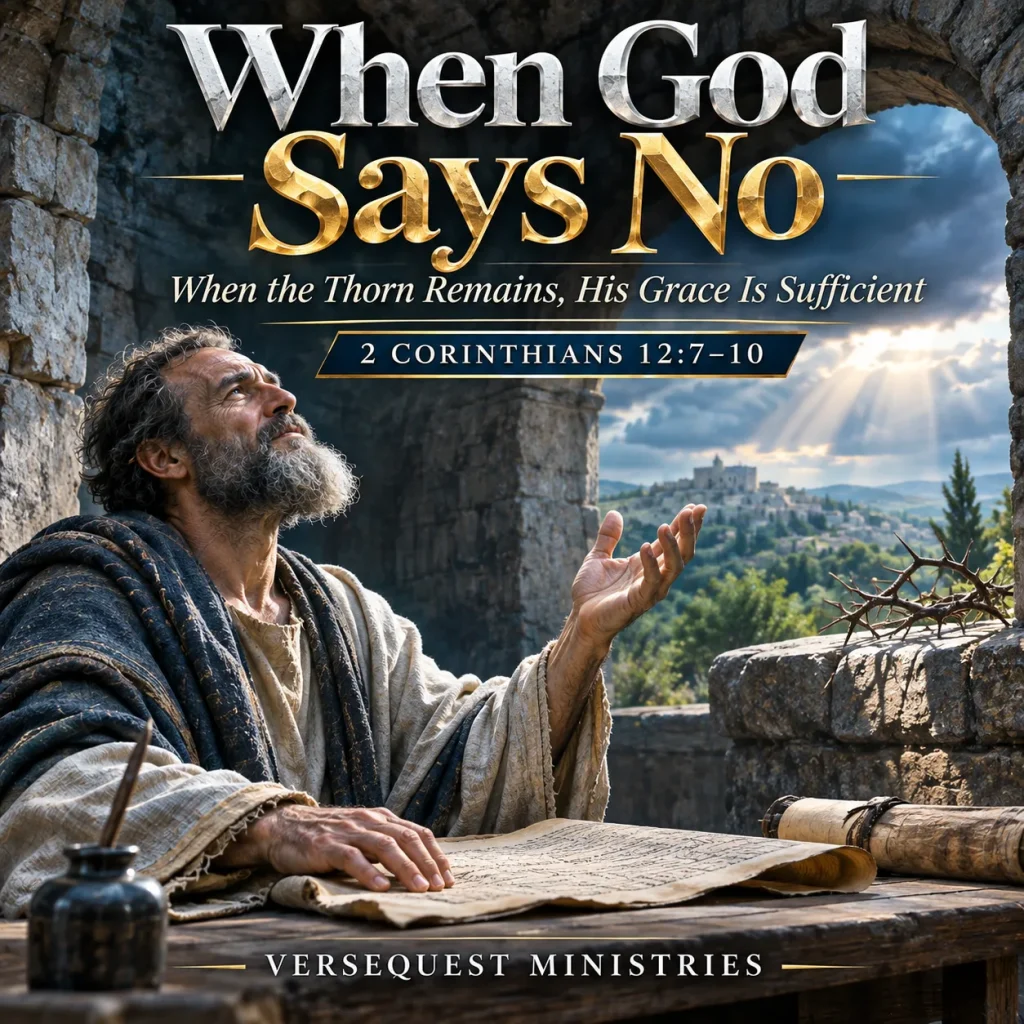
November 14, 2026
Series: 2 Corinthians 12:7–10, When God Says No
Speaker: Paul Tackett
Topic: 2 Corinthians 12 sermon outline, 2 Corinthians 12:7–10, biblical unanswered prayer, Christian suffering and perseverance, divine strength in weakness, God's will in prayer, KJV Sermon Outline, messenger of Satan, My grace is sufficient for thee, Paul's thorn in the flesh, prayer and divine sovereignty, rightly divided Bible teaching, salvation by grace through faith, strength made perfect in weakness, suffering for Christ's sake, sufficient grace of Christ, thorn in the flesh explained, trusting God through suffering, when God does not answer as expected, When God Says No
Book: 1 Corinthians
This detailed sermon outline examines 2 Corinthians 12:7–10 and the Apostle Paul’s extraordinary experience of receiving an answer to prayer that differed from the deliverance he earnestly requested, revealing the sufficiency of Jesus Christ’s grace when suffering, weakness, and difficult circumstances remain. The message carefully establishes the passage’s original context within 2 Corinthians 11–12, where Paul describes his extraordinary apostolic revelations, the dangers of personal exaltation, and the thorn in the flesh given to him as a messenger of Satan to buffet him, lest he should be exalted above measure. Special attention is given to the fact that Scripture does not identify the precise nature of Paul’s thorn, warning against speculative interpretations that confidently declare it to be a particular physical disease, persecution, or other affliction without sufficient biblical evidence. The sermon examines Paul’s three earnest requests for the thorn’s removal, explaining why seeking relief from suffering is a legitimate expression of faith and why the Lord’s refusal to grant the requested deliverance does not mean that Paul’s prayers were ignored or that his faith was defective. Central to the outline is the Lord Jesus Christ’s declaration, “My grace is sufficient for thee: for my strength is made perfect in weakness,” demonstrating how divine assistance may consist of spiritual strength, perseverance, and sufficient grace rather than the immediate removal of difficult circumstances. Drawing upon Romans 8, 2 Corinthians 4, Ephesians 3, Philippians 4, Hebrews 4, and other supporting passages, the message explores the relationship between human weakness and divine power, the dangers of spiritual pride, and the distinction between God’s sovereign wisdom and man’s limited understanding of what ought to be requested in prayer. It directly confronts the false teaching that continued illness, financial hardship, persecution, or other afflictions necessarily prove that a Christian lacks sufficient faith, while explaining why believers should never romanticize suffering, refuse appropriate medical treatment, neglect legitimate assistance, or assume that every hardship has the same purpose as Paul’s thorn. The outline further examines Paul’s remarkable decision to glory in his infirmities so that the power of Christ might rest upon him, explaining the significance of enduring difficulties for Christ’s sake without turning suffering itself into a spiritual achievement. It also distinguishes salvation by grace through faith in the finished work of Jesus Christ from the continuing grace that sustains saved believers through practical Christian service, spiritual weakness, and earthly trials. Preachers, pastors, teachers, and Bible students will gain a comprehensive, KJV-based, rightly divided, sermon-ready framework for teaching answered prayer, God’s sufficient grace, Paul’s thorn in the flesh, Christian suffering, the danger of pride, spiritual perseverance, the will of God, and the strength of Jesus Christ made perfect in weakness.
-
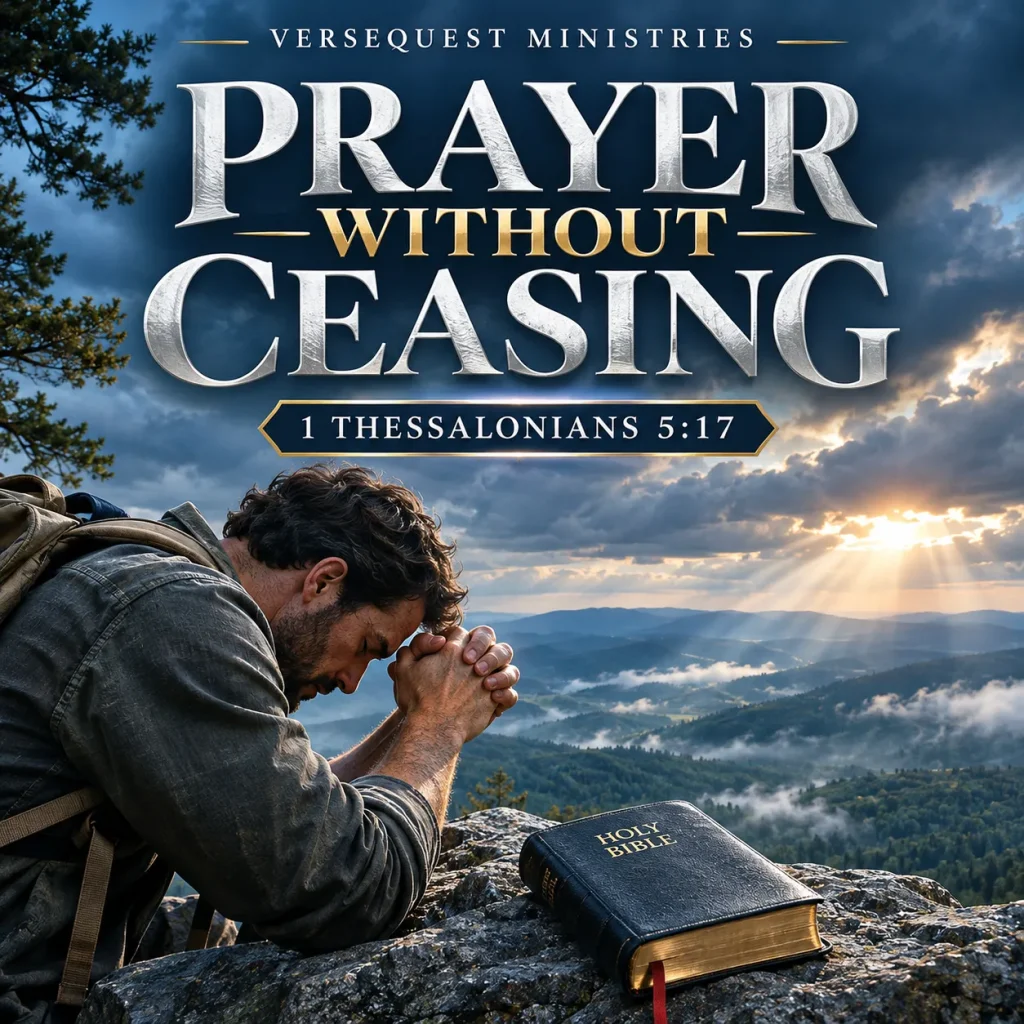
November 13, 2026
Speaker: Paul Tackett
Topic: 1 Thessalonians 5 sermon outline, 1 Thessalonians 5:17, biblical prayer life, Christian Thanksgiving, continual dependence on God, Holy Spirit and prayer, in every thing give thanks, intercessory prayer for believers, KJV Sermon Outline, perseverance in prayer, pray without ceasing meaning, prayer according to God's will, Prayer Without Ceasing, praying for the lost, praying in the Spirit, rejoice evermore, rightly divided Bible teaching, salvation by grace through faith, spiritual watchfulness, unceasing Christian prayer
Book: 1 Thessalonians
This detailed sermon outline examines 1 Thessalonians 5:17 and the Apostle Paul’s concise but far-reaching command, “Pray without ceasing,” revealing the believer’s responsibility to maintain continual dependence upon God throughout every circumstance and responsibility of the Christian life. The message carefully establishes the passage’s immediate context within 1 Thessalonians 5:16–24, where Paul commands believers to rejoice evermore, pray without ceasing, give thanks in every thing, quench not the Spirit, prove all things, hold fast that which is good, and trust the faithfulness of God in sanctification. It explains why unceasing prayer does not require Christians to speak religious words every moment of the day, abandon employment, neglect family responsibilities, or develop mechanical routines intended to earn divine approval. Instead, the sermon demonstrates how saved believers should cultivate a continuing pattern of communion with the Father through Jesus Christ while faithfully carrying out their ordinary responsibilities. Special attention is given to the relationship between rejoicing, thanksgiving, prayer, spiritual watchfulness, perseverance, and the believer’s confidence in the promised return of the Lord Jesus Christ. Drawing upon Romans 8, Ephesians 2 and 6, Philippians 4, Colossians 4, and other Pauline passages, the outline examines the believer’s access to the Father through Christ, the Holy Spirit’s assistance in prayer, and the importance of praying with understanding rather than depending upon religious emotionalism, vain repetitions, or supposedly extraordinary spiritual experiences. The sermon develops the responsibility to intercede for fellow believers, pastors, missionaries, those in authority, and lost sinners who need to hear and believe the gospel. It also addresses the necessity of perseverance when answers do not arrive according to human expectations, explaining why prayer must remain subject to God’s revealed will rather than becoming an attempt to command divine decisions or guarantee material prosperity. The message carefully distinguishes salvation by grace through faith in the finished work of Jesus Christ from the saved believer’s continuing responsibilities concerning prayer, holiness, sound doctrine, spiritual discernment, and faithful Christian service. Finally, the outline examines 1 Thessalonians 5:19–24, emphasizing why continual prayer should accompany walking in the Spirit, testing doctrine against Scripture, abstaining from evil, and trusting the faithfulness of the Lord. Preachers, pastors, teachers, and Bible students will gain a comprehensive, KJV-based, rightly divided, sermon-ready framework for teaching prayer without ceasing, biblical thanksgiving, Christian perseverance, intercessory prayer, spiritual watchfulness, sound doctrine, and the importance of remaining continually dependent upon God while living faithfully for Jesus Christ.
-
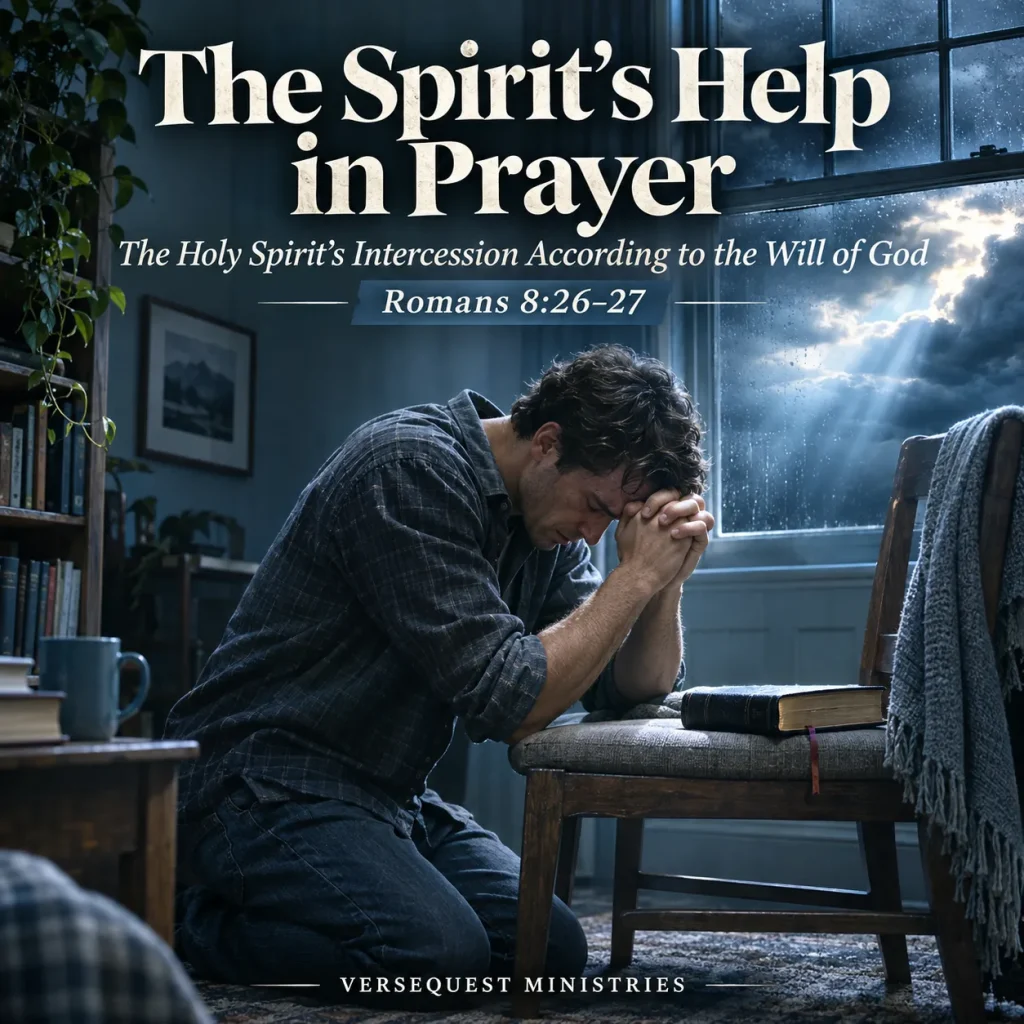
November 12, 2026
Series: Romans 8:26, The Spirit's Help in Prayer
Speaker: Paul Tackett
Topic: Christ's intercession Romans 8:34, Christian prayer and understanding, eternal security in Christ, groanings which cannot be uttered, Holy Spirit and prayer, Holy Spirit intercession, Indwelling Holy Spirit, intercession for the saints, KJV Sermon Outline, prayer in times of weakness, praying according to God’s will, rightly divided Bible teaching, Romans 8 Sermon Outline, Romans 8:26, Romans 8:26 and speaking in tongues, Romans 8:27, salvation by grace through faith, Spirit helpeth our infirmities, The Spirit's Help in Prayer, Walking in the Spirit
Book: Romans
This detailed sermon outline examines Romans 8:26 and the Apostle Paul’s remarkable declaration, “Likewise the Spirit also helpeth our infirmities: for we know not what we should pray for as we ought: but the Spirit itself maketh intercession for us with groanings which cannot be uttered,” revealing the divine assistance provided by the indwelling Holy Spirit when saved believers face weakness, suffering, uncertainty, and limitations in their understanding of prayer. The message carefully establishes the passage’s immediate context within Romans 8, where Paul explains the believer’s freedom from condemnation, the distinction between flesh and Spirit, the indwelling of the Holy Spirit, adoption into God’s family, present suffering, and the future redemption of the body. Special attention is given to the expressions “the Spirit also helpeth our infirmities,” “we know not what we should pray for as we ought,” and “groanings which cannot be uttered,” demonstrating why the believer’s limited knowledge does not prevent the Holy Spirit from providing divine help. The sermon examines Romans 8:22–27, distinguishing the groaning of creation, the believer’s longing for bodily redemption, and the Spirit’s unutterable intercession while explaining why this passage must not be misused to require Christians to speak in ecstatic or unintelligible prayer languages. Drawing upon Romans 8:27, the outline explores how the God who searches the hearts knows the mind of the Spirit and why the Spirit’s intercession operates according to the perfect will of God rather than the incomplete understanding or personal desires of the believer. The message also carefully distinguishes the Holy Spirit’s intercession within saved believers from the risen Lord Jesus Christ’s continuing intercession at the right hand of God in Romans 8:34, emphasizing Christ’s unique office as the one Mediator between God and men. Additional passages from Ephesians 1–2, Philippians 4, Colossians 4, 1 Thessalonians 5, and 1 Timothy 2 establish the believer’s responsibility to pray with understanding, thanksgiving, humility, perseverance, and scriptural discernment. The sermon further explains why the indwelling and sealing of the Holy Spirit occur upon believing the gospel, why salvation rests upon the finished work of Jesus Christ rather than extraordinary religious experiences, and how the certainty of God’s eternal purpose provides encouragement during suffering and unanswered requests. Preachers, pastors, teachers, and Bible students will gain a comprehensive, KJV-based, rightly divided, sermon-ready framework for teaching the Holy Spirit’s intercession, Christian prayer, human infirmities, the will of God, spiritual discernment, eternal security, and the believer’s continuing confidence in the Father, Son, and Holy Spirit.
-
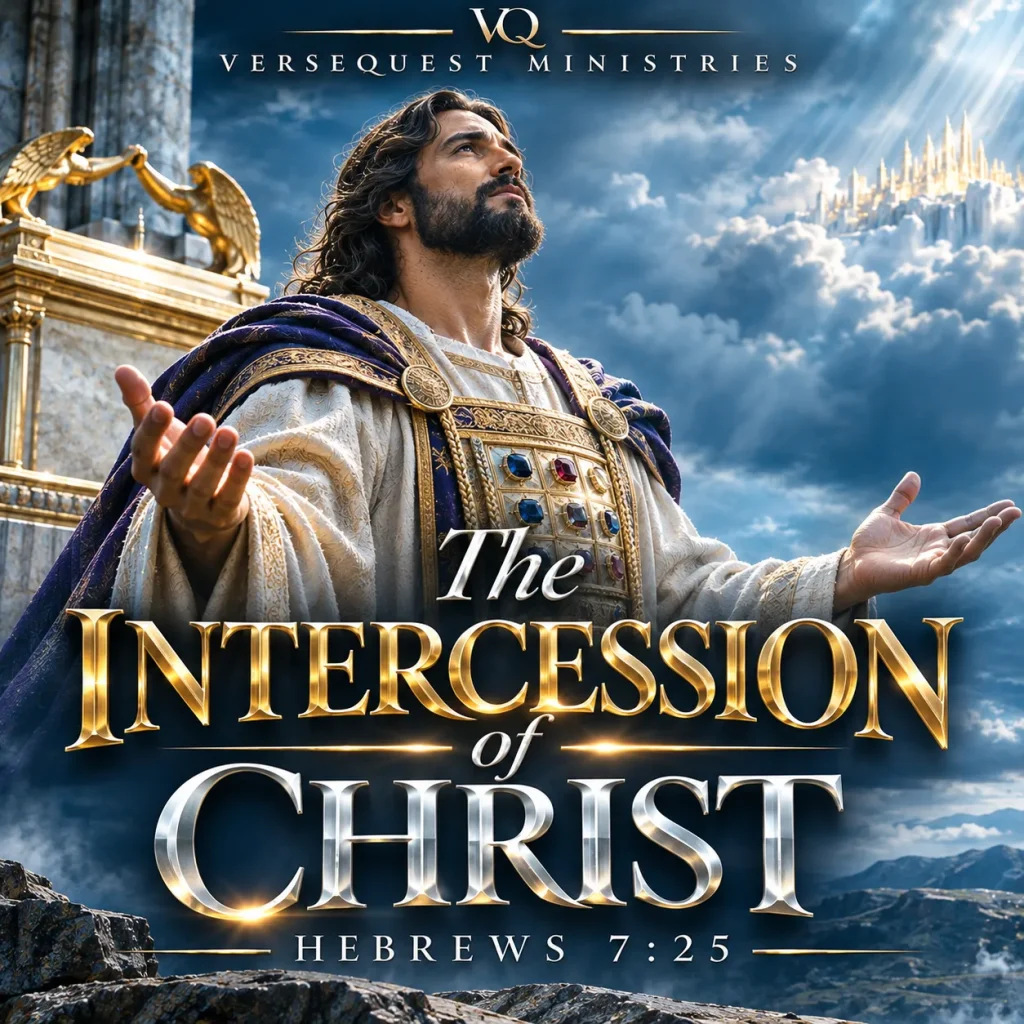
November 11, 2026
Series: Hebrews 7:25, The Intercession of Christ
Speaker: Paul Tackett
Topic: access to God through Christ, Christ our eternal High Priest, Christ's heavenly intercession, Christ's intercession for believers, eternal security of the believer, finished work of Jesus Christ, Hebrews 7 sermon outline, Hebrews 7:25, Jesus Christ our Advocate, Jesus Christ our Mediator, Jesus saves to the uttermost, KJV Sermon Outline, Melchisedec priesthood, Once for All Sacrifice, Resurrection of Jesus Christ, rightly divided Bible study, Romans 8:34, salvation by grace through faith, The Intercession of Christ, unchangeable priesthood of Christ
Book: Hebrews
This detailed sermon outline examines Hebrews 7:25 and the magnificent declaration concerning Jesus Christ, “Wherefore he is able also to save them to the uttermost that come unto God by him, seeing he ever liveth to make intercession for them,” revealing the complete sufficiency of the Saviour’s finished sacrifice, eternal priesthood, and continuing intercession at the right hand of God. The message carefully establishes the original context of Hebrews 7, where the writer demonstrates the superiority of Christ’s priesthood after the order of Melchisedec over the former Levitical priesthood established under the Mosaic law. Special attention is given to the mortality of Israel’s earthly high priests, the divine oath recorded in Psalm 110:4, the distinction between Aaron’s priesthood and Christ’s unchangeable priesthood, and the significance of the Lord’s resurrection and endless life. The sermon examines the powerful expressions “save them to the uttermost,” “come unto God by him,” and “he ever liveth to make intercession,” explaining why Jesus Christ provides complete redemption rather than a temporary or partial salvation dependent upon human religious performance. Drawing upon Hebrews 4–10, Romans 8:31–39, Ephesians 1–2, 1 Timothy 2:5–6, and 1 John 2:1–2, the outline establishes the difference between Christ’s once-for-all sacrifice and His continuing heavenly ministry, demonstrating that His intercession does not require another offering for sin or repeated payments toward redemption. The message explains why Jesus Christ alone is the Mediator between God and men, why sinners must personally believe the gospel, and why no earthly priest, religious institution, sacrament, or additional mediator can replace His finished work. It also distinguishes Christ’s intercession from the Holy Spirit’s assistance in prayer and the intercessory prayers offered by saved believers for one another. Particular emphasis is placed upon the believer’s eternal security, Christ’s advocacy against condemnation, the relationship between justification and practical sanctification, and why salvation by grace never provides permission for careless or sinful living. The sermon further examines the comfort Christ’s continuing intercession provides during spiritual weakness, temptation, suffering, accusation, persecution, and uncertainty, while connecting the believer’s secure standing in Christ with faithful Christian service and future accountability at the Judgment Seat of Christ. Preachers, pastors, teachers, and Bible students will gain a comprehensive, KJV-based, rightly divided, sermon-ready framework for teaching the intercession of Jesus Christ, His eternal priesthood, salvation to the uttermost, the sufficiency of His blood, the assurance of eternal life, access to the Father, and the believer’s confidence in the risen Saviour who ever lives to make intercession for His own.
-
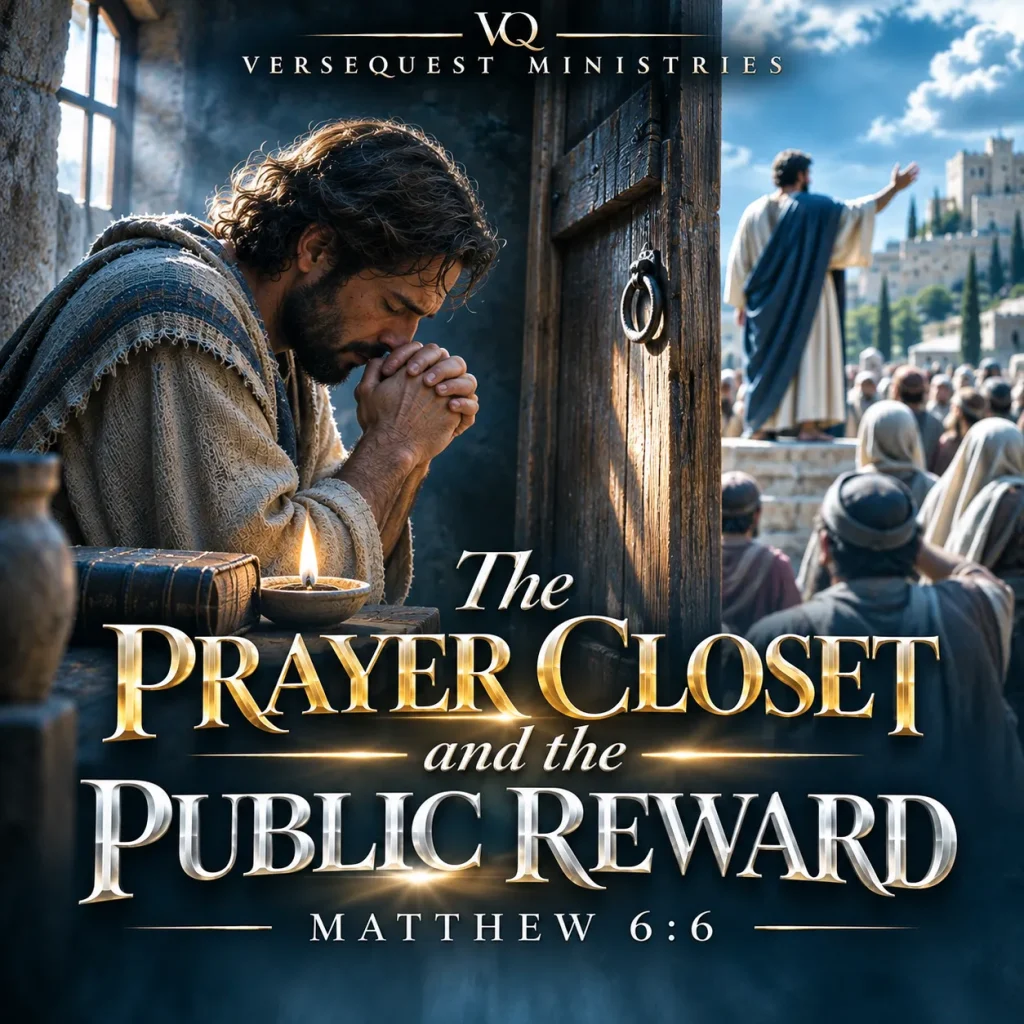
November 10, 2026
Speaker: Paul Tackett
Topic: biblical motives for prayer, Father who sees in secret, Judgment Seat of Christ, kingdom teaching of Jesus, KJV Sermon Outline, Matthew 6 sermon outline, Matthew 6:6, prayer and sincerity, prayer closet Bible study, prayer under grace, praying to be seen of men, private devotion, religious hypocrisy, reward thee openly, rightly divided Bible study, salvation by grace through faith, secret prayer, Sermon on the Mount, The Prayer Closet and the Public Reward, vain repetitions in prayer
Book: Matthew
This detailed sermon outline examines Matthew 6:6 and the Lord Jesus Christ’s instruction, “But thou, when thou prayest, enter into thy closet, and when thou hast shut thy door, pray to thy Father which is in secret; and thy Father which seeth in secret shall reward thee openly,” revealing the difference between sincere private communion with God and religious devotion performed for the recognition of men. The message carefully establishes the passage’s original context within the Sermon on the Mount, where Jesus Christ warns His disciples against the hypocrisy of those who give alms, pray, and fast primarily to attract public admiration. Beginning with Matthew 6:1–8, the sermon examines why Christ condemned the motives of hypocritical worshippers rather than the legitimate practice of public prayer, and why receiving human applause may constitute the only reward sought by someone performing religious activities for personal recognition. Special attention is given to the expressions “enter into thy closet,” “when thou hast shut thy door,” “thy Father which seeth in secret,” and “shall reward thee openly,” explaining the importance of genuine sincerity, spiritual humility, private devotion, and the Father’s complete knowledge of hidden motives. The outline also examines the danger of vain repetitions, mechanical religious formulas, impressive public performances, and confusing lengthy prayers with genuine dependence upon God. Drawing upon Matthew 6:9–15, the sermon considers Christ’s pattern of prayer, including reverence for the Father, the coming kingdom, submission to God’s will, daily provision, forgiveness, and deliverance from temptation. The message carefully preserves the original kingdom setting of Christ’s earthly ministry to Israel while distinguishing that instruction from the Church-Age believer’s salvation by grace through faith, spiritual position in Jesus Christ, and access to the Father through the Holy Spirit. Additional passages from Romans 8, Ephesians 2–3, Philippians 4, Colossians 4, and 1 Timothy 2 demonstrate why genuine Christian prayer should include thanksgiving, intercession, perseverance, scriptural understanding, and sincere dependence upon the Lord. The sermon further examines the distinction between divine reward and the false assumption that private prayer guarantees earthly fame, financial prosperity, or public recognition, while drawing a careful comparison with the future Judgment Seat of Christ, where the quality and motives of Christian service will be examined. Preachers, pastors, teachers, and Bible students will gain a comprehensive, KJV-based, rightly divided, sermon-ready framework for teaching secret prayer, biblical sincerity, religious hypocrisy, spiritual humility, divine reward, faithful Christian stewardship, and the importance of seeking God’s approval above the applause of men.
-
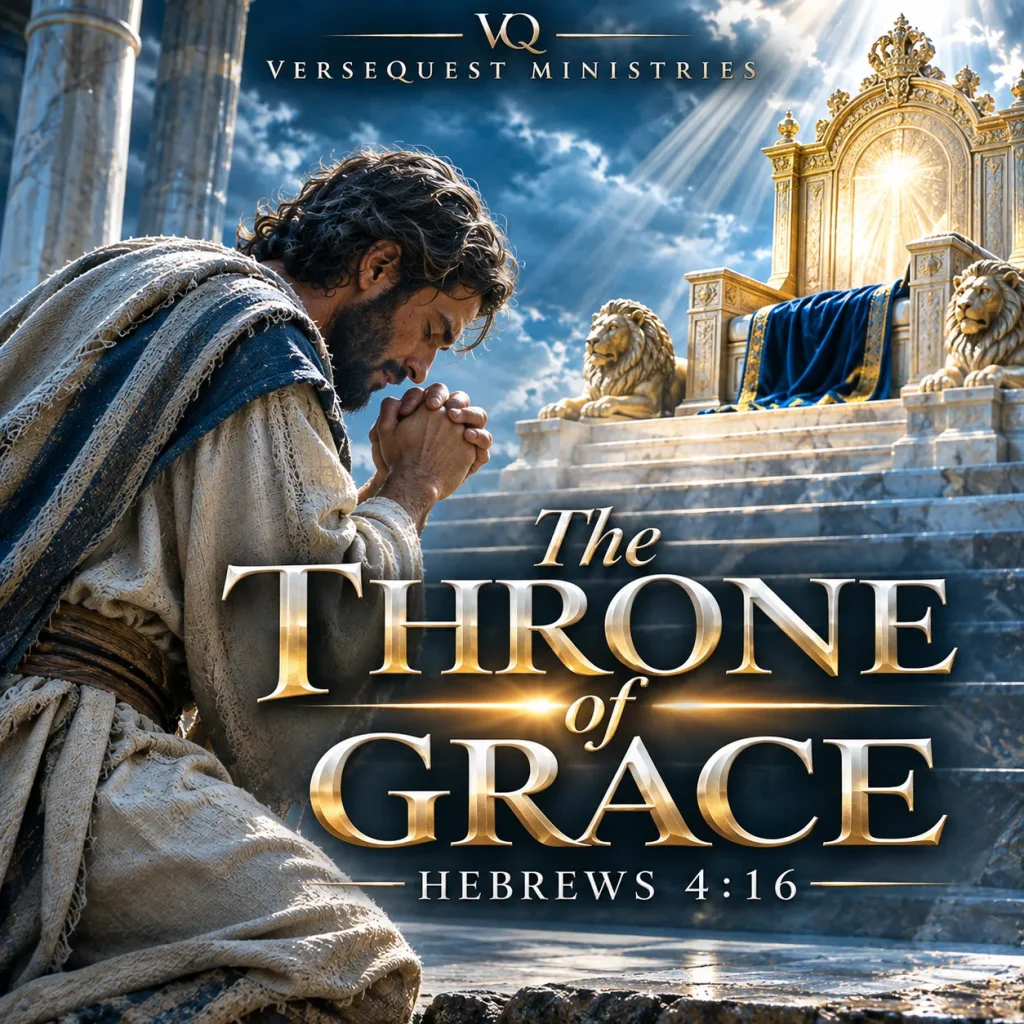
November 9, 2026
Series: Hebrews 4:16, The Throne of Grace
Speaker: Paul Tackett
Topic: 2 Corinthians 12:9, access to God through Christ, believer's eternal security, biblical prayer and supplication, Christ's heavenly priesthood, come boldly unto the throne of grace, grace sufficient for weakness, Hebrews 4 sermon outline, Hebrews 4:14–16, Hebrews 4:16, help in time of need, Jesus our great High Priest, Jesus the one Mediator, KJV Sermon Outline, mercy and grace, mercy through Jesus Christ, Once for All Sacrifice, rightly divided Bible study, salvation by grace through faith, The Throne of Grace
Book: Hebrews
This detailed sermon outline examines Hebrews 4:16 and the remarkable biblical invitation, “Let us therefore come boldly unto the throne of grace, that we may obtain mercy, and find grace to help in time of need,” revealing the believer’s privilege of approaching Almighty God through Jesus Christ, our great High Priest. The message carefully establishes the passage’s immediate context within Hebrews 4:12–16, where the writer describes the penetrating authority of God’s word, the impossibility of concealing anything from His sight, and the glorious provision of Jesus the Son of God, who has passed into the heavens. It explains why the throne of grace represents divine holiness, sovereign authority, mercy, and gracious access rather than a religious mechanism through which believers may demand whatever earthly benefits they desire. Special attention is given to Hebrews 4:14–15, which identifies Jesus Christ as the great High Priest who can be touched with the feeling of our infirmities and who was tempted in all points like as we are, yet without sin. The sermon explores the superiority of Christ’s eternal priesthood over the former Levitical priesthood, the significance of His once-for-all sacrifice, His entrance into the heavenly sanctuary, and His continuing intercession for those who come unto God through Him. Drawing upon Hebrews 4–10, Romans 5 and 8, Ephesians 2–3, Philippians 4, and 2 Corinthians 12, the outline distinguishes salvation through Christ’s finished work from the saved believer’s continuing responsibility to pray, walk in holiness, and depend upon divine strength. It examines the importance of coming boldly without becoming presumptuous, the distinction between obtaining mercy and finding grace, and why God’s help in time of need does not guarantee the immediate removal of suffering, sickness, persecution, or difficult earthly circumstances. Paul’s testimony concerning his thorn in the flesh receives particular attention, demonstrating why the sufficiency of divine grace may be revealed through continued weakness rather than instant deliverance. The message also explains the believer’s access to the Father through Jesus Christ by the Holy Spirit, the unique mediatorial office of the Saviour, and the importance of approaching God with reverence, thanksgiving, intercession, perseverance, and submission to His revealed will. Preachers, pastors, teachers, and Bible students will gain a comprehensive, KJV-based, rightly divided, sermon-ready framework for teaching the throne of grace, Christ’s heavenly priesthood, redemption through His blood, biblical prayer, divine mercy, sufficient grace, spiritual perseverance, and the believer’s continuing dependence upon the Lord Jesus Christ.
-
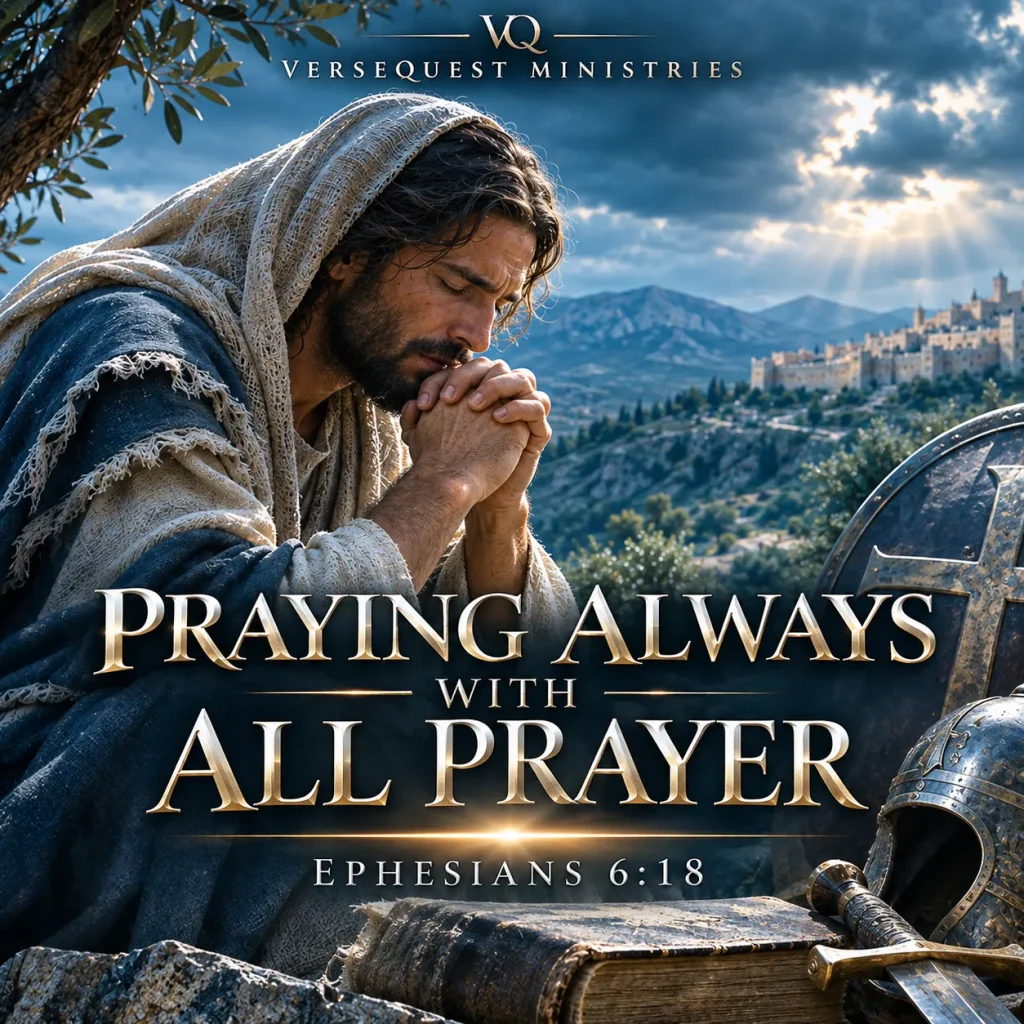
November 8, 2026
Speaker: Paul Tackett
Topic: access to the Father through Christ, biblical spiritual warfare, boldness in gospel preaching, Christian prayer life, Ephesians 6 sermon outline, Ephesians 6:18, Holy Spirit and prayer, intercession for all saints, KJV Sermon Outline, Paul ambassador in bonds, perseverance in prayer, prayer and supplication, prayer for fellow believers, praying always in the Spirit, Praying Always With All Prayer, praying without ceasing, rightly divided Bible study, salvation by grace through faith, spiritual watchfulness, whole armour of God
Book: Ephesians
This detailed sermon outline examines Ephesians 6:18 and the Apostle Paul’s command, “Praying always with all prayer and supplication in the Spirit, and watching thereunto with all perseverance and supplication for all saints,” revealing the believer’s responsibility to maintain continual dependence upon God while standing faithfully in the whole armour of God. The message carefully establishes the passage’s immediate context within Ephesians 6:10–20, where Paul instructs saved believers to be strong in the Lord, stand against the wiles of the devil, and put on the spiritual armour provided through truth, righteousness, the gospel of peace, faith, salvation, and the word of God. It explains why prayer is inseparable from biblical spiritual warfare and why sound doctrine, religious activity, natural determination, and knowledge of Scripture must never become substitutes for dependence upon the Lord. Special attention is given to the expressions “praying always,” “all prayer and supplication,” “in the Spirit,” “watching thereunto,” “all perseverance,” and “supplication for all saints,” demonstrating how each contributes to a faithful Christian prayer life. The sermon examines the importance of praying without ceasing, distinguishing earnest supplication from mechanical religious repetition, remaining spiritually alert against temptation and doctrinal deception, and persevering when answers do not arrive according to human expectations. Drawing upon Romans 8, Philippians 4, Colossians 4, 1 Thessalonians 5, 1 Timothy 2, and other Pauline passages, the outline explains the Holy Spirit’s ministry in prayer, the believer’s access to the Father through Jesus Christ, and the necessity of submitting personal requests to God’s revealed will. It carefully distinguishes praying in the Spirit from claims concerning unintelligible ecstatic utterances, while rejecting the idea that persistence gives believers authority to manipulate God or demand earthly prosperity. The message also develops the responsibility to intercede for fellow Christians, pastors, missionaries, gospel workers, and suffering believers rather than limiting prayer to personal concerns. Special consideration is given to Ephesians 6:19–20, where Paul requests prayer for boldness to proclaim the mystery of the gospel while serving as an ambassador in bonds. Finally, the outline distinguishes salvation by grace through faith from the saved believer’s continuing responsibility to pray, remain watchful, and serve faithfully. Preachers, pastors, teachers, and Bible students will gain a comprehensive, KJV-based, rightly divided, sermon-ready framework for teaching Christian prayer, spiritual warfare, intercession, perseverance, doctrinal discernment, gospel boldness, and continual dependence upon Jesus Christ.
-
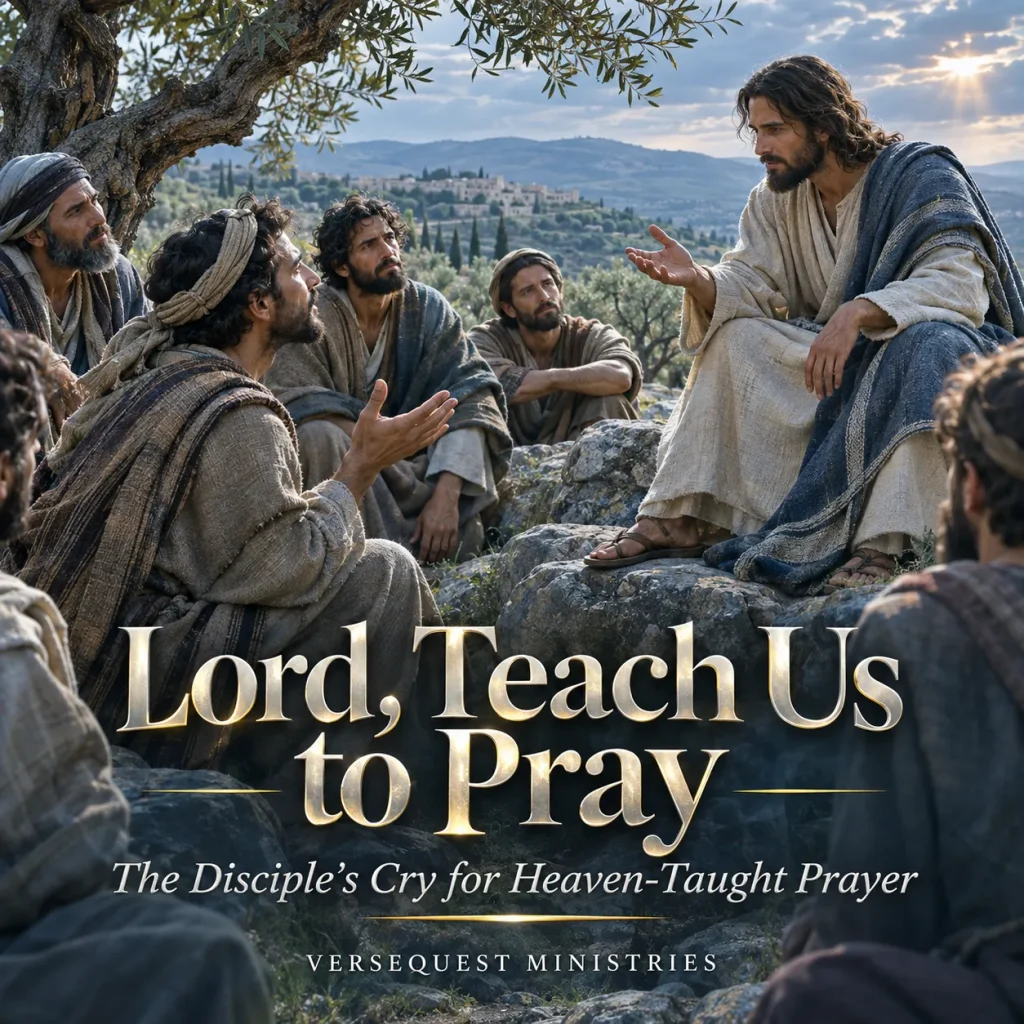
November 7, 2026
Series: Lord Teach Us to Pray, Luke 11:1
Speaker: Paul Tackett
Topic: ask seek and knock, daily bread and dependence upon God, forgiveness and prayer, Holy Spirit and prayer, how to pray biblically, Jesus teaches the disciples to pray, KJV Sermon Outline, lead us not into temptation, Lord Teach Us to Pray, Luke 11 sermon outline, Luke 11:1, Our Father which art in heaven, perseverance in prayer, prayer in the King James Bible, prayer through Jesus Christ, prayer under grace, rightly divided Bible teaching, the friend at midnight, the Lord's Prayer explained, Thy kingdom come
Book: Luke
This detailed sermon outline examines Luke 11:1 and the memorable request made by one of the disciples of Jesus Christ: “Lord, teach us to pray,” revealing the importance of genuine communion with God, spiritual dependence, and learning to approach the Father according to His revealed word. The message begins by examining the example of Jesus Christ, whose earthly ministry was repeatedly marked by prayer, and explains why His disciples desired instruction after observing Him praying. Establishing the original historical and dispensational setting of Luke 11:1–13, the sermon carefully examines the prayer taught by Jesus during His earthly ministry to Israel and distinguishes its kingdom emphasis from the Church-Age believer’s privileges and responsibilities under grace. Special attention is given to the opening declaration, “Our Father which art in heaven,” the reverence expressed in “Hallowed be thy name,” the prophetic significance of “Thy kingdom come,” and the importance of submitting personal desires to the revealed will of God. The outline further explains the petition for daily bread as an expression of dependence upon divine provision, the responsibility to forgive others, and the necessity of seeking deliverance from temptation rather than relying upon the strength of the flesh. Drawing upon Luke 11:5–8, the sermon examines the friend at midnight and the importance of perseverance in prayer without confusing persistent requests with attempts to manipulate God or force Him to fulfill human demands. It also explores Christ’s instruction to ask, seek, and knock, emphasizing the Father’s goodness, wisdom, and willingness to provide according to His will. A significant doctrinal distinction is developed from Luke 11:13 concerning the giving of the Holy Spirit, explaining why this instruction must be understood within its original setting rather than confused with the sealing and indwelling of the Spirit received by believers upon trusting the gospel. Drawing upon Romans 8, Ephesians 2–3, Philippians 4, Colossians 4, 1 Timothy 2, and other Pauline passages, the sermon explains how saved believers possess access to the Father through Jesus Christ and should practice thanksgiving, supplication, intercession, humility, spiritual watchfulness, and faithful dependence upon God. Preachers, pastors, teachers, and Bible students will gain a comprehensive, KJV-based, rightly divided, sermon-ready framework for teaching the Lord’s instruction concerning prayer, the importance of understanding dispensational distinctions, the believer’s access to God through Christ, perseverance, forgiveness, spiritual growth, and the development of a faithful prayer life governed by Scripture rather than religious traditions or human expectations.
-
November 6, 2026
Series: 1 John 5:4, Victory Over the World
Speaker: Paul Tackett
Topic: 1 John 2:15–17, 1 John 5 sermon outline, 1 John 5:4, biblical spiritual warfare, Christ has overcome the world, Christian Perseverance, Christian victory over sin, eternal security in Christ, faith that overcomes the world, Jesus Christ the Son of God, KJV Sermon Outline, new birth in Christ, overcoming the world by faith, rightly divided Bible study, salvation by grace through faith, sound doctrine and discernment, Victory Over the World, Walking in the Spirit, whatsoever is born of God, worldly lusts and pride
Book: 1 John
This detailed sermon outline examines 1 John 5:4 and the Apostle John’s remarkable declaration, “For whatsoever is born of God overcometh the world: and this is the victory that overcometh the world, even our faith,” revealing the spiritual victory possessed by those who have been born of God through faith in Jesus Christ. The message establishes the passage’s immediate context within 1 John 5:1–5, where the new birth, faith in Jesus as the Christ and Son of God, love for fellow believers, obedience to God’s commandments, and overcoming the world are inseparably connected. It explains why biblical victory does not originate in human determination, religious performance, moral improvement, or the reforming of fallen flesh, but rests upon the saving work of Jesus Christ and the new spiritual life received through faith in Him. Special attention is given to 1 John 2:15–17, where believers are commanded not to love the world, and to the distinction between the physical creation, the lost people whom God desires to save, and the present fallen system characterized by the lust of the flesh, the lust of the eyes, and the pride of life. The sermon examines how worldly values, personal ambition, covetousness, false doctrine, fleshly desires, and the pursuit of human approval can hinder practical Christian faithfulness. Drawing upon Romans 6–8, Galatians 5, Ephesians 6, Colossians 3, and other Pauline passages, the outline explains why believers must walk in the Spirit, renew their minds through Scripture, refuse provision for the flesh, maintain sound doctrine, and exercise biblical discernment. It also examines why genuine spiritual victory should produce love, obedience, holiness, and perseverance without confusing those works with the requirements for obtaining or maintaining eternal salvation. The message further explores John 16:33, where Jesus Christ declares that He has overcome the world, demonstrating why biblical victory does not promise freedom from tribulation, suffering, persecution, or physical death. Finally, the outline emphasizes the assurance of eternal life in 1 John 5:11–13, the believer’s future bodily redemption, and the eternal significance of faithful Christian service. Preachers, pastors, teachers, and Bible students will gain a comprehensive, KJV-based, rightly divided, sermon-ready framework for teaching the new birth, saving faith, victory over worldly influences, practical sanctification, spiritual discernment, eternal security, Christian perseverance, and the everlasting triumph believers possess through the Lord Jesus Christ.
-
November 5, 2026
Series: Hebrews 12:15, The Root of Bitterness
Speaker: Paul Tackett
Topic: biblical forgiveness, bitterness and unforgiveness, bitterness defiles many, Christian reconciliation, Deuteronomy 29:18, Ephesians 4:31–32, Esau and the birthright, failing of the grace of God, Hebrews 12 sermon outline, Hebrews 12:15, KJV Sermon Outline, peace and holiness, rejecting malice, resisting resentment, rightly divided Bible preaching, root of bitterness Bible study, Salvation by Grace, spiritual corruption, The Root of Bitterness, Walking in the Spirit
Book: Hebrews
This detailed sermon outline examines Hebrews 12:15 and the solemn biblical warning, “Looking diligently lest any man fail of the grace of God; lest any root of bitterness springing up trouble you, and thereby many be defiled,” revealing the danger of hidden spiritual corruption and the destructive consequences that can develop when bitterness, unbelief, and fleshly hostility are permitted to take root. The message carefully establishes the passage’s original setting within Hebrews 12:14–17, where the writer calls his Hebrew audience to pursue peace and holiness while warning against spiritual negligence, corruption, and the profane disregard for sacred responsibilities demonstrated by Esau. Special attention is given to Deuteronomy 29:18, where the LORD warns Israel concerning a root producing gall and wormwood through a heart turning away from Him toward idolatry and covenant unfaithfulness. The sermon explains why this Old Testament background is essential to understanding the warning in Hebrews and why the root of bitterness must not be reduced exclusively to personal resentment or hurt feelings. From that doctrinal foundation, the outline develops the practical Christian application of recognizing hidden resentment, refusing unforgiveness, rejecting personal vengeance, and preventing bitterness from corrupting speech, judgment, relationships, churches, families, and ministries. It examines the significance of the expressions “looking diligently,” “fail of the grace of God,” “springing up trouble you,” and “thereby many be defiled,” demonstrating how inward corruption can eventually affect an entire community. Drawing upon Hebrews 12, Deuteronomy 29, Ephesians 4:31–32, Romans 12, Galatians 5, Colossians 3, and other supporting passages, the message carefully distinguishes genuine grief and righteous opposition to wrongdoing from sinful bitterness, while explaining why forgiveness does not require denying legitimate injuries, abandoning necessary boundaries, or eliminating appropriate accountability. The outline also preserves the doctrinal distinction between the original warnings of Hebrews and the Church-Age believer’s eternal security through faith in Jesus Christ, establishing that salvation rests upon the Saviour’s finished work rather than the perfection of one’s emotional condition. Preachers, pastors, teachers, and Bible students will gain a comprehensive, KJV-based, rightly divided, sermon-ready framework for teaching the root of bitterness, spiritual vigilance, unbelief, holiness, Christian forgiveness, reconciliation, freedom from malice, the danger of defiling others, and the transforming influence of God’s grace upon the believer’s daily conduct.
-
November 4, 2026
Series: Hebrews 2:1, The Danger of Spiritual Drift
Speaker: Paul Tackett
Topic: apostolic signs and wonders, Christian Perseverance, Christian spiritual growth, Eternal Security, give the more earnest heed, Hebrews 2 sermon outline, Hebrews 2:1, holding fast to Scripture, importance of Bible study, King James Bible preaching, KJV Sermon Outline, lest we let them slip, neglecting so great salvation, rightly divided Bible study, Sound Doctrine, spiritual negligence, spiritual watchfulness, superiority of Jesus Christ, The Danger of Spiritual Drift, warning against unbelief
Book: Hebrews
This detailed sermon outline examines Hebrews 2:1 and the solemn biblical warning, “Therefore we ought to give the more earnest heed to the things which we have heard, lest at any time we should let them slip,” revealing the danger of spiritual negligence, doctrinal instability, and gradually losing careful attention to divine revelation. The message establishes the passage’s original context within the Book of Hebrews, where the writer has demonstrated the supremacy of Jesus Christ over the angels, His divine authority, His finished work of purging sins, and His exaltation at the right hand of God. It explains why the opening word “Therefore” connects the warning directly to Christ’s superiority, why believers must give earnest attention to God’s revealed truth, and how spiritual drift can develop through continued indifference, neglected biblical instruction, worldly distractions, and increasing susceptibility to false doctrine. Special attention is given to Hebrews 2:1–4, including the warning against neglecting so great salvation, the difference between hearing the gospel and personally believing it, and the divine confirmation of Christ’s message through apostolic witnesses, signs, wonders, and miracles. The sermon carefully distinguishes the historical and doctrinal setting of Hebrews and its warnings concerning unbelief from the Church-Age believer’s eternal security through faith in Jesus Christ, avoiding the erroneous teaching that ordinary spiritual weakness or inconsistent Christian performance can undo the Saviour’s finished work. Drawing upon Hebrews 3–6, Hebrews 12, Ephesians 4, Colossians 2, 2 Timothy 2–3, and other New Testament passages, the outline develops the practical importance of sound doctrine, Scripture rightly divided, spiritual watchfulness, Christian perseverance, renewed thinking, and faithful obedience. It also examines why spiritual negligence can damage Christian growth, weaken biblical discernment, compromise one’s testimony, and waste valuable opportunities for service without invalidating the sufficiency of Christ’s redemption. Preachers, pastors, teachers, and Bible students will gain a comprehensive, KJV-based, rightly divided, sermon-ready framework for teaching the danger of spiritual drift, the authority of God’s Word, the seriousness of neglecting salvation, the preservation of sound doctrine, eternal security, and the importance of remaining firmly established in Jesus Christ rather than being carried away by the changing influences of the world.
-

November 3, 2026
Speaker: Paul Tackett
Topic: 1 Corinthians 4 sermon outline, 1 Corinthians 4:2, biblical faithfulness, Christian Perseverance, faithful Christian stewardship, faithful servants of Christ, faithfulness in ministry, faithfulness over popularity, humility in Christian ministry, Judgment Seat of Christ, King James Bible study, KJV Sermon Outline, quiet Christian service, rewards for faithful service, rightly dividing the word, Salvation by Grace, serving God without recognition, sound doctrine and stewardship, stewards of the mysteries of God, The Quiet Strength of Faithfulness
Book: 1 Corinthians
This detailed sermon outline examines 1 Corinthians 4:2 and the Apostle Paul’s declaration, “Moreover it is required in stewards, that a man be found faithful,” revealing the quiet but indispensable strength of Christian faithfulness and the believer’s responsibility to serve Jesus Christ without seeking worldly recognition or human applause. The message carefully establishes the passage’s original context within Paul’s correction of the Corinthian church, where divisions, carnality, religious personalities, and comparisons between ministers had distracted believers from the true purpose of Christian stewardship. Beginning with 1 Corinthians 4:1–5, the sermon explains why ministers are servants of Christ and stewards of the mysteries of God, emphasizing the responsibility to preserve sound doctrine, rightly divide Scripture, and faithfully handle divine revelation rather than altering biblical truth to attract popularity. It examines why faithfulness is a requirement rather than an optional quality, how the Lord measures stewardship differently from the world, and why public recognition, ministry size, natural ability, religious influence, and impressive accomplishments cannot substitute for humble obedience. Special attention is given to the often-overlooked faithfulness of ordinary Christians, including parents, Bible teachers, church helpers, gospel witnesses, and believers who continue serving faithfully through difficult circumstances without receiving public recognition. Drawing upon 1 Corinthians 3–4, 2 Corinthians 5, Colossians 3, Galatians 6, and other Pauline passages, the outline explores perseverance, humility, freedom from religious competition, faithful service in everyday responsibilities, and the danger of allowing personal ambition to corrupt Christian ministry. The sermon also examines the Judgment Seat of Christ, where the Lord will reveal the hidden motives of the heart and evaluate the quality of Christian service, carefully distinguishing salvation by grace through faith from the rewards or losses associated with the believer’s stewardship. Preachers, pastors, teachers, and Bible students will gain a comprehensive, KJV-based, rightly divided, sermon-ready framework for teaching Christian faithfulness, biblical stewardship, sound doctrine, perseverance, humility, eternal rewards, and the lasting spiritual value of serving Jesus Christ faithfully whether anybody notices or not.
-
November 2, 2026
Speaker: Paul Tackett
Topic: 1 Timothy 2 sermon outline, 1 Timothy 2:1, biblical spiritual responsibility, Christian prayer life, Ezekiel 22:30, gospel intercession, intercessory prayer, Jesus Christ our Mediator, KJV Sermon Outline, one mediator between God and men, prayer and thanksgiving, prayer for government leaders, prayer for the lost, Prayer That Stands in the Gap, praying for all men, praying for missionaries and pastors, rightly divided Bible preaching, salvation through Jesus Christ, standing in the gap Bible study, supplications prayers and intercessions
Book: 1 Timothy
This detailed sermon outline examines 1 Timothy 2:1 and the Apostle Paul’s command that “supplications, prayers, intercessions, and giving of thanks, be made for all men,” revealing the believer’s responsibility to approach God concerning the spiritual and practical needs of others. The message establishes the importance of prayer within the Church, carefully distinguishing supplications, prayers, intercessions, and thanksgiving while explaining why Christian concern must extend beyond personal needs, immediate family, and fellow believers to include all people. Special attention is given to 1 Timothy 2:2, where Paul commands prayer for kings and all in authority, demonstrating that believers should pray for rulers regardless of political agreement while seeking conditions favorable to a quiet and peaceable life in godliness and honesty. The outline further examines 1 Timothy 2:3–4 and God’s desire that all men be saved and come unto the knowledge of the truth, connecting intercessory prayer with gospel preaching, Christian compassion, and the responsibility to communicate salvation through Jesus Christ. A central doctrinal emphasis is placed upon 1 Timothy 2:5–6, which declares that there is “one mediator between God and men, the man Christ Jesus,” establishing that believers may intercede for others but cannot replace Christ’s unique mediatorial office or His finished work of redemption. The sermon also explores the expression “standing in the gap” from Ezekiel 22:30, carefully preserving its original prophetic application to Israel while drawing a legitimate biblical illustration concerning earnest intercession for others. Drawing upon Romans 8, Romans 10, Ephesians 6, Colossians 4, Hebrews 4 and 7, and other supporting passages, the message examines prayer for the lost, missionaries, preachers, fellow Christians, suffering believers, and those caught in doctrinal error. It also addresses the necessity of holiness, faith, thanksgiving, perseverance, freedom from fleshly wrath, and submission to God’s will in the believer’s prayer life. Preachers, pastors, teachers, and Bible students will gain a comprehensive, KJV-based, rightly divided, sermon-ready framework for teaching biblical intercession, the priority of prayer, Christian compassion, spiritual responsibility, prayer for government leaders, gospel witness, and faithful dependence upon Jesus Christ as the one Mediator through whom believers have access to the Father.
-
November 1, 2026
Series: Ephesians 5:16, Redeeming the Time
Topic: biblical discernment, biblical wisdom, Christian family responsibilities, Christian priorities, Christian responsibility, Christian time stewardship, Ephesians 5 sermon outline, Ephesians 5:16, gospel witness opportunities, Judgment Seat of Christ, King James Bible preaching, KJV Sermon Outline, Redeeming the Time, redeeming time Bible study, rightly divided Scripture, Salvation by Grace, the days are evil, understanding God's will, walk circumspectly, Walking in the Spirit
Book: Ephesians
This detailed sermon outline examines Ephesians 5:16 and the Apostle Paul’s command, “Redeeming the time, because the days are evil,” revealing the believer’s responsibility to make wise use of God-given opportunities while living faithfully in a fallen and spiritually hostile world. The message carefully establishes the passage’s immediate context in Ephesians 5:15–17, where Paul instructs Christians to walk circumspectly, not as fools but as wise, and to understand what the will of the Lord is. It explains why redeeming the time involves more than careful scheduling, worldly productivity, financial success, or remaining constantly busy, emphasizing instead the importance of biblical wisdom, spiritual discernment, sound doctrine, and faithful obedience to Jesus Christ. The outline examines why earthly time is limited, how the present evil world continually competes for the believer’s attention, and how fleshly desires, unnecessary distractions, procrastination, misplaced priorities, and worldly ambitions can consume opportunities that can never be recovered. Special attention is given to the distinction between salvation through Christ’s finished work and the saved believer’s responsibility to steward his remaining earthly life, demonstrating that faithful service does not purchase eternal life but should follow redemption by grace. Drawing upon Ephesians 5, Colossians 4:5–6, Romans 12, Galatians 5, 2 Corinthians 5, and other Pauline passages, the sermon explores walking in the Spirit, understanding God’s revealed will, fulfilling family and workplace responsibilities, maintaining Christian fellowship, and recognizing opportunities for gospel witness. It further examines the Judgment Seat of Christ, where believers’ works will be evaluated, carefully distinguishing eternal security from the rewards or losses associated with Christian stewardship. Preachers, pastors, teachers, and Bible students will gain a comprehensive, KJV-based, rightly divided, sermon-ready framework for teaching Christian time stewardship, spiritual priorities, biblical wisdom, practical sanctification, gospel opportunities, faithful service, and the eternal importance of living for Jesus Christ while time remains.
-
October 31, 2026
Speaker: Paul Tackett
Topic: 2 Timothy 2:20–21, 2 Timothy sermon outline, biblical separation, Christian usefulness Bible study, depart from iniquity, doctrinal purity, fleeing youthful lusts, Hymenaeus and Philetus, KJV Sermon Outline, Practical Sanctification, prepared unto every good work, purging from false doctrine, righteousness faith charity and peace, rightly dividing the word of truth, salvation by grace and service, sanctified for the Master's use, servant of the Lord, teaching with meekness, The Clean Vessel God Can Use, vessel unto honour
This detailed sermon outline examines 2 Timothy 2:20–21 and the Apostle Paul’s illustration of the great house containing vessels of gold, silver, wood, and earth, some unto honour and others unto dishonour. The message explains what it means for a believer to become “a vessel unto honour, sanctified, and meet for the master’s use, and prepared unto every good work,” while carefully establishing the passage’s immediate context within Paul’s warnings against false doctrine, profane and vain babblings, and the destructive teachings of Hymenaeus and Philetus concerning the resurrection. It explores why becoming a clean vessel requires more than outward religious respectability, emphasizing the necessity of purging oneself from corrupting doctrinal influences, departing from iniquity, maintaining sound biblical teaching, and pursuing practical holiness. The sermon carefully distinguishes salvation by grace through faith from sanctification and usefulness in Christian service, demonstrating that cleansing does not purchase eternal life but prepares a saved believer for honorable responsibilities before the Lord. Special attention is given to 2 Timothy 2:22–26, where Paul commands believers to flee youthful lusts, follow righteousness, faith, charity, and peace, avoid foolish disputes, and instruct those opposing the truth with gentleness, patience, and meekness. Drawing upon Romans 6, 2 Corinthians 4 and 7, Ephesians 2, Titus 2, and other Pauline passages, the outline also examines why spiritual usefulness depends upon faithfulness, doctrinal accuracy, godly character, and submission to Scripture rather than natural talent, popularity, education, or religious reputation. It further explains how the word of God prepares believers for good works and why Christian stewardship will ultimately be examined by Jesus Christ. Preachers, pastors, teachers, and Bible students will gain a comprehensive, KJV-based, rightly divided, sermon-ready framework for teaching doctrinal purity, biblical separation, practical sanctification, Christian usefulness, spiritual maturity, faithful ministry, and the believer’s responsibility to become a vessel prepared for the Master’s honorable use.
-

October 30, 2026
Speaker: Paul Tackett
Topic: Christ's preeminence, Christian conduct, Christian good works, Colossians 1 sermon outline, Colossians 1:10, fruitful in every good work, increasing in the knowledge of God, King James Bible study, KJV Sermon Outline, patience and longsuffering, pleasing the Lord, positional truth and practical sanctification, rightly dividing the word, Salvation by Grace, sound doctrine and obedience, Spiritual Discernment, spiritual maturity, The Believer’s Walk Worthy of the Lord, walk worthy of the Lord, Walking in the Spirit
Book: Colossians
This detailed sermon outline examines Colossians 1:10 and the Apostle Paul’s prayer that believers might “walk worthy of the Lord unto all pleasing, being fruitful in every good work, and increasing in the knowledge of God.” The message establishes that a worthy Christian walk begins with the believer’s secure spiritual position in Jesus Christ rather than an attempt to earn or maintain salvation through religious performance. Beginning with Colossians 1:9–14, the sermon explains why knowledge of God’s will, spiritual wisdom, and sound doctrine must precede practical obedience, and how the believer’s redemption through Christ’s blood provides the foundation for a life that honors the Saviour. It carefully examines what it means to walk worthy of the Lord in everyday conduct, why pleasing Jesus Christ must take priority over worldly approval and religious reputation, and how genuine spiritual fruitfulness differs from mere outward activity or works-based righteousness. Special attention is given to Paul’s command to be fruitful in every good work, increase continually in biblical knowledge, and depend upon God’s glorious power for patience, longsuffering, and joyfulness during trials. Drawing upon Colossians 1:9–18, Ephesians 4, Romans 6 and 12, Galatians 5, Philippians 1, and other Pauline passages, the outline demonstrates how salvation by grace should produce practical sanctification, spiritual maturity, doctrinal discernment, thanksgiving, and faithful Christian service. The sermon also emphasizes the importance of rightly dividing Scripture, distinguishing the believer’s standing in Christ from his daily walk, and recognizing Jesus Christ as the preeminent Head of the Church whose glory should govern every aspect of Christian living. Preachers, pastors, teachers, and Bible students will gain a comprehensive, KJV-based, sermon-ready framework for teaching Christian conduct, spiritual fruitfulness, increasing biblical knowledge, patience, humility, obedience, grace, and a walk that reflects the Lord who has already redeemed the believer through His finished work.
-
October 29, 2026
Speaker: Paul Tackett
Topic: blessed hope of Christ, Christian Holiness, Christian self-control, denying ungodliness, grace that teaches, King James Bible study, KJV Sermon Outline, living godly, living righteously, living soberly, Living Soberly Righteously and Godly, Practical Sanctification, rightly divided Bible preaching, Salvation by Grace, sound doctrine and godliness, Titus 2 sermon outline, Titus 2:12, Walking in the Spirit, worldly lusts, zealous of good works
Book: Titus
This detailed sermon outline examines Titus 2:12 and the Apostle Paul’s instruction that believers should deny ungodliness and worldly lusts while living “soberly, righteously, and godly, in this present world.” The message establishes the inseparable relationship between Titus 2:11, where the grace of God brings salvation, and Titus 2:12, where that same grace teaches saved believers how to live. It carefully distinguishes salvation by grace through faith from practical sanctification, exposing both the legalistic error that holiness must be performed to earn or maintain salvation and the carnal error that eternal security provides permission to indulge the flesh. The outline examines each aspect of Paul’s threefold command: living soberly through sound judgment, self-control, and spiritual watchfulness; living righteously through honesty, fairness, charity, and conduct consistent with God’s revealed truth; and living godly through reverence, obedience, and practical submission to Jesus Christ. It further explores why grace teaches Christians to reject worldly lusts, refuse fleshly self-rule, renew their minds through Scripture, and remain faithful while living in a present world that increasingly celebrates ungodliness. Drawing upon Titus 2:11–15, Romans 6, Galatians 5, Ephesians 4, and other Pauline passages, the sermon connects Christian character with the believer’s new identity in Christ, the indwelling Holy Spirit, sound doctrine, and right division. Special attention is given to Titus 2:13 and the blessed hope of Christ’s appearing, along with Titus 2:14, where the Saviour’s redeeming sacrifice establishes a people who should be zealous of good works. Preachers, pastors, teachers, and Bible students will gain a comprehensive, KJV-based, sermon-ready framework for teaching grace, Christian sobriety, righteousness, godliness, sanctification, sound doctrine, spiritual maturity, the believer’s heavenly hope, and faithful Christian conduct without confusing good works with the finished work of salvation.
-
October 28, 2026
Series: Luke 9:23, The Christian’s Daily Cross
Speaker: Paul Tackett
Topic: bearing the cross, Christian discipleship, Christian persecution, Christian Sanctification, cost of discipleship, daily Christian obedience, deny yourself and follow Christ, grace versus works salvation, Jesus predicts His suffering, King James Bible study, KJV Sermon Outline, Luke 9:23, Luke 9:23 sermon outline, Luke 9:24–26, rightly dividing Scripture, Salvation by Faith, self-denial in the Bible, take up your cross daily, The Christian’s Daily Cross, Walking in the Spirit
Book: Luke
This detailed sermon outline examines Luke 9:23 and the Lord Jesus Christ’s solemn command, “If any man will come after me, let him deny himself, and take up his cross daily, and follow me,” revealing the seriousness of biblical discipleship, the cost of following Christ, and the believer’s responsibility to live faithfully under His authority. The message carefully establishes the passage’s original setting during Christ’s earthly ministry to Israel, immediately following His announcement of His approaching suffering, rejection, death, and resurrection. It explains why the cross represented genuine shame, sacrifice, rejection, and suffering rather than merely the ordinary inconveniences of life, and why Christ’s command must not be confused with a requirement for sinners to earn or maintain eternal salvation through religious self-denial. The outline examines the meaning of denying oneself, the importance of recognizing Christ’s authority over personal ambitions and fleshly desires, the continuing responsibility expressed by the word “daily,” and the difference between genuine Christian suffering and unnecessary trouble produced by personal foolishness. Special attention is given to Luke 9:24–26, where Christ warns against gaining the world while losing what matters eternally, and to the necessity of following Him rather than religious personalities, traditions, or subjective experiences. Drawing upon Romans 6, Romans 12, Galatians 2 and 5, 2 Corinthians 4–5, and other New Testament passages, the sermon distinguishes the believer’s completed identification with Christ from practical sanctification, explains why victory over the flesh requires walking in the Spirit, and demonstrates how Christian faithfulness should become visible through obedience, humility, forgiveness, holiness, service, and perseverance under opposition. Preachers, pastors, teachers, and Bible students will gain a comprehensive, rightly divided, sermon-ready framework for teaching daily cross-bearing, biblical discipleship, self-denial, salvation by grace, spiritual maturity, Christian liberty, and faithful service to Jesus Christ without confusing the believer’s responsibility to follow Christ with His finished work of redemption.
-

October 27, 2026
Speaker: Paul Tackett
Topic: author and finisher of faith, biblical perseverance, Chastening of the Lord, Christian discipline, Christian race of faith, enduring trials as a Christian, finish the Christian race, great cloud of witnesses, Hebrews 12 sermon outline, Hebrews 12:1–2, Jesus endured the cross, Judgment Seat of Christ, KJV Sermon Outline, laying aside every weight, looking unto Jesus, rightly dividing the word, run with patience, Running the Race With Patience, sin which easily besets us, spiritual endurance
Book: Hebrews
This detailed sermon outline examines Hebrews 12:1–2 and the biblical command to “run with patience the race that is set before us,” revealing the importance of spiritual endurance, faithful service, and keeping our attention fixed upon the Lord Jesus Christ. Beginning with the great cloud of witnesses described in Hebrews 11, the message explains how the recorded testimony of faithful Old Testament believers encourages perseverance through hardship, opposition, uncertainty, and suffering. It carefully distinguishes unnecessary spiritual weights from actual sins, showing why Christians must examine not only sinful habits but also lawful activities, ambitions, distractions, and earthly concerns that interfere with faithful service. The outline explores the meaning of biblical patience, the importance of running the particular course set before each believer, and the danger of comparing ourselves with other Christians rather than concentrating upon our own responsibilities before God. Special attention is given to Jesus Christ as “the author and finisher of our faith,” His endurance of the cross, His victory over death, and His exaltation at the right hand of God. Drawing upon Hebrews 12:3–13, the sermon also examines divine chastening, spiritual weariness, correction, and the necessity of continuing faithfully when circumstances become difficult. The message further connects the race of faith with Paul’s athletic illustrations in 1 Corinthians 9, his determination in Philippians 3, and his final testimony in 2 Timothy 4:7, while maintaining the important doctrinal distinction between salvation by grace and the believer’s future accountability for Christian service. Preachers, teachers, and Bible students will gain a comprehensive, rightly divided, sermon-ready framework for teaching Christian perseverance, spiritual discipline, resistance to sin, patience during suffering, the example of Christ, eternal rewards, and the importance of finishing the Christian race faithfully.
-
October 26, 2026
Speaker: Paul Tackett
Topic: 1 Corinthians 15 sermon outline, 1 Corinthians 15:31, Christian Sanctification, Christian suffering, crucified with Christ, daily Christian faithfulness, Dying Daily in a Fleshly World, dying to self Bible study, Eternal Security, I die daily, KJV Sermon Outline, old man crucified, Paul's daily jeopardy, persecution for the gospel, resisting the flesh, resurrection hope, resurrection of the dead, rightly dividing the word, Salvation by Grace, Walking in the Spirit
Book: 1 Corinthians
This detailed sermon outline examines 1 Corinthians 15:31 and the Apostle Paul’s remarkable declaration, “I die daily,” carefully establishing its original context within his defense of the bodily resurrection of Jesus Christ and the future resurrection of believers. The message explains that Paul’s statement primarily concerns his continual exposure to danger, persecution, suffering, and possible death in gospel ministry rather than serving as a direct command for Christians to crucify their flesh every morning. From this doctrinal foundation, the outline develops the practical biblical principles of daily Christian consecration, the believer’s identification with Christ’s death and resurrection, and the continuing responsibility to resist the flesh while living in a world dominated by temporary pleasures, worldly ambitions, and opposition to God’s truth. Drawing upon Romans 6–8, Galatians 2 and 5, 2 Corinthians 4, and other Pauline passages, the sermon distinguishes salvation by grace from religious self-denial, eternal security from practical sanctification, and genuine Christian suffering from attempts to earn God’s acceptance through personal sacrifice. It examines why the old man was crucified with Christ, why the flesh remains present but must not be permitted to rule, how believers can walk in the Spirit, and why the resurrection gives eternal significance to present suffering and faithful Christian service. Preachers, teachers, and Bible students will gain a comprehensive, rightly divided, sermon-ready framework for teaching resurrection hope, perseverance, Christian sacrifice, victory over the flesh, spiritual discipline, and steadfast commitment to Jesus Christ in a hostile world.
-
October 25, 2026
Series: Galatians 2:20, The Crucified Life
Speaker: Paul Tackett
Topic: believer's identification with Christ, Christ liveth in me, Christian Liberty, Christian Sanctification, Eternal Security, faith of the Son of God, Galatians 2:20, Galatians 2:20 sermon outline, Galatians Bible preaching, grace versus law, I am crucified with Christ, Justification by Faith, King James Bible study, KJV Sermon Outline, old man crucified, rightly dividing the word, Romans 6 Bible study, Salvation by Grace, The Crucified Life, Walking in the Spirit
Book: Galatians
This detailed sermon outline examines Galatians 2:20 and the Apostle Paul’s remarkable declaration, “I am crucified with Christ: nevertheless I live; yet not I, but Christ liveth in me,” revealing the believer’s spiritual identification with the crucified and risen Lord Jesus Christ. The message places this foundational passage within its proper doctrinal setting, where Paul defends justification by faith apart from the works of the law and exposes the danger of mixing human performance with the finished work of Christ. It explains how the believer’s old Adamic standing was judicially dealt with at Calvary, why salvation provides genuine new life rather than merely reforming the flesh, and what Paul means when he declares that Christ now lives in him. The outline carefully distinguishes positional crucifixion from practical Christian conduct, explains why the continuing presence of fleshly temptation does not invalidate eternal salvation, and shows how believers are to reckon themselves dead to sin while walking in dependence upon the indwelling Holy Spirit. Special attention is given to the King James Bible’s wording, “the faith of the Son of God,” and Paul’s personal testimony concerning the Saviour “who loved me, and gave himself for me.” Drawing upon Romans 6–8, Galatians 3–5, Ephesians 4, and Colossians 3, the sermon further explores grace versus legalism, the believer’s two natures, eternal security, Christian liberty, sanctification, and the practical expression of Christ’s life through holiness, humility, obedience, and service. Preachers, teachers, and Bible students will gain a comprehensive, sermon-ready framework for teaching the crucified life without confusing surrender with salvation, spiritual growth with works-righteousness, or victory over the flesh with sinless perfection.
-

October 24, 2026
Series: Colossians 3:1–2, Set Your Affection Above
Speaker: Paul Tackett
Topic: Christ at the right hand of God, Christian heavenly citizenship, Christian priorities, Christian Sanctification, Colossians 3 sermon outline, Colossians 3:1–2, earthly distractions, eternal perspective Christian living, heavenly affections, Heavenly Position in Christ, Hidden With Christ in God, King James Bible study, KJV Sermon Outline, mind on things above, mortifying the flesh, rightly dividing the word, Risen With Christ, Scripture and renewed mind, seeking things above, Set Your Affection Above
Book: Colossians
This detailed sermon outline examines Colossians 3:1–2 and Paul’s command to believers who are risen with Christ: “Set your affection on things above, not on things on the earth.” The message establishes that heavenly affection begins with the believer’s secure spiritual position in Christ and explains why the risen and exalted Saviour, seated at the right hand of God, should occupy the central place in Christian thinking, desires, priorities, and daily conduct. It explores the difference between seeking heavenly things and becoming consumed with temporary earthly possessions, ambitions, pleasures, fears, and distractions, while carefully explaining that heavenly-mindedness does not require Christians to abandon legitimate earthly responsibilities. The outline also examines how Scripture renews the mind, why right division preserves the distinction between the Church’s heavenly calling and Israel’s prophetic kingdom promises, and how the believer’s life hidden with Christ provides assurance and an eternal perspective. Drawing upon Colossians 3:3–25, Romans 6, Ephesians 2, and Philippians 3, the message demonstrates how heavenly affection produces practical holiness, victory over fleshly desires, freedom from covetousness, forgiveness, humility, charity, thankfulness, faithful work, and Christian service. Preachers, teachers, and Bible students will gain a sermon-ready framework for teaching positional truth, heavenly affections, spiritual priorities, eternal security, practical sanctification, right division, and the responsibility to live faithfully on earth while keeping Jesus Christ preeminent.
-

October 23, 2026
Series: Romans 12:2, The Renewed Mind
Speaker: Paul Tackett
Topic: be not conformed to this world, biblical meditation, biblical thinking, Christian Sanctification, Christian thought life, Christian transformation, discernment and God’s will, King James Bible study, KJV Sermon Outline, mind of Christ, practical Christian living, renewing of your mind, renewing the mind with Scripture, rightly dividing the word, Romans 12:2, Romans 12:2 sermon outline, spiritual transformation, taking thoughts captive, The Renewed Mind, worldly conformity
Book: Romans
This detailed sermon outline examines Romans 12:2 and Paul’s command, “be not conformed to this world: but be ye transformed by the renewing of your mind,” showing that genuine Christian transformation reaches deeper than external behavior and begins with biblical thinking. The message explains why the natural and carnal mind cannot serve as the believer’s final authority, how the present world continually pressures Christians toward its values and assumptions, and why Scripture must replace worldly thinking with divine truth. It explores the word of God as the primary instrument of mental renewal, the responsibility to bring thoughts into obedience to Christ, and how a renewed mind changes the believer’s view of sin, self, other people, priorities, and daily decisions. The outline also emphasizes right division as essential to accurate biblical thinking and explains how renewed judgment enables Christians to discern and demonstrate “that good, and acceptable, and perfect, will of God.” Preachers, teachers, and Bible students will gain a sermon-ready framework for teaching spiritual transformation, biblical meditation, discernment, sanctification, thought life, right division, and practical Christian obedience.
-
October 22, 2026
Speaker: Paul Tackett
Topic: Christian Liberty, Christian Sanctification, Christian spiritual warfare, flesh versus Spirit, Fruit of the Spirit, Galatians 5:17, Galatians 5:17 sermon outline, King James Bible study, KJV Sermon Outline, make no provision for the flesh, practical Christian living, rightly dividing the word, Romans 7 Christian conflict, Romans 8 Spirit-led life, Spiritual Growth, The Battle Between Flesh and Spirit, Two Natures of the Believer, Victory Over the Flesh, Walking in the Spirit, Works of the Flesh
Book: Galatians
This detailed sermon outline examines Galatians 5:17 and Paul’s declaration that “the flesh lusteth against the Spirit, and the Spirit against the flesh,” revealing the continuing internal conflict experienced by the saved believer. The message explains why salvation does not make the flesh holy or trustworthy, how the indwelling Holy Spirit creates a new opposition to the old nature, and why the existence of spiritual conflict does not mean salvation has failed. It contrasts walking in the Spirit with attempts to conquer sin through law, religious willpower, or self-reformation; examines the works of the flesh alongside the fruit of the Spirit; and shows why Christians must refuse to make provision for sinful appetites. The outline also connects Galatians 5 with Romans 6–8 and other Pauline passages to address grace, Christian liberty, sanctification, assurance, the believer’s twofold conflict, right division, and practical victory. Preachers, teachers, and Bible students will gain a sermon-ready framework for teaching how believers can recognize the flesh, depend upon the Holy Spirit, cultivate spiritual fruit, resist temptation, and walk faithfully in Christ.
-

October 21, 2026
Speaker: Paul Tackett
Topic: armour of God Bible study, breastplate of righteousness, Christian spiritual warfare, Christian warfare sermon, Ephesians 6:10–18, fiery darts of the wicked, girdle of truth, gospel of peace, helmet of salvation, King James Bible study, KJV Sermon Outline, praying always, principalities and powers, Put on the Whole Armour of God, rightly dividing the word, shield of faith, stand against the wiles of the devil, standing firm in Christ, Sword of the Spirit, whole armour of God sermon outline
Book: Ephesians
This detailed sermon outline examines Ephesians 6:10–18 and Paul’s command for believers to “put on the whole armour of God” so they can stand against the wiles of the devil. The message explains that Christian spiritual warfare is not fought through fleshly strength, superstition, emotionalism, mystical practices, or obsession with demonic activity, but through the spiritual provision God has already supplied. Each piece of armour is examined in context: the girdle of truth, breastplate of righteousness, feet prepared with the gospel of peace, shield of faith, helmet of salvation, sword of the Spirit, and continual prayer. The outline also explores the believer’s real conflict with principalities and powers, Satan’s use of deception and fiery darts, the importance of practical holiness, assurance of salvation, biblical faith, gospel witness, and the written word as the Spirit’s sword. Preachers, teachers, and Bible students will gain a sermon-ready framework for teaching biblical spiritual warfare, doctrinal stability, Christian resistance, right division, prayer, Scripture, and the repeated Pauline command to stand in the strength of the Lord.
-
October 20, 2026
Speaker: Paul Tackett
Topic: be not conformed to this world, biblical surrender, bodily stewardship, Christian consecration, Christian Sanctification, Christian separation, Christian transformation, grace and Christian service, King James Bible study, KJV Sermon Outline, living sacrifice sermon, mercies of God, practical Christian living, present your body a living sacrifice, presenting your body to God, reasonable service, renewing of the mind, Romans 12 sermon outline, Romans 12:1–2, will of God
Book: Romans
This detailed sermon outline examines Romans 12:1–2 and Paul’s appeal to believers to “present your bodies a living sacrifice, holy, acceptable unto God,” showing that Christian consecration is the reasonable response to the mercies of God rather than a means of earning or maintaining salvation. Beginning with Paul’s crucial “therefore,” the message connects Romans 12 with the doctrinal foundation established throughout Romans 1–11 and explains why grace, justification, security in Christ, and divine mercy must come before Christian service. It explores the believer’s responsibility to yield the physical body to God, the daily nature of being a living sacrifice, practical holiness, resistance to conformity with this present world, and transformation through the renewing of the mind. The outline also examines how a Scripture-renewed mind learns to discern and live the “good, and acceptable, and perfect, will of God,” while distinguishing biblical surrender from legalism, religious asceticism, and works-righteousness. Preachers, teachers, and Bible students will gain a sermon-ready framework for teaching consecration, grace, sanctification, renewed thinking, Christian separation, bodily stewardship, practical service, and a life surrendered to God.
-
October 19, 2026
Speaker: Paul Tackett
Topic: Christian identity in Christ, Christian Sanctification, Colossians 3 new man, Ephesians 4 sermon outline, Ephesians 4:22–24, Galatians 5 flesh and Spirit, King James Bible study, KJV Sermon Outline, old man and new man, practical Christian living, putting off the old man, putting on the new man, renewed mind, rightly dividing the word, Romans 6 Christian living, Spiritual Growth, The New Man and the Old Man, Two Natures of the Believer, Victory Over the Flesh, Walking in the Spirit
Book: Ephesians
This detailed sermon outline examines Ephesians 4:22–24 and Paul’s distinction between “the old man,” which is corrupt according to deceitful lusts, and “the new man,” which after God is created in righteousness and true holiness. The message explains that salvation does not rehabilitate Adam’s fallen nature but gives the believer a new identity and life in Christ, while the flesh remains present and must not be allowed to rule the Christian walk. It develops Paul’s three-part practical pattern of putting off the former manner of life, being renewed in the spirit of the mind, and putting on conduct consistent with the new man. The outline connects Ephesians 4 with Romans 6–8, Galatians 5, and Colossians 3 to explain the crucifixion of the old man, the continuing conflict between flesh and Spirit, positional truth, practical sanctification, renewed thinking, and victory through walking in the Spirit. It also brings the doctrine into everyday life by addressing lying, anger, speech, work, bitterness, forgiveness, purity, and Christian relationships. Preachers, teachers, and Bible students will gain a sermon-ready framework for teaching the believer’s twofold conflict, identity in Christ, right division, sanctification, spiritual growth, and practical Christian living.
-

October 18, 2026
Speaker: Paul Tackett
Topic: 2 Peter 3:18, avoiding false doctrine, Bible and spiritual growth, biblical maturity, Christian discipleship, Christian maturity sermon, Christian Sanctification, Christian spiritual growth, doctrinal stability, grace and truth, growing in biblical knowledge, Growing in Grace and Knowledge, growing in grace sermon outline, King James Bible study, KJV Sermon Outline, knowledge of Jesus Christ, Right Division, rightly dividing the word, Sound Doctrine, spiritual growth sermon
Book: 2 Peter
This detailed sermon outline examines 2 Peter 3:18 and Peter’s closing command, “But grow in grace, and in the knowledge of our Lord and Saviour Jesus Christ.” The message places Christian growth within the immediate context of Peter’s warnings about doctrinal instability, distorted Scripture, scoffers, and believers being led away by error. It explains that spiritual growth begins with spiritual life received through salvation by grace, distinguishes positional security in Christ from progressive maturity in the believer’s daily walk, and shows why Christians must continue advancing rather than remaining spiritual infants. The outline explores what it means to grow in grace without turning grace into an excuse for carnality, how believers grow in the knowledge of Jesus Christ through Scripture rather than subjective spiritual experience, and why increasing biblical knowledge must be rightly divided to produce doctrinal clarity rather than confusion. It also shows how maturity creates stability against false teaching and why genuine growth ultimately produces greater dependence upon grace, deeper knowledge of Christ, and greater glory to Him rather than pride in the student. Preachers, teachers, and Bible students will gain a sermon-ready framework for teaching Christian maturity, grace, sound doctrine, right division, sanctification, biblical knowledge, and spiritual stability
-
October 17, 2026
Speaker: Paul Tackett
Topic: 2 Timothy 4:2, authority of Scripture, Bible preaching, biblical preaching, Christian ministry, Doctrinal Preaching, faithful preaching, Judgment Seat of Christ, King James Bible study, KJV Sermon Outline, pastoral responsibility, preach in season out of season, preach the word sermon outline, preacher accountability, preacher under Scripture, pulpit authority, reprove rebuke exhort, rightly dividing the word, Sound Doctrine, The Bible That Judges the Preacher
Book: 2 Timothy
This detailed sermon outline examines 2 Timothy 4:2 and Paul’s solemn command to Timothy: “Preach the word; be instant in season, out of season; reprove, rebuke, exhort with all longsuffering and doctrine.” The message establishes that the preacher does not stand above Scripture as its master but beneath Scripture as a steward who will answer to God for how faithfully he handles and proclaims it. It explores why the word—not personality, popularity, entertainment, personal opinion, or cultural approval—must control the pulpit; why faithful preaching includes reproof and rebuke as well as exhortation; and why longsuffering must keep doctrinal boldness from becoming fleshly aggression. The outline also shows why sound doctrine is essential, why preaching must continue when truth becomes unpopular, how right division protects the congregation from misapplied Scripture, and why every preacher should minister in view of Christ’s future examination of his stewardship. Preachers, teachers, pastors, and Bible students will gain a sermon-ready framework for biblical preaching, ministerial accountability, pulpit authority, doctrinal faithfulness, right division, and submission to the King James Bible.
-
October 16, 2026
Series: Psalm 138:2, The Book God Magnified
Speaker: Paul Tackett
Topic: authority of Scripture, Bible preaching, Biblical Authority, final authority of Scripture, Jesus and the written word, King James Bible study, KJV Sermon Outline, power of Scripture, preservation of Scripture, Psalm 138:2, Psalm 138:2 sermon outline, pure words of God, rightly dividing the word, Scripture above tradition, Scripture and obedience, scripture cannot be broken, settled word of God, The Book God Magnified, thou hast magnified thy word, word of God sermon
Book: Psalms
This detailed sermon outline examines Psalm 138:2 and David’s declaration, “for thou hast magnified thy word above all thy name,” placing the statement within its setting of praise for God’s lovingkindness, truth, faithfulness, and answered prayer. The message develops the biblical truth that God places extraordinary authority upon His own words because His truthful character stands behind them, showing that Scripture is pure, settled, enduring, powerful, and incapable of being broken. It examines Christ’s own confidence in the written word, explains why Scripture must stand above tradition, scholarship, feelings, experience, denominational loyalty, and human opinion, and demonstrates how the word God magnified must also be rightly divided rather than carelessly misapplied. The outline further emphasizes Scripture’s power to correct believers, renew thinking, establish doctrine, and govern Christian conduct, while challenging Christians to express genuine reverence for the Bible through reading, study, memorization, preaching, and obedience. Preachers, teachers, and Bible students will gain a sermon-ready framework for teaching biblical authority, preservation, right division, Scripture’s sufficiency, and confidence in the King James Bible.
-
October 15, 2026
Series: Amos 8:11, famine of hearing God’s word
Speaker: Paul Tackett
Topic: Amos 8:11, Amos 8:11 sermon outline, Bible neglect, Bible preaching, Biblical Authority, biblical judgment, Christian spiritual growth, false teachers and fables, famine of hearing God’s word, hearing the word of God, King James Bible study, KJV Sermon Outline, rejected truth, religious activity without truth, rightly dividing the word, Sound Doctrine, spiritual famine, spiritual hunger, word of God sermon, words of the Lord
Book: Amos
This detailed sermon outline examines Amos 8:11 and God’s warning that He would send upon Israel “a famine in the land, not a famine of bread, nor a thirst for water, but of hearing the words of the LORD.” The message places the prophecy in its proper setting as divine judgment upon Israel after repeated rejection of God’s law, prophets, correction, and warnings, while drawing careful spiritual applications for believers who possess abundant access to Scripture today. It explains the difference between simply possessing Bibles and truly hearing God’s words, shows how rejected truth can produce deeper spiritual darkness, and warns that religious activity, programs, and outward worship cannot substitute for sound doctrine. The outline also explores how rejection of truth creates an appetite for fables and false teachers, why modern biblical abundance can coexist with practical spiritual famine, and why right division is necessary to avoid misusing Amos’s prophecy as direct Church doctrine. Preachers, teachers, and Bible students will gain a sermon-ready framework for teaching biblical authority, spiritual hunger, doctrinal discernment, judgment, right division, sound preaching, and the importance of treasuring, studying, and obeying the King James Bible while God’s words are readily available.
-
October 14, 2026
Speaker: Paul Tackett
Topic: altering God’s words, authority of the Bible, Bible preservation, Biblical Authority, Genesis 3 sermon outline, Genesis 3:1–5, it is written, King James Bible study, KJV Sermon Outline, questioning God’s word, rightly dividing the word, Satan attacks Scripture, Satan contradicts God, serpent and Eve, serpent’s first attack on God’s words, spiritual deception, temptation in the Garden of Eden, Word of God, ye shall be as gods, Yea hath God said
Book: Genesis
This detailed sermon outline examines Genesis 3:1–5 and the serpent’s first recorded assault upon the revealed words of God, beginning with the subtle question, “Yea, hath God said?” The message traces Satan’s strategy step by step: questioning what God said, distorting God’s generosity, encouraging alteration of the command, directly contradicting God’s warning, supplying a rival interpretation, and ultimately tempting mankind with self-exaltation through the promise, “ye shall be as gods.” It carefully compares Eve’s response with God’s original words to show how subtraction, addition, and weakened wording can affect doctrine and obedience. The outline also contrasts Eve’s handling of the command with Jesus Christ’s repeated answer to Satan, “It is written,” and explains why believers must trust, study, memorize, and rightly divide Scripture rather than placing it beneath human correction. Preachers, teachers, and Bible students will gain a sermon-ready framework for teaching biblical authority, satanic deception, spiritual discernment, preservation of Scripture, right division, temptation, and confidence in the King James Bible as the believer’s final written authority.
-
October 13, 2026
Series: Genesis 3:1, Yea hath God said
Speaker: Paul Tackett
Topic: adding to God’s words, authority of Scripture, Bible confusion, Bible correction sermon outline, Bible preservation, Bible study discernment, Biblical Authority, correcting Scripture, Genesis 3 temptation, Genesis 3:1, King James Bible, KJV Sermon Outline, pure words of God, Right Division, rightly dividing the word, Satan and the word of God, scripture cannot be broken, textual criticism and faith, Word of God, Yea hath God said
Book: Genesis
This detailed sermon outline examines Genesis 3:1 and the serpent’s opening challenge, “Yea, hath God said?” as the beginning of mankind’s first recorded attack upon confidence in the revealed word of God. The message traces the progression from questioning God’s words to altering them, weakening them, contradicting them, and finally disobeying them, showing how Eve’s handling of the original command illustrates the danger of subtracting from, adding to, or softening what God actually said. It explains why correcting Scripture transfers practical authority from God’s word to the human corrector, how competing authorities produce doctrinal instability, and why Jesus Christ answered Satan with “It is written” rather than placing Scripture beneath human judgment. The outline also demonstrates how right division resolves apparent biblical contradictions without rewriting the text, connects the purity and preservation of God’s words with doctrinal certainty, and brings the issue down to the believer personally: whether the Bible will correct us or we will attempt to correct the Bible. Preachers, teachers, and Bible students will gain a sermon-ready framework for teaching biblical authority, preservation, discernment, right division, confidence in the King James Bible, and the spiritual danger of repeating the serpent’s question concerning what God has said.
-

October 12, 2026
Series: 2 Peter 1:19, more sure word of prophecy
Speaker: Paul Tackett
Topic: 2 Peter 1:19, Bible authority, biblical discernment, feelings versus the Bible, final authority of Scripture, Holy Ghost and Scripture, inspiration of Scripture, King James Bible study, KJV Sermon Outline, more sure word of prophecy, more sure word sermon outline, private revelation, prophetic word of God, rightly dividing prophecy, Scripture as light, Scripture versus experience, spiritual experiences and Scripture, testing spiritual experiences, transfiguration of Jesus Christ, visions and Scripture
Book: 2 Peter
This detailed sermon outline examines 2 Peter 1:19 and Peter’s declaration, “We have also a more sure word of prophecy,” immediately after describing his eyewitness experience of Christ’s transfiguration and the audible voice from heaven. The message shows why even genuine spiritual experience must remain subordinate to the written word of God and why Scripture provides a certainty that feelings, visions, impressions, memories, testimonies, and supernatural experiences cannot equal. It explains how every experience must be tested by Scripture rather than using experience to reinterpret Scripture, presents the prophetic word as a fixed light shining in a dark place, distinguishes biblical illumination from claims of new revelation, and examines Peter’s teaching that prophecy did not originate through private interpretation but through holy men moved by the Holy Ghost. The outline also emphasizes the necessity of rightly dividing prophecy and challenges believers to take heed to the Book rather than chasing extraordinary experiences. Preachers, teachers, and Bible students will gain a sermon-ready framework for teaching biblical authority, spiritual discernment, inspiration, prophecy, right division, and confidence in the King James Bible as the believer’s more sure word.
-

October 11, 2026
Speaker: Paul Tackett
Topic: authority of Scripture, Bible and wisdom, biblical decision making, biblical wisdom, Christian discernment, Christian spiritual growth, fear of the Lord, King James Bible study, KJV Sermon Outline, making wise the simple, Psalm 19:7, Psalm 19:7 sermon outline, rightly dividing the word, spiritual understanding, testimony of the Lord is sure, The Word That Makes the Simple Wise, wisdom for daily life, wisdom from Scripture, wisdom versus human intelligence, word of God sermon
Book: Psalms
This detailed sermon outline examines Psalm 19:7 and the declaration, “the testimony of the LORD is sure, making wise the simple.” The message distinguishes biblical wisdom from mere human intelligence and shows that spiritual understanding is not reserved for an intellectual elite but is available to those who humbly receive, believe, study, and obey the word of God. It explains why God’s testimony is sure, what Scripture means by “the simple,” how biblical truth corrects foolish thinking, and why worldly education and philosophy cannot substitute for divine revelation. The outline also develops the fear of the Lord as the beginning of wisdom, demonstrates how Scripture trains believers in spiritual discernment, emphasizes the necessity of rightly dividing the word of truth, and applies biblical wisdom to everyday choices, priorities, doctrine, and Christian conduct. Preachers, teachers, and Bible students will gain a sermon-ready framework for teaching the certainty and sufficiency of Scripture, spiritual understanding, biblical discernment, right division, practical wisdom, and the transforming power of the King James Bible to make the simple wise.
-
October 10, 2026
Speaker: Paul Tackett
Topic: authority of Scripture, biblical conviction, biblical self examination, confession and correction, deceitfulness of the heart, discerner of thoughts and intents, Hebrews 4:12, Hebrews 4:12 sermon outline, hidden sin, King James Bible study, KJV Sermon Outline, rightly dividing the word, sanctification through Scripture, Scripture exposes sin, Spiritual Discernment, The Word That Discerns the Heart, thoughts and motives, twoedged sword, word of God sermon, word of God sharper than a sword
Book: Hebrews
This detailed sermon outline examines Hebrews 4:12 and its declaration that the word of God is “quick, and powerful, and sharper than any twoedged sword,” piercing deeply enough to discern “the thoughts and intents of the heart.” The message explains the living and powerful character of Scripture, its sword-like ability to cut through spiritual deception, and its capacity to penetrate beyond outward religious appearance into thoughts, motives, hidden sin, and the true condition of the inner man. It explores how the Bible distinguishes spiritual realities that human feelings often confuse, exposes the deceitfulness of the heart, and brings concealed motives under the searching light of divine truth. The outline also shows that biblical conviction is intended to lead to confession, correction, and obedient living rather than mere condemnation, while emphasizing the necessity of rightly dividing Scripture without using doctrinal precision as an excuse to avoid personal application. Preachers, teachers, and Bible students will gain a sermon-ready framework for teaching biblical conviction, spiritual discernment, self-examination, confession, sanctification, right division, and the searching authority of the King James Bible.
-
October 9, 2026
Series: John 17:17, The Word That Sanctifies
Speaker: Paul Tackett
Topic: biblical sanctification, Christian Holiness, Christian separation, Christian spiritual growth, Holy Spirit sanctification, John 17:17, King James Bible study, KJV Sermon Outline, positional sanctification, Practical Sanctification, renewing of the mind, rightly dividing the word, sanctification and grace, sanctification by the word of God sermon outline, sanctification versus justification, sanctify them through thy truth, Scripture and sanctification, The Word That Sanctifies, thy word is truth, washing of water by the word
Book: John
This detailed sermon outline examines John 17:17 and the Lord Jesus Christ’s prayer, “Sanctify them through thy truth: thy word is truth.” The message carefully distinguishes the believer’s completed positional sanctification in Christ from the practical sanctification that should increasingly shape daily Christian living, guarding the doctrine from both legalism and careless carnality. It shows how the word of God exposes hidden sin, corrects false doctrine, cleanses the believer’s thinking, renews the mind, separates Christians from the course of this world, and produces practical obedience without making holy living the basis of justification or eternal security. The outline also examines the Holy Spirit’s sanctifying ministry through the truth He inspired, explains why Scripture must be rightly divided so holiness is not confused with Israel’s covenant requirements, and emphasizes that hearing biblical truth alone is insufficient without submission to it. Preachers, teachers, and Bible students will gain a sermon-ready framework for teaching positional and practical sanctification, biblical holiness, grace, spiritual growth, right division, renewed thinking, Christian separation, and the transforming authority of the King James Bible.
-
October 8, 2026
Series: Romans 10:17, The Word That Builds Faith
Speaker: Paul Tackett
Topic: Bible and faith, biblical faith, building Christian faith, Christian obedience, Christian spiritual growth, faith and Scripture, Faith Cometh by Hearing, faith versus feelings, gospel of Jesus Christ, Gospel Preaching, hearing by the word of God, King James Bible study, KJV Sermon Outline, Right Division, Romans 10:17, Romans 10:17 sermon outline, saving faith, Scripture builds faith, The Word That Builds Faith, word of God sermon
Book: Romans
This detailed sermon outline examines Romans 10:17 and Paul’s declaration, “So then faith cometh by hearing, and hearing by the word of God.” Beginning with the chapter’s immediate context of Israel’s unbelief, the necessity of preaching, and the responsibility to believe what God has revealed, the message explains that biblical faith is not positive thinking, emotional confidence, religious enthusiasm, or believing whatever a person wants God to do. True faith rests upon something God has actually said. The outline traces the relationship between hearing, preaching, and believing; identifies Christ’s death, burial, and resurrection as the gospel upon which saving faith rests today; and explains why hearing Scripture without receiving it by faith does not automatically produce obedience. It also shows how continued exposure to the word strengthens believers, why emotional atmosphere cannot substitute for biblical truth, how right division prevents faith from being built upon misapplied passages, and how Scripture corrects false beliefs and produces an obedient walk. Preachers, teachers, and Bible students will gain a sermon-ready framework for teaching saving faith, Christian growth, gospel preaching, biblical authority, right division, and the practical necessity of continually hearing, studying, believing, and obeying the word of God.
-

October 7, 2026
Series: Psalm 119:105, The Lamp and the Light
Speaker: Paul Tackett
Topic: Bible and discernment, biblical guidance, biblical wisdom, Christian decision making, Christian obedience, guidance without new revelation, King James Bible study, KJV Sermon Outline, light unto my path, Psalm 119:105, Psalm 119:105 sermon outline, Right Division, Scripture and daily decisions, spiritual darkness, sufficiency of Scripture, The Lamp and the Light, thy word is a lamp unto my feet, walking in the light, Word of God, word of God guidance
Book: Psalms
This detailed sermon outline examines Psalm 119:105 and the declaration, “Thy word is a lamp unto my feet, and a light unto my path.” The message develops the two complementary pictures in the verse: Scripture as a lamp giving sufficient light for the believer’s immediate steps and as a light revealing the direction of the road ahead. It explains why Christians need biblical illumination in a spiritually dark world, how God’s word exposes hidden dangers and establishes protective boundaries, and why biblical guidance does not require continual new revelation. The outline also connects Scripture with wisdom, prayer, a renewed mind, right division, practical discernment, and daily obedience while warning that neglecting the Bible produces avoidable spiritual darkness. Preachers, teachers, and Bible students will gain a sermon-ready framework for teaching Christian guidance, biblical decision-making, the sufficiency of Scripture, right division, spiritual discernment, and the practical necessity of walking in the light God has already given through His word.
-
October 6, 2026
Speaker: Paul Tackett
Topic: armor of God, armor of God sermon, Bible and temptation, biblical discernment, Christian spiritual warfare, Christian warfare, Ephesians 6:17, false doctrine and Scripture, Hebrews 4:12, it is written, Jesus tempted by Satan, King James Bible study, KJV Sermon Outline, rightly dividing the word, Scripture memorization, Spiritual Warfare Sermon, Sword of the Spirit, Sword of the Spirit sermon outline, Word of God, word of God weapon
Book: Ephesians
This detailed sermon outline examines Ephesians 6:17 and Paul’s identification of “the sword of the Spirit, which is the word of God.” The message places the believer’s weapon within the larger armor of God and explains why the Christian’s deepest battle is spiritual rather than carnal, why Scripture belongs to the Holy Spirit who inspired it, and why the written word of God is the weapon God has supplied against temptation, deception, false doctrine, and spiritual attack. It traces Christ’s repeated use of “It is written” against Satan in Matthew 4, emphasizes the necessity of reading, memorizing, studying, and internalizing Scripture, and shows why merely owning a Bible is not the same as knowing how to wield it. The outline also explains how the sword first cuts the believer himself through doctrine, reproof, correction, and instruction in righteousness; why the word must be rightly divided; how Scripture destroys lies by establishing truth; and why spiritual warfare must be conducted prayerfully rather than through fleshly pride. Preachers, teachers, and Bible students will gain a sermon-ready framework for teaching spiritual warfare, biblical authority, temptation, right division, memorization, discernment, and the practical use of the King James Bible in the Christian life.
-
October 5, 2026
Speaker: Paul Tackett
Topic: 1 Corinthians 2:13, authority of Scripture, Bible interpreting itself, Bible study principles, biblical cross references, clear passages interpret difficult passages, comparing Scripture with Scripture, comparing spiritual things sermon outline, comparing spiritual things with spiritual, context in Bible study, doctrinal stability, Holy Ghost teaches Scripture, illumination of Scripture, King James Bible study, KJV Sermon Outline, natural man and spiritual truth, rightly dividing the word, Scripture interprets Scripture, Spiritual Discernment, verbal inspiration
Book: 1 Corinthians
This detailed sermon outline examines 1 Corinthians 2:13 and Paul’s statement that believers are taught in “the words which the Holy Ghost teacheth,” while “comparing spiritual things with spiritual.” The message establishes the divine origin of spiritual truth, verbal inspiration of Scripture, and the principle that the Bible should be compared with itself rather than interpreted through philosophy, tradition, experience, or human wisdom. It explains why context must govern every cross-reference, why right division is essential when comparing passages, and how clear Scriptures help illuminate difficult ones without erasing distinctions between Israel, the Church, law, grace, prophecy, and mystery. The outline also distinguishes illumination from new revelation, examines why the natural man cannot properly receive spiritual truth, and shows how comparing Scripture with Scripture produces doctrinal stability and protects believers from isolated proof texts and false teaching. Preachers, teachers, and Bible students will gain a sermon-ready framework for studying the King James Bible through careful comparison, context, right division, spiritual discernment, and dependence upon the Holy Ghost who inspired the words.
-
October 4, 2026
Speaker: Paul Tackett
Topic: authority of Scripture, Bible believer final authority, Bible Doctrine, Biblical Authority, Christian decision making, final authority sermon outline, Isaiah 8:20, King James Bible authority, KJV Sermon Outline, rightly divided Bible study, Scripture versus experience, Scripture versus feelings, Scripture versus scholarship, Scripture versus tradition, Spiritual Discernment, sufficiency of Scripture, testing religious claims, to the law and testimony, what saith the Scripture, word of God authority
Book: Isaiah
This detailed sermon outline examines Isaiah 8:20 and the command, “To the law and to the testimony,” establishing the principle that every religious, spiritual, and human claim must be tested by what God has revealed. Beginning with Isaiah’s warning against familiar spirits, wizards, and counterfeit supernatural guidance, the message develops the written word of God as the Bible believer’s final authority above tradition, feelings, experiences, scholarship, cultural opinion, religious systems, and personal reasoning. It shows how the Bereans tested preaching by Scripture, how even angelic claims must submit to revealed truth, why human learning and church tradition may serve beneath Scripture but never rule above it, and why subjective impressions cannot replace the objective word of God. The outline also emphasizes the necessity of rightly dividing Scripture, its sufficiency for doctrine, reproof, correction, and instruction in righteousness, and the practical test of final authority: whether the believer is willing to change when the Book proves him wrong. Preachers, teachers, and Bible students will gain a sermon-ready framework for teaching biblical authority, spiritual discernment, right division, Scripture’s sufficiency, and confidence in the King James Bible.
-
October 3, 2026
Speaker: Paul Tackett
Topic: authority of Scripture, Bible preservation, Biblical Authority, biblical purity, doctrine of Scripture, every word of God is pure, God cannot lie, inspiration of Scripture, King James Bible sermon, KJV Sermon Outline, preaching the word, preservation of Scripture, Psalm 12:6, pure word of God, pure words of God sermon outline, rightly dividing the word, Scripture and sanctification, silver purified seven times, verbal inspiration, words of the Lord are pure words
Book: Psalms
This detailed sermon outline examines Psalm 12:6 and David’s declaration, “The words of the LORD are pure words: as silver tried in a furnace of earth, purified seven times.” The message explains why the purity of Scripture begins with the perfect character of God, why divine inspiration extends to the actual words rather than merely general religious ideas, and how the imagery of silver purified seven times communicates complete freedom from corruption and error. It contrasts God’s pure words with the unreliable and deceitful speech of fallen man, warns against placing human scholarship or opinion above Scripture, and shows why pure words do not require man to correct them. The outline also connects biblical purity with preservation, demonstrates the necessity of rightly dividing the word of truth, explores Scripture’s purifying effect upon the believer, and emphasizes the preacher’s responsibility to handle and proclaim God’s words faithfully. Preachers, teachers, and Bible students will gain a sermon-ready framework for teaching verbal inspiration, biblical authority, preservation, sanctification through truth, right division, faithful preaching, and confidence in the King James Bible as the pure word of God.
-
October 2, 2026
Speaker: Paul Tackett
Topic: 2 Peter 1:21, authority of the Bible, Biblical Inspiration, divine inspiration of the Bible, doctrine of inspiration, Holy Ghost and Scripture, holy men moved by the Holy Ghost, human writers of Scripture, inspiration and illumination, inspiration of Scripture sermon outline, King James Bible sermon, KJV Sermon Outline, moved by the Holy Ghost, origin of Scripture, preservation of Scripture, prophecy came not by man, rightly divided Bible study, verbal inspiration, Word of God, words taught by the Holy Ghost
Book: 2 Peter
This detailed sermon outline examines 2 Peter 1:21 and Peter’s declaration that prophecy “came not in old time by the will of man,” but that “holy men of God spake as they were moved by the Holy Ghost.” The message explains the supernatural origin of Scripture, showing that the Bible did not arise from human imagination, philosophy, or religious creativity, while also demonstrating how God used real men with distinct personalities, backgrounds, and historical settings without surrendering divine authorship. It explores what it means for the Holy Ghost to “move” the biblical writers, establishes that inspiration extends to the words themselves, distinguishes the inspiration of Scripture from the personal fallibility of its human writers, and carefully separates inspiration from the Spirit’s illumination of believers today. The outline also connects divine inspiration with biblical preservation and the believer’s responsibility to receive, study, rightly divide, preach, defend, and obey the written word of God. Preachers, teachers, and Bible students will gain a sermon-ready framework for teaching verbal inspiration, the ministry of the Holy Ghost in revelation, the human authorship of Scripture, preservation, biblical authority, and confidence in the King James Bible.
-
October 1, 2026
Series: John 10:35, Scripture cannot be broken
Speaker: Paul Tackett
Topic: authority of Scripture, Bible Doctrine, Bible preservation, Biblical Authority, Christian obedience to Scripture, defending biblical authority, human opinion versus Scripture, Jesus and Scripture, John 10:35, King James Bible sermon, KJV Sermon Outline, preservation of Scripture, rightly dividing the word, Scripture and culture, scripture cannot be broken, Scripture cannot be broken sermon outline, scripture cannot fail, unchanging word of God, verbal inspiration, words of God
Book: John
This detailed sermon outline examines John 10:35 and Jesus Christ’s declaration that “the scripture cannot be broken.” The message shows how Christ treated the written Scriptures as final authority, why the Bible’s unbreakable character rests upon the truthfulness of the God who gave it, and why the precise words of Scripture matter in doctrine and interpretation. It explains how human opinion, culture, scholarship, religious tradition, and criticism cannot overturn what God has established; connects biblical authority with the preservation of God’s words; and demonstrates why rightly dividing the word of truth protects rather than weakens Scripture. The sermon also brings the doctrine into practical Christian living by showing that an unbreakable Bible must be allowed to correct false doctrine, human pride, traditions, sinful conduct, and personal opinions. Preachers, teachers, and Bible students will gain a sermon-ready framework for teaching biblical inspiration, preservation, verbal authority, right division, Christian obedience, and confidence in the King James Bible as the believer’s final written authority.
-

September 30, 2026
Series: forever settled in heaven, Psalm 119:89
Speaker: Paul Tackett
Topic: authority of Scripture, Bible authority, biblical certainty, Christian doctrine, Christian obedience, eternal word of God, forever settled in heaven, heaven and earth shall pass away, inspiration and preservation, King James Bible sermon, KJV Sermon Outline, preservation of Scripture, Psalm 119 sermon, Psalm 119:89, rightly divided Bible study, scripture cannot be broken, settled word of God, unchanging word of God, word of God forever, word of God sermon outline
Book: Psalms
This detailed sermon outline examines Psalm 119:89 and the declaration, “For ever, O LORD, thy word is settled in heaven.” The message develops the eternal authority, stability, preservation, and unchanging truth of the word of God, showing that Scripture does not depend upon cultural approval, scholarly opinion, religious tradition, or human philosophy for its authority. It explains why God’s word is settled because its Author does not change, why heaven rather than human institutions establishes biblical authority, and why temporary cultures and philosophies cannot overturn eternal truth. The outline also examines Christ’s statement that “the scripture cannot be broken,” connects the heavenly permanence of God’s word with its preservation for believers on earth, and shows how rightly dividing Scripture honors every word rather than weakening biblical authority. Preachers, teachers, and Bible students will gain a sermon-ready framework for teaching doctrinal certainty, biblical preservation, the authority of the King James Bible, proper interpretation, and the practical responsibility of believers to allow their opinions, conduct, traditions, and doctrine to be corrected by the settled word of God.
-
September 29, 2026
Series: man shall live by every word, Matthew 4:4
Speaker: Paul Tackett
Topic: Bible as spiritual food, Bible study sermon, Biblical Authority, Christian spiritual growth, every word of God is pure, every word of God sermon outline, Genesis 3 deception, it is written, KJV Sermon Outline, living by Scripture, man shall live by every word, Matthew 4:4, preserved word of God, rightly dividing the word, Satan twists Scripture, Scripture and obedience, spiritual nourishment, temptation of Jesus, verbal inspiration, word of God and temptation
Book: Matthew
This detailed sermon outline examines Matthew 4:4 and Christ’s declaration, “Man shall not live by bread alone, but by every word that proceedeth out of the mouth of God.” The message explains why physical provision alone cannot sustain the whole man, why Jesus emphasized “every word,” and how His repeated use of “It is written” in the wilderness establishes the written word of God as the believer’s weapon against temptation and deception. It also traces Satan’s attacks upon Scripture through questioning, contradiction, and misapplication; emphasizes the necessity of rightly dividing the word of truth; presents Scripture as spiritual nourishment for the inner man; and shows that genuine submission to God’s word requires obedience rather than mere knowledge. Preachers, teachers, and Bible students will gain a sermon-ready framework for teaching verbal inspiration, biblical authority, spiritual warfare, proper interpretation, daily Bible intake, Christian obedience, and the necessity of living by the preserved words of God rather than by feelings, traditions, or religious experience.
-
September 28, 2026
Speaker: Paul Tackett
Topic: authority of Scripture, Bible authority, every word of God is pure, God preserves His word, heaven and earth shall pass away, inspiration of Scripture, King James Bible sermon, KJV Bible preservation, preservation of Scripture sermon outline, preservation of the Bible, preserved word of God, Psalm 12 sermon, Psalm 12:6–7, pure words of God, rightly divided Bible study, Satan attacks God’s word, scripture cannot be broken, verbal inspiration, words God preserved, Yea hath God said
Book: Psalms
This detailed sermon outline examines Psalm 12:6–7 and the Bible’s declaration that “the words of the LORD are pure words” and that God will “preserve them from this generation for ever.” The message develops the doctrines of verbal inspiration, the purity of God’s words, divine preservation, and the continuing authority of Scripture, showing that God did not merely inspire words that later disappeared but promised to keep what He gave. It traces Satan’s attack upon God’s words from “Yea, hath God said?” in Genesis 3 through attempts to question, alter, destroy, or undermine confidence in Scripture, while contrasting those attacks with Christ’s declaration that His words will never pass away. The outline also examines the significance of every word, the image of silver purified seven times, Christ’s teaching concerning the jot and tittle, Timothy’s possession of “the holy scriptures,” and the believer’s responsibility to read, study, rightly divide, preach, believe, and obey the preserved word of God. Preachers, teachers, and Bible students will gain a sermon-ready defense of biblical preservation and a strong KJV-based framework for teaching why confidence in the present Scriptures rests upon the faithfulness and power of the God who inspired them.
-
September 27, 2026
Speaker: Paul Tackett
Topic: 2 Timothy 3:16–17, Apostolic Revelation, authority of Scripture, biblical decision making, biblical guidance, Christian discernment, God told me, godly counsel, guidance by the Holy Spirit, Holy Spirit guidance sermon outline, illumination of Scripture, inspiration of Scripture, KJV Sermon Outline, new revelation, prayer and providence, renewed mind, rightly divided Bible study, Scripture and Christian guidance, spiritual wisdom, sufficiency of Scripture
Book: 2 Timothy
This detailed sermon outline examines 2 Timothy 3:16–17 and the sufficiency of inspired Scripture for doctrine, reproof, correction, instruction in righteousness, and thoroughly furnishing the believer unto all good works. It explains how the Holy Spirit guides Christians without continually adding new revelation, carefully distinguishing inspiration from illumination, revelation from application, and biblical guidance from subjective impressions introduced with phrases such as “God told me.” The message shows that the Spirit who inspired Scripture works through the written word, renewed thinking, prayer, godly wisdom, providence, and sound counsel while never contradicting or supplementing biblical revelation. It also addresses the foundational role of apostolic revelation, the renewing of the mind in discerning God’s will, the proper place of circumstances and counsel, and the danger of giving private impressions divine authority. Preachers, teachers, and Bible students will gain a sermon-ready framework for teaching the sufficiency and authority of Scripture, the genuine guiding ministry of the Holy Ghost, sound Christian decision-making, and the practical necessity of studying, rightly dividing, believing, and obeying what God has already written.
-

September 26, 2026
Speaker: Paul Tackett
Topic: 2 Corinthians 11:4, angel of light, Another Gospel, another Jesus, another spirit, biblical discernment, Christian discernment, counterfeit Christianity, doctrines of devils, false apostles, false teachers in Christianity, gospel of Jesus Christ, Holy Spirit and truth, KJV Sermon Outline, religious counterfeits sermon outline, rightly divided Bible study, Satan religious deception, spiritual deception sermon, testing doctrine by Scripture, testing spiritual claims
Book: 2 Corinthians
This detailed sermon outline examines 2 Corinthians 11:4 and Paul’s warning about “another Jesus,” “another spirit,” and “another gospel,” exposing the danger of religious counterfeits that resemble biblical Christianity closely enough to deceive the undiscerning. The message shows how Satan can transform himself into “an angel of light,” why false apostles and deceitful workers often use familiar Christian language, and why supernatural experiences, impressive personalities, popularity, and religious appearances can never replace sound doctrine as the test of truth. It carefully distinguishes the Holy Ghost—the Spirit of truth—from counterfeit spiritual influences, establishes the biblical Jesus Christ and Paul’s gospel of Christ’s death, burial, and resurrection as essential standards of discernment, and emphasizes the authority of the written word of God in testing every preacher, spirit, movement, and message. Preachers, teachers, and Bible students will gain a sermon-ready framework for identifying religious deception, defending the true gospel, testing spiritual claims, recognizing another Jesus and another spirit, and strengthening believers through careful study and right division of Scripture.
-
September 25, 2026
Speaker: Paul Tackett
Topic: 2 Corinthians 3:17, Christian freedom and holiness, Christian liberty and grace, Christian liberty sermon outline, Christian service and liberty, Freedom From Condemnation, Freedom in Christ, Galatians 5 liberty, KJV Sermon Outline, Law and Grace, legalism and license, liberty from the law, liberty in the Holy Spirit, liberty not license, ministration of the Spirit, rightly divided Bible study, Spirit of the Lord liberty, transformation by the Spirit, Walk in the Spirit, where the Spirit of the Lord is
Book: 2 Corinthians
This detailed sermon outline examines 2 Corinthians 3:17 and Paul’s declaration, “where the Spirit of the Lord is, there is liberty.” The message places Christian liberty in its proper doctrinal context by contrasting the ministration of the Spirit with the law written and engraven in stones, explaining the veil removed in Christ, and showing how believers are freed from condemnation and ceremonial bondage without being freed to serve the flesh. It carefully distinguishes biblical liberty from both legalism and license, develops Paul’s teaching that those led by the Spirit are not under the law, and shows why liberty must be governed by love, edification, holiness, and responsibility toward other believers. The outline also traces the transforming work of the Spirit in conforming the believer to Christ and presents voluntary service as one of the highest expressions of Christian freedom. Preachers, teachers, and Bible students will gain a sermon-ready framework for teaching grace, sanctification, Christian liberty, the law and the Spirit, freedom from sin’s dominion, and the proper use of liberty in the daily Christian walk.
-
September 24, 2026
Series: Ephesians 4:22–24, new man sermon outline
Speaker: Paul Tackett
Topic: Christian conduct, Christian maturity, Christian transformation, Ephesians 4 sermon, Ephesians 4:22–24, Grieve Not the Holy Spirit, Holy Spirit and Christian growth, KJV Sermon Outline, new creature in Christ, new man sermon outline, old man and new man, Practical Holiness, put off the old man, put on the new man, renewing the mind, righteousness and true holiness, rightly divided Bible study, sanctification sermon, spiritual renewal, Walk in the Spirit
Book: Ephesians
This detailed sermon outline examines Ephesians 4:22–24 and Paul’s command for believers to “put off” the old man, “be renewed in the spirit of your mind,” and “put on the new man,” which after God is created in righteousness and true holiness. The message carefully distinguishes the believer’s settled position in Christ from his daily Christian walk, showing that salvation does not consist of improving the old nature but of living consistently with the new identity God has already given the believer in Christ. It explores the corruption and deceitful lusts of the old man, the renewing of the mind through biblical truth, the new man as God’s creation, practical righteousness and holiness, the danger of grieving the Holy Spirit, and the visible changes that should follow spiritual growth. Preachers, teachers, and Bible students will gain a sermon-ready framework for teaching Christian transformation without confusing sanctification with salvation, while emphasizing grace, the indwelling Spirit, renewed thinking, practical holiness, and a daily walk worthy of the believer’s calling in Jesus Christ.
-
September 23, 2026
Speaker: Paul Tackett
Topic: 1 John 4:1, Another Gospel, another Jesus, believe not every spirit, biblical discernment, Christian discernment, false prophets, false teachers in the Bible, KJV Sermon Outline, Prove All Things, rightly divided Bible study, seducing spirits, spirit of antichrist, spirit of truth and error, spiritual deception, test the spirits, testing doctrine by Scripture, testing spiritual claims, trying the spirits, trying the spirits sermon outline
Book: 1 John
This detailed sermon outline examines 1 John 4:1 and the command, “Beloved, believe not every spirit, but try the spirits whether they are of God.” It explains why false prophets and counterfeit spiritual influences make biblical testing necessary, how doctrine concerning Jesus Christ provides a primary test, and why the spirit of antichrist often works through religious counterfeits rather than open unbelief. The message also shows why miracles, visions, feelings, testimonies, supernatural experiences, and impressive personalities must never be allowed to overrule the written word of God. Particular attention is given to the distinction between “the spirit of truth” and “the spirit of error,” the Berean practice of searching the Scriptures, Paul’s command to “prove all things,” and the necessity of rightly dividing the word of truth. Preachers, teachers, and Bible students will gain a sermon-ready framework for addressing false prophets, seducing spirits, another gospel, another Jesus, spiritual deception, doctrinal testing, and the practical development of mature Christian discernment through a thorough knowledge of the King James Bible.
-
September 22, 2026
Speaker: Paul Tackett
Topic: 1 Corinthians 2:13–14, authority of the word of God, biblical discernment, carnality and discernment, Christian discernment, comparing spiritual things with spiritual, discerning truth from error, Holy Ghost teaching, Holy Spirit and discernment, illumination of Scripture, KJV Sermon Outline, natural man and spiritual man, preaching 1 Corinthians 2, rightly divided Bible study, Scripture compared with Scripture, Spiritual Discernment, spiritual discernment sermon outline, spiritual maturity, testing doctrine by Scripture, things of the Spirit of God
Book: 1 Corinthians
This detailed sermon outline examines 1 Corinthians 2:13–14 and Paul’s teaching that the things of God are “spiritually discerned.” It explains how spiritual discernment begins with divine revelation, why the Holy Ghost teaches through the words He gave, and why the natural man cannot properly receive spiritual truth on natural terms. The message develops Paul’s command to compare “spiritual things with spiritual,” showing the importance of comparing Scripture with Scripture and rightly dividing the word of truth. It also distinguishes biblical discernment from feelings, impressions, private experiences, and human wisdom; warns that carnality can hinder the spiritual understanding of saved believers; and shows how mature discernment protects Christians from false doctrine while keeping Jesus Christ and the written word of God central. Preachers, teachers, and Bible students will gain a sermon-ready framework for teaching biblical illumination, spiritual maturity, doctrinal testing, the authority of Scripture, and the practical necessity of measuring every teaching, experience, and opinion by the word of God.
-
September 21, 2026
Speaker: Paul Tackett
Topic: biblical conviction, conviction and conversion, conviction of judgment, conviction of righteousness, conviction of sin, death burial and resurrection of Christ, Gospel Preaching, Holy Ghost ministry, Holy Spirit conviction sermon outline, John 16:8–11, KJV Sermon Outline, ministry of the Holy Ghost, preaching John 16, prince of this world judged, reprove the world, rightly divided Bible study, salvation by faith in Christ, sin righteousness and judgment, Spirit’s conviction of the world, unbelief in Jesus Christ
Book: John
This detailed sermon outline examines John 16:8–11 and Christ’s declaration that the coming Comforter would “reprove the world of sin, and of righteousness, and of judgment.” The message explains why unbelief in Jesus Christ lies at the heart of the Spirit’s reproof concerning sin, how Christ’s resurrection and return to the Father vindicate His perfect righteousness, and why the judgment of “the prince of this world” guarantees the ultimate defeat of Satan’s rebellious system. It also distinguishes genuine biblical conviction from mere emotion and carefully separates conviction from conversion, showing that a sinner is not saved simply because he feels guilty or troubled but by believing the gospel of Christ’s death, burial, and resurrection. The outline emphasizes that the Holy Ghost works through truth to glorify Jesus Christ rather than drawing attention away from Him. Preachers, teachers, and Bible students will gain a sermon-ready treatment of the Spirit’s ministry toward the unbelieving world, the seriousness of divine judgment, the necessity of faith in Christ, and the importance of preaching the word of God without manipulation, compromise, or dependence upon manufactured emotional responses.
-
September 20, 2026
Series: glorifying Jesus Christ, John 16:14
Speaker: Paul Tackett
Topic: Apostolic Revelation, Christ-centered preaching, Christian witness, doctrine of the Holy Spirit, Fruit of the Spirit, glorifying Jesus Christ, Gospel Preaching, Holy Ghost, illumination of Scripture, indwelling Holy Ghost, inspiration of Scripture, John 16 sermon, John 16:14, KJV Sermon Outline, ministry of the Holy Spirit, preeminence of Jesus Christ, Spirit Filled Life, Spirit of Truth, testing spiritual movements, the Comforter
Book: John
Based on John 16:14, this KJV sermon outline examines the supreme purpose of the Holy Ghost’s ministry: to reveal and glorify the Lord Jesus Christ. It presents the Holy Ghost as a divine Person promised by Christ, sent by the Father, and working in perfect unity with the Son. The outline explains how the Spirit receives and reveals the truth of Christ, inspired the written word, illuminates Scripture for believers, empowers gospel witness, and produces Christlike character through His indwelling presence. It also provides a biblical test for spiritual claims by showing that the genuine work of the Holy Ghost honors Scripture, magnifies the cross, and directs attention away from man and toward Christ. Preachers, teachers, and Bible students will gain a doctrinally clear and practically applicable framework for teaching the person, purpose, and Christ-centered ministry of the Holy Ghost.
-
September 19, 2026
Series: John 14:16–18, The Comforter Christ Sent
Speaker: Paul Tackett
Topic: abiding presence of God, another Comforter, assurance for believers, Bible study on John 14, Christ will not leave us comfortless, Christian comfort, expository sermon outline, Holy Ghost Doctrine, Holy Spirit preaching, Indwelling Holy Spirit, Jesus and the Comforter, John 14:16–18, KJV Sermon Outline, ministry of the Holy Spirit, permanent indwelling of the Spirit, promise of the Holy Spirit, Spirit of Truth, The Comforter Christ Sent, the Father Son and Holy Spirit, Upper Room discourse
Book: John
Based on John 14:16–18, this KJV sermon outline examines Christ’s gracious promise to send “another Comforter” to His disciples. It presents the Holy Spirit as a divine Person given by the Father at the Son’s request, the Spirit of truth whom the world cannot receive, and the permanent indwelling presence of God within every believer. The outline traces the important transition from the Spirit dwelling with the disciples to dwelling in them, emphasizes His abiding presence and ministry through the Word, and explains how Christ fulfills His promise not to leave His people comfortless. Preachers, teachers, and Bible students will gain a clear doctrinal framework for teaching the person and ministry of the Holy Spirit, encouraging believers to depend upon His truth, comfort, guidance, and unfailing presence.
-

September 18, 2026
Series: earnest of our inheritance, Ephesians 1:14
Speaker: Paul Tackett
Topic: Assurance of Salvation, believer’s inheritance in Christ, Day of Redemption, dispensational Bible teaching, Earnest of Our Inheritance, Ephesians 1:14, Ephesians sermon outline, Eternal Security, Gospel of Salvation, hearing and believing, heavenly inheritance, Holy Spirit as earnest, Holy Spirit Seal, KJV Sermon Outline, praise of His glory, Purchased Possession, redemption of the body, Romans 8:23, salvation by grace through faith, Sealed With the Holy Spirit
Book: Ephesians
This detailed KJV sermon outline examines Ephesians 1:14 and the Holy Spirit as “the earnest of our inheritance,” God’s present pledge that He will complete the redemption He began. It explains the biblical order of hearing the gospel, believing on Jesus Christ, and being sealed with the Holy Spirit; the seal as God’s mark of ownership; the meaning of the earnest as a divine guarantee; and the believer’s heavenly inheritance in Christ. The outline also distinguishes present spiritual redemption from the future redemption of the body, establishes eternal security from Ephesians 4:30, and shows how the completed work will be “unto the praise of his glory.” Preachers, teachers, and Bible students will gain a sermon-ready treatment of salvation by grace, the Spirit’s sealing ministry, the purchased possession, bodily redemption, assurance, and faithful Christian living.
-
September 17, 2026
Speaker: Paul Tackett
Topic: assurance in suffering, biblical doctrine of prayer, Christ’s intercession, Christian prayer sermon, Gospel of Grace, groanings which cannot be uttered, help for our infirmities, Holy Spirit and prayer, Holy Spirit intercession, Indwelling Holy Spirit, KJV Sermon Outline, prayer in weakness, praying according to God’s will, rightly divided Bible teaching, Romans 8 Bible study, Romans 8:26–27, saints in Christ, Spirit’s intercession for the saints, the will of God, when believers cannot pray
Book: Romans
This detailed KJV sermon outline examines Romans 8:26–27 and the Holy Spirit’s intercession for believers during weakness, suffering, and uncertainty in prayer. It explains how the Spirit helps our infirmities, why even mature Christians do not always know what they should pray for, and what Scripture means by “groanings which cannot be uttered.” The outline distinguishes this silent intercession from ecstatic speech, explores God’s perfect knowledge of the heart, and shows how the Spirit presents every need according to the will of God. It also connects the Spirit’s intercession within the believer with Christ’s intercession at the right hand of God. Preachers, teachers, and Bible students will gain a sermon-ready treatment of prayer, divine help, submission to God’s will, assurance during suffering, and the privileges possessed by every saint in Jesus Christ.
-
September 16, 2026
Speaker: Paul Tackett
Topic: Abba Father, Assurance of Salvation, Biblical Assurance, Children of God, Christian assurance sermon, eternal inheritance, Eternal Security, faith over feelings, Gospel of Grace, Holy Spirit Sermon Outline, Indwelling Holy Spirit, KJV Sermon Outline, rightly divided Bible teaching, Romans 8 Bible study, Romans 8:16, Sealed by the Holy Spirit, Spirit of Adoption, Spirit’s witness within the believer, witness of the Spirit, written record of God
Book: Romans
This detailed KJV sermon outline examines Romans 8:16 and the Holy Spirit’s inward witness that born-again believers are the children of God. It explains how this witness begins with the Spirit’s indwelling presence, agrees with God’s written record, confirms the believer’s adoption, and provides assurance that rests upon Jesus Christ rather than changing emotions or religious performance. The outline also addresses the believer’s confidence before the Father, the difference between biblical assurance and mystical impressions, the sealing of the Holy Spirit, and the eternal inheritance promised to every redeemed child of God. Preachers, teachers, and Bible students will gain a sermon-ready framework for teaching eternal security, the Spirit of adoption, faith over feelings, and the certainty of salvation through the finished work of Jesus Christ.
-

September 15, 2026
Series: Led by the Spirit, Sons of God
Speaker: Paul Tackett
Topic: Abba Father, Assurance of Salvation, Children of God, Christian Sonship, Heirs of God, Holy Spirit Guidance, Joint Heirs With Christ, KJV Sermon Outline, Led by the Spirit, Mortify the Flesh, Pauline Doctrine, Rightly Dividing, Romans 8 Sermon Outline, Romans 8:14, Sons of God, Spirit Led Christian, Spirit of Adoption, Spirit of God, Spiritual Discernment, Walking in the Spirit
Book: Romans
This VerseQuest Ministries sermon outline on Romans 8:14 examines Paul’s declaration, “For as many as are led by the Spirit of God, they are the sons of God,” within the great doctrinal progression of Romans 8. The outline connects the Spirit’s leading with the believer’s secure family standing in Christ, the Spirit of adoption, the cry of “Abba, Father,” the Spirit’s witness that believers are the children of God, and their position as heirs of God and joint-heirs with Christ. It distinguishes genuine biblical Spirit-leading from emotional impulses, private revelation, mystical impressions, and fleshly desire, showing that the Holy Ghost leads consistently with the word He inspired and toward holiness rather than carnality. The sermon also addresses the conflict between flesh and Spirit, mortifying the deeds of the body, freedom from the spirit of bondage and fear, suffering with Christ, future glorification, and the practical conduct expected of those who belong to God’s family. Preachers, teachers, and Bible students will gain a strong KJV-based framework for teaching sonship, adoption, assurance, spiritual discernment, Spirit-controlled living, and the believer’s identity and inheritance in Jesus Christ.
-
September 14, 2026
Series: Fruit of the Spirit, Works of the Flesh
Speaker: Paul Tackett
Topic: Chastening and Consequences, Christian Carnality, Christian Liberty, Christian Sanctification, Eternal Security, Fruit of the Spirit, Fruit of the Spirit Sermon Outline, Galatians 5:19–23, KJV Sermon Outline, Love Joy Peace, Meekness and Temperance, Ninefold Fruit of the Spirit, Pauline Doctrine, Practical Holiness, Rightly Dividing, Spirit Filled Living, Two Natures of the Believer, Walking in the Spirit, Works of the Flesh, Works of the Flesh Explained
Book: Galatians
This VerseQuest Ministries sermon outline on Galatians 5:19–23 examines Paul’s sharp contrast between “the works of the flesh” and “the fruit of the Spirit,” revealing two radically different sources and two radically different harvests. The outline explains why fallen human nature naturally produces moral corruption, false spirituality, pride, strife, envy, excess, and bondage, while the Holy Ghost produces love, joy, peace, longsuffering, gentleness, goodness, faith, meekness, and temperance in the yielded believer. It also addresses the believer’s continuing conflict between flesh and Spirit, Christian liberty under grace, the warning concerning those who “shall not inherit the kingdom of God,” eternal security, chastening, loss of reward, and the difference between manufactured religious performance and genuine spiritual fruit. Preachers, teachers, and Bible students will gain a strong KJV-based framework for teaching practical sanctification, the believer’s two natures, Spirit-controlled living, and the necessity of sowing to the Spirit rather than feeding the flesh.
-
September 13, 2026
Speaker: Paul Tackett
Topic: Biblical Spirituality, Christian Thanksgiving, Christian Worship, Colossians 3:16, Ephesians 5:18, Filled With the Spirit, Filled With the Word, Fruit of the Spirit, Holy Spirit Filling, Holy Spirit Sermon Outline, Indwelling Holy Spirit, KJV Sermon Outline, Pauline Doctrine, Practical Sanctification, Psalms Hymns Spiritual Songs, Rightly Dividing, Scripture Saturation, Spirit Filled Life, Spiritual Discernment, Word of Christ
Book: Ephesians
This VerseQuest Ministries sermon outline compares Ephesians 5:18 with Colossians 3:16 to show the close biblical relationship between being filled with the Holy Spirit and allowing “the word of Christ” to dwell richly within the believer. The outline distinguishes the Spirit’s permanent indwelling and sealing from His practical filling, contrasts Spirit-control with the controlling influence of wine, and demonstrates how the parallel passages produce similar results: wisdom, psalms, hymns, spiritual songs, thanksgiving, godly relationships, worship, discernment, and Christ-centered conduct. It also explains why genuine Spirit-filled living cannot be separated from Scripture, why emotional excitement and private impressions are not reliable measures of spirituality, and how the fruit of the Spirit reveals the Spirit’s practical control in daily life. Preachers, teachers, and Bible students will gain a strong KJV-based framework for teaching biblical spirituality, Spirit-filled living, Scripture saturation, practical sanctification, worship, and Christian usefulness without confusing spiritual growth with the basis of salvation.
-

September 12, 2026
Series: Galatians 5:16, Walk in the Spirit
Speaker: Paul Tackett
Topic: Bible Study Resources, Christian Holiness, Christian Liberty, Eternal Security, Fruit of the Spirit, Galatians 5:16, Grace Based Living, Holy Spirit Guidance, KJV Sermon Outline, Law and Grace, Mortify the Flesh, Pauline Doctrine, Practical Sanctification, Rightly Dividing, Spirit Filled Life, Standing and State, Victory Over the Flesh, Walk in the Spirit, Walk in the Spirit Sermon Outline, Works of the Flesh
Book: Galatians
This VerseQuest Ministries sermon outline on Galatians 5:16 examines Paul’s command, “Walk in the Spirit, and ye shall not fulfil the lust of the flesh.” The outline explains that practical Christian victory does not come through reforming the flesh, returning to the law, trusting human willpower, or pursuing emotional religious experiences, but through daily yieldedness to the indwelling Holy Spirit. It explores the continuing conflict between flesh and Spirit, the works of the flesh, the fruit of the Spirit, mortification of sinful conduct, Christian liberty under grace, sealing and filling, and the distinction between the believer’s secure standing in Christ and his changing practical state. The sermon also shows why Spirit-filled living must remain grounded in Scripture, prayer, obedience, and rightly divided Pauline doctrine. Preachers, teachers, and Bible students will gain a strong KJV-based framework for teaching practical sanctification, victory over sin, grace-based holiness, and the daily responsibility of saved believers to walk under the Spirit’s control.
-
September 11, 2026
Speaker: Paul Tackett
Topic: 1 Thessalonians 5:19, Chastening Not Condemnation, Christian Holiness, Christian Thanksgiving, Eternal Security, Fruit of the Spirit, Grieving the Holy Spirit, Holy Spirit Sermon, KJV Sermon Outline, Prayer Without Ceasing, Prove All Things, Quench Not the Spirit, Quench Not the Spirit Sermon Outline, Resisting the Holy Spirit, Rightly Dividing, Sealed by the Holy Spirit, Spirit Filled Life, Spiritual Discernment, Walk in the Spirit, Works of the Flesh
Book: 1 Thessalonians
This VerseQuest Ministries sermon outline on 1 Thessalonians 5:19 examines Paul’s brief but weighty command, “Quench not the Spirit.” The outline explains that the warning is addressed to saved believers who already possess the Holy Ghost and therefore concerns resisting or suppressing His practical work rather than losing salvation. It traces the immediate context of rejoicing, prayer, thanksgiving, prophesyings, spiritual discernment, holding fast what is good, and abstaining from evil; distinguishes quenching the Spirit from grieving the Spirit; and shows how fleshly living, neglected Scripture, prayerlessness, bitterness, lust, pride, and resistance to known truth hinder spiritual fruitfulness. The sermon also addresses the apostolic setting of prophecy, the necessity of proving all things by Scripture, sealing and eternal security, chastening versus condemnation, and the believer’s responsibility to walk in the Spirit. Preachers, teachers, and Bible students will gain a strong KJV-based framework for teaching Spirit-filled Christian living without confusing practical obedience with the believer’s secure standing in Jesus Christ.
-
September 10, 2026
Speaker: Paul Tackett
Topic: Bible Study Resources, Body of Christ, Chastening Not Condemnation, Christian Holiness, Christian Sanctification, Ephesians 4:30, Eternal Security, Grieve Not the Holy Spirit, Grieving the Holy Spirit, Holy Spirit Seal, Holy Spirit Sermon, KJV Sermon Outline, Pauline Doctrine, Rightly Dividing, Sealed Unto the Day of Redemption, Sealing Versus Filling, Sonship and Fellowship, Spirit Filled Life, Standing and State, Walk in the Spirit
Book: Ephesians
This VerseQuest Ministries sermon outline on Ephesians 4:30 examines Paul’s solemn command, “grieve not the holy Spirit of God,” while emphasizing the equally powerful security statement that believers are “sealed unto the day of redemption.” The outline explains the personality and deity of the Holy Spirit, why the indwelt believer can grieve Him, and how the immediate context identifies lying, sinful anger, stealing, corrupt communication, bitterness, wrath, clamour, evil speaking, and malice as conduct contrary to the Spirit’s holiness. It carefully distinguishes grieving the Spirit from losing the Spirit, sealing from filling, standing from state, sonship from fellowship, and fatherly chastening from eternal condemnation. The sermon also uses right division to distinguish David’s Old Testament prayer concerning the Holy Spirit from the Pauline doctrine of a Church-age believer sealed unto redemption day. Preachers, teachers, and Bible students will gain a strong KJV-based framework for teaching eternal security alongside practical sanctification, Christian accountability, confession, Spirit-filled living, and the responsibility to walk worthy of the calling believers have received in Christ.
-
September 9, 2026
Speaker: Paul Tackett
Topic: Assurance of Salvation, Bible Study Resources, Body of Christ, Day of Redemption, Earnest of Our Inheritance, Ephesians 1:13–14, Eternal Security, Gospel of Your Salvation, Grieving the Holy Spirit, Holy Spirit of Promise, Holy Spirit Seal, Indwelling Holy Spirit, KJV Sermon Outline, Pauline Doctrine, Purchased Possession, Rightly Dividing, Sealed After Believing, Sealed With the Holy Spirit, Sealing Versus Filling, Standing and State
Book: Ephesians
This VerseQuest Ministries sermon outline on Ephesians 1:13–14 examines Paul’s declaration that after hearing “the word of truth, the gospel of your salvation” and believing in Jesus Christ, the believer is “sealed with that holy Spirit of promise.” The outline traces the biblical order from hearing the gospel to believing, trusting, and receiving the Spirit’s seal; explains the Holy Ghost as God’s mark of ownership and the “earnest” of the believer’s inheritance; and shows why Ephesians 4:30 says believers are sealed “unto the day of redemption.” It carefully distinguishes sealing from filling, grieving the Spirit from losing the Spirit, standing from state, salvation from service, and divine preservation from careless Christian living. The sermon also places the doctrine within the Pauline revelation concerning the Church which is Christ’s Body and explains why Old Testament operations of the Spirit must not be confused with the Church-age believer’s sealed position in Christ. Preachers, teachers, and Bible students will gain a strong KJV-based framework for teaching eternal security, the indwelling Holy Spirit, future bodily redemption, Christian holiness, and the faithfulness of God to complete what He has begun.
-
September 8, 2026
Series: John 16:13, Spirit of Truth
Speaker: Paul Tackett
Topic: Apostolic Revelation, Bible Study Resources, Biblical Inspiration, Christ Centered Ministry, Holy Ghost and Scripture, Holy Spirit Guidance, Holy Spirit Sermon Outline, John 16:13, KJV Sermon Outline, Pauline Revelation, Rightly Dividing, Scripture Authority, Spirit of Truth, Spirit of Truth Sermon, Spiritual Discernment, Spiritual Illumination, Sword of the Spirit, Try the Spirits, Word of God, Word of Truth
Book: John
This VerseQuest Ministries sermon outline on John 16:13 examines the inseparable relationship between the Spirit of truth and the word of truth. Jesus promised the apostles that the Holy Ghost would guide them into truth, testify of Christ, bring His words to remembrance, reveal things to come, and glorify the Son. The outline carefully preserves the Upper Room setting and the special apostolic function of that promise while showing how the completed Scriptures give believers an objective standard by which every doctrine, spiritual impression, teacher, experience, and claimed revelation must be tested. It explains inspiration, illumination, Pauline revelation, right division, the Spirit’s Christ-centered ministry, and why the Holy Ghost never contradicts the Book He inspired. Preachers, teachers, and Bible students will gain a strong KJV-based framework for distinguishing biblical spiritual discernment from emotional impulse, private revelation, counterfeit spirituality, and religious experiences that refuse the authority of Scripture.
-
September 7, 2026
Series: Grace Greater Than Failure, Romans 5:20
Speaker: Paul Tackett
Topic: Abounding Grace, Adam and Christ, Bible Study Resources, Chastening Not Condemnation, Christian Holiness, Confession and Restoration, Eternal Security, Finished Work of Christ, Gospel of Grace, Grace Greater Than Failure, Grace of God, Justification by Faith, KJV Sermon Outline, Law and Grace, Restoration After Failure, Rightly Dividing, Romans 5 Sermon Outline, Romans 5:20, Standing and State, Where Sin Abounded Grace Did Much More Abound
Book: Romans
This VerseQuest Ministries sermon outline on Romans 5:20 explores Paul’s powerful declaration that “where sin abounded, grace did much more abound.” The outline traces human failure back to Adam, explains how the law exposes sin without possessing power to justify, and contrasts Adam’s ruin with the “much more” grace provided through Jesus Christ. It shows that grace reigns through righteousness because Christ fully answered the sinner’s guilt through His death, burial, and resurrection. The sermon also addresses failure after salvation, distinguishing the believer’s secure standing from his changing practical state, confession and restoration from re-salvation, and fatherly chastening from eternal condemnation. It carefully rejects the misuse of grace as permission to continue in sin while showing how genuine grace produces gratitude, holiness, service, and devotion to Christ. Preachers, teachers, and Bible students will gain a strong KJV-based framework for preaching hope to the guilty and fallen without weakening either the seriousness of sin or the sufficiency of Jesus Christ.
-
September 6, 2026
Speaker: Paul Tackett
Topic: 1 Corinthians 3:11–15, Bible Study Resources, Christian Rewards, Christian Stewardship, Eternal Security, Gold Silver Precious Stones, Gospel of Grace, He Himself Shall Be Saved, Jesus Christ the Foundation, Judgment Seat Not Great White Throne, Judgment Seat of Christ, KJV Sermon Outline, Loss of Reward, Reward for Faithful Service, Rightly Dividing, Salvation and Rewards, Salvation by Grace, Saved by Grace Rewarded for Service, Wood Hay and Stubble, Works After Salvation
Book: 1 Corinthians
This VerseQuest Ministries sermon outline on 1 Corinthians 3:11–15 explains the crucial Bible distinction between the free gift of salvation and rewards earned through faithful Christian service. Jesus Christ is the only foundation, and salvation rests entirely upon His finished work, received by grace through faith apart from works. After salvation, however, every believer builds upon that foundation with works pictured as gold, silver, precious stones, wood, hay, or stubble. The outline examines the Judgment Seat of Christ, the testing of Christian service by fire, reward for faithful labour, loss for worthless works, and Paul’s unmistakable statement that even when a believer’s work burns, “he himself shall be saved.” It also distinguishes salvation from reward, justification from service, eternal life from wages, and the Judgment Seat of Christ from the Great White Throne. Preachers, teachers, and Bible students will gain a strong KJV-based framework for teaching eternal security alongside serious Christian accountability and faithful stewardship.
-
September 5, 2026
Series: Assurance Built on Scripture, Romans 10:17
Speaker: Paul Tackett
Topic: Assurance Built on Scripture, Assurance Not Feelings, Assurance of Salvation, Bible Study Resources, Biblical Assurance, Conviction and Chastening, Doubt and Assurance, Eternal Security, Faith Cometh by Hearing, Faith in Jesus Christ, Finished Work of Christ, Gospel of Grace, Holy Spirit Seal, KJV Sermon Outline, No Condemnation in Christ, Rightly Dividing, Romans 10:17, Scripture Over Feelings, Standing and State, Word of God
Book: Romans
This VerseQuest Ministries sermon outline on Romans 10:17 explains why biblical faith and assurance must rest upon the written Word of God rather than changing feelings, emotions, circumstances, memories, or religious experiences. Built around the truth that “faith cometh by hearing, and hearing by the word of God,” the outline connects Scripture-based assurance with the gospel of Christ’s death, burial, and resurrection, justification by faith, the believer’s standing in grace, eternal life as a present possession, and the Holy Spirit’s seal unto the day of redemption. It carefully distinguishes standing from state, conviction and chastening from condemnation, biblical assurance from presumption, and objective truth from subjective experience. Preachers, teachers, and Bible students will gain a strong KJV-based framework for helping doubting believers answer fear with Scripture, understand their position in Christ, and build a stable Christian walk upon what God has written rather than upon how they happen to feel.
-
September 4, 2026
Speaker: Paul Tackett
Topic: Accursed Gospel, Angel From Heaven, Another Gospel, Bible Study Resources, Christ Plus Nothing, Eternal Security, False Gospel, Galatians 1 Sermon Outline, Galatians 1:6–9, Gospel Assurance, Gospel of Christ, Gospel of Grace, Guarding Sound Doctrine, Justification by Faith, KJV Sermon Outline, Law and Grace, Pauline Gospel, Perverting the Gospel, Rightly Dividing, The Danger of Doubting the Gospel
Book: Galatians
This VerseQuest Ministries sermon outline on Galatians 1:6–9 examines Paul’s warning against being “so soon removed” from the grace of Christ unto another gospel. The outline explains the saving gospel of Christ’s death for our sins, burial, and resurrection; why another gospel is “not another”; how adding circumcision, law, works, religious ordinances, or human merit perverts the gospel of Christ; and why even an apostle or angel has no authority to change God’s revealed message. It also addresses right division, the difference between Israel’s law and kingdom settings and the Church’s gospel of grace, the bondage created when Christ’s sufficiency is doubted, and the believer’s responsibility to preserve and defend sound doctrine. Preachers, teachers, and Bible students will gain a strong KJV-based framework for preaching justification by faith, guarding the Pauline gospel, exposing religious additions, and standing fast in the liberty of Jesus Christ.
-
September 3, 2026
Series: 1 John 5:13, The Saved Man’s Confidence
Speaker: Paul Tackett
Topic: 1 John 5:13, Assurance of Salvation, Assurance Versus Presumption, Bible Study Resources, Biblical Assurance, Chastening Not Condemnation, Eternal Life in Christ, Eternal Security, Finished Work of Christ, Gospel of Grace, He That Hath the Son Hath Life, Holy Spirit Seal, KJV Sermon Outline, Know That Ye Have Eternal Life, Present Possession of Eternal Life, Rightly Dividing, Saved Man’s Confidence Sermon Outline, Standing and State, The Saved Man’s Confidence, Witness of God
Book: 1 John
This VerseQuest Ministries sermon outline on 1 John 5:13 explains the Bible doctrine that a saved man may know that he has eternal life. The outline shows that assurance is not spiritual arrogance, emotional optimism, confidence in a past experience, church membership, baptism, sacramental participation, or trust in personal performance, but confidence in the written testimony of God concerning His Son. It examines eternal life as a present possession, the witness of God as greater than the witness of men, life being found in Jesus Christ, the finished gospel work of Christ, the sealing ministry of the Holy Spirit, and the distinction between assurance and presumption. It also separates standing from state, sonship from fellowship, chastening from condemnation, and salvation from Christian reward. Preachers, teachers, and Bible students will gain a strong KJV-based framework for answering the question, “Can I really know that I am saved?” with the plain authority of Scripture.
-
September 2, 2026
Speaker: Paul Tackett
Topic: Assurance of Salvation, Chastening Not Condemnation, Eternal Life Sermon Outline, Eternal Security, Everlasting Life, Everlasting Means Everlasting, Gift of Eternal Life, Gospel of Grace, Holy Spirit Seal, John 10:28, John 3:16, Judgment Seat of Christ, KJV Sermon Outline, Life in Christ, Never Perish, Rightly Dividing, Sealed Unto Redemption Day, Shall Not Perish, Whosoever Believeth, Why Eternal Life Cannot Be Temporary
Book: John
This VerseQuest Ministries sermon outline on John 3:16 examines the plain biblical meaning of Christ’s promise that whosoever believes in Him should not perish but have everlasting life. The outline shows why everlasting life cannot logically or scripturally become temporary life, tracing the doctrine through John 3:36, John 5:24, John 6:47, John 10:27–30, Romans 6:23, Ephesians 1:13–14, and 1 John 5:11–13. It explains eternal life as a present possession found in the Son, Christ’s promise that His sheep shall never perish, the Holy Spirit’s seal unto redemption day, and the difference between salvation, fellowship, chastening, practical state, and reward. Preachers, teachers, and Bible students will gain a strong KJV-based framework for teaching eternal security without excusing sin, assurance without presumption, and the unchanging sufficiency of Jesus Christ as the source and keeper of everlasting life.
-
September 1, 2026
Series: John 6:37–40, The Father’s Promise
Speaker: Paul Tackett
Topic: Assurance in Christ, Bible Study Resources, Christ Will Lose Nothing, Earnest of the Inheritance, Eternal Security, Everlasting Life, Father Son and Holy Spirit, Finished Work of Christ, Gospel of Grace, Holy Spirit Seal, I Will in No Wise Cast Out, John 6 Sermon Outline, John 6:37–40, KJV Sermon Outline, Redemption Through His Blood, Rightly Dividing, Sealed Unto Redemption Day, The Father’s Promise, The Son’s Blood, The Spirit’s Seal
Book: John
This VerseQuest Ministries sermon outline on John 6:37–40 explains the believer’s security through the united saving work of the Father, Son, and Holy Spirit. Jesus Christ declares that the one who comes to Him will “in no wise” be cast out, that the Father’s will is that Christ should “lose nothing,” and that everyone who believes on the Son has everlasting life and the promise of resurrection. The outline then connects Christ’s earthly-ministry promise with the fuller Church-age revelation of redemption through the Son’s blood and sealing by the Holy Spirit until the redemption of the purchased possession. It addresses the Father’s saving purpose, Christ’s finished work, eternal redemption, everlasting life, resurrection, the Spirit’s earnest and seal, eternal security, holy living, and the difference between divine preservation and human responsibility. Preachers, teachers, and Bible students will gain a strong KJV-based framework for showing that salvation rests from beginning to end upon the faithfulness and finished work of God.
-
August 31, 2026
Speaker: Paul Tackett
Topic: Assurance in Christ, Believer’s Security in Christ, Believer’s Security Sermon Outline, Bible Study Resources, Christ Who Is Our Life, Colossians 3:3, Eternal Security, Finished Work of Christ, Future Glory With Christ, Heavenly Position in Christ, Hidden With Christ in God, Holy Living, KJV Sermon Outline, Mortify the Flesh, No Condemnation, Rightly Dividing, Risen With Christ, Seek Things Above, Standing and State, Your Life Is Hid With Christ
Book: Colossians
This VerseQuest Ministries sermon outline on Colossians 3:3 explains the powerful security truth that “your life is hid with Christ in God.” The outline shows that the believer has been identified with Christ’s death, raised with Christ, given new life in Him, securely hidden with Him in God, and destined to appear with Christ in glory. It carefully distinguishes the believer’s secure standing from his changing practical state, eternal security from careless living, positional truth from daily sanctification, and present hidden life from future glorification. The sermon also addresses mortifying the flesh, seeking things above, setting the affection on heavenly things, grieving the Spirit, chastening, spiritual growth, and the believer’s responsibility to live consistently with his position in Christ. Preachers, teachers, and Bible students will gain a strong KJV-based framework for teaching assurance, heavenly identity, sanctification, and the unshakable security of the believer in Jesus Christ.
-
August 30, 2026
Speaker: Paul Tackett
Topic: Accepted in the Beloved, Believer’s Position in Christ, Bible Study Resources, Chastening Not Condemnation, Christian Sanctification, Christian Walk, Complete in Christ, Difference Between Standing and State, Eternal Security, Judgment Seat of Christ, Justification by Faith, KJV Sermon Outline, No Condemnation, Rightly Dividing, Romans 5:2, Sonship and Fellowship, Spiritual Growth, Standing and State, Standing and State Sermon Outline, Standing in Grace
Book: Romans
This VerseQuest Ministries sermon outline on Romans 5:2 explains the vital Bible distinction between the believer’s standing and his state. Standing describes the believer’s settled position before God in Jesus Christ—justified by faith, standing in grace, accepted in the Beloved, complete in Christ, redeemed through His blood, sealed by the Holy Spirit, and free from condemnation. State describes the believer’s changing practical condition: his daily walk, fellowship, obedience, spiritual growth, fruitfulness, service, and response to sin. The outline shows how a believer may have a poor practical state while retaining a secure standing in Christ, why broken fellowship is not broken sonship, how chastening and the Judgment Seat of Christ relate to conduct rather than eternal salvation, and why secure grace should produce holiness rather than carelessness. Preachers, teachers, and Bible students will gain a strong KJV-based framework for teaching assurance, sanctification, Christian growth, and the distinction between salvation and service.
-

August 29, 2026
Speaker: Paul Tackett
Topic: Assurance in Christ, Bible Study Resources, Christian Perseverance, Christian Sanctification, Day of Jesus Christ, Eternal Security, Finished Work of Christ, God Finishes What He Starts, God’s Faithfulness, Good Work in the Believer, Gospel of Grace, Grace That Finishes What It Starts, He Will Perform It, Holy Spirit Seal, KJV Sermon Outline, Philippians 1:6, Philippians 1:6 Sermon Outline, Redemption Day, Rightly Dividing, Spiritual Growth
Book: Philippians
This VerseQuest Ministries sermon outline on Philippians 1:6 explains Paul’s confidence that “he which hath begun a good work in you will perform it until the day of Jesus Christ.” The outline shows that salvation begins with God’s grace, rests upon the death, burial, and resurrection of Jesus Christ, and moves toward the future completion God has promised His blood-bought people. It examines the believer’s fellowship in the gospel, the sealing and earnest of the Holy Spirit, practical spiritual growth, God’s work through trials, the coming day of Jesus Christ, Christian accountability, and the distinction between God’s preserving faithfulness and the believer’s responsibility to obey and serve. Preachers, teachers, and Bible students will gain a strong KJV-based framework for teaching assurance without passivity, sanctification without legalism, and the comforting truth that the God who begins His saving work does not abandon it before redemption is complete.
-
August 28, 2026
Speaker: Paul Tackett
Topic: 2 Corinthians 5:10, Bible Study Resources, Book of Life, Christian Accountability, Eternal Security, Great White Throne, Great White Throne Sermon, Judgment of the Dead, Judgment Seat of Christ, Judgment Seat Sermon Outline, KJV Sermon Outline, Lake of Fire, Loss of Reward, Millennial Kingdom, Pauline Doctrine, Prophecy and Mystery, Revelation 20:11-15, Rewards for Believers, Rightly Dividing, Saved by Grace
Book: 2 Corinthians
This VerseQuest Ministries sermon outline on 2 Corinthians 5:10 and Revelation 20:11–15 explains the crucial distinction between the Judgment Seat of Christ and the Great White Throne. The outline shows that the Judgment Seat concerns saved believers whose eternal standing in Christ is already settled and whose service, motives, stewardship, and works are examined for reward or loss, while the Great White Throne occurs after the Millennium and concerns the final judgment of the dead, the opening of the books, the book of life, and the second death. It carefully distinguishes salvation from reward, accountability from condemnation, the Church from the final resurrection of the lost, and present grace truth from future prophetic judgment. Preachers, teachers, and Bible students will gain a strong KJV-based framework for teaching Christian accountability without undermining eternal security and for explaining why these two judgments must never be confused.
-
August 27, 2026
Speaker: Paul Tackett
Topic: Apostasy From the Faith, Backslider in Heart, Backsliding and Restoration, Backsliding Is Not Apostasy, Backsliding Is Not Apostasy Sermon Outline, Bible Study Resources, Chastening Not Condemnation, Confession and Restoration, Contend for the Faith, Departure From Truth, Eternal Security, Filled With His Own Ways, Gospel of Grace, Grieving the Spirit, KJV Sermon Outline, Proverbs 14:14, Restore the Backslider, Rightly Dividing, Sonship and Fellowship, Spiritual Drift
Book: Proverbs
This VerseQuest Ministries sermon outline on Proverbs 14:14 explains the important Bible distinction between backsliding and apostasy. The outline shows that “the backslider in heart shall be filled with his own ways,” tracing how spiritual drift begins inwardly before it becomes visible outwardly. It distinguishes a believer drifting from fellowship, joy, obedience, and spiritual usefulness from an apostate who departs from the faith and corrupts or denies sound doctrine. The sermon addresses backsliding in the heart, being filled with one’s own ways, grieving the Spirit, chastening versus condemnation, confession and restoration, the authority of God’s word, and the Church’s responsibility to restore the overtaken believer while contending firmly against apostasy. Preachers, teachers, and Bible students will gain a strong KJV-based framework for teaching assurance without carelessness, correction without condemnation, and restoration without confusing a wandering sheep with a willful enemy of truth.
-
August 26, 2026
Speaker: Paul Tackett
Topic: After That Ye Believed, Assurance in Christ, Bible Study Resources, Earnest of Our Inheritance, Ephesians 1:13–14, Eternal Security, Finished Work of Christ, Gospel of Grace, Gospel of Your Salvation, Grieve Not the Spirit, Holy Spirit of Promise, Holy Spirit Seal, KJV Sermon Outline, Redemption of the Purchased Possession, Rightly Dividing, Sealed Unto Redemption Day, Sealed With the Holy Spirit, Spirit’s Seal Sermon Outline, The Spirit’s Seal Is Not a Temporary Sticker, Word of Truth
Book: Ephesians
This VerseQuest Ministries sermon outline on Ephesians 1:13–14 explains the believer’s sealing with “that holy Spirit of promise” after hearing and believing the gospel of salvation. The outline shows that the Spirit’s seal is not a temporary sticker, emotional feeling, sacramental stamp, denominational label, or probationary religious mark, but God’s own seal of ownership, security, promise, and future redemption. It carefully explains the order of hearing the word of truth, believing the gospel, trusting Christ, and being sealed; the Spirit as the earnest of the inheritance; the redemption of the purchased possession; and why the believer’s assurance rests on God’s promise and Christ’s finished work rather than human performance. Preachers, teachers, and Bible students will gain a strong KJV-based framework for teaching eternal security, the sealing ministry of the Holy Spirit, grieving the Spirit without losing the Spirit, and holy living under grace.
-
August 25, 2026
Series: Hebrews 10:14, Saved Once Kept Forever
Speaker: Paul Tackett
Topic: Assurance in Christ, Bible Study Resources, Blood of Jesus Christ, Chastening Not Condemnation, Christ’s Finished Work, Eternal Security, Gospel of Grace, Hebrews 10:14, Kept by the Power of God, KJV Sermon Outline, No More Offering for Sin, Not by Religion, Not by Works, Once for All Sacrifice, One Offering, Perfected for Ever, Rightly Dividing, Saved Once Kept Forever, Saved Once Kept Forever Sermon Outline, Sealed Unto Redemption
Book: Hebrews
This VerseQuest Ministries sermon outline on Hebrews 10:14 explains the finality of Christ’s one offering and the believer’s settled security in Him: “For by one offering he hath perfected for ever them that are sanctified.” The outline contrasts the repeated sacrifices of the law with the finished sacrifice of Jesus Christ, showing that salvation is not maintained by religion, sacraments, law-keeping, church membership, moral effort, or repeated offerings, but rests on the completed work of the Son of God. It carefully distinguishes positional perfection in Christ from practical growth, eternal security from careless living, chastening from condemnation, and standing before God from daily walk. Preachers, teachers, and Bible students will gain a strong KJV-based framework for teaching the sufficiency of Christ’s blood, the finality of Calvary, assurance, no more offering for sin, and the truth that those saved by Christ are kept forever by the power of God.
-
August 24, 2026
Speaker: Paul Tackett
Topic: Assurance in Christ, Bible Study Resources, Chastening of the Lord, Confession and Restoration, David and Bathsheba, David’s Confession, Eternal Security, Gospel of Grace, Grieving the Holy Spirit, Joy of Thy Salvation, KJV Sermon Outline, Losing Joy Without Losing Salvation, Losing Joy Without Losing Salvation Sermon Outline, Not Losing Salvation, Psalm 51 Sermon, Psalm 51:12, Restore Unto Me the Joy, Rightly Dividing, Sin Breaks Fellowship, Sonship and Fellowship
Book: Psalms
This VerseQuest Ministries sermon outline on Psalm 51:12 explains the vital difference between losing the joy of salvation and losing salvation itself. Built around David’s broken prayer, “Restore unto me the joy of thy salvation,” the outline shows how sin can rob fellowship, joy, peace, testimony, usefulness, and spiritual liberty without undoing God’s saving work. It carefully handles David’s Old Testament setting while applying the practical truth to Church-age believers who are saved by grace, sealed with the Holy Spirit, held by Christ, and free from condemnation. The sermon addresses David’s sin with Bathsheba, Nathan’s rebuke, confession, chastening, restoration, sonship versus fellowship, grieving the Spirit, and the gospel foundation of Christ’s death, burial, and resurrection. Preachers, teachers, and Bible students will gain a strong KJV-based framework for teaching assurance, repentance, confession, restored joy, holy living, and the mercy of God toward His own.
-
August 23, 2026
Speaker: Paul Tackett
Topic: Assurance in Christ, Bible Study Resources, Chastening Not Damnation, Chastening of the Lord, Christian Correction, Despise Not Chastening, Faint Not Under Rebuke, Father of Spirits, Fatherly Correction, Fellowship With God, God’s Loving Discipline, Hebrews 12:5–11, Holy Living, KJV Sermon Outline, Peaceable Fruit of Righteousness, Rightly Dividing, Sonship Fellowship and Chastening, Sonship Fellowship and Chastening Sermon Outline, Sonship Not Condemnation, Whom the Lord Loveth He Chasteneth
Book: Hebrews
This VerseQuest Ministries sermon outline on Hebrews 12:5–11 explains the vital difference between sonship, fellowship, and chastening in the believer’s life. The outline shows that the chastening of the Lord is not eternal condemnation, loss of salvation, or God casting away His child, but the Father’s loving correction of those whom He receives. It carefully distinguishes sonship from daily fellowship, chastening from condemnation, correction from rejection, and the believer’s settled standing in Christ from his practical walk before God. The sermon addresses why believers must not despise chastening or faint under rebuke, how God uses correction for profit and holiness, and how chastening yields the peaceable fruit of righteousness. Preachers, teachers, and Bible students will gain a strong KJV-based framework for teaching assurance, fatherly discipline, confession, restoration, holy living, and the difference between God’s correcting hand and the wrath reserved for the lost.
-
August 22, 2026
Series: 1 John 2:1, The Advocate and the Accuser
Speaker: Paul Tackett
Topic: 1 John 2:1, Accuser of the Brethren, Advocate and Accuser Sermon Outline, Advocate With the Father, Bible Study Resources, Christ Our Advocate, Confession and Cleansing, Gospel of Grace, Jesus Christ the Righteous, KJV Sermon Outline, No Condemnation in Christ, Propitiation for Our Sins, Revelation 12:10, Rightly Dividing, Satan the Accuser, Satan’s Condemnation, Spirit’s Conviction, Spiritual Warfare Sermon, The Advocate and the Accuser, Victory Over Accusation
Book: 1 John
This VerseQuest Ministries sermon outline on 1 John 2:1 and Revelation 12:10 explains the powerful contrast between Jesus Christ the righteous as the believer’s Advocate and Satan as the accuser of the brethren. The outline shows that God does not write to believers so they may sin, but when a believer sins, he has an Advocate with the Father. It examines Christ’s righteousness, propitiation, intercession, and finished work as the answer to accusation, while exposing Satan’s role as the slanderer who accuses, condemns, and seeks to destroy assurance. It also distinguishes the Spirit’s conviction from Satan’s condemnation, chastening from rejection, confession from self-justification, and the prophetic setting of Revelation 12 from the believer’s present standing in Christ. Preachers, teachers, and Bible students will gain a strong KJV-based framework for teaching assurance, confession, advocacy, spiritual warfare, victory over guilt, and the believer’s confidence in Jesus Christ the righteous.
-

August 21, 2026
Speaker: Paul Tackett
Topic: Assurance in Christ, Bible Study Resources, Christ’s Sheep, Eternal Security, Father’s Hand, Finished Work of Christ, Good Shepherd, Gospel of Grace, I Give Unto Them Eternal Life, John 10:27–29, KJV Sermon Outline, My Sheep Hear My Voice, No Wolf Can Pluck Them Out, Pluck Them Out of My Hand, Rightly Dividing, Salvation by Grace, Sheep Are Safe in His Hand Sermon Outline, Shepherd and Sheep Sermon, The Sheep Are Safe in His Hand, They Shall Never Perish
Book: John
This VerseQuest Ministries sermon outline on John 10:27–29 explains the security of Christ’s sheep in the hand of the Son and the hand of the Father. The outline shows that eternal life is not probationary life, temporary life, religious life, sacramental life, or life rented until the believer’s next failure, but a gift given by the Good Shepherd to His own sheep. It explains Christ’s ownership of the sheep, the sheep hearing His voice, the Shepherd knowing His own, the promise of eternal life, the certainty that they shall never perish, and the double security of being held in Christ’s hand and the Father’s hand. Preachers, teachers, and Bible students will gain a strong KJV-based framework for teaching eternal security, assurance in Christ, the Good Shepherd’s faithfulness, salvation by grace, the finished work of Christ, and the holy living that flows from being safely kept by the Lord.
-

August 20, 2026
Series: 1 Peter 1:5, Kept by the Power of God
Speaker: Paul Tackett
Topic: 1 Peter 1:5, Assurance in Christ, Bible Study Resources, Blood Bought Believer, Chastening Not Condemnation, Eternal Security, Faith Under Trial, Finished Work of Christ, God’s Keeping Power, Holy Living, Inheritance Reserved in Heaven, Kept by the Power of God, Kept by the Power of God Sermon Outline, KJV Sermon Outline, Living Hope, Resurrection of Jesus Christ, Rightly Dividing, Salvation Ready to Be Revealed, Through Faith Unto Salvation, Trials of Faith
Book: 1 Peter
This VerseQuest Ministries sermon outline on 1 Peter 1:5 explains the believer’s security in the words, “Who are kept by the power of God through faith unto salvation ready to be revealed in the last time.” The outline shows that the believer is not kept by human strength, religious performance, sacraments, baptism, law-keeping, emotional steadiness, or personal merit, but by the power of God. It traces Peter’s doctrine of the living hope through the resurrection of Jesus Christ, the incorruptible inheritance reserved in heaven, the trials that test faith, and the future salvation ready to be revealed. Preachers, teachers, and Bible students will gain a strong KJV-based framework for teaching eternal security, God’s faithfulness, the believer’s inheritance, faith under trial, holy living, chastening versus condemnation, and the finished work of Christ as the foundation of assurance.
-
August 19, 2026
Topic: After That Ye Believed, Assurance in Christ, Bible Study Resources, Blood Bought Believer, Day of Redemption, Earnest of the Spirit, Ephesians 4:30, Eternal Security, Finished Work of Christ, Gospel of Salvation, Grieve Not the Spirit, Holy Spirit of God, Holy Spirit Seal, KJV Sermon Outline, Rightly Dividing, Salvation by Grace, Sealed by the Spirit, Sealed Unto the Day of Redemption, Sealed Unto the Day of Redemption Sermon Outline, Spirit-Led Walk
Book: Ephesians
This VerseQuest Ministries sermon outline on Ephesians 4:30 explains the believer’s sealing by the holy Spirit of God “unto the day of redemption.” The outline shows that the Spirit’s seal is not a temporary feeling, sacramental stamp, denominational label, or probationary blessing, but God’s mark of ownership, security, and future redemption upon the blood-bought believer. It connects Ephesians 4:30 with Ephesians 1:13–14, showing that believers are sealed after hearing and believing the gospel of salvation, and that the Spirit is the earnest of the inheritance until the redemption of the purchased possession. Preachers, teachers, and Bible students will gain a strong KJV-based framework for teaching eternal security, the indwelling Spirit, the danger of grieving the Spirit, the Spirit-led walk, holy living under grace, and the finished work of Jesus Christ as the basis of the believer’s assurance.
-
August 18, 2026
Series: From Death Unto Life, John 5:24
Speaker: Paul Tackett
Topic: Believing on Christ, Bible Study Resources, Death Burial and Resurrection, Eternal Security, Everlasting Life, From Death Unto Life, From Death Unto Life Sermon Outline, Gospel of Grace, Hath Everlasting Life, Hearing Christ’s Word, John 5:24, Justification by Faith, KJV Sermon Outline, Life in Christ, No Condemnation, Not by Works, Passed From Death Unto Life, Rightly Dividing, Salvation Assurance, Spiritual Death
Book: John
This VerseQuest Ministries sermon outline on John 5:24 explains the Lord Jesus Christ’s promise that the believer “hath everlasting life,” “shall not come into condemnation,” and “is passed from death unto life.” The outline shows that salvation is not a religious process, probationary status, sacramental hope, moral reform effort, or human achievement, but a present possession received by hearing Christ’s word and believing on Him that sent Him. It addresses spiritual death, the authority of Christ’s word, faith in the Son of God, everlasting life, assurance, no condemnation, the completed passage from death to life, and the full gospel foundation of Christ’s death, burial, and resurrection. Preachers, teachers, and Bible students will gain a clear KJV-based framework for teaching eternal life, justification by faith, gospel assurance, and the believer’s settled standing in Jesus Christ.
-
August 17, 2026
Series: Galatians 3:13, Redeemed From the Curse
Speaker: Paul Tackett
Topic: Bible Study Resources, Christ Made a Curse for Us, Christ Our Substitute, Curse of the Law, Cursed Is Every One That Hangeth on a Tree, Deuteronomy 21:23, Finished Work of Christ, Galatians 3:13, Gospel of Grace, Justification by Faith, KJV Sermon Outline, Law and Grace, Legal Bondage, Liberty in Christ, Not by Works of the Law, Redeemed From the Curse, Redeemed From the Curse Sermon Outline, Redemption Through His Blood, Rightly Dividing, Substitutionary Atonement
Book: Galatians
This VerseQuest Ministries sermon outline on Galatians 3:13 explains the powerful gospel truth that “Christ hath redeemed us from the curse of the law, being made a curse for us.” The outline shows why the law pronounces a curse on every lawbreaker, why no sinner can be justified by works of the law, and why human righteousness, religion, baptism, sacraments, church membership, morality, or law-keeping cannot remove the curse. It carefully explains redemption through Christ’s blood, the meaning of Christ being made a curse for us, the connection to Deuteronomy 21:23, the shame and judgment of the tree, and the believer’s liberty from legal bondage under grace. Preachers, teachers, and Bible students will gain a strong KJV-based framework for preaching substitutionary redemption, justification by faith, the finished work of Calvary, and the believer’s freedom in the risen Lord Jesus Christ.
-
August 16, 2026
Series: Accepted in the Beloved, Ephesians 1:6
Speaker: Paul Tackett
Topic: Accepted in the Beloved, Accepted in the Beloved Sermon Outline, Believer Accepted in Christ, Bible Study Resources, Ephesians 1:6, Eternal Security, Forgiveness of Sins, Glory of His Grace, Gospel of Grace, Grace Not Works, Grace of God, In the Beloved, Justification by Faith, KJV Sermon Outline, No Condemnation, Redemption Through His Blood, Religious Insecurity, Rightly Dividing, Standing in Christ, Union With Christ
Book: Ephesians
This VerseQuest Ministries sermon outline on Ephesians 1:6 explains the believer’s glorious standing before God: “accepted in the beloved.” The outline shows that Christian acceptance is not earned through religion, baptism, sacraments, law-keeping, church membership, morality, emotional performance, or human merit, but is given by grace to those who are in the Lord Jesus Christ. It traces the riches of grace in Ephesians 1, the Father’s pleasure in the Beloved Son, redemption through Christ’s blood, forgiveness of sins, justification, security, freedom from accusation, and the difference between acceptance, fellowship, chastening, and practical Christian growth. Preachers, teachers, and Bible students will gain a strong KJV-based framework for teaching believers to serve from acceptance rather than striving for it, while magnifying the grace of God and the finished work of Jesus Christ.
-
August 15, 2026
Series: Colossians 2:10, Complete in Him
Speaker: Paul Tackett
Topic: Believer Complete in Christ, Bible Study Resources, Blotting Out the Handwriting, Colossians 2 Sermon, Colossians 2:10, Complete in Him, Complete in Him Sermon Outline, Forgiven All Trespasses, Fullness in Christ, Gospel of Grace, Head of All Principality and Power, KJV Sermon Outline, Nailed to His Cross, Not by Religion, Not by Works, Philosophy and Vain Deceit, Rightly Dividing, Rudiments of the World, Sufficiency of Christ, Tradition of Men
Book: Colossians
This VerseQuest Ministries sermon outline on Colossians 2:10 explains the believer’s complete standing in Jesus Christ: “And ye are complete in him, which is the head of all principality and power.” The outline places the verse in its doctrinal context, warning against philosophy, vain deceit, tradition of men, rudiments of the world, ordinances, legalistic shadows, and every religious system that tries to add to the sufficiency of Christ. It teaches Christ’s fullness as the bodily dwelling of the Godhead, His headship over all principality and power, the believer’s spiritual circumcision without hands, identification with Christ’s death and resurrection, forgiveness of all trespasses, the handwriting blotted out, and the triumph of Christ over every accuser. Preachers, teachers, and Bible students will gain a strong KJV-based framework for showing that believers are not completed by religion, sacraments, law-keeping, rituals, mystical experiences, or human merit, but are already complete in the risen Lord Jesus Christ.
-
August 14, 2026
Speaker: Paul Tackett
Topic: Bible Study Resources, Chastening Not Condemnation, Christ Bore Condemnation, Eternal Security, Freedom From Condemnation, Gospel of Grace, In Christ Jesus, Justification by Faith, KJV Sermon Outline, Law of Sin and Death, Law of the Spirit of Life, No Condemnation, No Condemnation in Christ Jesus, No Condemnation Sermon, Pauline Doctrine, Rightly Dividing, Romans 8 Sermon, Romans 8:1, Spirit-Led Walk, Substitutionary Atonement
Book: Romans
This VerseQuest Ministries sermon outline on Romans 8:1 explains the believer’s settled standing in Jesus Christ: “There is therefore now no condemnation to them which are in Christ Jesus.” The outline traces Paul’s doctrinal argument through Romans, showing how guilt, justification, redemption, union with Christ, the failure of the flesh, and the Spirit-led life all lead to God’s present verdict of no condemnation. It carefully distinguishes condemnation from chastening, eternal judgment from the judgment seat of Christ, and legalistic fear from blood-bought assurance. Preachers, teachers, and Bible students will gain a strong KJV-based framework for teaching justification by faith, Christ’s substitutionary work, freedom from the law of sin and death, and the practical walk of a believer who serves God from grace, gratitude, and life in Christ.
-
August 13, 2026
Series: John 10:9, The Door God Opened to Sinners
Speaker: Paul Tackett
Topic: By Me If Any Man Enter In, Finished Work of Christ, Gospel of Grace, I Am the Door, Jesus the Good Shepherd, John 10:9, KJV Sermon Outlines, No Other Way, Only Door of Salvation, Rightly Dividing, Safety and Pasture, Salvation Through Christ Alone, Saved by Grace, The Door God Opened to Sinners
Book: John
The Door God Opened to Sinners is a detailed KJV sermon outline from VerseQuest Ministries built on John 10:9, where Jesus Christ declares, “I am the door: by me if any man enter in, he shall be saved.” This study explains that salvation is not found in religion, morality, sacraments, baptism, law-keeping, church membership, human merit, or spiritual sincerity, but only through the Lord Jesus Christ. The outline shows Christ as the only saving entrance for sinners, the true Door against thieves and robbers, the Good Shepherd who laid down His life, and the One who gives salvation, safety, liberty, and pasture. Designed for pastors, preachers, teachers, Bible students, and believers, this sermon resource clarifies the exclusiveness of Christ, the gospel of grace, salvation by faith, and the urgency of entering while the door is open.
-
August 12, 2026
Speaker: Paul Tackett
Topic: Death Burial and Resurrection, Empty Tomb, Finished Work Accepted, Forgiveness of Sins, Full Pardon, Gospel of Grace, He Is Risen, KJV Sermon Outlines, Matthew 28:6, No Condemnation, Pauline Doctrine, Raised for Our Justification, Resurrection of Christ, Rightly Dividing, The Empty Tomb and the Full Pardon
Book: Matthew
The Empty Tomb and the Full Pardon is a detailed KJV sermon outline from VerseQuest Ministries built on Matthew 28:6. This study explains the angelic announcement, “He is not here: for he is risen, as he said,” and shows why the empty tomb proves the finished work of Christ was accepted by God. The outline teaches that Jesus Christ truly died, was truly buried, and truly rose again, securing full pardon, justification, forgiveness of sins, and freedom from condemnation for every believer. Designed for pastors, preachers, teachers, Bible students, and believers, this sermon resource connects Matthew 28 with Paul’s gospel of Christ’s death, burial, and resurrection in 1 Corinthians 15:1–4. With strong King James Bible emphasis, it exposes dead religion, works salvation, and sacramental uncertainty while magnifying the risen Lord Jesus Christ as the living proof that the believer’s pardon is complete.
-
August 11, 2026
Topic: Christ Is Risen, Death Burial and Resurrection, Delivered for Our Offences, Empty Tomb, Finished Work of Christ, Firstfruits, Gospel of Grace, Justification by Faith, KJV Sermon Outlines, Living Hope, Raised for Our Justification, Resurrection of Christ, Rightly Dividing, Romans 4:25, The Resurrection That Proves the Gospel
Book: Romans
The Resurrection That Proves the Gospel is a detailed KJV sermon outline from VerseQuest Ministries built on Romans 4:25. This study explains that Jesus Christ was delivered for our offences and raised again for our justification. The resurrection is not a religious symbol, sentimental Easter theme, or vague picture of hope, but God’s proof that Christ’s sacrifice was accepted, the debt of sin was paid, death was defeated, and justification was secured for believers. Designed for pastors, preachers, teachers, Bible students, and believers, this sermon resource explains Christ’s substitutionary death, His real burial, His bodily resurrection, the believer’s justification by faith, and the living hope secured in the risen Saviour. With strong King James Bible emphasis, it defends the gospel of Christ’s death, burial, and resurrection against dead religion, human merit, works salvation, and every counterfeit gospel.
-
August 10, 2026
Speaker: Paul Tackett
Topic: 2 Corinthians 5:21, Bore Our Sins, Christ Our Substitute, Finished Work of Christ, Gospel of Grace, Imputed Righteousness, Justification by Faith, KJV Sermon Outlines, Made Sin for Us, Pauline Doctrine, Rightly Dividing, Substitutionary Atonement, The Just for the Unjust, The Substitute on the Cross, Who Knew No Sin
Book: 2 Corinthians
The Substitute on the Cross is a detailed KJV sermon outline from VerseQuest Ministries built on 2 Corinthians 5:21. This study explains the substitutionary work of Jesus Christ, who knew no sin yet was made sin for us, that believers might be made the righteousness of God in Him. It shows why sinners need a Substitute, why Christ alone qualified as the sinless Lamb, how He bore our sins in His own body on the tree, and how His death satisfied the justice of God. Designed for pastors, preachers, teachers, Bible students, and believers, this sermon resource explains imputed righteousness, substitutionary atonement, propitiation, justification by faith, the resurrection, and the finished work of Christ. With strong King James Bible emphasis, it rejects salvation by works, religion, baptism, sacraments, law-keeping, morality, or human merit, and magnifies Jesus Christ as the sinner’s only Substitute.
-
August 9, 2026
Speaker: Paul Tackett
Topic: Behold the Lamb, Blood of Christ, Christ Our Passover, Gospel of Grace, Isaiah 53, John 1:29, KJV Sermon Outlines, Lamb of God for Sinners, Passover Lamb, Rightly Dividing, Spotless Lamb, Substitutionary Atonement, Taketh Away Sin, The Lamb of God, Worthy Is the Lamb
Book: John
The Lamb of God for Sinners is a detailed KJV sermon outline from VerseQuest Ministries built on John 1:29, where John the Baptist declares, “Behold the Lamb of God, which taketh away the sin of the world.” This study traces the Lamb through Scripture, from Abel’s offering, Abraham’s prophecy, the Passover lamb, Levitical sacrifice, and Isaiah 53 to Jesus Christ as the final spotless Substitute for sinners. It explains why sin requires blood, why Christ had to be without blemish, how He stood in the place of the guilty, and why His one sacrifice truly takes away sin. Designed for pastors, preachers, teachers, Bible students, and believers, this sermon resource magnifies the blood of Christ, substitutionary atonement, redemption, the finished sacrifice, and the gospel of grace. It points sinners to the Lamb who died, was buried, and rose again.
-
August 8, 2026
Series: John 19:30, The Finished Work of Christ
Speaker: Paul Tackett
Topic: Blotting Out the Handwriting, Calvary, Christ Died for Our Sins, Cross of Christ, Gospel of Grace, Hebrews 10:14, It Is Finished, John 19:30, KJV Sermon Outlines, Not by Works, One Offering Forever, Paid in Full, Pauline Doctrine, Rightly Dividing, Salvation by Grace, The Finished Work of Christ
Book: John
The Finished Work of Christ is a detailed KJV sermon outline from VerseQuest Ministries built on John 19:30, where Jesus Christ cried, “It is finished.” This study explains that Calvary was not the beginning of a religious payment plan, but the completed work of redemption. Christ fulfilled Scripture, paid the sinner’s debt, satisfied divine justice, shed His blood, redeemed believers, blotted out the handwriting against us, and offered one sacrifice for sins forever. Designed for pastors, preachers, teachers, Bible students, and believers, this sermon resource defends salvation by grace through faith apart from law, baptism, sacraments, church membership, human merit, or religious effort. With strong King James Bible emphasis, it shows how the resurrection proves the finished work was accepted and why every gospel addition insults the sufficiency of the cross of Jesus Christ.
-
August 7, 2026
Speaker: Paul Tackett
Topic: 1 Corinthians 15:1–4, Believe the Gospel, Bodily Resurrection, Christ Died for Our Sins, Death Burial and Resurrection, Empty Tomb, Finished Work of Christ, Gospel of Grace, KJV Sermon Outlines, Not by Works, Paul’s Gospel, Pauline Doctrine, Rightly Dividing, Saving Gospel, The Gospel That Saves Today
Book: 1 Corinthians
The Gospel That Saves Today is a detailed KJV sermon outline from VerseQuest Ministries built on 1 Corinthians 15:1–4. This study explains Paul’s clear declaration of the gospel by which sinners are saved: Christ died for our sins according to the Scriptures, He was buried, and He rose again the third day according to the Scriptures. The outline shows that the saving gospel today is not religion, law-keeping, baptism, sacraments, church membership, moral reform, emotional experience, social activism, or human merit, but the finished work of Jesus Christ. Designed for pastors, preachers, teachers, Bible students, and believers, this sermon resource explains substitutionary death, burial, bodily resurrection, justification, salvation by grace through faith, and the danger of mixing the gospel with religious additions. With strong King James Bible emphasis, it defends Paul’s gospel of grace and points sinners to Christ alone.
-
August 6, 2026
Series: Not by Works of Righteousness, Titus 3:5
Speaker: Paul Tackett
Topic: According to His Mercy, Finished Work of Christ, Good Works After Salvation, Gospel of Grace, KJV Sermon Outlines, Not by Religion, Not by Works, Not by Works of Righteousness, Pauline Doctrine, Renewing of the Holy Ghost, Rightly Dividing, Salvation by Grace, Titus 3:5, Washing of Regeneration, Works Cannot Save
Book: Titus
Not by Works of Righteousness is a detailed KJV sermon outline from VerseQuest Ministries built on Titus 3:5. This study explains that salvation is not by works of righteousness which we have done, but according to God’s mercy. It shows why sinners cannot be saved by morality, law-keeping, baptism, sacraments, church membership, charity, reform, or religious discipline. The outline examines man’s ruined condition before salvation, the mercy of God as the source of salvation, Christ’s finished work as the basis of mercy, the washing of regeneration, the renewing of the Holy Ghost, and the proper place of good works after salvation. Designed for pastors, preachers, teachers, Bible students, and believers, this sermon resource defends the gospel of grace, magnifies Jesus Christ, exposes religious self-righteousness, and shows that true holiness is the fruit of salvation, not the price of it.
-
August 5, 2026
Speaker: Paul Tackett
Topic: Acts 16:31, Believe and Live, Believe on the Lord Jesus Christ, Death Burial and Resurrection, Eternal Life, Gospel of Grace, Household Salvation, Jesus Christ the Only Saviour, KJV Sermon Outlines, Not by Works, Pauline Doctrine, Philippian Jailer, Rightly Dividing, Salvation by Faith, What Must I Do to Be Saved
Book: Acts
Believe on the Lord Jesus Christ is a detailed KJV sermon outline from VerseQuest Ministries built on Acts 16:31. This study explains Paul and Silas’s direct answer to the Philippian jailer’s question, “What must I do to be saved?” The answer was not religion, law-keeping, baptism, sacraments, church membership, moral reform, emotional experience, or human merit, but faith in the Lord Jesus Christ. Designed for pastors, preachers, teachers, Bible students, and believers, this sermon resource explains what it means to believe, who Jesus Christ is, why He alone can save, and how His death, burial, and resurrection provide complete salvation in the present dispensation of grace. It also clarifies the phrase “and thy house,” showing that salvation is personal, not by proxy. With strong King James Bible emphasis, this outline clearly presents salvation by grace through faith in Christ alone.
-
August 4, 2026
Speaker: Paul Tackett
Topic: Baptismal Regeneration Exposed, Born of Water and Spirit, Flesh and Spirit, Gospel of Grace, Holy Spirit, John 3:3–7, KJV Sermon Outlines, New Birth, Nicodemus, Not by Religion, Regeneration, Rightly Dividing, The New Birth Without Religious Fog, Word of Truth, Ye Must Be Born Again
Book: John
The New Birth Without Religious Fog is a detailed KJV sermon outline from VerseQuest Ministries built on John 3:3–7. This study explains Christ’s words to Nicodemus, “Ye must be born again,” without the confusion of baptismal regeneration, sacramental religion, denominational tradition, or human effort. It shows that Nicodemus had religion, rank, morality, and Bible knowledge, yet still needed life from above. The sermon distinguishes flesh birth from Spirit birth, explains why flesh can only produce flesh, clarifies “born of water and of the Spirit,” and points sinners to the gospel of Jesus Christ’s death, burial, and resurrection. Designed for pastors, preachers, teachers, Bible students, and believers, this outline magnifies regeneration by the Spirit through the word of God and exposes the failure of religion to create spiritual life. It presents the new birth plainly, biblically, and rightly divided.
-
August 3, 2026
Speaker: Paul Tackett
Topic: 1 Peter 1:23, Born Again by the Word of God, Gospel of Salvation, Incorruptible Seed, James 1:18, John 3, KJV Bible, KJV Sermon Outlines, Living Word, New Birth, Not by Religion, Rightly Dividing, Romans 10:17, Spirit and Word, Word of God
Book: 1 Peter
Born Again by the Word of God is a detailed KJV sermon outline from VerseQuest Ministries built on 1 Peter 1:23. This study explains that the new birth is not produced by religion, baptismal water, sacraments, church membership, family heritage, moral reform, emotional experience, or human effort, but by God through His living and abiding word. It shows why the natural birth leaves man in Adam, sin, corruption, and death, while the new birth comes from the incorruptible seed of Scripture. Designed for pastors, preachers, teachers, Bible students, and believers, this sermon resource explains the Spirit’s work through the word, the gospel of Christ’s death, burial, and resurrection, the permanence of salvation, and the believer’s need to desire the sincere milk of the word. With strong King James Bible emphasis, it magnifies the preserved word of God as the seed God uses to bring sinners to life in Jesus Christ.
-
August 2, 2026
Speaker: Paul Tackett
Topic: Blood of Christ, Christ Jesus Came to Save Sinners, God Be Merciful to Me, God Justifieth the Ungodly, Gospel of Grace, Justification by Faith, KJV Sermon Outlines, Luke 18:13, Mercy of God, Not by Works, Pauline Doctrine, Publican and Pharisee, Religious Self-Righteousness, Rightly Dividing, The Sinner’s Only Hope
Book: Luke
The Sinner’s Only Hope is a detailed KJV sermon outline from VerseQuest Ministries built on Luke 18:13. This study examines the publican’s cry, “God be merciful to me a sinner,” and contrasts true repentance before God with the Pharisee’s religious self-righteousness. It shows why the sinner’s only hope is not morality, fasting, tithing, church membership, sacraments, law-keeping, self-reform, or comparison with others, but the mercy of God provided through Jesus Christ. Designed for pastors, preachers, teachers, Bible students, and believers, this sermon resource explains guilt before God, the failure of religious pride, justification by grace, the mercy seat truth behind the publican’s prayer, and the gospel of Christ’s death, burial, and resurrection. With strong King James Bible emphasis, it points sinners away from their own righteousness and directly to the blood-bought mercy found in the Lord Jesus Christ.
-
August 1, 2026
Speaker: Paul Tackett
Topic: Eternal Life, Eternal Security, Everlasting Life, Finished Work of Christ, Gift of God, Grace and Holiness, KJV Sermon Outlines, No Condemnation, Not of Works, Pauline Doctrine, Rightly Dividing, Romans 6:23, Salvation by Grace, The Gift God Will Not Take Back, Wages of Sin
Book: Romans
The Gift God Will Not Take Back is a detailed KJV sermon outline from VerseQuest Ministries built on Romans 6:23. This study explains the contrast between the wages of sin and the gift of God. Sin pays death, but God gives eternal life through Jesus Christ our Lord. The outline shows that eternal life is not a wage, probation, temporary blessing, religious reward, or fragile possession dependent on human merit, but the free gift of God secured by the finished work of Christ. Designed for pastors, preachers, teachers, Bible students, and believers, this sermon resource defends salvation by grace, eternal security, justification by faith, the believer’s standing in Christ, and the difference between grace and law. With strong King James Bible emphasis, it also shows that eternal security is not freedom to sin, but freedom from condemnation so believers can serve Christ in gratitude and holiness.
-
July 31, 2026
Speaker: Paul Tackett
Topic: Cancelled Debt, Colossians 2:13–14, Complete in Christ, Finished Work of Christ, Forgiven All Trespasses, Gospel of Grace, Handwriting of Ordinances, KJV Sermon Outlines, Nailed to His Cross, No Condemnation, Not Under the Law, Paid in Full, Pauline Doctrine, Rightly Dividing, The Cross That Ended the Debt
Book: Colossians
The Cross That Ended the Debt is a detailed KJV sermon outline from VerseQuest Ministries built on Colossians 2:13–14. This study explains how the sinner was dead in sins, guilty before God, and under the handwriting of ordinances that stood against him. Through the finished work of Jesus Christ, God quickened the believer, forgave all trespasses, blotted out the accusing record, took it out of the way, and nailed it to Christ’s cross. Designed for pastors, preachers, teachers, Bible students, and believers, this sermon resource clarifies the believer’s complete forgiveness, freedom from condemnation, deliverance from the law as a condemning system, and victory over every accusation. With strong King James Bible emphasis, this outline exposes religious systems that try to revive the debt Christ cancelled and magnifies the finished cross as God’s declaration that the account has been paid in full.
-
July 30, 2026
Speaker: Paul Tackett
Topic: Blood of Christ, Bought With a Price, Curse of the Law, Ephesians 1:7, Eternal Redemption, Finished Work of Christ, Forgiveness of Sins, Gospel of Grace, KJV Sermon Outlines, Pauline Doctrine, Precious Blood, Redemption Through His Blood, Riches of His Grace, Rightly Dividing, The Blood That Bought Redemption
Book: Ephesians
The Blood That Bought Redemption is a detailed KJV sermon outline from VerseQuest Ministries built on Ephesians 1:7. This study explains the saving doctrine that believers have redemption through the blood of Jesus Christ and forgiveness of sins according to the riches of God’s grace. It shows why sinners need redemption, what redemption means, why Christ’s blood is the only sufficient price, and how His finished work delivers believers from sin, guilt, bondage, the curse of the law, and condemnation. Designed for pastors, preachers, teachers, Bible students, and believers, this sermon resource clarifies redemption, forgiveness, the blood of Christ, grace, eternal security, and the believer’s new ownership in Christ. With strong King James Bible emphasis, this outline exposes bloodless religion, rejects salvation by works or rituals, and magnifies Jesus Christ as the only Redeemer who paid the sinner’s debt in full.
-
July 29, 2026
Series: Justification by Faith, Peace With God
Speaker: Paul Tackett
Topic: Access Into Grace, Being Justified by Faith, Bible Doctrine, Bible Study Resources, Blood of the Cross, Christ Died for Our Sins, Colossians 1:20, Death Burial and Resurrection, Dispensation of Grace, Enemies Reconciled, Eternal Security, Finished Work of Christ, Foundations of the Gospel of Grace, Gospel of Grace, Gospel Preaching, Jesus Christ Our Peace, Justification by Faith, Justified by His Blood, King James Bible, KJV Sermon Outlines, Lord Jesus Christ, No Condemnation, One Mediator, Pastors and Teachers, Paul’s Gospel, Pauline Doctrine, Peace of God, Peace Through His Blood, Peace With God, Peace With God Through Jesus Christ, Peace With God vs Peace of God, Propitiation, Reconciliation to God, Redemption, Right Division, Rightly Dividing, Romans 3, Romans 4, Romans 5, Romans 5:1, Romans 5:1–11, Romans 8:1, Salvation by Grace, Saved From Wrath, Sermon Notes, Sound Doctrine, Standing in Grace, The War Is Over, VerseQuest Sermons, We Have Peace With God
Book: Romans
Peace With God Through Jesus Christ is a detailed KJV sermon outline from VerseQuest Ministries built on Romans 5:1. This study explains the gospel truth that justified believers have peace with God through the Lord Jesus Christ. It shows that the sinner’s greatest problem is not emotional unrest, bad circumstances, or lack of religion, but enmity against God because of sin. Peace with God is not a temporary feeling or religious mood; it is the settled standing of the believer who has been justified by faith through Christ’s death, burial, resurrection, and shed blood. Designed for pastors, preachers, teachers, Bible students, and believers, this sermon resource clarifies justification by faith, reconciliation, the blood of the cross, access into grace, the difference between peace with God and the peace of God, and the believer’s secure standing in Christ.
-
July 27, 2026
Speaker: Paul Tackett
Topic: Accepted in the Beloved, Bible Doctrine, Bible Study Resources, Blood of Jesus Christ, Christ Alone, Christ Our Righteousness, Death Burial and Resurrection, Deeds of the Law, Dispensation of Grace, Doctrinal Preaching, Eternal Security, Every Mouth Stopped, Faith Alone, Finished Work of Christ, Forgiveness of Sins, Foundations of the Gospel of Grace, Gospel of Grace, Grace Alone, Guilty Before God, Imputed Righteousness, Justification by Faith, Justified by Grace, Justified Freely by His Grace, Justifieth the Ungodly, King James Bible, KJV Sermon Outlines, No Condemnation, No Flesh Justified, Not by the Law, Not by Works, Pastors and Teachers, Paul’s Gospel, Pauline Doctrine, Peace With God, Propitiation, Redemption in Christ Jesus, Redemption Through His Blood, Right Division, Righteousness of God, Rightly Dividing, Romans 3:24, Romans 4:5, Romans 5:1, Romans 8:1, Salvation by Grace, Sermon Notes, Sound Doctrine, The Verdict Grace Gave, VerseQuest Sermons
Book: Romans
Justified Freely by His Grace is a detailed KJV sermon outline from VerseQuest Ministries built on Romans 3:24. This study explains justification as God’s legal declaration that the believing sinner is righteous in Christ, not through law-keeping, religion, baptism, sacraments, morality, or human merit, but through the redemption that is in Christ Jesus. It shows how the whole world stands guilty before God, why the law cannot justify, how grace gives the verdict freely, and why Christ’s blood paid the full redemption price. Designed for pastors, preachers, teachers, Bible students, and believers, this sermon resource clarifies justification by faith, redemption, propitiation, peace with God, freedom from condemnation, and the believer’s secure standing in Christ. With strong King James Bible emphasis, this outline defends Paul’s gospel of grace and gives all glory to Jesus Christ alone.
-

July 21, 2026
Series: Not of Works, Saved By Grace
Speaker: Paul Tackett
Topic: Ephesians 2:8-9, Finished Work of Christ, Gift of God, Gospel of Grace, Justification by Faith, KJV Sermon Outlines, Law and Grace, Legalism, Not of Works, Not Religious Effort, Pauline Doctrine, Rightly Dividing, Salvation by Grace, Salvation Through Faith, Saved by Grace
Book: Ephesians
Saved by Grace, Not Religious Effort is a detailed KJV sermon outline from VerseQuest Ministries built on Ephesians 2:8–9. This study explains why salvation is entirely by grace through faith and cannot be earned, completed, or maintained through religious works, law-keeping, baptism, sacraments, church membership, morality, or human merit. It examines man’s spiritual death, God’s rich mercy, the meaning of grace, faith as the means of receiving salvation, and eternal life as the gift of God through Jesus Christ. Designed for pastors, preachers, teachers, Bible students, and believers, this sermon resource distinguishes justification from Christian service and shows why good works follow salvation but never form its foundation. With strong King James Bible emphasis, this outline exposes legalism, protects the finished gospel of Christ, removes human boasting, and calls sinners to trust the death, burial, and resurrection of Jesus Christ alone.
-

July 20, 2026
Series: Christ Died For Our Sins
Speaker: Paul Tackett
Topic: 1 Corinthians 15:3–4, Blood of Jesus Christ, Christ Died for Our Sins, Death Burial and Resurrection, Finished Work of Christ, Gospel of Grace, KJV Sermon Outlines, Pauline Doctrine, Propitiation, Raised for Our Justification, Redemption, Rightly Dividing, Salvation Apart From Works, Salvation by Grace, Substitutionary Atonement
Book: 1 Corinthians
Christ Died for Our Sins is a detailed KJV sermon outline from VerseQuest Ministries built on 1 Corinthians 15:3–4. This study explains the substitutionary death, burial, and bodily resurrection of the Lord Jesus Christ as the saving gospel of grace. It shows why human sin made the cross necessary, how the sinless Christ bore our guilt, satisfied divine justice, shed His blood for redemption, and redeemed believers from the curse of the law. The sermon also explains why Christ’s burial confirms His actual death and why His resurrection secures justification, eternal life, and victory over the grave. Designed for pastors, preachers, teachers, Bible students, and believers, this resource exposes religious additions involving works, law, sacraments, ceremonies, and human merit. It presents the finished work of Christ as the only foundation of salvation and calls sinners to believe the gospel and trust Jesus Christ alone.
-

July 19, 2026
Speaker: Paul Tackett
Topic: Acts 16:30–31, Believe on Jesus Christ, Death Burial and Resurrection, Eternal Security, Everlasting Life, Finished Work of Christ, Gospel of Grace, Justification by Faith, KJV Sermon Outlines, Pauline Gospel, Philippian Jailer, Rightly Dividing, Salvation Apart From Works, Salvation by Faith, What Must I Do to Be Saved
Book: Acts
What Must I Do to Be Saved? is a detailed KJV sermon outline from VerseQuest Ministries built on Acts 16:30–31. This study answers the most important question a sinner can ask and explains God’s direct response: “Believe on the Lord Jesus Christ, and thou shalt be saved.” It shows why every person is lost in sin, why religious works cannot justify, what it means to believe, and why Jesus Christ is the only sufficient Saviour. Designed for pastors, preachers, teachers, Bible study leaders, and serious students, this resource presents Christ’s death, burial, and resurrection as the finished gospel of grace. It also explains everlasting life, justification by faith, eternal security, household salvation, and the changed life that follows conversion. With strong King James Bible emphasis, this outline exposes false salvation systems and clearly points sinners to faith in the crucified, buried, and risen Lord Jesus Christ.
-
July 18, 2026
Speaker: Paul Tackett
Topic: Blessed Hope, Body of Christ, Colossians 3:1–4, David’s Throne, Dispensational Truth, Earthly Kingdom, Heavenly Calling, Israel and the Church, Kingdom of Heaven, KJV Sermon Outlines, Matthew 6:10, Pauline Doctrine, Rapture and Second Advent, Rightly Dividing, Seek Things Above
Book: Matthew
The Earthly Kingdom and the Heavenly Calling is a detailed KJV sermon outline from VerseQuest Ministries built on Matthew 6:10 and Colossians 3:1–4. This study explains the biblical distinction between Israel’s promised earthly kingdom and the Church’s heavenly position, affection, and hope in Christ. It shows how the kingdom is connected to Israel, David’s throne, Jerusalem, the judgment of the nations, and the visible reign of Jesus Christ, while the Body of Christ is seated in heavenly places and awaits the Saviour from heaven. Designed for pastors, preachers, teachers, Bible students, and believers, this sermon resource clarifies kingdom truth, Pauline doctrine, the Rapture, the Second Advent, Israel and the Church, and the danger of replacement theology and political kingdom-building. With strong King James Bible emphasis, this outline equips Christians to seek things above, preserve Israel’s promises, preach the gospel of grace, and rightly divide God’s earthly and heavenly purposes.
-
July 17, 2026
Speaker: Paul Tackett
Topic: Abrahamic Covenant, Blessed Hope, Body of Christ, Church’s Heavenly Hope, Covenant Promises, Dispensational Truth, Earthly Kingdom, Genesis 12:1-3, Heavenly Calling, Israel and the Church, KJV Sermon Outlines, Pauline Doctrine, Philippians 3:20, Replacement Theology, Rightly Dividing
Book: Philippians
The Covenant Promises and the Church’s Heavenly Hope is a detailed KJV sermon outline from VerseQuest Ministries built on Genesis 12:1–3 and Philippians 3:20. This study explains the distinction between Israel’s earthly covenant promises and the Church’s heavenly calling in Jesus Christ. It shows how God promised Abraham a land, seed, nation, blessing, and worldwide purpose, confirmed those promises through Isaac and Jacob, and will fulfill them literally in restored Israel. It also explains how the Church is the Body of Christ, blessed in heavenly places and awaiting the Saviour from heaven. Designed for pastors, preachers, teachers, Bible students, and believers, this sermon resource exposes replacement theology, preserves Israel’s future, clarifies Pauline doctrine, and distinguishes the earthly kingdom from the heavenly Body. The outline demonstrates how both programs magnify the faithfulness, wisdom, and glory of Jesus Christ.
-
July 16, 2026
Series: Right Division, Rightly Dividing
Speaker: Paul Tackett
Topic: 2 Timothy 2:15, Bible’s Built-In Divisions, Dispensational Truth, Genesis 1:1, God Drew the Lines, Israel and the Church, Judgment Seat of Christ, Kingdom and Body, KJV Sermon Outlines, Law and Grace, Pauline Doctrine, Prophecy and Mystery, Rapture and Second Advent, Rightly Dividing, Sound Doctrine
Book: 2 Timothy
The Bible’s Built-In Divisions is a detailed KJV sermon outline from VerseQuest Ministries built on Genesis 1:1 and 2 Timothy 2:15. This study explains that right division is not a theological system imposed upon Scripture but an organizing principle God placed within His Word from the beginning. It examines the distinctions between the Creator and creation, heaven and earth, light and darkness, the Jews, Gentiles, and Church of God, law and grace, prophecy and mystery, the kingdom and the Body of Christ, the Rapture and Second Advent, and the Judgment Seat of Christ and Great White Throne. Designed for pastors, preachers, teachers, Bible students, and believers, this resource demonstrates how God’s divisions reveal order rather than contradiction. With strong King James Bible emphasis, this outline equips Christians to preserve Israel’s promises, understand Pauline doctrine, defend the gospel of grace, and rightly divide Scripture faithfully.
-
July 15, 2026
Speaker: Paul Tackett
Topic: 1 Corinthians 10:11, Acts Transition, All Scripture Is for Us, Bible Context, Biblical Audiences, Dispensational Truth, Every Page Is Profitable, Israel and the Church, KJV Sermon Outlines, Law and Grace, Pauline Doctrine, Prophecy and Mystery, Rightly Dividing, Sound Doctrine, Written for Our Admonition
Book: 1 Corinthians
All Scripture Is for Us, Not All Scripture Is to Us is a detailed KJV sermon outline from VerseQuest Ministries built on 1 Corinthians 10:11. This study explains how every passage of Scripture remains inspired, authoritative, profitable, and written for the believer’s learning without making every command, covenant, promise, warning, or ordinance direct doctrine for the Body of Christ. It shows how Israel’s experiences admonish the Church, how historical and spiritual applications differ from direct doctrinal application, and why God’s stated audiences must be respected. Designed for pastors, preachers, teachers, Bible students, and believers, this sermon resource clarifies Israel and the Church, law and grace, prophecy and mystery, the Gospels, Acts as a transition book, and Pauline doctrine. With strong King James Bible emphasis, this outline helps Christians study Genesis through Revelation without stealing another audience’s promises or instructions.
-
July 14, 2026
Speaker: Paul Tackett
Topic: Acts Transition, All Scripture Is Profitable, Bible Context, Dispensational Truth, Doctrinal Application, For Our Learning, Israel and the Church, Kingdom and Body, KJV Sermon Outlines, Law and Grace, Pauline Doctrine, Prophecy and Mystery, Right Division, Romans 15:4, Sound Doctrine
Book: Romans
Right Division Without Cutting Out the Bible is a detailed KJV sermon outline from VerseQuest Ministries built on Romans 15:4. This study explains that rightly dividing the word of truth does not mean rejecting, minimizing, or removing portions of Scripture. Instead, it shows how all Scripture remains inspired, profitable, and written for the believer’s learning while each passage retains its proper historical setting, audience, covenant, and doctrinal application. Designed for pastors, preachers, teachers, Bible students, and believers, this sermon resource clarifies Israel and the Church, law and grace, prophecy and mystery, the Gospels, Acts as a transition book, Pauline doctrine, and spiritual application. With strong King James Bible emphasis, this outline teaches Christians how to learn from Genesis through Revelation without stealing Israel’s promises, placing the Church under Moses, or confusing kingdom passages with Body-of-Christ doctrine.
-

July 13, 2026
Speaker: Paul Tackett
Topic: 1 Timothy 1:16, All Longsuffering, Apostle of the Gentiles, Chief of Sinners, Dispensation of Grace, Everlasting Life, Gospel of Grace, KJV Sermon Outlines, Mercy of Jesus Christ, Pattern of Grace, Paul’s Conversion, Pauline Doctrine, Revelation of the Mystery, Rightly Dividing, The Pattern Given to Paul
Book: 1 Timothy
The Pattern Given to Paul is a detailed KJV sermon outline from VerseQuest Ministries built on 1 Timothy 1:16. This study explains why Jesus Christ showed all longsuffering in Paul first, making him a pattern for those who should afterward believe on Christ to everlasting life. It examines Paul’s former life as a blasphemer and persecutor, the mercy he obtained, the exceeding abundance of grace, and his identification as the chief of sinners. Designed for pastors, preachers, teachers, Bible students, and believers, this sermon resource clarifies Paul’s conversion, the gospel of grace, everlasting life by faith, the dispensation of grace, the revelation of the mystery, and the Body of Christ. With strong King James Bible emphasis, this outline shows how grace saves the worst sinner, transforms enemies into servants, establishes believers in Pauline doctrine, and magnifies the finished work of Jesus Christ.
-
July 12, 2026
Speaker: Paul Tackett
Topic: 2 Timothy 2:7, Blessed Hope, Body of Christ, Church Age Doctrine, Consider What Paul Says, Dispensation of Grace, Gospel of Grace, Israel and the Church, KJV Sermon Outlines, Paul’s Apostleship, Pauline Doctrine, Prophecy and Mystery, Revelation of the Mystery, Rightly Dividing, Sound Doctrine
Book: Ephesians
Consider What Paul Says is a detailed KJV sermon outline from VerseQuest Ministries built on 2 Timothy 2:7. This study explains why the Lord gives Church-age understanding when believers seriously consider the doctrine Christ revealed through the apostle Paul. It shows how Pauline teaching clarifies the gospel of grace, salvation apart from works, the dispensation of grace, the revelation of the mystery, the Body of Christ, Israel and the Church, law and grace, prophecy and mystery, and the blessed hope. Designed for pastors, preachers, teachers, Bible students, and believers, this sermon resource exposes the confusion created when churches quote Paul selectively while rejecting his distinct apostleship and doctrinal authority. With strong King James Bible emphasis, this outline equips Christians to study Paul’s epistles, rightly divide all Scripture, stand firmly in grace, understand their position in Christ, and serve God as approved workmen.
-
July 11, 2026
Speaker: Paul Tackett
Topic: Acts Transition, Body of Christ, Dispensation of Grace, Gentile Ministry, Gospel of Grace, Israel and the Church, KJV Sermon Outlines, Paul’s Apostleship, Pauline Doctrine, Peter and Paul, Revelation of the Mystery, Rightly Dividing, Romans 11:13, Sent Far Hence, The Apostle of the Gentiles
Book: Romans
The Apostle of the Gentiles is a detailed KJV sermon outline from VerseQuest Ministries built on Romans 11:13. This study explains why Paul magnified his office as the apostle of the Gentiles and why his distinct ministry is essential for understanding the present dispensation of grace. It shows how Paul was called directly by the risen Christ, sent far hence unto the Gentiles, entrusted with the gospel of grace, and given the revelation of the mystery concerning the Body of Christ. Designed for pastors, preachers, teachers, Bible students, and believers, this sermon resource clarifies Paul’s apostleship, the Twelve, Israel and the Church, prophecy and mystery, Acts as a transition book, salvation by grace, and the future restoration of Israel. With strong King James Bible emphasis, this outline helps Christians rightly divide Scripture, understand Paul’s doctrine, and preach Christ’s finished work clearly.
-
July 10, 2026
Speaker: Paul Tackett
Topic: 1 Corinthians 15:8, Acts Transition, Apostle of the Gentiles, Apostle Paul, Body of Christ, Born Out of Due Time, Gospel of Grace, Israel and the Church, KJV Sermon Outlines, Matthias Chosen, Paul Not One of the Twelve, Pauline Doctrine, Revelation of the Mystery, Rightly Dividing, The Twelve Apostles
Book: 1 Corinthians
Born Out of Due Time is a detailed KJV sermon outline from VerseQuest Ministries built on 1 Corinthians 15:8. This study explains the difference between the twelve apostles chosen during Christ’s earthly ministry to Israel and the apostle Paul, who was saved later by the risen Christ from heaven. It shows why Matthias properly replaced Judas, why Paul was not one of the Twelve, and why Paul’s apostleship is distinct as the apostle of the Gentiles. Designed for pastors, teachers, Bible students, and believers, this sermon resource clarifies the Twelve, Paul’s calling, Acts as a transition book, Israel and the Church, prophecy and mystery, the gospel of grace, and the Body of Christ. With strong King James Bible emphasis, this outline helps Christians rightly divide Paul’s ministry, avoid doctrinal confusion, and preach the grace of God clearly.
-

July 9, 2026
Speaker: Paul Tackett
Topic: Acts 1:6-8, Acts in Transition, Acts Is Not a Doctrinal Blender, Acts Transition Book, Apostle of the Gentiles, Dispensation of Grace, Dispensational Truth, Gospel of Grace, Israel and the Church, Jerusalem to the Gentiles, KJV Sermon Outlines, Paul’s Ministry, Peter and Paul, Rightly Dividing Acts, Sound Doctrine
Book: Acts
Acts in Transition is a detailed KJV sermon outline from VerseQuest Ministries built on Acts 1:6–8. This study explains why the book of Acts must be understood as a transition book, not a doctrinal blender where every chapter gives the same instruction for the same audience. It shows how Acts begins with Israel’s kingdom question, Peter preaching to Israel in Jerusalem, and Israel’s continued rejection, then moves toward Saul’s conversion, the opening of Gentile ministry, Paul’s apostleship, and salvation sent to the Gentiles. Designed for pastors, teachers, Bible students, and believers, this sermon resource clarifies Acts as a bridge from Jerusalem to the uttermost part of the earth, from Peter’s kingdom-centered ministry to Paul’s gospel of grace, and from Israel’s prophetic setting to the dispensation of grace. This outline helps Christians rightly divide Acts and protect sound doctrine.
-

July 8, 2026
Speaker: Paul Tackett
Topic: Acts Transition, Apostle of the Gentiles, Dispensational Truth, Galatians 2:7-9, Gospel of Grace, Gospel of the Circumcision, Gospel of the Uncircumcision, Israel and the Church, KJV Sermon Outlines, Paul’s Ministry, Peter and Paul, Peter’s Ministry, Prophecy and Mystery, Revelation of the Mystery, Rightly Dividing
Book: Galatians
Peter, Paul, and the Problem of Confusion is a detailed KJV sermon outline from VerseQuest Ministries built on Galatians 2:7–9. This study explains the difference between Peter’s apostleship to the circumcision and Paul’s apostleship to the Gentiles. It shows why Peter’s early Acts ministry is connected to Israel, prophecy, repentance, the kingdom, and things spoken by the prophets, while Paul’s ministry is connected to the gospel of grace, the dispensation of grace, the revelation of the mystery, and the Body of Christ. Designed for pastors, teachers, Bible students, and believers, this sermon resource clarifies Peter and Paul, Acts as a transition book, Israel and the Church, prophecy and mystery, kingdom truth and Body truth, and the gospel of grace. With strong King James Bible emphasis, this outline helps Christians avoid doctrinal confusion and rightly divide God’s word.
-
July 7, 2026
Speaker: Paul Tackett
Topic: Body of Christ, Dispensational Truth, Ephesians 3, Gospel of Grace, Israel and the Church, Kingdom of Heaven, KJV Sermon Outlines, Matthew 13, Mysteries of the Kingdom, Pauline Doctrine, Prophecy and Mystery, Revelation of the Mystery, Rightly Dividing, Sound Doctrine, The Kingdom and the Body
Book: Matthew
The Kingdom and the Body is a detailed KJV sermon outline from VerseQuest Ministries built on Matthew 13:11 and Ephesians 3:6. This study explains why the mysteries of the kingdom of heaven in Matthew 13 are not the same as the mystery of the Body of Christ revealed through Paul in Ephesians 3. It shows how the kingdom of heaven is connected to Israel, prophecy, the King, parables, earthly rule, and the hidden form of the kingdom during Christ’s rejection, while the Body of Christ is connected to the dispensation of grace, Pauline doctrine, Jew and Gentile in one Body, and the Church’s heavenly calling. Designed for pastors, teachers, Bible students, and believers, this sermon resource clarifies kingdom truth, Body truth, prophecy and mystery, Israel and the Church, right division, and gospel clarity.
-
July 6, 2026
Series: Gospel of the Kingdom
Speaker: Paul Tackett
Topic: Acts 20:24, Body of Christ, Dispensation of Grace, Finished Work of Christ, Gospel of Grace, Gospel of the Kingdom, Israel and the Church, Kingdom vs Grace, KJV Sermon Outlines, Matthew 24:14, Paul’s Gospel, Peter and Paul, Prophecy and Mystery, Rightly Dividing, Sound Doctrine
Book: Galatians
The Gospel of the Kingdom vs. the Gospel of Grace is a detailed KJV sermon outline from VerseQuest Ministries built on Matthew 24:14 and Acts 20:24. This study explains the difference between the gospel of the kingdom preached in connection with Israel, prophecy, the coming King, the tribulation, and the end of the age, and the gospel of the grace of God committed to Paul for the present dispensation. It shows how Paul’s gospel centers on Christ’s death for our sins, burial, and resurrection, salvation by grace through faith, the revelation of the mystery, and the Body of Christ. Designed for pastors, teachers, Bible students, and believers, this sermon resource clarifies kingdom truth, grace truth, Israel and the Church, prophecy and mystery, Peter and Paul, right division, and gospel clarity while warning against mixing messages God placed in different contexts.
-

July 5, 2026
Speaker: Paul Tackett
Topic: Bible Doctrine, Bible Study Resources, Body of Christ, Christ Redeemed Us, Christian Liberty, Christian Teaching, Church Age Doctrine, Colossians 2:14, Curse of the Law, Dead to the Law, Discipleship Resources, Dispensation of Grace, Dispensational Truth, Doctrinal Preaching, Ephesians 2:8-9, Finished Cross, Foundations of Right Division, Freedom in Christ, Galatians 3:13, Galatians Bible Study, Gospel of Grace, Grace of God, Grace Through Faith, Israel and the Church, John 19:30, Justification by Faith, King James Bible, KJV Sermon Outlines, Law and Grace, Law of Moses, Mosaic Law, Moses and Paul, Not Under Moses, Not Under the Law, Pastors and Teachers, Paul’s Gospel, Pauline Doctrine, Religious Bondage, Right Division, Rightly Dividing, Romans 6:14, Romans Bible Study, Salvation by Grace, Sermon Notes, Sinai and Calvary, Sound Doctrine, Titus 2:11-14, Under Grace, VerseQuest Sermons
Book: Romans
Not Under the Law is a detailed KJV sermon outline from VerseQuest Ministries built on Romans 6:14. This study explains the biblical difference between law and grace and shows why believers in the Body of Christ are not under the Mosaic law as a covenant system, but under grace through the finished cross of Jesus Christ. It explains the purpose of the law, the guilt of man, justification by faith, redemption from the curse of the law, death to the law by the body of Christ, and liberty in Christ without turning grace into license. Designed for pastors, teachers, Bible students, and believers, this sermon resource clarifies law and grace, Moses and Paul, Sinai and Calvary, Christian liberty, Pauline doctrine, and right division. With strong King James Bible emphasis, this outline equips Christians to preach the gospel of grace clearly and stand free from religious bondage.
-

July 4, 2026
Speaker: Paul Tackett
Topic: Body of Christ, Christ Our Peace, Dispensation of Grace, Ephesians 2:15, Gospel of Grace, Jew and Gentile Reconciled, KJV Sermon Outlines, Law and Grace, Middle Wall of Partition, One New Man in Christ, Pauline Doctrine, Reconciliation in Christ, Revelation of the Mystery, Rightly Dividing, The One New Man
Book: Ephesians
The One New Man in Christ is a detailed KJV sermon outline from VerseQuest Ministries built on Ephesians 2:15. This study explains how Jesus Christ abolished the enmity, broke down the middle wall of partition, and made saved Jews and Gentiles one new man in Himself. It shows that the one new man is not Israel renamed, Gentile religion improved, or replacement theology, but the Body of Christ revealed in this present dispensation of grace. Designed for pastors, teachers, Bible students, and believers, this sermon resource clarifies the blood of Christ, reconciliation, law and grace, Jew and Gentile, Spirit access to the Father, the Body of Christ, Pauline doctrine, and right division. With strong King James Bible emphasis, this outline helps Christians understand their standing in Christ, avoid doctrinal confusion, and preach the gospel of grace clearly.
-

July 3, 2026
Series: Body of Christ, Christ the Head, KJV Sermon Outlines
Speaker: Paul Tackett
Topic: 1 Corinthians 12:13, Bible Doctrine, Bible Study Resources, Body of Christ, Christ the Head, Christian Teaching, Church Age, Church Age Doctrine, Colossians 1:18, Complete in Christ, Discipleship Resources, Dispensation of Grace, Dispensational Truth, Doctrinal Preaching, Ephesians 1:22-23, Ephesians 2:15-16, Ephesians 4:4, Ephesians Bible Study, Foundations of Right Division, Gospel of Grace, Heavenly Calling, Heavenly Places in Christ, Israel and the Church, Jew and Gentile in One Body, King James Bible, KJV Sermon Outlines, Law and Grace, Mystery of the One Body, One Body, One New Man, Pastors and Teachers, Paul’s Ministry, Pauline Doctrine, Prophecy and Mystery, Revelation of the Mystery, Right Division, Rightly Dividing, Romans 12:5, Saved Jews and Gentiles, Sermon Notes, Sound Doctrine, Spirit Baptism, The Church Which Is His Body, VerseQuest Sermons
Book: Ephesians
The Church Which Is His Body is a detailed KJV sermon outline from VerseQuest Ministries built on Ephesians 1:22–23. This study explains that the Church is not a building, denomination, religious institution, continuation of Israel, or Gentile replacement system, but the spiritual Body of Christ joined to a risen Head in heaven. It shows Christ as Head over all things to the Church, the Body as mystery truth revealed through Paul, and saved Jews and Gentiles made one new man in Christ. Designed for pastors, teachers, Bible students, and believers, this sermon resource clarifies the Body of Christ, Pauline doctrine, Spirit baptism, right division, Israel and the Church, prophecy and mystery, and the believer’s heavenly calling. With strong King James Bible emphasis, this outline equips Christians to understand their position in Christ, serve faithfully as members, and hold fast to sound doctrine.
-

July 2, 2026
Speaker: Paul Tackett
Topic: 1 Corinthians 10:32, Abrahamic Covenant, All Israel Shall Be Saved, Bible Doctrine, Bible Study Resources, Blindness in Part, Body of Christ, Christian Teaching, Church Age, Church Age Doctrine, Davidic Covenant, Discipleship Resources, Dispensational Truth, Doctrinal Preaching, Earthly Kingdom Hope, Ephesians Bible Study, Foundations of Right Division, Fulness of the Gentiles, Gifts and Calling of God, God’s Promises to Israel, Gospel of Grace, Heavenly Calling, Israel and the Church, Israel Is Not the Church, Israel’s Future Restoration, Jeremiah 31, King James Bible, KJV Sermon Outlines, Law and Grace, Luke 1:32-33, National Israel, New Covenant, Pastors and Teachers, Pauline Doctrine, Promises to Jacob, Prophecy and Mystery, Replacement Theology, Right Division, Rightly Dividing, Romans 11:25-29, Romans Bible Study, Sermon Notes, Sound Doctrine, VerseQuest Sermons, Zechariah 14:4
Book: Romans
Israel Is Not the Church is a detailed KJV sermon outline from VerseQuest Ministries built on Romans 11:25–29. This study explains why God’s covenant promises to Abraham, Isaac, Jacob, David, and national Israel have not been cancelled, spiritualized, or transferred to the Church. It shows that Israel’s blindness is partial and temporary, that all Israel shall be saved, and that the gifts and calling of God are without repentance. Designed for pastors, teachers, Bible students, and believers, this sermon resource exposes replacement theology, clarifies Israel and the Church, distinguishes prophecy and mystery, and protects the gospel of grace from doctrinal confusion. With strong King James Bible emphasis, this outline explains Israel’s earthly kingdom hope, the Church’s heavenly calling, Romans 11, right division, Pauline doctrine, and the faithfulness of God to every promise He has spoken in Scripture.
-

July 1, 2026
Series: Dispensational Truth
Speaker: Paul Tackett
Topic: 1 Corinthians 12:13, Bible Doctrine, Bible Study Resources, Body of Christ, Christ in You, Christian Teaching, Church Age, Church Age Doctrine, Colossians 1:25-27, Colossians 1:26, Complete in Christ, Discipleship Resources, Dispensation of Grace, Doctrinal Preaching, Ephesians 1:22-23, Ephesians 3, Foundations of Right Division, Gospel Clarity, Gospel of Grace, Heavenly Calling, Hope of Glory, Israel and the Church, Jew and Gentile, King James Bible, KJV Sermon Outlines, Mystery Hid From Ages, One New Man, Pastors and Teachers, Paul’s Ministry, Pauline Doctrine, Prophecy and Mystery, Revelation of the Mystery, Right Division, Rightly Dividing, Romans 16:25, Sermon Notes, Sound Doctrine, VerseQuest Sermons
Book: Ephesians
The Mystery Hid From Ages is a detailed KJV sermon outline from VerseQuest Ministries built on Colossians 1:26. This study explains the mystery which was hid from ages and generations but is now made manifest to the saints. It shows how this mystery reveals Christ in you, the hope of glory, the Church which is Christ’s Body, Jew and Gentile in one new man, the dispensation of grace, and the believer’s heavenly calling. Designed for pastors, teachers, Bible students, and believers, this sermon resource helps clarify Pauline doctrine, right division, prophecy and mystery, Israel and the Church, law and grace, and the gospel of grace. With strong King James Bible emphasis, this outline exposes religious confusion caused by mixing God’s prophetic program with the mystery revealed through Paul, while equipping Christians to stand complete in Christ and preach sound doctrine clearly.
-

June 30, 2026
Series: Gospel of Grace, Paul’s Gospel, Rightly Dividing
Speaker: Paul Tackett
Topic: 2 Timothy 2:15, Acts 20:24, Apostle of the Gentiles, Apostle Paul, Bible Doctrine, Bible Study Resources, Body of Christ, Christian Liberty, Christian Teaching, Church Age, Church Age Doctrine, Colossians 1:25-27, Complete in Christ, Discipleship Resources, Dispensation of Grace, Dispensational Truth, Doctrinal Preaching, Ephesians 2:8-9, Ephesians 3:2, Ephesians Bible Study, Finished Work of Christ, Gospel Clarity, Gospel of Grace, Grace Age, Grace of God, Grace Through Faith, Heavenly Calling, Israel and the Church, Jew and Gentile in One Body, King James Bible, KJV Bible Study, KJV Sermon Outlines, Law and Grace, Mystery Hid in God, Not Under the Law, One New Man, Pastors and Teachers, Paul’s Ministry, Pauline Doctrine, Pauline Epistles, Prophecy and Mystery, Revelation of the Mystery, Right Division, Rightly Dividing, Romans 6:14, Salvation by Grace, Sealed by the Spirit, Sermon Notes, Sound Doctrine, The Grace Given to Paul, VerseQuest Sermons
Book: 1 Corinthians, Colossians
The Grace Given to Paul is a detailed KJV sermon outline from VerseQuest Ministries built on Ephesians 3:2 and the dispensation of the grace of God. This study explains the stewardship committed to Paul by the risen Lord Jesus Christ for the Church, the Body of Christ. It shows how the present dispensation reveals salvation by grace through faith, freedom from the law, the gospel of grace, the mystery hid in God, Jew and Gentile in one Body, and the believer’s heavenly calling in Christ. Designed for pastors, teachers, Bible students, and believers, this sermon resource helps clarify right division, Pauline doctrine, Israel and the Church, law and grace, prophecy and mystery, and sound dispensational Bible study. With strong King James Bible emphasis, this outline equips Christians to preach grace clearly, avoid religious confusion, and stand firmly in the finished work of Jesus Christ.
-

June 29, 2026
Series: Gospel of Grace, KJV Sermon Outlines, Paul’s Gospel
Speaker: Paul Tackett
Topic: Body of Christ, Gospel of Grace, KJV Sermon Outlines, My Gospel, Paul’s Gospel, Pauline Doctrine, Revelation of the Mystery, Rightly Dividing, Romans 2:16, VerseQuest Sermons
Book: Romans
My Gospel is a detailed KJV sermon outline from VerseQuest Ministries built on Romans 2:16 and Paul’s phrase “my gospel.” This study explains the gospel committed to Paul by the risen Lord Jesus Christ for the present dispensation of grace. It shows how Paul’s gospel centers on Christ’s death for our sins, burial, and resurrection, salvation by grace through faith apart from works, and the revelation of the mystery concerning the Body of Christ. Designed for pastors, teachers, Bible students, and believers, this sermon resource helps clarify the gospel of grace, Pauline doctrine, Jew and Gentile in one Body, the Church’s heavenly calling, and the believer’s standing in Christ. With strong King James Bible emphasis, this outline exposes confusion caused by mixing law, kingdom doctrine, ordinances, and tribulation passages with Paul’s gospel, equipping Christians to preach the finished work of Christ clearly and boldly today with confidence online everywhere.
-

June 28, 2026
Speaker: Paul Tackett
Topic: Acts 3:21, Dispensational Truth, Gospel of Grace, Israel and the Church, KJV Sermon Outlines, Pauline Doctrine, Prophecy and Mystery, Rightly Dividing, Romans 16:25, VerseQuest Sermons
Book: 1 Corinthians, 2 Timothy, Acts, Colossians, Ephesians, Galatians, Romans
This sermon outline explains one of the most important distinctions in rightly dividing the word of truth: the difference between things God spoke by the prophets since the world began and the mystery He kept secret since the world began. Acts 3:21 and Romans 16:25 are not saying the same thing. One concerns prophecy, Israel, the kingdom, the covenants, the land, the throne of David, the restoration of all things, and the earthly reign of Christ. The other concerns the mystery revealed through Paul, the Body of Christ, the dispensation of grace, Jew and Gentile in one new man, and the Church’s heavenly calling. This study shows why mixing prophecy and mystery creates confusion about Israel, the Church, salvation, the rapture, the tribulation, and the gospel of grace.
-

June 27, 2026
Series: Foundations of Right Division
Speaker: Paul Tackett
Topic: 1 Corinthians 10:32, Bible Doctrine, Dispensational Truth, Gospel of Grace, Israel and the Church, Jews Gentiles Church, KJV Sermon Outlines, Pauline Doctrine, Rightly Dividing, VerseQuest Sermons
Book: 1 Corinthians
Three Groups God Never Told You to Mix is a detailed KJV sermon outline from VerseQuest Ministries built on 1 Corinthians 10:32. This study explains the biblical distinction between the Jews, the Gentiles, and the Church of God, showing why right division matters for sound doctrine, gospel clarity, and prophetic understanding. It exposes the confusion created when Israel is replaced by the Church, when Gentile identity is blurred, when law is mixed with grace, and when prophecy is confused with mystery. Designed for pastors, teachers, Bible students, and believers, this sermon resource helps clarify Israel’s covenant program, the Gentiles outside the covenants, and the Body of Christ as the one new man revealed through Paul. With strong emphasis on the King James Bible, dispensational truth, Pauline doctrine, and the gospel of grace, this outline equips believers to study Scripture faithfully and avoid the denominational blender of modern religion today online.
-

June 25, 2026
Series: Foundations of the Word of Truth
Speaker: Paul Tackett
Topic: Bible Doctrine, Biblical Authority, Hebrews 4:12, KJV Sermon Outlines, Rightly Dividing, Sound Doctrine, Spiritual Discernment, The Living Sword, VerseQuest Sermons, Word of God
Book: 1 Corinthians, 2 Timothy, Hebrews, John, Psalms
The Book That Divides Men is a KJV sermon outline from VerseQuest Ministries built on Hebrews 4:12 and the living power of the word of God. This study shows how Scripture is quick, powerful, sharper than any twoedged sword, piercing the soul, discerning the heart, and separating truth from error. Designed for pastors, teachers, Bible students, and believers, this outline explains why the King James Bible remains the final authority for preaching, doctrine, discernment, conviction, and right division. It highlights how God’s word exposes unbelief, corrects false doctrine, divides Israel and the Church, distinguishes prophecy from mystery, and brings every man before the God who sees all. With strong emphasis on biblical authority, sound doctrine, gospel clarity, and spiritual conviction, this sermon resource equips believers to submit to Scripture, preach the word faithfully, and point sinners to Jesus Christ through the finished gospel of grace and the living word today.
-

June 25, 2026
Speaker: Paul Tackett
Topic: Bible Doctrine, Christ-Centered Teaching, Holy Ghost Doctrine, Holy Spirit Guidance, KJV Sermon Outlines, Pauline Truth, Rightly Dividing, Spirit of Truth, Spiritual Discernment, VerseQuest Sermons
Book: 1 Corinthians, 2 Timothy, Ephesians, John, Romans
Led by the Spirit of Truth is a detailed KJV sermon outline from VerseQuest Ministries explaining how the Holy Ghost guides believers through all truth. Built from John 16:13, this study shows that the Spirit of truth does not lead through confusion, emotion, private revelation, or religious tradition, but through the written word of God, sound doctrine, Christ-centered illumination, and rightly divided Scripture. This sermon helps pastors, teachers, and Bible students understand the Holy Spirit’s work in glorifying Jesus Christ, revealing truth, discerning error, correcting the believer, establishing Pauline doctrine, and guiding the sons of God in practical obedience. With strong emphasis on the King James Bible, dispensational truth, spiritual discernment, holiness, and gospel clarity, this outline equips believers to follow the Spirit without departing from Scripture. It is ideal for sermon preparation, doctrinal study, discipleship, Christian teaching, and serious Bible study online for growing Christians seeking truth and guidance.
-

June 24, 2026
Series: Dispensational Truth
Speaker: Paul Tackett
Topic: Bible Doctrine, Dispensational Truth, Gospel of Grace, Israel and the Church, KJV Sermon Outlines, Law and Grace, Pauline Truth, Prophecy and Mystery, Rightly Dividing, VerseQuest Sermons
Book: 1 Corinthians, 2 Timothy, Ephesians
Rightly Dividing the Ages is a detailed KJV sermon outline on dispensational truth, built from 2 Timothy 2:15 and the command to rightly divide the word of truth. This study helps pastors, teachers, and Bible believers understand God’s revealed distinctions between Israel, the Gentiles, and the Church of God. It explains the difference between law and grace, prophecy and mystery, the gospel of the kingdom and the gospel of the grace of God, Israel’s earthly kingdom hope and the Church’s heavenly calling. Designed for serious Bible study, sermon preparation, discipleship, and doctrinal clarity, this outline exposes the confusion created when denominations blend every passage together without context. VerseQuest Ministries presents this resource to strengthen right division, defend the King James Bible, clarify Pauline truth, and help believers study Scripture with confidence, order, and spiritual discernment while growing in sound doctrine, gospel assurance, prophetic understanding, and faithful Christian ministry today online.