Topic: religious hypocrisy
-
November 17, 2026
Series: John 4:24, Worship in Spirit and in Truth
Speaker: Paul Tackett
Topic: biblical worship, false worship and idolatry, God is a Spirit, Jacob's well, Jesus and the Samaritan woman, Jesus Christ the Messiah, John 4 sermon outline, John 4:24, KJV Sermon Outline, religious hypocrisy, rightly divided Bible study, salvation is of the Jews, Samaritan worship and Mount Gerizim, sincerity and truth in worship, spiritual worship, the Father seeks true worshipers, worship according to Scripture, worship at Jerusalem, Worship in Spirit and in Truth, worship under grace
Book: John
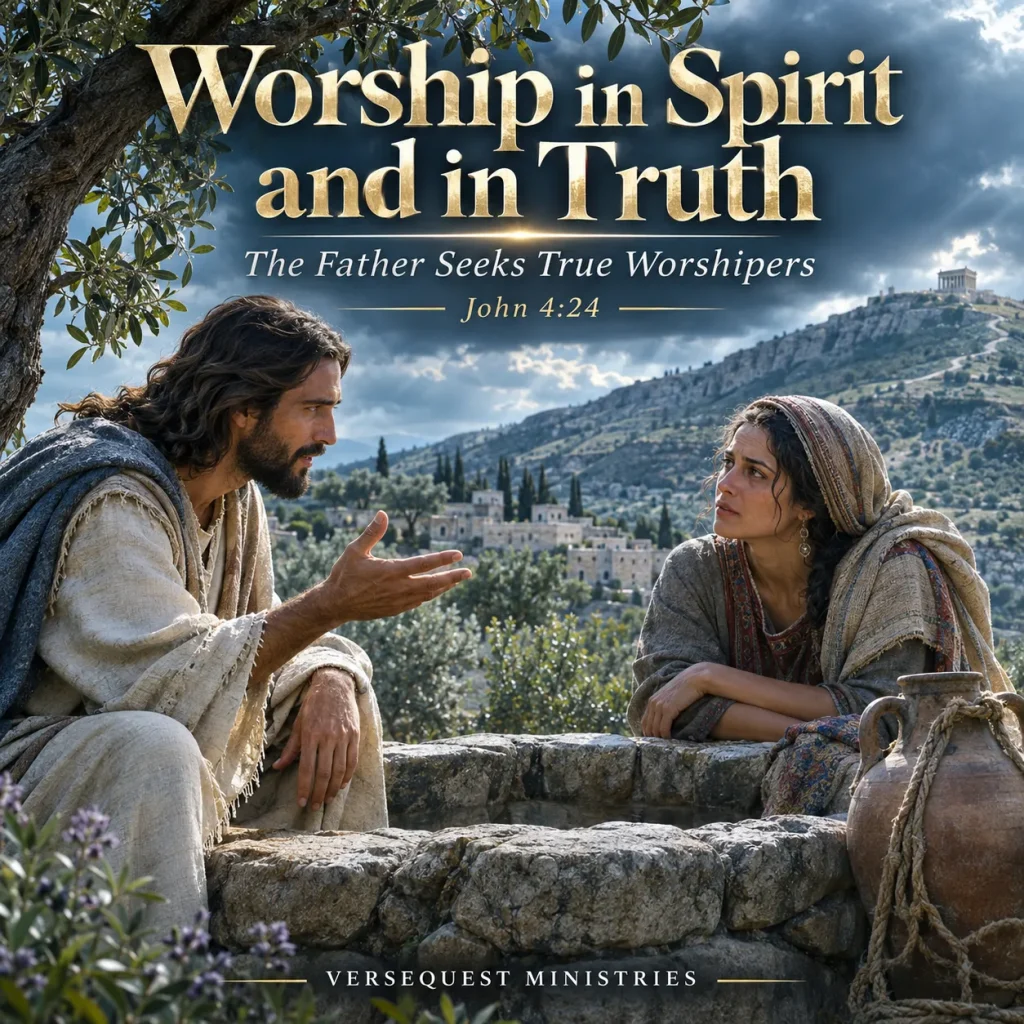
This detailed sermon outline examines John 4:24 and the Lord Jesus Christ’s declaration, “God is a Spirit: and they that worship him must worship him in spirit and in truth,” revealing the essential difference between genuine biblical worship and religious activity governed by human traditions, emotional experiences, outward ceremonies, or personal preferences. The message carefully establishes the historical and doctrinal setting of John 4:1–42, where Jesus Christ encounters the Samaritan woman at Jacob’s well and directs her attention from physical water and inherited religious customs toward the living water He provides and the spiritual truth concerning acceptable worship. Special attention is given to the longstanding disagreement between Jewish and Samaritan worship, the significance of Mount Gerizim and Jerusalem, and why Christ declared that the coming hour would change the question of worship from disputes over sacred locations to the necessity of worshiping the Father in spirit and in truth. The sermon examines the expressions “Ye worship ye know not what,” “salvation is of the Jews,” “the Father seeketh such to worship him,” and “God is a Spirit,” explaining why sincerity alone cannot make false doctrine acceptable and why correct religious terminology cannot excuse hypocrisy, spiritual pride, or a heart that remains far from God. Drawing upon John 4, Matthew 15, Romans 12, Philippians 3, Ephesians 2, Colossians 3, and other supporting passages, the outline explores the nature of God, the deity and Messiahship of Jesus Christ, the historical distinction between Israel and the Church, and the believer’s access to the Father through Jesus Christ by the Holy Spirit. It explains why true worship cannot be confined to a church building, religious ceremony, musical performance, emotional atmosphere, or inherited tradition, while emphasizing the necessity of genuine spiritual devotion governed by the authority of Scripture. The message also confronts the dangers of idolatry, religious entertainment, man-centered worship, false teaching, and the tendency to mistake outward solemnity or emotional excitement for genuine spirituality. Particular emphasis is placed upon the importance of rightly dividing the word of truth, recognizing salvation by grace through faith in the finished work of Jesus Christ, and understanding how Christian worship should be expressed through reverent prayer, scripturally sound praise, thanksgiving, holiness, spiritual discernment, and faithful obedience. The sermon concludes by examining the Samaritan woman’s testimony concerning the Messiah and the response of those who heard Jesus Christ for themselves, demonstrating why genuine worship and faithful Christian witness must direct attention toward the Saviour rather than the personality or reputation of the worshiper. Preachers, pastors, teachers, and Bible students will gain a comprehensive, KJV-based, rightly divided, sermon-ready framework for teaching worship in spirit and truth, the Samaritan woman at the well, the nature of God, the importance of sound doctrine, the dangers of religious hypocrisy, spiritual sincerity, and the Christian’s responsibility to glorify the Father through Jesus Christ according to His revealed word.
-
November 10, 2026
Speaker: Paul Tackett
Topic: biblical motives for prayer, Father who sees in secret, Judgment Seat of Christ, kingdom teaching of Jesus, KJV Sermon Outline, Matthew 6 sermon outline, Matthew 6:6, prayer and sincerity, prayer closet Bible study, prayer under grace, praying to be seen of men, private devotion, religious hypocrisy, reward thee openly, rightly divided Bible study, salvation by grace through faith, secret prayer, Sermon on the Mount, The Prayer Closet and the Public Reward, vain repetitions in prayer
Book: Matthew
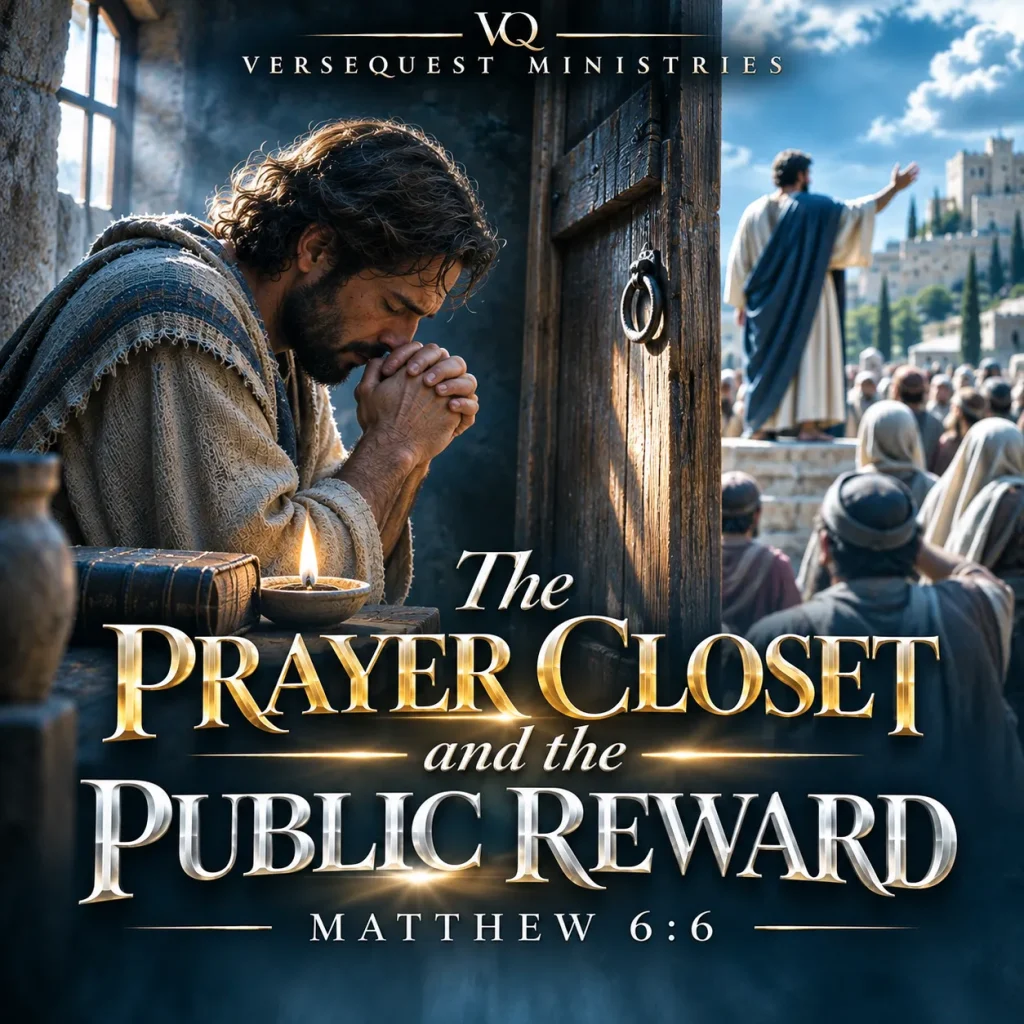
This detailed sermon outline examines Matthew 6:6 and the Lord Jesus Christ’s instruction, “But thou, when thou prayest, enter into thy closet, and when thou hast shut thy door, pray to thy Father which is in secret; and thy Father which seeth in secret shall reward thee openly,” revealing the difference between sincere private communion with God and religious devotion performed for the recognition of men. The message carefully establishes the passage’s original context within the Sermon on the Mount, where Jesus Christ warns His disciples against the hypocrisy of those who give alms, pray, and fast primarily to attract public admiration. Beginning with Matthew 6:1–8, the sermon examines why Christ condemned the motives of hypocritical worshippers rather than the legitimate practice of public prayer, and why receiving human applause may constitute the only reward sought by someone performing religious activities for personal recognition. Special attention is given to the expressions “enter into thy closet,” “when thou hast shut thy door,” “thy Father which seeth in secret,” and “shall reward thee openly,” explaining the importance of genuine sincerity, spiritual humility, private devotion, and the Father’s complete knowledge of hidden motives. The outline also examines the danger of vain repetitions, mechanical religious formulas, impressive public performances, and confusing lengthy prayers with genuine dependence upon God. Drawing upon Matthew 6:9–15, the sermon considers Christ’s pattern of prayer, including reverence for the Father, the coming kingdom, submission to God’s will, daily provision, forgiveness, and deliverance from temptation. The message carefully preserves the original kingdom setting of Christ’s earthly ministry to Israel while distinguishing that instruction from the Church-Age believer’s salvation by grace through faith, spiritual position in Jesus Christ, and access to the Father through the Holy Spirit. Additional passages from Romans 8, Ephesians 2–3, Philippians 4, Colossians 4, and 1 Timothy 2 demonstrate why genuine Christian prayer should include thanksgiving, intercession, perseverance, scriptural understanding, and sincere dependence upon the Lord. The sermon further examines the distinction between divine reward and the false assumption that private prayer guarantees earthly fame, financial prosperity, or public recognition, while drawing a careful comparison with the future Judgment Seat of Christ, where the quality and motives of Christian service will be examined. Preachers, pastors, teachers, and Bible students will gain a comprehensive, KJV-based, rightly divided, sermon-ready framework for teaching secret prayer, biblical sincerity, religious hypocrisy, spiritual humility, divine reward, faithful Christian stewardship, and the importance of seeking God’s approval above the applause of men.