Topic: King James Bible preaching
-

November 4, 2026
Series: Hebrews 2:1, The Danger of Spiritual Drift
Speaker: Paul Tackett
Topic: apostolic signs and wonders, Christian Perseverance, Christian spiritual growth, Eternal Security, give the more earnest heed, Hebrews 2 sermon outline, Hebrews 2:1, holding fast to Scripture, importance of Bible study, King James Bible preaching, KJV Sermon Outline, lest we let them slip, neglecting so great salvation, rightly divided Bible study, Sound Doctrine, spiritual negligence, spiritual watchfulness, superiority of Jesus Christ, The Danger of Spiritual Drift, warning against unbelief
Book: Hebrews
This detailed sermon outline examines Hebrews 2:1 and the solemn biblical warning, “Therefore we ought to give the more earnest heed to the things which we have heard, lest at any time we should let them slip,” revealing the danger of spiritual negligence, doctrinal instability, and gradually losing careful attention to divine revelation. The message establishes the passage’s original context within the Book of Hebrews, where the writer has demonstrated the supremacy of Jesus Christ over the angels, His divine authority, His finished work of purging sins, and His exaltation at the right hand of God. It explains why the opening word “Therefore” connects the warning directly to Christ’s superiority, why believers must give earnest attention to God’s revealed truth, and how spiritual drift can develop through continued indifference, neglected biblical instruction, worldly distractions, and increasing susceptibility to false doctrine. Special attention is given to Hebrews 2:1–4, including the warning against neglecting so great salvation, the difference between hearing the gospel and personally believing it, and the divine confirmation of Christ’s message through apostolic witnesses, signs, wonders, and miracles. The sermon carefully distinguishes the historical and doctrinal setting of Hebrews and its warnings concerning unbelief from the Church-Age believer’s eternal security through faith in Jesus Christ, avoiding the erroneous teaching that ordinary spiritual weakness or inconsistent Christian performance can undo the Saviour’s finished work. Drawing upon Hebrews 3–6, Hebrews 12, Ephesians 4, Colossians 2, 2 Timothy 2–3, and other New Testament passages, the outline develops the practical importance of sound doctrine, Scripture rightly divided, spiritual watchfulness, Christian perseverance, renewed thinking, and faithful obedience. It also examines why spiritual negligence can damage Christian growth, weaken biblical discernment, compromise one’s testimony, and waste valuable opportunities for service without invalidating the sufficiency of Christ’s redemption. Preachers, pastors, teachers, and Bible students will gain a comprehensive, KJV-based, rightly divided, sermon-ready framework for teaching the danger of spiritual drift, the authority of God’s Word, the seriousness of neglecting salvation, the preservation of sound doctrine, eternal security, and the importance of remaining firmly established in Jesus Christ rather than being carried away by the changing influences of the world.
-
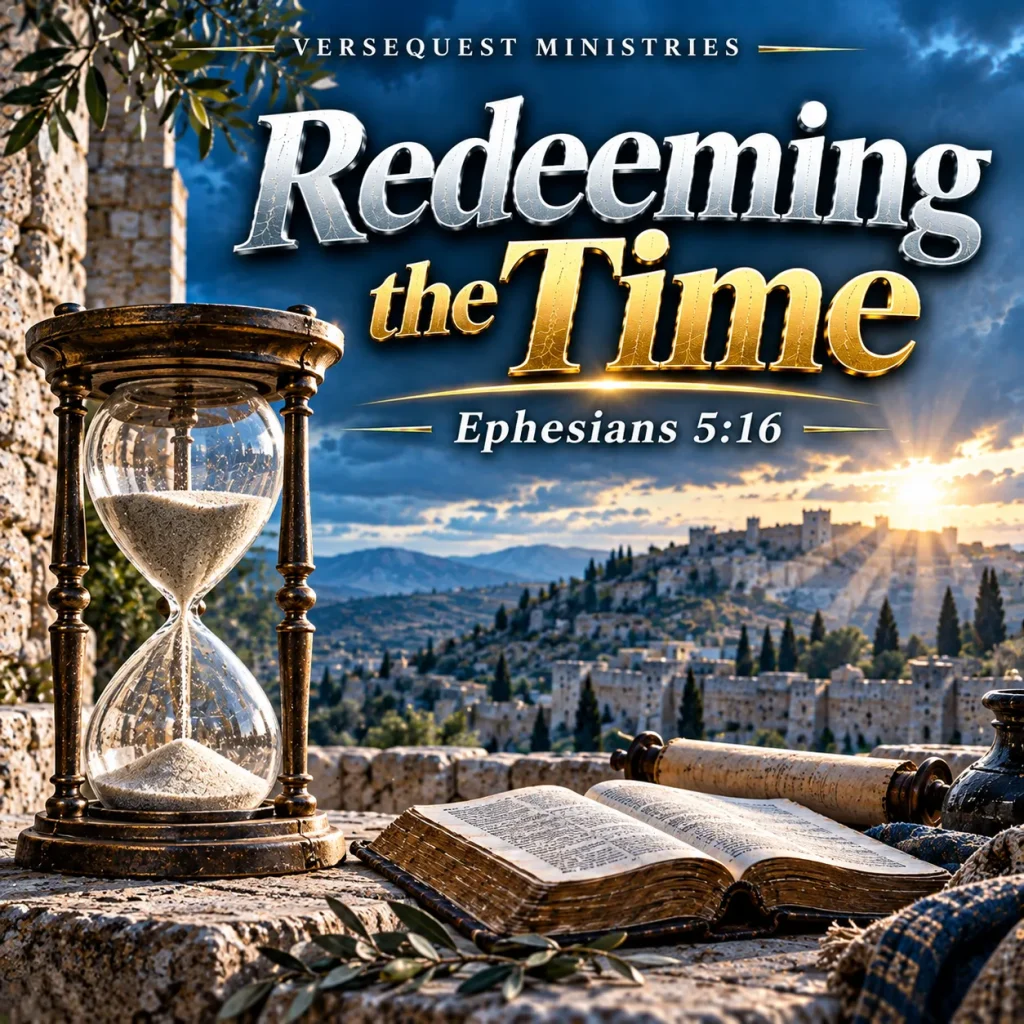
November 1, 2026
Series: Ephesians 5:16, Redeeming the Time
Topic: biblical discernment, biblical wisdom, Christian family responsibilities, Christian priorities, Christian responsibility, Christian time stewardship, Ephesians 5 sermon outline, Ephesians 5:16, gospel witness opportunities, Judgment Seat of Christ, King James Bible preaching, KJV Sermon Outline, Redeeming the Time, redeeming time Bible study, rightly divided Scripture, Salvation by Grace, the days are evil, understanding God's will, walk circumspectly, Walking in the Spirit
Book: Ephesians
This detailed sermon outline examines Ephesians 5:16 and the Apostle Paul’s command, “Redeeming the time, because the days are evil,” revealing the believer’s responsibility to make wise use of God-given opportunities while living faithfully in a fallen and spiritually hostile world. The message carefully establishes the passage’s immediate context in Ephesians 5:15–17, where Paul instructs Christians to walk circumspectly, not as fools but as wise, and to understand what the will of the Lord is. It explains why redeeming the time involves more than careful scheduling, worldly productivity, financial success, or remaining constantly busy, emphasizing instead the importance of biblical wisdom, spiritual discernment, sound doctrine, and faithful obedience to Jesus Christ. The outline examines why earthly time is limited, how the present evil world continually competes for the believer’s attention, and how fleshly desires, unnecessary distractions, procrastination, misplaced priorities, and worldly ambitions can consume opportunities that can never be recovered. Special attention is given to the distinction between salvation through Christ’s finished work and the saved believer’s responsibility to steward his remaining earthly life, demonstrating that faithful service does not purchase eternal life but should follow redemption by grace. Drawing upon Ephesians 5, Colossians 4:5–6, Romans 12, Galatians 5, 2 Corinthians 5, and other Pauline passages, the sermon explores walking in the Spirit, understanding God’s revealed will, fulfilling family and workplace responsibilities, maintaining Christian fellowship, and recognizing opportunities for gospel witness. It further examines the Judgment Seat of Christ, where believers’ works will be evaluated, carefully distinguishing eternal security from the rewards or losses associated with Christian stewardship. Preachers, pastors, teachers, and Bible students will gain a comprehensive, KJV-based, rightly divided, sermon-ready framework for teaching Christian time stewardship, spiritual priorities, biblical wisdom, practical sanctification, gospel opportunities, faithful service, and the eternal importance of living for Jesus Christ while time remains.