Series: Lord Teach Us to Pray
-
November 7, 2026
Series: Lord Teach Us to Pray, Luke 11:1
Speaker: Paul Tackett
Topic: ask seek and knock, daily bread and dependence upon God, forgiveness and prayer, Holy Spirit and prayer, how to pray biblically, Jesus teaches the disciples to pray, KJV Sermon Outline, lead us not into temptation, Lord Teach Us to Pray, Luke 11 sermon outline, Luke 11:1, Our Father which art in heaven, perseverance in prayer, prayer in the King James Bible, prayer through Jesus Christ, prayer under grace, rightly divided Bible teaching, the friend at midnight, the Lord's Prayer explained, Thy kingdom come
Book: Luke
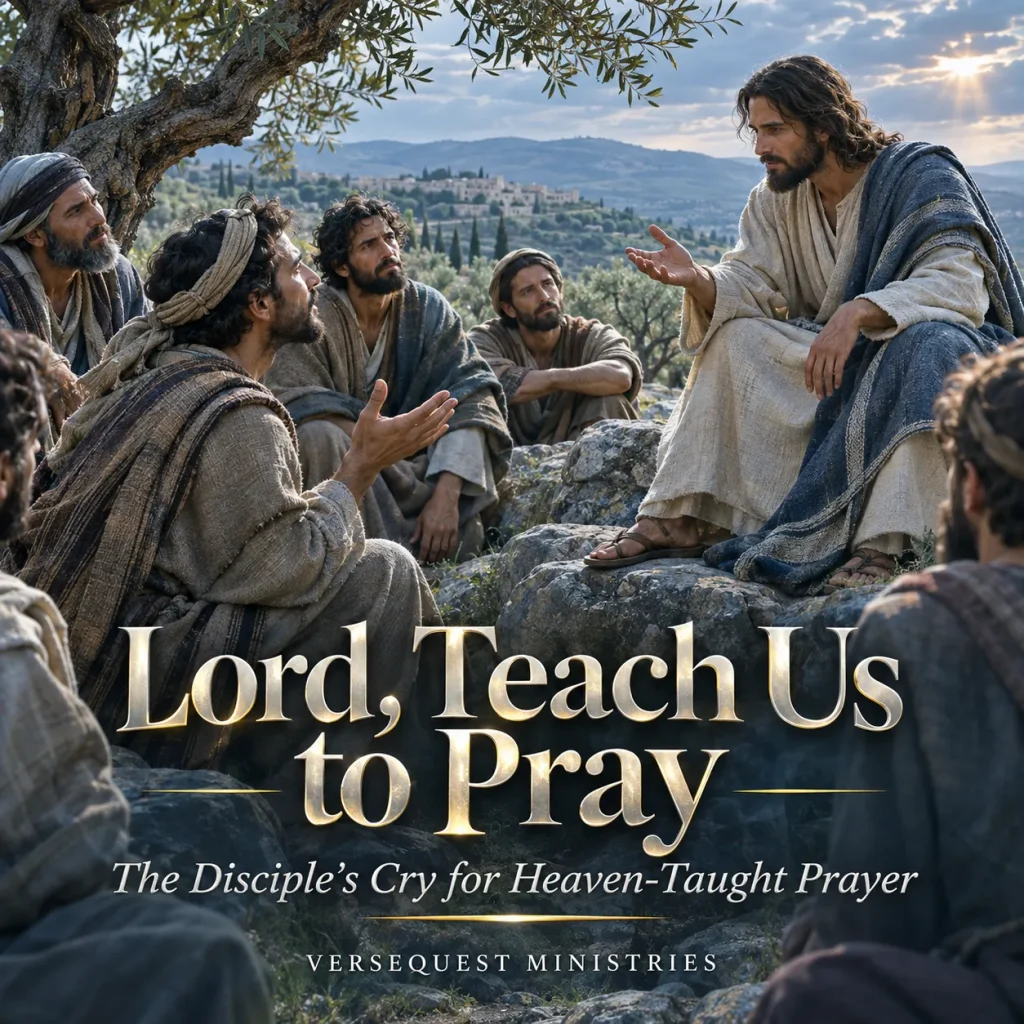
This detailed sermon outline examines Luke 11:1 and the memorable request made by one of the disciples of Jesus Christ: “Lord, teach us to pray,” revealing the importance of genuine communion with God, spiritual dependence, and learning to approach the Father according to His revealed word. The message begins by examining the example of Jesus Christ, whose earthly ministry was repeatedly marked by prayer, and explains why His disciples desired instruction after observing Him praying. Establishing the original historical and dispensational setting of Luke 11:1–13, the sermon carefully examines the prayer taught by Jesus during His earthly ministry to Israel and distinguishes its kingdom emphasis from the Church-Age believer’s privileges and responsibilities under grace. Special attention is given to the opening declaration, “Our Father which art in heaven,” the reverence expressed in “Hallowed be thy name,” the prophetic significance of “Thy kingdom come,” and the importance of submitting personal desires to the revealed will of God. The outline further explains the petition for daily bread as an expression of dependence upon divine provision, the responsibility to forgive others, and the necessity of seeking deliverance from temptation rather than relying upon the strength of the flesh. Drawing upon Luke 11:5–8, the sermon examines the friend at midnight and the importance of perseverance in prayer without confusing persistent requests with attempts to manipulate God or force Him to fulfill human demands. It also explores Christ’s instruction to ask, seek, and knock, emphasizing the Father’s goodness, wisdom, and willingness to provide according to His will. A significant doctrinal distinction is developed from Luke 11:13 concerning the giving of the Holy Spirit, explaining why this instruction must be understood within its original setting rather than confused with the sealing and indwelling of the Spirit received by believers upon trusting the gospel. Drawing upon Romans 8, Ephesians 2–3, Philippians 4, Colossians 4, 1 Timothy 2, and other Pauline passages, the sermon explains how saved believers possess access to the Father through Jesus Christ and should practice thanksgiving, supplication, intercession, humility, spiritual watchfulness, and faithful dependence upon God. Preachers, pastors, teachers, and Bible students will gain a comprehensive, KJV-based, rightly divided, sermon-ready framework for teaching the Lord’s instruction concerning prayer, the importance of understanding dispensational distinctions, the believer’s access to God through Christ, perseverance, forgiveness, spiritual growth, and the development of a faithful prayer life governed by Scripture rather than religious traditions or human expectations.