Book: John
-
November 17, 2026
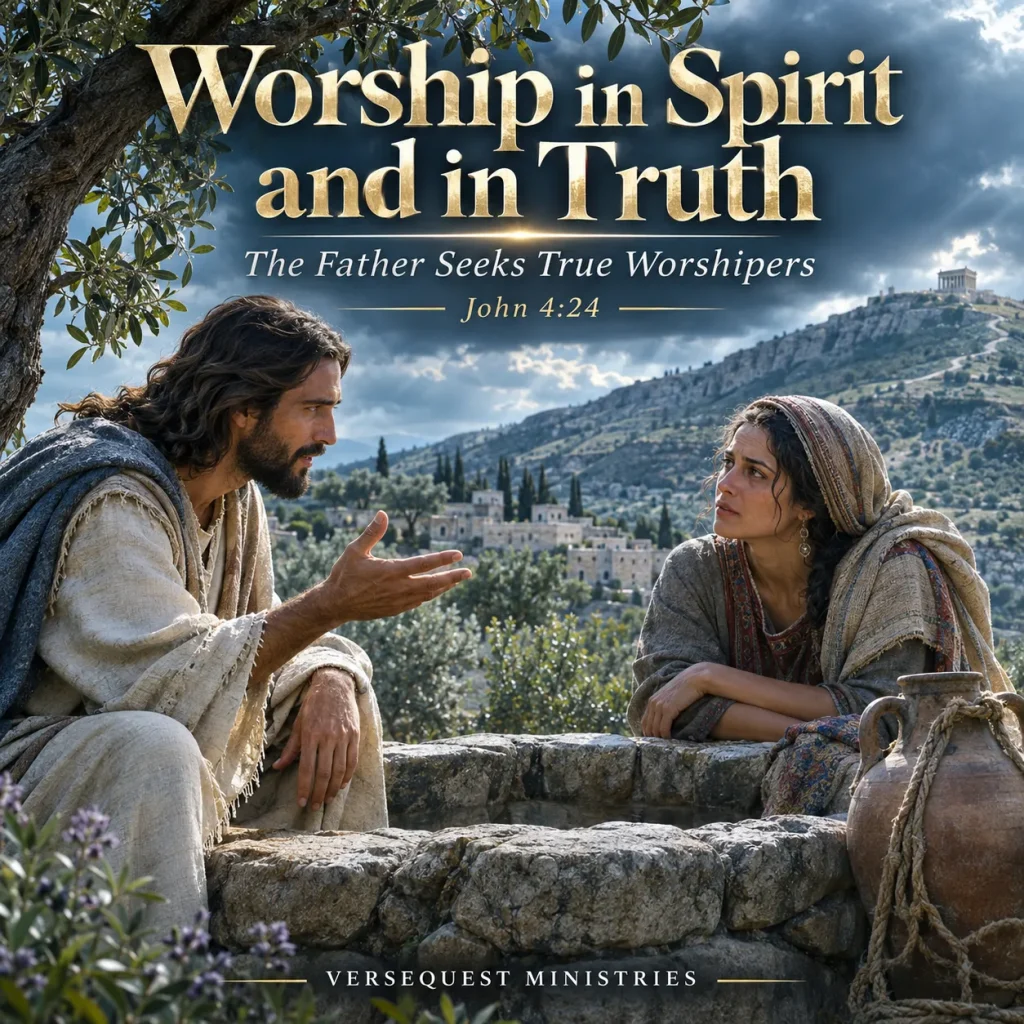
Series: John 4:24, Worship in Spirit and in Truth
Speaker: Paul Tackett
Topic: biblical worship, false worship and idolatry, God is a Spirit, Jacob's well, Jesus and the Samaritan woman, Jesus Christ the Messiah, John 4 sermon outline, John 4:24, KJV Sermon Outline, religious hypocrisy, rightly divided Bible study, salvation is of the Jews, Samaritan worship and Mount Gerizim, sincerity and truth in worship, spiritual worship, the Father seeks true worshipers, worship according to Scripture, worship at Jerusalem, Worship in Spirit and in Truth, worship under grace
Book: John
This detailed sermon outline examines John 4:24 and the Lord Jesus Christ’s declaration, “God is a Spirit: and they that worship him must worship him in spirit and in truth,” revealing the essential difference between genuine biblical worship and religious activity governed by human traditions, emotional experiences, outward ceremonies, or personal preferences. The message carefully establishes the historical and doctrinal setting of John 4:1–42, where Jesus Christ encounters the Samaritan woman at Jacob’s well and directs her attention from physical water and inherited religious customs toward the living water He provides and the spiritual truth concerning acceptable worship. Special attention is given to the longstanding disagreement between Jewish and Samaritan worship, the significance of Mount Gerizim and Jerusalem, and why Christ declared that the coming hour would change the question of worship from disputes over sacred locations to the necessity of worshiping the Father in spirit and in truth. The sermon examines the expressions “Ye worship ye know not what,” “salvation is of the Jews,” “the Father seeketh such to worship him,” and “God is a Spirit,” explaining why sincerity alone cannot make false doctrine acceptable and why correct religious terminology cannot excuse hypocrisy, spiritual pride, or a heart that remains far from God. Drawing upon John 4, Matthew 15, Romans 12, Philippians 3, Ephesians 2, Colossians 3, and other supporting passages, the outline explores the nature of God, the deity and Messiahship of Jesus Christ, the historical distinction between Israel and the Church, and the believer’s access to the Father through Jesus Christ by the Holy Spirit. It explains why true worship cannot be confined to a church building, religious ceremony, musical performance, emotional atmosphere, or inherited tradition, while emphasizing the necessity of genuine spiritual devotion governed by the authority of Scripture. The message also confronts the dangers of idolatry, religious entertainment, man-centered worship, false teaching, and the tendency to mistake outward solemnity or emotional excitement for genuine spirituality. Particular emphasis is placed upon the importance of rightly dividing the word of truth, recognizing salvation by grace through faith in the finished work of Jesus Christ, and understanding how Christian worship should be expressed through reverent prayer, scripturally sound praise, thanksgiving, holiness, spiritual discernment, and faithful obedience. The sermon concludes by examining the Samaritan woman’s testimony concerning the Messiah and the response of those who heard Jesus Christ for themselves, demonstrating why genuine worship and faithful Christian witness must direct attention toward the Saviour rather than the personality or reputation of the worshiper. Preachers, pastors, teachers, and Bible students will gain a comprehensive, KJV-based, rightly divided, sermon-ready framework for teaching worship in spirit and truth, the Samaritan woman at the well, the nature of God, the importance of sound doctrine, the dangers of religious hypocrisy, spiritual sincerity, and the Christian’s responsibility to glorify the Father through Jesus Christ according to His revealed word.
-
October 9, 2026
Series: John 17:17, The Word That Sanctifies
Speaker: Paul Tackett
Topic: biblical sanctification, Christian Holiness, Christian separation, Christian spiritual growth, Holy Spirit sanctification, John 17:17, King James Bible study, KJV Sermon Outline, positional sanctification, Practical Sanctification, renewing of the mind, rightly dividing the word, sanctification and grace, sanctification by the word of God sermon outline, sanctification versus justification, sanctify them through thy truth, Scripture and sanctification, The Word That Sanctifies, thy word is truth, washing of water by the word
Book: John
This detailed sermon outline examines John 17:17 and the Lord Jesus Christ’s prayer, “Sanctify them through thy truth: thy word is truth.” The message carefully distinguishes the believer’s completed positional sanctification in Christ from the practical sanctification that should increasingly shape daily Christian living, guarding the doctrine from both legalism and careless carnality. It shows how the word of God exposes hidden sin, corrects false doctrine, cleanses the believer’s thinking, renews the mind, separates Christians from the course of this world, and produces practical obedience without making holy living the basis of justification or eternal security. The outline also examines the Holy Spirit’s sanctifying ministry through the truth He inspired, explains why Scripture must be rightly divided so holiness is not confused with Israel’s covenant requirements, and emphasizes that hearing biblical truth alone is insufficient without submission to it. Preachers, teachers, and Bible students will gain a sermon-ready framework for teaching positional and practical sanctification, biblical holiness, grace, spiritual growth, right division, renewed thinking, Christian separation, and the transforming authority of the King James Bible.
-
October 1, 2026
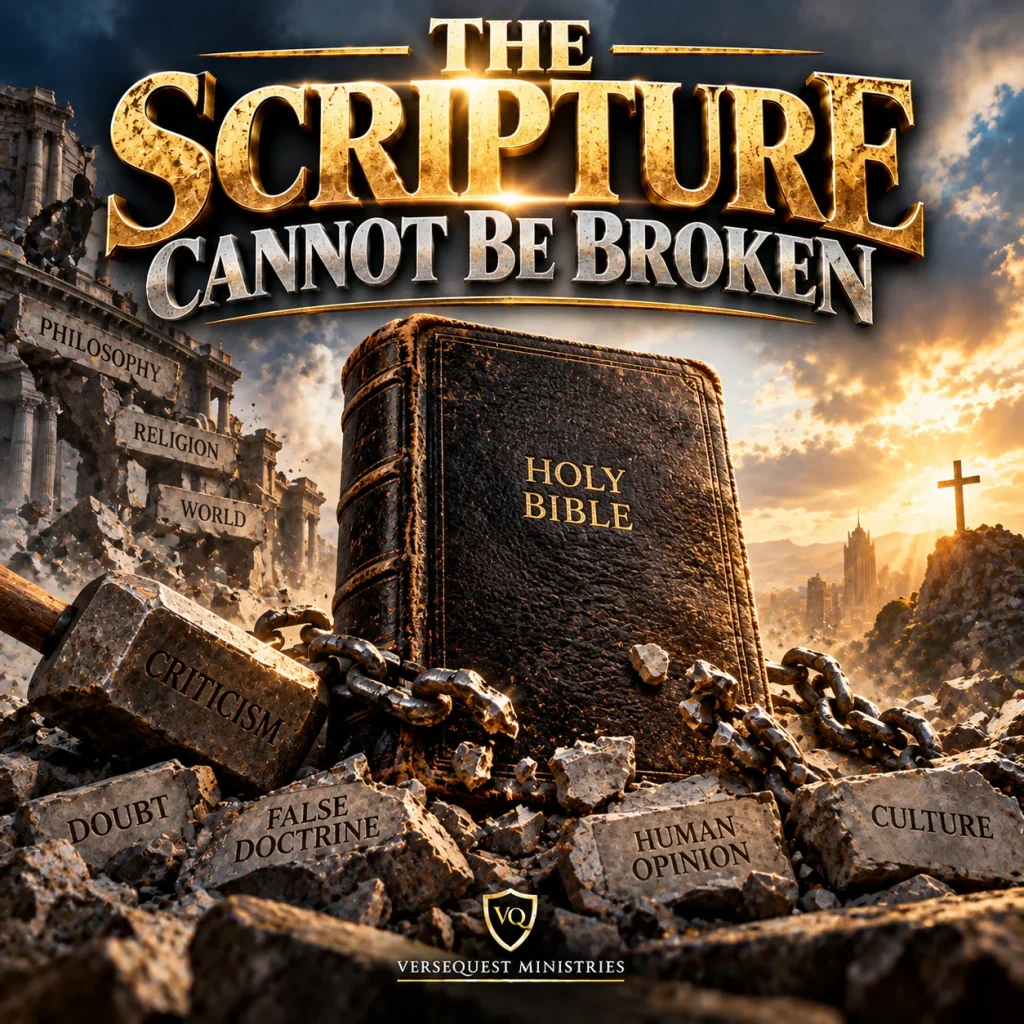
Series: John 10:35, Scripture cannot be broken
Speaker: Paul Tackett
Topic: authority of Scripture, Bible Doctrine, Bible preservation, Biblical Authority, Christian obedience to Scripture, defending biblical authority, human opinion versus Scripture, Jesus and Scripture, John 10:35, King James Bible sermon, KJV Sermon Outline, preservation of Scripture, rightly dividing the word, Scripture and culture, scripture cannot be broken, Scripture cannot be broken sermon outline, scripture cannot fail, unchanging word of God, verbal inspiration, words of God
Book: John
This detailed sermon outline examines John 10:35 and Jesus Christ’s declaration that “the scripture cannot be broken.” The message shows how Christ treated the written Scriptures as final authority, why the Bible’s unbreakable character rests upon the truthfulness of the God who gave it, and why the precise words of Scripture matter in doctrine and interpretation. It explains how human opinion, culture, scholarship, religious tradition, and criticism cannot overturn what God has established; connects biblical authority with the preservation of God’s words; and demonstrates why rightly dividing the word of truth protects rather than weakens Scripture. The sermon also brings the doctrine into practical Christian living by showing that an unbreakable Bible must be allowed to correct false doctrine, human pride, traditions, sinful conduct, and personal opinions. Preachers, teachers, and Bible students will gain a sermon-ready framework for teaching biblical inspiration, preservation, verbal authority, right division, Christian obedience, and confidence in the King James Bible as the believer’s final written authority.
-
September 21, 2026
Speaker: Paul Tackett
Topic: biblical conviction, conviction and conversion, conviction of judgment, conviction of righteousness, conviction of sin, death burial and resurrection of Christ, Gospel Preaching, Holy Ghost ministry, Holy Spirit conviction sermon outline, John 16:8–11, KJV Sermon Outline, ministry of the Holy Ghost, preaching John 16, prince of this world judged, reprove the world, rightly divided Bible study, salvation by faith in Christ, sin righteousness and judgment, Spirit’s conviction of the world, unbelief in Jesus Christ
Book: John
This detailed sermon outline examines John 16:8–11 and Christ’s declaration that the coming Comforter would “reprove the world of sin, and of righteousness, and of judgment.” The message explains why unbelief in Jesus Christ lies at the heart of the Spirit’s reproof concerning sin, how Christ’s resurrection and return to the Father vindicate His perfect righteousness, and why the judgment of “the prince of this world” guarantees the ultimate defeat of Satan’s rebellious system. It also distinguishes genuine biblical conviction from mere emotion and carefully separates conviction from conversion, showing that a sinner is not saved simply because he feels guilty or troubled but by believing the gospel of Christ’s death, burial, and resurrection. The outline emphasizes that the Holy Ghost works through truth to glorify Jesus Christ rather than drawing attention away from Him. Preachers, teachers, and Bible students will gain a sermon-ready treatment of the Spirit’s ministry toward the unbelieving world, the seriousness of divine judgment, the necessity of faith in Christ, and the importance of preaching the word of God without manipulation, compromise, or dependence upon manufactured emotional responses.
-
September 20, 2026
Series: glorifying Jesus Christ, John 16:14
Speaker: Paul Tackett
Topic: Apostolic Revelation, Christ-centered preaching, Christian witness, doctrine of the Holy Spirit, Fruit of the Spirit, glorifying Jesus Christ, Gospel Preaching, Holy Ghost, illumination of Scripture, indwelling Holy Ghost, inspiration of Scripture, John 16 sermon, John 16:14, KJV Sermon Outline, ministry of the Holy Spirit, preeminence of Jesus Christ, Spirit Filled Life, Spirit of Truth, testing spiritual movements, the Comforter
Book: John
Based on John 16:14, this KJV sermon outline examines the supreme purpose of the Holy Ghost’s ministry: to reveal and glorify the Lord Jesus Christ. It presents the Holy Ghost as a divine Person promised by Christ, sent by the Father, and working in perfect unity with the Son. The outline explains how the Spirit receives and reveals the truth of Christ, inspired the written word, illuminates Scripture for believers, empowers gospel witness, and produces Christlike character through His indwelling presence. It also provides a biblical test for spiritual claims by showing that the genuine work of the Holy Ghost honors Scripture, magnifies the cross, and directs attention away from man and toward Christ. Preachers, teachers, and Bible students will gain a doctrinally clear and practically applicable framework for teaching the person, purpose, and Christ-centered ministry of the Holy Ghost.
-
September 19, 2026
Series: John 14:16–18, The Comforter Christ Sent
Speaker: Paul Tackett
Topic: abiding presence of God, another Comforter, assurance for believers, Bible study on John 14, Christ will not leave us comfortless, Christian comfort, expository sermon outline, Holy Ghost Doctrine, Holy Spirit preaching, Indwelling Holy Spirit, Jesus and the Comforter, John 14:16–18, KJV Sermon Outline, ministry of the Holy Spirit, permanent indwelling of the Spirit, promise of the Holy Spirit, Spirit of Truth, The Comforter Christ Sent, the Father Son and Holy Spirit, Upper Room discourse
Book: John
Based on John 14:16–18, this KJV sermon outline examines Christ’s gracious promise to send “another Comforter” to His disciples. It presents the Holy Spirit as a divine Person given by the Father at the Son’s request, the Spirit of truth whom the world cannot receive, and the permanent indwelling presence of God within every believer. The outline traces the important transition from the Spirit dwelling with the disciples to dwelling in them, emphasizes His abiding presence and ministry through the Word, and explains how Christ fulfills His promise not to leave His people comfortless. Preachers, teachers, and Bible students will gain a clear doctrinal framework for teaching the person and ministry of the Holy Spirit, encouraging believers to depend upon His truth, comfort, guidance, and unfailing presence.
-
September 8, 2026
Series: John 16:13, Spirit of Truth
Speaker: Paul Tackett
Topic: Apostolic Revelation, Bible Study Resources, Biblical Inspiration, Christ Centered Ministry, Holy Ghost and Scripture, Holy Spirit Guidance, Holy Spirit Sermon Outline, John 16:13, KJV Sermon Outline, Pauline Revelation, Rightly Dividing, Scripture Authority, Spirit of Truth, Spirit of Truth Sermon, Spiritual Discernment, Spiritual Illumination, Sword of the Spirit, Try the Spirits, Word of God, Word of Truth
Book: John
This VerseQuest Ministries sermon outline on John 16:13 examines the inseparable relationship between the Spirit of truth and the word of truth. Jesus promised the apostles that the Holy Ghost would guide them into truth, testify of Christ, bring His words to remembrance, reveal things to come, and glorify the Son. The outline carefully preserves the Upper Room setting and the special apostolic function of that promise while showing how the completed Scriptures give believers an objective standard by which every doctrine, spiritual impression, teacher, experience, and claimed revelation must be tested. It explains inspiration, illumination, Pauline revelation, right division, the Spirit’s Christ-centered ministry, and why the Holy Ghost never contradicts the Book He inspired. Preachers, teachers, and Bible students will gain a strong KJV-based framework for distinguishing biblical spiritual discernment from emotional impulse, private revelation, counterfeit spirituality, and religious experiences that refuse the authority of Scripture.
-
September 2, 2026
Speaker: Paul Tackett
Topic: Assurance of Salvation, Chastening Not Condemnation, Eternal Life Sermon Outline, Eternal Security, Everlasting Life, Everlasting Means Everlasting, Gift of Eternal Life, Gospel of Grace, Holy Spirit Seal, John 10:28, John 3:16, Judgment Seat of Christ, KJV Sermon Outline, Life in Christ, Never Perish, Rightly Dividing, Sealed Unto Redemption Day, Shall Not Perish, Whosoever Believeth, Why Eternal Life Cannot Be Temporary
Book: John
This VerseQuest Ministries sermon outline on John 3:16 examines the plain biblical meaning of Christ’s promise that whosoever believes in Him should not perish but have everlasting life. The outline shows why everlasting life cannot logically or scripturally become temporary life, tracing the doctrine through John 3:36, John 5:24, John 6:47, John 10:27–30, Romans 6:23, Ephesians 1:13–14, and 1 John 5:11–13. It explains eternal life as a present possession found in the Son, Christ’s promise that His sheep shall never perish, the Holy Spirit’s seal unto redemption day, and the difference between salvation, fellowship, chastening, practical state, and reward. Preachers, teachers, and Bible students will gain a strong KJV-based framework for teaching eternal security without excusing sin, assurance without presumption, and the unchanging sufficiency of Jesus Christ as the source and keeper of everlasting life.
-
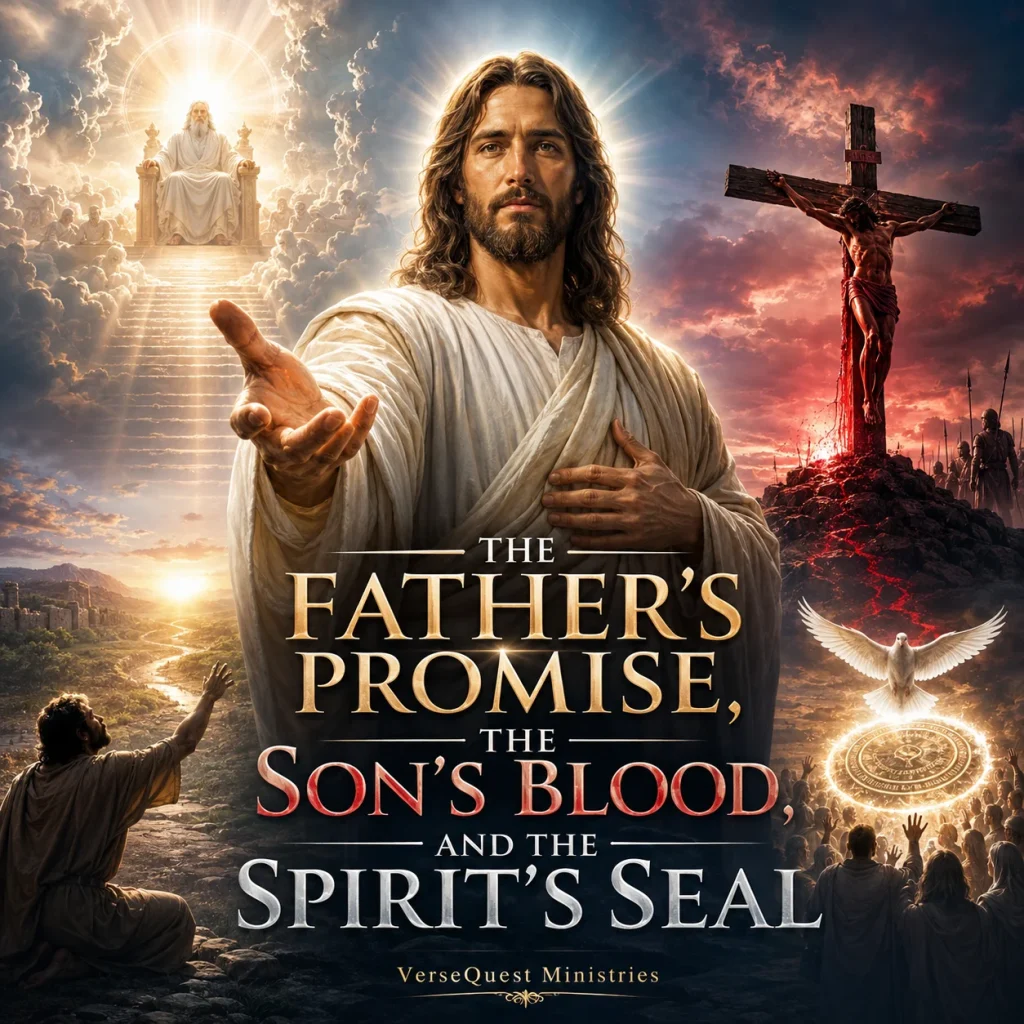
September 1, 2026
Series: John 6:37–40, The Father’s Promise
Speaker: Paul Tackett
Topic: Assurance in Christ, Bible Study Resources, Christ Will Lose Nothing, Earnest of the Inheritance, Eternal Security, Everlasting Life, Father Son and Holy Spirit, Finished Work of Christ, Gospel of Grace, Holy Spirit Seal, I Will in No Wise Cast Out, John 6 Sermon Outline, John 6:37–40, KJV Sermon Outline, Redemption Through His Blood, Rightly Dividing, Sealed Unto Redemption Day, The Father’s Promise, The Son’s Blood, The Spirit’s Seal
Book: John
This VerseQuest Ministries sermon outline on John 6:37–40 explains the believer’s security through the united saving work of the Father, Son, and Holy Spirit. Jesus Christ declares that the one who comes to Him will “in no wise” be cast out, that the Father’s will is that Christ should “lose nothing,” and that everyone who believes on the Son has everlasting life and the promise of resurrection. The outline then connects Christ’s earthly-ministry promise with the fuller Church-age revelation of redemption through the Son’s blood and sealing by the Holy Spirit until the redemption of the purchased possession. It addresses the Father’s saving purpose, Christ’s finished work, eternal redemption, everlasting life, resurrection, the Spirit’s earnest and seal, eternal security, holy living, and the difference between divine preservation and human responsibility. Preachers, teachers, and Bible students will gain a strong KJV-based framework for showing that salvation rests from beginning to end upon the faithfulness and finished work of God.