Topic: Bible preservation
-
October 14, 2026
Speaker: Paul Tackett
Topic: altering God’s words, authority of the Bible, Bible preservation, Biblical Authority, Genesis 3 sermon outline, Genesis 3:1–5, it is written, King James Bible study, KJV Sermon Outline, questioning God’s word, rightly dividing the word, Satan attacks Scripture, Satan contradicts God, serpent and Eve, serpent’s first attack on God’s words, spiritual deception, temptation in the Garden of Eden, Word of God, ye shall be as gods, Yea hath God said
Book: Genesis
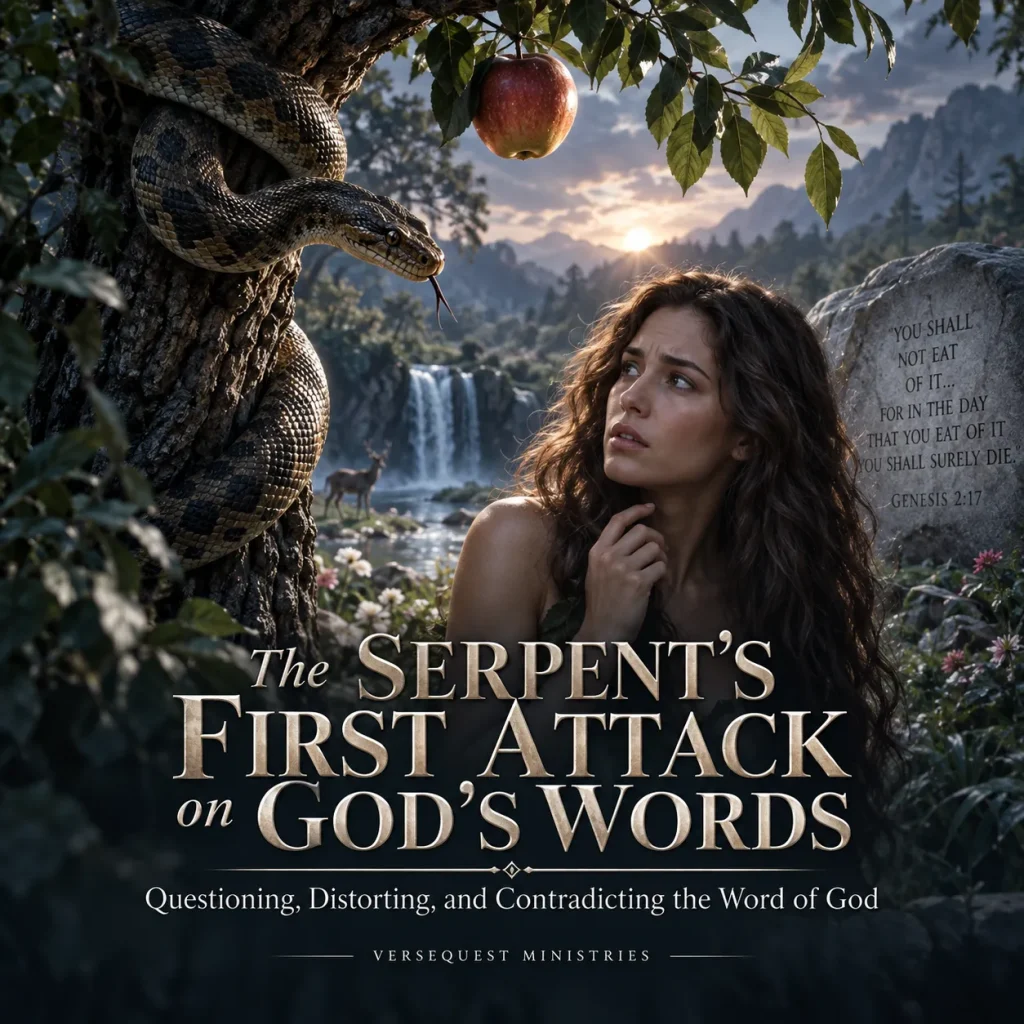
This detailed sermon outline examines Genesis 3:1–5 and the serpent’s first recorded assault upon the revealed words of God, beginning with the subtle question, “Yea, hath God said?” The message traces Satan’s strategy step by step: questioning what God said, distorting God’s generosity, encouraging alteration of the command, directly contradicting God’s warning, supplying a rival interpretation, and ultimately tempting mankind with self-exaltation through the promise, “ye shall be as gods.” It carefully compares Eve’s response with God’s original words to show how subtraction, addition, and weakened wording can affect doctrine and obedience. The outline also contrasts Eve’s handling of the command with Jesus Christ’s repeated answer to Satan, “It is written,” and explains why believers must trust, study, memorize, and rightly divide Scripture rather than placing it beneath human correction. Preachers, teachers, and Bible students will gain a sermon-ready framework for teaching biblical authority, satanic deception, spiritual discernment, preservation of Scripture, right division, temptation, and confidence in the King James Bible as the believer’s final written authority.
-
October 13, 2026
Series: Genesis 3:1, Yea hath God said
Speaker: Paul Tackett
Topic: adding to God’s words, authority of Scripture, Bible confusion, Bible correction sermon outline, Bible preservation, Bible study discernment, Biblical Authority, correcting Scripture, Genesis 3 temptation, Genesis 3:1, King James Bible, KJV Sermon Outline, pure words of God, Right Division, rightly dividing the word, Satan and the word of God, scripture cannot be broken, textual criticism and faith, Word of God, Yea hath God said
Book: Genesis
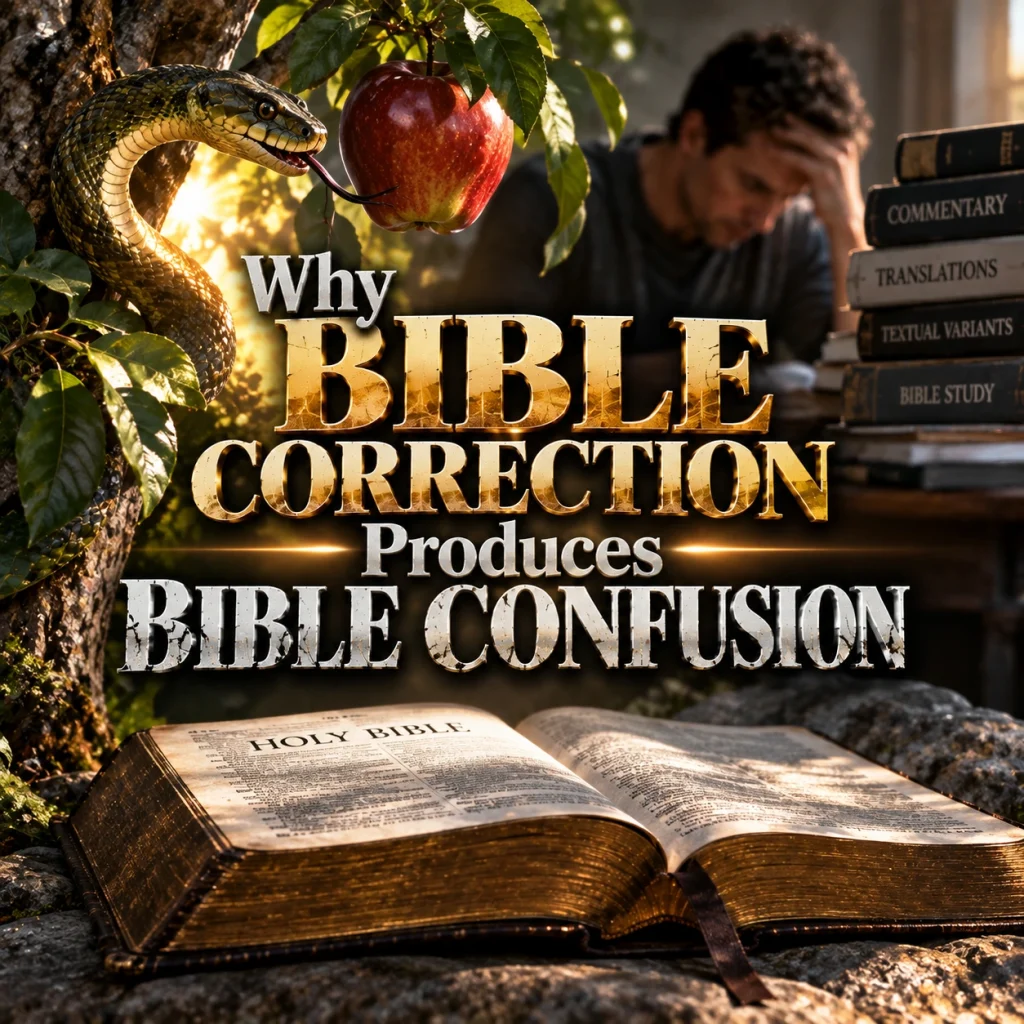
This detailed sermon outline examines Genesis 3:1 and the serpent’s opening challenge, “Yea, hath God said?” as the beginning of mankind’s first recorded attack upon confidence in the revealed word of God. The message traces the progression from questioning God’s words to altering them, weakening them, contradicting them, and finally disobeying them, showing how Eve’s handling of the original command illustrates the danger of subtracting from, adding to, or softening what God actually said. It explains why correcting Scripture transfers practical authority from God’s word to the human corrector, how competing authorities produce doctrinal instability, and why Jesus Christ answered Satan with “It is written” rather than placing Scripture beneath human judgment. The outline also demonstrates how right division resolves apparent biblical contradictions without rewriting the text, connects the purity and preservation of God’s words with doctrinal certainty, and brings the issue down to the believer personally: whether the Bible will correct us or we will attempt to correct the Bible. Preachers, teachers, and Bible students will gain a sermon-ready framework for teaching biblical authority, preservation, discernment, right division, confidence in the King James Bible, and the spiritual danger of repeating the serpent’s question concerning what God has said.
-
October 3, 2026
Speaker: Paul Tackett
Topic: authority of Scripture, Bible preservation, Biblical Authority, biblical purity, doctrine of Scripture, every word of God is pure, God cannot lie, inspiration of Scripture, King James Bible sermon, KJV Sermon Outline, preaching the word, preservation of Scripture, Psalm 12:6, pure word of God, pure words of God sermon outline, rightly dividing the word, Scripture and sanctification, silver purified seven times, verbal inspiration, words of the Lord are pure words
Book: Psalms
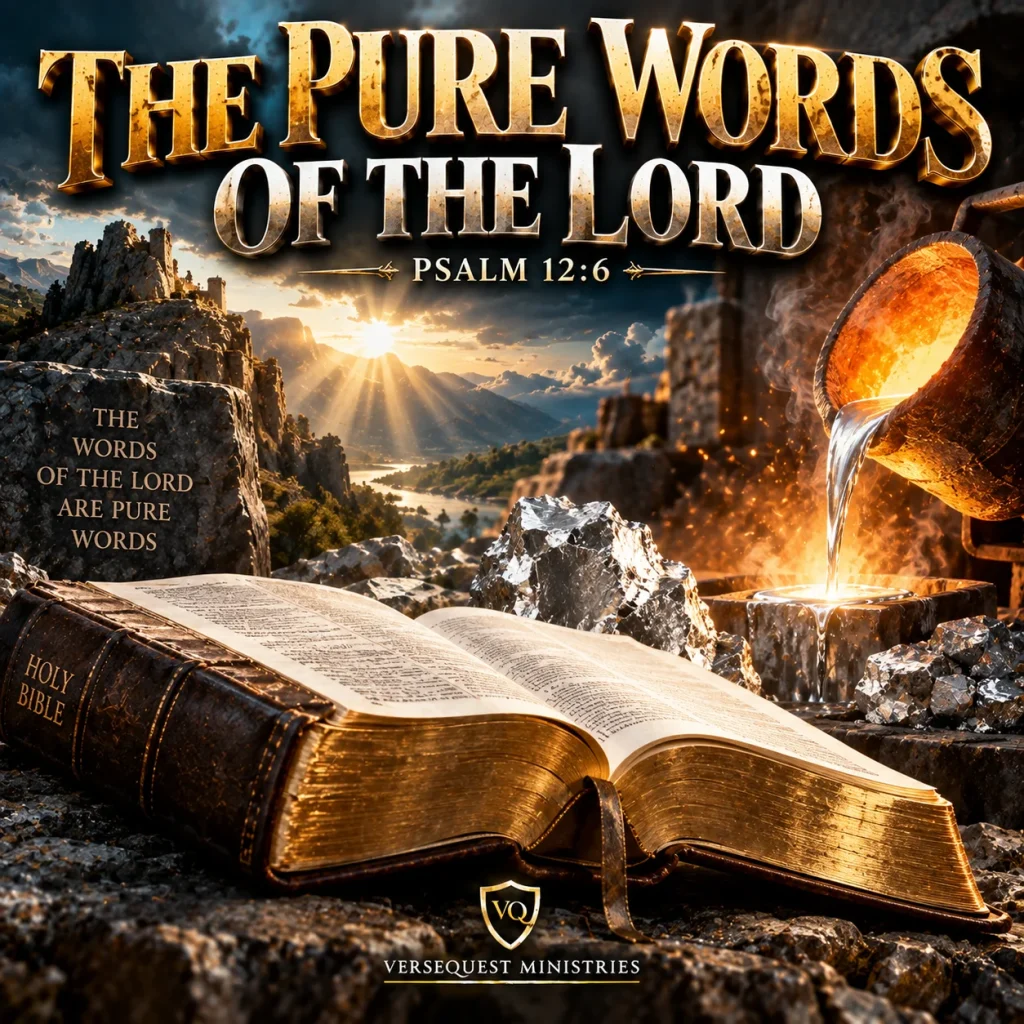
This detailed sermon outline examines Psalm 12:6 and David’s declaration, “The words of the LORD are pure words: as silver tried in a furnace of earth, purified seven times.” The message explains why the purity of Scripture begins with the perfect character of God, why divine inspiration extends to the actual words rather than merely general religious ideas, and how the imagery of silver purified seven times communicates complete freedom from corruption and error. It contrasts God’s pure words with the unreliable and deceitful speech of fallen man, warns against placing human scholarship or opinion above Scripture, and shows why pure words do not require man to correct them. The outline also connects biblical purity with preservation, demonstrates the necessity of rightly dividing the word of truth, explores Scripture’s purifying effect upon the believer, and emphasizes the preacher’s responsibility to handle and proclaim God’s words faithfully. Preachers, teachers, and Bible students will gain a sermon-ready framework for teaching verbal inspiration, biblical authority, preservation, sanctification through truth, right division, faithful preaching, and confidence in the King James Bible as the pure word of God.
-
October 1, 2026
Series: John 10:35, Scripture cannot be broken
Speaker: Paul Tackett
Topic: authority of Scripture, Bible Doctrine, Bible preservation, Biblical Authority, Christian obedience to Scripture, defending biblical authority, human opinion versus Scripture, Jesus and Scripture, John 10:35, King James Bible sermon, KJV Sermon Outline, preservation of Scripture, rightly dividing the word, Scripture and culture, scripture cannot be broken, Scripture cannot be broken sermon outline, scripture cannot fail, unchanging word of God, verbal inspiration, words of God
Book: John
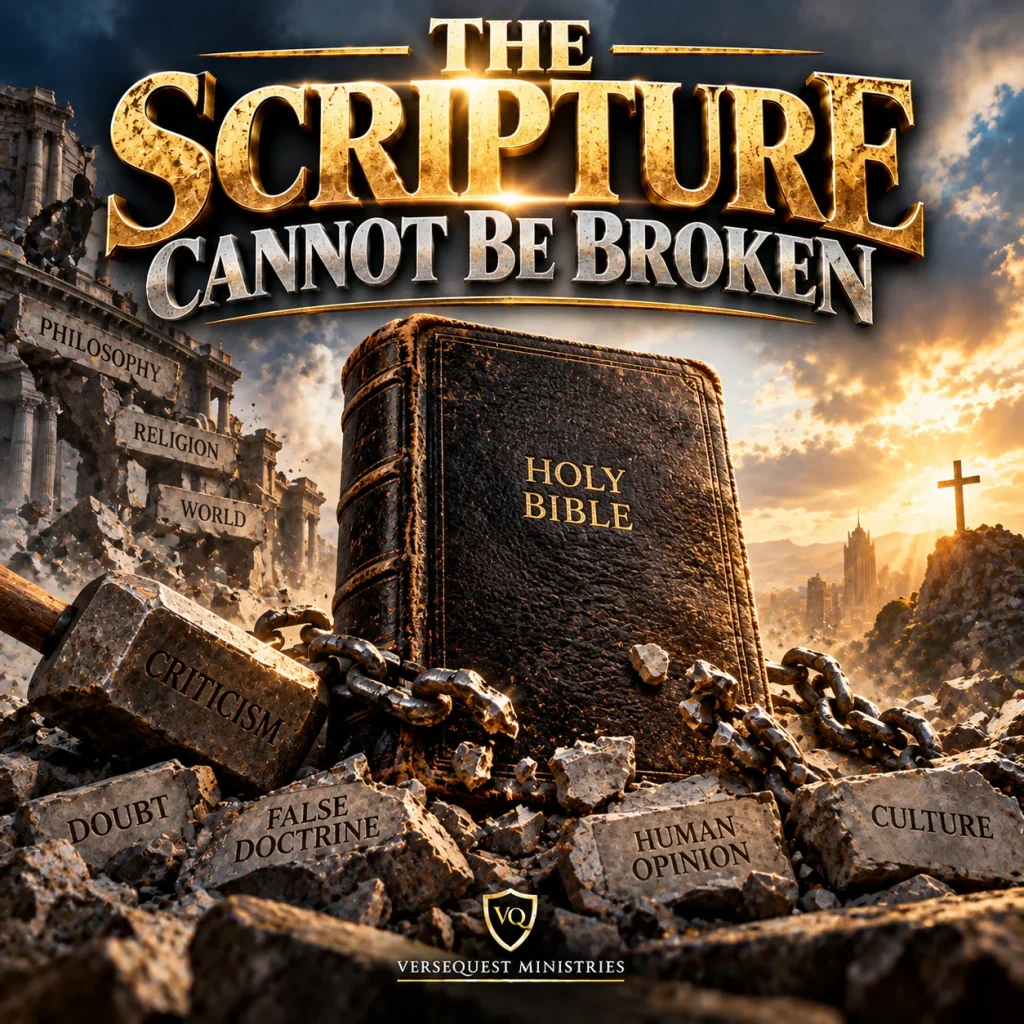
This detailed sermon outline examines John 10:35 and Jesus Christ’s declaration that “the scripture cannot be broken.” The message shows how Christ treated the written Scriptures as final authority, why the Bible’s unbreakable character rests upon the truthfulness of the God who gave it, and why the precise words of Scripture matter in doctrine and interpretation. It explains how human opinion, culture, scholarship, religious tradition, and criticism cannot overturn what God has established; connects biblical authority with the preservation of God’s words; and demonstrates why rightly dividing the word of truth protects rather than weakens Scripture. The sermon also brings the doctrine into practical Christian living by showing that an unbreakable Bible must be allowed to correct false doctrine, human pride, traditions, sinful conduct, and personal opinions. Preachers, teachers, and Bible students will gain a sermon-ready framework for teaching biblical inspiration, preservation, verbal authority, right division, Christian obedience, and confidence in the King James Bible as the believer’s final written authority.