Topic: verbal inspiration
-
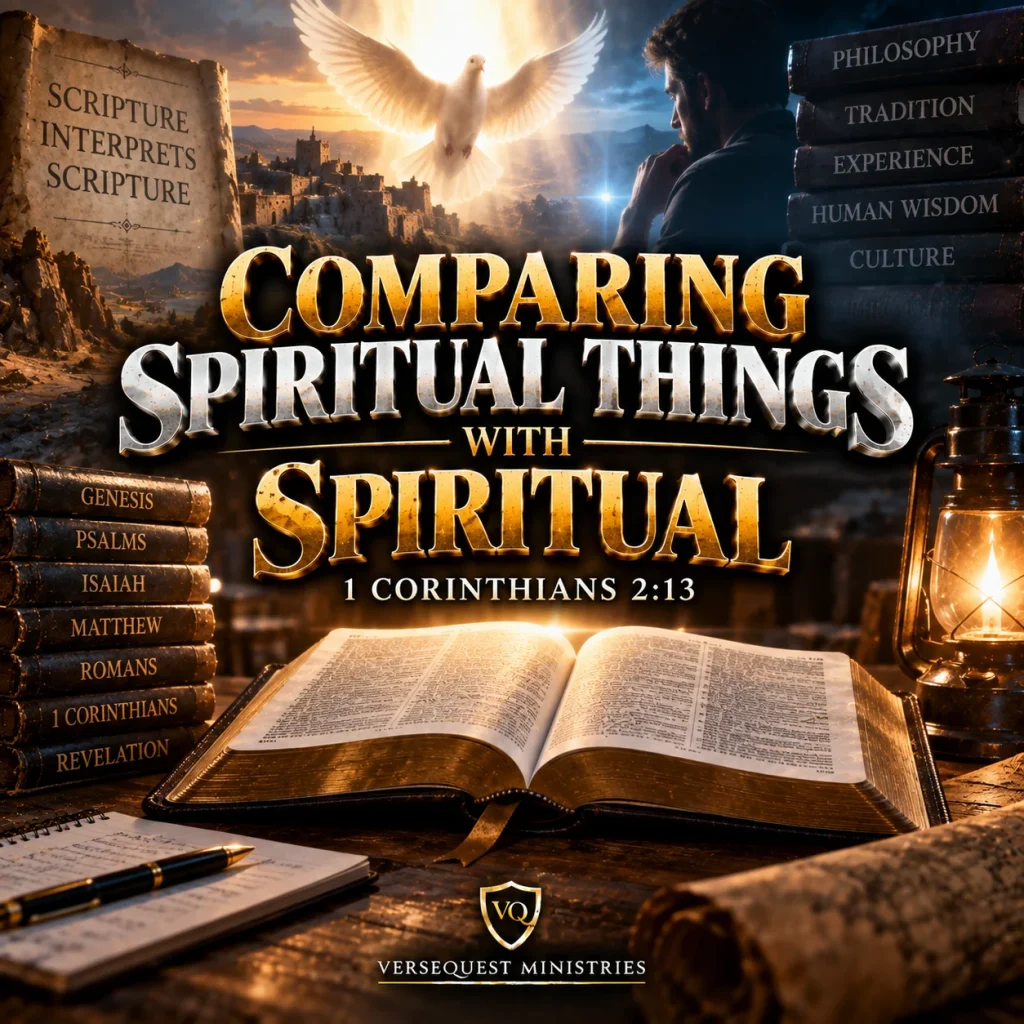
October 5, 2026
Speaker: Paul Tackett
Topic: 1 Corinthians 2:13, authority of Scripture, Bible interpreting itself, Bible study principles, biblical cross references, clear passages interpret difficult passages, comparing Scripture with Scripture, comparing spiritual things sermon outline, comparing spiritual things with spiritual, context in Bible study, doctrinal stability, Holy Ghost teaches Scripture, illumination of Scripture, King James Bible study, KJV Sermon Outline, natural man and spiritual truth, rightly dividing the word, Scripture interprets Scripture, Spiritual Discernment, verbal inspiration
Book: 1 Corinthians
This detailed sermon outline examines 1 Corinthians 2:13 and Paul’s statement that believers are taught in “the words which the Holy Ghost teacheth,” while “comparing spiritual things with spiritual.” The message establishes the divine origin of spiritual truth, verbal inspiration of Scripture, and the principle that the Bible should be compared with itself rather than interpreted through philosophy, tradition, experience, or human wisdom. It explains why context must govern every cross-reference, why right division is essential when comparing passages, and how clear Scriptures help illuminate difficult ones without erasing distinctions between Israel, the Church, law, grace, prophecy, and mystery. The outline also distinguishes illumination from new revelation, examines why the natural man cannot properly receive spiritual truth, and shows how comparing Scripture with Scripture produces doctrinal stability and protects believers from isolated proof texts and false teaching. Preachers, teachers, and Bible students will gain a sermon-ready framework for studying the King James Bible through careful comparison, context, right division, spiritual discernment, and dependence upon the Holy Ghost who inspired the words.
-
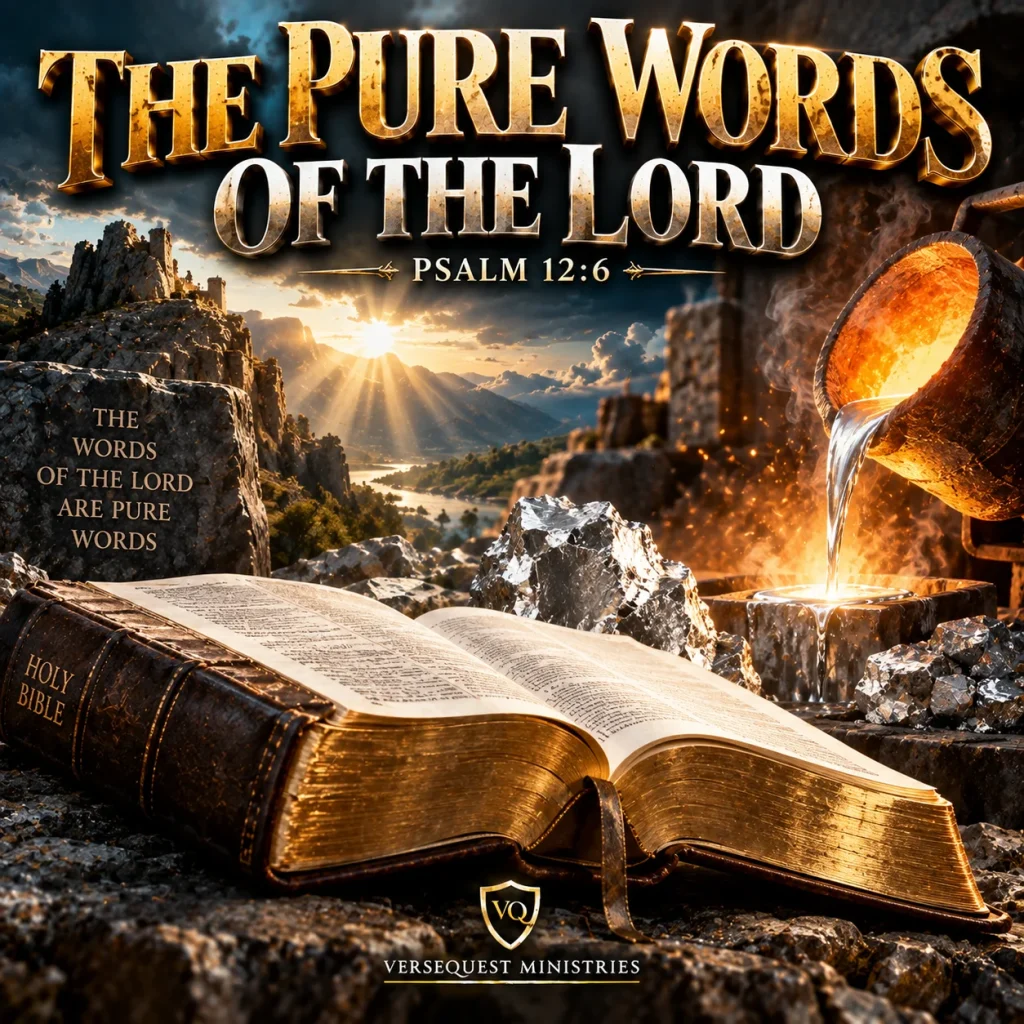
October 3, 2026
Speaker: Paul Tackett
Topic: authority of Scripture, Bible preservation, Biblical Authority, biblical purity, doctrine of Scripture, every word of God is pure, God cannot lie, inspiration of Scripture, King James Bible sermon, KJV Sermon Outline, preaching the word, preservation of Scripture, Psalm 12:6, pure word of God, pure words of God sermon outline, rightly dividing the word, Scripture and sanctification, silver purified seven times, verbal inspiration, words of the Lord are pure words
Book: Psalms
This detailed sermon outline examines Psalm 12:6 and David’s declaration, “The words of the LORD are pure words: as silver tried in a furnace of earth, purified seven times.” The message explains why the purity of Scripture begins with the perfect character of God, why divine inspiration extends to the actual words rather than merely general religious ideas, and how the imagery of silver purified seven times communicates complete freedom from corruption and error. It contrasts God’s pure words with the unreliable and deceitful speech of fallen man, warns against placing human scholarship or opinion above Scripture, and shows why pure words do not require man to correct them. The outline also connects biblical purity with preservation, demonstrates the necessity of rightly dividing the word of truth, explores Scripture’s purifying effect upon the believer, and emphasizes the preacher’s responsibility to handle and proclaim God’s words faithfully. Preachers, teachers, and Bible students will gain a sermon-ready framework for teaching verbal inspiration, biblical authority, preservation, sanctification through truth, right division, faithful preaching, and confidence in the King James Bible as the pure word of God.
-
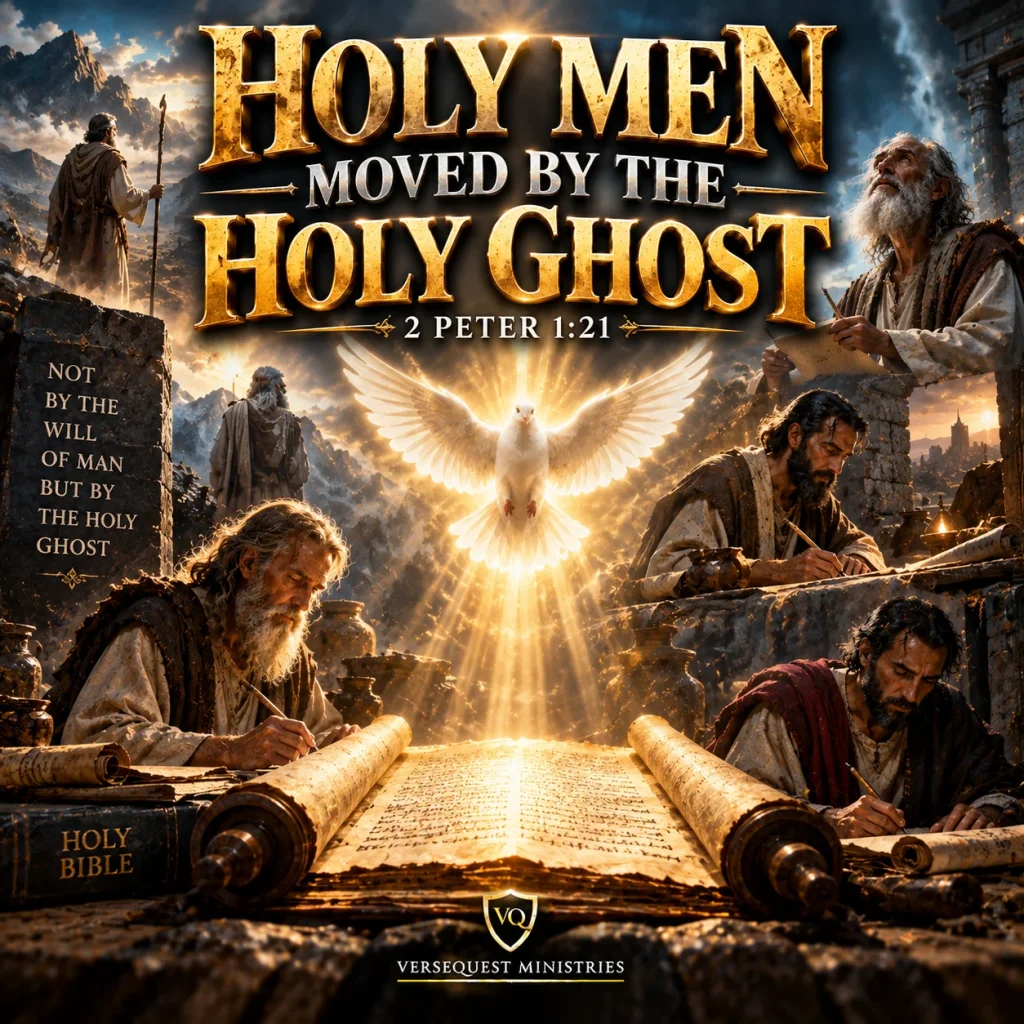
October 2, 2026
Speaker: Paul Tackett
Topic: 2 Peter 1:21, authority of the Bible, Biblical Inspiration, divine inspiration of the Bible, doctrine of inspiration, Holy Ghost and Scripture, holy men moved by the Holy Ghost, human writers of Scripture, inspiration and illumination, inspiration of Scripture sermon outline, King James Bible sermon, KJV Sermon Outline, moved by the Holy Ghost, origin of Scripture, preservation of Scripture, prophecy came not by man, rightly divided Bible study, verbal inspiration, Word of God, words taught by the Holy Ghost
Book: 2 Peter
This detailed sermon outline examines 2 Peter 1:21 and Peter’s declaration that prophecy “came not in old time by the will of man,” but that “holy men of God spake as they were moved by the Holy Ghost.” The message explains the supernatural origin of Scripture, showing that the Bible did not arise from human imagination, philosophy, or religious creativity, while also demonstrating how God used real men with distinct personalities, backgrounds, and historical settings without surrendering divine authorship. It explores what it means for the Holy Ghost to “move” the biblical writers, establishes that inspiration extends to the words themselves, distinguishes the inspiration of Scripture from the personal fallibility of its human writers, and carefully separates inspiration from the Spirit’s illumination of believers today. The outline also connects divine inspiration with biblical preservation and the believer’s responsibility to receive, study, rightly divide, preach, defend, and obey the written word of God. Preachers, teachers, and Bible students will gain a sermon-ready framework for teaching verbal inspiration, the ministry of the Holy Ghost in revelation, the human authorship of Scripture, preservation, biblical authority, and confidence in the King James Bible.
-
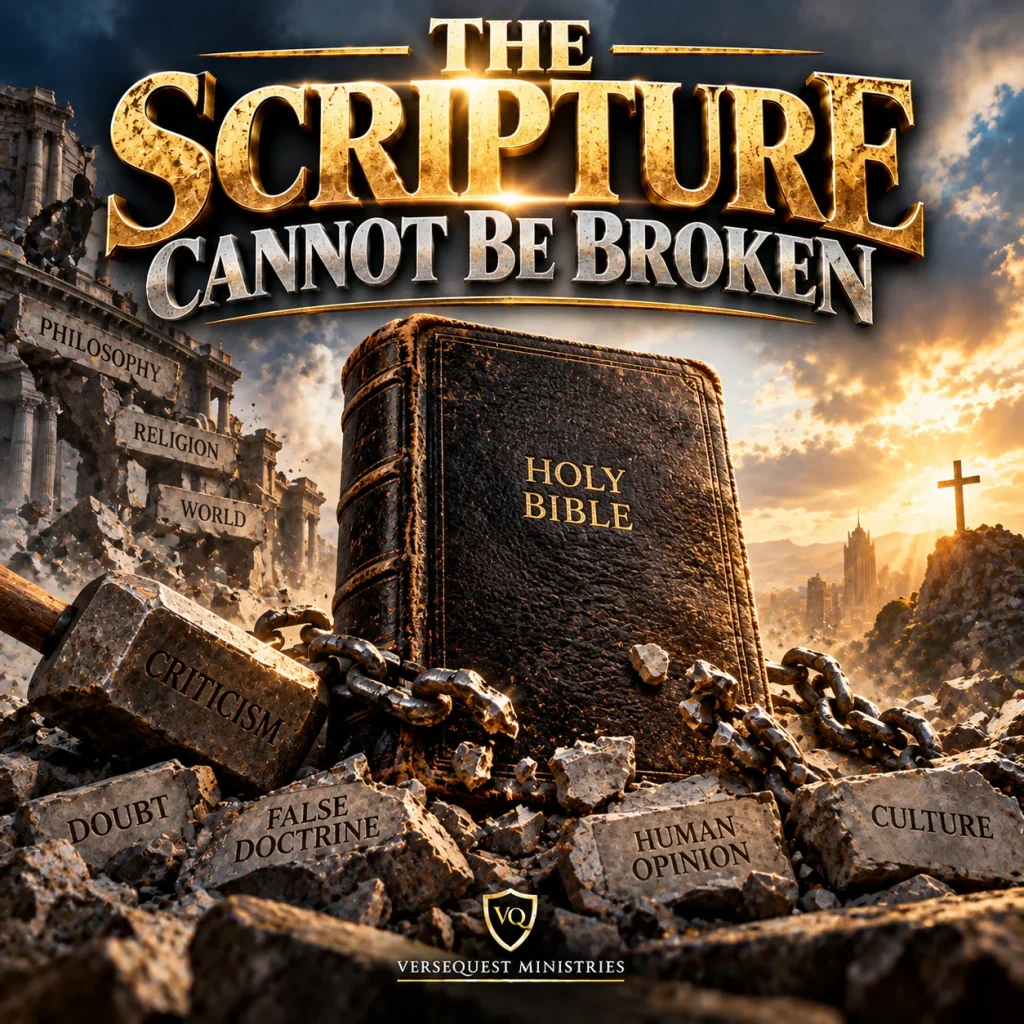
October 1, 2026
Series: John 10:35, Scripture cannot be broken
Speaker: Paul Tackett
Topic: authority of Scripture, Bible Doctrine, Bible preservation, Biblical Authority, Christian obedience to Scripture, defending biblical authority, human opinion versus Scripture, Jesus and Scripture, John 10:35, King James Bible sermon, KJV Sermon Outline, preservation of Scripture, rightly dividing the word, Scripture and culture, scripture cannot be broken, Scripture cannot be broken sermon outline, scripture cannot fail, unchanging word of God, verbal inspiration, words of God
Book: John
This detailed sermon outline examines John 10:35 and Jesus Christ’s declaration that “the scripture cannot be broken.” The message shows how Christ treated the written Scriptures as final authority, why the Bible’s unbreakable character rests upon the truthfulness of the God who gave it, and why the precise words of Scripture matter in doctrine and interpretation. It explains how human opinion, culture, scholarship, religious tradition, and criticism cannot overturn what God has established; connects biblical authority with the preservation of God’s words; and demonstrates why rightly dividing the word of truth protects rather than weakens Scripture. The sermon also brings the doctrine into practical Christian living by showing that an unbreakable Bible must be allowed to correct false doctrine, human pride, traditions, sinful conduct, and personal opinions. Preachers, teachers, and Bible students will gain a sermon-ready framework for teaching biblical inspiration, preservation, verbal authority, right division, Christian obedience, and confidence in the King James Bible as the believer’s final written authority.
-
September 29, 2026
Series: man shall live by every word, Matthew 4:4
Speaker: Paul Tackett
Topic: Bible as spiritual food, Bible study sermon, Biblical Authority, Christian spiritual growth, every word of God is pure, every word of God sermon outline, Genesis 3 deception, it is written, KJV Sermon Outline, living by Scripture, man shall live by every word, Matthew 4:4, preserved word of God, rightly dividing the word, Satan twists Scripture, Scripture and obedience, spiritual nourishment, temptation of Jesus, verbal inspiration, word of God and temptation
Book: Matthew
This detailed sermon outline examines Matthew 4:4 and Christ’s declaration, “Man shall not live by bread alone, but by every word that proceedeth out of the mouth of God.” The message explains why physical provision alone cannot sustain the whole man, why Jesus emphasized “every word,” and how His repeated use of “It is written” in the wilderness establishes the written word of God as the believer’s weapon against temptation and deception. It also traces Satan’s attacks upon Scripture through questioning, contradiction, and misapplication; emphasizes the necessity of rightly dividing the word of truth; presents Scripture as spiritual nourishment for the inner man; and shows that genuine submission to God’s word requires obedience rather than mere knowledge. Preachers, teachers, and Bible students will gain a sermon-ready framework for teaching verbal inspiration, biblical authority, spiritual warfare, proper interpretation, daily Bible intake, Christian obedience, and the necessity of living by the preserved words of God rather than by feelings, traditions, or religious experience.
-
September 28, 2026
Speaker: Paul Tackett
Topic: authority of Scripture, Bible authority, every word of God is pure, God preserves His word, heaven and earth shall pass away, inspiration of Scripture, King James Bible sermon, KJV Bible preservation, preservation of Scripture sermon outline, preservation of the Bible, preserved word of God, Psalm 12 sermon, Psalm 12:6–7, pure words of God, rightly divided Bible study, Satan attacks God’s word, scripture cannot be broken, verbal inspiration, words God preserved, Yea hath God said
Book: Psalms
This detailed sermon outline examines Psalm 12:6–7 and the Bible’s declaration that “the words of the LORD are pure words” and that God will “preserve them from this generation for ever.” The message develops the doctrines of verbal inspiration, the purity of God’s words, divine preservation, and the continuing authority of Scripture, showing that God did not merely inspire words that later disappeared but promised to keep what He gave. It traces Satan’s attack upon God’s words from “Yea, hath God said?” in Genesis 3 through attempts to question, alter, destroy, or undermine confidence in Scripture, while contrasting those attacks with Christ’s declaration that His words will never pass away. The outline also examines the significance of every word, the image of silver purified seven times, Christ’s teaching concerning the jot and tittle, Timothy’s possession of “the holy scriptures,” and the believer’s responsibility to read, study, rightly divide, preach, believe, and obey the preserved word of God. Preachers, teachers, and Bible students will gain a sermon-ready defense of biblical preservation and a strong KJV-based framework for teaching why confidence in the present Scriptures rests upon the faithfulness and power of the God who inspired them.