
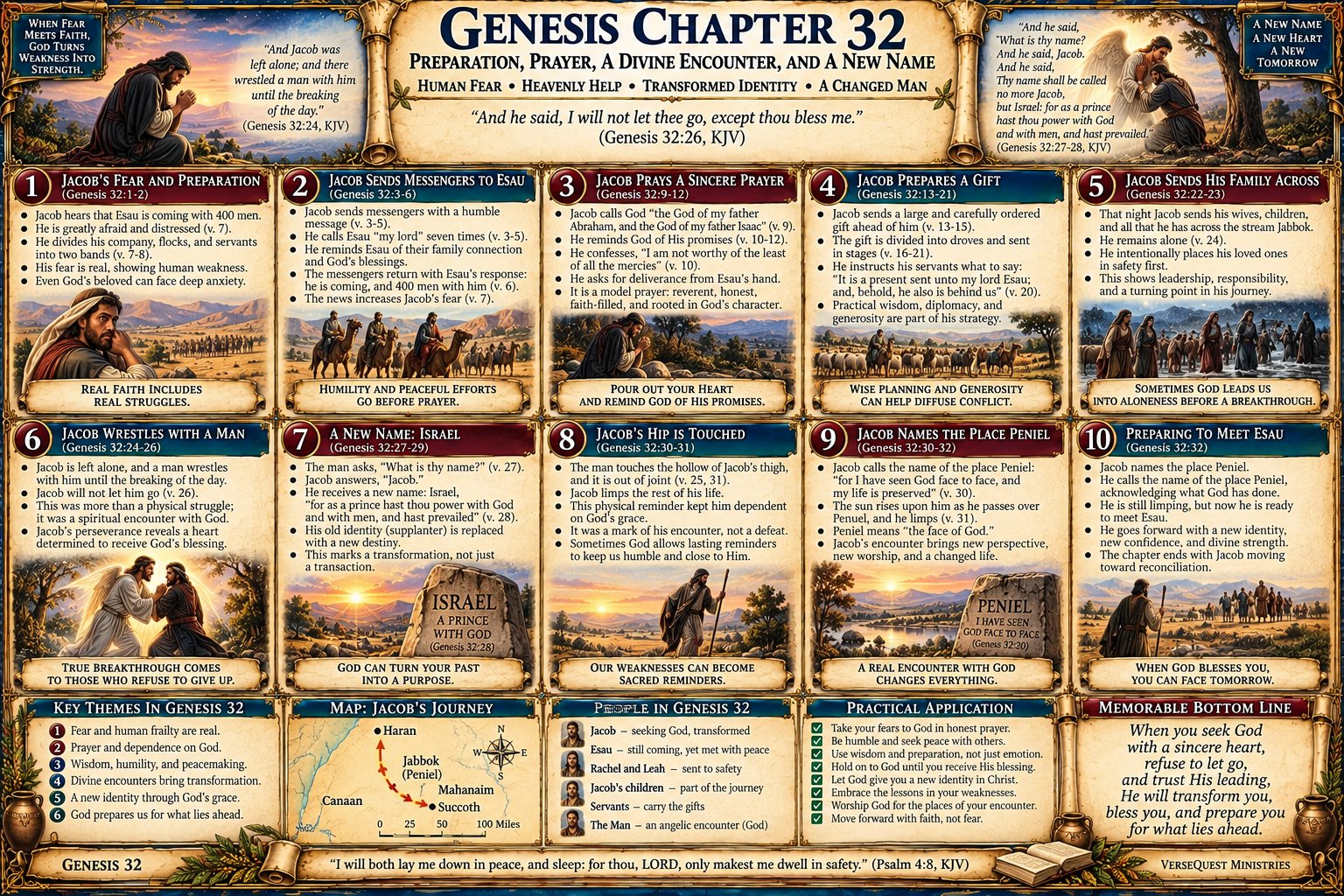
Genesis 32 – Jacob Wrestles at Jabbok: Fear of Esau, Prayer, Peniel, the New Name Israel, and a Changed Man (KJV Bible Study Chart)
Explore Genesis 32 with this detailed KJV Bible study chart tracing Jacob’s fear as Esau approaches with four hundred men, his division of the household, earnest prayer for deliverance, and carefully prepared gifts for reconciliation. Follow Jacob to the brook Jabbok, where he is left alone and wrestles through the night until he receives a blessing and the new name Israel. The chart examines the touching of Jacob’s thigh, his lifelong limp, the naming of Peniel, and his declaration, “I have seen God face to face, and my life is preserved.” It also connects Genesis 32 with Hosea 12’s inspired commentary on the encounter. Ideal for Bible study, sermon preparation, homeschool, Sunday school, prayer studies, reconciliation teaching, and lessons on fear, weakness, perseverance, blessing, and transformation.
$4.99
Description
Genesis 32: Preparation, Prayer, a Divine Encounter, and a New Name is a detailed KJV Bible study chart tracing Jacob’s return toward Canaan, his fear of meeting Esau, his earnest prayer for deliverance, the gifts prepared for reconciliation, the mysterious nighttime wrestling at Jabbok, and the life-changing moment when Jacob receives the name Israel.
The chapter opens with heavenly encouragement as the angels of God meet Jacob and he names the place Mahanaim. Yet Jacob soon learns that Esau is approaching with four hundred men. The news terrifies him. He divides his people, flocks, herds, and camels into two companies, reasoning that if one company is attacked the other may escape. Genesis does not hide the patriarch’s fear; it shows a man carrying God’s promises while still struggling with very human anxiety.
Jacob then turns from strategy to prayer. He addresses the God of Abraham and Isaac, reminds the LORD of His command to return home, confesses, “I am not worthy of the least of all the mercies,” and asks directly to be delivered from Esau. His prayer rests upon God’s previous promise to do him good and multiply his seed.
Jacob also prepares an enormous gift of livestock and sends the animals ahead in separate groups. Each servant is instructed to identify the gift as belonging to Jacob and intended for “my lord Esau.” Jacob hopes to appease his brother before their face-to-face meeting. Prayer and practical preparation appear together in the narrative.
That night Jacob sends his wives, children, servants, and possessions across the brook Jabbok. Then comes the decisive statement: “Jacob was left alone.” A man wrestles with him until the breaking of the day. When Jacob refuses to release him without a blessing, the encounter moves beyond ordinary physical struggle.
Jacob’s name is changed from Jacob to Israel, with the explanation, “for as a prince hast thou power with God and with men, and hast prevailed.” Yet victory comes with weakness. The hollow of Jacob’s thigh is touched, and he leaves the encounter limping.
Jacob names the place Peniel, declaring, “I have seen God face to face, and my life is preserved.” Hosea later adds inspired commentary concerning Jacob’s struggle with the angel and his encounter with the LORD God of hosts.
Genesis 32 therefore presents a profound transition. Jacob begins the chapter arranging companies in fear and ends it walking forward with a new name and a permanent limp. God does not merely remove the coming difficulty; He changes the man who must face it.
Genesis 32, Jacob, Esau, Jacob and Esau, Mahanaim, angels of God, four hundred men, Jacob’s fear, Jacob’s prayer, divine protection, reconciliation, gifts to Esau, brook Jabbok, Jacob left alone, wrestling with a man, Angel of the LORD, Peniel, face to face with God, new name Israel, prince with God, Jacob’s wounded thigh, Jacob limps, weakness and strength, covenant promise, spiritual transformation
Genesis 32 finds Jacob moving toward the land God commanded him to enter. The chapter begins with encouragement: “the angels of God met him.” Jacob names the place Mahanaim, yet heavenly assurance does not prevent immediate human fear. When messengers report that Esau is coming with four hundred men, Jacob becomes “greatly afraid and distressed.” He divides his household and possessions into two companies in hopes that one might escape if the other is attacked.
Jacob then prays one of the most substantial prayers recorded in his life. He addresses the God of Abraham and Isaac, appeals to God’s command to return, acknowledges his own unworthiness, remembers the LORD’s mercies, and plainly asks for deliverance. Most importantly, he anchors his request in God’s promise: “I will surely do thee good.” Biblical prayer does not merely describe fear; it brings fear beneath the promises of God.
Jacob also prepares a large present for Esau. The animals are sent ahead in successive groups, and the servants repeatedly identify Jacob as Esau’s servant. Practical peacemaking accompanies prayer, though Jacob’s actions also reveal how deeply he fears his brother.
After sending his household across Jabbok, “Jacob was left alone.” A man wrestles with him until daybreak. Genesis initially calls the figure a man, but Hosea 12:3–5 later speaks of Jacob having “power over the angel” and connects the encounter with “the LORD God of hosts.” Jacob himself concludes that he has encountered God.
During the struggle, the hollow of Jacob’s thigh is touched and put out of joint. Jacob nevertheless declares, “I will not let thee go, except thou bless me.” His persistence is answered not merely with a blessing but with a new identity.
The name Israel is given with the explanation, “for as a prince hast thou power with God and with men, and hast prevailed.” Yet Jacob’s prevailing is accompanied by physical weakness. He leaves Peniel limping. The chapter therefore refuses the worldly idea that spiritual strength means self-sufficiency. Jacob advances because God has blessed him, not because Jacob remains physically untouched.
Jacob calls the place Peniel because, he says, “I have seen God face to face, and my life is preserved.” The sun rises as he passes over Penuel, marking both a literal new day and a fitting narrative turning point.
Genesis 32 does not teach that every believer must reproduce Jacob’s physical encounter. It records a unique event in the patriarchal covenant history. Its enduring lessons concern prayer, dependence, reconciliation, persistence, and divine transformation. Jacob entered the night fearing Esau; he leaves it wounded, blessed, renamed, and prepared to face what comes next.
Genesis 32 is useful for teaching honest prayer during fear, dependence upon God’s promises, humility before reconciliation, practical peacemaking, persistence in seeking God, and the way divine encounters can transform a person before difficult circumstances change. Jacob’s limp also provides a powerful lesson that weakness can become a permanent reminder of dependence rather than evidence of abandonment. The chapter is excellent for personal Bible study, Sunday school, homeschool instruction, Bible institutes, sermon preparation, prayer studies, conflict-resolution teaching, Jacob and Esau studies, discipleship, and lessons concerning fear, surrender, perseverance, reconciliation, weakness, and spiritual transformation.
King James Bible, Strong’s Concordance, Thompson Chain-Reference Bible, Treasury of Scripture Knowledge, Nave’s Topical Bible, Genesis 27–35 study notes, Jacob life timeline, Jacob and Esau comparison charts, patriarchal maps of Mahanaim Jabbok Peniel and Succoth, Hosea 12 studies, biblical prayer Scripture chains, reconciliation studies, Angel of the LORD studies, names-of-God resources, Israel name studies, 2 Corinthians 12 weakness-and-strength studies, VerseQuest Genesis charts
Related products
-
Spritual Dryness
-
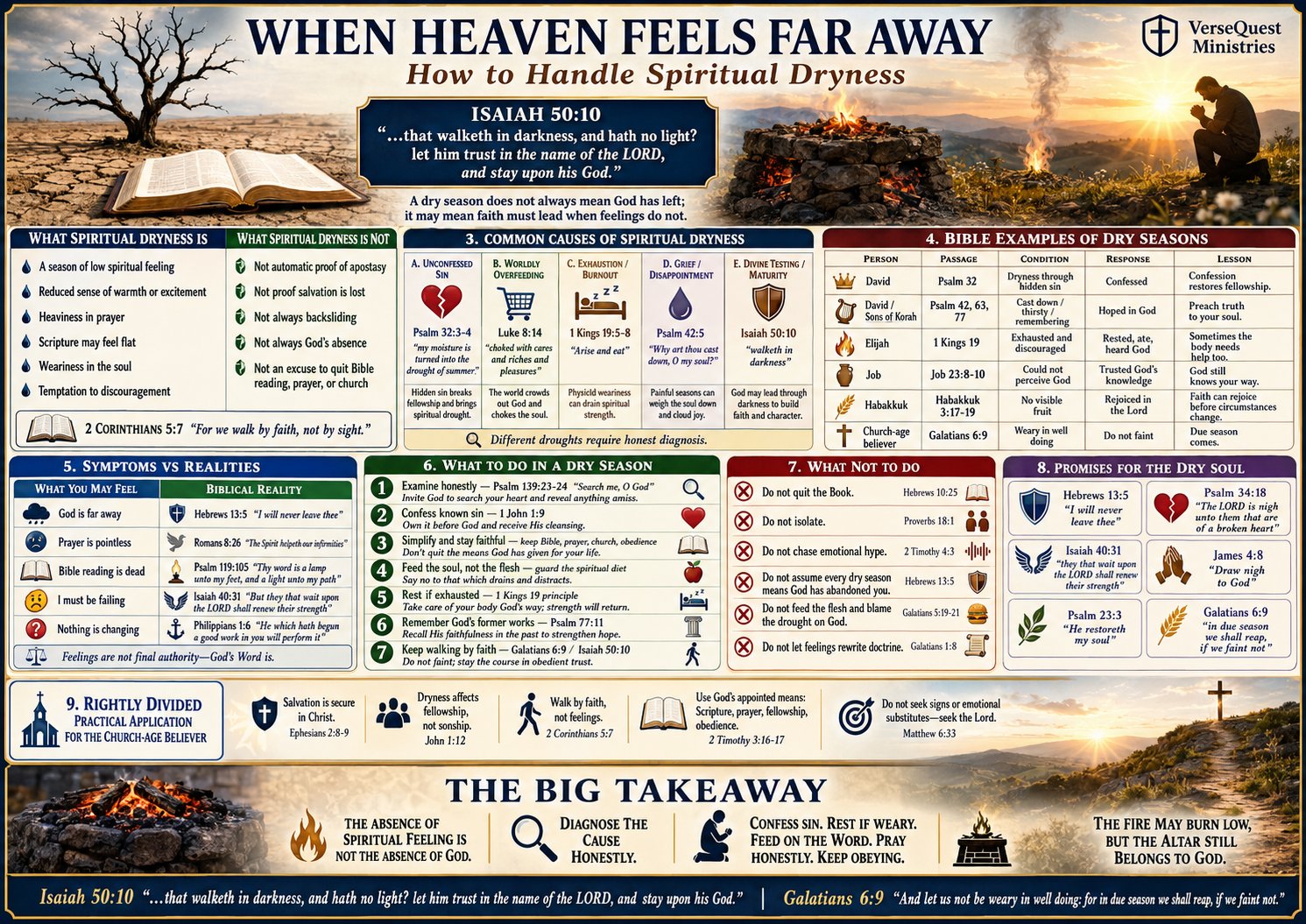
- When Heaven Feels Far Away – How to Handle Spiritual Dryness and Walk by Faith (KJV Bible Study Chart)
- Walk through spiritual dryness with this detailed KJV Bible study chart covering its causes, biblical examples, warning signs, promises, faithful habits, and the difference between feelings and truth.
- $3.99
- Add to cart
-
-
Christian Living
-
-50%
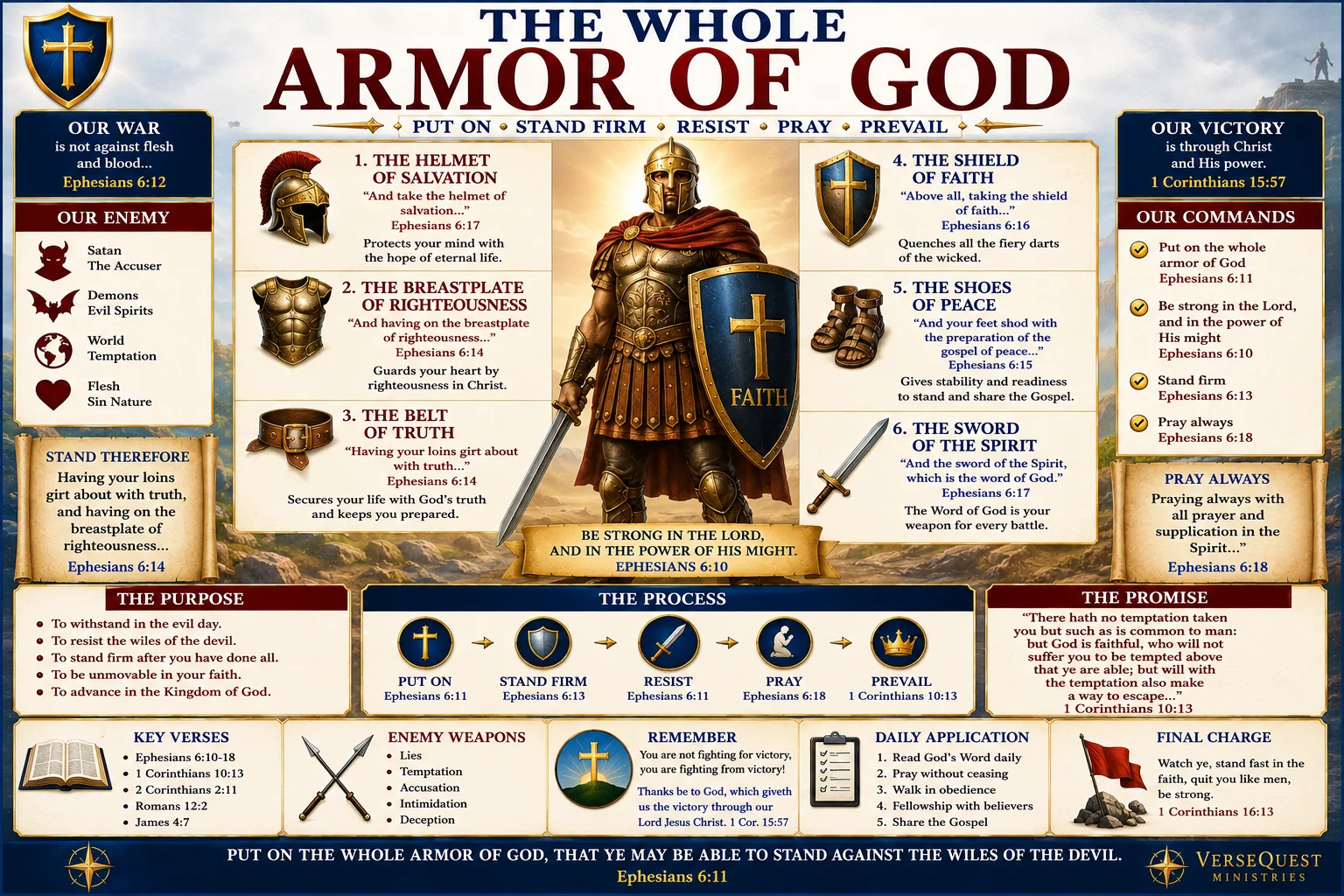
- The Whole Armor of God Chart — KJV Bible Study
- Premium printable KJV Bible study chart explaining the whole armor of God from Ephesians 6, including the helmet, breastplate, belt, shield, shoes, sword, prayer, and spiritual victory in Christ.
- Original price was: $10.00.$4.99Current price is: $4.99.
- Add to cart
-
-50%
-
The Seven Dispensations
-
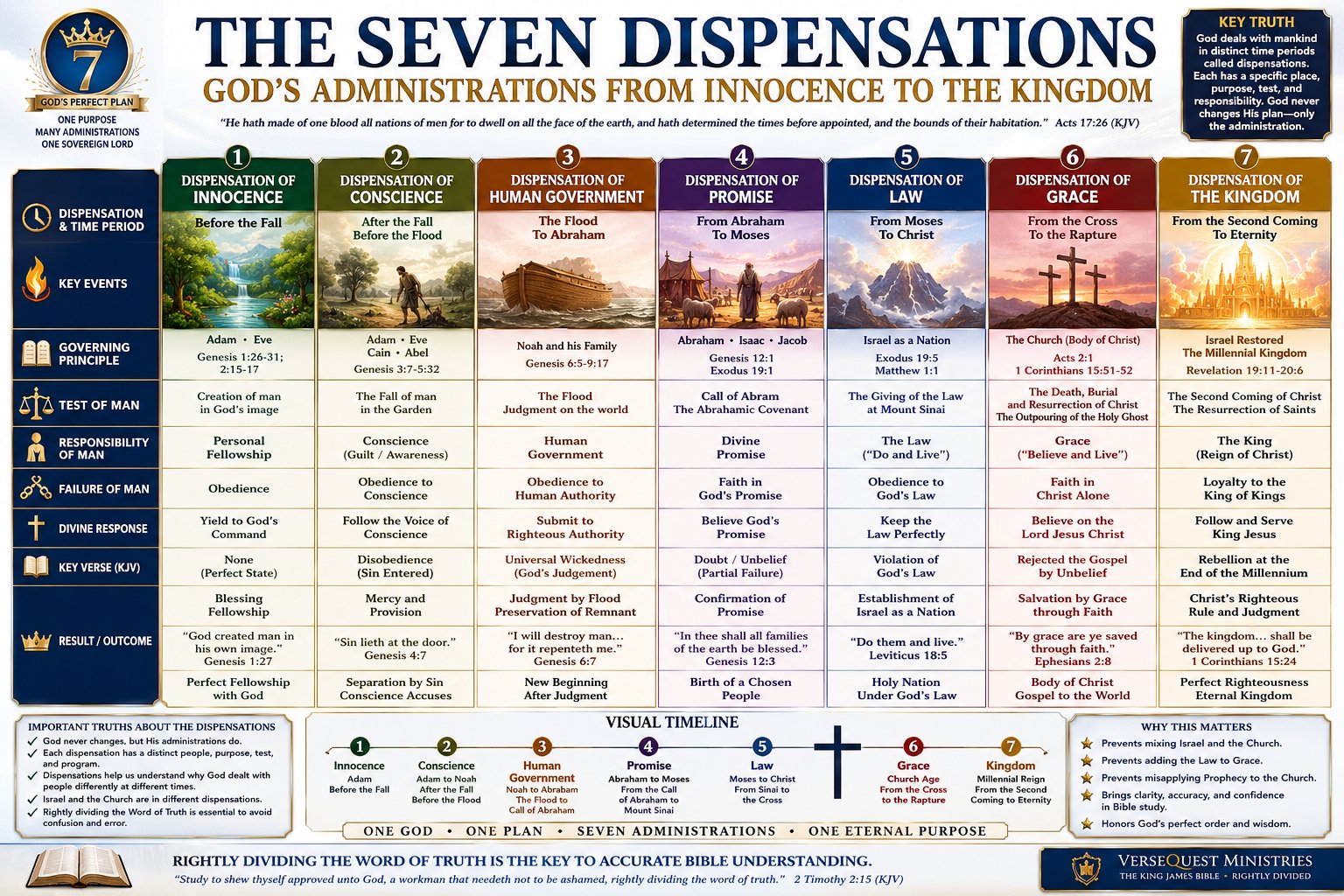
- The Seven Dispensations Bible Study Chart – God’s Administrations from Innocence to the Kingdom (KJV)
- Explore the seven dispensations with this detailed KJV Bible study chart covering Innocence, Conscience, Human Government, Promise, Law, Grace, the Kingdom, and the importance of rightly dividing Scripture.
- $3.99
- Add to cart
-
-
The Gospel of the Kingdom
-
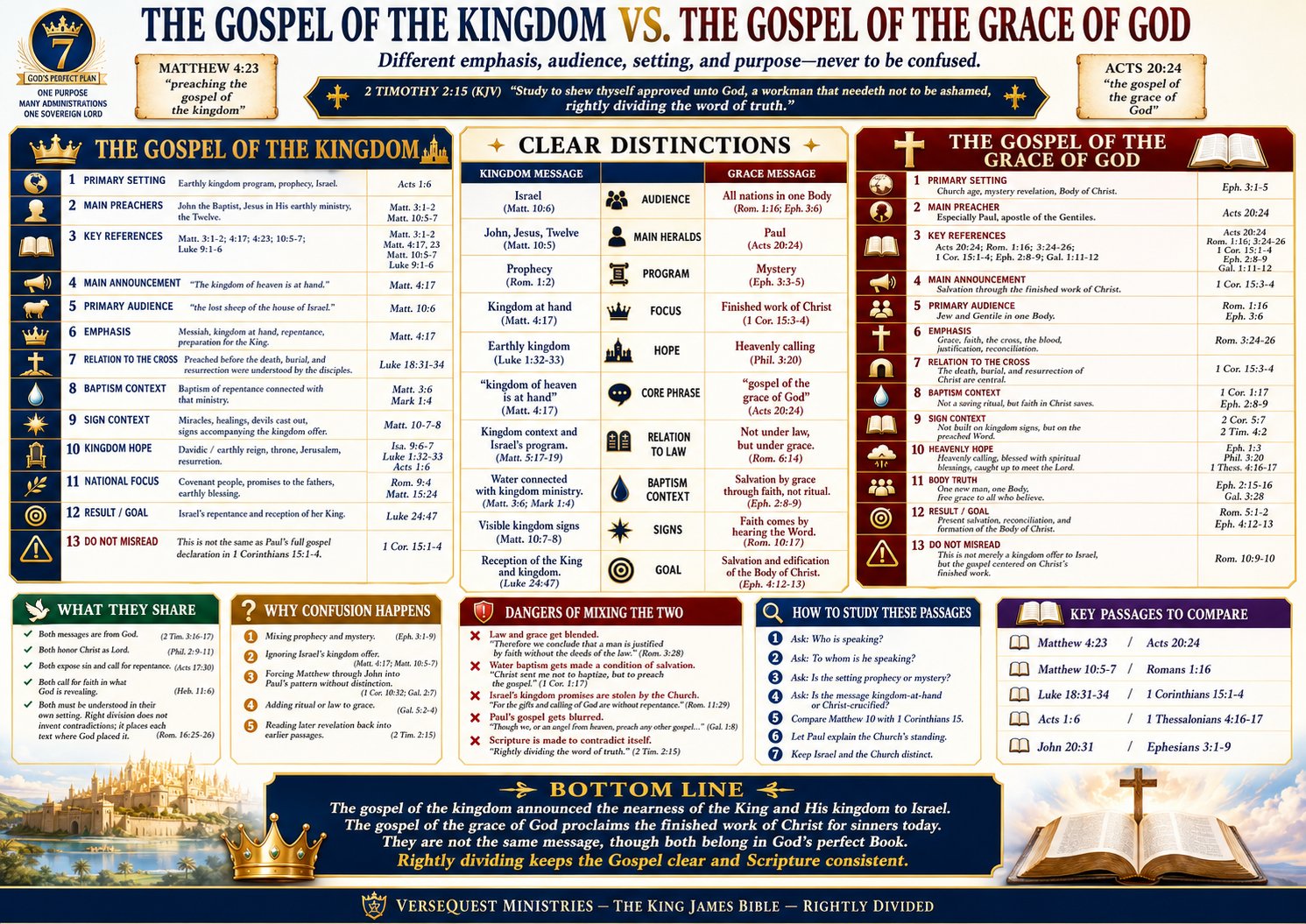
- The Gospel of the Kingdom vs. the Gospel of the Grace of God – KJV Right Division Bible Study Chart
- Compare the gospel of the kingdom and the gospel of the grace of God with this detailed KJV chart covering audience, message, prophecy, mystery, baptism, signs, salvation, and right division.
- $3.99
- Add to cart
-
-
Genesis Study
-
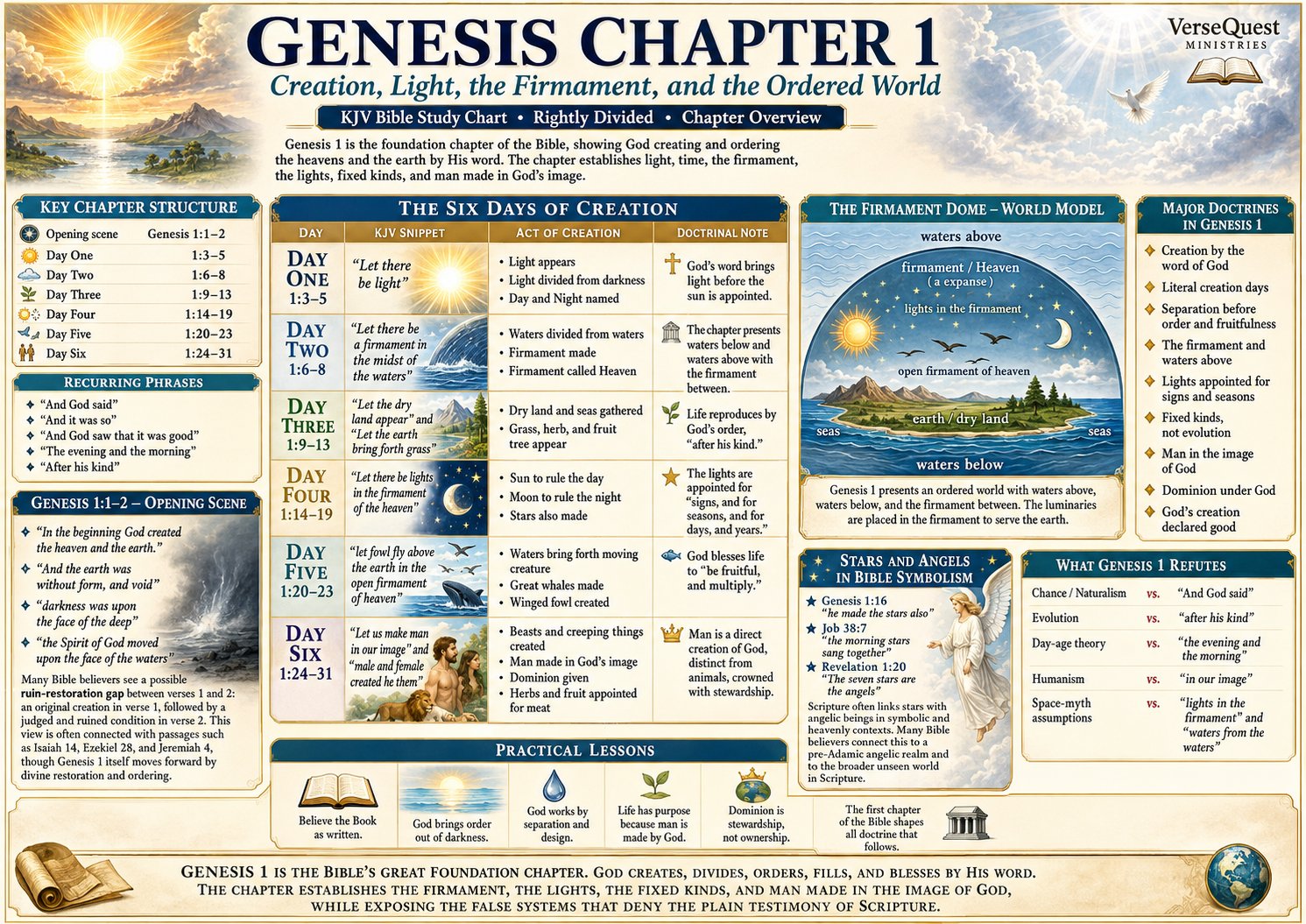
- Genesis Chapter 1 Bible Study Chart – Creation, Light, the Firmament, and the Ordered World (KJV)
- Explore Genesis Chapter 1 with this detailed KJV Bible study chart covering the six days of creation, the firmament, light, fixed kinds, man in God’s image, major doctrines, recurring phrases,…
- $3.99
- Add to cart
-