
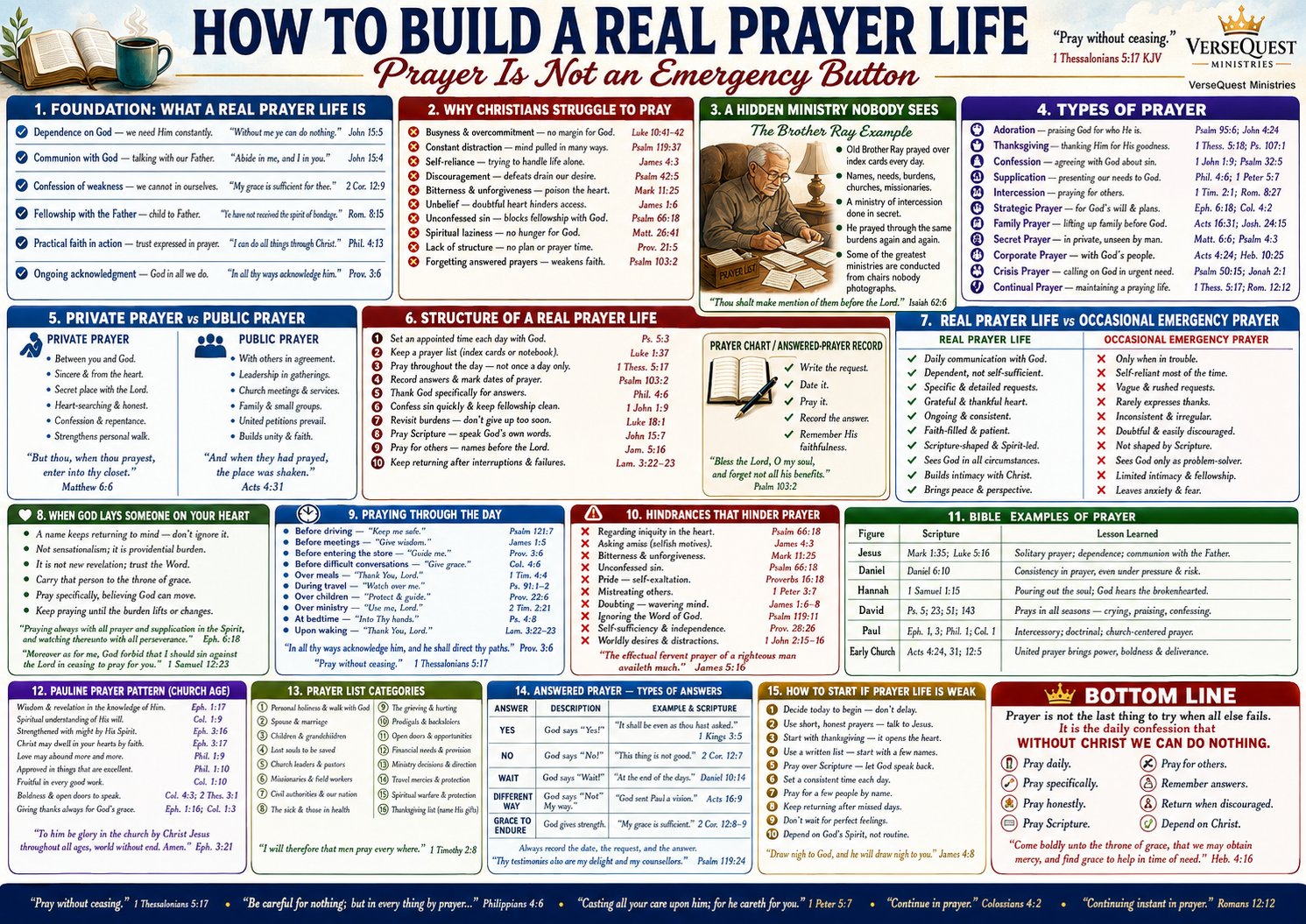
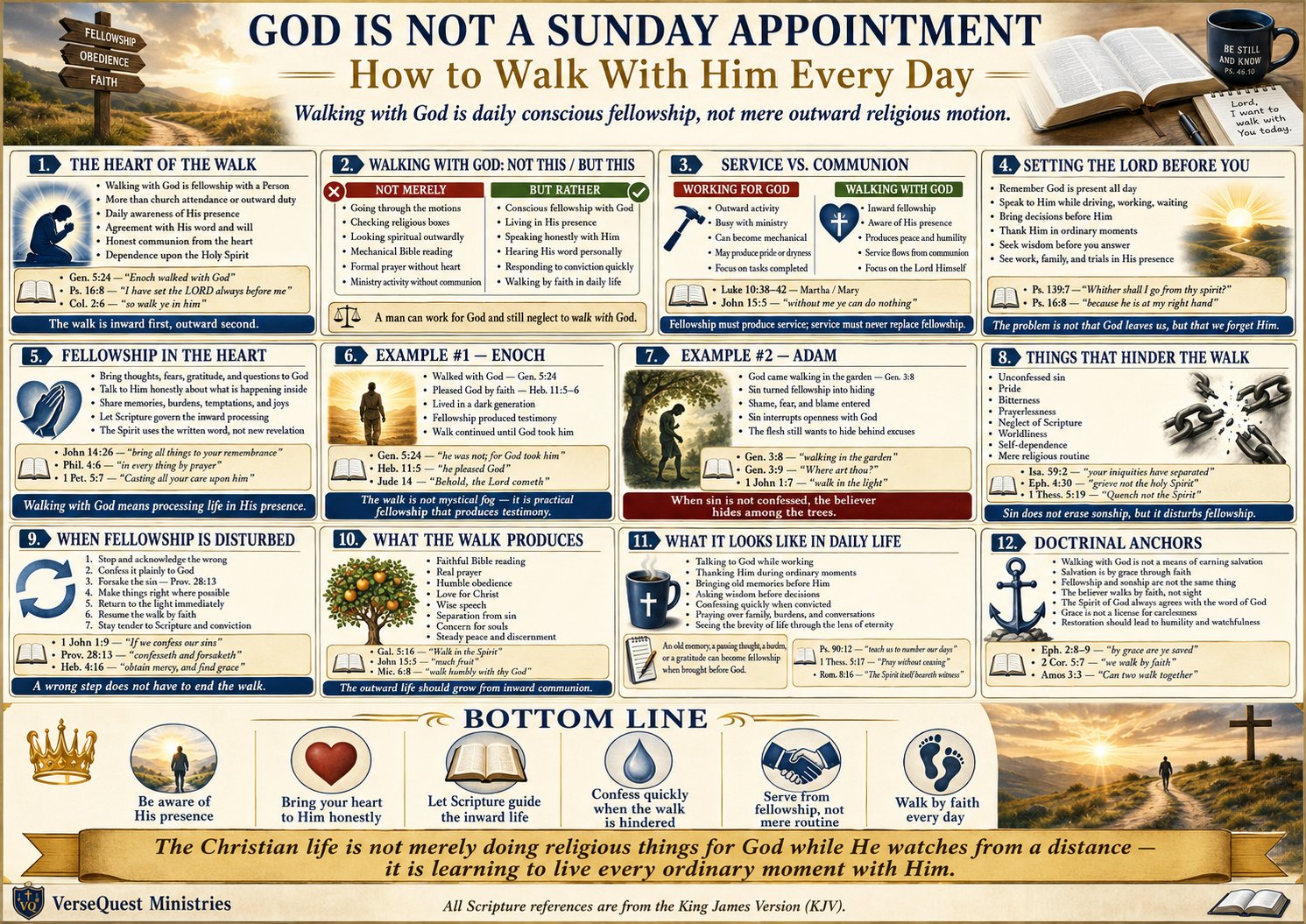
God Is Not a Sunday Appointment – Walking With God Bible Study Chart
Discover what it truly means to walk with God every day—not merely performing religious duties, but living in conscious fellowship with Him.
This detailed KJV Bible study chart explains the difference between outward religious activity and inward communion, using Enoch, Adam, Martha, Mary, and other biblical examples. It also shows what hinders fellowship, how to restore the walk after sin, and how prayer, Scripture, obedience, and awareness of God’s presence shape daily Christian living.
KJV Scripture • Landscape Format • Practical Christian Living • VerseQuest Ministries
$3.99
Description
Walking with God, daily fellowship with God, awareness of God’s presence, inward communion, prayer without ceasing, Scripture-guided living, walking by faith, walking in the Spirit, Christian obedience, honest prayer, spiritual dependence, confession of sin, restored fellowship, Enoch walked with God, Adam hiding from God, service versus communion, practical Christian living, Christian growth, sonship and fellowship, abiding in Christ, spiritual fruit, rightly divided Christian living
Walking with God is not a method of earning salvation. Salvation is received by grace through faith in the finished work of Jesus Christ. The believer walks with God because he has already been reconciled to God through Christ.
The Christian walk is inward before it becomes outward. Bible reading, prayer, church attendance, witnessing, service, and obedience are necessary, but they must grow from genuine fellowship rather than replace it. A believer can remain busy with religious work while becoming spiritually dry and distant in heart.
Walking with God means living in the conscious awareness of His presence, speaking honestly with Him, allowing His written word to govern the inward life, responding quickly to conviction, and depending upon the Holy Spirit. This inward communication must always remain subject to Scripture and should never be confused with receiving new revelation.
Sin hinders fellowship, but confession restores openness. First John 1:9 is written to believers and provides God’s remedy when the walk is disturbed. A wrong step does not have to end the walk. The believer should confess quickly, correct what can be corrected, and continue by faith.
The central truth of the chart is: The Christian life is not merely doing religious things for God while He watches from a distance—it is learning to live every ordinary moment with Him.
Use this chart to teach believers that walking with God is more than completing outward religious duties. Encourage students to develop a daily awareness of God’s presence, speak honestly with Him throughout the day, and bring their thoughts, memories, decisions, burdens, temptations, and gratitude before Him. Show the difference between working for God and walking with God, using Martha and Mary as an example of service that must flow from communion.
Use Enoch to demonstrate that genuine fellowship with God produces faith, testimony, discernment, and obedience. Use Adam to show how sin introduces hiding, shame, excuses, and disrupted fellowship. Emphasize that unconfessed sin does not erase the believer’s sonship, but it does disturb openness, joy, prayer, and communion with God.
Apply the restoration section practically by teaching believers to acknowledge sin quickly, confess it plainly, forsake it, make matters right where possible, and resume walking by faith. Encourage personal reflection on what currently strengthens or hinders the believer’s walk. This chart is suitable for personal study, Sunday school, discipleship, Christian counseling, small groups, sermon preparation, and practical Christian-living lessons.
King James Bible
Thompson Chain-Reference Bible
Strong’s Exhaustive Concordance
Treasury of Scripture Knowledge
Nave’s Topical Bible
A King James Bible study notebook or prayer journal
VerseQuest Ministries practical Christian-living essays
VerseQuest Ministries Bible study charts on prayer, fellowship, spiritual growth, confession, walking in the Spirit, and Christian obedience
Related products
-
KJV Bible Study Resources
-
-60%

- Practical Christianity for Daily Battles – 329-Page KJV Study PDF
- A premium 329-page KJV study PDF with 40 full essays applying sound, rightly divided Bible doctrine to real daily Christian battles. Topics include temptation, anxiety, marriage, parenting, pornography, grief, church…
- Original price was: $24.99.$9.99Current price is: $9.99.
- Add to cart
-
-60%
-
Biblical Humility
-
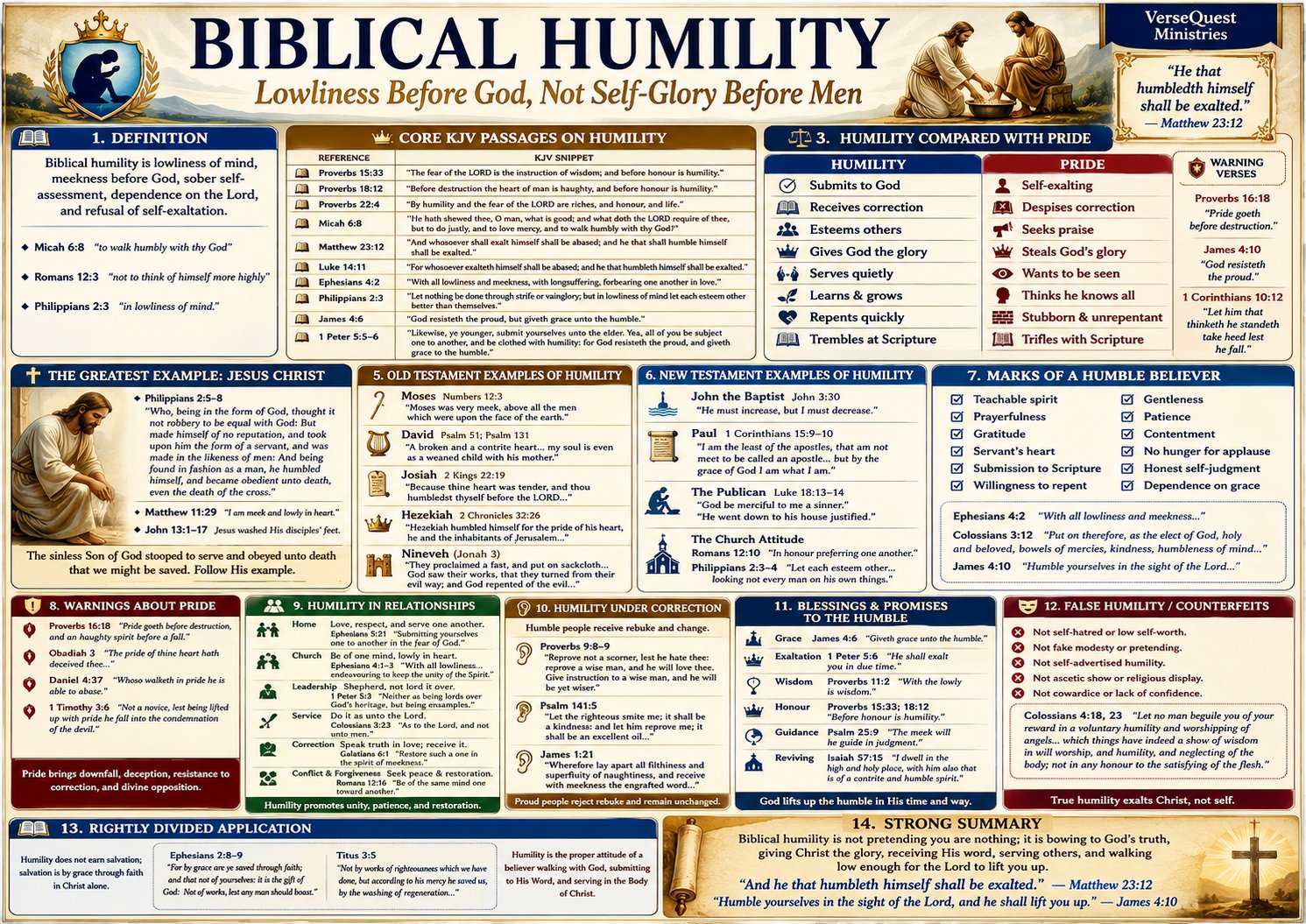
- Biblical Humility Bible Study Chart – Lowliness Before God, Not Self-Glory Before Men (KJV)
- Study biblical humility with this detailed KJV chart comparing humility and pride, Christ’s example, receiving correction, servant leadership, grace, and practical Christian living.
- $3.99
- Add to cart
-
-
Questioning God
-
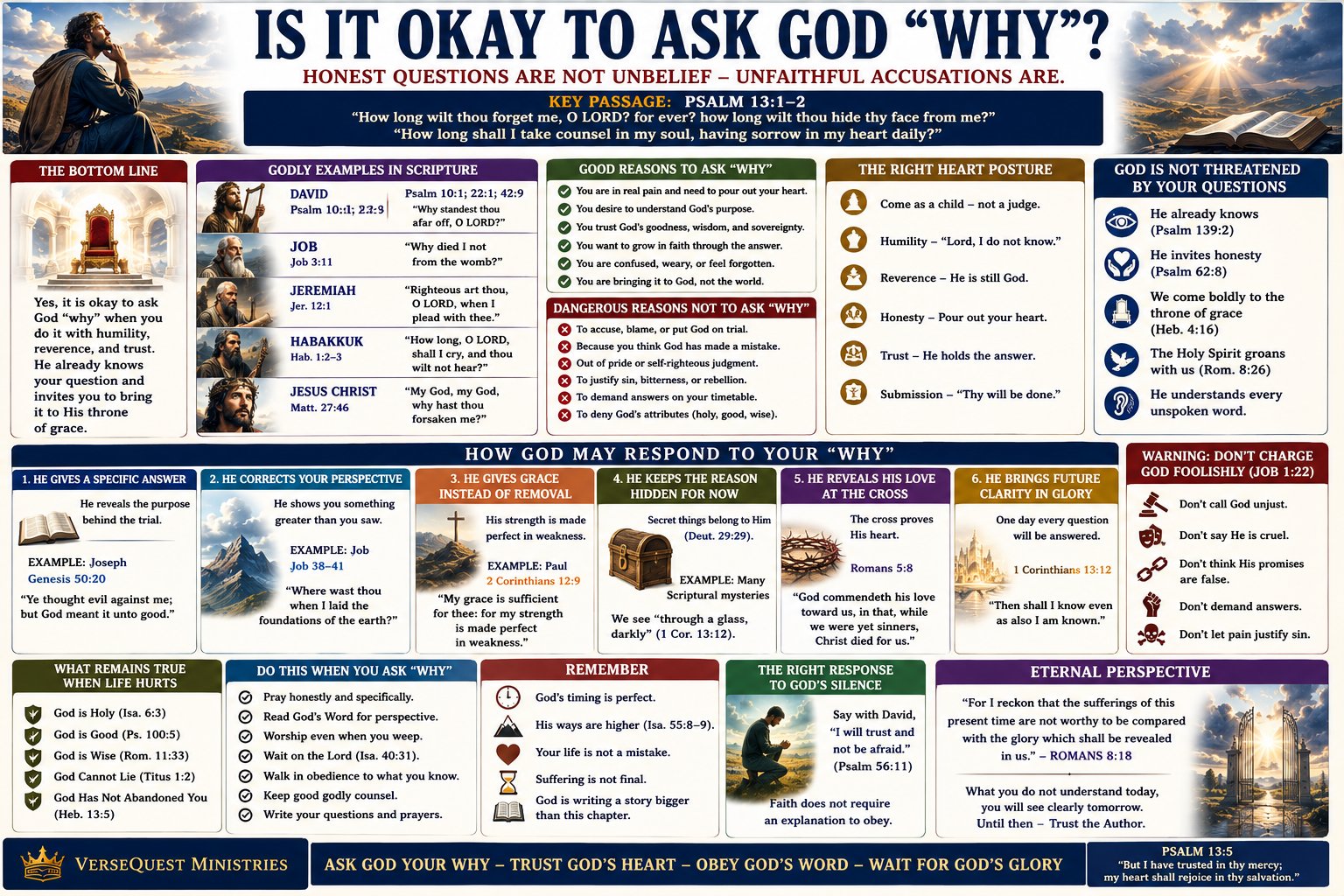
- Is It Okay to Ask God “Why”? – Honest Questions, Suffering, Faith, and Trusting God’s Heart (KJV Bible Study Chart)
- Learn how to bring honest questions to God with this detailed KJV Bible study chart covering suffering, unanswered prayer, biblical lament, humility, trust, divine silence, and eternal hope.
- $3.99
- Add to cart
-
-
When Fear of God Vanishes
-
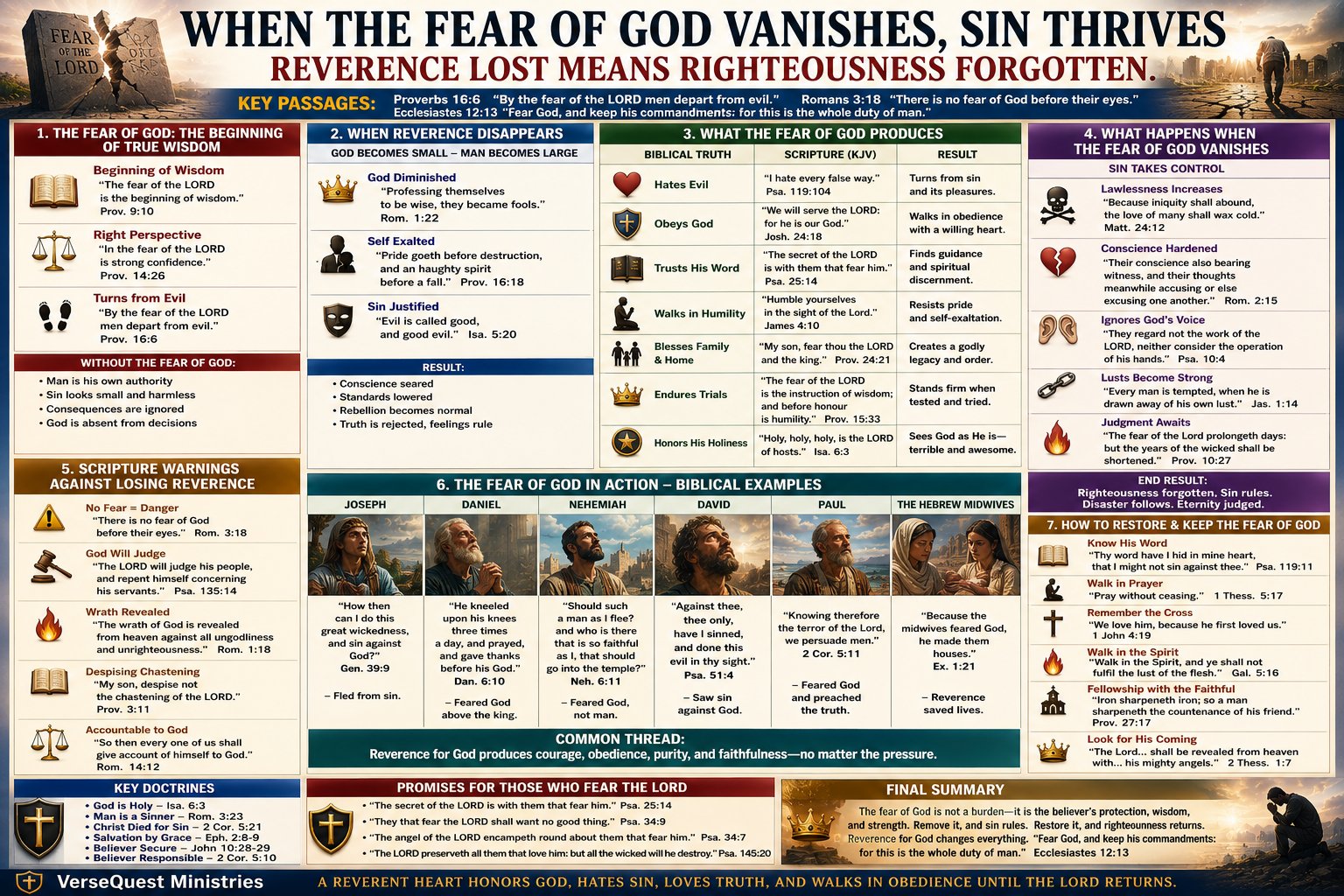
- When the Fear of God Vanishes, Sin Thrives – Reverence, Wisdom, Holiness, and Obedience (KJV Bible Study Chart)
- Understand the fear of God with this detailed KJV Bible study chart covering reverence, wisdom, holiness, obedience, hardened conscience, divine judgment, biblical examples, and restoring godly fear.
- $3.99
- Add to cart
-
-
Bitterness
-
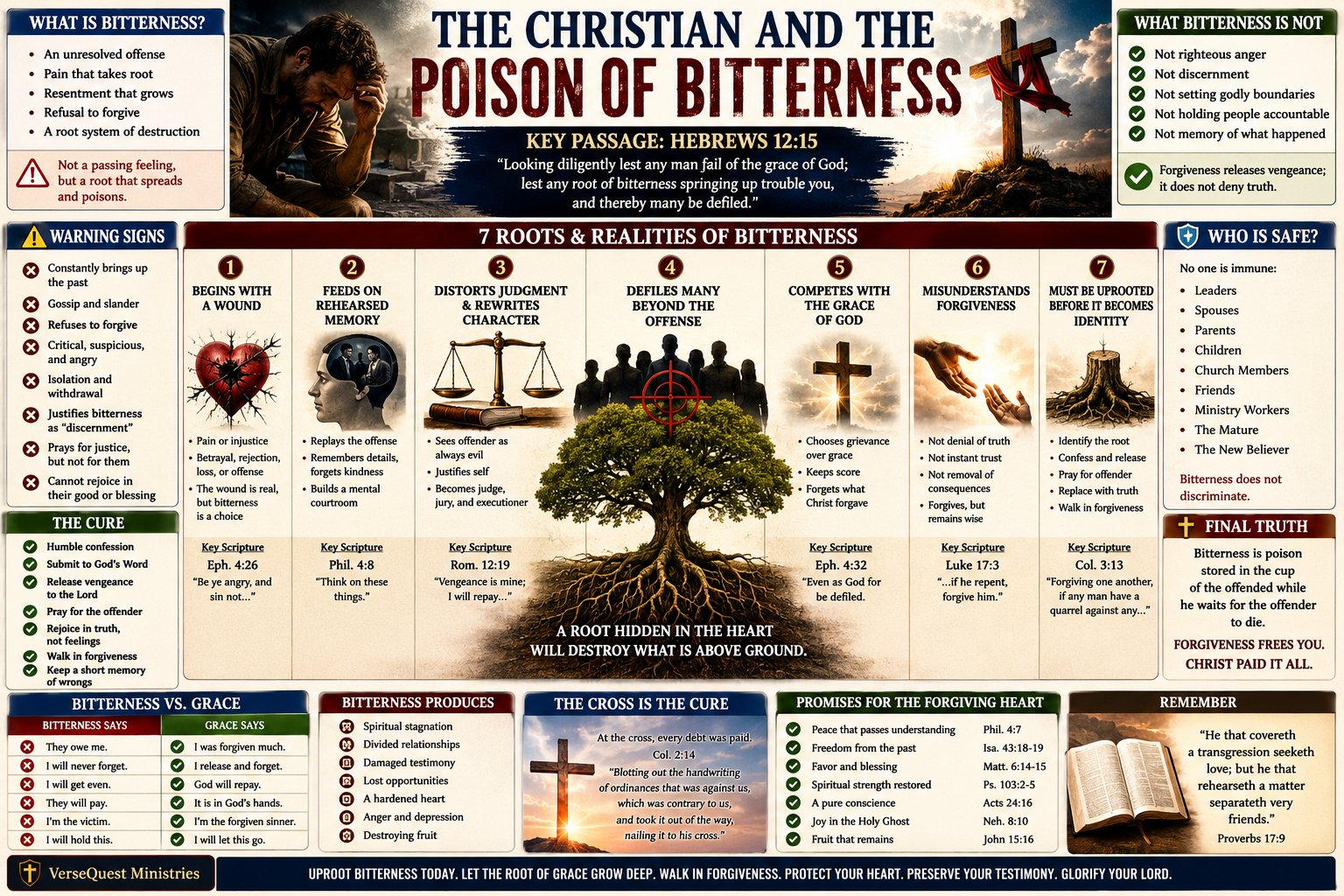
- The Christian and the Poison of Bitterness Bible Study Chart – Forgiveness, Grace, and Healing the Heart (KJV)
- Expose and uproot bitterness with this detailed KJV Bible study chart covering unresolved offenses, warning signs, forgiveness, grace, wise boundaries, the cross, and healing for the Christian heart.
- $3.99
- Add to cart
-