
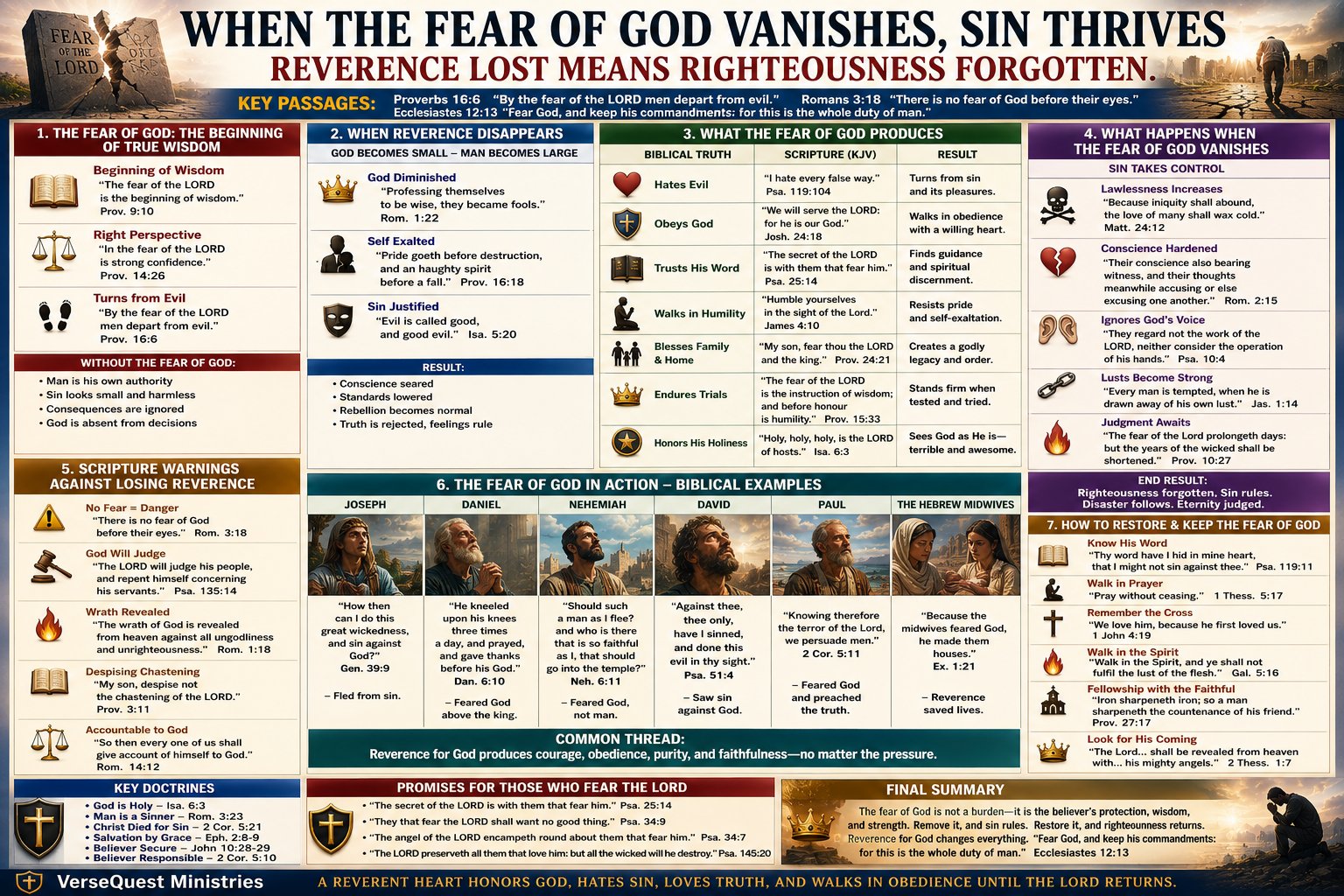
When the Fear of God Vanishes, Sin Thrives – Reverence, Wisdom, Holiness, and Obedience (KJV Bible Study Chart)
Understand the fear of God with this detailed KJV Bible study chart covering reverence, wisdom, holiness, obedience, hardened conscience, divine judgment, biblical examples, and restoring godly fear.
$3.99
Description
When the Fear of God Vanishes, Sin Thrives is a detailed KJV Bible study chart explaining why reverence for the LORD is essential to wisdom, holiness, spiritual discernment, obedient living, strong families, faithful churches, and a righteous society.
Built around Proverbs 16:6, Romans 3:18, and Ecclesiastes 12:13, this chart traces the connection between a proper fear of God and departure from evil. It also exposes what happens when mankind removes God from its decisions, minimizes His holiness, rejects His authority, and begins treating sin as harmless.
The fear of the LORD is not irrational panic, superstitious terror, or uncertainty about whether Christ’s finished work is sufficient to save. It is reverence, awe, humility, submission, and a sober recognition that God is holy, righteous, all-knowing, and worthy of complete obedience. It causes the believer to take God’s words seriously and measure every decision by His revealed will.
Scripture identifies the fear of the LORD as the beginning of wisdom. A person cannot interpret life correctly while refusing to acknowledge the Creator, Judge, and Lawgiver. Education, intelligence, influence, and human experience cannot replace the wisdom that begins when the heart bows before God.
The fear of God also establishes a right perspective. Proverbs 14:26 describes it as strong confidence. Reverence does not leave the believer permanently trembling in uncertainty; it places him beneath God’s authority and teaches him to trust the One who is greater than every enemy, temptation, trial, and human opinion.
Proverbs 16:6 states that “by the fear of the LORD men depart from evil.” Reverence therefore produces practical moral consequences. When God is seen as holy, sin becomes serious. When His Word is recognized as final, temptation loses some of its deceptive appeal. When judgment is remembered, rebellion no longer appears harmless.
Without the fear of God, man gradually makes himself the final authority. Sin is evaluated by feelings, cultural acceptance, personal advantage, or immediate consequences rather than Scripture. God is absent from decisions, conscience is repeatedly ignored, and wrongdoing is justified as freedom, authenticity, or personal choice.
A major section explains what happens when reverence disappears. God becomes small in human thinking while man becomes large. The creature begins professing himself wise, pride grows, and the individual assumes the right to redefine good and evil.
Once God is diminished, self is exalted. Pride convinces a person that his desires, opinions, experiences, and judgments deserve the highest authority. Proverbs 16:18 warns that pride goes before destruction because self-exaltation removes the humility necessary to receive correction.
Sin is then justified. Isaiah 5:20 warns against calling evil good and good evil. When the fear of God vanishes, moral language is reversed. What Scripture condemns is defended, celebrated, or renamed, while righteousness is treated as intolerance or oppression.
The result is a seared conscience, lowered standards, normalized rebellion, and the rejection of objective truth. Feelings begin ruling where God’s Word once governed. The person may still possess religious language, but practical decisions reveal that reverence has disappeared.
The chart presents several results produced by the fear of God. It creates hatred for evil, willing obedience, trust in Scripture, humility, a godly home, endurance during trials, and honour for divine holiness. Biblical reverence is therefore not merely an attitude displayed during worship; it shapes conduct throughout the entire week.
The fear of God causes the believer to hate what God hates without becoming self-righteous or cruel. Psalm 119:104 connects understanding from Scripture with hatred of every false way. Reverence creates moral clarity because the believer’s standard comes from God rather than personal preference.
It also produces obedience from the heart. Joshua declared that Israel would serve the LORD because He is God. True reverence does not ask how little obedience is necessary. It willingly submits because God is worthy.
The fear of the LORD strengthens trust in His Word. Psalm 25:14 connects reverence with divine guidance and spiritual understanding. The person who fears God approaches Scripture as a servant ready to obey rather than a critic searching for permission to reject it.
Humility follows because reverence puts both God and man in their proper places. God is Creator, and man is the creature. God possesses perfect knowledge, while human understanding is limited. God judges righteously, while human judgment is frequently distorted by pride, desire, fear, and incomplete information.
The fear of God also blesses the family. Parents who honour the LORD create a legacy of seriousness, obedience, prayer, truth, and moral order. Children learn not merely from spoken instruction but from whether adults genuinely submit their decisions to Scripture.
Reverence also strengthens endurance. A believer who fears God more than circumstances can remain faithful when tested. He may face pressure, loss, persecution, criticism, or uncertainty, but the approval of the LORD becomes more valuable than temporary relief or public applause.
When the fear of God disappears, sin gains control. Lawlessness increases, love grows cold, and conscience becomes hardened. Romans 2 describes thoughts alternately accusing and excusing while repeated rebellion gradually weakens moral sensitivity.
The voice of God is ignored. Psalm 10 describes people who refuse to consider the work of the LORD. When His commands are continually dismissed, His warnings begin sounding distant, unnecessary, or intrusive.
Unchecked lusts also grow stronger. James explains that temptation develops when a person is drawn away by his own desires. The fear of God does not remove every temptation, but it gives the believer a powerful reason to resist rather than indulge it.
Judgment remains certain even when reverence disappears. Rejecting the Judge does not eliminate the judgment. God’s patience should lead to repentance, not the assumption that sin has no final consequences.
Scripture gives numerous warnings against losing reverence. Romans 3:18 describes the condition of fallen mankind with the words, “There is no fear of God before their eyes.” Psalms, Proverbs, Romans, and Hebrews remind readers that God sees, judges, chastens, and holds every person accountable.
The chart also presents powerful biblical examples of the fear of God in action. Joseph refused the advances of Potiphar’s wife because he recognized adultery as wickedness and sin against God. His reverence proved stronger than secrecy, opportunity, and physical desire.
Daniel continued praying when the king’s decree threatened his life. He respected earthly authority but feared God above the command of man. Nehemiah refused to flee because reverence gave him courage and moral clarity.
David confessed that his sin was ultimately against God. Paul persuaded men because he knew the terror of the Lord and the reality of divine accountability. The Hebrew midwives feared God more than Pharaoh and preserved the lives of Israel’s children.
These examples share one common truth: reverence for God produces courage, obedience, purity, and faithfulness regardless of pressure. The fear of man asks what people will think. The fear of God asks what the LORD has said.
A practical section explains how believers can restore and preserve the fear of God. They must know His Word, walk in prayer, remember the cross, walk in the Spirit, maintain fellowship with faithful believers, and live in expectation of Christ’s return.
Scripture reveals God’s holiness, authority, mercy, judgment, faithfulness, and grace. Prayer places the heart consciously before Him. The cross reveals both the severity of sin and the greatness of divine love. Walking in the Spirit provides strength to refuse the desires of the flesh.
Christian fellowship also matters. Proverbs teaches that iron sharpens iron. Believers who live near people with a serious reverence for God are strengthened to resist the casual, flippant, and compromising spirit of the world.
The expectation of Christ’s return adds urgency. Every believer will stand before Christ for the evaluation of his service. Eternal security does not remove accountability; it establishes the believer’s relationship with the One whose approval should matter most.
The chart maintains important doctrinal distinctions. Salvation is by grace through faith in Jesus Christ, not earned by human fear or moral reform. The saved believer is secure in Christ, yet remains responsible for obedience, fellowship, testimony, chastening, service, and reward.
A Christian does not fear eternal condemnation after being justified in Christ, but he should reverence his heavenly Father, avoid despising chastening, and remember the judgment seat of Christ. Grace never teaches carelessness; it teaches the redeemed believer to live soberly, righteously, and godly.
The final message is clear: the fear of God is not bondage. It is protection, wisdom, strength, humility, and spiritual clarity. Remove reverence, and sin rules. Restore reverence, and righteousness regains its proper place.
This chart is ideal for personal Bible study, Christian living classes, family discipleship, pastoral counseling, youth ministry, holiness teaching, church leadership, Sunday school, homeschool Bible curriculum, Bible institutes, sermon preparation, and anyone seeking to understand how the fear of the LORD transforms daily life.
Fear of God, fear of the LORD, biblical reverence, beginning of wisdom, departing from evil, holiness of God, obedience to Scripture, hatred of sin, spiritual discernment, humility before God, fear of man, hardened conscience, moral compromise, lawlessness, divine judgment, Christian accountability, chastening, judgment seat of Christ, restoring reverence, walking in the Spirit
The fear of the LORD begins with seeing God correctly. He is holy, sovereign, all-knowing, righteous, merciful, and worthy of obedience. A diminished view of God inevitably produces an exaggerated view of man.
Biblical fear is more than outward respect. It affects decisions, speech, relationships, purity, worship, work, and responses to temptation. Reverence that never changes conduct is only religious vocabulary.
The fear of God is the beginning of wisdom because God is the source of truth. A person cannot interpret life correctly while removing the Creator from the centre of reality.
Proverbs 16:6 connects the fear of the LORD with departure from evil. Reverence does not merely admire holiness; it turns away from what contradicts God’s character.
Joseph’s refusal of temptation demonstrates that true fear operates even when no human observer appears present. He understood that secret sin remains open before God.
Fear of man produces compromise because human approval becomes more valuable than divine approval. The fear of God restores courage by placing every earthly threat beneath the authority of the LORD.
When reverence disappears, sin must be renamed or excused. Evil becomes preference, rebellion becomes freedom, pride becomes confidence, and biblical correction becomes intolerance.
A hardened conscience develops gradually. Each ignored warning makes the next act of disobedience easier to justify. Maintaining a tender conscience requires prompt confession and obedience.
The fear of God strengthens families because it gives parents and children an authority higher than emotion, convenience, or personal preference. A godly home begins when the LORD’s Word governs the household.
Reverence strengthens endurance. A believer who fears God can obey when tested because he values eternal approval above temporary comfort.
The fear of God should not be confused with uncertainty about salvation. The believer is justified, accepted, and secure in Christ through grace. He nevertheless reverences his Father and remembers that his conduct affects fellowship, chastening, testimony, service, and reward.
Grace does not abolish accountability. Every believer will appear before the judgment seat of Christ. This is not a second determination of salvation but an evaluation of Christian service.
The cross produces reverence because it displays both God’s love and His judgment against sin. Calvary proves that sin is not trivial and grace is not cheap.
Prayer renews reverence by bringing the believer consciously before God. Scripture renews reverence by revealing His character and correcting distorted thinking.
Walking in the Spirit strengthens the believer against fleshly desires. The fear of God identifies the danger, while the Spirit supplies power for obedient living.
Fellowship with faithful believers helps preserve reverence. Casual, worldly, and mocking companions can normalize compromise, while godly believers sharpen conviction and courage.
The expectation of Christ’s return should make present choices serious. The Christian belongs to the Lord and will answer to Him for the use of his body, time, gifts, opportunities, and testimony.
The final duty remains simple: fear God, keep His commandments, hate evil, love truth, walk humbly, and obey until the Lord returns.
Teaching the fear of God, Christian holiness, resisting temptation, restoring biblical reverence, family discipleship, youth ministry, moral discernment, overcoming fear of man, Christian accountability, conscience and conviction, leadership training, pastoral counseling, church renewal, Sunday school lessons, homeschool Bible curriculum, Christian school instruction, Bible institute classes, sermon preparation
King James Bible, Strong’s Concordance, Thompson Chain-Reference Bible, Treasury of Scripture Knowledge, Nave’s Topical Bible, personal prayer journal, Scripture memory cards, Proverbs study notes, Psalms cross-reference materials, Christian holiness resources, biblical conscience studies, fear-of-man counseling materials, family discipleship guides, judgment-seat study notes, VerseQuest Christian Living and doctrine charts
Related products
-
Unity of the Spirit
-
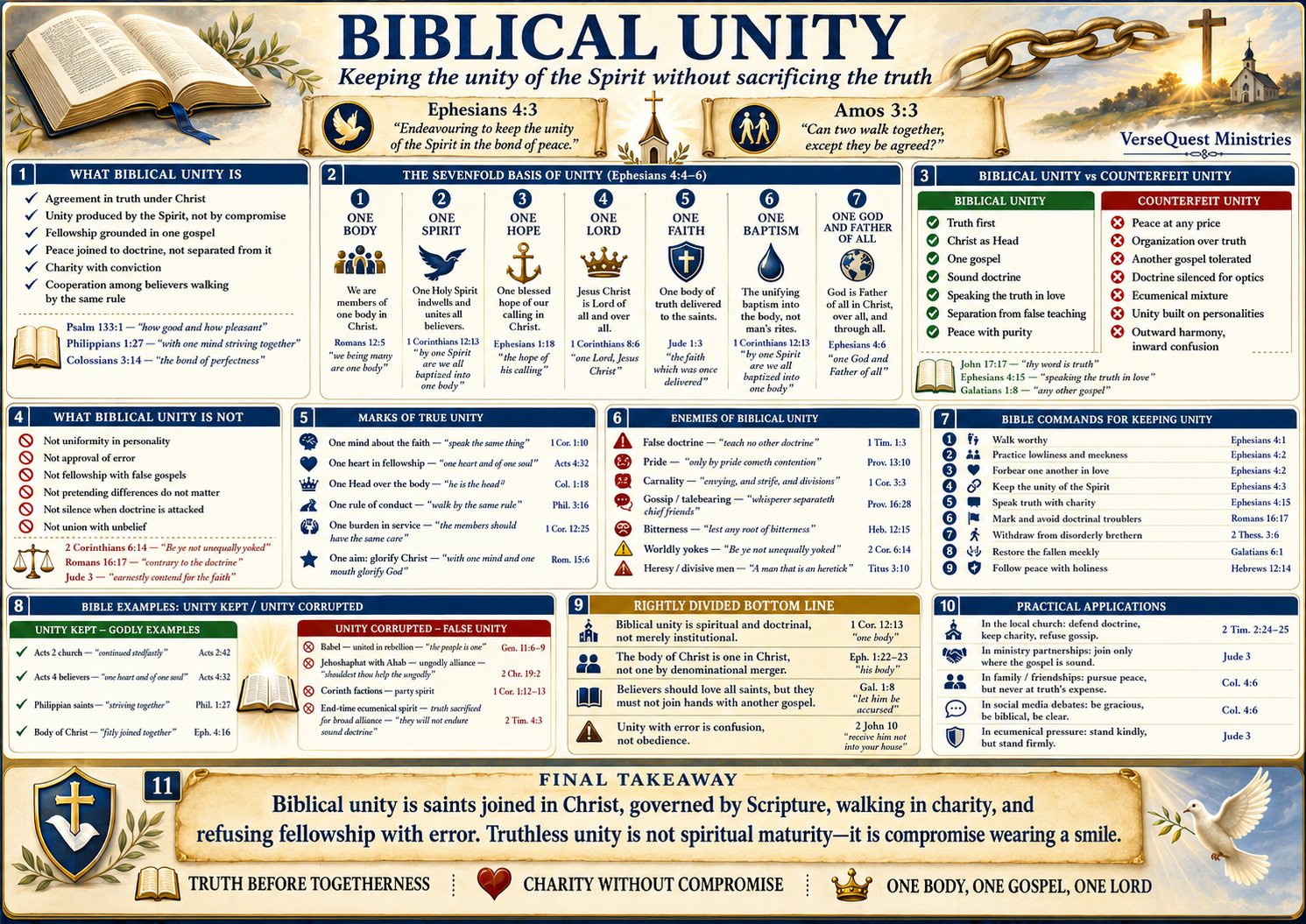
- Biblical Unity – Keeping the Unity of the Spirit Without Sacrificing Truth (KJV Bible Study Chart)
- Understand biblical unity with this detailed KJV chart covering the sevenfold unity of Ephesians 4, one Body, one gospel, sound doctrine, charity, separation from error, and peace without compromise.
- $3.99
- Add to cart
-
-
Patience
-
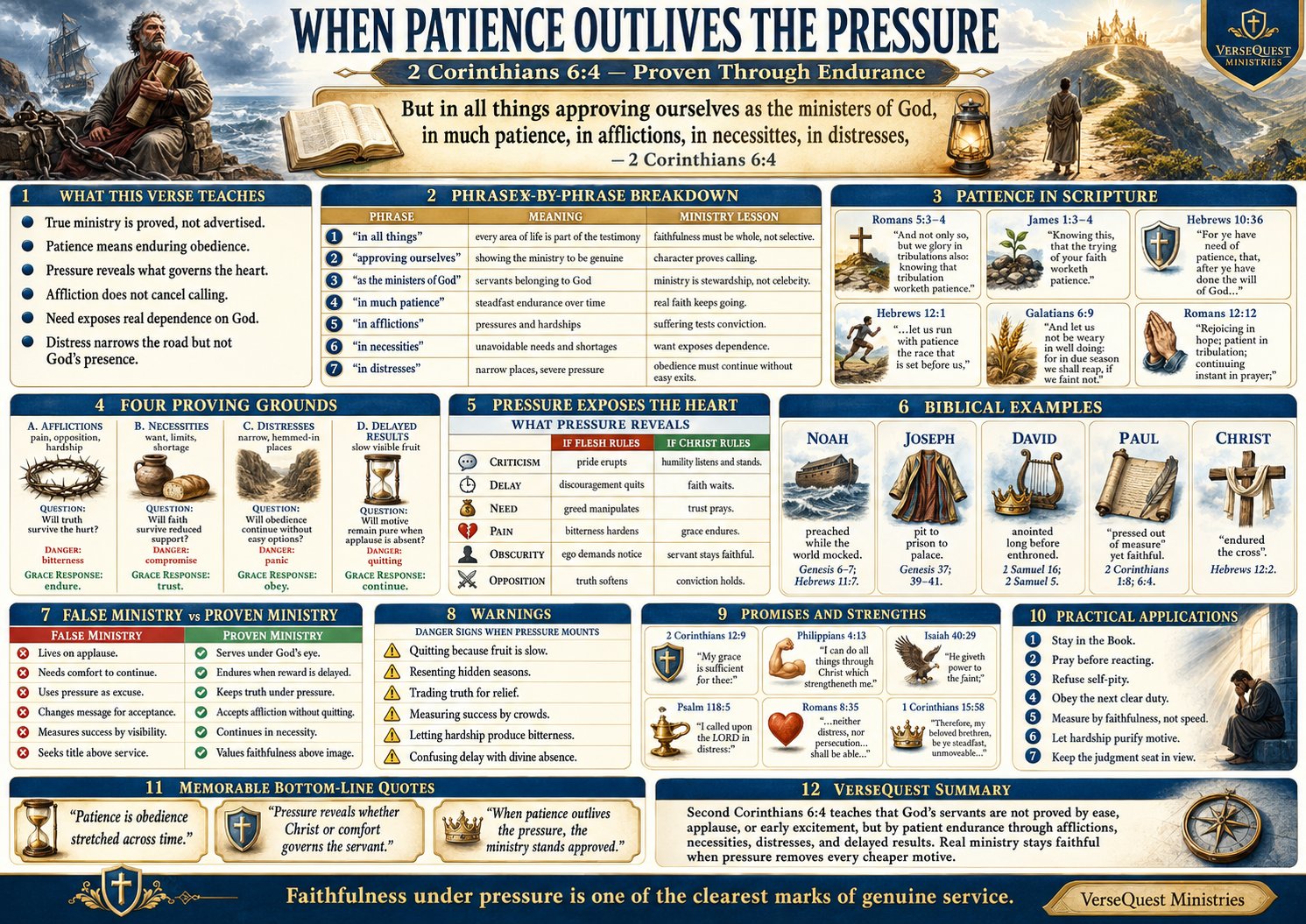
- When Patience Outlives the Pressure – Proven Through Endurance in 2 Corinthians 6:4 (KJV Bible Study Chart)
- Learn how patience proves genuine ministry with this detailed KJV chart covering 2 Corinthians 6:4, afflictions, necessities, distresses, delayed results, pressure, endurance, and faithful Christian service.
- $3.99
- Add to cart
-
-
KJV Bible Study Resources
-
-60%
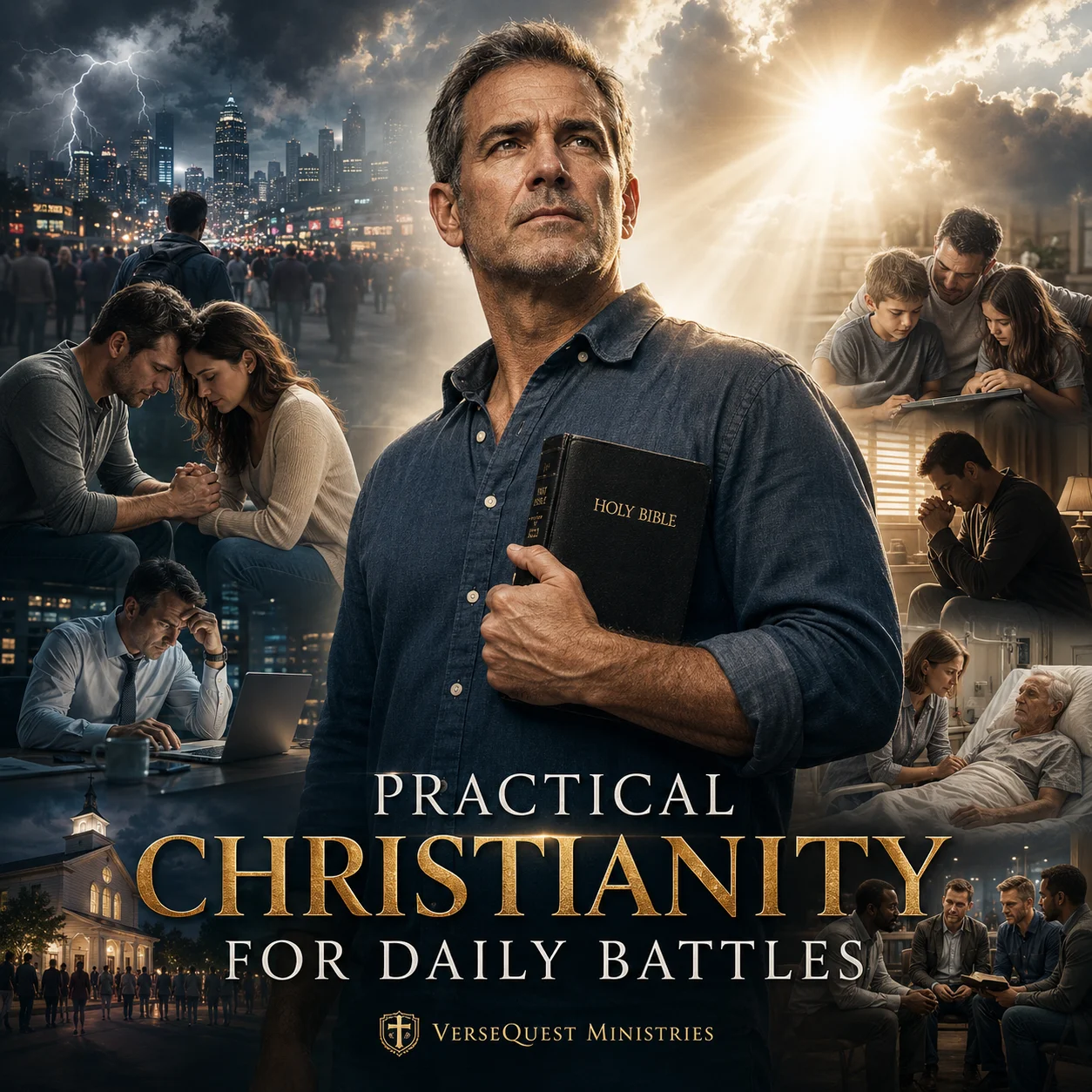
- Practical Christianity for Daily Battles – 329-Page KJV Study PDF
- A premium 329-page KJV study PDF with 40 full essays applying sound, rightly divided Bible doctrine to real daily Christian battles. Topics include temptation, anxiety, marriage, parenting, pornography, grief, church…
- Original price was: $24.99.$9.99Current price is: $9.99.
- Add to cart
-
-60%
-
Church Hypocrisy
-
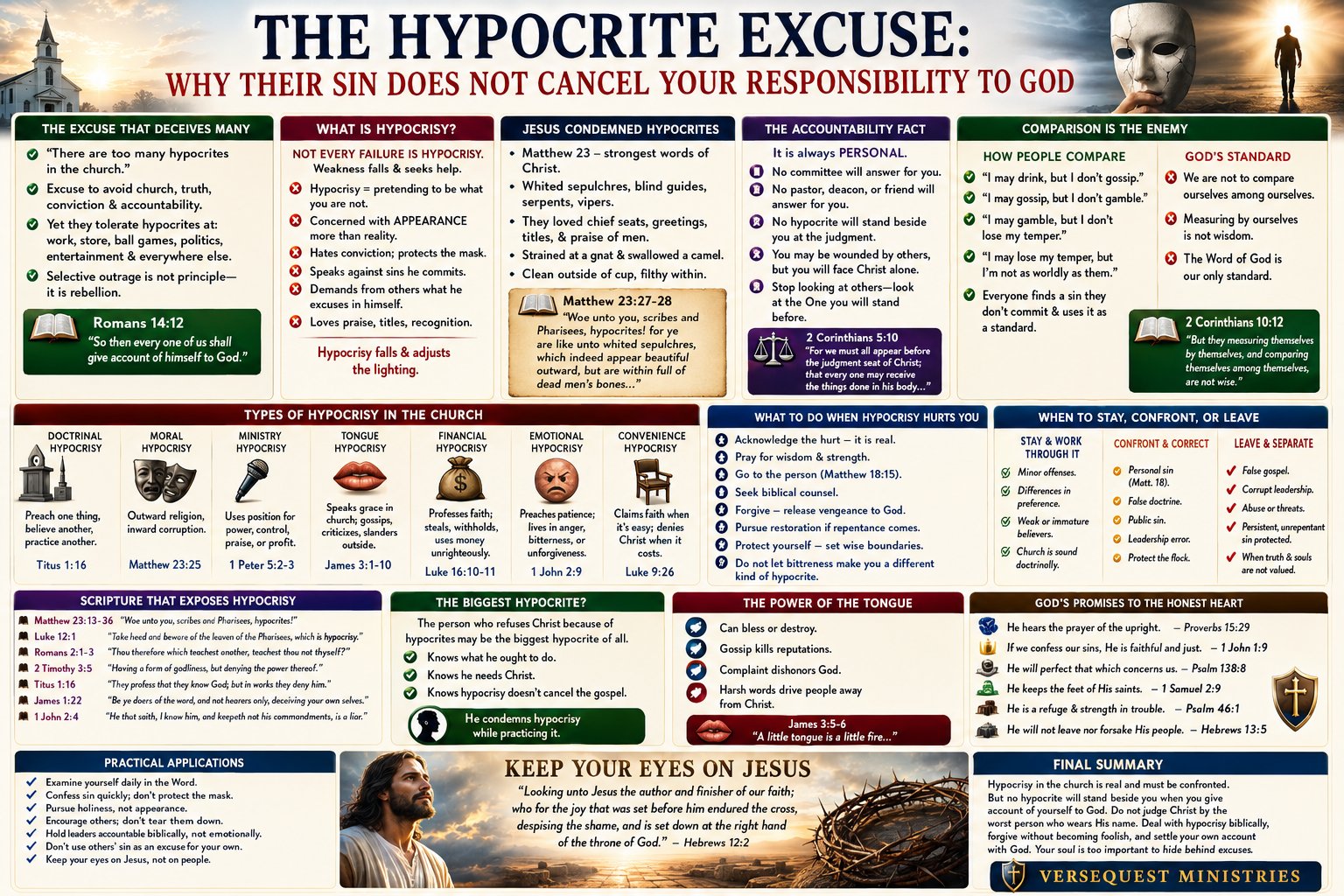
- The Hypocrite Excuse – Why Their Sin Does Not Cancel Your Responsibility to God (KJV Bible Study Chart)
- Confront the hypocrite excuse with this detailed KJV chart covering church hypocrisy, personal accountability, religious pretense, comparison, church hurt, correction, boundaries, and keeping your eyes on Jesus.
- $3.99
- Add to cart
-
-
Call For Revival
-

- Sleeping Through the Last Watch – 681-Page KJV Bible Study Series (PDF eBook)
- 681 Pages • 100 Essays • KJV Bible Study • Full-Color Bible Chart What does it really mean to be spiritually awake while waiting for Christ's return? Sleeping Through the…
- $29.99
- Add to cart
-