
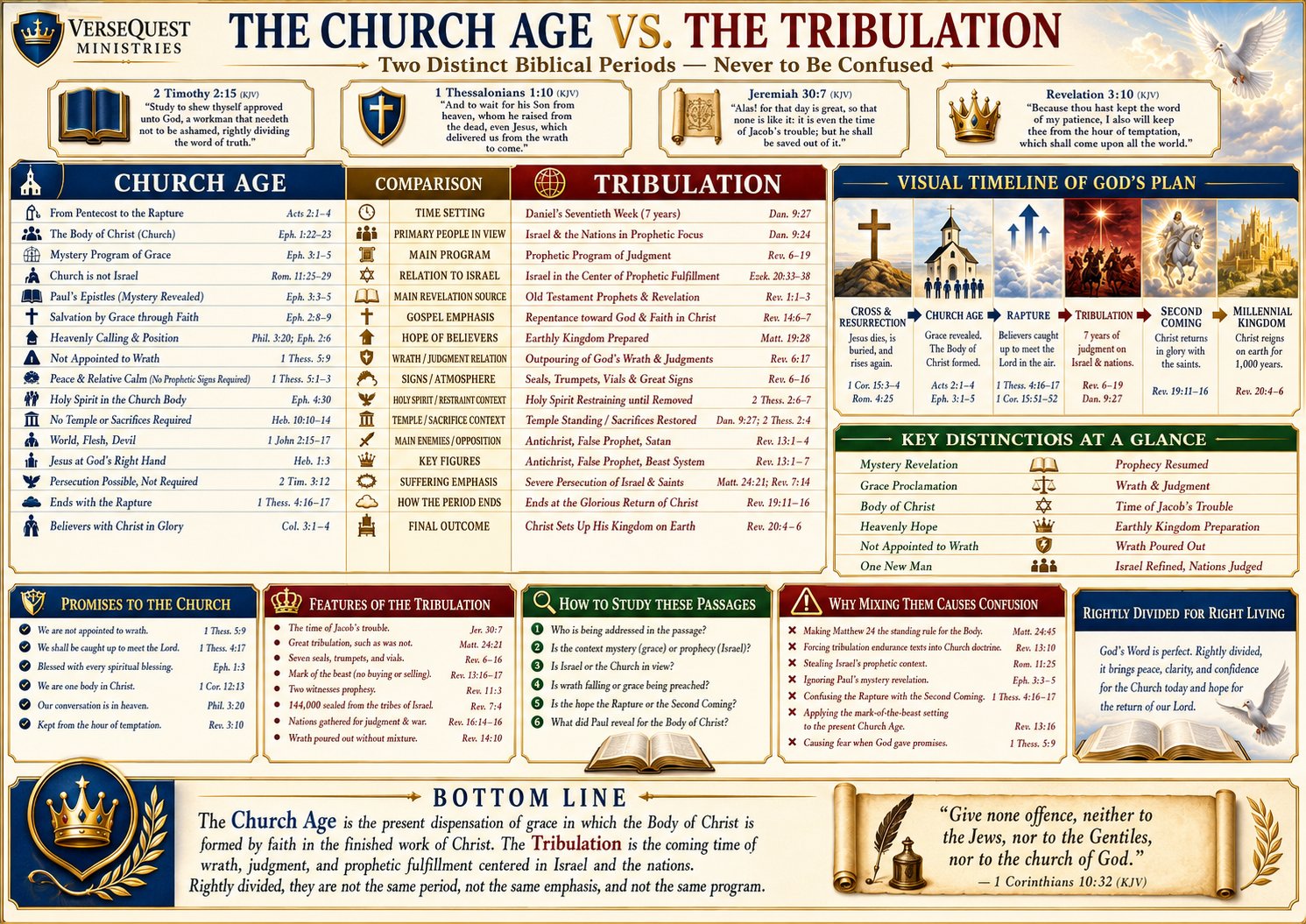
The Church Age vs. the Tribulation – Two Distinct Biblical Periods KJV Bible Study Chart
Compare the Church Age and the Tribulation with this detailed KJV chart covering the Body of Christ, Israel, grace, wrath, the Rapture, Antichrist, the Second Coming, and the millennial Kingdom.
$3.99
Description
The Church Age vs. the Tribulation: Two Distinct Biblical Periods—Never to Be Confused is a detailed KJV Bible study chart comparing the present dispensation of grace with the coming seven-year period of prophetic wrath, judgment, and Israel-centred fulfillment commonly called the Tribulation.
Built around 2 Timothy 2:15, this chart demonstrates why the Church Age and the Tribulation must be rightly divided. They involve different primary peoples, revelation settings, purposes, signs, expectations, responsibilities, and conclusions. Mixing them places the Body of Christ into passages and prophetic conditions that belong to another period in God’s unfolding plan.
The Church Age is the present dispensation in which God is forming the Church, the Body of Christ, from believing Jews and Gentiles. Its central revelation concerns the mystery made known especially through the apostle Paul, salvation by grace through faith, the believer’s heavenly calling, and the expectation of Christ’s return to gather His Church.
During this present age, sinners are reconciled to God through faith in the finished work of Jesus Christ. Christ died for our sins, was buried, and rose again. Those who believe are placed into one Body, receive complete standing in Christ, and are blessed with spiritual blessings in heavenly places.
The Church is not Israel and does not inherit Israel’s prophetic identity. Israel remains central to the prophetic program described in the Old Testament, Daniel, the Olivet Discourse, and Revelation. The Body of Christ belongs to mystery truth that was hidden in former ages and later revealed through Paul.
The Church’s hope is heavenly. Believers wait for the Lord Jesus Christ to descend from heaven, raise the dead in Christ, transform living saints, and catch them up to meet Him in the air. This event concludes the Church’s present earthly ministry and brings believers into glory with Christ.
The chart emphasizes that the Church is not appointed to wrath. First Thessalonians 5:9 states that God has not appointed believers to wrath but to obtain salvation through the Lord Jesus Christ. Revelation 3:10 also promises deliverance from the hour of temptation that will come upon the whole world.
The Tribulation is identified with Daniel’s seventieth week, the time of Jacob’s trouble, the resumption of Israel’s prophetic program, and the outpouring of divine wrath upon a rebellious world. Its primary prophetic focus is Israel and the nations rather than the formation of the Body of Christ.
This coming period will include seals, trumpets, vials, supernatural signs, worldwide upheaval, persecution, famine, war, death, the rise of Antichrist, the False Prophet, the mark of the beast, and severe judgments from God. It is not an intensified version of ordinary Church history but a distinct period of prophetic fulfillment.
Israel will stand at the centre of the Tribulation program. The nation will pass through severe testing, deception, persecution, and refinement as God moves history toward national repentance and the visible return of Israel’s Messiah.
The chart compares the two periods across numerous doctrinal categories. The Church Age is associated with mystery revelation, the Body of Christ, grace, heavenly hope, spiritual blessings, and the Rapture. The Tribulation is associated with resumed prophecy, Israel, divine wrath, an earthly Kingdom expectation, restored Temple activity, and the visible Second Coming.
The atmosphere also differs. The Church is presently called to walk by faith in the completed written Word without requiring Israel’s prophetic sign program. The Tribulation will contain visible supernatural judgments, great signs, prophetic witnesses, angelic announcements, and unmistakable worldwide events.
The Temple and sacrifice context belongs to the Tribulation setting. Daniel and Second Thessalonians describe a Temple environment in which sacrifice is connected with the prophetic activity of Antichrist. The Church, by contrast, requires no earthly Temple, Levitical priesthood, or repeated sacrifices because Christ offered one sufficient sacrifice for sins.
The chart distinguishes the enemies and central figures associated with each period. Church-age believers face the world, the flesh, and the devil while resting in Christ’s finished victory. The Tribulation prominently reveals Antichrist, the False Prophet, Satan’s final counterfeit system, two witnesses, the 144,000 sealed from the tribes of Israel, and persecuted saints.
The ending of each period is also different. The Church Age concludes with the Rapture, when believers are caught up to meet the Lord in the air. The Tribulation concludes with the glorious and visible return of Jesus Christ to earth, the defeat of His enemies, Israel’s deliverance, and the establishment of the millennial Kingdom.
A visual timeline places the events in their proper order: the cross and resurrection, the formation of the Church, the Rapture, the Tribulation, the Second Coming, and the thousand-year reign of Christ. This overview helps students distinguish the Rapture from the Second Coming rather than compressing them into one undivided event.
The chart identifies several dangers created by mixing the Church Age with the Tribulation. These include treating Matthew 24 as the Church’s primary doctrinal program, forcing endurance passages into the believer’s standing, stealing Israel’s prophetic context, confusing the Rapture with the Second Coming, placing the Church under the mark-of-the-beast system, and producing fear where God gave assurance.
A practical study section teaches readers to ask who is being addressed, whether the passage concerns prophecy or mystery, whether Israel or the Church is in view, whether the hope is the Rapture or the Second Coming, and what Paul revealed specifically for the Body of Christ.
The central conclusion is clear: the Church Age is the present dispensation of grace in which the Body of Christ is formed through faith in Jesus Christ. The Tribulation is the coming time of wrath, judgment, and prophetic fulfillment centred upon Israel and the nations. Rightly divided, they are not the same period, do not possess the same emphasis, and do not operate under the same program.
This chart is ideal for personal Bible study, prophecy classes, dispensational teaching, Rapture studies, Israel and Church comparisons, Sunday school, homeschool Bible curriculum, Bible institutes, pastoral training, sermon preparation, and believers seeking a clear visual overview of the events surrounding the end of the Church Age.
Church Age, Tribulation, Body of Christ, Daniel’s seventieth week, time of Jacob’s trouble, pretribulation Rapture, Second Coming of Christ, Israel and the Church, mystery and prophecy, grace and wrath, not appointed to wrath, Antichrist, False Prophet, mark of the beast, 144,000 sealed Israelites, two witnesses, restored Temple, millennial Kingdom, dispensational Bible study, right division
The Church Age and the Tribulation are distinct biblical periods. The present age concerns the formation and ministry of the Body of Christ, while the Tribulation concerns resumed prophecy, Israel, the nations, and worldwide judgment.
The Church is composed of believing Jews and Gentiles reconciled in one Body. It is not Israel renamed, restored, or spiritually enlarged. Its identity and doctrine are revealed especially through Paul’s epistles.
The Church’s message is the gospel of the grace of God, centred upon Christ’s finished death, burial, and resurrection. Salvation is received by grace through faith apart from human merit or religious works.
The Tribulation is connected with Daniel’s seventieth week and Jeremiah’s time of Jacob’s trouble. Israel stands at the centre of the prophetic program as God moves the nation toward refinement, repentance, and restoration.
The Church is not appointed to wrath. This promise should be interpreted according to the believer’s standing in Christ and the prophetic distinction between the present age and the coming outpouring of judgment.
The Rapture concludes the Church’s present earthly ministry. Christ descends into the air, raises the dead in Christ, transforms living believers, and gathers His Church to Himself.
The Second Coming occurs after the Tribulation. Christ returns visibly to earth with power and glory, defeats His enemies, delivers Israel, and establishes His Kingdom.
The Rapture and Second Coming should not be treated as identical. They differ in timing, direction, participants, purpose, atmosphere, and immediate outcome.
Tribulation passages contain features not characteristic of the present Church Age: the Temple, sacrifices, Antichrist, the mark of the beast, prophetic witnesses, sealed tribes of Israel, worldwide signs, and direct judgments from heaven.
Matthew 24 must be read within its Jewish and prophetic context. Its language concerning Judea, the Sabbath, the holy place, and Daniel’s prophecy cannot be carelessly converted into Paul’s direct doctrine for the Body of Christ.
The Tribulation saints must not automatically be used to redefine the standing or assurance of Church-age believers. Distinct passages should remain within the programs and periods God assigned to them.
Right division does not remove the Church from suffering, persecution, trials, or spiritual warfare. It distinguishes ordinary Christian affliction from the appointed prophetic wrath of Daniel’s seventieth week.
The Church’s hope is Christ Himself. Believers are instructed to wait for the Son from heaven, comfort one another with the promise of His coming, and live soberly while expecting the blessed hope.
The Tribulation prepares the world for the visible rule of Jesus Christ. Human rebellion will be judged, Israel will be restored, and the King will establish His righteous millennial reign.
Church Age and Tribulation comparisons, pretribulation Rapture teaching, prophecy classes, Israel and Church distinctions, Daniel’s seventieth week studies, Revelation instruction, Antichrist and mark-of-the-beast studies, Second Coming lessons, dispensational Bible teaching, right-division classes, Sunday school lessons, homeschool Bible curriculum, Christian school instruction, Bible institute classes, pastoral training, sermon preparation, new-believer discipleship, biblical chronology studies
King James Bible, Strong’s Concordance, Thompson Chain-Reference Bible, Treasury of Scripture Knowledge, Nave’s Topical Bible, Daniel prophecy notes, Matthew 24 study materials, Pauline epistle outlines, Revelation commentary notes, pretribulation Rapture resources, Israel and Church comparison charts, prophetic timeline studies, dispensational Bible charts, Rapture and Second Coming comparison materials, VerseQuest prophecy and right-division charts
Related products
-
Daniel Bible study
-
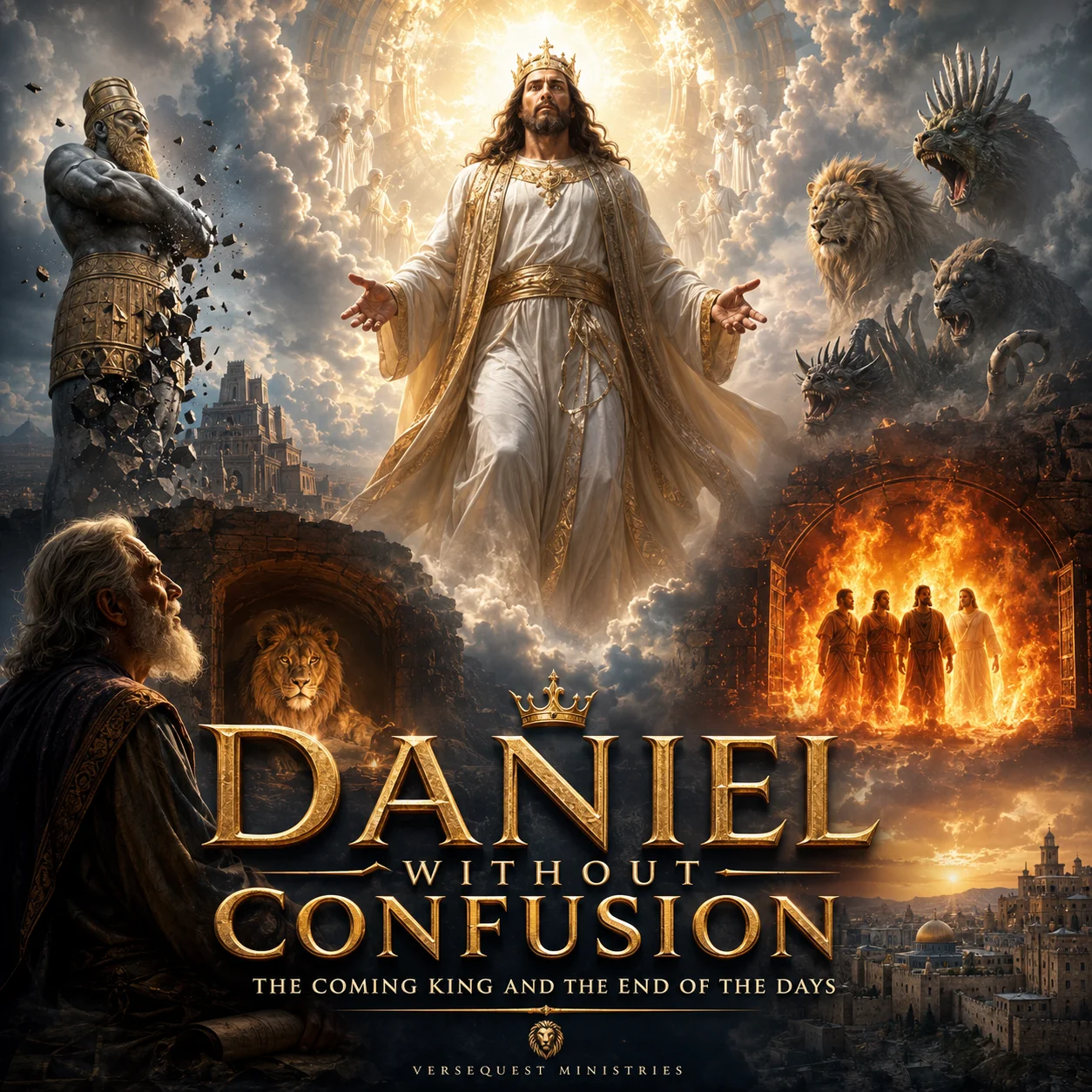
- Daniel Without Confusion — KJV Prophecy Study PDF Book
- A 392-page KJV Bible study through the book of Daniel, covering Babylon, Gentile kingdoms, the seventy weeks, Antichrist, Jacob’s trouble, resurrection, and the coming King. Digital PDF download. Price: $9.99.
- $9.99
- Add to cart
-
-
Doctrine
-
-50%
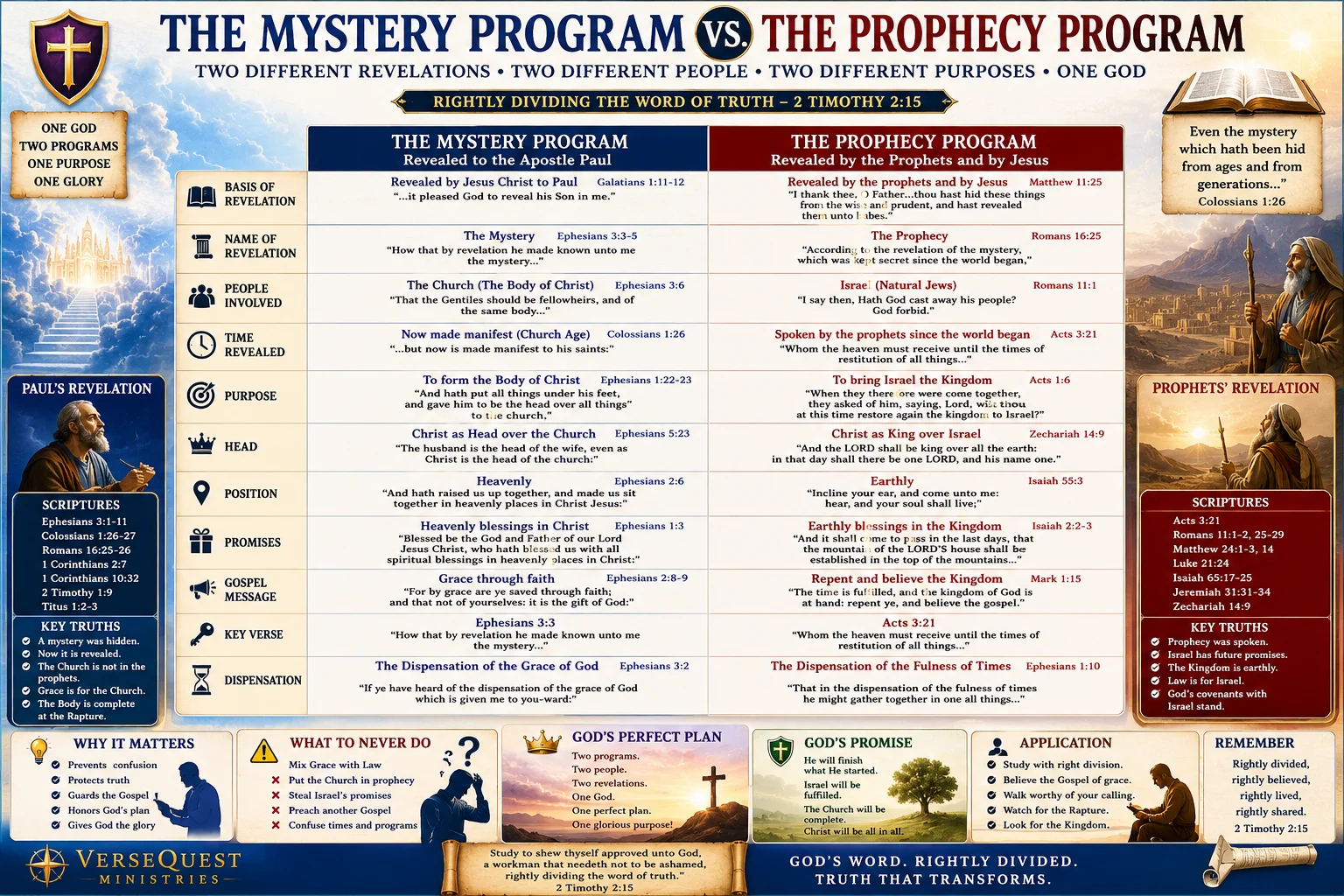
- The Mystery Program vs. Prophecy Program Chart — KJV Rightly Divided
- Premium printable KJV Bible study chart comparing the mystery program revealed through Paul with the prophecy program spoken by the prophets. Rightly divided and designed for teaching and personal study.
- Original price was: $10.00.$4.99Current price is: $4.99.
- Add to cart
-
-50%
-
Hebrews Rightly Divided
-
-71%
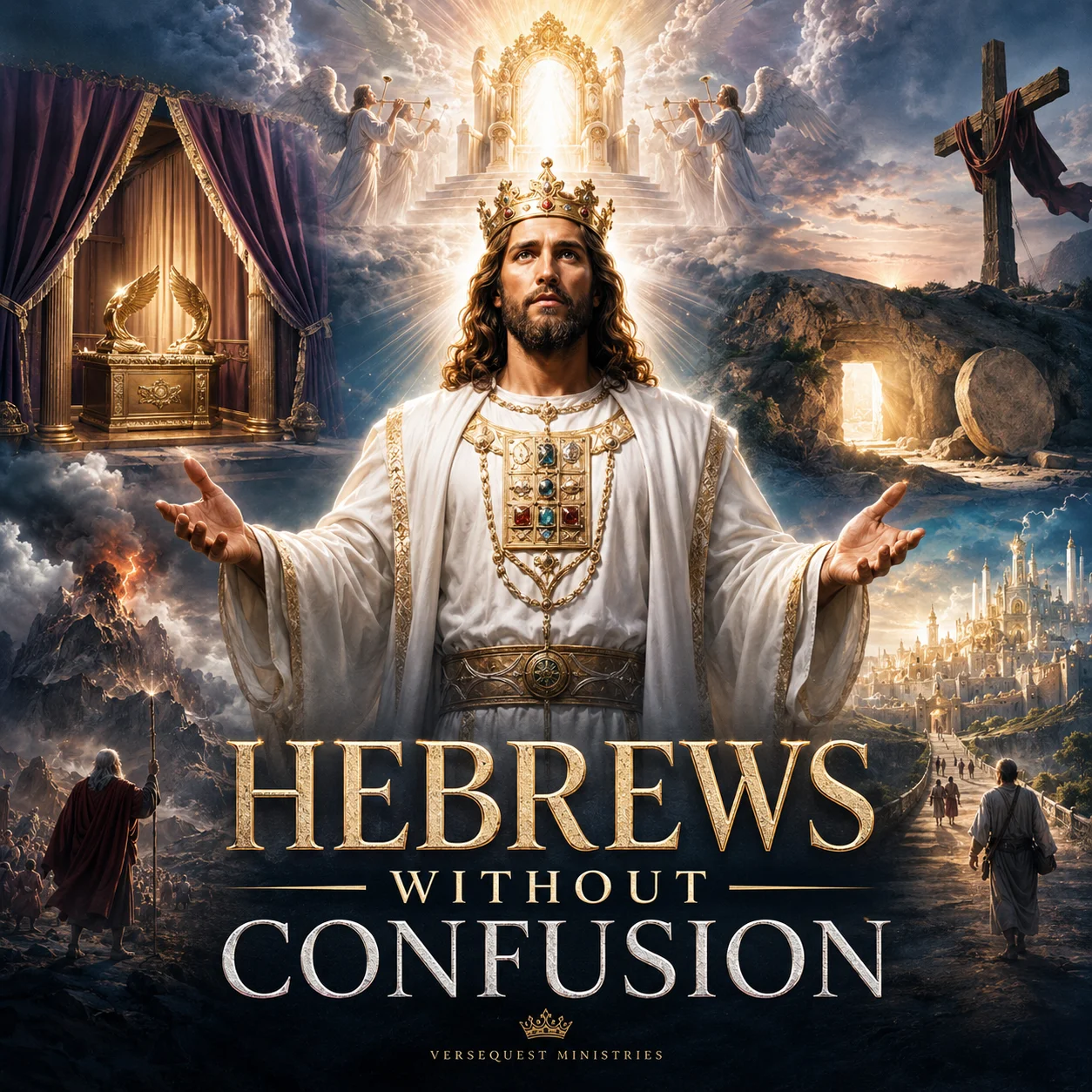
- Hebrews Without Confusion – 833-Page, 120-Study KJV PDF Commentary
- Hebrews Without Confusion is an enormous 833-page digital KJV commentary containing 120 detailed studies through all thirteen chapters of Hebrews. This rightly divided study explains Christ’s supremacy, His eternal priesthood,…
- Original price was: $34.99.$9.99Current price is: $9.99.
- Add to cart
-
-71%
-
Sabbath Bible Study
-
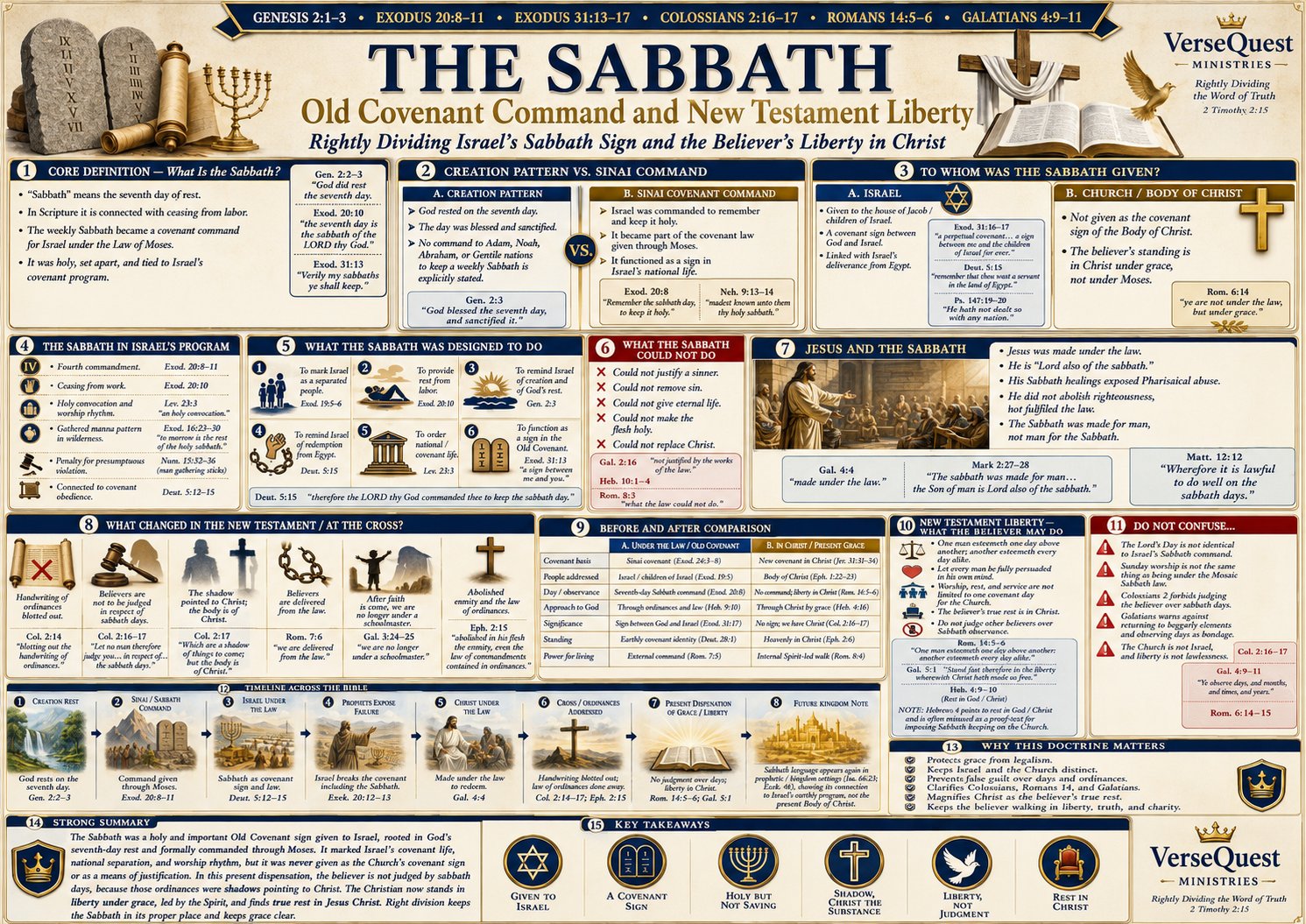
- The Sabbath – Israel’s Old Covenant Command and the Believer’s New Testament Liberty in Christ (KJV Bible Study Chart)
- Understand the Sabbath with this detailed KJV chart covering creation rest, Israel’s covenant sign, the fourth commandment, Christ’s fulfillment, Sabbath versus Sunday, and New Testament liberty.
- $3.99
- Add to cart
-
-
Law vs Grace
-
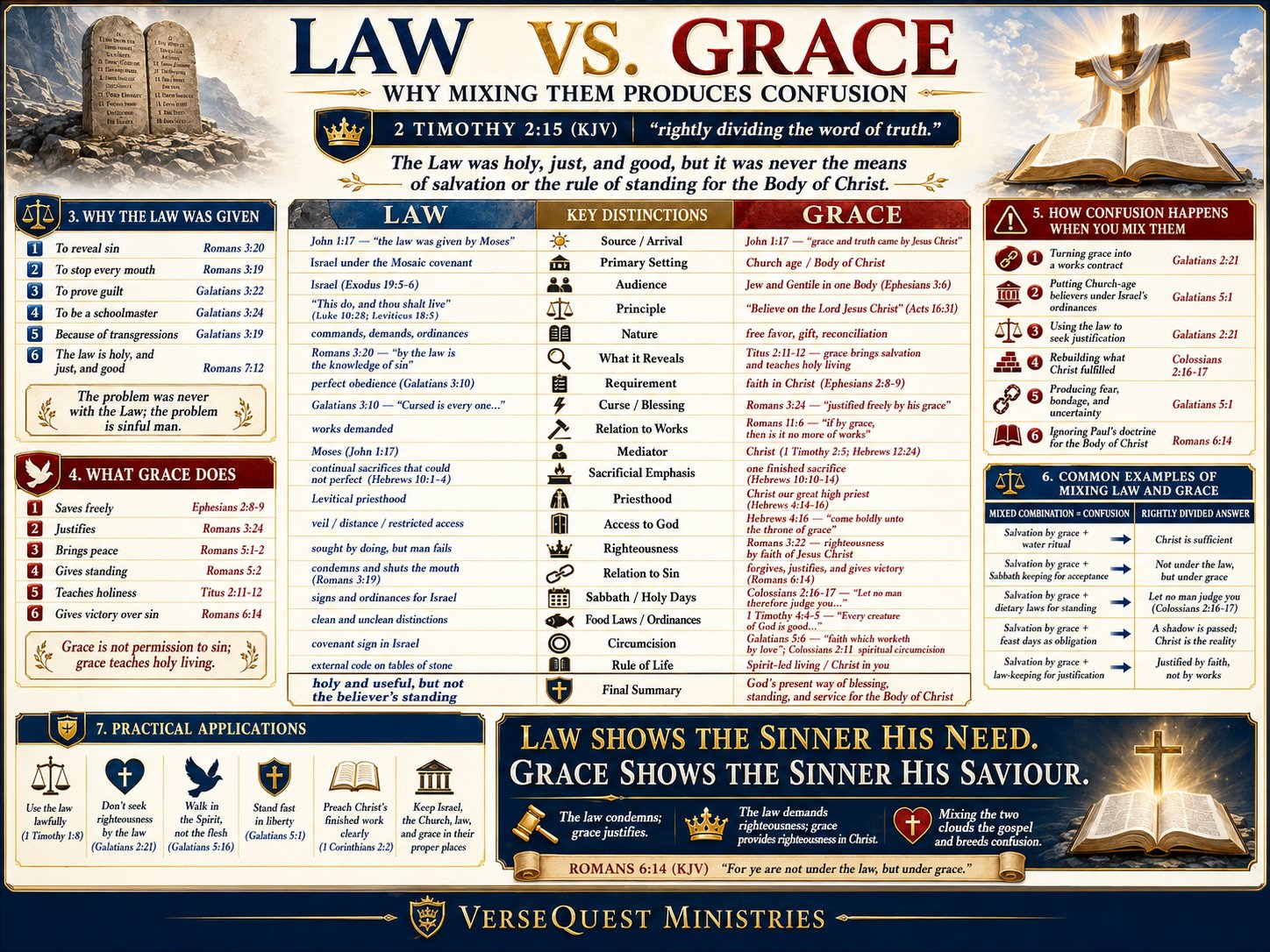
- Law vs. Grace Bible Study Chart – Why Mixing Them Produces Confusion (KJV)
- Compare law and grace with this detailed KJV Bible study chart explaining salvation, justification, holiness, Israel’s Mosaic covenant, Christian liberty, and the danger of mixing law with the gospel.
- $3.99
- Add to cart
-