
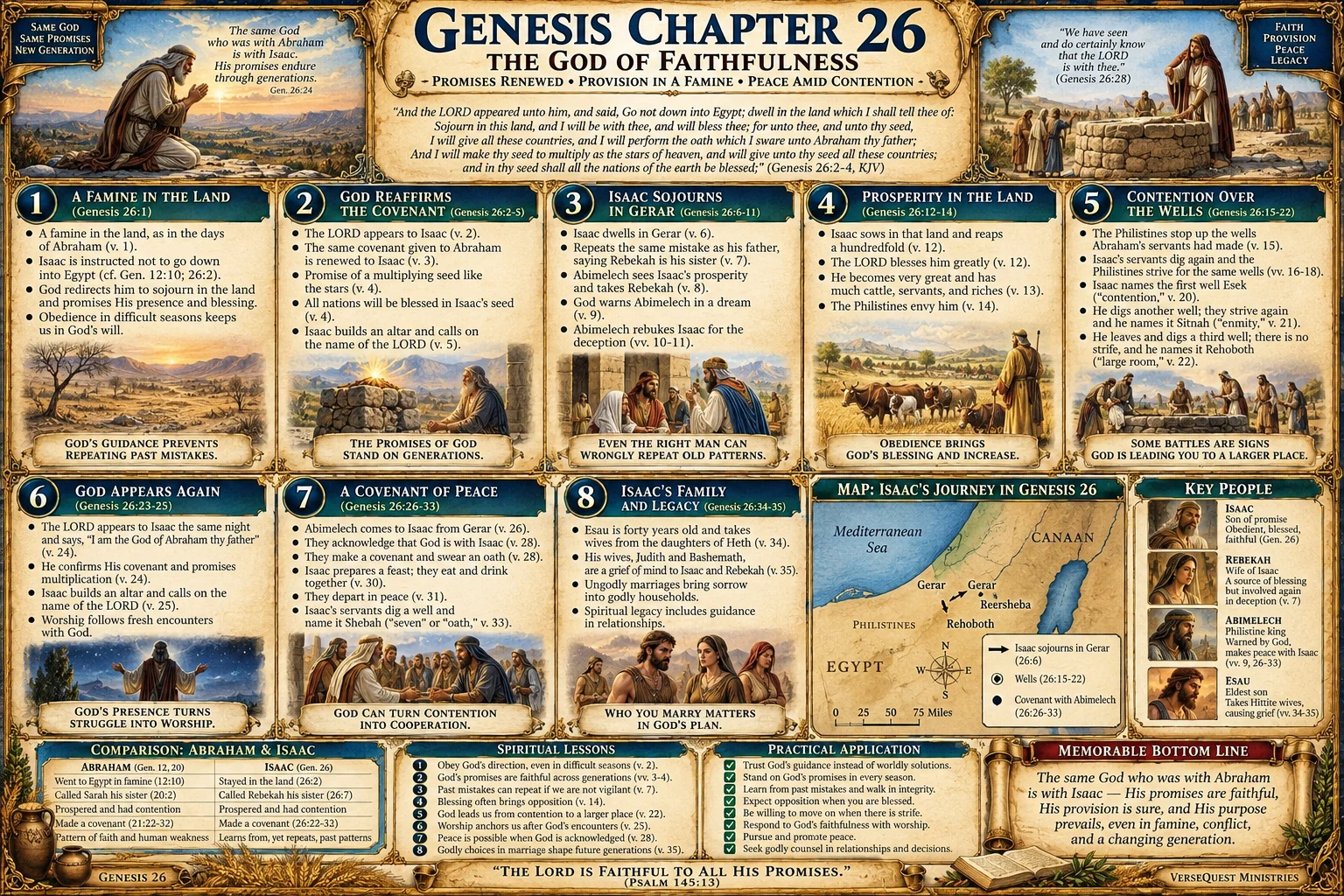
Genesis 26 – The God of Faithfulness: Isaac in Gerar, the Reopened Wells, Rehoboth, Beersheba, and the Covenant Renewed (KJV Bible Study Chart)
Explore Genesis 26 with this detailed KJV Bible study chart following Isaac through famine, Gerar, fear, prosperity, disputed wells, Rehoboth, Beersheba, and a covenant of peace with Abimelech. See God reaffirm the promises given to Abraham, warn Isaac not to go down into Egypt, and bless him with a hundredfold harvest. The chart traces the wells of Esek, Sitnah, and Rehoboth, showing Isaac moving from contention and hostility into the larger place God provides. It also examines Isaac’s repeated failure concerning Rebekah, the LORD’s appearance at Beersheba, Isaac’s altar and worship, and Abimelech’s admission that “the LORD was with thee.” Ideal for Bible study, Sunday school, homeschool, sermon preparation, covenant studies, and teaching on faithfulness, provision, conflict, perseverance, and generational legacy.
$4.99
Description
Genesis 26: The God of Faithfulness is a detailed KJV Bible study chart tracing Isaac through famine, fear, prosperity, contention, reopened wells, divine appearances, and peaceful covenant. The chapter demonstrates that the promises God gave to Abraham continue into the next generation and that the LORD remains faithful even when His servants repeat old weaknesses.
A famine comes upon the land, but God specifically warns Isaac, “Go not down into Egypt.” Instead, Isaac is told to remain in the land God will show him. The LORD reaffirms the covenant promises given to Abraham: the land will belong to Isaac’s seed, his descendants will multiply as the stars of heaven, and all nations will be blessed through his seed. Genesis 26:5 connects these promises with Abraham’s obedience while showing that God’s covenant purpose continues beyond Abraham’s lifetime.
Isaac sojourns in Gerar, where fear produces a familiar failure. Like Abraham before him, Isaac says that his wife is his sister because he fears for his life. Abimelech eventually sees Isaac “sporting with Rebekah his wife,” discovers the deception, and rebukes him. The repetition demonstrates that spiritual weaknesses can pass from one generation to another when believers fail to remain watchful.
Despite Isaac’s failure, the LORD blesses him abundantly. Isaac sows in the land and receives a hundredfold return. His flocks, herds, servants, and possessions increase until the Philistines envy him. They stop the wells that Abraham’s servants had dug, and Abimelech asks Isaac to leave because he has become mightier than they.
Isaac reopens his father’s wells and then faces repeated contention over newly discovered water. The first disputed well is called Esek, associated with contention. The second is Sitnah, associated with hostility or opposition. Rather than remaining trapped in endless conflict, Isaac moves again and digs another well over which there is no strife. He names it Rehoboth, declaring, “For now the LORD hath made room for us, and we shall be fruitful in the land.”
At Beersheba the LORD appears again and identifies Himself as “the God of Abraham thy father.” He tells Isaac not to fear and repeats the promise of blessing and multiplied seed. Isaac responds by building an altar, calling upon the name of the LORD, pitching his tent, and digging another well.
Abimelech later comes seeking peace because he recognizes, “We saw certainly that the LORD was with thee.” Genesis 26 therefore reveals a faithful God whose promises survive famine, fear, opposition, and generational change. Isaac learns that he does not need Egypt, deception, or endless contention when the LORD can provide both a well in the wilderness and room enough to prosper.
Genesis 26, Isaac, Rebekah, Abimelech, Gerar, famine in the land, covenant renewed, Abrahamic covenant, land promise, promised seed, stars of heaven, Isaac’s fear, Rebekah called sister, hundredfold harvest, Philistine envy, wells of Abraham, Esek, contention, Sitnah, hostility, Rehoboth, room from the LORD, Beersheba, altar and worship, covenant of peace, God’s faithfulness
Genesis 26 is the principal chapter devoted specifically to Isaac’s pilgrimage. A famine arises similar to the famine Abraham faced, but God gives Isaac a different command: “Go not down into Egypt.” He is to sojourn in the land God identifies. The lesson is important: God’s direction for one servant in one circumstance cannot automatically be copied from another. Isaac must obey the Word given to him.
The LORD then reaffirms the promises given to Abraham. Isaac’s seed will receive the lands, multiply as the stars of heaven, and become the channel through which the nations are blessed. Genesis 26:5 explains, “Because that Abraham obeyed my voice, and kept my charge, my commandments, my statutes, and my laws.” This verse belongs with the covenant explanation; Isaac’s altar does not appear until verse 25.
In Gerar, Isaac repeats Abraham’s old failure by saying Rebekah is his sister. Fear causes him to conceal the marriage because he thinks the men might kill him for Rebekah. Abimelech discovers the truth after seeing Isaac behaving toward Rebekah in a manner revealing that she is his wife. A new generation can inherit promises while still repeating old patterns of weakness.
God nevertheless blesses Isaac. He sows and receives a hundredfold, becoming increasingly wealthy until the Philistines envy him. Their response is to stop the wells originally dug by Abraham’s servants. Wells represented life, settlement, and survival in the land, so the conflict involves more than inconvenience.
Isaac reopens Abraham’s wells and preserves the names his father had given them. His servants then discover additional water. The first disputed well is called Esek, meaning contention or strife. The second is Sitnah, carrying the idea of opposition or hostility. Isaac refuses to make every well a battlefield. He moves until another well is dug without dispute and calls it Rehoboth, saying the LORD has made room for them.
Isaac later goes to Beersheba, where the LORD appears and says, “I am the God of Abraham thy father: fear not, for I am with thee.” Isaac responds properly: he builds an altar, calls upon the LORD, pitches his tent, and his servants dig a well. Worship, pilgrimage, and provision come together.
Abimelech eventually seeks a covenant because he recognizes that the LORD is with Isaac. The man once asked to leave is now approached for peace. Genesis 26 shows that God can turn opposition into acknowledgment without Isaac having to seize vindication for himself.
The chapter closes by noting Esau’s Hittite marriages, which are “a grief of mind unto Isaac and to Rebekah.” Covenant faithfulness therefore includes not only land and wells but concern for the next generation. God’s promises continue, but personal choices still carry consequences.
Genesis 26 is useful for teaching obedience during difficult seasons, trusting God’s provision rather than seeking worldly alternatives, recognizing repeated family weaknesses, avoiding unnecessary contention, persevering through opposition, and knowing when to move forward rather than fight over every disputed well. It also demonstrates that God’s promises remain faithful across generations and that visible blessing can itself provoke opposition. The chapter is valuable for personal Bible study, Sunday school, homeschool instruction, Bible institutes, sermon preparation, leadership studies, conflict-resolution lessons, Abrahamic covenant teaching, and studies of Isaac’s distinctive walk with God.
King James Bible, Strong’s Concordance, Thompson Chain-Reference Bible, Treasury of Scripture Knowledge, Nave’s Topical Bible, Genesis 20–28 study notes, Abrahamic covenant charts, Isaac and Abraham comparison studies, patriarchal maps of Gerar and Beersheba, biblical wells studies, Rehoboth word studies, Romans 4 covenant studies, Galatians 3 promise studies, Hebrews 11 patriarchal studies, biblical conflict and peacemaking studies, VerseQuest Genesis charts
Related products
-
Biblical Submission
-
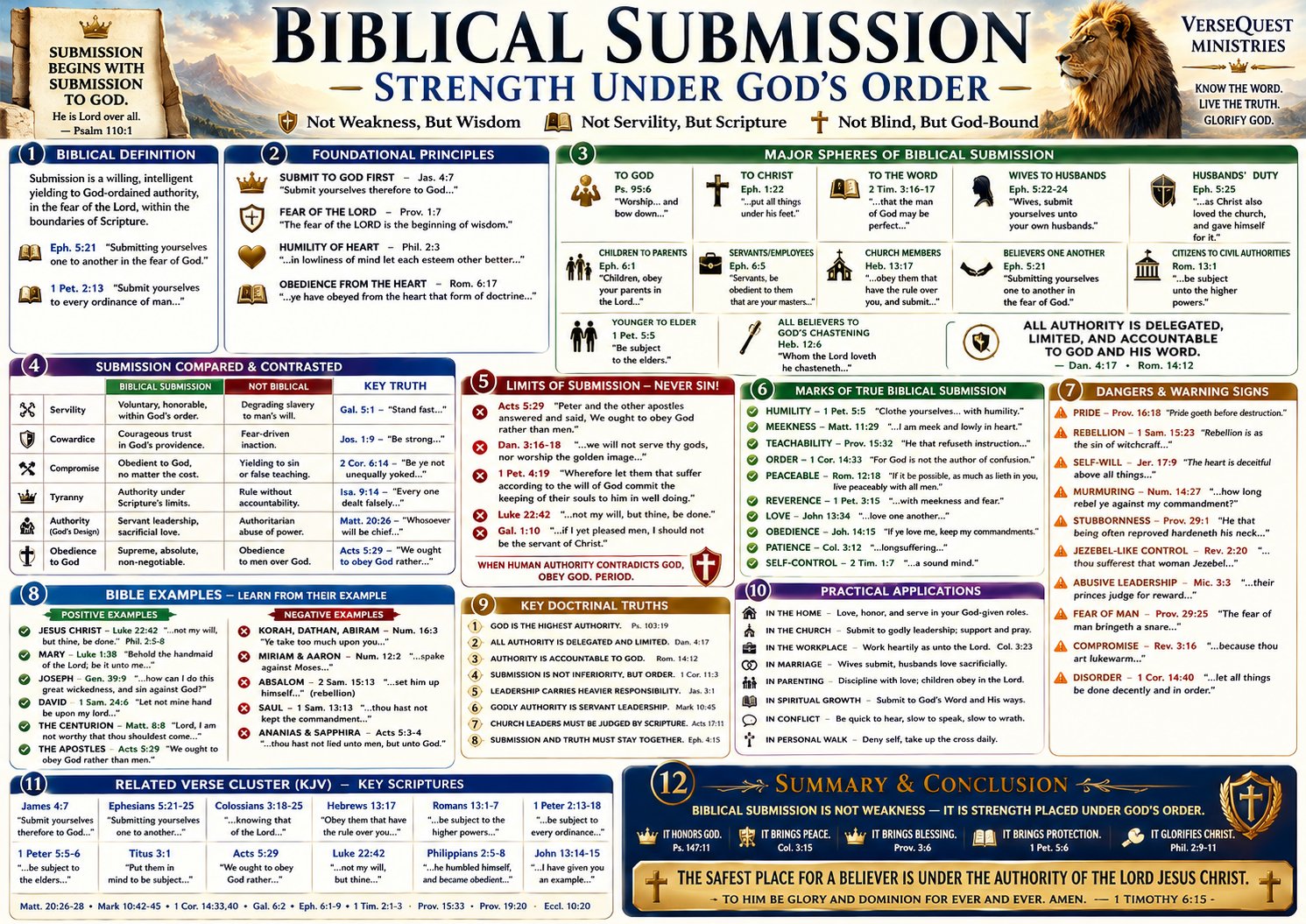
- Biblical Submission Bible Study Chart – Strength Under God’s Order, Authority, and Scriptural Limits (KJV) Product Description
- Study biblical submission with this detailed KJV chart covering God-ordained authority, servant leadership, obedience, marriage, church, government, and the Scriptural limits of submission.
- $3.99
- Add to cart
-
-
Heavenly Program
-
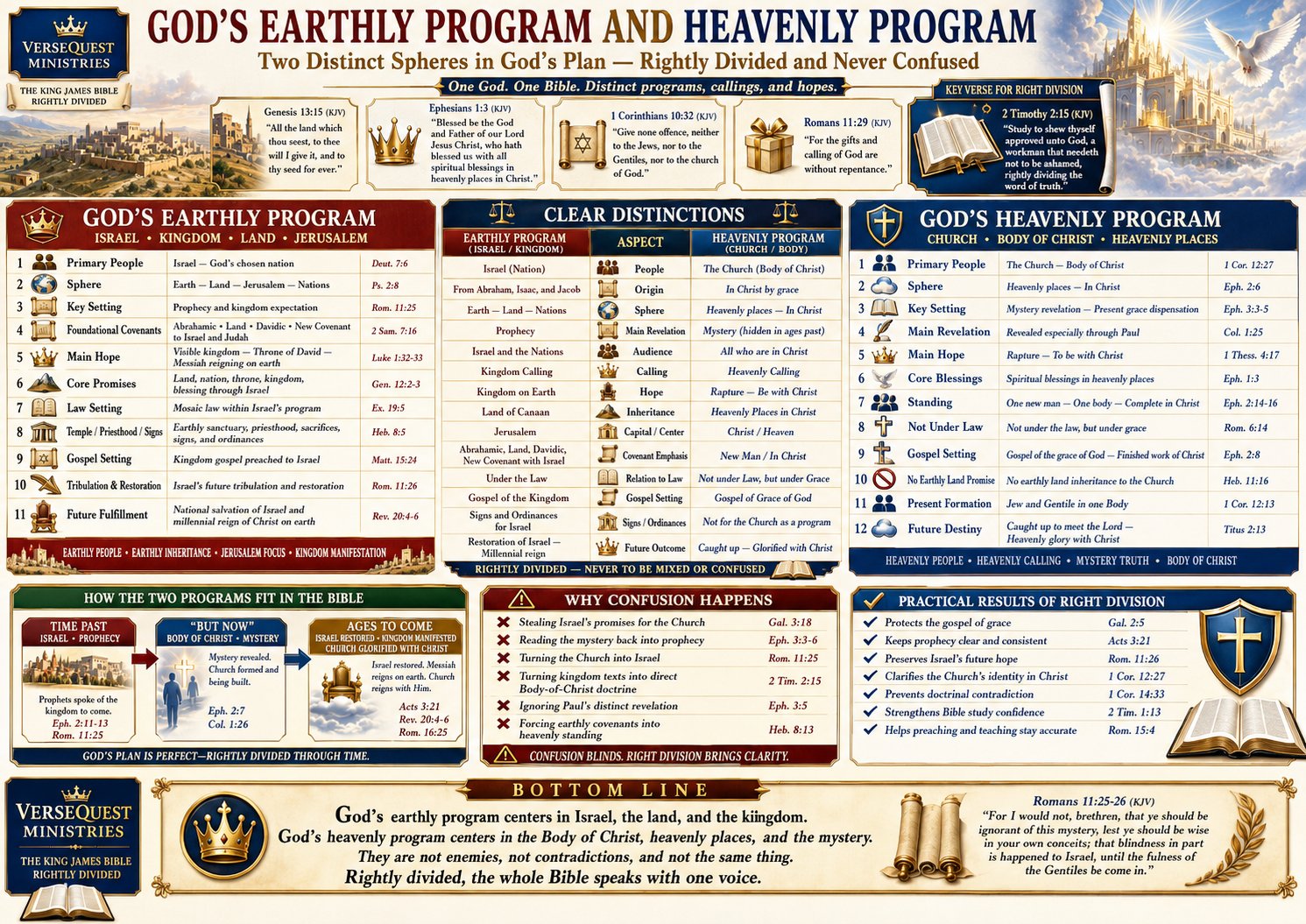
- Israel and the Church: Earthly and Heavenly Callings – KJV Bible Study Chart
- Printable digital KJV Bible study chart comparing Israel’s earthly promises and kingdom hope with the Church’s heavenly calling in Christ. Covers prophecy and mystery, biblical covenants, law and grace, the…
- $3.99
- Add to cart
-
-
Christian Living
-
-50%
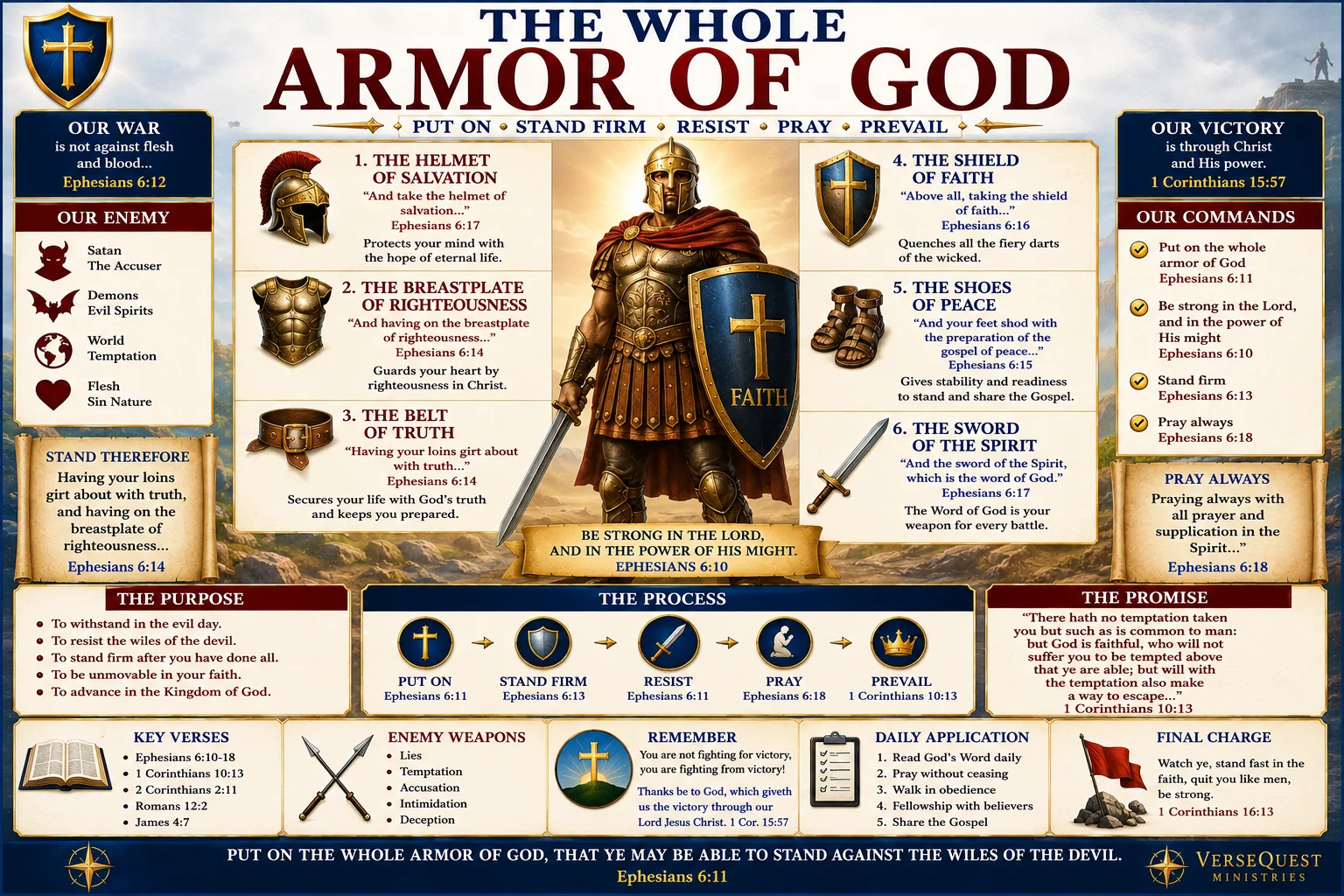
- The Whole Armor of God Chart — KJV Bible Study
- Premium printable KJV Bible study chart explaining the whole armor of God from Ephesians 6, including the helmet, breastplate, belt, shield, shoes, sword, prayer, and spiritual victory in Christ.
- Original price was: $10.00.$4.99Current price is: $4.99.
- Add to cart
-
-50%
-
Prayer
-
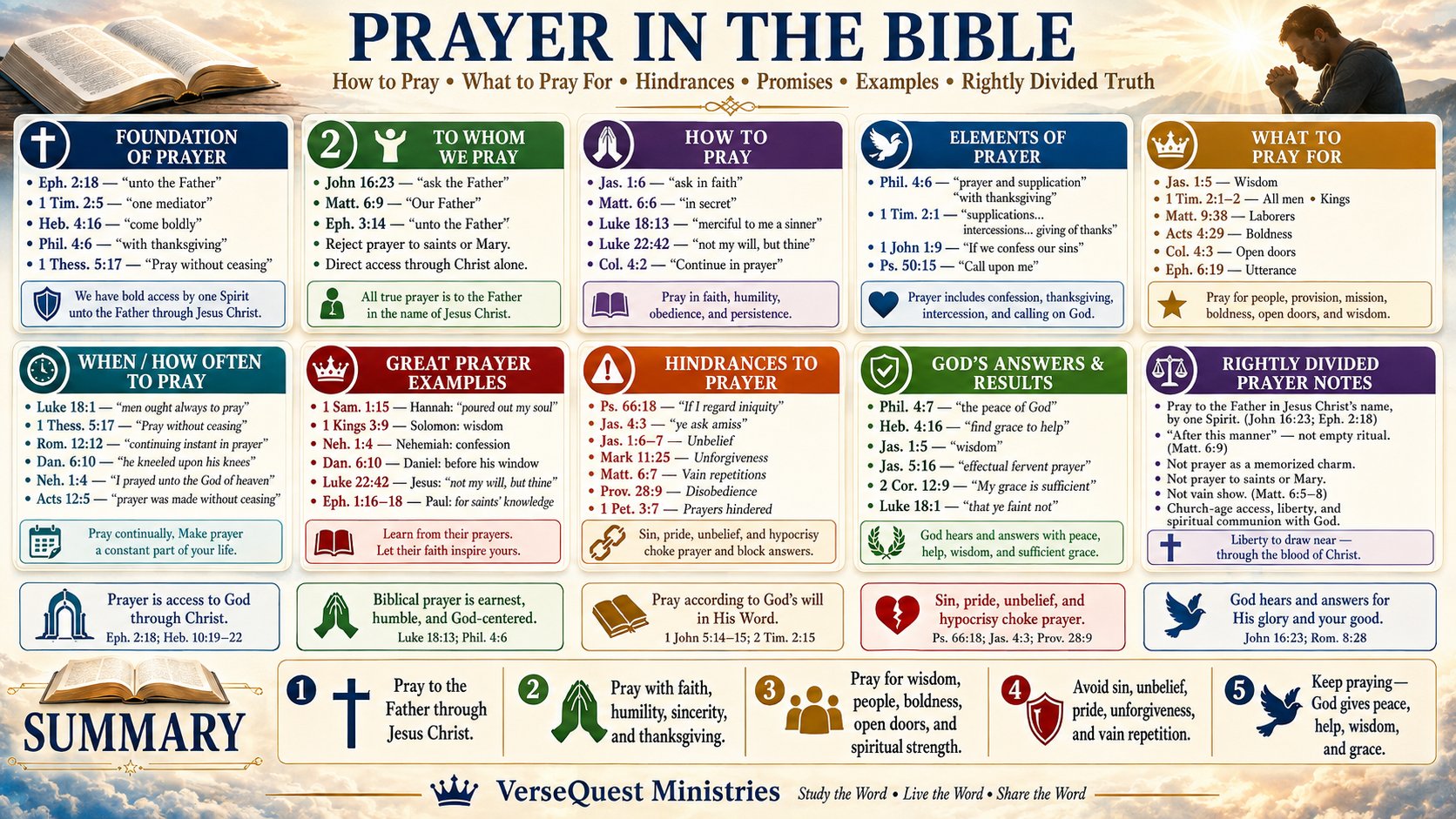
- Prayer in the Bible Chart – How to Pray According to Scripture
- Discover what the Bible teaches about prayer through this easy-to-follow VerseQuest study chart. Learn who to pray to, how to pray, what hinders prayer, what to pray for, and key…
- $4.99
- Add to cart
-
-
Bible Study Chart
-
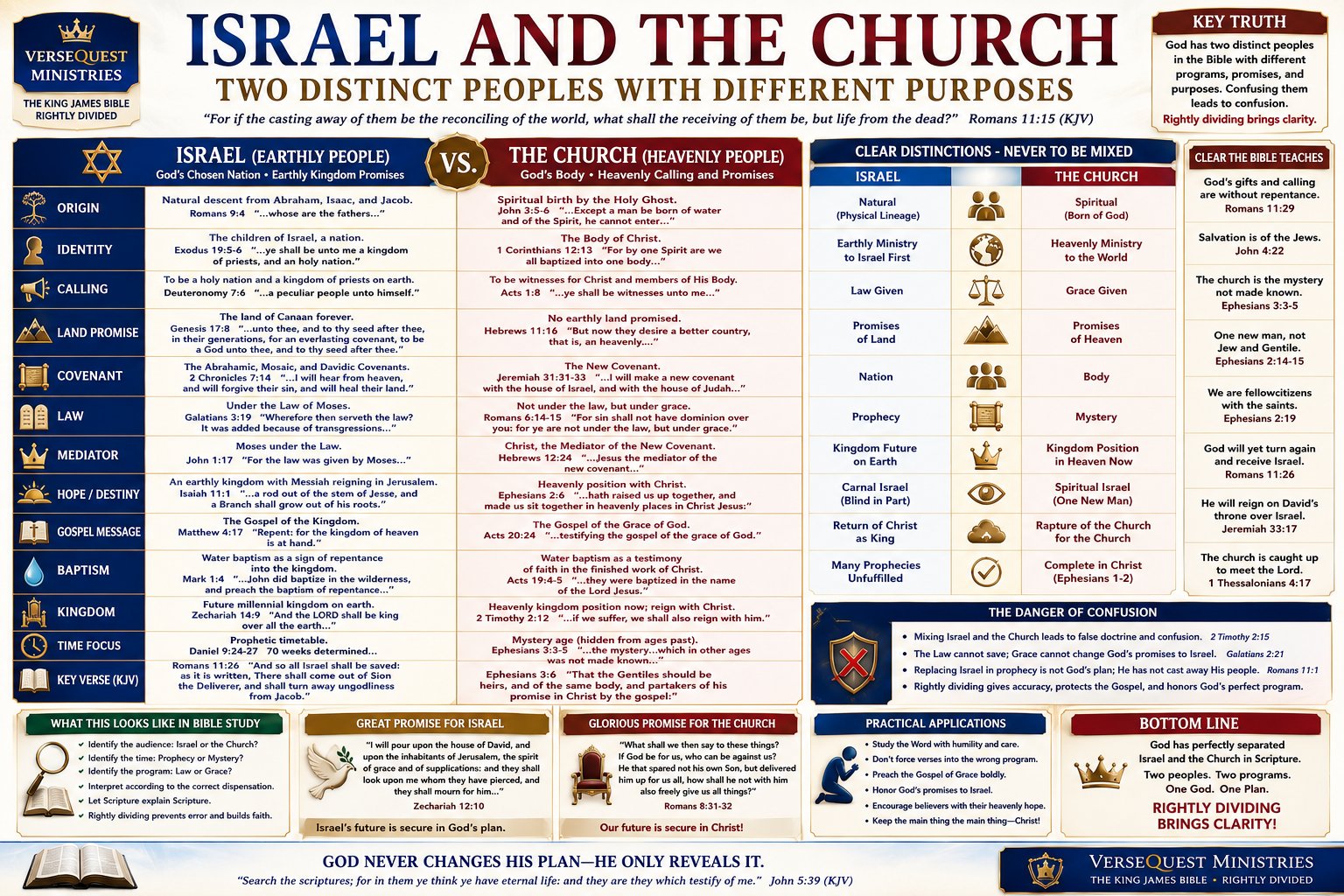
- Israel and the Church Bible Study Chart – Two Distinct Peoples with Different Purposes (KJV)
- Compare Israel and the Church with this detailed KJV Bible study chart covering their distinct origins, identities, covenants, callings, promises, gospel programs, and future destinies.
- $3.99
- Add to cart
-