
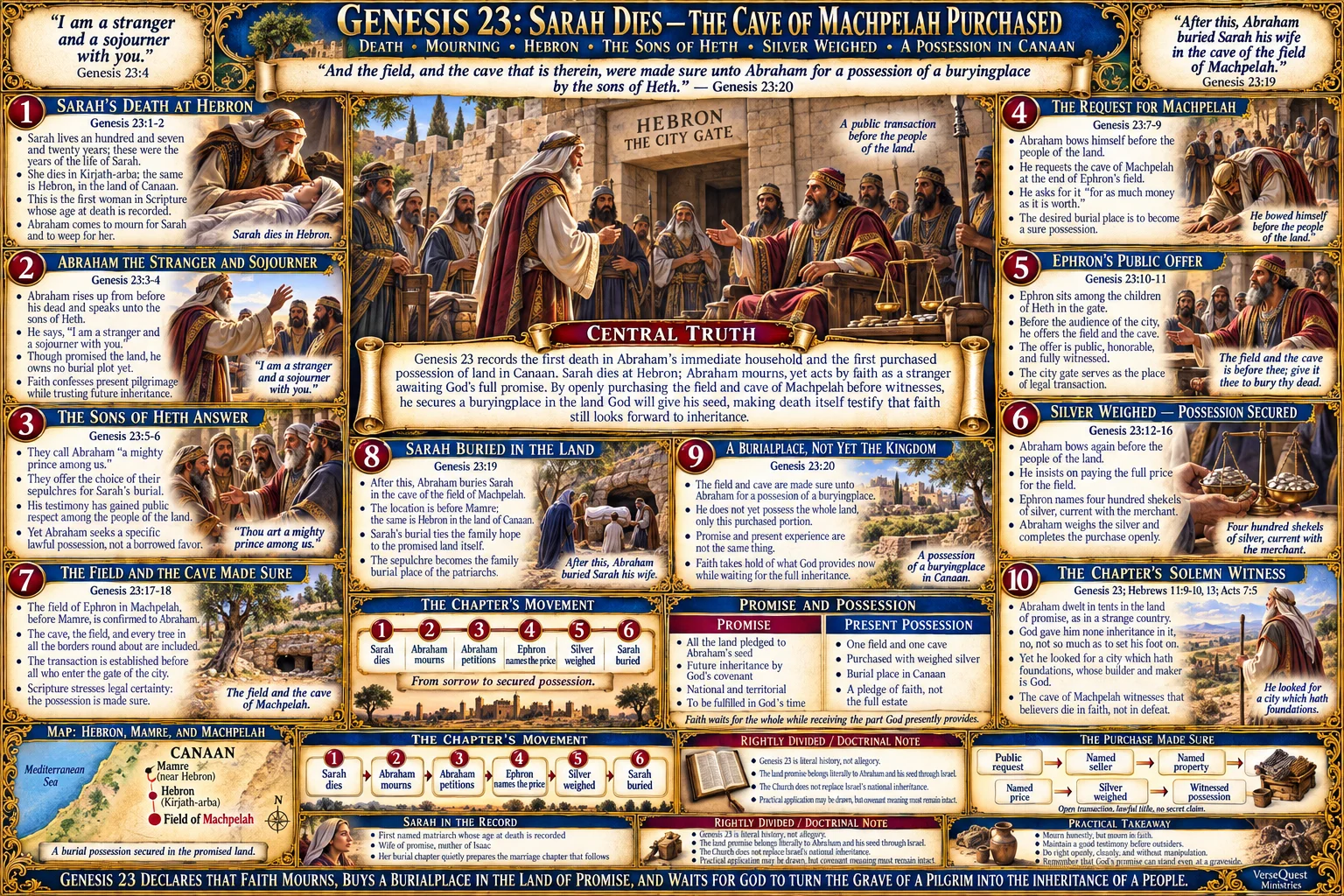
Genesis 23 – Sarah Dies and the Cave of Machpelah Is Purchased: Abraham the Stranger, Hebron, Four Hundred Shekels, and a Possession in Canaan (KJV Bible Study Chart)
Explore Genesis 23 with this detailed KJV Bible study chart tracing Sarah’s death at Hebron, Abraham’s mourning, his declaration that he is “a stranger and a sojourner,” and his negotiations with the sons of Heth for a burial possession. Follow the public transaction with Ephron as Abraham purchases the field and cave of Machpelah for four hundred shekels of silver and secures a legally witnessed possession in Canaan. The chart also examines the distinction between Abraham’s present ownership of one burial property and God’s much larger covenant land promise to his seed. Ideal for personal Bible study, Sunday school, homeschool, Bible institutes, sermon preparation, covenant studies, patriarchal history, and teaching on grief, faith, integrity, inheritance, and biblical hope.
$4.99
Description
Genesis 23: Sarah Dies—The Cave of Machpelah Purchased is a detailed KJV Bible study chart examining Sarah’s death at Hebron, Abraham’s mourning, his negotiations with the sons of Heth, the purchase of Ephron’s field and the cave of Machpelah, and the establishment of a legal burial possession in the land God had promised to Abraham and his seed. The chapter is quiet compared with the dramatic events surrounding Abraham elsewhere, yet it contains important lessons about faith, grief, testimony, covenant hope, and lawful possession.
Sarah dies at one hundred twenty-seven years old in Kirjath-arba, which is Hebron, in the land of Canaan. Genesis 23 uniquely records her full age at death, and Abraham comes to mourn and weep for her. Scripture does not portray faith as emotionless. Abraham believes God’s promises, yet he still grieves the death of his wife.
Abraham then rises from before his dead and speaks to the sons of Heth. He describes himself as “a stranger and a sojourner with you” and asks for a possession of a buryingplace. Though God has promised the land to his seed, Abraham does not seize property by force. He conducts the transaction publicly, lawfully, and honorably before the people of the land.
The sons of Heth recognize Abraham as “a mighty prince among us” and offer him the choice of their sepulchres. Abraham nevertheless requests a specific property: the cave of Machpelah at the end of Ephron’s field. He asks to pay “as much money as it is worth,” demonstrating his desire for a secure and undisputed possession rather than a temporary favor.
Ephron publicly offers the field and cave, but the transaction settles at four hundred shekels of silver, current money with the merchant. Abraham weighs the silver, and the field, cave, trees, and surrounding borders are formally made sure to him before witnesses at the city gate.
Sarah is then buried in the cave of Machpelah before Mamre, the same as Hebron. The grave becomes the first great family burial site of the patriarchal line and later receives Abraham, Isaac, Rebekah, Jacob, and Leah.
Genesis 23 therefore joins mourning with faith. Abraham owns only a burial plot while still waiting for the greater inheritance God promised. The grave does not cancel the promise; it becomes a testimony that Abraham’s family expects its future in the very land where its dead are buried. Faith can weep, conduct business honorably, secure what God presently provides, and still wait confidently for everything God has promised.
Genesis 23, Sarah’s death, Abraham mourns, Sarah buried, Hebron, Kirjath-arba, cave of Machpelah, field of Machpelah, Ephron the Hittite, sons of Heth, stranger and sojourner, mighty prince, four hundred shekels of silver, public transaction, city gate, lawful purchase, burial possession, promised land, Abrahamic covenant, faith and mourning, patriarchal burial place, possession in Canaan
Genesis 23 opens with Sarah’s death at one hundred twenty-seven years old in Kirjath-arba, identified as Hebron in the land of Canaan. Sarah is the only woman in Scripture whose age at death is explicitly recorded. Abraham comes to mourn and weep for her. Biblical faith does not eliminate sorrow. Abraham knows the promises of God, yet he genuinely grieves the death of the woman who shared his pilgrimage and through whom Isaac was born.
After mourning, Abraham rises and addresses the sons of Heth. He describes himself as “a stranger and a sojourner with you.” This language agrees with Hebrews 11, which portrays Abraham and the patriarchs as strangers and pilgrims who lived in the land of promise without yet possessing its fullness. God had pledged Canaan to Abraham’s seed, but Abraham himself still lived chiefly in tents.
The sons of Heth call Abraham “a mighty prince among us” and offer him their sepulchres. Abraham nevertheless seeks a definite and legally secure property. He asks specifically for the cave of Machpelah at the end of Ephron’s field and offers to pay its full value. Faith in God’s future provision does not excuse careless dealings in the present.
Ephron responds publicly before the people gathered at the city gate. The wording initially sounds generous, but the transaction settles at four hundred shekels of silver. Abraham does not bargain over the figure in the narrative. He weighs the silver “current money with the merchant,” and the property is formally transferred.
Genesis carefully specifies what becomes Abraham’s possession: the field of Ephron in Machpelah, the cave within it, the trees, and the borders surrounding the field. The transaction is witnessed publicly, demonstrating legal certainty. Scripture emphasizes that the field and cave are “made sure” unto Abraham.
Sarah is then buried in the cave of Machpelah before Mamre, identified with Hebron. This burial place later becomes associated with Abraham, Isaac, Rebekah, Jacob, and Leah. It therefore develops into a major patriarchal family tomb within the promised land.
The purchase must be distinguished from the larger covenant grant. Abraham legally owns this particular burial possession, but God’s promise encompasses far more land. Acts 7:5 emphasizes that Abraham did not receive the land generally as an inheritance during his lifetime, even though God promised it to his descendants.
Genesis 23 therefore presents death without defeat. Abraham grieves, purchases a burial place honorably, and lays Sarah to rest in the very land promised by God. Machpelah becomes a testimony that the patriarchal family expects its future in Canaan. Faith mourns honestly, acts with integrity, and waits for God to fulfill the whole inheritance in His appointed time.
Genesis 23 is useful for teaching biblical grief, faith in the face of death, honorable business dealings, public testimony, lawful ownership, patience while waiting for God’s promises, and the distinction between present possession and future inheritance. It also provides valuable background for studying Abraham’s pilgrim life, the Abrahamic covenant, Hebron, Machpelah, the patriarchal burial place, and Hebrews 11. The chart is well suited for personal Bible study, Sunday school, homeschool instruction, Bible institutes, sermon preparation, funeral and bereavement studies, covenant teaching, patriarchal history, and lessons on integrity and future hope.
King James Bible, Strong’s Concordance, Thompson Chain-Reference Bible, Treasury of Scripture Knowledge, Nave’s Topical Bible, Genesis 22–25 study notes, Abrahamic covenant charts, maps of Hebron and Mamre, Cave of Machpelah studies, patriarchal genealogy charts, Hebrews 11 faith studies, Acts 7 Abraham studies, promised-land Scripture chains, biblical burial customs studies, Abraham and Sarah timelines, VerseQuest Genesis charts
Related products
-
Biblical Humility
-
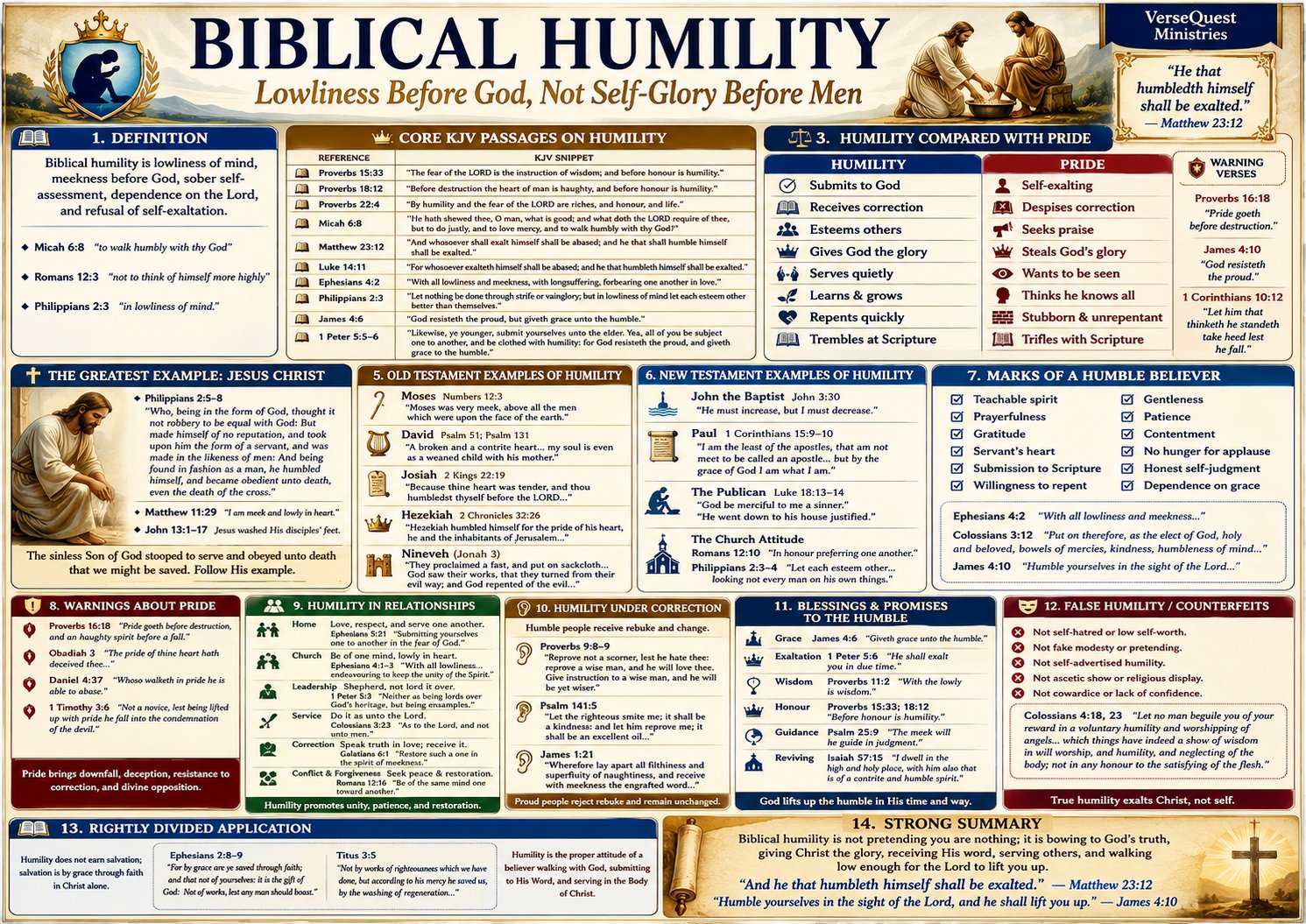
- Biblical Humility Bible Study Chart – Lowliness Before God, Not Self-Glory Before Men (KJV)
- Study biblical humility with this detailed KJV chart comparing humility and pride, Christ’s example, receiving correction, servant leadership, grace, and practical Christian living.
- $3.99
- Add to cart
-
-
Law vs Grace
-
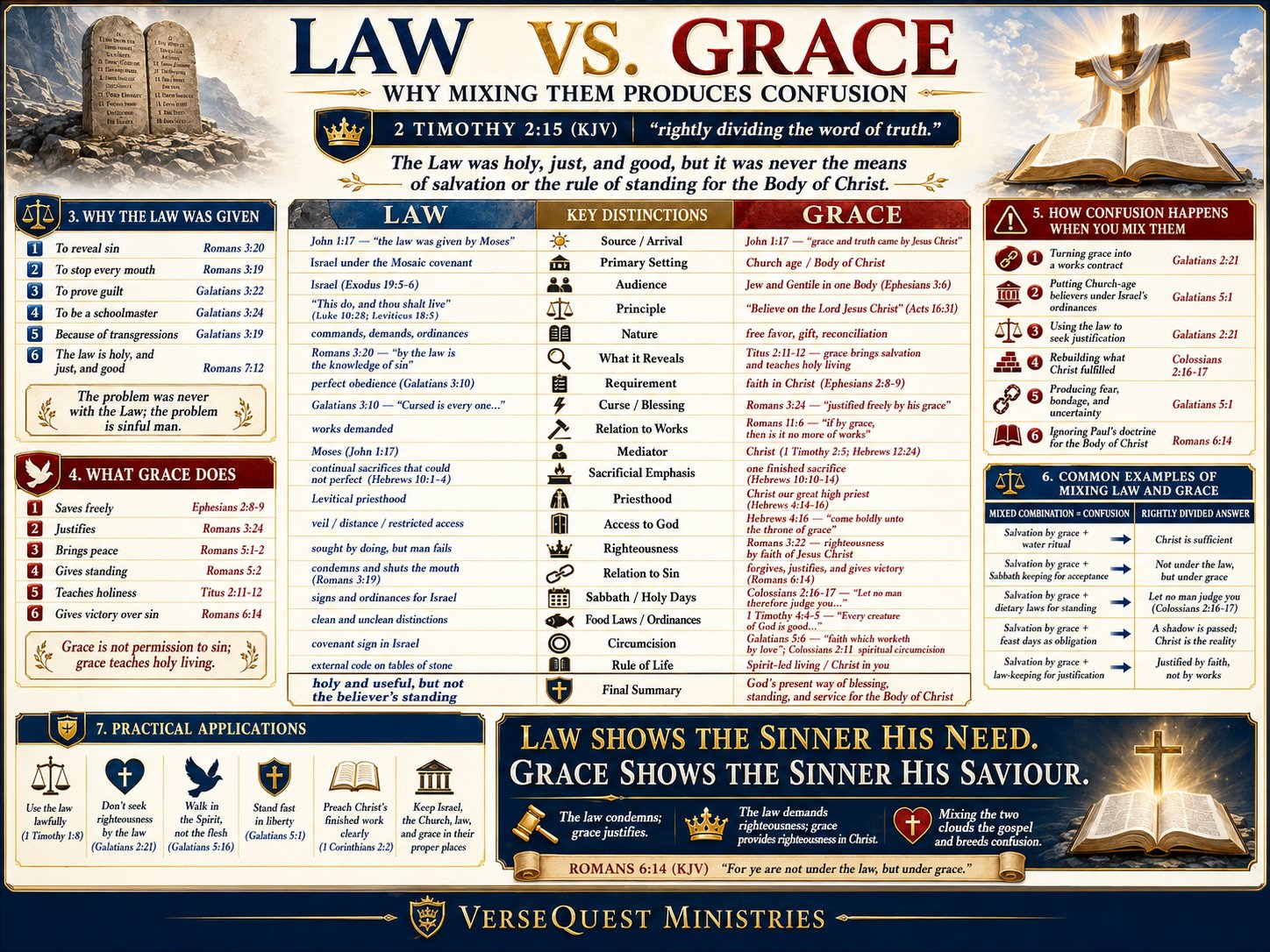
- Law vs. Grace Bible Study Chart – Why Mixing Them Produces Confusion (KJV)
- Compare law and grace with this detailed KJV Bible study chart explaining salvation, justification, holiness, Israel’s Mosaic covenant, Christian liberty, and the danger of mixing law with the gospel.
- $3.99
- Add to cart
-
-
The Seven Dispensations
-
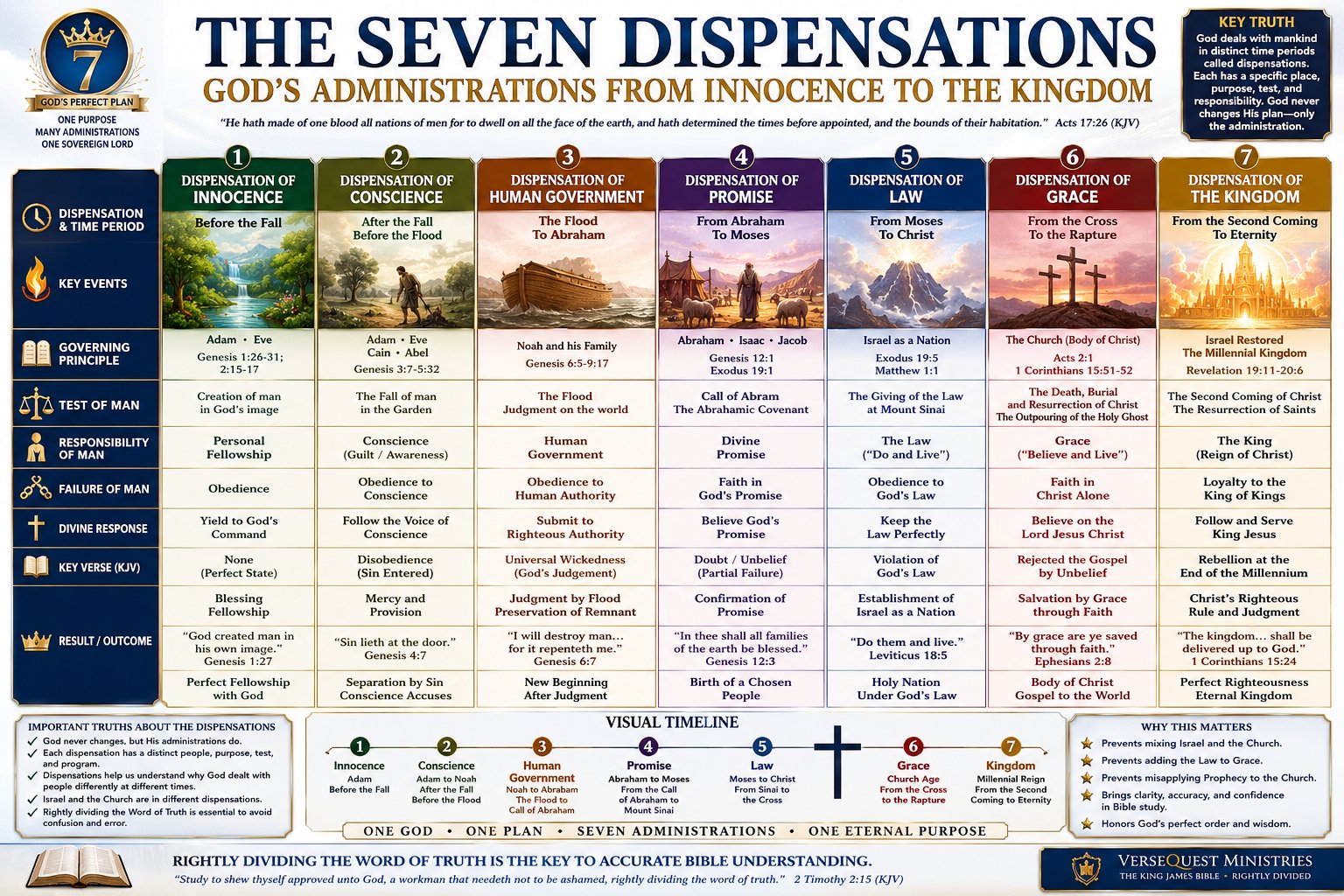
- The Seven Dispensations Bible Study Chart – God’s Administrations from Innocence to the Kingdom (KJV)
- Explore the seven dispensations with this detailed KJV Bible study chart covering Innocence, Conscience, Human Government, Promise, Law, Grace, the Kingdom, and the importance of rightly dividing Scripture.
- $3.99
- Add to cart
-
-
Spiritual Growth
-
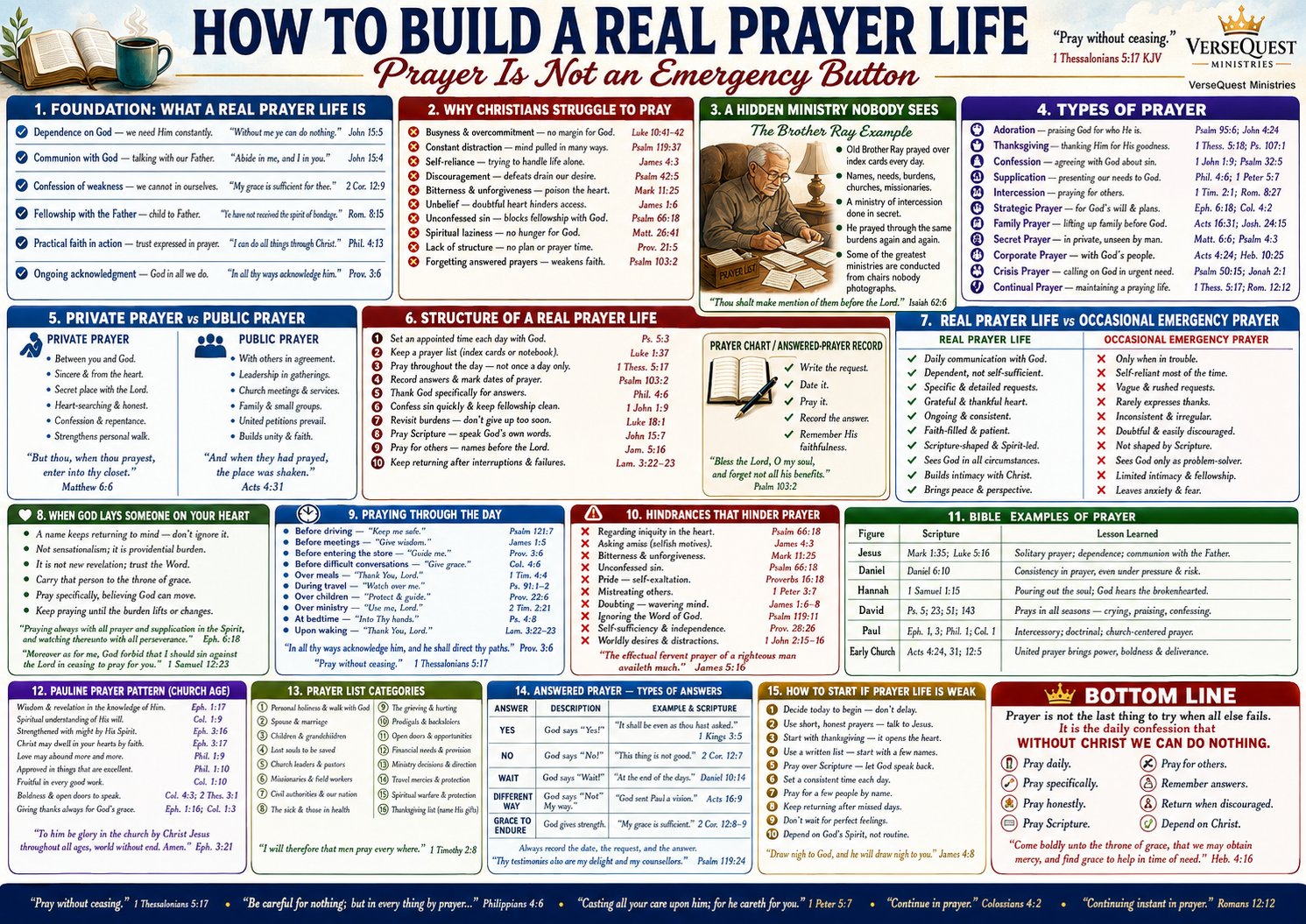
- How to Build a Real Prayer Life – Biblical Prayer Guide and KJV Bible Study Chart
- Build a consistent, biblical prayer life with this detailed KJV Bible study chart. Explore the foundations of prayer, types of prayer, common hindrances, answered prayer, Bible examples, and practical ways…
- $3.99
- Add to cart
-
-
Abassadors For Christ
-
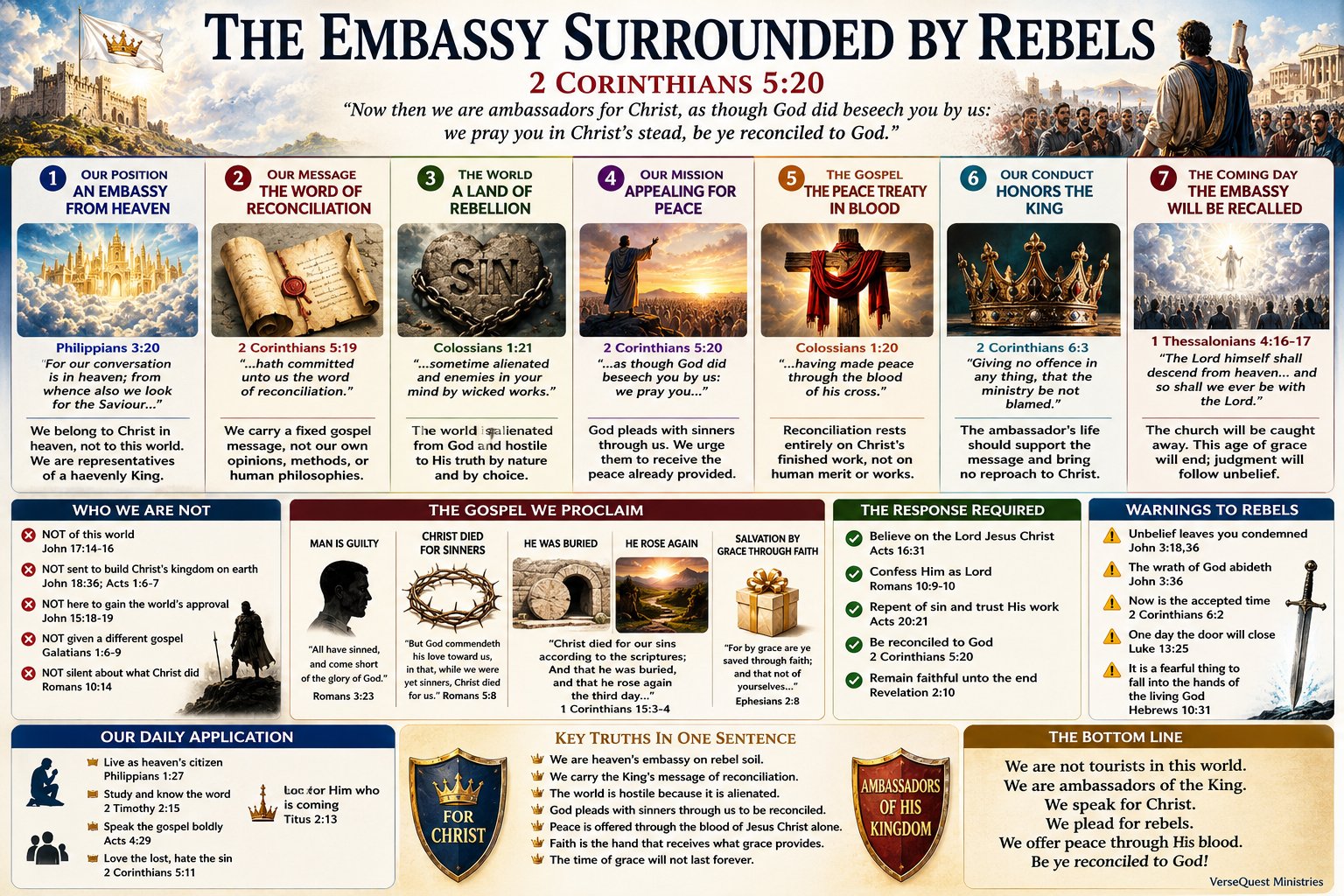
- The Embassy Surrounded by Rebels Bible Study Chart – Ambassadors for Christ and the Ministry of Reconciliation (KJV)
- Understand the Christian’s mission with this detailed KJV chart covering ambassadors for Christ, heavenly citizenship, the gospel of reconciliation, faithful conduct, evangelism, and the coming Rapture.
- $3.99
- Add to cart
-