
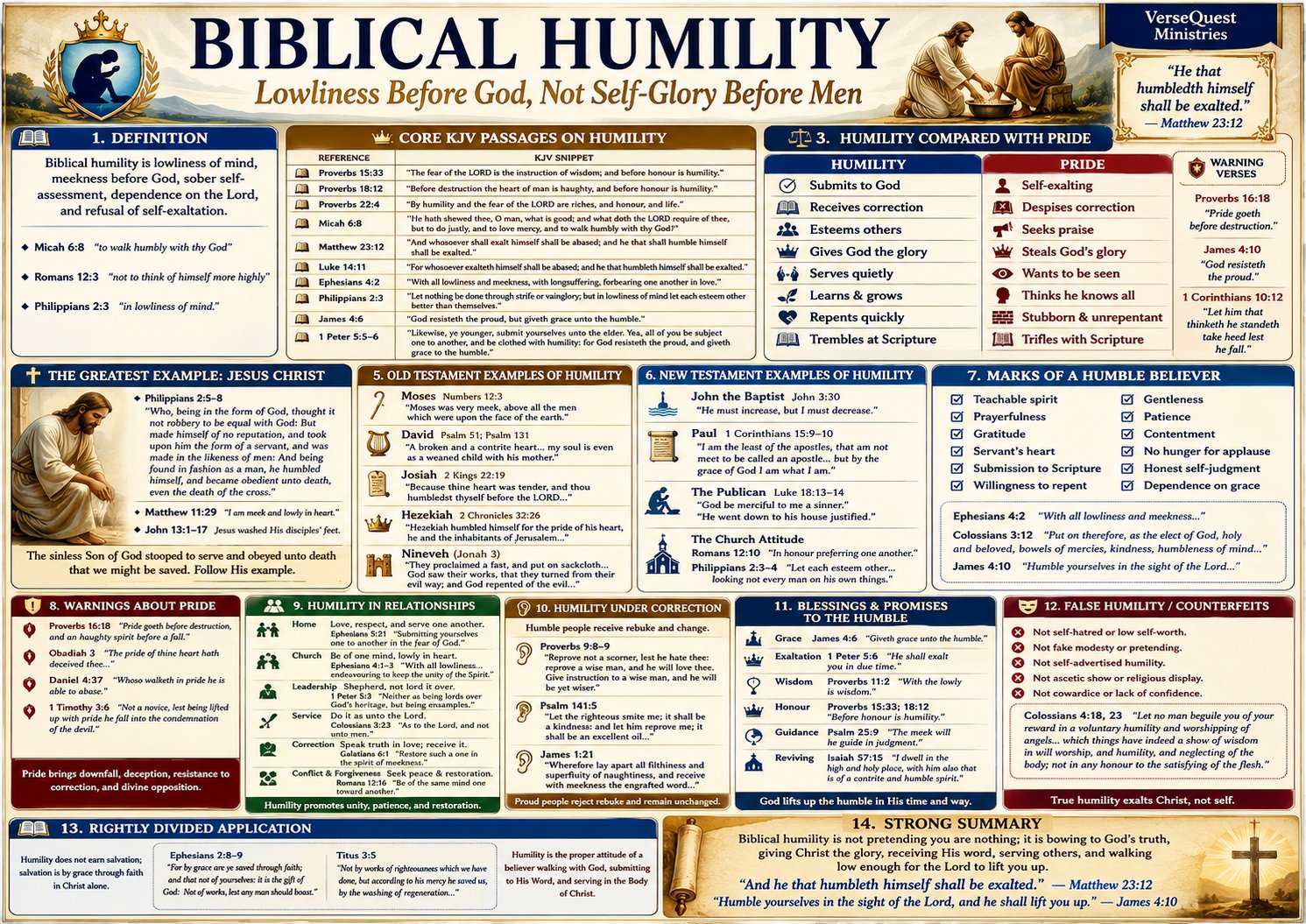
Biblical Humility Bible Study Chart – Lowliness Before God, Not Self-Glory Before Men (KJV)
Study biblical humility with this detailed KJV chart comparing humility and pride, Christ’s example, receiving correction, servant leadership, grace, and practical Christian living.
$3.99
Description
Biblical Humility: Lowliness Before God, Not Self-Glory Before Men is a detailed KJV Bible study chart explaining the true biblical meaning of humility, contrasting it with pride, and showing how lowliness of mind should shape a believer’s relationship with God, other Christians, authority, correction, service, and daily Christian living.
Biblical humility is not self-hatred, weakness, timidity, or pretending to have no gifts. It is a sober recognition of one’s dependence upon God, a willingness to submit to His Word, a refusal to exalt self, and a readiness to esteem others properly. The chart defines humility through passages such as Micah 6:8, Romans 12:3, Philippians 2:3, James 4:6, and 1 Peter 5:5–6.
A major section gathers key King James Bible passages on humility, including Proverbs 15:33, Proverbs 18:12, Proverbs 22:4, Matthew 23:12, Luke 14:11, Ephesians 4:2, Philippians 2:3, James 4:6, and 1 Peter 5:5–6. These Scriptures establish that humility precedes honour, receives grace, walks in meekness, and willingly places self beneath God’s authority.
The chart presents a clear comparison between humility and pride. Humility submits to God, receives correction, esteems others, gives God the glory, serves quietly, learns, repents quickly, and trembles at Scripture. Pride exalts self, despises correction, seeks praise, steals God’s glory, wants to be seen, assumes it already knows everything, resists repentance, and trifles with the Word of God.
Jesus Christ stands as the greatest example of humility. Philippians 2:5–8 presents the sinless Son of God taking upon Himself the form of a servant, humbling Himself, and becoming obedient unto death, even the death of the cross. Matthew 11:29 describes Him as meek and lowly in heart, while John 13 records Him washing His disciples’ feet. True humility does not merely speak modestly; it serves, obeys, sacrifices, and gives glory to God.
Old Testament examples include Moses, David, Josiah, Hezekiah, and the people of Nineveh. Their lives show humility expressed through meekness, brokenness, repentance, tenderness toward God’s Word, and submission beneath divine correction. New Testament examples include John the Baptist, Paul, the publican, and the proper attitude of the church toward one another.
The chart identifies the marks of a humble believer, including a teachable spirit, prayerfulness, gratitude, a servant’s heart, submission to Scripture, willingness to repent, gentleness, patience, contentment, honest self-judgment, and dependence upon grace. These characteristics reveal that humility is not an inward feeling alone but a visible pattern of conduct.
Practical sections apply humility to the home, church, leadership, service, correction, conflict, and fellowship. Humility promotes unity, patience, restoration, mutual honour, and peace. Pride produces contention, defensiveness, rivalry, resistance to correction, and broken relationships.
The chart also explains humility under correction. A humble believer can receive rebuke, examine himself honestly, and learn from faithful counsel. Pride treats correction as an insult, while humility receives truth as an opportunity for growth. Proverbs, Psalms, and James show that wise correction can become a blessing when received with meekness.
Warnings concerning pride are drawn from Proverbs 16:18, Obadiah 3, Daniel 4:37, and 1 Timothy 3:6. Pride leads to deception, downfall, resistance to God, and spiritual danger. The chart emphasizes that God resists the proud but gives grace to the humble.
False humility is also exposed. Biblical humility is not theatrical modesty, self-promotion disguised as self-criticism, religious display, cowardice, or the voluntary humility condemned in Colossians 2. True humility exalts Christ rather than self and never uses outward lowliness as a performance before men.
The chart concludes with a rightly divided application. Humility does not earn salvation, which is received by grace through faith in Jesus Christ. Humility is the proper attitude of a saved believer who walks with God, submits to His Word, serves others, and functions faithfully within the body of Christ.
This resource is ideal for personal Bible study, Christian living classes, discipleship, leadership training, pastoral counseling, Sunday school, homeschool Bible curriculum, church small groups, marriage and family teaching, conflict resolution, sermon preparation, and studies on pride, meekness, service, correction, and spiritual growth.
Biblical humility, lowliness of mind, meekness, submission to God, humility versus pride, Christ’s example, servant leadership, receiving correction, repentance, dependence upon grace, esteeming others, spiritual maturity, Christian service, honest self-examination, warnings against pride, false humility, fellowship, unity, honour, exaltation by God
Biblical humility begins with a correct view of God and a sober view of self. It does not deny gifts, abilities, or responsibilities. It recognizes that every good thing comes from God and therefore refuses to turn divine grace into personal glory.
Jesus Christ is the supreme pattern of humility. Though He is God manifest in the flesh, He took the form of a servant, obeyed the Father, washed His disciples’ feet, and humbled Himself unto death. Christian humility must therefore be measured by service and obedience rather than modest words alone.
Humility and pride respond differently to correction. Humility listens, examines itself, repents, and grows. Pride becomes defensive, attacks the messenger, excuses itself, and resists the truth. A teachable spirit is one of the clearest signs of genuine humility.
Humility strengthens relationships because it prefers peace over personal victory. It allows believers to honour one another, bear patiently with weaknesses, restore the fallen, and serve without demanding recognition.
Pride seeks visibility, applause, control, and superiority. It may appear in obvious boasting or in subtle forms such as resentment when overlooked, refusal to apologize, resistance to counsel, and constant comparison with others.
God promises grace to the humble. This does not mean humility earns divine favour as a work. It means the believer who bows beneath God’s authority is positioned to receive the help, correction, wisdom, and strength that pride refuses.
False humility must be distinguished from biblical lowliness. Pretending to be worthless, displaying religious severity, fishing for praise through self-criticism, or refusing legitimate responsibility is not true humility. Genuine humility is truthful, Christ-centred, and ready to serve.
Humility is essential in leadership. Biblical leaders shepherd rather than dominate, lead by example, receive correction, and remember that authority is stewardship under God rather than ownership over people.
The safest response to success, recognition, talent, or spiritual usefulness is gratitude. Humility returns the glory to God, remembers dependence upon grace, and continues serving without turning ministry into self-promotion.
Humility does not save the sinner. Salvation is by grace through faith in Christ. Once saved, however, the believer is commanded to walk in lowliness, submit to Scripture, serve others, and follow the example of the Lord Jesus Christ.
Christian living instruction, discipleship training, leadership development, pastoral counseling, conflict resolution, marriage and family teaching, church unity, servant leadership, receiving correction, Sunday school lessons, homeschool Bible curriculum, Christian school instruction, Bible institute classes, sermon preparation, small-group studies, spiritual growth classes, mentoring, character development
King James Bible, Strong’s Concordance, Thompson Chain-Reference Bible, Treasury of Scripture Knowledge, Nave’s Topical Bible, Christian character study notebook, Scripture memory cards, devotional journal, biblical counseling resources, leadership study materials, studies on Philippians 2, resources on pride and humility, VerseQuest Christian Living charts
Related products
-
Biblical Submission
-
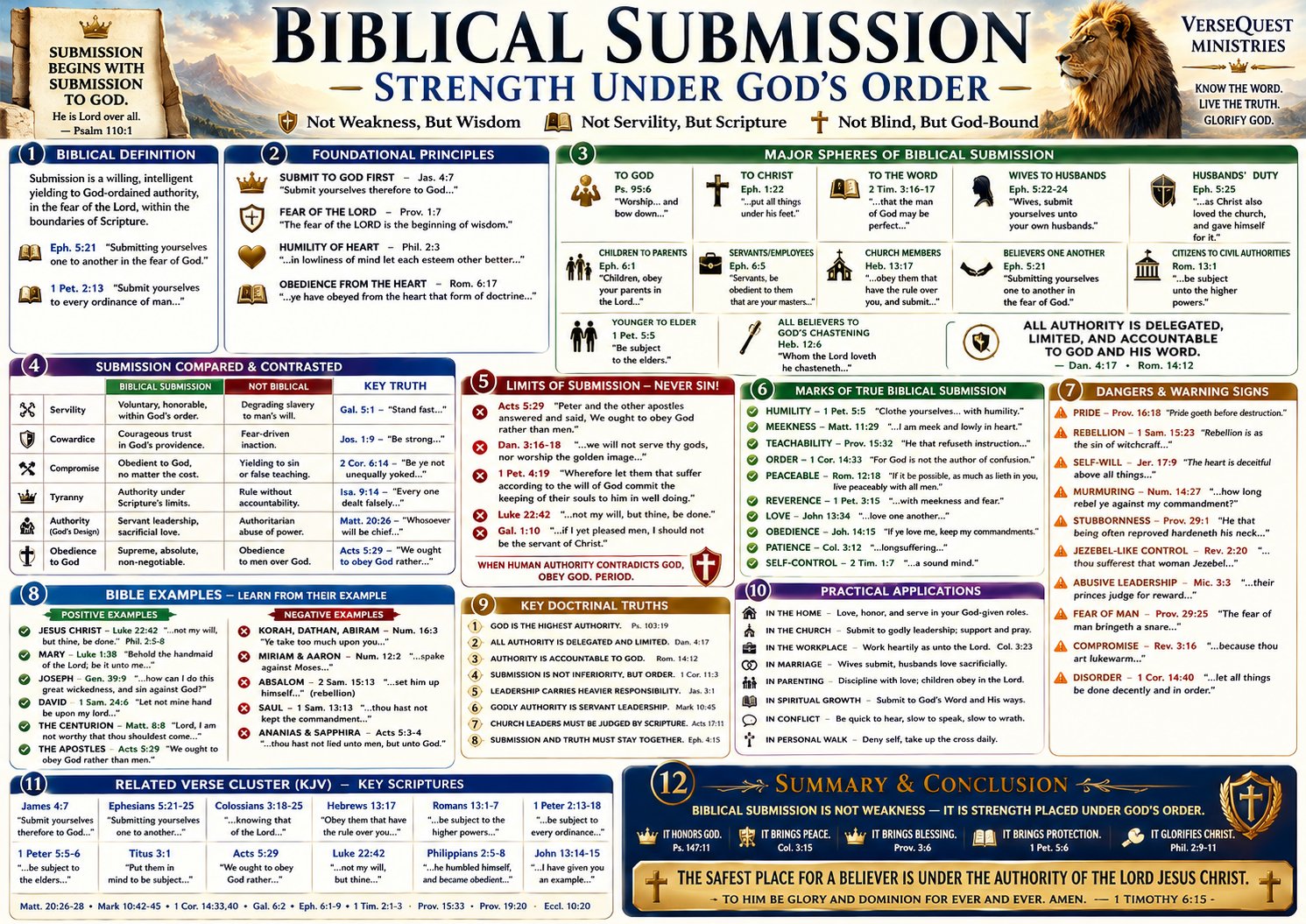
- Biblical Submission Bible Study Chart – Strength Under God’s Order, Authority, and Scriptural Limits (KJV) Product Description
- Study biblical submission with this detailed KJV chart covering God-ordained authority, servant leadership, obedience, marriage, church, government, and the Scriptural limits of submission.
- $3.99
- Add to cart
-
-
Church Hypocrisy
-
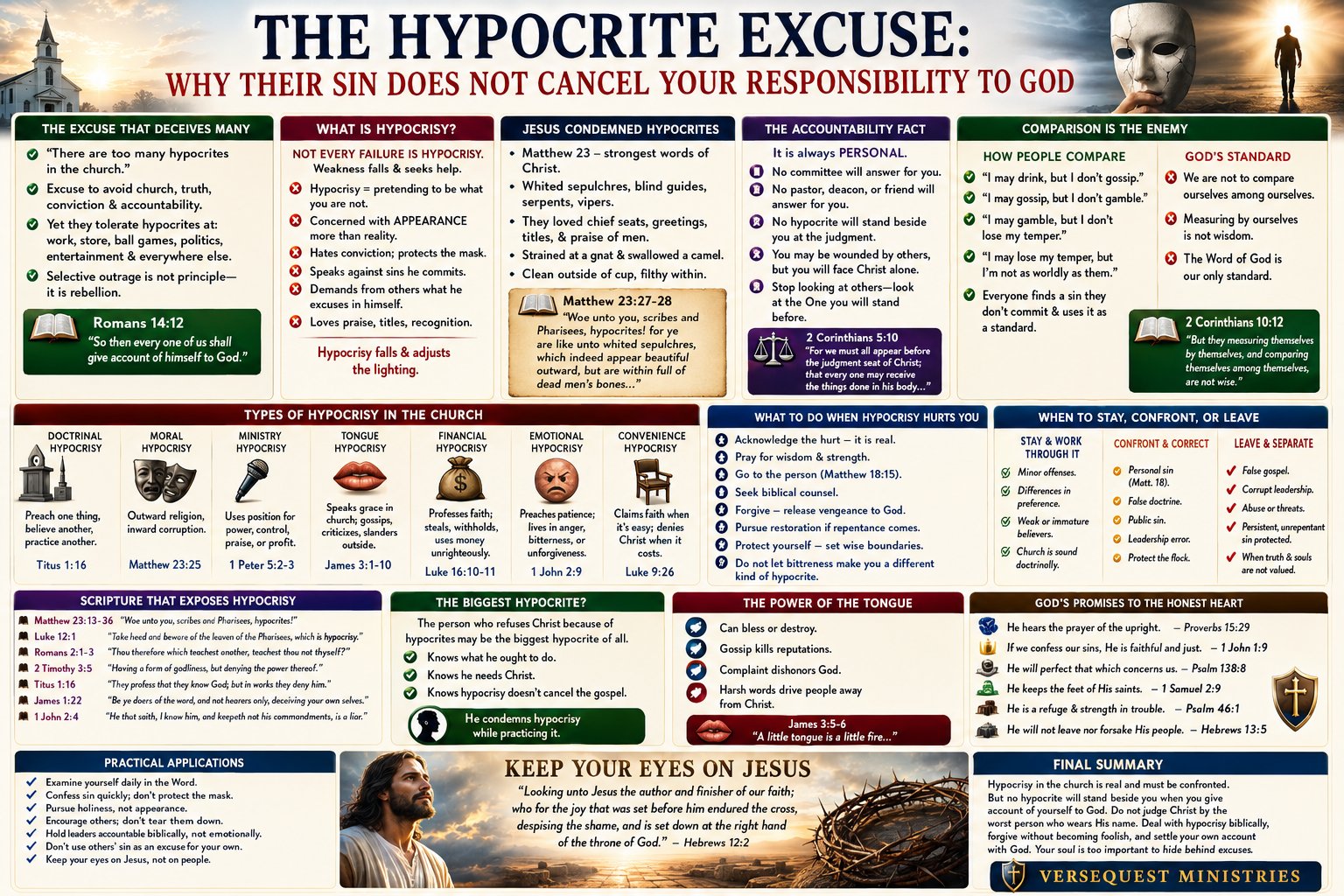
- The Hypocrite Excuse – Why Their Sin Does Not Cancel Your Responsibility to God (KJV Bible Study Chart)
- Confront the hypocrite excuse with this detailed KJV chart covering church hypocrisy, personal accountability, religious pretense, comparison, church hurt, correction, boundaries, and keeping your eyes on Jesus.
- $3.99
- Add to cart
-
-
Unity of the Spirit
-
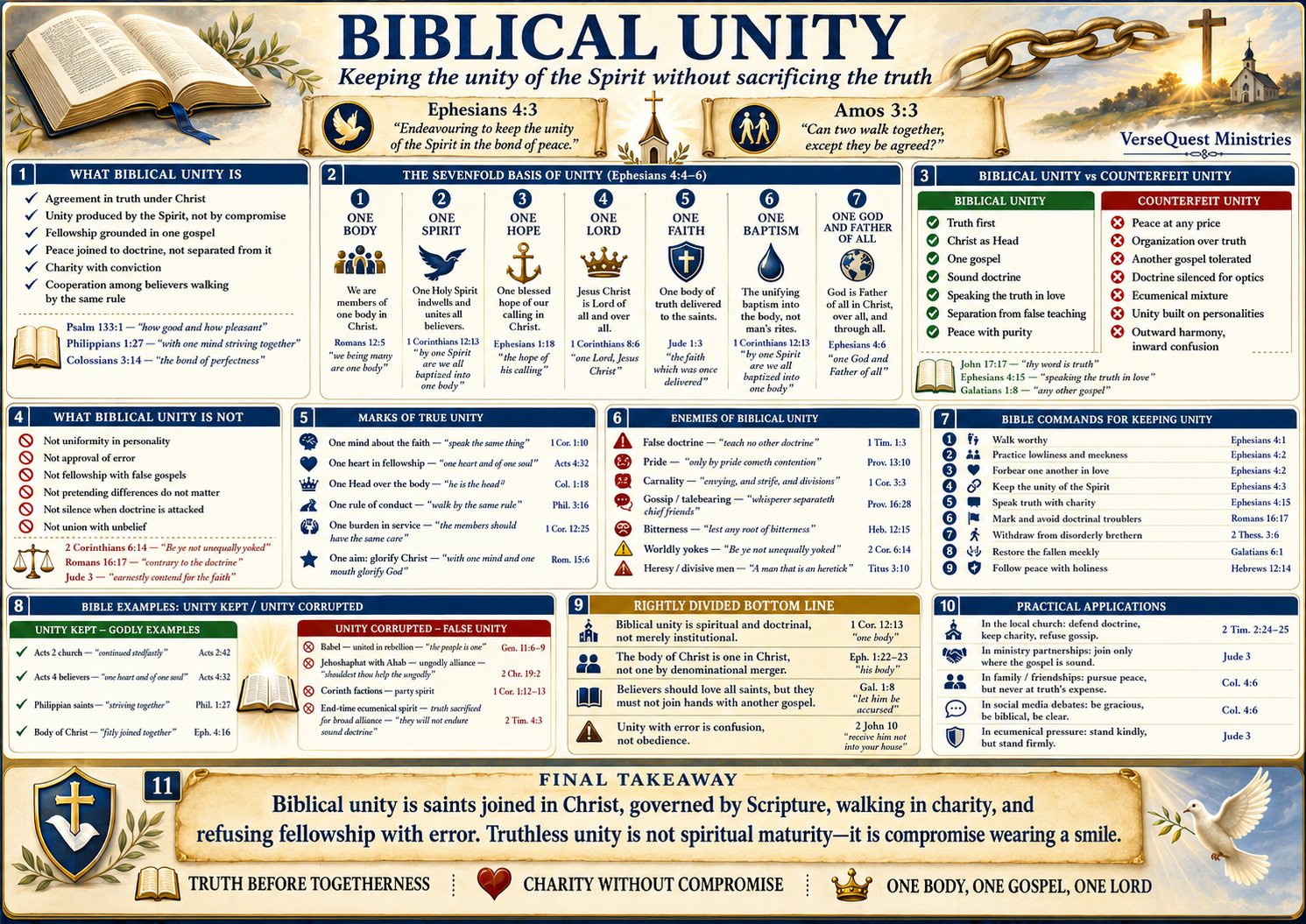
- Biblical Unity – Keeping the Unity of the Spirit Without Sacrificing Truth (KJV Bible Study Chart)
- Understand biblical unity with this detailed KJV chart covering the sevenfold unity of Ephesians 4, one Body, one gospel, sound doctrine, charity, separation from error, and peace without compromise.
- $3.99
- Add to cart
-
-
The Clock Is Eating Your Life
-
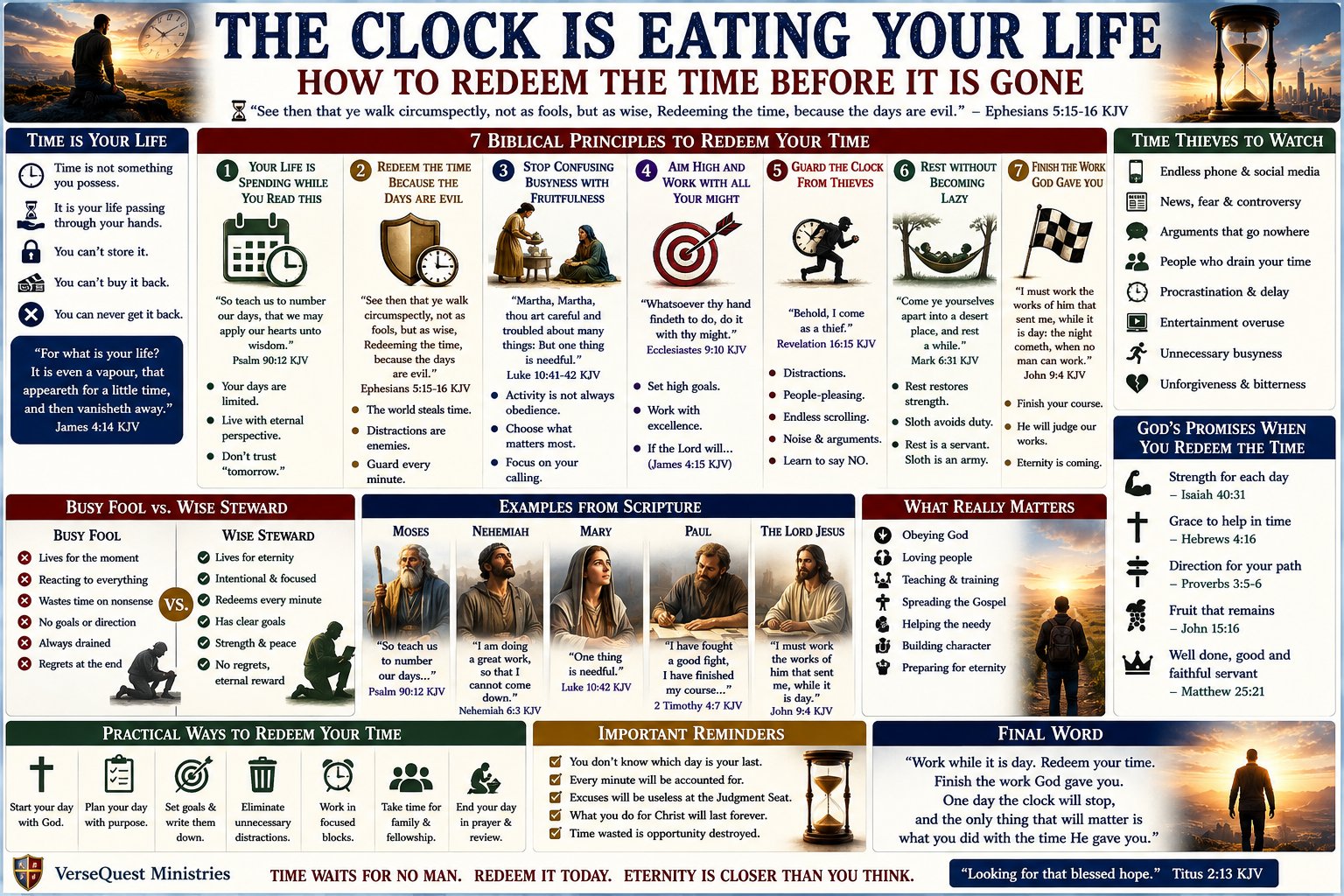
- The Clock Is Eating Your Life – How to Redeem the Time Before It Is Gone (KJV Bible Study Chart)
- Learn how to redeem the time with this detailed KJV chart covering biblical priorities, busyness versus fruitfulness, time thieves, diligence, proper rest, practical scheduling, eternal purpose, and finishing the work…
- $3.99
- Add to cart
-
-
Pauline Epistles
-
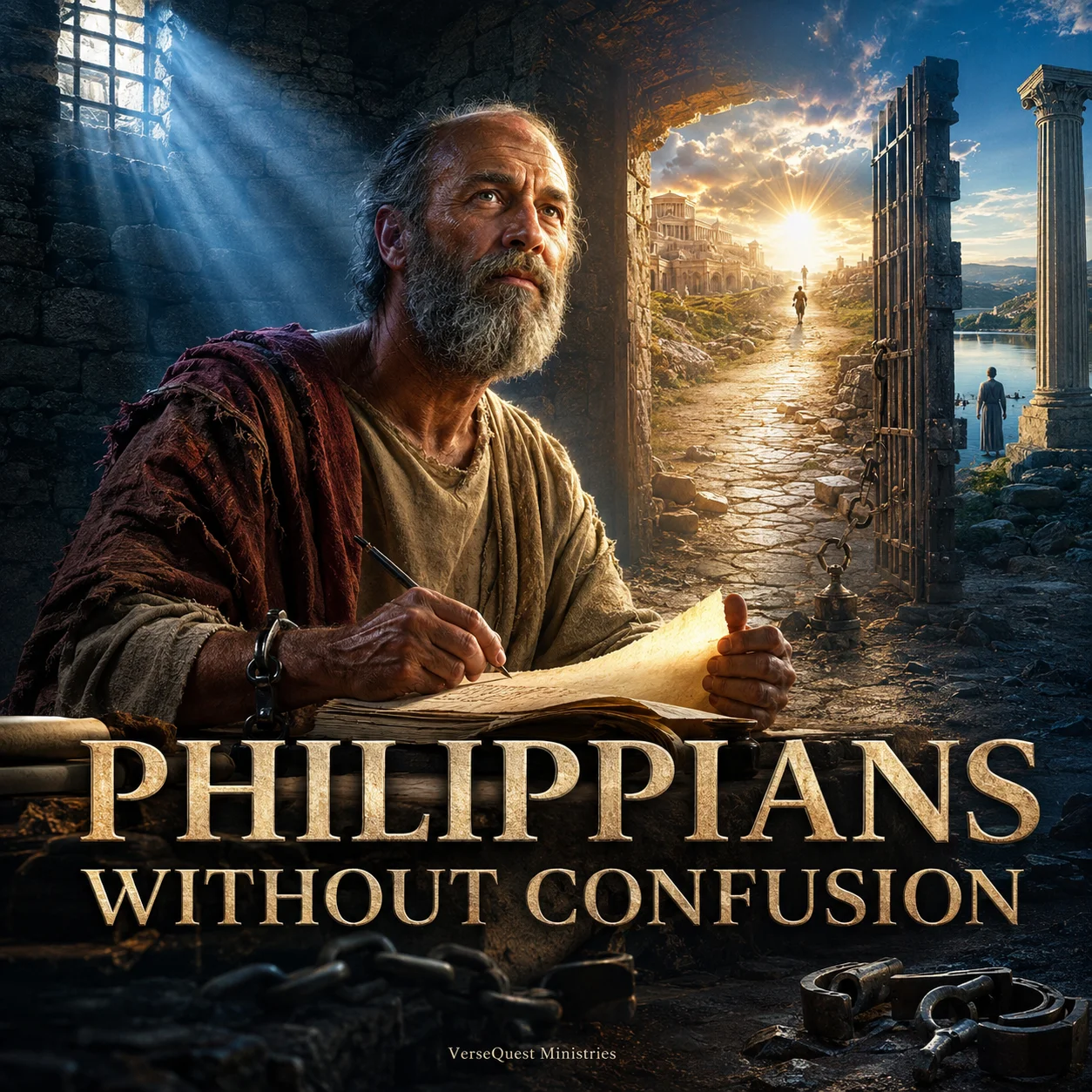
- Philippians Without Confusion: A 120-Study KJV Bible Commentary – 885-Page PDF Book
- Philippians Without Confusion is an extensive 885-page downloadable PDF book containing 120 detailed King James Bible studies through Paul’s Epistle to the Philippians. Beginning with the church’s dramatic founding in…
- $19.99
- Add to cart
-