
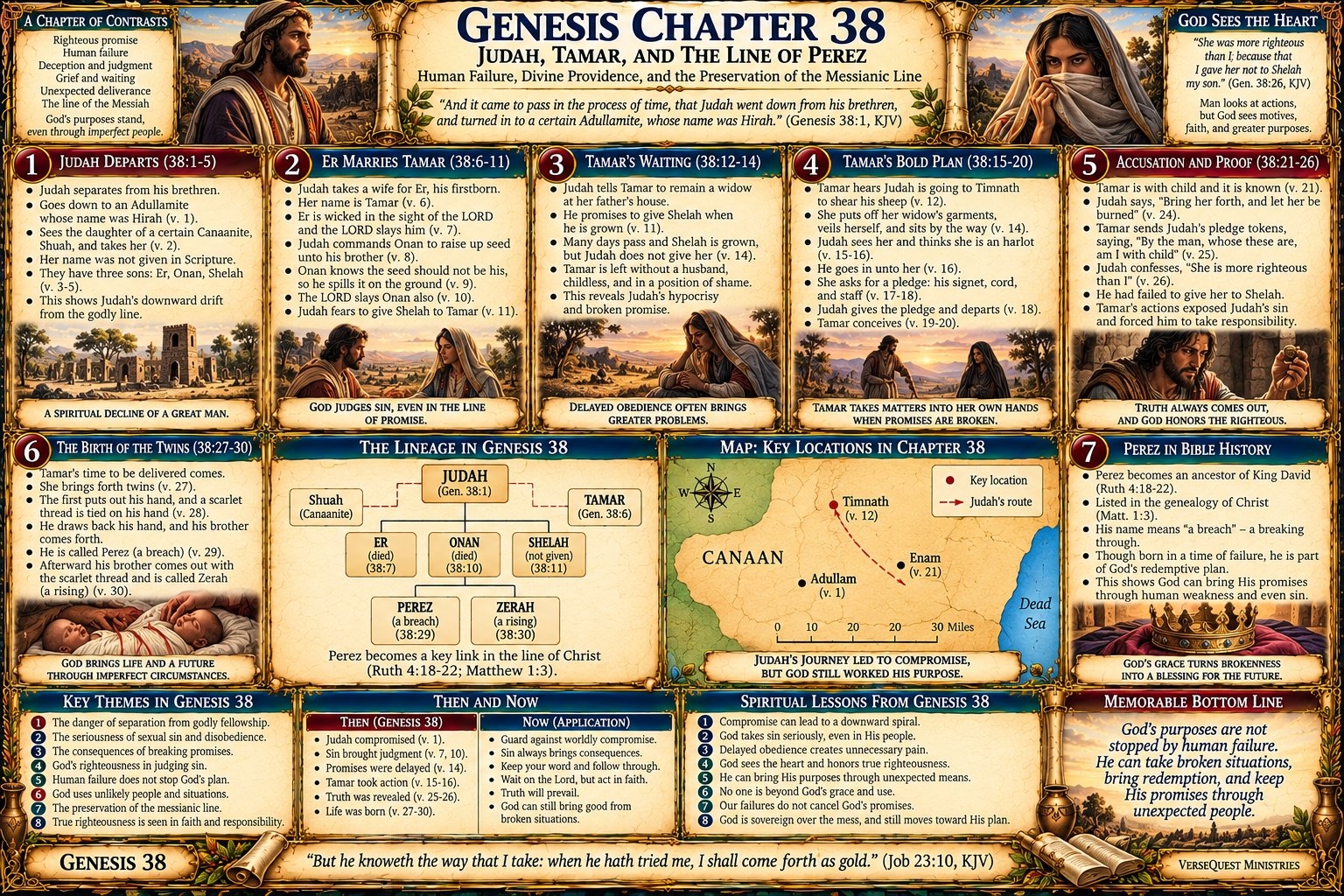
Genesis 38 – Judah, Tamar, and the Line of Perez: Human Failure, Broken Promises, Judgment, and the Preservation of the Messianic Line (KJV Bible Study Chart)
Explore Genesis 38 with this detailed KJV Bible study chart examining Judah, Tamar, Er, Onan, Shelah, and the remarkable birth of Perez and Zerah. Follow Judah’s separation from his brethren, the deaths of Er and Onan under divine judgment, Judah’s broken promise concerning Shelah, Tamar’s controversial plan, and the identifying signet, bracelets, and staff that eventually expose Judah’s responsibility. The chart also examines Judah’s confession that Tamar “hath been more righteous than I,” the unusual birth of the twins, and Perez’s crucial place in the genealogy leading to King David and Jesus Christ. Genesis 38 provides a sobering study of human failure, judgment, hypocrisy, responsibility, repentance, providence, and God’s preservation of the Messianic line.
$4.99
Description
Genesis 38: Judah, Tamar, and the Line of Perez is a detailed KJV Bible study chart examining one of Genesis’s most difficult family narratives and showing how human sin, broken promises, divine judgment, and unexpected providence intersect within the line that ultimately leads to David and Jesus Christ. The chapter temporarily turns away from Joseph to follow Judah as he separates from his brethren, forms associations among the Canaanites, loses two sons under divine judgment, and becomes entangled in a crisis involving his daughter-in-law Tamar.
Judah goes down from his brethren and associates with Hirah the Adullamite. He marries the unnamed daughter of Shuah, a Canaanite, and fathers Er, Onan, and Shelah. Er later marries Tamar, but Scripture states plainly that “Er, Judah’s firstborn, was wicked in the sight of the LORD; and the LORD slew him.”
Judah then commands Onan to fulfill the family obligation of raising up seed for his deceased brother. Onan refuses because he knows the resulting seed would not be counted as his own. His deliberate action displeases the LORD, and he also dies under judgment. Judah consequently fears for Shelah and tells Tamar to remain a widow until the younger son is grown, yet he later fails to give Shelah to her.
After Judah’s wife dies, Tamar learns that Judah is traveling toward Timnath to shear his sheep. Realizing that Shelah is grown and the promised marriage has not occurred, Tamar disguises herself. Judah does not recognize her and gives his signet, bracelets, and staff as pledges. Tamar conceives.
About three months later Judah hears that Tamar is with child and demands severe judgment. Tamar then produces the pledges and asks that their owner be identified. Judah recognizes them and confesses, “She hath been more righteous than I; because that I gave her not to Shelah my son.” His words expose his hypocrisy and acknowledge his responsibility.
Tamar later gives birth to twins. Zarah initially puts forth his hand and receives a scarlet thread, but Pharez breaks forth first and receives the name associated with a breach. That unexpected birth becomes enormously significant in biblical history.
Pharez, or Perez, appears in Ruth 4 as an ancestor of David and in Matthew 1:3 in the genealogy of Jesus Christ. Genesis 38 therefore does not celebrate sin; it demonstrates that human failure cannot destroy God’s redemptive purpose. Judgment remains real, responsibility remains personal, yet God sovereignly preserves the line through which the promised Seed will come.
Genesis 38, Judah, Tamar, Perez, Pharez, Zerah, Er, Onan, Shelah, Hirah the Adullamite, daughter of Shuah, Canaanite marriage, divine judgment, broken promise, family responsibility, deception, signet bracelets and staff, Tamar’s pregnancy, Judah’s confession, twins, scarlet thread, Messianic line, tribe of Judah, Davidic line, genealogy of Christ
Genesis 38 deliberately interrupts the Joseph narrative to focus on Judah. Judah separates from his brethren and associates with Hirah the Adullamite. He takes the daughter of Shuah, a Canaanite woman whose personal name Scripture does not give, and fathers Er, Onan, and Shelah. The chapter immediately reveals the spiritual danger surrounding Judah’s household.
Judah obtains Tamar as a wife for Er. Scripture gives no lengthy explanation of Er’s conduct, simply stating that he “was wicked in the sight of the LORD; and the LORD slew him.” Onan is then instructed to raise up seed for his deceased brother. Knowing the child would not be counted as his own, Onan deliberately frustrates that responsibility. His conduct displeases God, and he also dies.
Judah then tells Tamar to remain a widow until Shelah grows older. His stated fear is that Shelah might die like his brothers, but when Shelah matures Judah does not give him to Tamar. The chapter therefore exposes a broken promise and Tamar’s vulnerable position within the family.
After Judah’s wife dies, Tamar disguises herself when she learns Judah is traveling toward Timnath. Judah fails to recognize her and leaves his signet, bracelets, and staff as pledges. Tamar conceives. Scripture records her strategy as history; it should not be treated as a universal model of righteous conduct.
About three months later Judah is told Tamar is pregnant. This occurs in Genesis 38:24, not verse 21. Judah immediately calls for harsh punishment, unaware that he himself is responsible. Tamar then sends the identifying pledges and asks Judah to recognize their owner.
Judah confesses, “She hath been more righteous than I; because that I gave her not to Shelah my son.” The wording is comparative. Judah acknowledges that his own failure and hypocrisy stand exposed. The verse does not require us to pronounce every feature of Tamar’s plan morally ideal.
Tamar gives birth to twins. Zarah first extends his hand and receives a scarlet thread, but he withdraws it and Pharez breaks forth ahead of him. The unusual birth continues Genesis’s recurring pattern in which the expected order is overturned.
Pharez becomes one of the most important genealogical figures in the chapter. Ruth 4 traces the line from Pharez toward Boaz and David, while Matthew 1:3 places Phares in the genealogy of Jesus Christ. Hebrews 7 later reminds readers that Christ arose from Judah.
Genesis 38 therefore combines genuine sin, divine judgment, human responsibility, confession, and providential preservation. God does not approve wickedness in order to accomplish His purpose. Rather, He demonstrates that even the failures of men cannot sever the line through which His promised redemption will ultimately come.
Genesis 38 is useful for teaching personal accountability, the consequences of sexual sin and broken promises, the danger of hypocrisy, the seriousness of divine judgment, and the necessity of acknowledging wrongdoing when truth is exposed. It also provides important background for Judah’s later transformation, the line of Perez, the ancestry of David, and Matthew’s genealogy of Christ. The chapter is valuable for personal Bible study, Sunday school, homeschool instruction, Bible institutes, sermon preparation, family studies, Messianic genealogy teaching, discipleship, and lessons on repentance, responsibility, integrity, providence, and God’s ability to preserve His purposes despite human failure.
King James Bible, Strong’s Concordance, Thompson Chain-Reference Bible, Treasury of Scripture Knowledge, Nave’s Topical Bible, Genesis 37–49 study notes, Judah life studies, Tamar and Perez genealogy charts, tribe of Judah studies, Ruth 4 genealogy studies, Matthew 1 genealogy studies, Davidic line charts, Messianic prophecy resources, biblical family responsibility studies, Deuteronomy 25 studies, Genesis 49 Judah prophecy charts, VerseQuest Genesis charts
Related products
-
Kingdom Hall
-
-71%

- Jehovah’s Witnesses Made Plain – 574-Page KJV Watchtower Study
- A massive 574-page VerseQuest study exposing the Watchtower system from the King James Bible. This detailed 100-essay book covers the false Christ, false gospel, New World Translation, failed prophecy, 144,000,…
- Original price was: $34.99.$9.99Current price is: $9.99.
- Add to cart
-
-71%
-
Jesus Christ Studies
-
-67%

- Jesus Christ Prophet Priest and King – 441-Page PDF Study
- A 441-page premium KJV PDF study on Jesus Christ as Prophet, Priest, and King. This detailed VerseQuest book covers Christ’s prophetic ministry to Israel, His finished sacrifice and present intercession…
- Original price was: $29.99.$9.99Current price is: $9.99.
- Add to cart
-
-67%
-
Angels
-
-67%
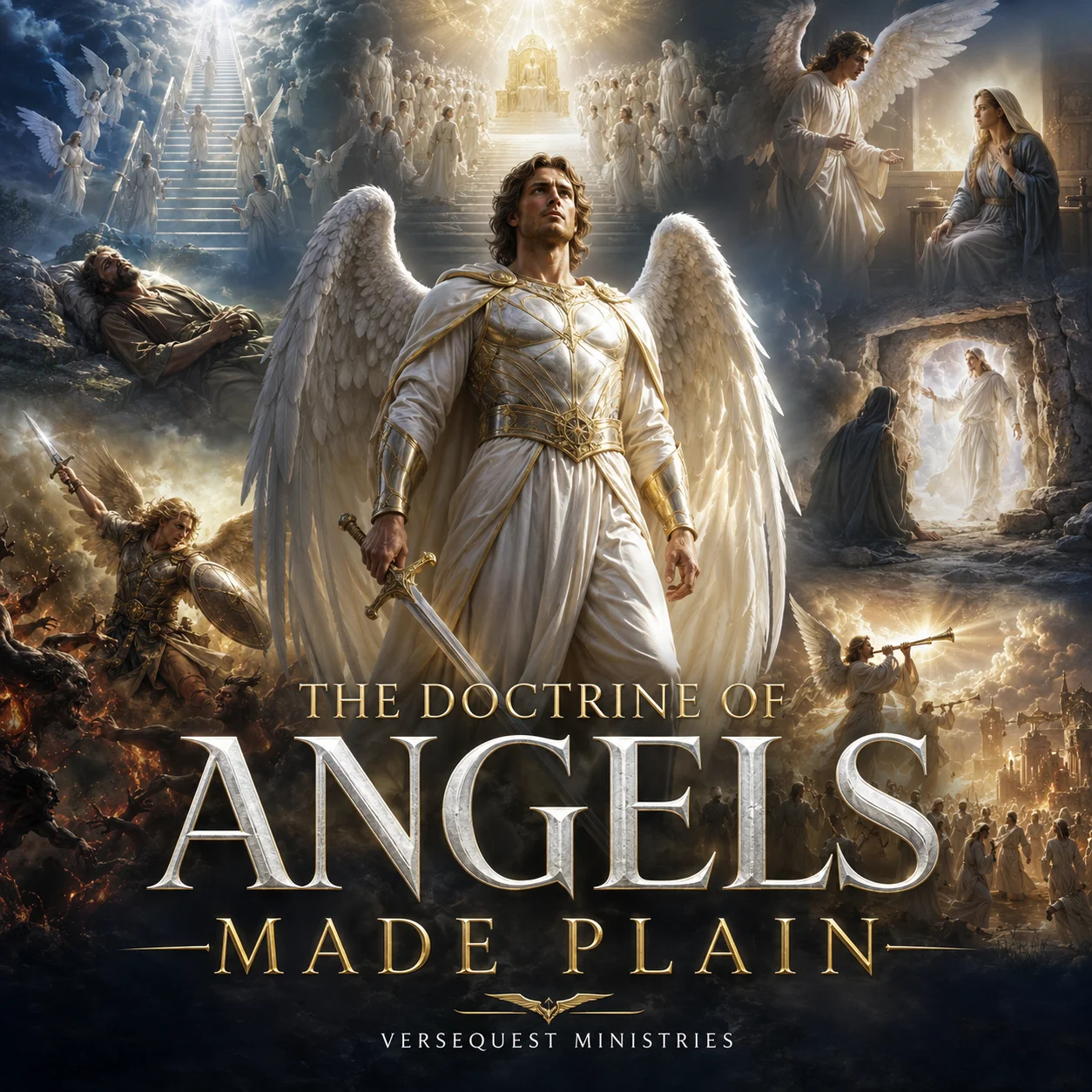
- The Doctrine of Angels Made Plain – 620-Page KJV Bible Study PDF
- The Doctrine of Angels Made Plain is a 620-page KJV Bible study that traces angels from Genesis to Revelation. This premium VerseQuest PDF explains holy angels, Christ’s supremacy over angels,…
- Original price was: $29.99.$9.99Current price is: $9.99.
- Add to cart
-
-67%
-
Doctrine Series
-
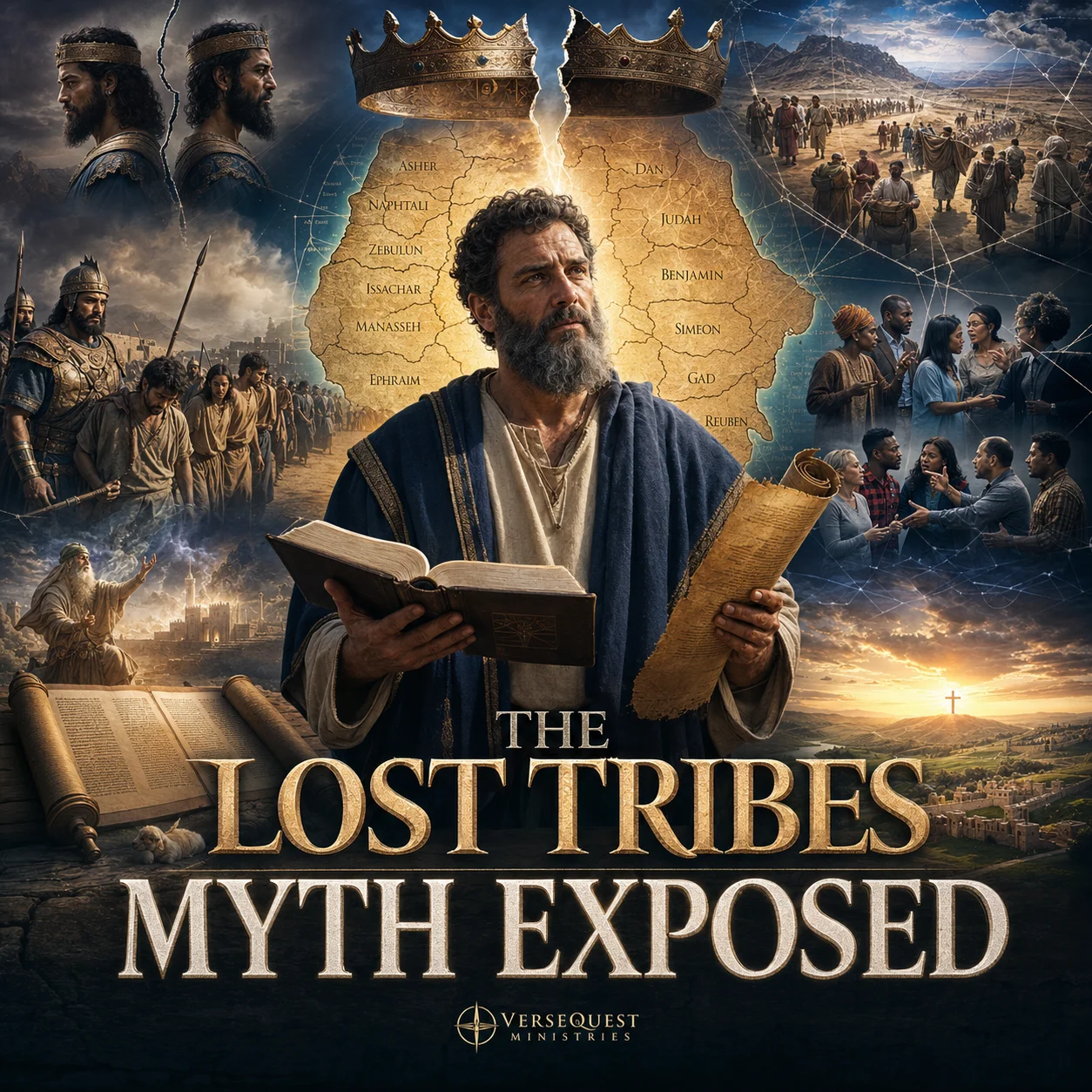
- The Lost Tribes Myth Exposed (213-Page Premium Study)
- A 213-page premium KJV study exposing the Lost Tribes myth, tribal identity errors, prophecy abuse, race theories, and false Israel claims through 35 detailed essays.
- $24.99
- Add to cart
-
-
Premium VerseQuest Books
-
-75%

- Christ in the Old Testament Made Plain — 100-Essay KJV Study PDF
- A massive 670-page premium KJV Bible study PDF featuring 100 detailed essays showing Jesus Christ throughout the Old Testament in promise, type, sacrifice, Christophany, prophecy, suffering, resurrection, priesthood, and future…
- Original price was: $39.99.$9.99Current price is: $9.99.
- Add to cart
-
-75%