
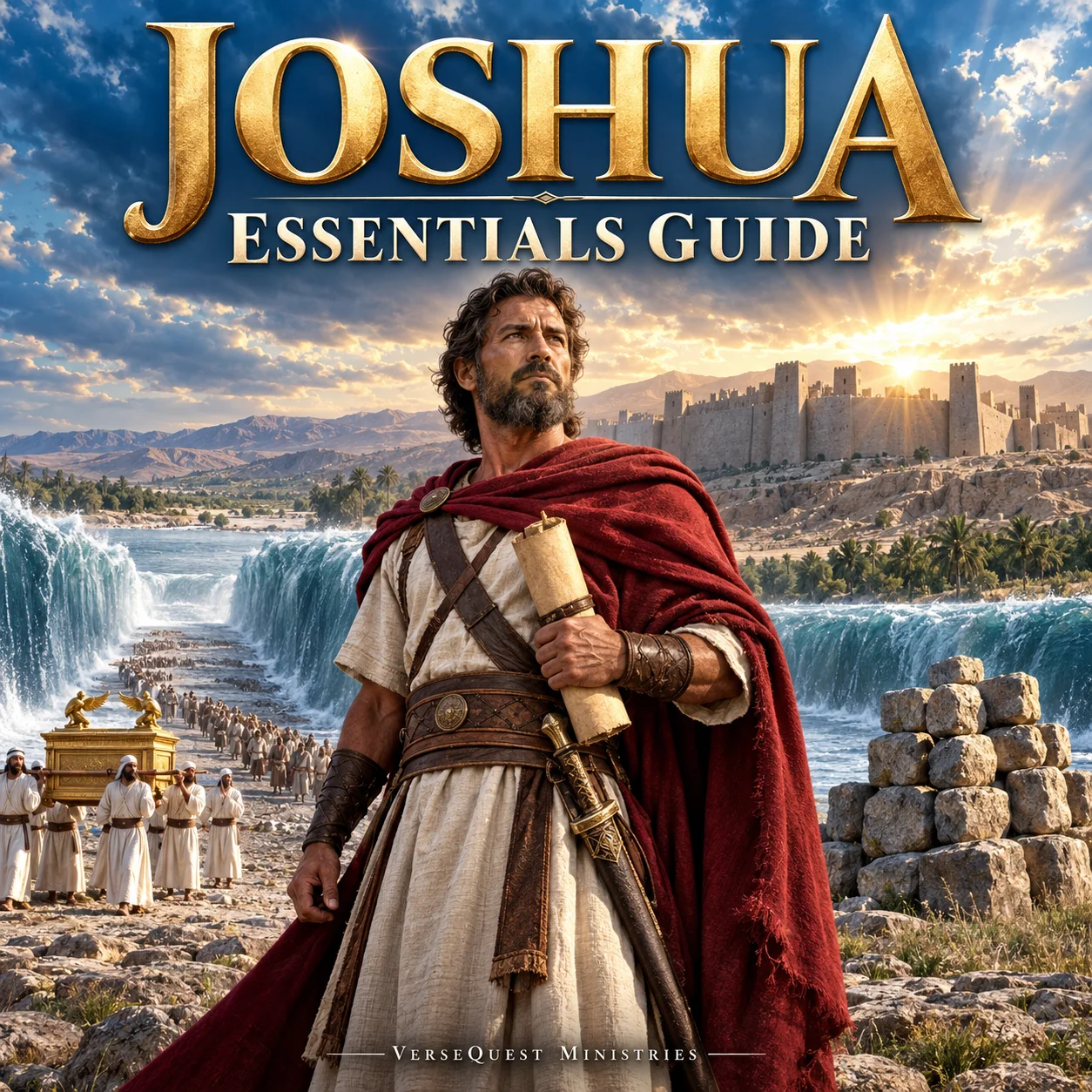
Joshua Essentials Guide: A Beginner’s KJV Guide to Courage, Conquest, Inheritance, and Covenant
The Joshua Essentials Guide is a 120-page downloadable and printable KJV study designed for beginners, growing Christians, Bible teachers, and anyone seeking a clear overview of Joshua without beginning with a large commentary.
Through 12 units and 96 focused lessons, readers will follow Joshua from his preparation under Moses through Jordan, Jericho, Ai, the conquest of Canaan, the division of the inheritance, and his final challenge to Israel. Complete King James Bible passages are printed within the guide, followed by clear explanations, essential truths, rightly divided distinctions, practical applications, review questions, and personal note space.
The guide also examines Joshua as a type of the Lord Jesus Christ—the greater Captain, Deliverer, and victorious King. It is a substantial yet accessible resource for personal study, discipleship, Sunday school, family reading, teaching, sermon preparation, and quick reference.
Downloadable and printable PDF — 120 pages — $14.99
$14.99
Description
The Joshua Essentials Guide is a 120-page downloadable and printable PDF study created to help readers understand the essential history, doctrine, practical instruction, and prophetic significance of the Book of Joshua. Written from a Bible-believing, King James Bible-centered perspective, this guide provides a substantial foundation without requiring the reader to begin with a large technical commentary.
Joshua records one of the greatest transitions in Israel’s history. Moses is dead, the wilderness journey is ending, Jordan stands before the nation, fortified cities occupy the land, and Joshua must lead the children of Israel into the inheritance promised to Abraham, Isaac, and Jacob. This guide follows that complete movement—from Joshua’s early preparation under Moses to the crossing of Jordan, the fall of Jericho, the defeat at Ai, the southern and northern campaigns, the division of the land, the altar of witness, and Joshua’s final covenant appeal at Shechem.
The guide is organized into 12 major units containing 96 focused lessons. Every lesson begins with the relevant King James Bible passage printed directly on the page, allowing readers to study without continually stopping to locate the verses elsewhere. Each passage is followed by a clear explanation of what is happening, the essential biblical truth, a practical point of application, a rightly divided doctrinal distinction, thought-provoking questions, writing space, and a memorable concluding statement.
Special attention is given to Joshua as a remarkable type of the Lord Jesus Christ. Joshua leads Israel where Moses could not take them, defeats opposing kings, brings the nation into its inheritance, and gives the people rest in the land. These historical events remain literal and belong to Israel, yet they also anticipate the greater Captain, Deliverer, and victorious King—the Lord Jesus Christ.
Readers will study courage under the authority of the written word, the necessity of holiness, the danger of hidden sin, the consequences of making decisions without seeking the Lord, the faith of Rahab, the memorial stones at Jordan, the divine Captain outside Jericho, the literal long day of Joshua, Caleb’s enduring faith, the division of the tribal inheritance, the cities of refuge, and Joshua’s final charge to choose whom Israel would serve.
The guide carefully preserves the distinction between Israel and the Church. Canaan is presented as Israel’s literal promised land rather than a replacement for Heaven or a possession transferred to the Church. Historical interpretation comes first, followed by legitimate doctrinal, prophetic, and practical applications. This approach allows beginners to learn the book clearly without confusing Israel’s national covenant, military commands, and territorial inheritance with the calling of the Church.
Additional features include introductory orientation pages, a Joshua timeline, a four-part book structure, key people and places, chapter maps for all 24 chapters, interpretive guidance, charts, summaries, review pages, teaching prompts, and ample space for personal notes. The result is a complete beginner-friendly resource that remains useful to experienced Bible students, pastors, teachers, preachers, families, and ministry leaders.
The Joshua Essentials Guide is ideal for personal Bible study, discipleship, Sunday school preparation, family reading, classroom instruction, sermon development, ministry training, and quick reference. It gives readers the essential framework they need to understand Joshua now while preparing them for deeper chapter-by-chapter, verse-by-verse, and doctrinal study later.
Courage under the written word — Joshua’s strength does not rest in self-confidence but in God’s presence and obedience to the Book. Promise brought into possession — The book moves from land promised to land entered, conquered, distributed, and occupied. Joshua as a type of Christ — Joshua leads Israel where Moses could not, defeats opposing kings, distributes the inheritance, and gives rest. Israel’s literal land inheritance — Canaan is a real geographical territory promised to the physical descendants of Abraham, Isaac, and Jacob. The distinction between Israel and the Church — Israel’s covenant, military commission, territorial inheritance, and national judgments must not be transferred carelessly to the Church. The ark and the presence of God — The ark goes before Israel at Jordan, demonstrating that God—not human strength—opens the way into the land. Memorials and spiritual remembrance — The stones at Jordan teach each generation to preserve and explain the mighty acts of God. Holiness before victory — Circumcision at Gilgal, the Passover, and the removal of sin from the camp demonstrate that spiritual preparation precedes conquest. Faith expressed through obedience — Jericho falls when Israel follows God’s appointed order, even though the method appears foolish to human wisdom. Mercy in the midst of judgment — Rahab’s deliverance demonstrates that faith can receive mercy even when judgment has been pronounced upon a city. Hidden sin and corporate consequences — Achan’s covetousness brings defeat upon the nation and trouble upon his household. Restoration after failure — Israel’s defeat at Ai is not the end once the sin is exposed, judged, and removed. The danger of prayerless decisions — Israel examines the Gibeonites’ provisions but fails to ask counsel of the LORD. The literal long day of Joshua — The sun and moon stand still at Joshua’s command while the LORD fights for Israel. Divine judgment upon Canaan — The conquest is presented as a specific judgment commanded by God, not as permission for modern religious warfare. Partial possession and tolerated enemies — Several tribes receive their inheritance but fail to remove every opposing inhabitant. Caleb’s enduring faith — Age and delay do not extinguish faith that continues resting upon a clear promise from God. Inheritance and responsibility — Receiving a portion does not eliminate the responsibility to possess, defend, cultivate, and remain faithful within it. Refuge, mercy, and lawful judgment — The cities of refuge balance protection, accountability, due process, and the value of innocent blood. Faithful promises and unfinished responsibility — God fulfills His word completely, yet Israel remains responsible to occupy what He has given. Investigation before accusation — The altar controversy teaches the importance of obtaining the facts before responding in anger. Covenant renewal and deliberate choice — Joshua closes the book by calling Israel to reject strange gods and serve the LORD in sincerity and truth. Finishing faithfully — Joshua begins as Moses’ minister and finishes as the servant of the LORD.
Central Argument: The Book of Joshua demonstrates that the LORD keeps His covenant promises, brings Israel into its literal inheritance, judges the nations of Canaan, and requires courageous obedience from His appointed servant and His covenant people.
Major Movement: Joshua progresses through four principal stages: entering the land, conquering the land, dividing the land, and renewing the covenant.
Joshua’s Preparation: Joshua does not suddenly appear as a national leader. He first serves under Moses, fights Amalek, remains near the tabernacle, spies out Canaan, rejects the evil report, and receives a public commission.
Source of Courage: Joshua is not told to manufacture confidence. He is told to be courageous because the LORD is with him and because he possesses the written word.
Historical Foundation: Jordan, Jericho, Ai, Gibeon, Hazor, Hebron, Shiloh, and Shechem are presented as real places within Israel’s historical entrance into Canaan.
Doctrinal Distinction: The conquest of Canaan belongs to Israel under direct divine command. It must not be used to justify modern religious conquest or to erase the distinction between Israel and the Church.
Canaan and Heaven: Canaan should not be treated as a simple picture of Heaven. Canaan contains battles, sin, enemies, incomplete obedience, and the possibility of defeat.
Typological Significance: Moses represents the law that cannot bring sinful flesh into the inheritance. Joshua pictures Jesus Christ leading His people where the law could not take them.
Rahab’s Faith: Rahab believes the report of God’s acts, confesses the LORD’s authority, protects the spies, obeys the instructions given, and brings her household into the appointed place of safety.
The Jordan Memorial: The twelve stones are not meaningless monuments. They are teaching instruments intended to make children ask questions and cause parents to explain what God has done.
Jericho’s Fall: The victory leaves no room for military boasting. Israel must trust and follow God’s appointed method completely.
Achan’s Sin: The progression is seeing, coveting, taking, and hiding. Secret sin eventually produces public consequences.
Ai and Restoration: Failure does not have to become final when sin is honestly confronted and God’s instructions are obeyed.
The Gibeonite Error: Israel evaluates visible evidence but fails to seek the LORD. The incident warns against decisions based entirely upon appearance, urgency, and human reasoning.
The Long Day: Joshua records that the sun and moon stood still. The miracle is presented plainly as a supernatural intervention by the God who created and governs the heavens and the earth.
Caleb’s Example: Caleb’s faith survives decades of delay. At eighty-five he still desires the difficult territory God promised him.
Incomplete Conquest: Receiving an inheritance is not identical to fully possessing it. Several tribes tolerate enemies who later become continuing problems.
The Cities of Refuge: These cities demonstrate the seriousness of bloodshed, the necessity of lawful judgment, and protection from premature vengeance.
The Altar of Witness: A potentially disastrous conflict is prevented when leaders investigate, listen, and establish the truth before attacking.
Joshua’s Final Appeal: The command to choose is not casual religious preference. Israel must reject strange gods and serve the LORD in sincerity and truth.
Memorable Teaching Point: God’s promises never fail, but possessing what He gives requires faith, courage, obedience, remembrance, and continued vigilance.
Subjects for Further Study: Joshua as a type of Christ; the Captain of the LORD’s host; the scarlet line; Gilgal; the ark at Jordan; the curse upon Jericho; Mount Ebal and Mount Gerizim; the cities of refuge; the tribal inheritances; the altar of witness; Shechem; and the three burials closing the book.
Personal Bible Study: Readers can work through one lesson at a time, beginning with the complete KJV passage and recording observations, questions, applications, and memorable truths in the provided note sections.
New-Believer Discipleship: The clear explanations and rightly divided distinctions help new Christians understand Joshua without confusing Israel’s national calling with the Church.
Sunday School Lessons: The 96 focused lessons can be adapted into individual classes or combined into larger teaching units on leadership, faith, obedience, conquest, inheritance, and covenant faithfulness.
Sermon Preparation: Pastors and preachers can use the historical summaries, essential truths, doctrinal distinctions, and practical teaching points as foundations for sermons and Bible messages.
Small Groups: The thought-provoking questions provide natural starting points for group discussion while the printed Scripture keeps every discussion anchored in the King James Bible.
Family Study: Families can read the Scripture together, explain the historical event, discuss the essential truth, and use the note questions to involve older children and teenagers.
Classroom Instruction: The timelines, chapter maps, people and places, book structure, and review sections provide a ready framework for Bible institutes, Christian schools, homeschool instruction, and church-based classes.
Ministry Training: The guide demonstrates how to interpret historical passages carefully, preserve Israel’s proper place, recognize legitimate types, and draw sound applications without erasing doctrinal distinctions.
Topical Teaching: Individual lessons can support studies on courage, leadership, Rahab, memorials, hidden sin, prayerless decisions, biblical warfare, inheritance, refuge, covenant, and faithful service.
Quick Reference: The chapter maps, timeline, summaries, and focused lesson titles allow readers to locate major events and teachings without searching through a lengthy technical commentary.
A King James Bible for reading the complete Book of Joshua in its continuous biblical setting.
A KJV concordance for tracing key words such as courage, land, inheritance, rest, serve, witness, ark, and covenant.
A Bible dictionary for studying ancient locations, tribal names, military terms, cities of refuge, the ark of the covenant, and Israel’s national structure.
A cross-reference Bible for connecting Joshua with the Pentateuch, Judges, Psalms, the Prophets, the Gospels, Acts, Hebrews, and James.
A Bible atlas containing maps of the Jordan crossing, central campaign, southern campaign, northern campaign, and tribal allotments.
A chronological timeline showing Joshua’s earlier service under Moses, the wilderness period, the conquest, the division of the land, and the covenant renewal at Shechem.
The Numbers Essentials Guide for the spies, Joshua and Caleb, the wilderness generation, and Joshua’s public appointment.
The Deuteronomy Essentials Guide for Moses’ final instructions, covenant warnings, land promises, and Joshua’s commission.
The Dispensational Truth Essentials Guide for understanding the distinction between Israel and the Church and preserving the proper setting of Israel’s promises.
The Genesis Essentials Guide for the Abrahamic promises and the origin of Israel’s claim to the land.
The Exodus Essentials Guide for Israel’s redemption from Egypt, the Passover, the law, the tabernacle, and Joshua’s early service under Moses.
Reference works by Peter S. Ruckman, C. I. Scofield, E. W. Bullinger, and Jamieson-Fausset-Brown for readers prepared to compare more extensive commentary and cross-reference material.
Related products
-
Christian Growth
-
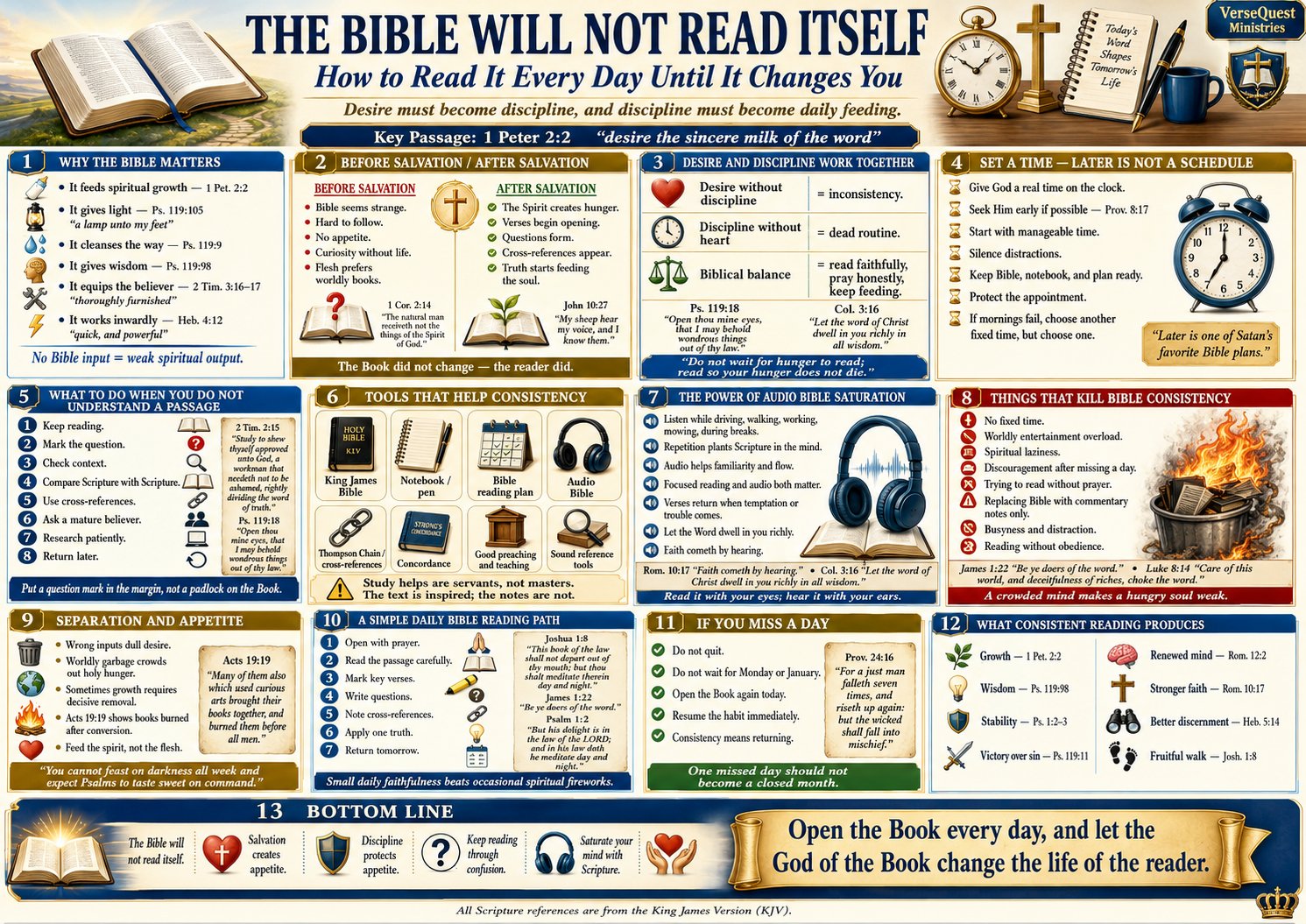
- The Bible Will Not Read Itself – How to Read the Bible Every Day Bible Study Chart (KJV)
- Build a consistent daily Bible reading habit with this detailed KJV Bible study chart. Learn practical steps for reading Scripture faithfully, overcoming inconsistency, understanding difficult passages, and growing spiritually through…
- $3.99
- Add to cart
-
-
Study Workbook of Daniel
-
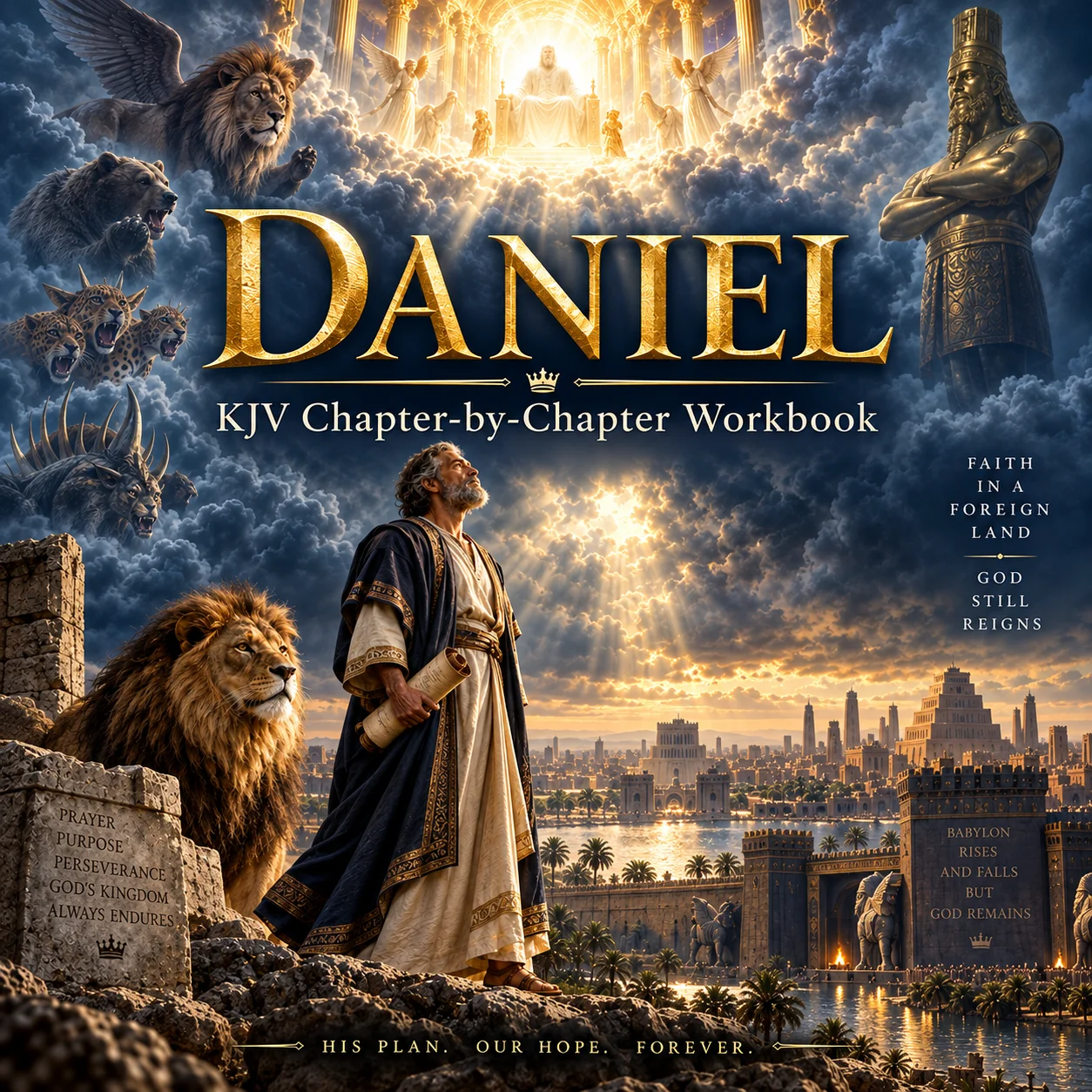
- Daniel KJV Chapter-by-Chapter Workbook
- The Daniel KJV Chapter-by-Chapter Workbook is a complete 225-page downloadable PDF study covering all 12 chapters of Daniel from a King James Bible, rightly divided perspective. Study Daniel’s captivity in…
- $21.99
- Add to cart
-
-
KJV Bible Study Resources
-
-60%

- Practical Christianity for Daily Battles – 329-Page KJV Study PDF
- A premium 329-page KJV study PDF with 40 full essays applying sound, rightly divided Bible doctrine to real daily Christian battles. Topics include temptation, anxiety, marriage, parenting, pornography, grief, church…
- Original price was: $24.99.$9.99Current price is: $9.99.
- Add to cart
-
-60%
-
Biblical Courage
-
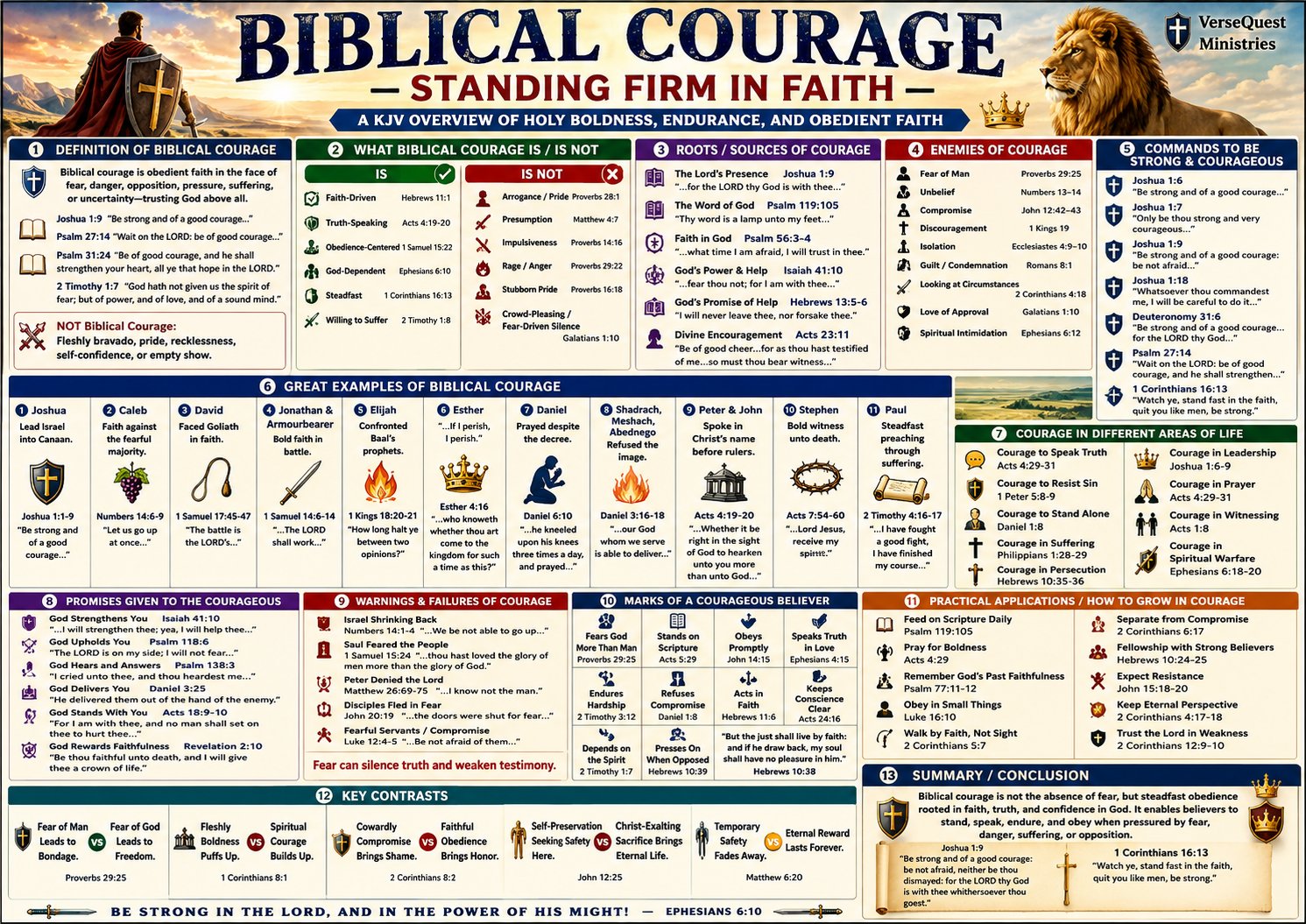
- Biblical Courage Bible Study Chart – Standing Firm in Faith, Holy Boldness, and Obedient Endurance (KJV)
- Stand firm in faith with this detailed KJV Bible study chart covering biblical courage, holy boldness, fear, endurance, obedient faith, spiritual warfare, persecution, and courageous Bible examples.
- $3.99
- Add to cart
-
-
Jude Bible Study
-
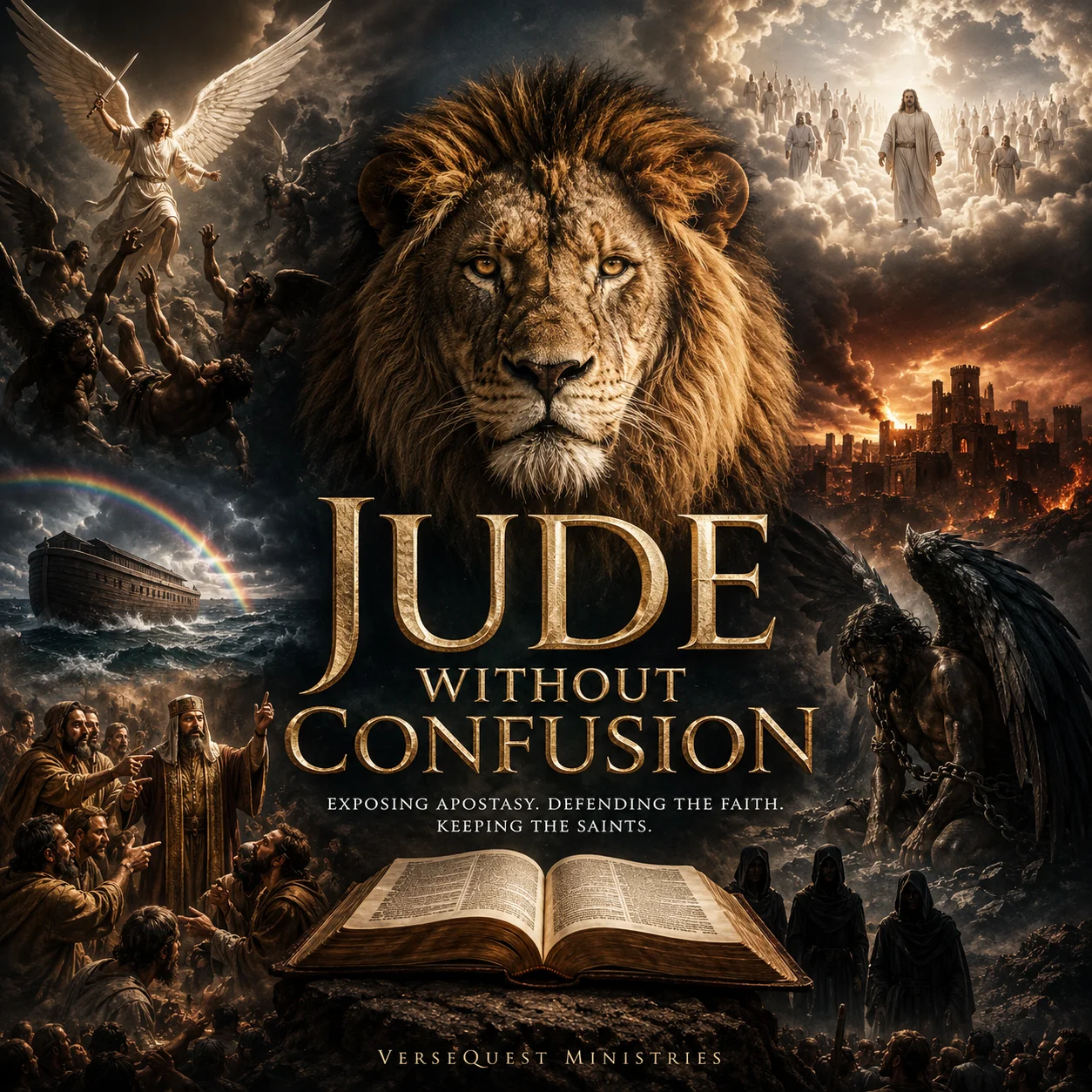
- Jude Without Confusion: Exposing Apostasy, Defending the Faith, and Keeping the Saints
- Jude Without Confusion is a 333-page, verse-centered study exposing apostasy, false teachers, fallen angels, spiritual rebellion, the prophecy of Enoch, and the believer’s responsibility to contend for the faith. Written…
- $9.99
- Add to cart
-