
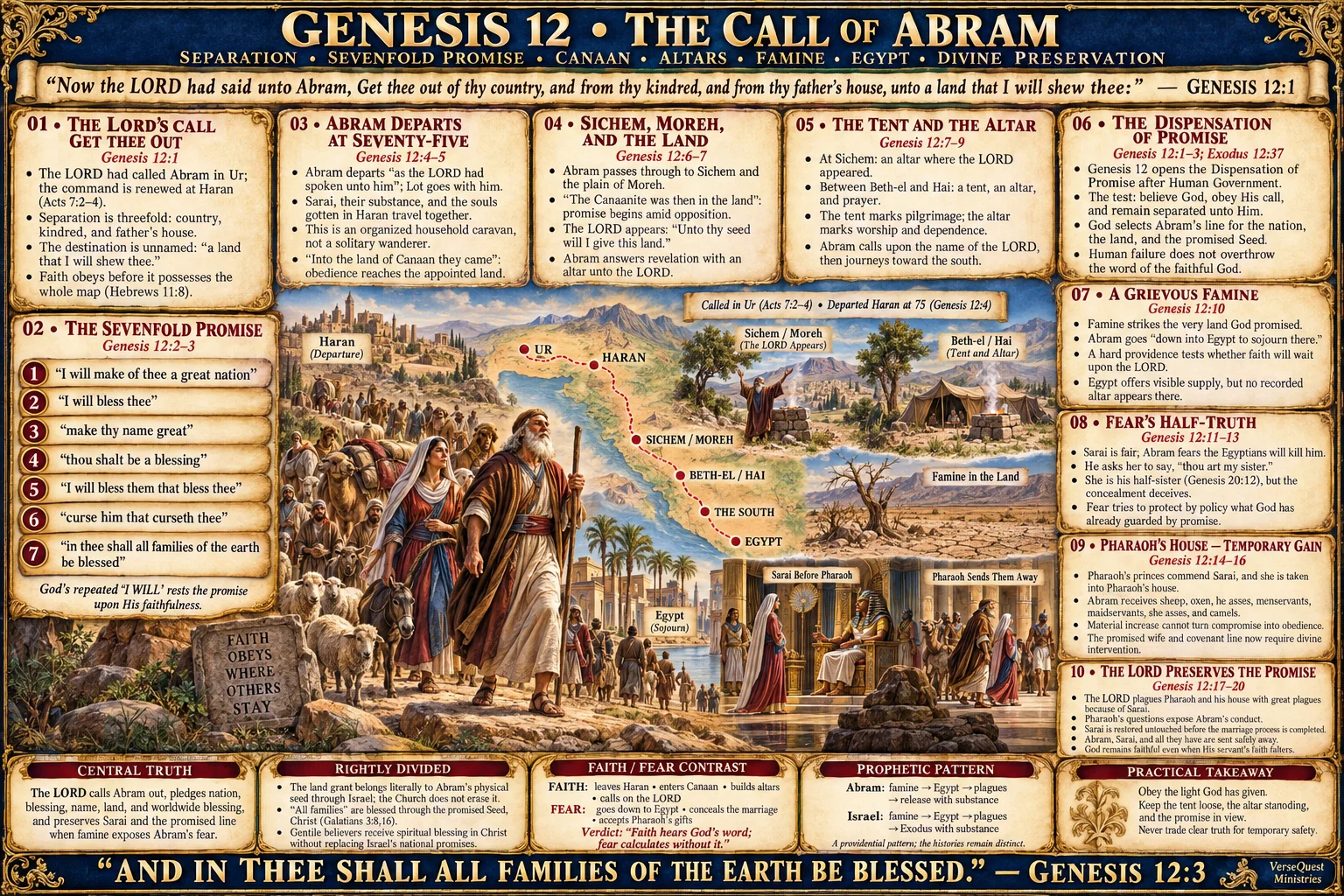
Genesis 12 – The Call of Abram: Separation, the Sevenfold Promise, Canaan, Altars, Egypt, and Divine Preservation (KJV Bible Study Chart)
Explore Genesis 12 with this detailed KJV Bible study chart tracing the call of Abram from Haran into Canaan, the sevenfold promise of Genesis 12:2–3, the land promise, Abram’s altars and pilgrim life, the famine, the journey into Egypt, Sarai before Pharaoh, and God’s preservation of the promised line. The chart also explains the beginning of the Dispensation of Promise, the distinction between Israel’s national promises and Gentile spiritual blessing through Christ, and the contrast between faith and fear in Abram’s life. Ideal for personal study, Sunday school, homeschool, Bible institutes, sermon preparation, covenant studies, and dispensational teaching, this chart provides a clear visual overview of one of Scripture’s most important transitional chapters.
$4.99
Description
Genesis 12: The Call of Abram is a detailed KJV Bible study chart tracing one of the greatest turning points in Scripture: God’s call of Abram out from his country, kindred, and father’s house into the land that He would show him. After the scattering of the nations at Babel, the biblical narrative narrows to one man through whom God begins a covenant programme involving a nation, a land, a promised Seed, and worldwide blessing.
The chapter opens with the LORD’s command, “Get thee out of thy country, and from thy kindred, and from thy father’s house.” Acts 7 explains that God had appeared to Abram in Mesopotamia before he dwelt in Charran, while Genesis 12 records the renewed call and Abram’s departure from Haran at seventy-five years of age. His obedience demonstrates faith moving before possession. Hebrews 11 later explains that Abram went out “not knowing whither he went.”
Genesis 12:2–3 contains the chart’s sevenfold promise: God will make Abram a great nation, bless him, make his name great, make him a blessing, bless those who bless him, curse the one who curses him, and bless all families of the earth through him. These promises become foundational to the remainder of biblical history. They concern Abram’s physical descendants, the land, the coming Seed, and worldwide blessing ultimately connected with Christ.
Abram enters Canaan, passes through Sichem and the plain of Moreh, and receives the LORD’s promise, “Unto thy seed will I give this land.” His response is worship. He builds an altar, later pitches his tent between Beth-el and Hai, builds another altar, and calls upon the name of the LORD. The tent marks his pilgrim character; the altar marks dependence upon God.
The chapter then records a grievous famine. Abram goes down into Egypt, where fear begins to govern decisions that faith had previously governed. He asks Sarai to say she is his sister. Genesis 20:12 later reveals that this statement contained truth, but the concealment of their marriage relationship makes it deceptive. Temporary material advantage follows, but so does danger to the promised line.
God intervenes by plaguing Pharaoh’s house because of Sarai. The preservation of the promise does not depend upon Abram’s flawless behavior but upon God’s faithfulness. Pharaoh returns Sarai and sends Abram away with his household and possessions.
Genesis 12 therefore introduces themes that will dominate the patriarchal narrative: separation, faith, promise, land, worship, failure, grace, and divine preservation. The chapter also establishes an essential rightly divided distinction: the land grant belongs to Abram’s physical seed, while Gentile believers receive spiritual blessing through Christ without erasing Israel’s national promises. Genesis 12 begins the great covenant road that leads from Abram to Israel and ultimately to the promised Seed.
Genesis 12, call of Abram, Abrahamic promise, sevenfold promise, separation, faith and obedience, land of Canaan, Sichem, Moreh, Beth-el, Hai, tent and altar, Abram’s worship, famine in Canaan, Abram in Egypt, Sarai and Pharaoh, faith versus fear, divine preservation, promised Seed, Abrahamic covenant, Dispensation of Promise, land promise, Israel’s promises, blessing to the nations
Genesis 12 marks a major shift in the biblical narrative. Genesis 1–11 deals broadly with mankind, creation, the Fall, the Flood, and the nations. Beginning with Abram, Scripture narrows its focus to the family through which God will form Israel and eventually bring the promised Seed. Acts 7:2–4 explains that God originally appeared to Abram in Mesopotamia before he lived in Haran. Genesis 12 records the call as Abram leaves Haran at seventy-five years of age and enters Canaan.
The command requires separation from country, kindred, and father’s house. Abram must move on the basis of God’s Word before possessing the land or knowing every detail of the route. Hebrews 11:8 interprets this as faith: he obeyed and went out “not knowing whither he went.” Faith does not require possession of the whole map before obeying the light God has already given.
Genesis 12:2–3 contains the traditional sevenfold promise. God promises a great nation, personal blessing, a great name, usefulness as a blessing, blessing upon Abram’s friends, judgment upon his enemies, and worldwide blessing through him. These promises become foundational to the Abrahamic covenant developed more fully in Genesis 15 and 17. The land, nation, and physical seed should not be spiritualized away. Galatians 3 also identifies Christ as the ultimate promised Seed through whom blessing reaches the Gentiles.
When Abram reaches Sichem and the plain of Moreh, the LORD appears and says, “Unto thy seed will I give this land.” The land promise is therefore attached to Abram’s descendants. Abram responds by building an altar. He later pitches his tent between Beth-el and Hai, builds another altar, and calls upon the LORD. The tent and altar provide a fitting picture of pilgrimage and worship: Abram lives as a stranger while depending upon God’s promise.
A famine then tests Abram. Rather than remaining in the land, he goes down into Egypt. Genesis does not record a direct command from God authorizing that move. Fear soon affects his conduct, and he asks Sarai to identify herself as his sister. Genesis 20:12 later reveals that she was indeed his half-sister, but the concealment of their marriage made the statement a dangerous half-truth.
Pharaoh takes Sarai into his house, and Abram temporarily receives material benefits. Yet material gain does not prove spiritual approval. The promised line is placed in danger, and the LORD intervenes with plagues upon Pharaoh’s household. God preserves Sarai and the covenant line despite Abram’s failure.
Within a dispensational framework, Genesis 12 begins the stewardship commonly called the Dispensation of Promise. The patriarchs live under promises given to Abram and his seed. If marking its transition into the Mosaic economy, Sinai in Exodus 19–20 provides the clearest boundary. Genesis 12 therefore establishes the great themes of promise, faith, land, seed, blessing, human failure, and God’s unwavering faithfulness.
Genesis 12 is useful for teaching faith, separation, obedience, pilgrimage, worship, divine promises, and the danger of allowing fear to replace confidence in God’s Word. It also provides foundational material for studying the Abrahamic covenant, Israel’s land promises, the promised Seed, and the distinction between Israel’s national inheritance and the spiritual blessings Gentile believers receive through Christ. The chart is well suited for personal Bible study, family devotions, homeschool instruction, Sunday school, Bible institutes, sermon preparation, covenant studies, dispensational teaching, and Old Testament survey courses.
King James Bible, Strong’s Concordance, Thompson Chain-Reference Bible, Treasury of Scripture Knowledge, Nave’s Topical Bible, Genesis 11–17 study notes, Abrahamic covenant charts, patriarchal timelines, Bible maps of Ur Haran and Canaan, land-promise studies, Hebrews 11 faith studies, Romans 4 Abraham studies, Galatians 3 promise-and-Seed studies, Acts 7 Abraham chronology, Israel covenant comparison charts, dispensational timelines, VerseQuest Genesis charts
Related products
-
Prayer
-
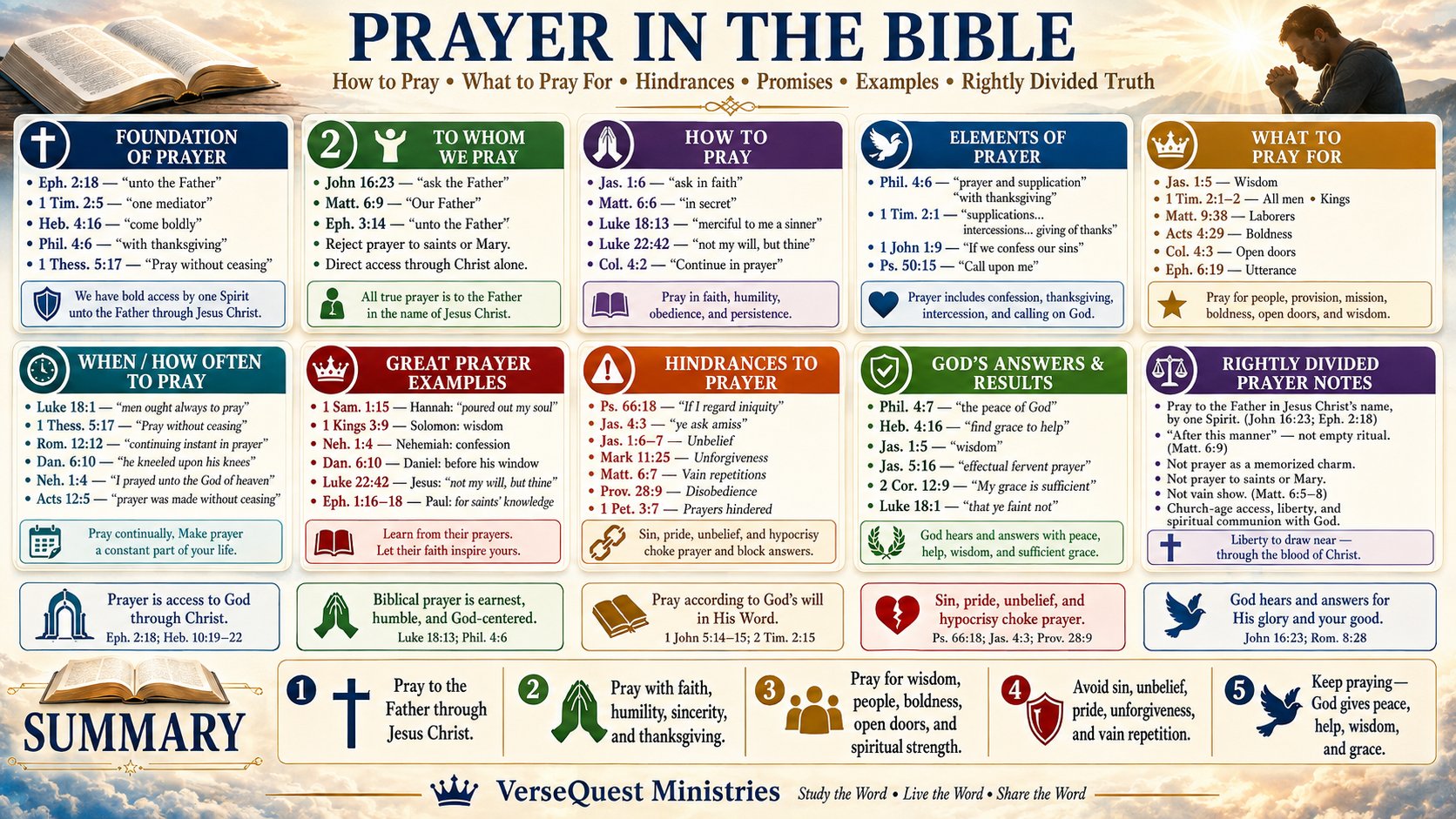
- Prayer in the Bible Chart – How to Pray According to Scripture
- Discover what the Bible teaches about prayer through this easy-to-follow VerseQuest study chart. Learn who to pray to, how to pray, what hinders prayer, what to pray for, and key…
- $4.99
- Add to cart
-
-
Abassadors For Christ
-
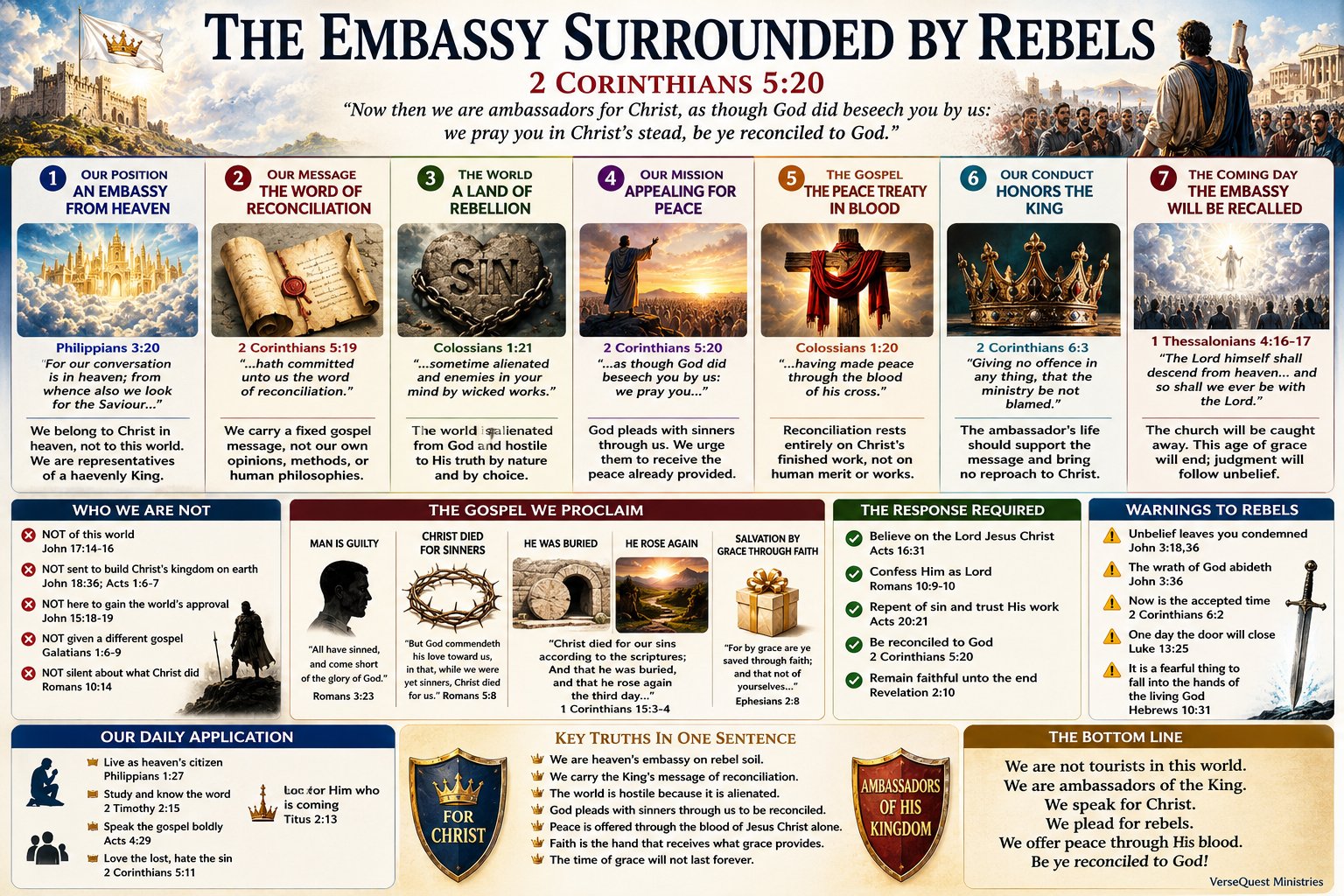
- The Embassy Surrounded by Rebels Bible Study Chart – Ambassadors for Christ and the Ministry of Reconciliation (KJV)
- Understand the Christian’s mission with this detailed KJV chart covering ambassadors for Christ, heavenly citizenship, the gospel of reconciliation, faithful conduct, evangelism, and the coming Rapture.
- $3.99
- Add to cart
-
-
The Gospel of the Kingdom
-
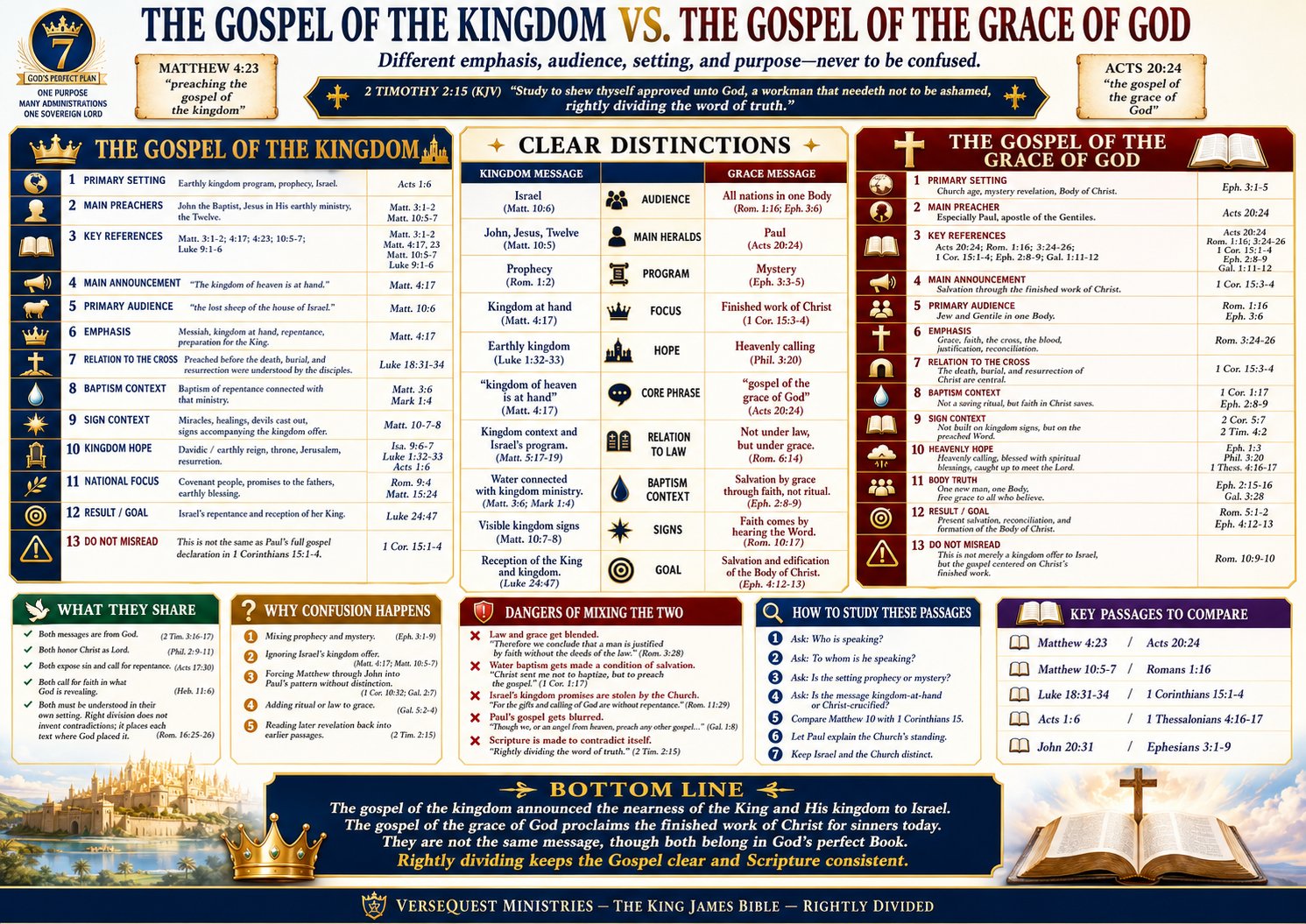
- The Gospel of the Kingdom vs. the Gospel of the Grace of God – KJV Right Division Bible Study Chart
- Compare the gospel of the kingdom and the gospel of the grace of God with this detailed KJV chart covering audience, message, prophecy, mystery, baptism, signs, salvation, and right division.
- $3.99
- Add to cart
-
-
Heavenly Program
-
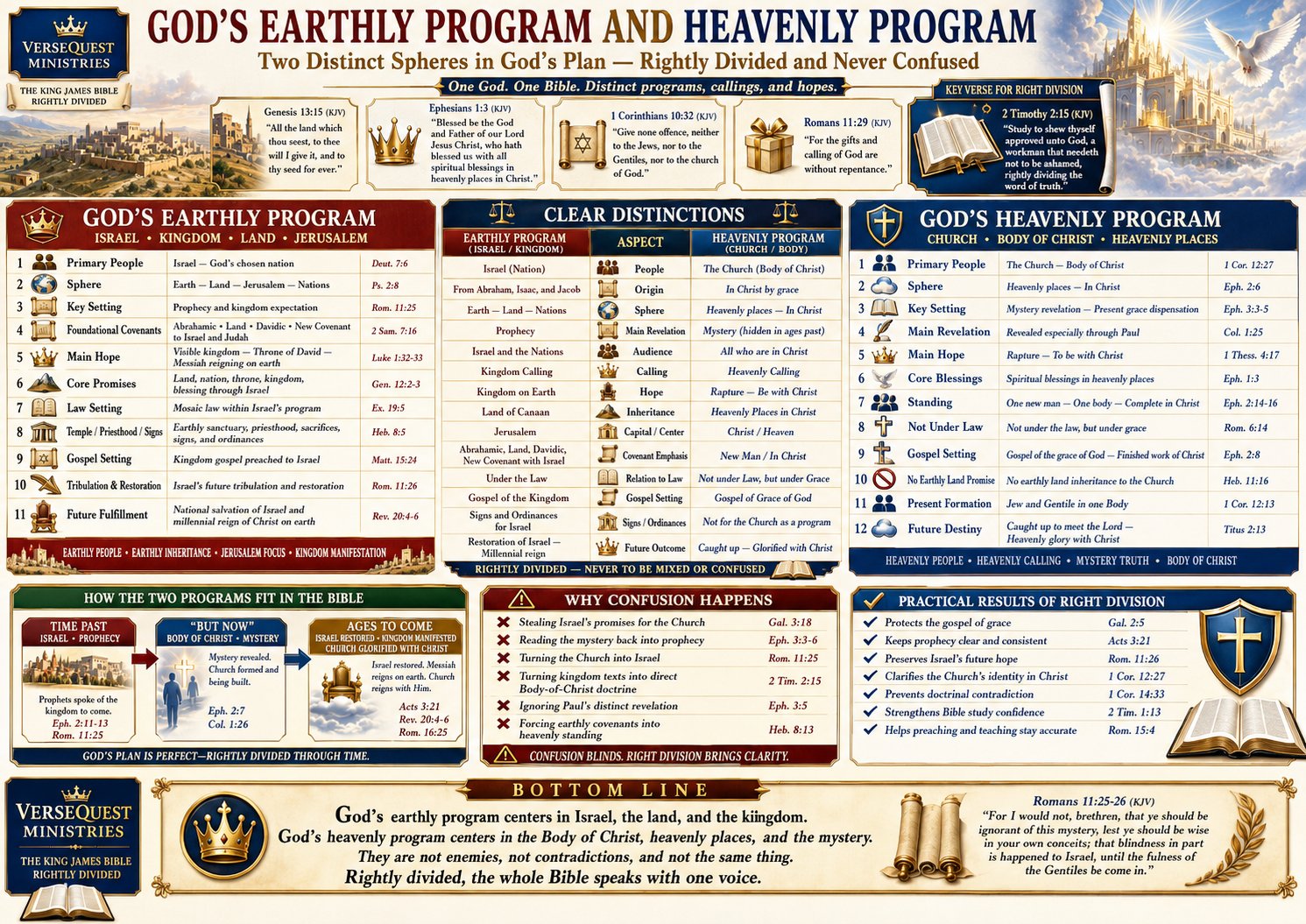
- Israel and the Church: Earthly and Heavenly Callings – KJV Bible Study Chart
- Printable digital KJV Bible study chart comparing Israel’s earthly promises and kingdom hope with the Church’s heavenly calling in Christ. Covers prophecy and mystery, biblical covenants, law and grace, the…
- $3.99
- Add to cart
-
-
Hath God Said
-
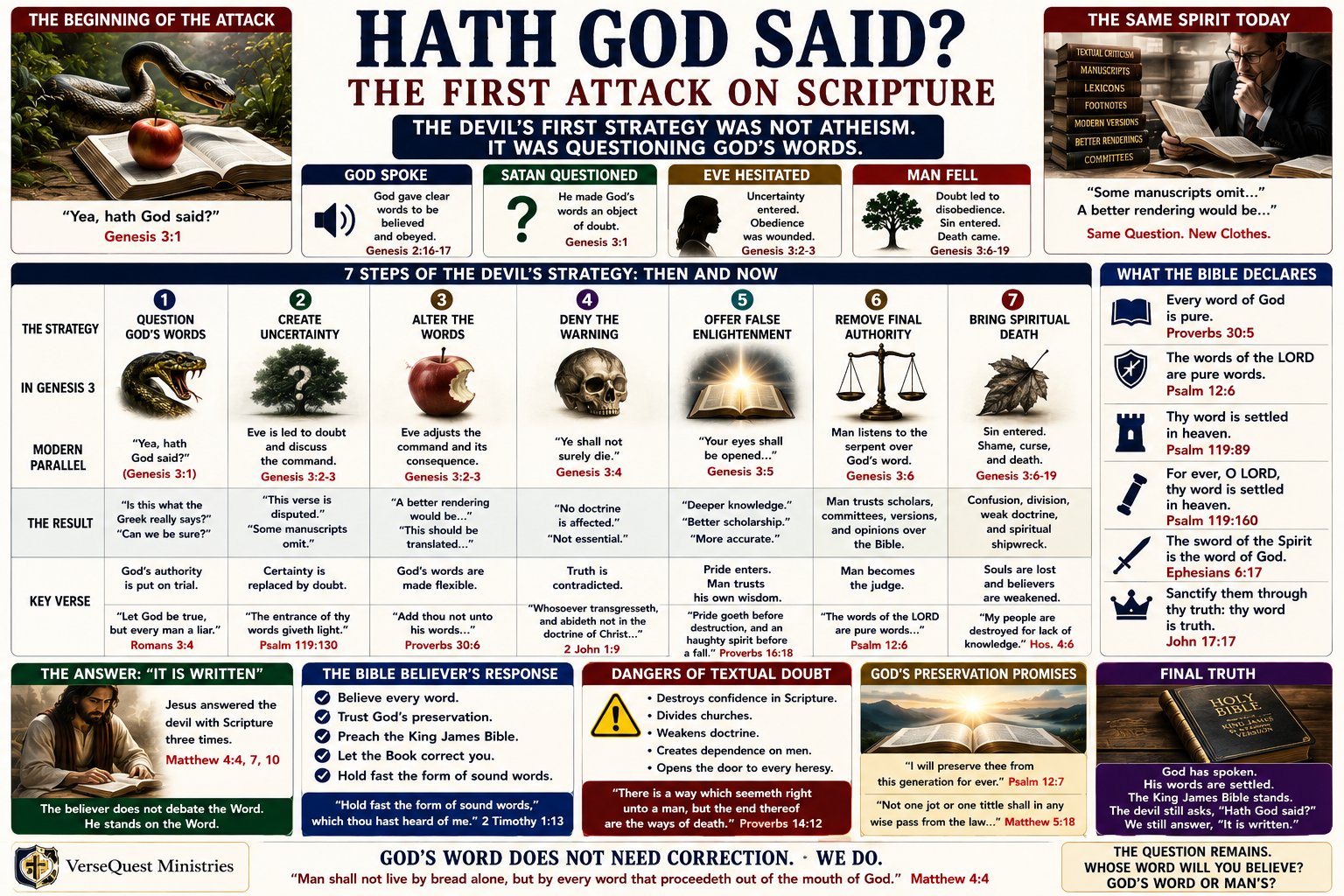
- Hath God Said? Bible Study Chart – The First Attack on Scripture, Textual Doubt, and KJV Preservation
- Trace Satan’s first attack on Scripture with this detailed KJV Bible study chart covering Genesis 3:1, textual doubt, altered words, false enlightenment, Bible preservation, and final authority.
- $3.99
- Add to cart
-