Topic: rightly divided Bible study
-
November 18, 2026
Speaker: Paul Tackett
Topic: Acts 16 sermon outline, Acts 16:25, Acts 16:31, baptism and salvation, Believe on the Lord Jesus Christ, biblical Christian testimony, Christian Perseverance, faithful witness during persecution, KJV Sermon Outline, Lydia of Philippi, midnight prayer and praise, Paul and Silas in prison, Philippian jailer salvation, praising God during suffering, Praising God in the Night Season, prison earthquake miracle, rightly divided Bible study, salvation by grace through faith, singing praises in adversity, spirit of divination
Book: Acts
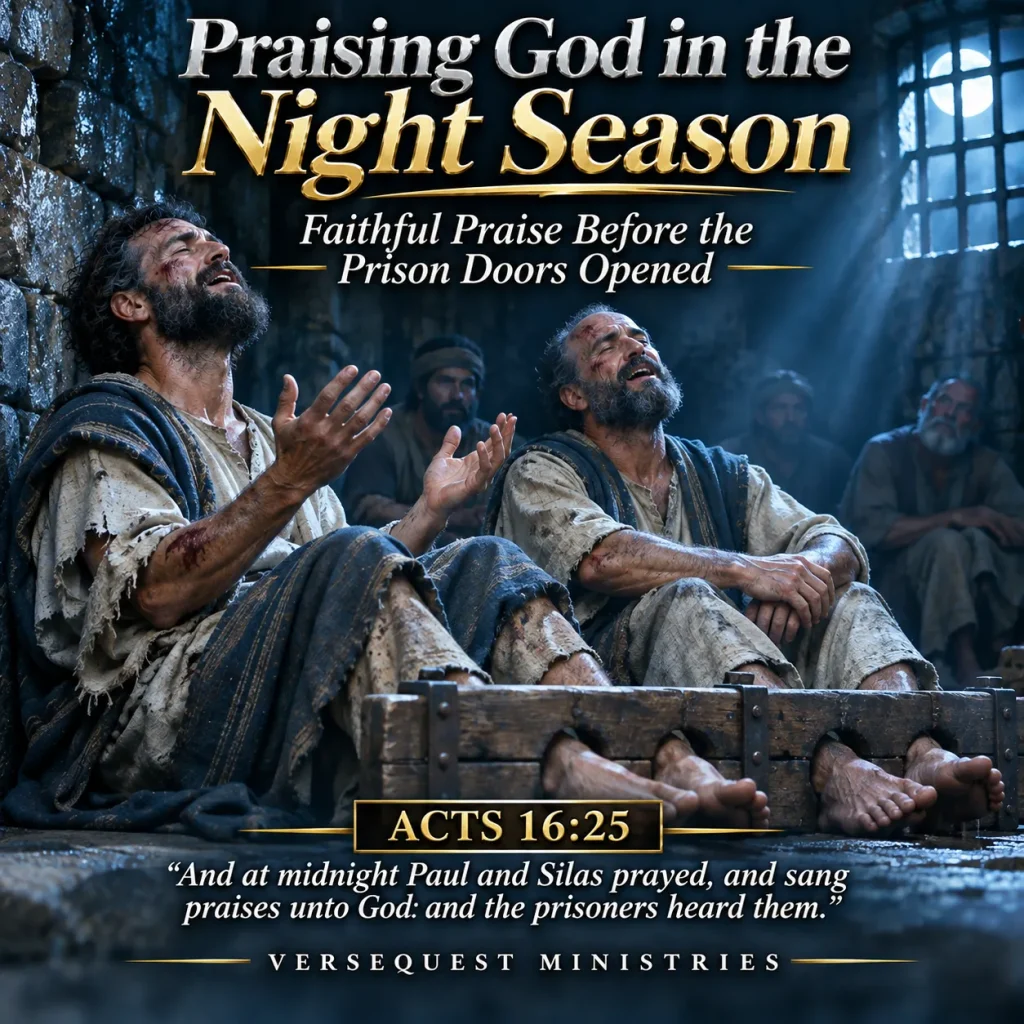
This detailed sermon outline examines Acts 16:25 and the extraordinary testimony of the Apostle Paul and Silas, “And at midnight Paul and Silas prayed, and sang praises unto God: and the prisoners heard them,” revealing the believer’s responsibility to remain faithful in prayer, praise, and Christian testimony even when suffering, persecution, and difficult earthly circumstances have not been removed. The message carefully establishes the historical and doctrinal setting of Acts 16, beginning with Paul’s Macedonian call, the missionaries’ arrival in Philippi, the conversion of Lydia, and the deliverance of a young woman possessed with a spirit of divination whose masters had profited financially from her bondage. Special attention is given to the violent opposition that followed when the woman’s masters discovered their financial gain had disappeared, resulting in Paul and Silas being publicly beaten, imprisoned without proper proceedings, and placed in the inner prison with their feet fastened in stocks. The sermon examines the significance of the midnight hour, the physical suffering endured by the missionaries, and the remarkable fact that they prayed and sang praises unto God before any miraculous deliverance had occurred. It explores why genuine biblical praise must be grounded in the unchanging worthiness of Jesus Christ rather than favorable circumstances, immediate answers to prayer, or the promise that every earthly difficulty will disappear. Drawing upon Acts 16:25–40, Romans 8, 2 Corinthians 4 and 12, Philippians 1 and 4, Colossians 3, and other supporting passages, the outline examines the relationship between prayer, thanksgiving, spiritual perseverance, Christian suffering, and the sufficiency of divine grace. Particular emphasis is placed upon the statement “and the prisoners heard them,” demonstrating how faithful conduct during adversity can become a powerful testimony before people who might otherwise never hear the gospel. The message also examines the miraculous earthquake that shook the prison, opened its doors, and loosed the prisoners’ bands, carefully distinguishing this extraordinary apostolic event from the false teaching that sufficient prayer or praise guarantees immediate deliverance from every illness, persecution, financial hardship, or personal difficulty. The sermon follows the Philippian jailer’s response to the earthquake, Paul’s urgent intervention when the jailer prepared to take his own life, and the jailer’s life-changing question, “Sirs, what must I do to be saved?” Special consideration is given to the apostolic answer, “Believe on the Lord Jesus Christ, and thou shalt be saved, and thy house,” explaining salvation by grace through faith, the necessity of personally believing the gospel, and why baptism and the faith of another household member cannot substitute for an individual’s trust in Jesus Christ. The outline further examines Paul’s assertion of his Roman citizenship, the magistrates’ improper treatment of the missionaries, and why faithful Christian endurance does not require surrendering legitimate legal protections or pretending that injustice is righteous. Finally, the message considers Paul and Silas returning to Lydia’s house to comfort the brethren, demonstrating why faithful service must continue after extraordinary circumstances have passed. Preachers, pastors, teachers, and Bible students will gain a comprehensive, KJV-based, rightly divided, sermon-ready framework for teaching praise during suffering, midnight prayer, Christian perseverance, apostolic miracles, the Philippian jailer’s salvation, biblical faith, the witness of faithful believers, and the importance of glorifying Jesus Christ before, during, and after life’s darkest seasons.
-
November 17, 2026
Series: John 4:24, Worship in Spirit and in Truth
Speaker: Paul Tackett
Topic: biblical worship, false worship and idolatry, God is a Spirit, Jacob's well, Jesus and the Samaritan woman, Jesus Christ the Messiah, John 4 sermon outline, John 4:24, KJV Sermon Outline, religious hypocrisy, rightly divided Bible study, salvation is of the Jews, Samaritan worship and Mount Gerizim, sincerity and truth in worship, spiritual worship, the Father seeks true worshipers, worship according to Scripture, worship at Jerusalem, Worship in Spirit and in Truth, worship under grace
Book: John
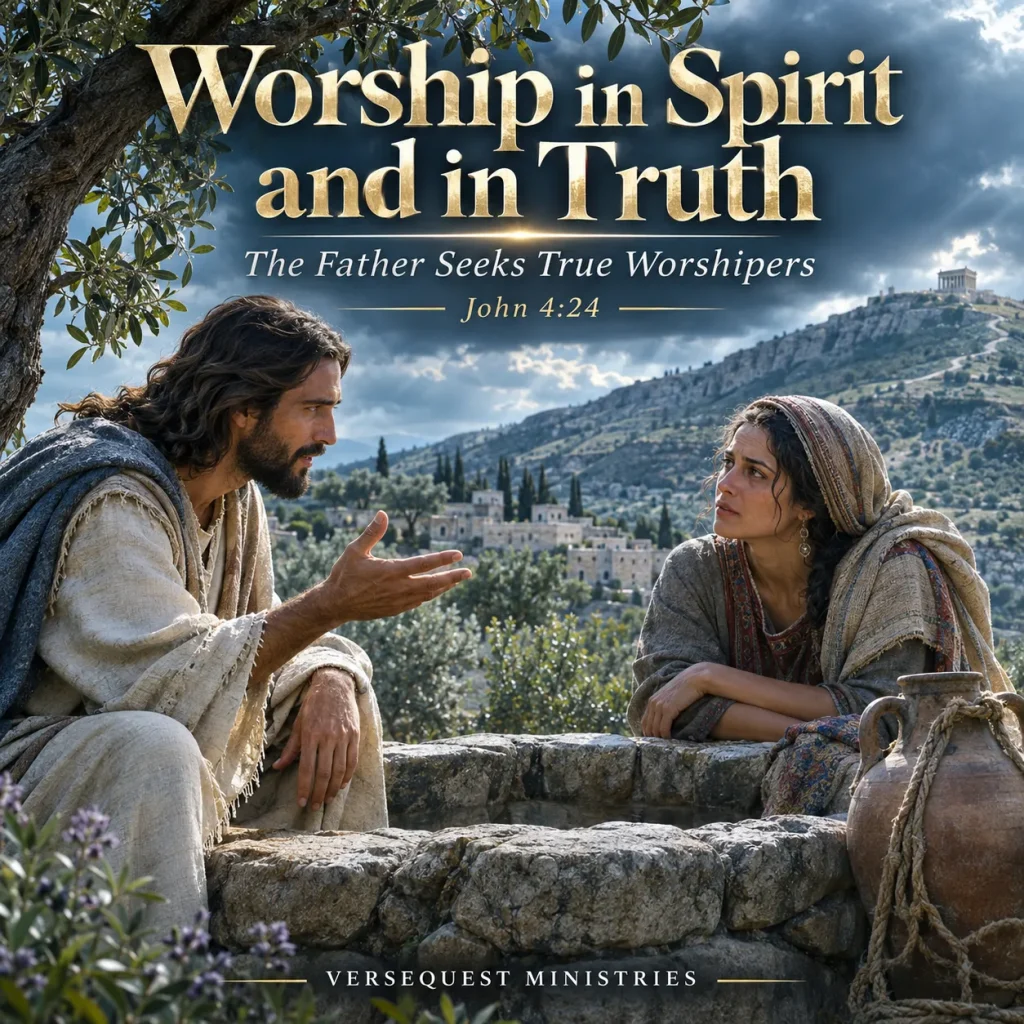
This detailed sermon outline examines John 4:24 and the Lord Jesus Christ’s declaration, “God is a Spirit: and they that worship him must worship him in spirit and in truth,” revealing the essential difference between genuine biblical worship and religious activity governed by human traditions, emotional experiences, outward ceremonies, or personal preferences. The message carefully establishes the historical and doctrinal setting of John 4:1–42, where Jesus Christ encounters the Samaritan woman at Jacob’s well and directs her attention from physical water and inherited religious customs toward the living water He provides and the spiritual truth concerning acceptable worship. Special attention is given to the longstanding disagreement between Jewish and Samaritan worship, the significance of Mount Gerizim and Jerusalem, and why Christ declared that the coming hour would change the question of worship from disputes over sacred locations to the necessity of worshiping the Father in spirit and in truth. The sermon examines the expressions “Ye worship ye know not what,” “salvation is of the Jews,” “the Father seeketh such to worship him,” and “God is a Spirit,” explaining why sincerity alone cannot make false doctrine acceptable and why correct religious terminology cannot excuse hypocrisy, spiritual pride, or a heart that remains far from God. Drawing upon John 4, Matthew 15, Romans 12, Philippians 3, Ephesians 2, Colossians 3, and other supporting passages, the outline explores the nature of God, the deity and Messiahship of Jesus Christ, the historical distinction between Israel and the Church, and the believer’s access to the Father through Jesus Christ by the Holy Spirit. It explains why true worship cannot be confined to a church building, religious ceremony, musical performance, emotional atmosphere, or inherited tradition, while emphasizing the necessity of genuine spiritual devotion governed by the authority of Scripture. The message also confronts the dangers of idolatry, religious entertainment, man-centered worship, false teaching, and the tendency to mistake outward solemnity or emotional excitement for genuine spirituality. Particular emphasis is placed upon the importance of rightly dividing the word of truth, recognizing salvation by grace through faith in the finished work of Jesus Christ, and understanding how Christian worship should be expressed through reverent prayer, scripturally sound praise, thanksgiving, holiness, spiritual discernment, and faithful obedience. The sermon concludes by examining the Samaritan woman’s testimony concerning the Messiah and the response of those who heard Jesus Christ for themselves, demonstrating why genuine worship and faithful Christian witness must direct attention toward the Saviour rather than the personality or reputation of the worshiper. Preachers, pastors, teachers, and Bible students will gain a comprehensive, KJV-based, rightly divided, sermon-ready framework for teaching worship in spirit and truth, the Samaritan woman at the well, the nature of God, the importance of sound doctrine, the dangers of religious hypocrisy, spiritual sincerity, and the Christian’s responsibility to glorify the Father through Jesus Christ according to His revealed word.
-
November 11, 2026
Series: Hebrews 7:25, The Intercession of Christ
Speaker: Paul Tackett
Topic: access to God through Christ, Christ our eternal High Priest, Christ's heavenly intercession, Christ's intercession for believers, eternal security of the believer, finished work of Jesus Christ, Hebrews 7 sermon outline, Hebrews 7:25, Jesus Christ our Advocate, Jesus Christ our Mediator, Jesus saves to the uttermost, KJV Sermon Outline, Melchisedec priesthood, Once for All Sacrifice, Resurrection of Jesus Christ, rightly divided Bible study, Romans 8:34, salvation by grace through faith, The Intercession of Christ, unchangeable priesthood of Christ
Book: Hebrews
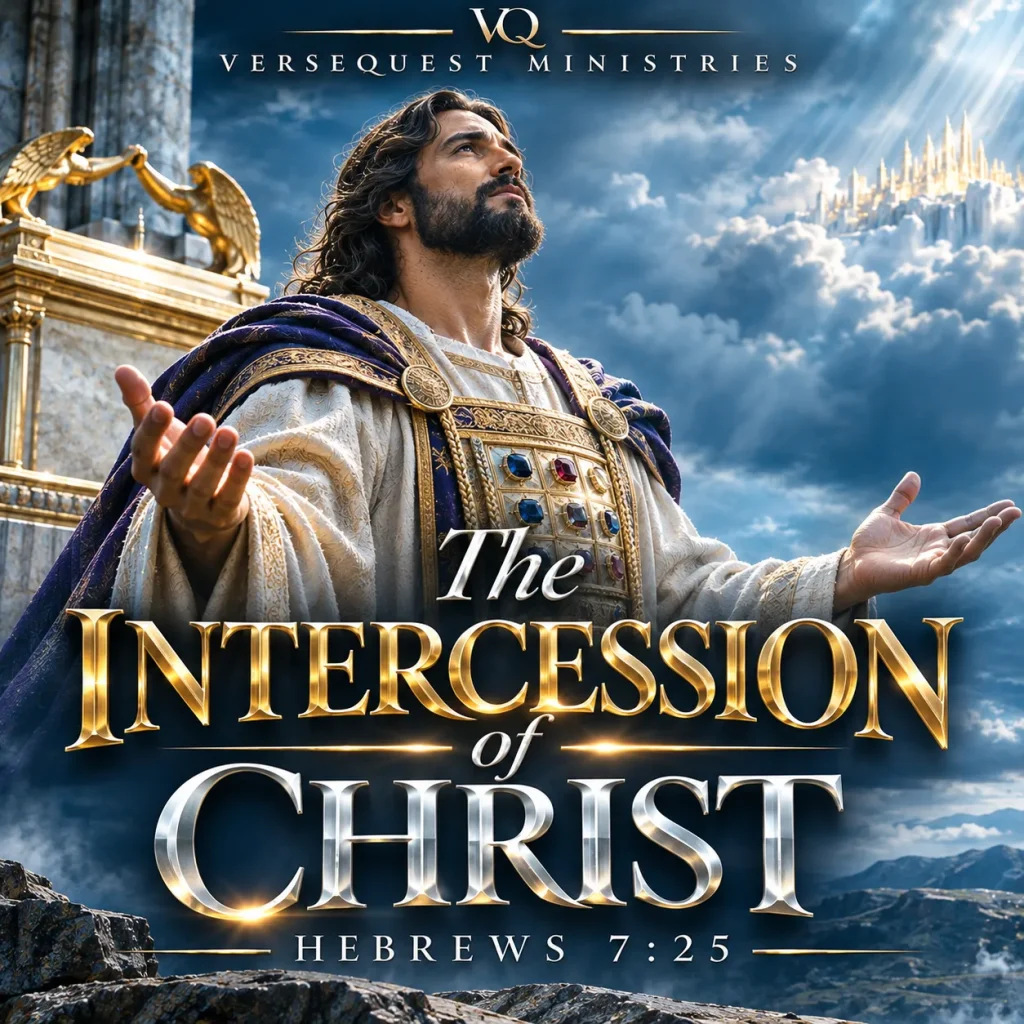
This detailed sermon outline examines Hebrews 7:25 and the magnificent declaration concerning Jesus Christ, “Wherefore he is able also to save them to the uttermost that come unto God by him, seeing he ever liveth to make intercession for them,” revealing the complete sufficiency of the Saviour’s finished sacrifice, eternal priesthood, and continuing intercession at the right hand of God. The message carefully establishes the original context of Hebrews 7, where the writer demonstrates the superiority of Christ’s priesthood after the order of Melchisedec over the former Levitical priesthood established under the Mosaic law. Special attention is given to the mortality of Israel’s earthly high priests, the divine oath recorded in Psalm 110:4, the distinction between Aaron’s priesthood and Christ’s unchangeable priesthood, and the significance of the Lord’s resurrection and endless life. The sermon examines the powerful expressions “save them to the uttermost,” “come unto God by him,” and “he ever liveth to make intercession,” explaining why Jesus Christ provides complete redemption rather than a temporary or partial salvation dependent upon human religious performance. Drawing upon Hebrews 4–10, Romans 8:31–39, Ephesians 1–2, 1 Timothy 2:5–6, and 1 John 2:1–2, the outline establishes the difference between Christ’s once-for-all sacrifice and His continuing heavenly ministry, demonstrating that His intercession does not require another offering for sin or repeated payments toward redemption. The message explains why Jesus Christ alone is the Mediator between God and men, why sinners must personally believe the gospel, and why no earthly priest, religious institution, sacrament, or additional mediator can replace His finished work. It also distinguishes Christ’s intercession from the Holy Spirit’s assistance in prayer and the intercessory prayers offered by saved believers for one another. Particular emphasis is placed upon the believer’s eternal security, Christ’s advocacy against condemnation, the relationship between justification and practical sanctification, and why salvation by grace never provides permission for careless or sinful living. The sermon further examines the comfort Christ’s continuing intercession provides during spiritual weakness, temptation, suffering, accusation, persecution, and uncertainty, while connecting the believer’s secure standing in Christ with faithful Christian service and future accountability at the Judgment Seat of Christ. Preachers, pastors, teachers, and Bible students will gain a comprehensive, KJV-based, rightly divided, sermon-ready framework for teaching the intercession of Jesus Christ, His eternal priesthood, salvation to the uttermost, the sufficiency of His blood, the assurance of eternal life, access to the Father, and the believer’s confidence in the risen Saviour who ever lives to make intercession for His own.
-
November 10, 2026
Speaker: Paul Tackett
Topic: biblical motives for prayer, Father who sees in secret, Judgment Seat of Christ, kingdom teaching of Jesus, KJV Sermon Outline, Matthew 6 sermon outline, Matthew 6:6, prayer and sincerity, prayer closet Bible study, prayer under grace, praying to be seen of men, private devotion, religious hypocrisy, reward thee openly, rightly divided Bible study, salvation by grace through faith, secret prayer, Sermon on the Mount, The Prayer Closet and the Public Reward, vain repetitions in prayer
Book: Matthew
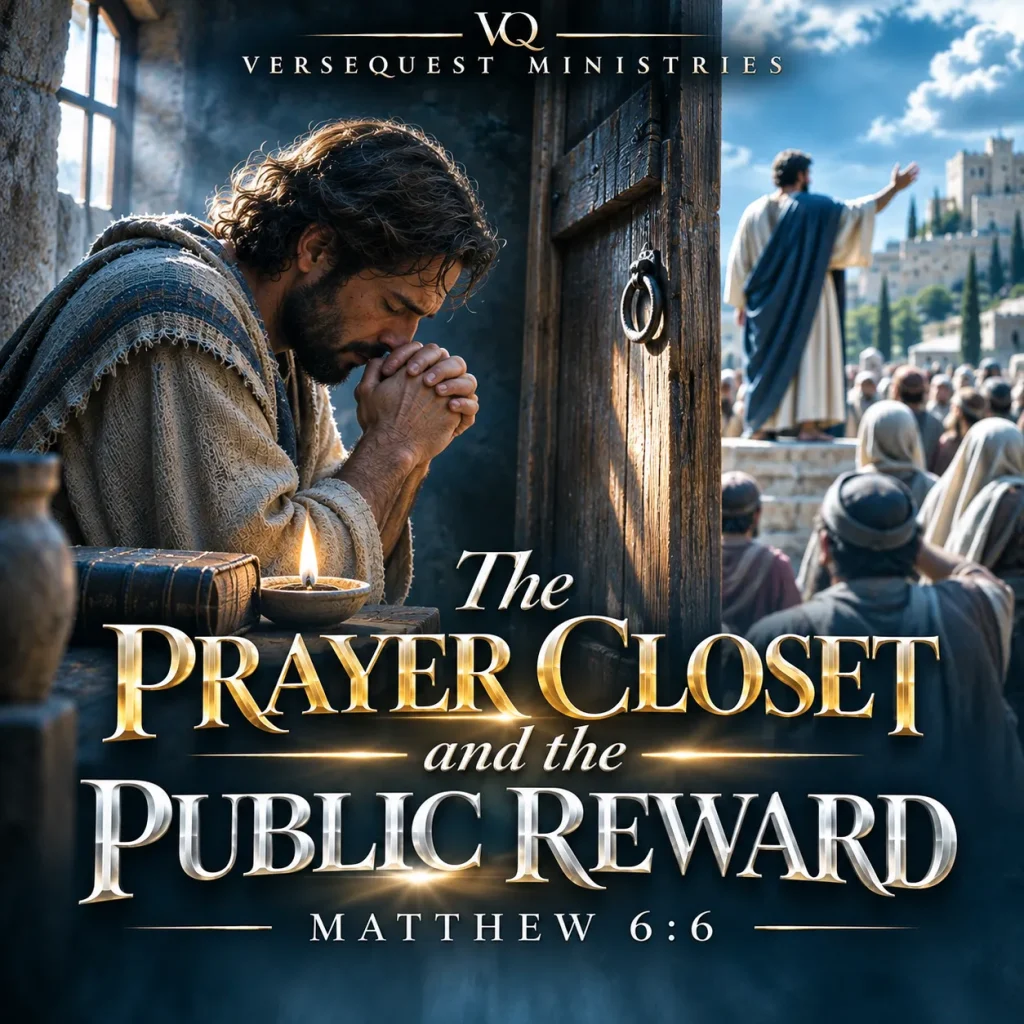
This detailed sermon outline examines Matthew 6:6 and the Lord Jesus Christ’s instruction, “But thou, when thou prayest, enter into thy closet, and when thou hast shut thy door, pray to thy Father which is in secret; and thy Father which seeth in secret shall reward thee openly,” revealing the difference between sincere private communion with God and religious devotion performed for the recognition of men. The message carefully establishes the passage’s original context within the Sermon on the Mount, where Jesus Christ warns His disciples against the hypocrisy of those who give alms, pray, and fast primarily to attract public admiration. Beginning with Matthew 6:1–8, the sermon examines why Christ condemned the motives of hypocritical worshippers rather than the legitimate practice of public prayer, and why receiving human applause may constitute the only reward sought by someone performing religious activities for personal recognition. Special attention is given to the expressions “enter into thy closet,” “when thou hast shut thy door,” “thy Father which seeth in secret,” and “shall reward thee openly,” explaining the importance of genuine sincerity, spiritual humility, private devotion, and the Father’s complete knowledge of hidden motives. The outline also examines the danger of vain repetitions, mechanical religious formulas, impressive public performances, and confusing lengthy prayers with genuine dependence upon God. Drawing upon Matthew 6:9–15, the sermon considers Christ’s pattern of prayer, including reverence for the Father, the coming kingdom, submission to God’s will, daily provision, forgiveness, and deliverance from temptation. The message carefully preserves the original kingdom setting of Christ’s earthly ministry to Israel while distinguishing that instruction from the Church-Age believer’s salvation by grace through faith, spiritual position in Jesus Christ, and access to the Father through the Holy Spirit. Additional passages from Romans 8, Ephesians 2–3, Philippians 4, Colossians 4, and 1 Timothy 2 demonstrate why genuine Christian prayer should include thanksgiving, intercession, perseverance, scriptural understanding, and sincere dependence upon the Lord. The sermon further examines the distinction between divine reward and the false assumption that private prayer guarantees earthly fame, financial prosperity, or public recognition, while drawing a careful comparison with the future Judgment Seat of Christ, where the quality and motives of Christian service will be examined. Preachers, pastors, teachers, and Bible students will gain a comprehensive, KJV-based, rightly divided, sermon-ready framework for teaching secret prayer, biblical sincerity, religious hypocrisy, spiritual humility, divine reward, faithful Christian stewardship, and the importance of seeking God’s approval above the applause of men.
-
November 9, 2026
Series: Hebrews 4:16, The Throne of Grace
Speaker: Paul Tackett
Topic: 2 Corinthians 12:9, access to God through Christ, believer's eternal security, biblical prayer and supplication, Christ's heavenly priesthood, come boldly unto the throne of grace, grace sufficient for weakness, Hebrews 4 sermon outline, Hebrews 4:14–16, Hebrews 4:16, help in time of need, Jesus our great High Priest, Jesus the one Mediator, KJV Sermon Outline, mercy and grace, mercy through Jesus Christ, Once for All Sacrifice, rightly divided Bible study, salvation by grace through faith, The Throne of Grace
Book: Hebrews
This detailed sermon outline examines Hebrews 4:16 and the remarkable biblical invitation, “Let us therefore come boldly unto the throne of grace, that we may obtain mercy, and find grace to help in time of need,” revealing the believer’s privilege of approaching Almighty God through Jesus Christ, our great High Priest. The message carefully establishes the passage’s immediate context within Hebrews 4:12–16, where the writer describes the penetrating authority of God’s word, the impossibility of concealing anything from His sight, and the glorious provision of Jesus the Son of God, who has passed into the heavens. It explains why the throne of grace represents divine holiness, sovereign authority, mercy, and gracious access rather than a religious mechanism through which believers may demand whatever earthly benefits they desire. Special attention is given to Hebrews 4:14–15, which identifies Jesus Christ as the great High Priest who can be touched with the feeling of our infirmities and who was tempted in all points like as we are, yet without sin. The sermon explores the superiority of Christ’s eternal priesthood over the former Levitical priesthood, the significance of His once-for-all sacrifice, His entrance into the heavenly sanctuary, and His continuing intercession for those who come unto God through Him. Drawing upon Hebrews 4–10, Romans 5 and 8, Ephesians 2–3, Philippians 4, and 2 Corinthians 12, the outline distinguishes salvation through Christ’s finished work from the saved believer’s continuing responsibility to pray, walk in holiness, and depend upon divine strength. It examines the importance of coming boldly without becoming presumptuous, the distinction between obtaining mercy and finding grace, and why God’s help in time of need does not guarantee the immediate removal of suffering, sickness, persecution, or difficult earthly circumstances. Paul’s testimony concerning his thorn in the flesh receives particular attention, demonstrating why the sufficiency of divine grace may be revealed through continued weakness rather than instant deliverance. The message also explains the believer’s access to the Father through Jesus Christ by the Holy Spirit, the unique mediatorial office of the Saviour, and the importance of approaching God with reverence, thanksgiving, intercession, perseverance, and submission to His revealed will. Preachers, pastors, teachers, and Bible students will gain a comprehensive, KJV-based, rightly divided, sermon-ready framework for teaching the throne of grace, Christ’s heavenly priesthood, redemption through His blood, biblical prayer, divine mercy, sufficient grace, spiritual perseverance, and the believer’s continuing dependence upon the Lord Jesus Christ.
-
November 8, 2026
Speaker: Paul Tackett
Topic: access to the Father through Christ, biblical spiritual warfare, boldness in gospel preaching, Christian prayer life, Ephesians 6 sermon outline, Ephesians 6:18, Holy Spirit and prayer, intercession for all saints, KJV Sermon Outline, Paul ambassador in bonds, perseverance in prayer, prayer and supplication, prayer for fellow believers, praying always in the Spirit, Praying Always With All Prayer, praying without ceasing, rightly divided Bible study, salvation by grace through faith, spiritual watchfulness, whole armour of God
Book: Ephesians
This detailed sermon outline examines Ephesians 6:18 and the Apostle Paul’s command, “Praying always with all prayer and supplication in the Spirit, and watching thereunto with all perseverance and supplication for all saints,” revealing the believer’s responsibility to maintain continual dependence upon God while standing faithfully in the whole armour of God. The message carefully establishes the passage’s immediate context within Ephesians 6:10–20, where Paul instructs saved believers to be strong in the Lord, stand against the wiles of the devil, and put on the spiritual armour provided through truth, righteousness, the gospel of peace, faith, salvation, and the word of God. It explains why prayer is inseparable from biblical spiritual warfare and why sound doctrine, religious activity, natural determination, and knowledge of Scripture must never become substitutes for dependence upon the Lord. Special attention is given to the expressions “praying always,” “all prayer and supplication,” “in the Spirit,” “watching thereunto,” “all perseverance,” and “supplication for all saints,” demonstrating how each contributes to a faithful Christian prayer life. The sermon examines the importance of praying without ceasing, distinguishing earnest supplication from mechanical religious repetition, remaining spiritually alert against temptation and doctrinal deception, and persevering when answers do not arrive according to human expectations. Drawing upon Romans 8, Philippians 4, Colossians 4, 1 Thessalonians 5, 1 Timothy 2, and other Pauline passages, the outline explains the Holy Spirit’s ministry in prayer, the believer’s access to the Father through Jesus Christ, and the necessity of submitting personal requests to God’s revealed will. It carefully distinguishes praying in the Spirit from claims concerning unintelligible ecstatic utterances, while rejecting the idea that persistence gives believers authority to manipulate God or demand earthly prosperity. The message also develops the responsibility to intercede for fellow Christians, pastors, missionaries, gospel workers, and suffering believers rather than limiting prayer to personal concerns. Special consideration is given to Ephesians 6:19–20, where Paul requests prayer for boldness to proclaim the mystery of the gospel while serving as an ambassador in bonds. Finally, the outline distinguishes salvation by grace through faith from the saved believer’s continuing responsibility to pray, remain watchful, and serve faithfully. Preachers, pastors, teachers, and Bible students will gain a comprehensive, KJV-based, rightly divided, sermon-ready framework for teaching Christian prayer, spiritual warfare, intercession, perseverance, doctrinal discernment, gospel boldness, and continual dependence upon Jesus Christ.
-

November 6, 2026
Series: 1 John 5:4, Victory Over the World
Speaker: Paul Tackett
Topic: 1 John 2:15–17, 1 John 5 sermon outline, 1 John 5:4, biblical spiritual warfare, Christ has overcome the world, Christian Perseverance, Christian victory over sin, eternal security in Christ, faith that overcomes the world, Jesus Christ the Son of God, KJV Sermon Outline, new birth in Christ, overcoming the world by faith, rightly divided Bible study, salvation by grace through faith, sound doctrine and discernment, Victory Over the World, Walking in the Spirit, whatsoever is born of God, worldly lusts and pride
Book: 1 John
This detailed sermon outline examines 1 John 5:4 and the Apostle John’s remarkable declaration, “For whatsoever is born of God overcometh the world: and this is the victory that overcometh the world, even our faith,” revealing the spiritual victory possessed by those who have been born of God through faith in Jesus Christ. The message establishes the passage’s immediate context within 1 John 5:1–5, where the new birth, faith in Jesus as the Christ and Son of God, love for fellow believers, obedience to God’s commandments, and overcoming the world are inseparably connected. It explains why biblical victory does not originate in human determination, religious performance, moral improvement, or the reforming of fallen flesh, but rests upon the saving work of Jesus Christ and the new spiritual life received through faith in Him. Special attention is given to 1 John 2:15–17, where believers are commanded not to love the world, and to the distinction between the physical creation, the lost people whom God desires to save, and the present fallen system characterized by the lust of the flesh, the lust of the eyes, and the pride of life. The sermon examines how worldly values, personal ambition, covetousness, false doctrine, fleshly desires, and the pursuit of human approval can hinder practical Christian faithfulness. Drawing upon Romans 6–8, Galatians 5, Ephesians 6, Colossians 3, and other Pauline passages, the outline explains why believers must walk in the Spirit, renew their minds through Scripture, refuse provision for the flesh, maintain sound doctrine, and exercise biblical discernment. It also examines why genuine spiritual victory should produce love, obedience, holiness, and perseverance without confusing those works with the requirements for obtaining or maintaining eternal salvation. The message further explores John 16:33, where Jesus Christ declares that He has overcome the world, demonstrating why biblical victory does not promise freedom from tribulation, suffering, persecution, or physical death. Finally, the outline emphasizes the assurance of eternal life in 1 John 5:11–13, the believer’s future bodily redemption, and the eternal significance of faithful Christian service. Preachers, pastors, teachers, and Bible students will gain a comprehensive, KJV-based, rightly divided, sermon-ready framework for teaching the new birth, saving faith, victory over worldly influences, practical sanctification, spiritual discernment, eternal security, Christian perseverance, and the everlasting triumph believers possess through the Lord Jesus Christ.
-
November 4, 2026
Series: Hebrews 2:1, The Danger of Spiritual Drift
Speaker: Paul Tackett
Topic: apostolic signs and wonders, Christian Perseverance, Christian spiritual growth, Eternal Security, give the more earnest heed, Hebrews 2 sermon outline, Hebrews 2:1, holding fast to Scripture, importance of Bible study, King James Bible preaching, KJV Sermon Outline, lest we let them slip, neglecting so great salvation, rightly divided Bible study, Sound Doctrine, spiritual negligence, spiritual watchfulness, superiority of Jesus Christ, The Danger of Spiritual Drift, warning against unbelief
Book: Hebrews
This detailed sermon outline examines Hebrews 2:1 and the solemn biblical warning, “Therefore we ought to give the more earnest heed to the things which we have heard, lest at any time we should let them slip,” revealing the danger of spiritual negligence, doctrinal instability, and gradually losing careful attention to divine revelation. The message establishes the passage’s original context within the Book of Hebrews, where the writer has demonstrated the supremacy of Jesus Christ over the angels, His divine authority, His finished work of purging sins, and His exaltation at the right hand of God. It explains why the opening word “Therefore” connects the warning directly to Christ’s superiority, why believers must give earnest attention to God’s revealed truth, and how spiritual drift can develop through continued indifference, neglected biblical instruction, worldly distractions, and increasing susceptibility to false doctrine. Special attention is given to Hebrews 2:1–4, including the warning against neglecting so great salvation, the difference between hearing the gospel and personally believing it, and the divine confirmation of Christ’s message through apostolic witnesses, signs, wonders, and miracles. The sermon carefully distinguishes the historical and doctrinal setting of Hebrews and its warnings concerning unbelief from the Church-Age believer’s eternal security through faith in Jesus Christ, avoiding the erroneous teaching that ordinary spiritual weakness or inconsistent Christian performance can undo the Saviour’s finished work. Drawing upon Hebrews 3–6, Hebrews 12, Ephesians 4, Colossians 2, 2 Timothy 2–3, and other New Testament passages, the outline develops the practical importance of sound doctrine, Scripture rightly divided, spiritual watchfulness, Christian perseverance, renewed thinking, and faithful obedience. It also examines why spiritual negligence can damage Christian growth, weaken biblical discernment, compromise one’s testimony, and waste valuable opportunities for service without invalidating the sufficiency of Christ’s redemption. Preachers, pastors, teachers, and Bible students will gain a comprehensive, KJV-based, rightly divided, sermon-ready framework for teaching the danger of spiritual drift, the authority of God’s Word, the seriousness of neglecting salvation, the preservation of sound doctrine, eternal security, and the importance of remaining firmly established in Jesus Christ rather than being carried away by the changing influences of the world.
-
October 4, 2026
Speaker: Paul Tackett
Topic: authority of Scripture, Bible believer final authority, Bible Doctrine, Biblical Authority, Christian decision making, final authority sermon outline, Isaiah 8:20, King James Bible authority, KJV Sermon Outline, rightly divided Bible study, Scripture versus experience, Scripture versus feelings, Scripture versus scholarship, Scripture versus tradition, Spiritual Discernment, sufficiency of Scripture, testing religious claims, to the law and testimony, what saith the Scripture, word of God authority
Book: Isaiah
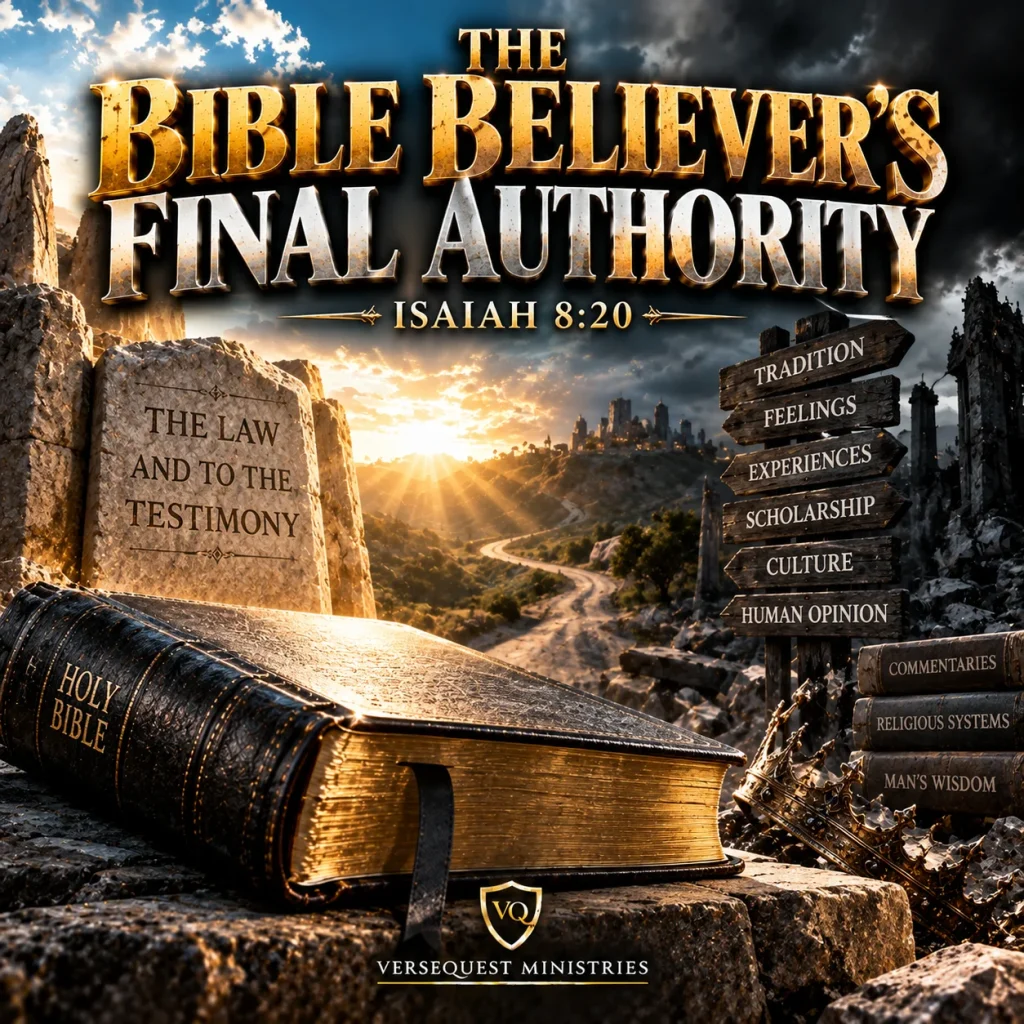
This detailed sermon outline examines Isaiah 8:20 and the command, “To the law and to the testimony,” establishing the principle that every religious, spiritual, and human claim must be tested by what God has revealed. Beginning with Isaiah’s warning against familiar spirits, wizards, and counterfeit supernatural guidance, the message develops the written word of God as the Bible believer’s final authority above tradition, feelings, experiences, scholarship, cultural opinion, religious systems, and personal reasoning. It shows how the Bereans tested preaching by Scripture, how even angelic claims must submit to revealed truth, why human learning and church tradition may serve beneath Scripture but never rule above it, and why subjective impressions cannot replace the objective word of God. The outline also emphasizes the necessity of rightly dividing Scripture, its sufficiency for doctrine, reproof, correction, and instruction in righteousness, and the practical test of final authority: whether the believer is willing to change when the Book proves him wrong. Preachers, teachers, and Bible students will gain a sermon-ready framework for teaching biblical authority, spiritual discernment, right division, Scripture’s sufficiency, and confidence in the King James Bible.