Topic: authority of Scripture
-
October 17, 2026
Speaker: Paul Tackett
Topic: 2 Timothy 4:2, authority of Scripture, Bible preaching, biblical preaching, Christian ministry, Doctrinal Preaching, faithful preaching, Judgment Seat of Christ, King James Bible study, KJV Sermon Outline, pastoral responsibility, preach in season out of season, preach the word sermon outline, preacher accountability, preacher under Scripture, pulpit authority, reprove rebuke exhort, rightly dividing the word, Sound Doctrine, The Bible That Judges the Preacher
Book: 2 Timothy
This detailed sermon outline examines 2 Timothy 4:2 and Paul’s solemn command to Timothy: “Preach the word; be instant in season, out of season; reprove, rebuke, exhort with all longsuffering and doctrine.” The message establishes that the preacher does not stand above Scripture as its master but beneath Scripture as a steward who will answer to God for how faithfully he handles and proclaims it. It explores why the word—not personality, popularity, entertainment, personal opinion, or cultural approval—must control the pulpit; why faithful preaching includes reproof and rebuke as well as exhortation; and why longsuffering must keep doctrinal boldness from becoming fleshly aggression. The outline also shows why sound doctrine is essential, why preaching must continue when truth becomes unpopular, how right division protects the congregation from misapplied Scripture, and why every preacher should minister in view of Christ’s future examination of his stewardship. Preachers, teachers, pastors, and Bible students will gain a sermon-ready framework for biblical preaching, ministerial accountability, pulpit authority, doctrinal faithfulness, right division, and submission to the King James Bible.
-
October 16, 2026
Series: Psalm 138:2, The Book God Magnified
Speaker: Paul Tackett
Topic: authority of Scripture, Bible preaching, Biblical Authority, final authority of Scripture, Jesus and the written word, King James Bible study, KJV Sermon Outline, power of Scripture, preservation of Scripture, Psalm 138:2, Psalm 138:2 sermon outline, pure words of God, rightly dividing the word, Scripture above tradition, Scripture and obedience, scripture cannot be broken, settled word of God, The Book God Magnified, thou hast magnified thy word, word of God sermon
Book: Psalms
This detailed sermon outline examines Psalm 138:2 and David’s declaration, “for thou hast magnified thy word above all thy name,” placing the statement within its setting of praise for God’s lovingkindness, truth, faithfulness, and answered prayer. The message develops the biblical truth that God places extraordinary authority upon His own words because His truthful character stands behind them, showing that Scripture is pure, settled, enduring, powerful, and incapable of being broken. It examines Christ’s own confidence in the written word, explains why Scripture must stand above tradition, scholarship, feelings, experience, denominational loyalty, and human opinion, and demonstrates how the word God magnified must also be rightly divided rather than carelessly misapplied. The outline further emphasizes Scripture’s power to correct believers, renew thinking, establish doctrine, and govern Christian conduct, while challenging Christians to express genuine reverence for the Bible through reading, study, memorization, preaching, and obedience. Preachers, teachers, and Bible students will gain a sermon-ready framework for teaching biblical authority, preservation, right division, Scripture’s sufficiency, and confidence in the King James Bible.
-
October 13, 2026
Series: Genesis 3:1, Yea hath God said
Speaker: Paul Tackett
Topic: adding to God’s words, authority of Scripture, Bible confusion, Bible correction sermon outline, Bible preservation, Bible study discernment, Biblical Authority, correcting Scripture, Genesis 3 temptation, Genesis 3:1, King James Bible, KJV Sermon Outline, pure words of God, Right Division, rightly dividing the word, Satan and the word of God, scripture cannot be broken, textual criticism and faith, Word of God, Yea hath God said
Book: Genesis
This detailed sermon outline examines Genesis 3:1 and the serpent’s opening challenge, “Yea, hath God said?” as the beginning of mankind’s first recorded attack upon confidence in the revealed word of God. The message traces the progression from questioning God’s words to altering them, weakening them, contradicting them, and finally disobeying them, showing how Eve’s handling of the original command illustrates the danger of subtracting from, adding to, or softening what God actually said. It explains why correcting Scripture transfers practical authority from God’s word to the human corrector, how competing authorities produce doctrinal instability, and why Jesus Christ answered Satan with “It is written” rather than placing Scripture beneath human judgment. The outline also demonstrates how right division resolves apparent biblical contradictions without rewriting the text, connects the purity and preservation of God’s words with doctrinal certainty, and brings the issue down to the believer personally: whether the Bible will correct us or we will attempt to correct the Bible. Preachers, teachers, and Bible students will gain a sermon-ready framework for teaching biblical authority, preservation, discernment, right division, confidence in the King James Bible, and the spiritual danger of repeating the serpent’s question concerning what God has said.
-
October 11, 2026
Speaker: Paul Tackett
Topic: authority of Scripture, Bible and wisdom, biblical decision making, biblical wisdom, Christian discernment, Christian spiritual growth, fear of the Lord, King James Bible study, KJV Sermon Outline, making wise the simple, Psalm 19:7, Psalm 19:7 sermon outline, rightly dividing the word, spiritual understanding, testimony of the Lord is sure, The Word That Makes the Simple Wise, wisdom for daily life, wisdom from Scripture, wisdom versus human intelligence, word of God sermon
Book: Psalms
This detailed sermon outline examines Psalm 19:7 and the declaration, “the testimony of the LORD is sure, making wise the simple.” The message distinguishes biblical wisdom from mere human intelligence and shows that spiritual understanding is not reserved for an intellectual elite but is available to those who humbly receive, believe, study, and obey the word of God. It explains why God’s testimony is sure, what Scripture means by “the simple,” how biblical truth corrects foolish thinking, and why worldly education and philosophy cannot substitute for divine revelation. The outline also develops the fear of the Lord as the beginning of wisdom, demonstrates how Scripture trains believers in spiritual discernment, emphasizes the necessity of rightly dividing the word of truth, and applies biblical wisdom to everyday choices, priorities, doctrine, and Christian conduct. Preachers, teachers, and Bible students will gain a sermon-ready framework for teaching the certainty and sufficiency of Scripture, spiritual understanding, biblical discernment, right division, practical wisdom, and the transforming power of the King James Bible to make the simple wise.
-
October 10, 2026
Speaker: Paul Tackett
Topic: authority of Scripture, biblical conviction, biblical self examination, confession and correction, deceitfulness of the heart, discerner of thoughts and intents, Hebrews 4:12, Hebrews 4:12 sermon outline, hidden sin, King James Bible study, KJV Sermon Outline, rightly dividing the word, sanctification through Scripture, Scripture exposes sin, Spiritual Discernment, The Word That Discerns the Heart, thoughts and motives, twoedged sword, word of God sermon, word of God sharper than a sword
Book: Hebrews
This detailed sermon outline examines Hebrews 4:12 and its declaration that the word of God is “quick, and powerful, and sharper than any twoedged sword,” piercing deeply enough to discern “the thoughts and intents of the heart.” The message explains the living and powerful character of Scripture, its sword-like ability to cut through spiritual deception, and its capacity to penetrate beyond outward religious appearance into thoughts, motives, hidden sin, and the true condition of the inner man. It explores how the Bible distinguishes spiritual realities that human feelings often confuse, exposes the deceitfulness of the heart, and brings concealed motives under the searching light of divine truth. The outline also shows that biblical conviction is intended to lead to confession, correction, and obedient living rather than mere condemnation, while emphasizing the necessity of rightly dividing Scripture without using doctrinal precision as an excuse to avoid personal application. Preachers, teachers, and Bible students will gain a sermon-ready framework for teaching biblical conviction, spiritual discernment, self-examination, confession, sanctification, right division, and the searching authority of the King James Bible.
-
October 5, 2026
Speaker: Paul Tackett
Topic: 1 Corinthians 2:13, authority of Scripture, Bible interpreting itself, Bible study principles, biblical cross references, clear passages interpret difficult passages, comparing Scripture with Scripture, comparing spiritual things sermon outline, comparing spiritual things with spiritual, context in Bible study, doctrinal stability, Holy Ghost teaches Scripture, illumination of Scripture, King James Bible study, KJV Sermon Outline, natural man and spiritual truth, rightly dividing the word, Scripture interprets Scripture, Spiritual Discernment, verbal inspiration
Book: 1 Corinthians
This detailed sermon outline examines 1 Corinthians 2:13 and Paul’s statement that believers are taught in “the words which the Holy Ghost teacheth,” while “comparing spiritual things with spiritual.” The message establishes the divine origin of spiritual truth, verbal inspiration of Scripture, and the principle that the Bible should be compared with itself rather than interpreted through philosophy, tradition, experience, or human wisdom. It explains why context must govern every cross-reference, why right division is essential when comparing passages, and how clear Scriptures help illuminate difficult ones without erasing distinctions between Israel, the Church, law, grace, prophecy, and mystery. The outline also distinguishes illumination from new revelation, examines why the natural man cannot properly receive spiritual truth, and shows how comparing Scripture with Scripture produces doctrinal stability and protects believers from isolated proof texts and false teaching. Preachers, teachers, and Bible students will gain a sermon-ready framework for studying the King James Bible through careful comparison, context, right division, spiritual discernment, and dependence upon the Holy Ghost who inspired the words.
-
October 4, 2026
Speaker: Paul Tackett
Topic: authority of Scripture, Bible believer final authority, Bible Doctrine, Biblical Authority, Christian decision making, final authority sermon outline, Isaiah 8:20, King James Bible authority, KJV Sermon Outline, rightly divided Bible study, Scripture versus experience, Scripture versus feelings, Scripture versus scholarship, Scripture versus tradition, Spiritual Discernment, sufficiency of Scripture, testing religious claims, to the law and testimony, what saith the Scripture, word of God authority
Book: Isaiah
This detailed sermon outline examines Isaiah 8:20 and the command, “To the law and to the testimony,” establishing the principle that every religious, spiritual, and human claim must be tested by what God has revealed. Beginning with Isaiah’s warning against familiar spirits, wizards, and counterfeit supernatural guidance, the message develops the written word of God as the Bible believer’s final authority above tradition, feelings, experiences, scholarship, cultural opinion, religious systems, and personal reasoning. It shows how the Bereans tested preaching by Scripture, how even angelic claims must submit to revealed truth, why human learning and church tradition may serve beneath Scripture but never rule above it, and why subjective impressions cannot replace the objective word of God. The outline also emphasizes the necessity of rightly dividing Scripture, its sufficiency for doctrine, reproof, correction, and instruction in righteousness, and the practical test of final authority: whether the believer is willing to change when the Book proves him wrong. Preachers, teachers, and Bible students will gain a sermon-ready framework for teaching biblical authority, spiritual discernment, right division, Scripture’s sufficiency, and confidence in the King James Bible.
-
October 3, 2026
Speaker: Paul Tackett
Topic: authority of Scripture, Bible preservation, Biblical Authority, biblical purity, doctrine of Scripture, every word of God is pure, God cannot lie, inspiration of Scripture, King James Bible sermon, KJV Sermon Outline, preaching the word, preservation of Scripture, Psalm 12:6, pure word of God, pure words of God sermon outline, rightly dividing the word, Scripture and sanctification, silver purified seven times, verbal inspiration, words of the Lord are pure words
Book: Psalms
This detailed sermon outline examines Psalm 12:6 and David’s declaration, “The words of the LORD are pure words: as silver tried in a furnace of earth, purified seven times.” The message explains why the purity of Scripture begins with the perfect character of God, why divine inspiration extends to the actual words rather than merely general religious ideas, and how the imagery of silver purified seven times communicates complete freedom from corruption and error. It contrasts God’s pure words with the unreliable and deceitful speech of fallen man, warns against placing human scholarship or opinion above Scripture, and shows why pure words do not require man to correct them. The outline also connects biblical purity with preservation, demonstrates the necessity of rightly dividing the word of truth, explores Scripture’s purifying effect upon the believer, and emphasizes the preacher’s responsibility to handle and proclaim God’s words faithfully. Preachers, teachers, and Bible students will gain a sermon-ready framework for teaching verbal inspiration, biblical authority, preservation, sanctification through truth, right division, faithful preaching, and confidence in the King James Bible as the pure word of God.
-
October 1, 2026
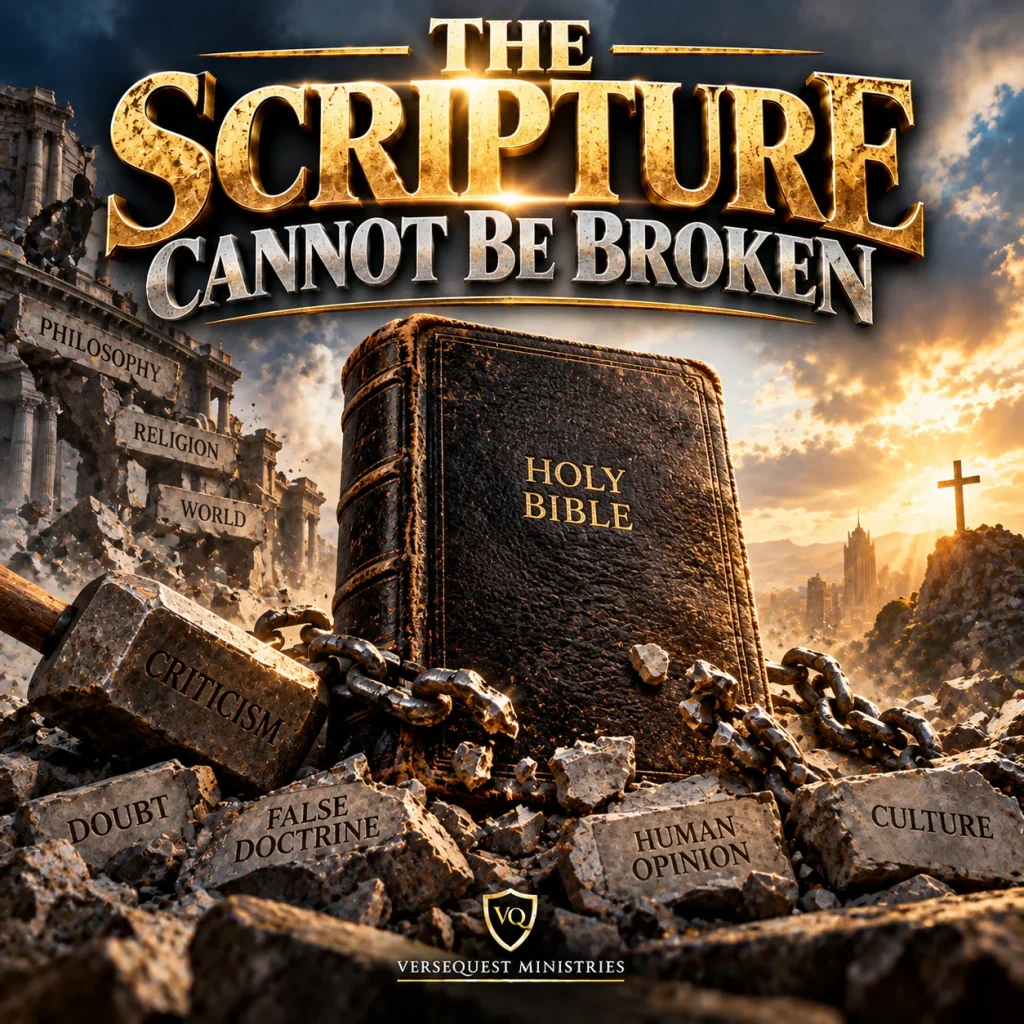
Series: John 10:35, Scripture cannot be broken
Speaker: Paul Tackett
Topic: authority of Scripture, Bible Doctrine, Bible preservation, Biblical Authority, Christian obedience to Scripture, defending biblical authority, human opinion versus Scripture, Jesus and Scripture, John 10:35, King James Bible sermon, KJV Sermon Outline, preservation of Scripture, rightly dividing the word, Scripture and culture, scripture cannot be broken, Scripture cannot be broken sermon outline, scripture cannot fail, unchanging word of God, verbal inspiration, words of God
Book: John
This detailed sermon outline examines John 10:35 and Jesus Christ’s declaration that “the scripture cannot be broken.” The message shows how Christ treated the written Scriptures as final authority, why the Bible’s unbreakable character rests upon the truthfulness of the God who gave it, and why the precise words of Scripture matter in doctrine and interpretation. It explains how human opinion, culture, scholarship, religious tradition, and criticism cannot overturn what God has established; connects biblical authority with the preservation of God’s words; and demonstrates why rightly dividing the word of truth protects rather than weakens Scripture. The sermon also brings the doctrine into practical Christian living by showing that an unbreakable Bible must be allowed to correct false doctrine, human pride, traditions, sinful conduct, and personal opinions. Preachers, teachers, and Bible students will gain a sermon-ready framework for teaching biblical inspiration, preservation, verbal authority, right division, Christian obedience, and confidence in the King James Bible as the believer’s final written authority.