
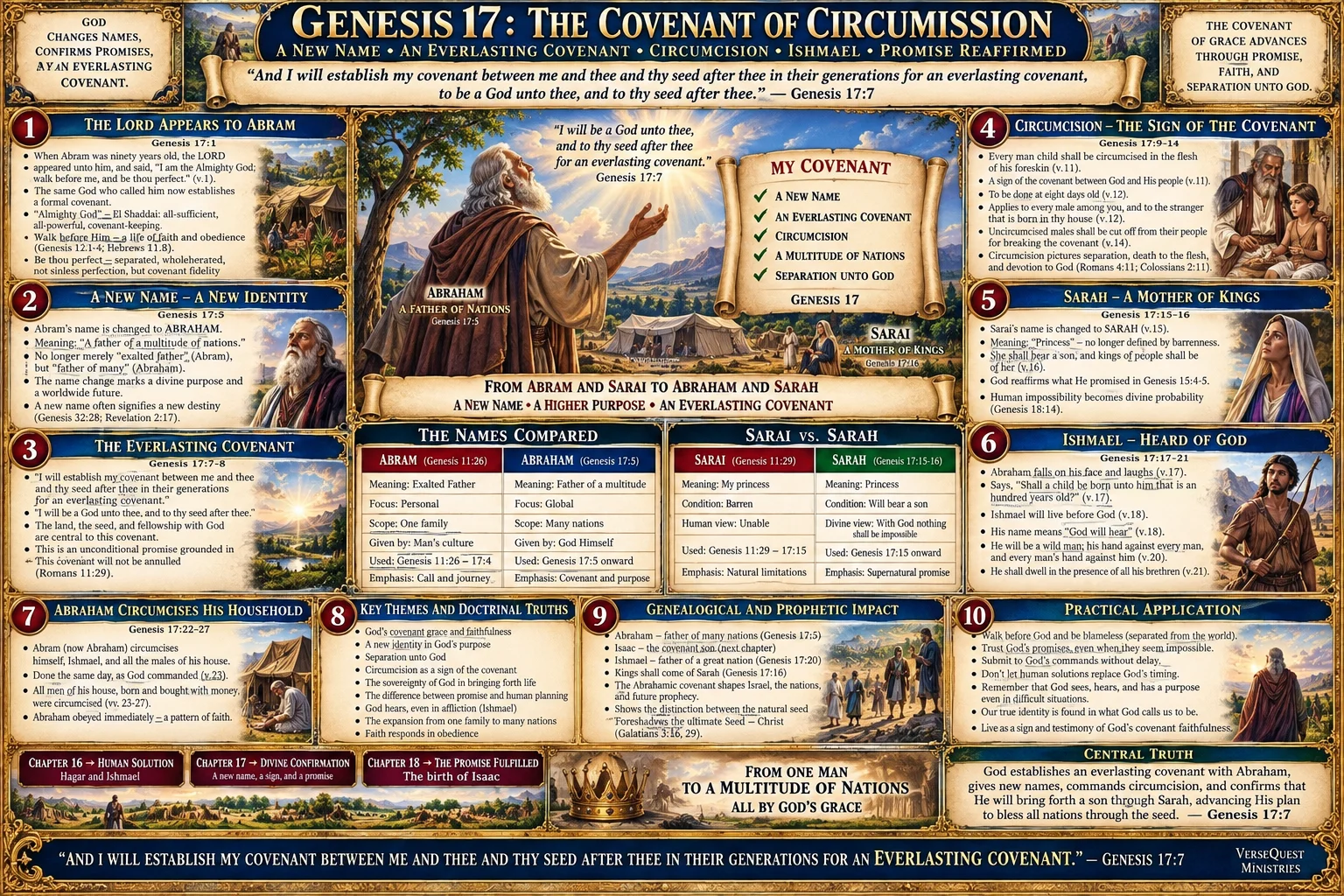
Genesis 17 – The Covenant of Circumcision: Abraham and Sarah Renamed, Isaac Promised, Ishmael Blessed, and the Everlasting Covenant Reaffirmed (KJV Bible Study Chart)
Explore Genesis 17 with this detailed KJV Bible study chart examining God’s everlasting covenant with Abraham, the changing of Abram and Sarai’s names to Abraham and Sarah, the institution of circumcision, and the promise of Isaac. The chart explains circumcision as the covenant sign, Abraham’s obedience in circumcising his household, Sarah’s promise to become a mother of nations and kings, and God’s separate blessing upon Ishmael, including twelve princes and a great nation. It also highlights the crucial distinction that while Ishmael receives blessing, God specifically establishes the covenant line through Isaac. Ideal for personal Bible study, Sunday school, homeschool, Bible institutes, sermon preparation, dispensational teaching, Abrahamic covenant studies, and comparisons with Romans 4 and Galatians 3–4.
$4.99
Description
Genesis 17: The Covenant of Circumcision is a detailed KJV Bible study chart examining God’s appearance to Abram at ninety-nine years old, the reaffirmation of the everlasting covenant, the changing of Abram and Sarai’s names, the institution of circumcision, the promise of Isaac, and God’s separate blessing upon Ishmael. The chapter advances the Abrahamic covenant from promise toward fulfillment while showing that God’s plan rests upon His faithfulness rather than human ability.
The LORD appears to Abram and declares, “I am the Almighty God; walk before me, and be thou perfect.” Abram is called to wholehearted obedience before the God who is sufficient to accomplish what human circumstances now make impossible. Abram falls on his face as God announces that he will become “a father of many nations.” His name is changed from Abram to Abraham, marking a new stage in God’s covenant purpose and emphasizing the multitude of peoples that will come from him.
God then declares, “I will establish my covenant between me and thee and thy seed after thee in their generations for an everlasting covenant.” The promise includes descendants, fellowship with God, and the land of Canaan as an everlasting possession. Within a rightly divided framework, these national and territorial promises belong to Abraham and his physical seed and are not cancelled or transferred to the Church.
Circumcision is established as the visible sign of the covenant. Every male in Abraham’s household is to be circumcised, including those born in the house and those bought with money. The rite is to be performed on the eighth day for future generations. Romans 4 later identifies circumcision as a sign and seal connected with the righteousness of faith Abraham possessed before circumcision, proving that the physical rite did not create his justification.
Sarai’s name is changed to Sarah, and God specifically declares that she will bear Abraham a son. Kings and nations will come through her. Abraham laughs at the apparent impossibility of a hundred-year-old man and ninety-year-old woman producing the promised heir, but God identifies the son by name before his birth: Isaac.
Ishmael is not forgotten. God hears Abraham’s request, promises to bless Ishmael, multiply him exceedingly, make him fruitful, and bring twelve princes from him. Yet God makes a crucial distinction: “my covenant will I establish with Isaac.” Ishmael receives real blessing, but the covenant line proceeds through the son of promise.
Abraham responds that same day by circumcising Ishmael and every male in his household. Genesis 17 therefore unites covenant, promise, separation, obedience, grace, and divine sovereignty. God changes names, appoints the covenant sign, distinguishes Isaac from Ishmael, and demonstrates that what human strength cannot produce, the Almighty God will accomplish according to His Word.
Genesis 17, covenant of circumcision, Abraham, Sarah, Abram renamed Abraham, Sarai renamed Sarah, Almighty God, El Shaddai, walk before me, everlasting covenant, circumcision, covenant sign, eighth day, promised land, promised seed, Isaac promised, Ishmael blessed, twelve princes, father of many nations, mother of nations, kings from Sarah, covenant with Isaac, obedience, separation unto God, Abrahamic covenant
Genesis 17 occurs when Abram is ninety-nine years old, thirteen years after Ishmael’s birth. The LORD appears as “the Almighty God” and commands, “walk before me, and be thou perfect.” In context, perfection should not be read as sinless perfection but as wholeheartedness, integrity, and separation unto God. Abram responds by falling upon his face while God speaks concerning the covenant already promised and now further defined.
Abram’s name is changed to Abraham because God has made him “a father of many nations.” This change marks covenant purpose rather than merely personal preference. God promises extraordinary fruitfulness, nations, kings, and an everlasting covenant with Abraham and his seed. The land of Canaan is also explicitly included as “an everlasting possession.” A rightly divided reading retains the literal national and territorial dimensions of this promise rather than transferring Israel’s inheritance to the Church.
Circumcision is introduced as “a token of the covenant.” Every male in Abraham’s household is circumcised, whether born there or purchased as a servant, and future male children are to receive the sign on the eighth day. Failure to bear the sign results in being cut off from the covenant people. Circumcision therefore visibly marks separation and covenant identification.
Romans 4 provides an essential doctrinal clarification. Abraham was counted righteous by faith in Genesis 15 before receiving circumcision in Genesis 17. Paul therefore calls circumcision “a sign” and “a seal of the righteousness of the faith which he had yet being uncircumcised.” The physical ceremony did not justify Abraham; it followed the faith already counted for righteousness.
Sarai also receives a new name: Sarah. God promises that she herself will bear the covenant son. Abraham laughs at the apparent impossibility of a son being born to a hundred-year-old father and a ninety-year-old mother. God nevertheless names the child Isaac before conception and declares that His covenant will be established with him.
Ishmael is not rejected from all blessing. God hears Abraham’s request and promises that Ishmael will be fruitful, multiplied exceedingly, father twelve princes, and become a great nation. Nevertheless, Scripture carefully distinguishes blessing from covenant succession: “But my covenant will I establish with Isaac.” Isaac therefore occupies a unique position as the promised covenant son.
This distinction becomes important in Romans 9 and Galatians 4. Physical descent from Abraham alone does not make every descendant part of the same covenant line. Paul later uses Isaac and Ishmael to illustrate doctrinal truths concerning promise and flesh while maintaining the historic reality of both men.
The chapter concludes with immediate obedience. Abraham circumcises Ishmael and every male in his household “in the selfsame day, as God had said unto him.” Genesis 17 therefore demonstrates that biblical faith receives God’s promise and responds to God’s command. The Almighty God names the heir, establishes the covenant sign, preserves the promised line, and guarantees what human weakness could never accomplish.
Genesis 17 is useful for teaching God’s covenant faithfulness, obedience following faith, the biblical purpose of circumcision, the distinction between outward covenant signs and inward righteousness, patience with God’s timing, and the difference between Ishmael’s blessing and Isaac’s covenant position. It also provides foundational material for studying the Abrahamic covenant, Israel’s literal land promises, Romans 4, Galatians 3–4, physical versus spiritual circumcision, and God’s sovereign preservation of the promised line. The chart is ideal for personal study, Sunday school, homeschool instruction, Bible institutes, sermon preparation, dispensational teaching, covenant studies, and patriarchal history.
King James Bible, Strong’s Concordance, Thompson Chain-Reference Bible, Treasury of Scripture Knowledge, Nave’s Topical Bible, Genesis 15–21 study notes, Abrahamic covenant charts, circumcision Scripture studies, Isaac and Ishmael comparison charts, Romans 4 studies, Romans 9 studies, Galatians 3–4 studies, Colossians 2 studies, patriarchal genealogy charts, promised-land maps, Abraham and Sarah timelines, VerseQuest Genesis charts
Related products
-
Revelation
-
-71%
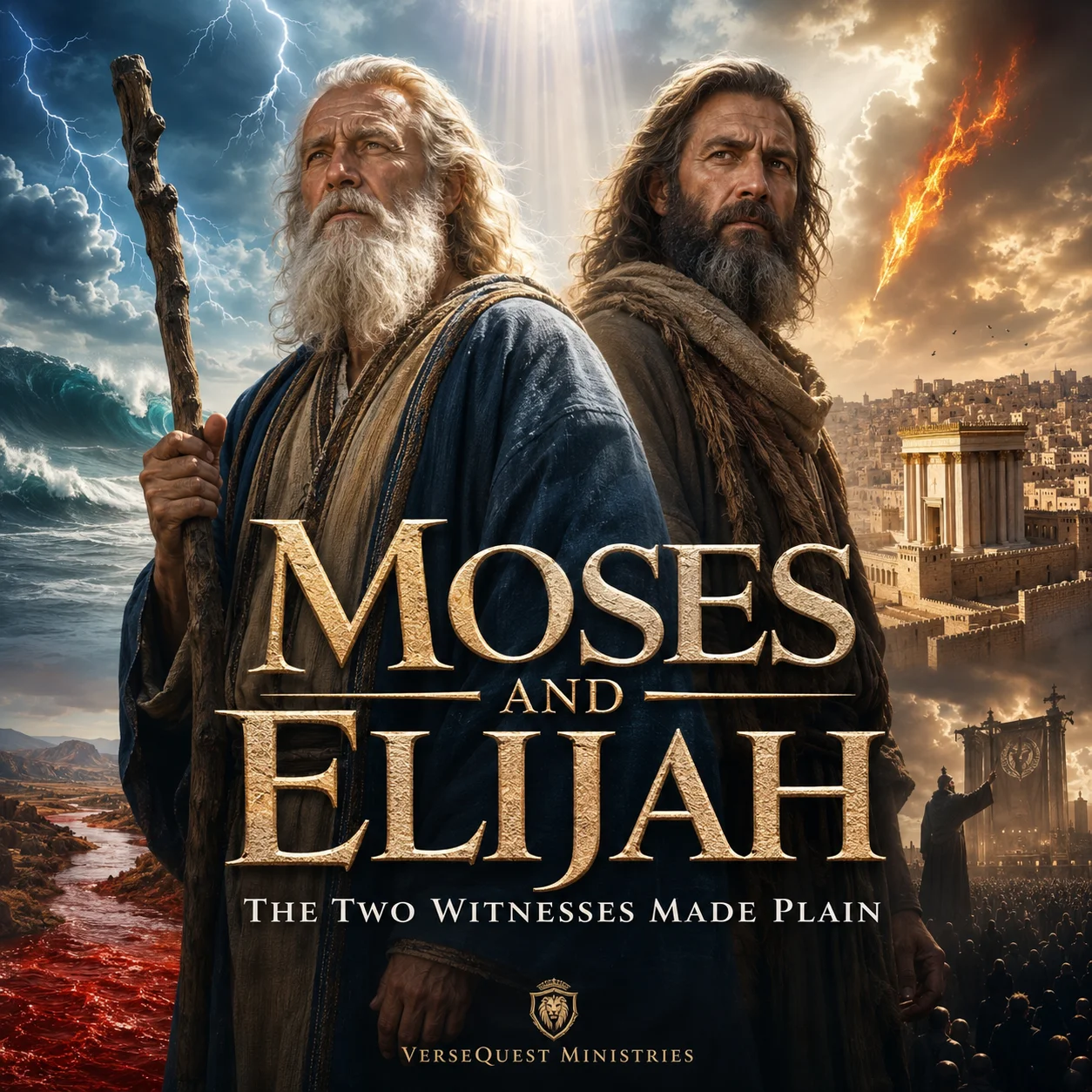
- Moses and Elijah: The Two Witnesses Made Plain
- Moses and Elijah: The Two Witnesses Made Plain is a 636-page premium VerseQuest PDF study proving from Scripture that the Two Witnesses of Revelation 11 are Moses and Elijah. This…
- Original price was: $34.99.$9.99Current price is: $9.99.
- Add to cart
-
-71%
-
Doctrine Series
-
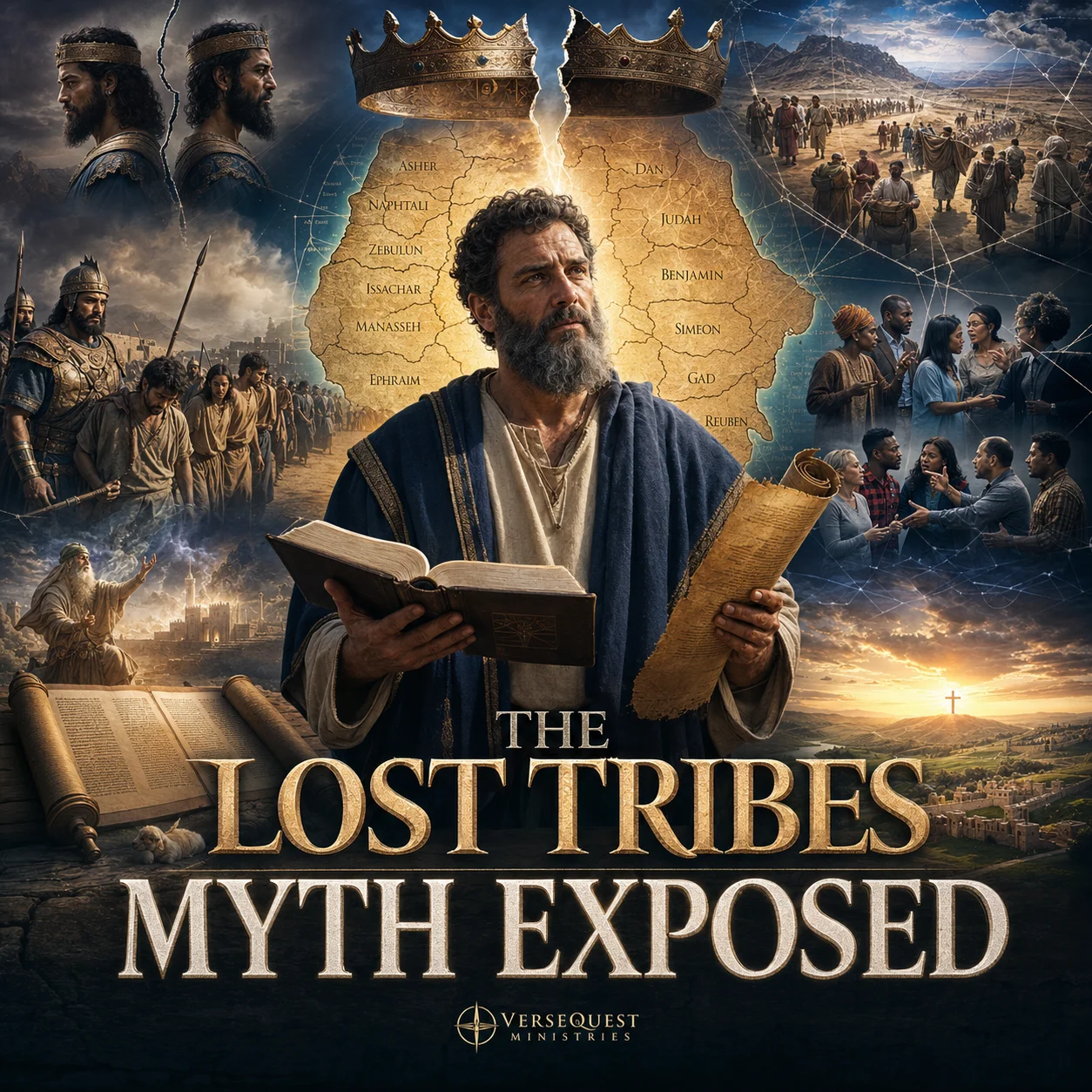
- The Lost Tribes Myth Exposed (213-Page Premium Study)
- A 213-page premium KJV study exposing the Lost Tribes myth, tribal identity errors, prophecy abuse, race theories, and false Israel claims through 35 detailed essays.
- $24.99
- Add to cart
-
-
Christology Studies
-
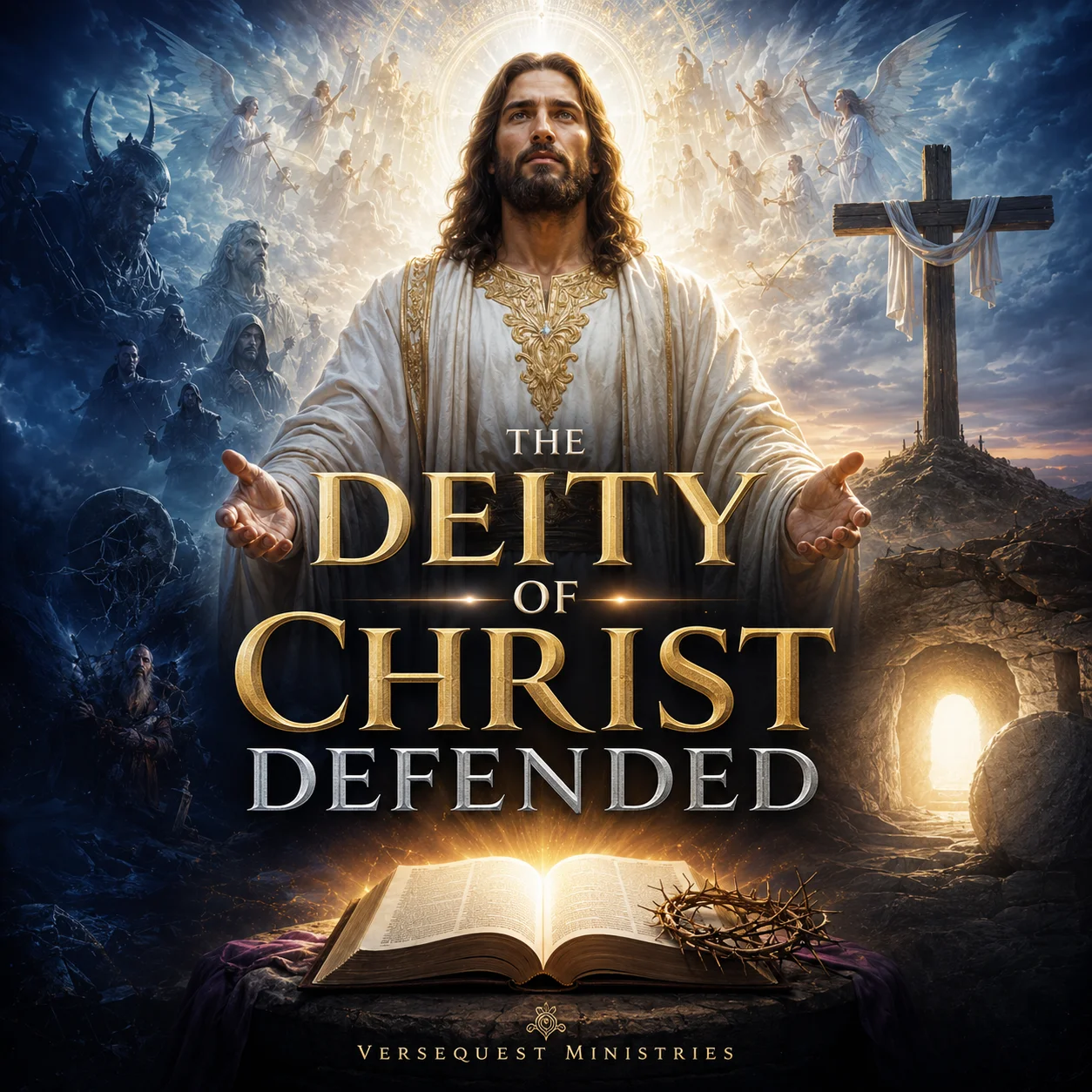
- The Deity of Christ Defended — 66 KJV Studies Proving Jesus Christ Is God Manifest in the Flesh
- he Deity of Christ Defended is a 444-page premium KJV Bible study defending the full deity of the Lord Jesus Christ. This 66-study book proves from Scripture that Jesus is…
- $29.99
- Add to cart
-
-
Study Books (PDF)
-
-25%
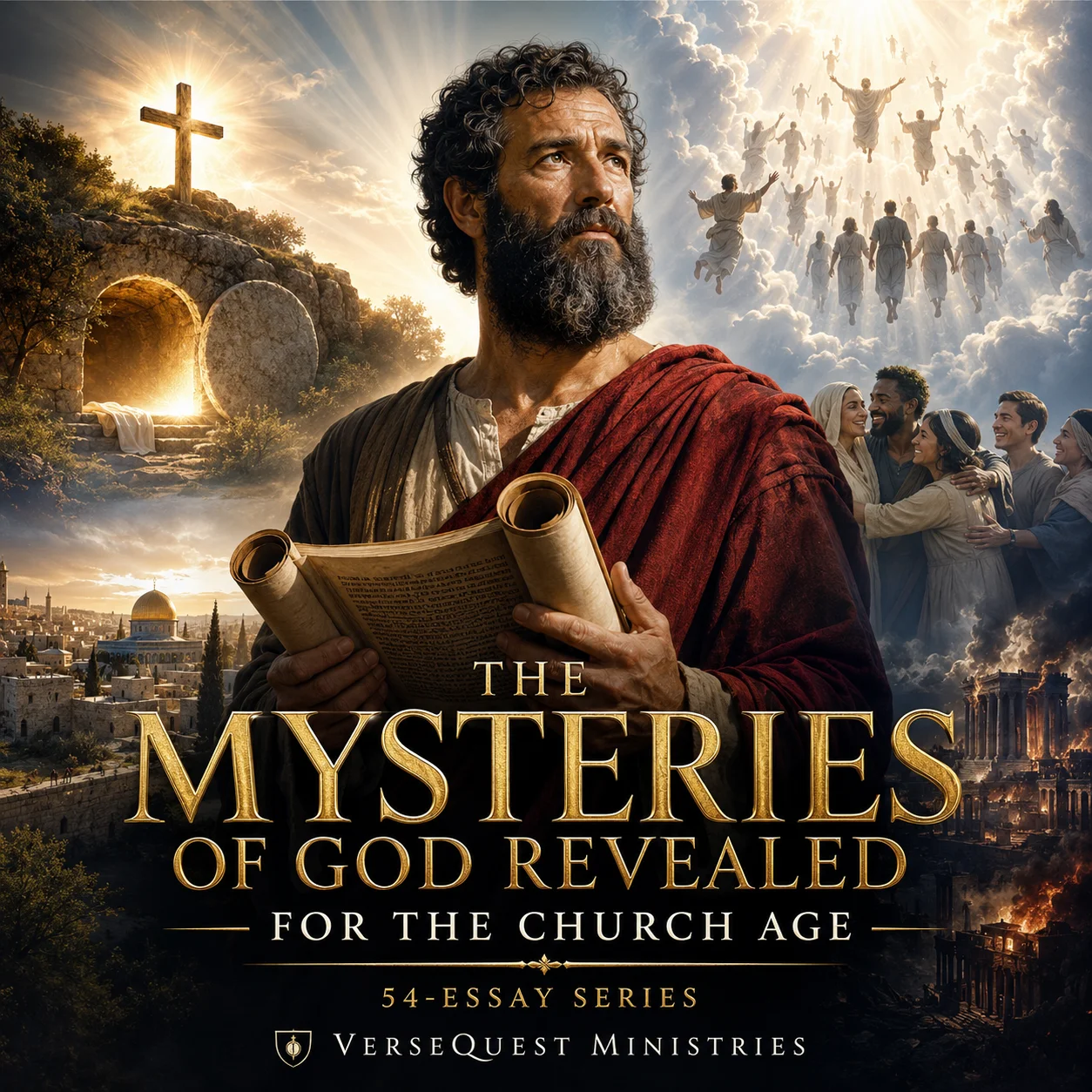
- The Mysteries of God Revealed for the Church Age – Premium Essay Series PDF
- A premium 404-page VerseQuest Ministries digital PDF study book featuring 54 detailed KJV-only essays on the mysteries of God revealed for the Church Age. This rightly divided study covers the…
- Original price was: $39.99.$29.99Current price is: $29.99.
- Add to cart
-
-25%
-
Bible Prophecy Charts
-
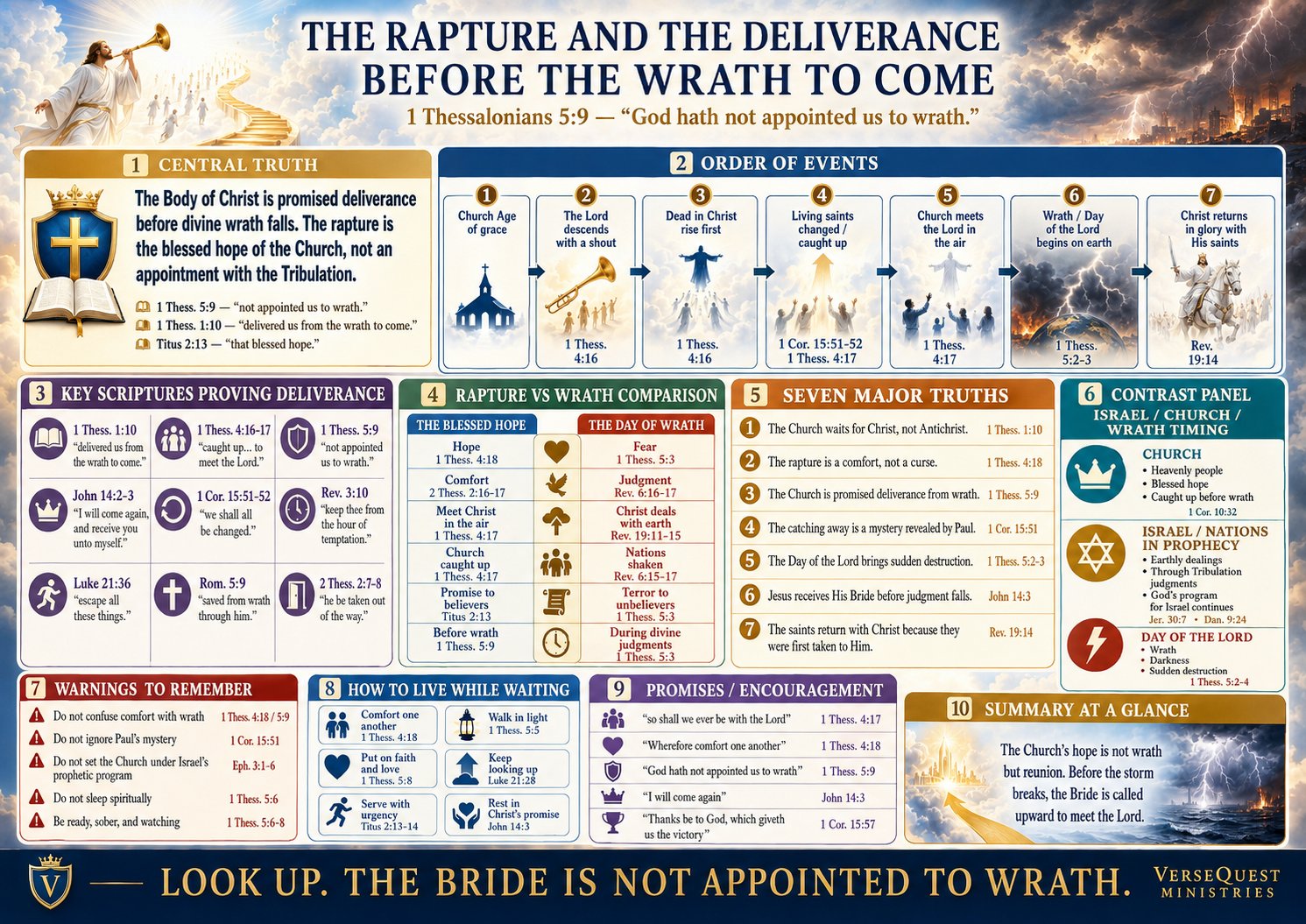
- The Rapture and the Deliverance Before the Wrath to Come – Printable Bible Study Chart
- Printable KJV Bible study chart on The Rapture and the Deliverance Before the Wrath to Come, showing from 1 Thessalonians 5:9 that the Church is not appointed to wrath. This…
- $4.99
- Add to cart
-