

The Strange Woman: Seduction, Adultery, and the Harlot System in Proverbs — 248-Page PDF Bible Study
The Strange Woman: Seduction, Adultery, and the Harlot System in Proverbs is a 248-page downloadable PDF Bible study containing forty detailed studies, a full introduction, conclusion, and an illustrated series chart.
Follow the strange woman through Proverbs 2, 5, 6, 7, and 9 as Scripture exposes her flattery, seduction, secrecy, covenant-breaking, religious language, financial cost, destructive consequences, and danger to both young and strong men. The study then carries the biblical pattern into Revelation 17–18 and Mystery Babylon, showing how the methods of personal seduction become the methods of prophetic religious apostasy.
A substantial KJV-centered resource for personal study, preaching, discipleship, men’s teaching, Sunday school, family instruction, and prophecy study.
248 pages • Digital PDF • $19.99
$19.99
Description
The Strange Woman: Seduction, Adultery, and the Harlot System in Proverbs is a 248-page downloadable PDF book built around one of the most persistent warnings in the book of Proverbs. Across forty detailed studies, the book traces the strange woman through Proverbs 2, 5, 6, 7, 9, and related passages, examining her character, methods, speech, appearance, movements, religious language, consequences, and ultimate prophetic significance.
This study begins with the practical warning exactly where Proverbs begins it. The strange woman flatters with her words, forsakes the guide of her youth, forgets covenant, uses honeyed speech, moves according to appetite, operates through secrecy, and draws the foolish toward destruction. The book follows the progression from the first inward movements of lust to the outward steps that bring a man near her corner, through the dark night, into physical compromise, and finally toward wounds, dishonour, wasted substance, broken trust, and the bitter end Scripture warned about from the beginning.
The book does not treat the subject as an attack on women. Proverbs itself distinguishes sharply between the strange woman and the virtuous woman. A godly, faithful woman is presented as a blessing, while the strange woman represents a specific kind of character marked by flattery, covenant-breaking, seduction, manipulation, instability, secrecy, and rebellion. At the same time, the book refuses to let the man place all responsibility on the woman. Proverbs says the adulteress hunts for the precious life, but it also says the man who commits adultery “destroyeth his own soul” (Proverbs 6:32). The warnings therefore address both discernment and personal responsibility.
Several studies deal directly with subjects that are especially important in modern life: pornography, private messaging, social media, secret emotional relationships, flirtation, vanity, late-night communication, fantasy, and the danger of allowing the imagination to travel where the body has not yet gone. The book repeatedly returns to the biblical principle that adultery is normally resisted successfully long before the final physical act. God warns about the heart, the eyes, the road, the corner, the darkness, the conversation, and the door because wisdom fights sin before momentum takes over.
The consequences receive equally serious treatment. Proverbs warns that adultery can cost honour, wealth, labour, years, bodily strength, peace, reputation, ministry usefulness, family stability, and the trust of those closest to a man. The book examines the biblical examples of Samson, David, and Solomon to demonstrate that strength, success, intelligence, spiritual privilege, leadership, and past victories provide no automatic protection against uncontrolled lust. “Many strong men have been slain by her” (Proverbs 7:26) becomes one of the defining warnings of the entire study.
The second major dimension is prophetic. Without removing the literal meaning of Proverbs, the book follows the biblical pattern of harlotry into Revelation 17–18, where the individual strange woman reaches her prophetic counterpart in Mystery Babylon, the great harlot system. Her methods become larger but remain recognizable: flattery becomes political and religious influence, ornament becomes ecclesiastical splendour, forbidden union becomes spiritual fornication, religious language becomes institutional authority, wealth accumulates, kings participate, and finally God judges the entire system.
The final study brings the whole series together by comparing the strange woman of Proverbs with Mystery Babylon of Revelation. What begins as the seduction of one foolish man becomes the seduction of kings and nations. The book therefore serves both as a practical warning concerning sexual sin and as a prophetic study of religious apostasy.
The PDF also includes a full introduction, a concluding synthesis of the forty studies, and an illustrated full-series Bible-study chart summarizing the principal characteristics, methods, warnings, consequences, and prophetic connections examined throughout the book.
This 248-page digital PDF book is priced at $19.99 and is designed for serious Bible students, pastors, preachers, teachers, Sunday school instructors, fathers teaching sons, discipleship settings, ministry training, topical study, and anyone seeking a detailed KJV-centered examination of the strange woman in Proverbs and the Harlot System of Revelation.
The strange woman as a recurring figure throughout Proverbs. Biblical discernment between the virtuous woman and the strange woman. Flattery as one of seduction’s earliest weapons. The abandonment of guidance and covenant. Honey at the beginning and bitterness at the end. Smooth speech and the removal of moral resistance. The danger of unstable and moveable convictions. Biblical separation and staying far from temptation. The loss of honour through adultery. The financial and material cost of sexual sin. Mourning and long-term consequences. Bodily consequences of uncontrolled sexual appetite. Lust and adultery beginning in the heart. Pornography, fantasy, private messages, and modern forms of secret lust. Repeated sin becoming cords of bondage. The adulteress hunting for the precious life. Personal responsibility of the man who follows temptation. Fire as the biblical picture of adultery. Wounds, dishonour, reproach, and lasting consequences. The foolish young man who lacks understanding. Dangerous proximity and the road leading toward sin. Darkness, secrecy, concealment, and hidden relationships. Outward appearance versus inward character. Stubbornness, restlessness, and resistance to correction. The progression from conversation to physical compromise. Religious language used to cover immoral conduct. Vanity and the seduction of feeling uniquely chosen. “Much fair speech” and the wearing down of resistance. Samson, David, and Solomon as warnings to strong men. Stolen pleasure and the attraction of forbidden appetite. Eternal security versus temporal consequences. Biblical self-government and personal boundaries. Spiritual harlotry and religious apostasy. Mystery Babylon as the prophetic Harlot System. Political, religious, and economic union in Revelation 17–18. Outward religious splendour hiding inward corruption. Biblical separation from apostasy. The authority of Scripture over emotion, tradition, appetite, and institutional religion.
Central Argument: Proverbs does not mention the strange woman as an isolated illustration. Her character and methods recur across several chapters, forming a unified biblical warning about seduction, adultery, covenant-breaking, destructive appetite, and ultimately the larger prophetic pattern of spiritual harlotry.
Literal Before Prophetic: The strange woman must first be understood as a genuine practical warning concerning sexual immorality. The prophetic application to Mystery Babylon should never erase the plain moral instruction given to Solomon’s son.
Speech Comes First: Proverbs repeatedly emphasizes flattering words, honeyed lips, smooth speech, and “much fair speech.” Seduction often enters through conversation before physical contact.
The Heart Is the First Battlefield: Proverbs 6:25 and Matthew 5:28 demonstrate that adultery can begin inwardly before becoming outward action.
Danger Develops Progressively: Heart, eyes, road, corner, darkness, conversation, physical contact, rationalization, surrender, and consequence form a recognizable sequence.
Proximity Matters: Proverbs does not merely say “do not commit adultery.” It says, “Remove thy way far from her.” Biblical wisdom manages distance before temptation becomes overwhelming.
Strength Is Not Immunity: Samson, David, and Solomon demonstrate that physical power, courage, leadership, intelligence, wisdom, and spiritual privilege cannot replace self-government.
Adultery Has Economic Consequences: Proverbs repeatedly connects sexual sin with wasted substance, labour transferred to strangers, dishonour, and being reduced “to a piece of bread.”
The Precious Life: The adulteress hunts more than physical pleasure. Marriage, children, reputation, ministry, freedom, wealth, peace, trust, and years of labour can all become collateral damage.
Personal Responsibility Remains: The strange woman may hunt, flatter, and entice, but the man who follows her is responsible for his own conduct. Proverbs 6:32 says he “destroyeth his own soul.”
Grace Does Not Cancel Consequences: A saved believer does not lose eternal salvation through adultery, but he may suffer chastening, destroyed trust, financial loss, damaged testimony, lost usefulness, and years of earthly consequences.
Secrecy Is a Major Warning Sign: Darkness, hidden communication, deleted messages, secret meetings, private emotional relationships, and concealment often accompany the progression toward adultery.
Religion Does Not Equal Character: Proverbs 7:14 shows the adulteress speaking of peace offerings and vows while arranging sin. Religious vocabulary cannot substitute for obedience.
Forbiddenness Intensifies Desire: “Stolen waters are sweet” exposes fallen flesh’s tendency to value something partly because God has forbidden it.
Repeated Sin Dulls Conscience: Proverbs 30:20 pictures the adulterous woman eventually denying wrongdoing altogether. Persistent sin can move from guilt, to justification, to moral redefinition.
Prophetic Climax: Revelation 17–18 enlarges the individual pattern into Mystery Babylon—the great Harlot System associated with wealth, kings, religion, political influence, fornication, splendour, commerce, and final judgment.
Final Teaching Principle: Learn to recognize Babylon while the strange woman is still whispering at the corner. Methods that deceive individuals can also deceive churches, rulers, institutions, and nations when dressed in religious grandeur.
This resource can be used as a personal topical Bible study through the warnings concerning the strange woman in Proverbs. Each study develops a specific trait, method, danger, or consequence, allowing the reader to follow the subject progressively rather than treating the passages as disconnected warnings.
Pastors and preachers can use the forty studies as source material for sermon series, men’s meetings, marriage teaching, purity messages, discipleship courses, and prophetic instruction. The progression through Proverbs 2, 5, 6, 7, and 9 lends itself naturally to a multi-week preaching or teaching series.
Sunday school teachers and small-group leaders can use the book for character studies, practical wisdom lessons, studies on temptation and self-control, and discussions about biblical relationships and marriage.
Parents, particularly fathers teaching sons, can use the material as a serious biblical warning before adulthood, dating, marriage, and increased independence. The book emphasizes learning the warning before consequences make the lesson more expensive.
The prophetic sections can be used in Revelation studies, prophecy classes, and doctrinal teaching on Mystery Babylon, especially where the teacher wants to show the biblical progression from literal sexual harlotry to the larger scriptural picture of religious apostasy.
The included chart can serve as a visual review tool, classroom reference, sermon companion, teaching handout reference, or quick summary after completing the full book.
A King James Bible should remain the primary study resource, particularly Proverbs 2, 5, 6, 7, 9, and Revelation 17–18.
A strong KJV concordance is useful for tracing terms including strange woman, strange women, harlot, whore, adultery, fornication, flattery, covenant, pit, death, Babylon, and fornication.
A Bible dictionary can help with historical background concerning marriage customs, peace offerings, ancient cities, Babylon, kingship, and related Old Testament settings.
A cross-reference Bible or treasury of Scripture references is especially valuable for following the repeated biblical connections between adultery, spiritual fornication, covenant-breaking, Babylon, judgment, and separation.
A Bible atlas and historical map set can assist with the historical Babylonian setting and the broader geography associated with biblical prophecy.
For further prophetic study, Revelation Without Confusion and other established VerseQuest Revelation studies can complement the book by expanding the examination of Revelation 17–18 and the larger prophetic setting surrounding Mystery Babylon.
Related products
-
The Clock Is Eating Your Life
-
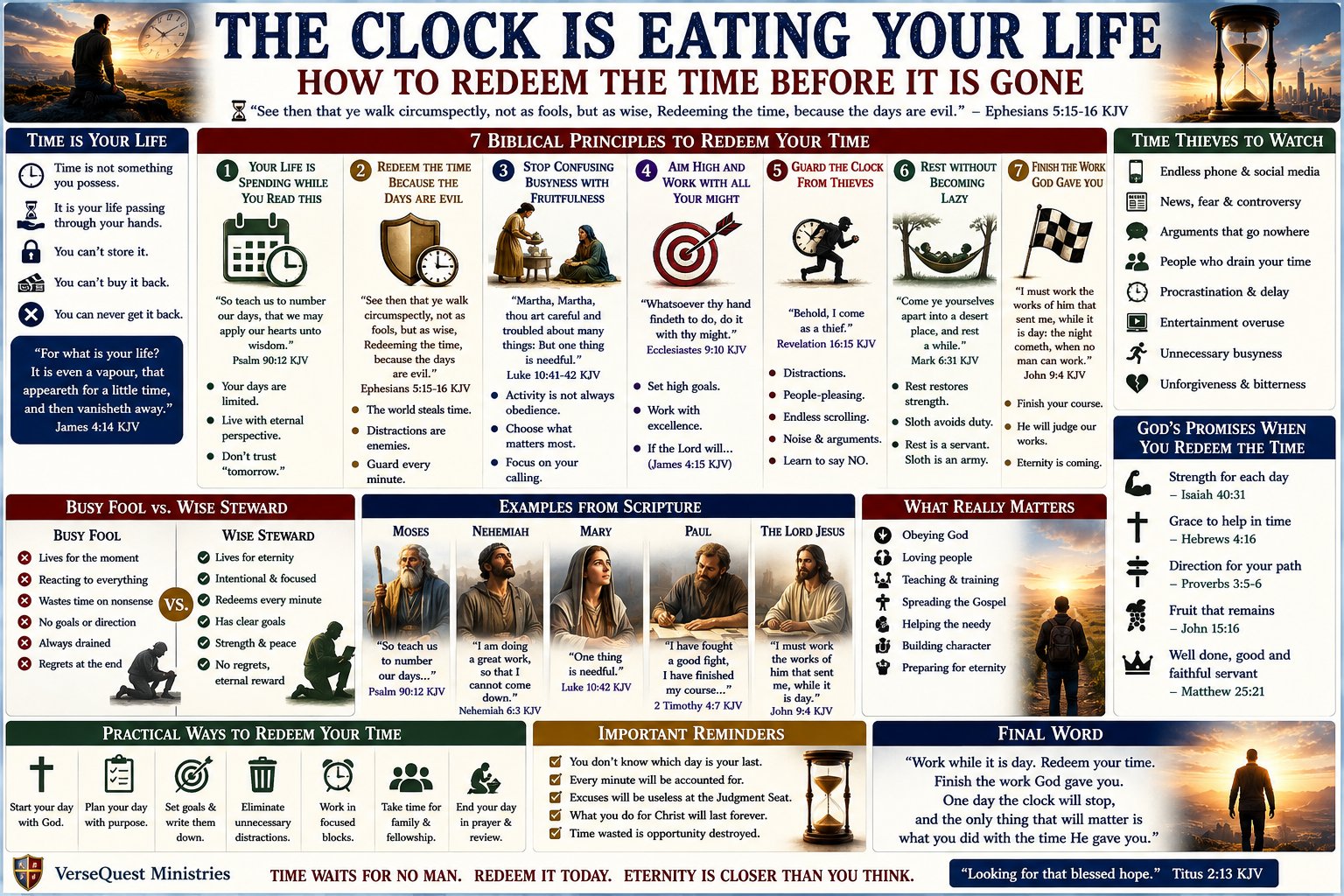
- The Clock Is Eating Your Life – How to Redeem the Time Before It Is Gone (KJV Bible Study Chart)
- Learn how to redeem the time with this detailed KJV chart covering biblical priorities, busyness versus fruitfulness, time thieves, diligence, proper rest, practical scheduling, eternal purpose, and finishing the work…
- $3.99
- Add to cart
-
-
How To Live By Faith
-
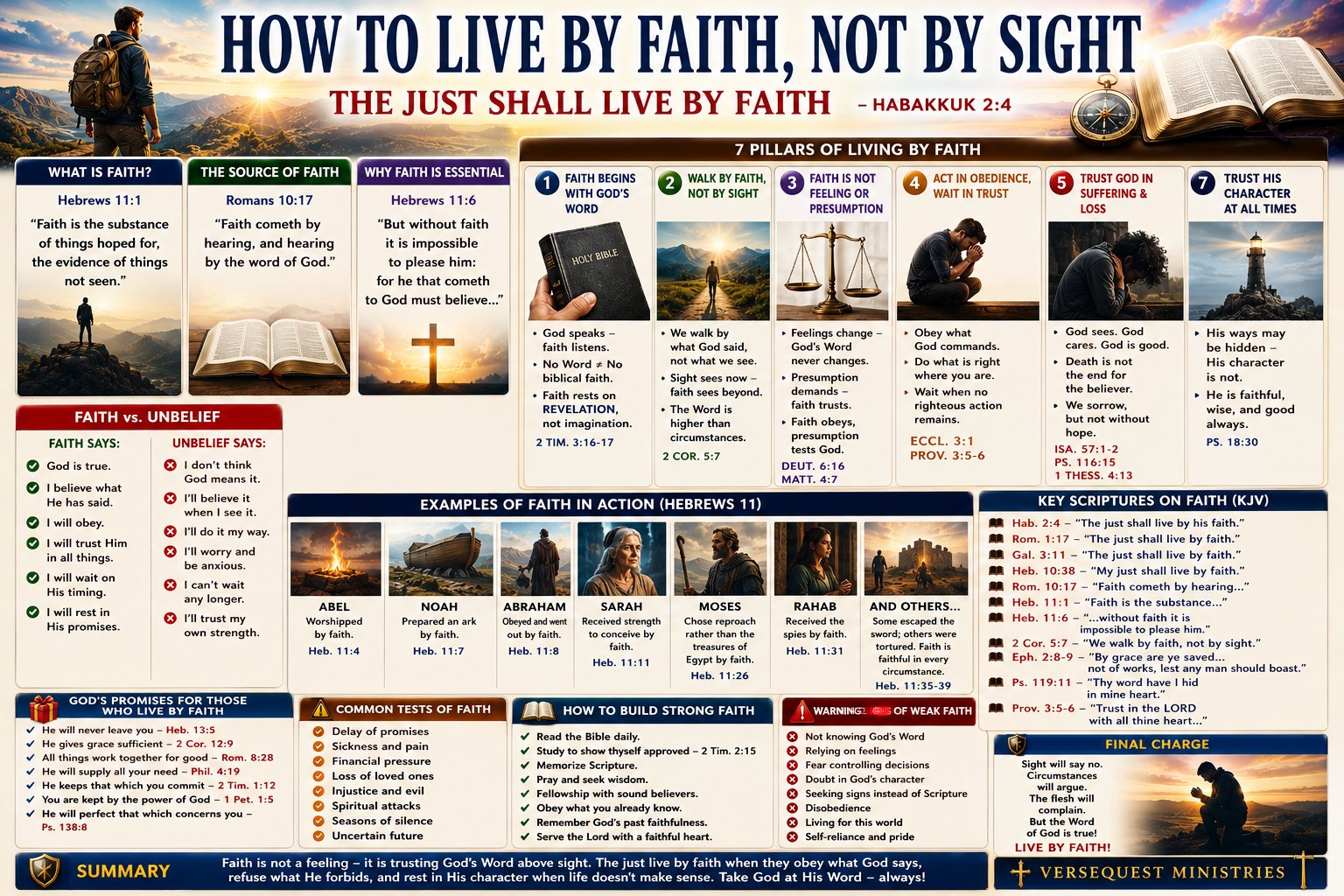
- How to Live by Faith, Not by Sight – Seven Pillars of Trusting God’s Word Through Every Circumstance (KJV Bible Study Chart)
- Learn how to live by faith rather than sight with this detailed KJV chart covering God’s Word, obedience, waiting, suffering, Hebrews 11 examples, trials of faith, and trust in God’s…
- $3.99
- Add to cart
-
-
Bitterness
-
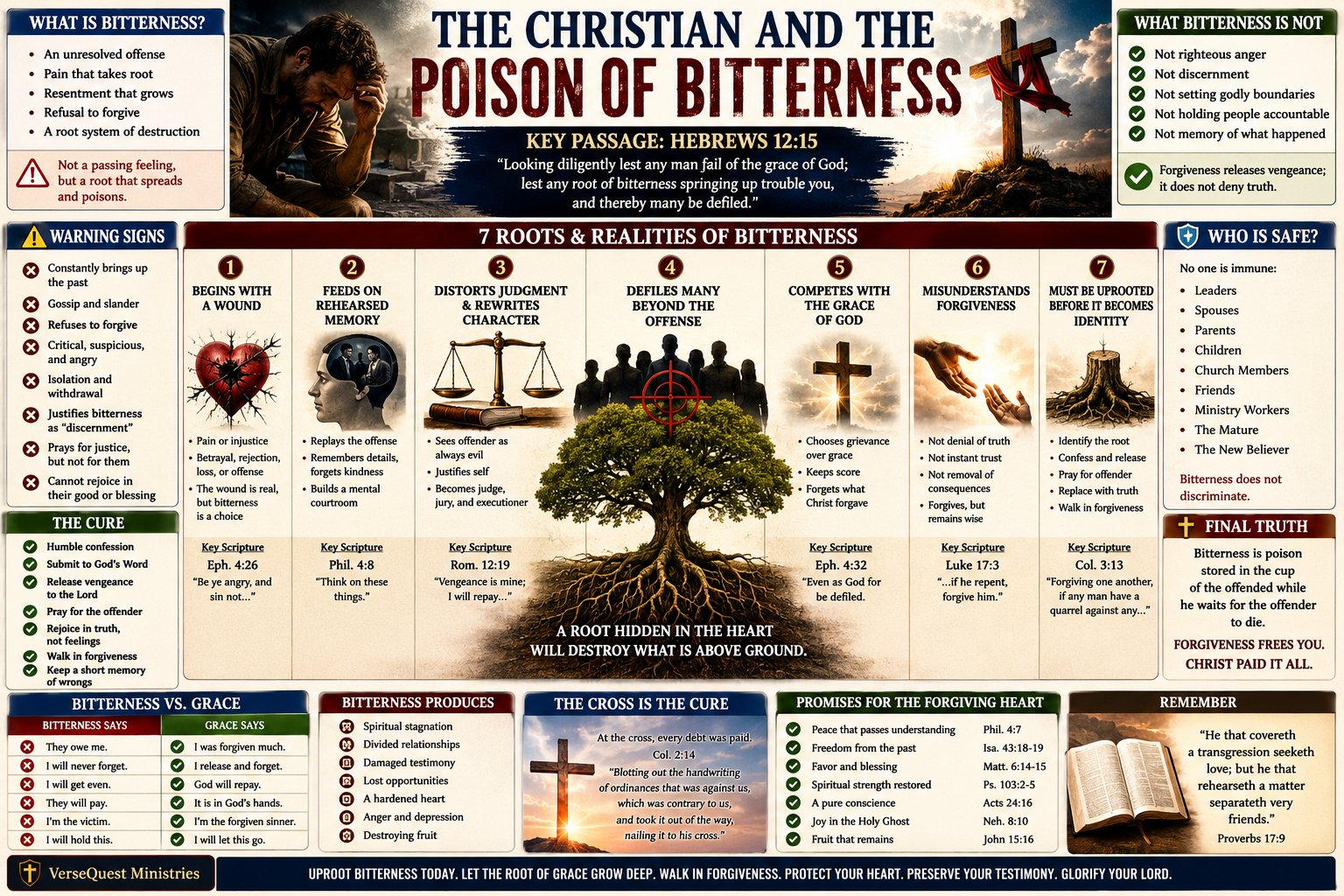
- The Christian and the Poison of Bitterness Bible Study Chart – Forgiveness, Grace, and Healing the Heart (KJV)
- Expose and uproot bitterness with this detailed KJV Bible study chart covering unresolved offenses, warning signs, forgiveness, grace, wise boundaries, the cross, and healing for the Christian heart.
- $3.99
- Add to cart
-
-
Christian Growth
-
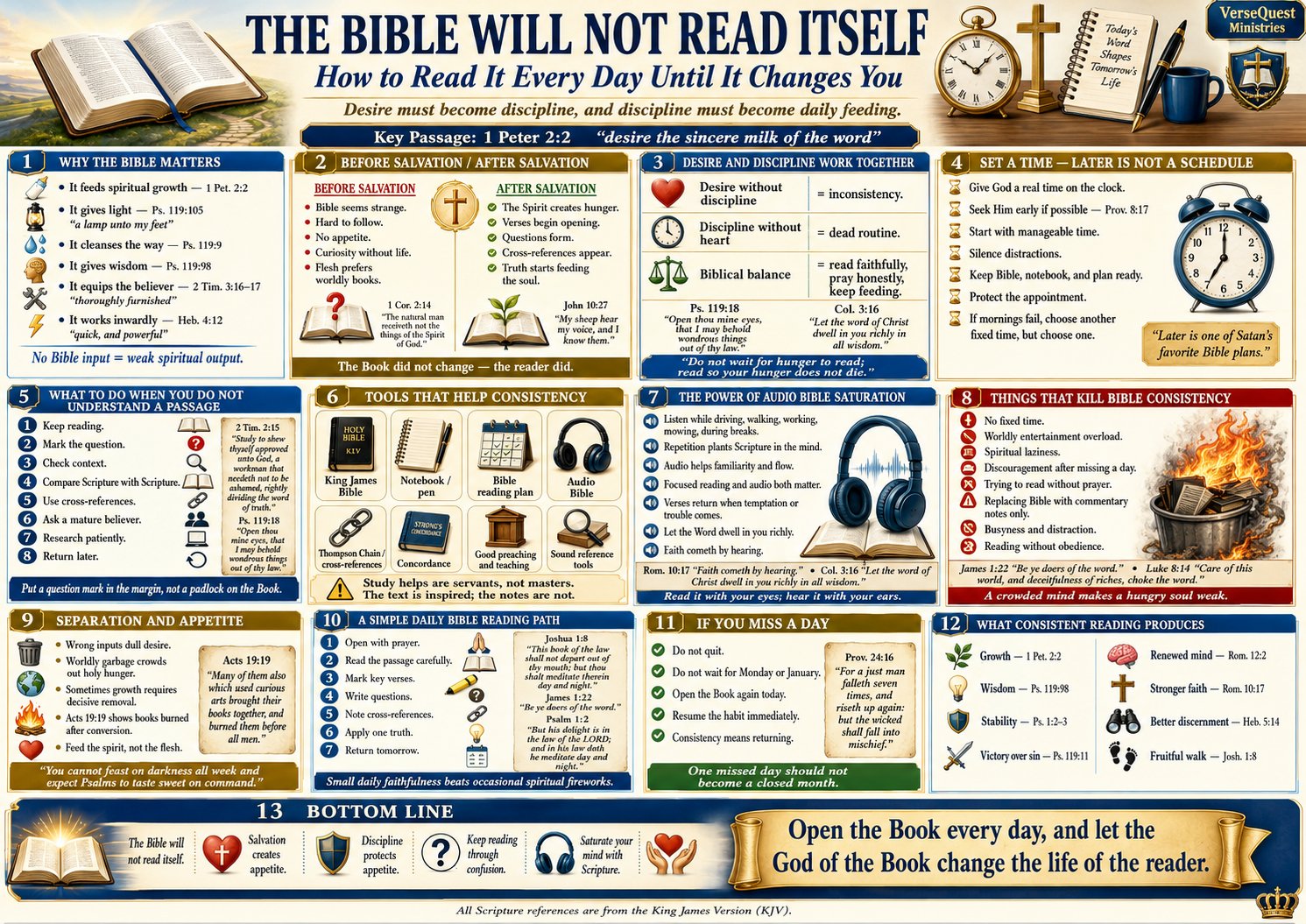
- The Bible Will Not Read Itself – How to Read the Bible Every Day Bible Study Chart (KJV)
- Build a consistent daily Bible reading habit with this detailed KJV Bible study chart. Learn practical steps for reading Scripture faithfully, overcoming inconsistency, understanding difficult passages, and growing spiritually through…
- $3.99
- Add to cart
-
-
Uncategorized
-
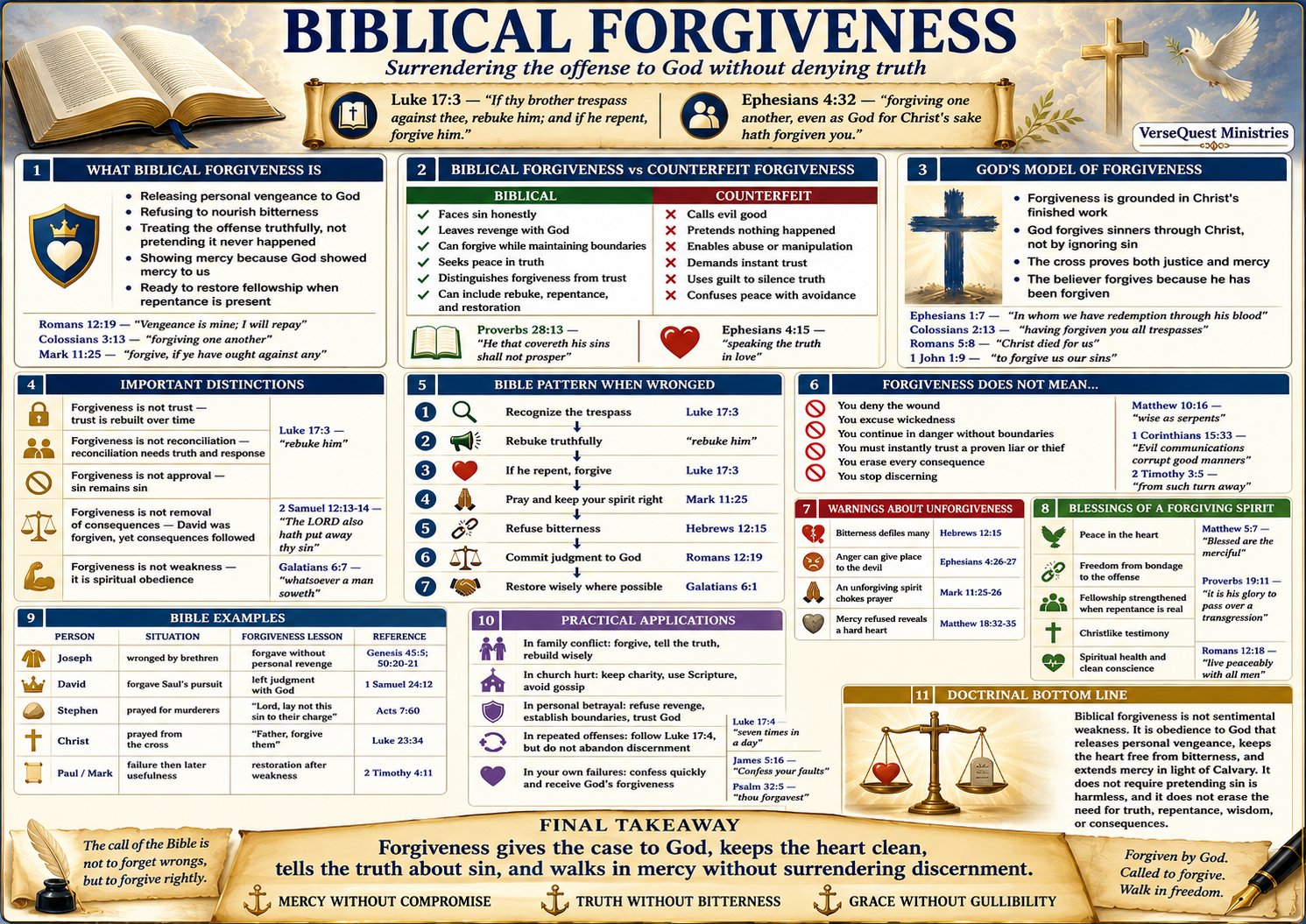
- Biblical Forgiveness Bible Study Chart – Mercy, Truth, Repentance, Boundaries, and Wise Restoration (KJV)
- Understand biblical forgiveness with this detailed KJV chart covering mercy, truth, repentance, trust, reconciliation, wise boundaries, accountability, consequences, bitterness, and restoration.
- $3.99
- Add to cart
-