
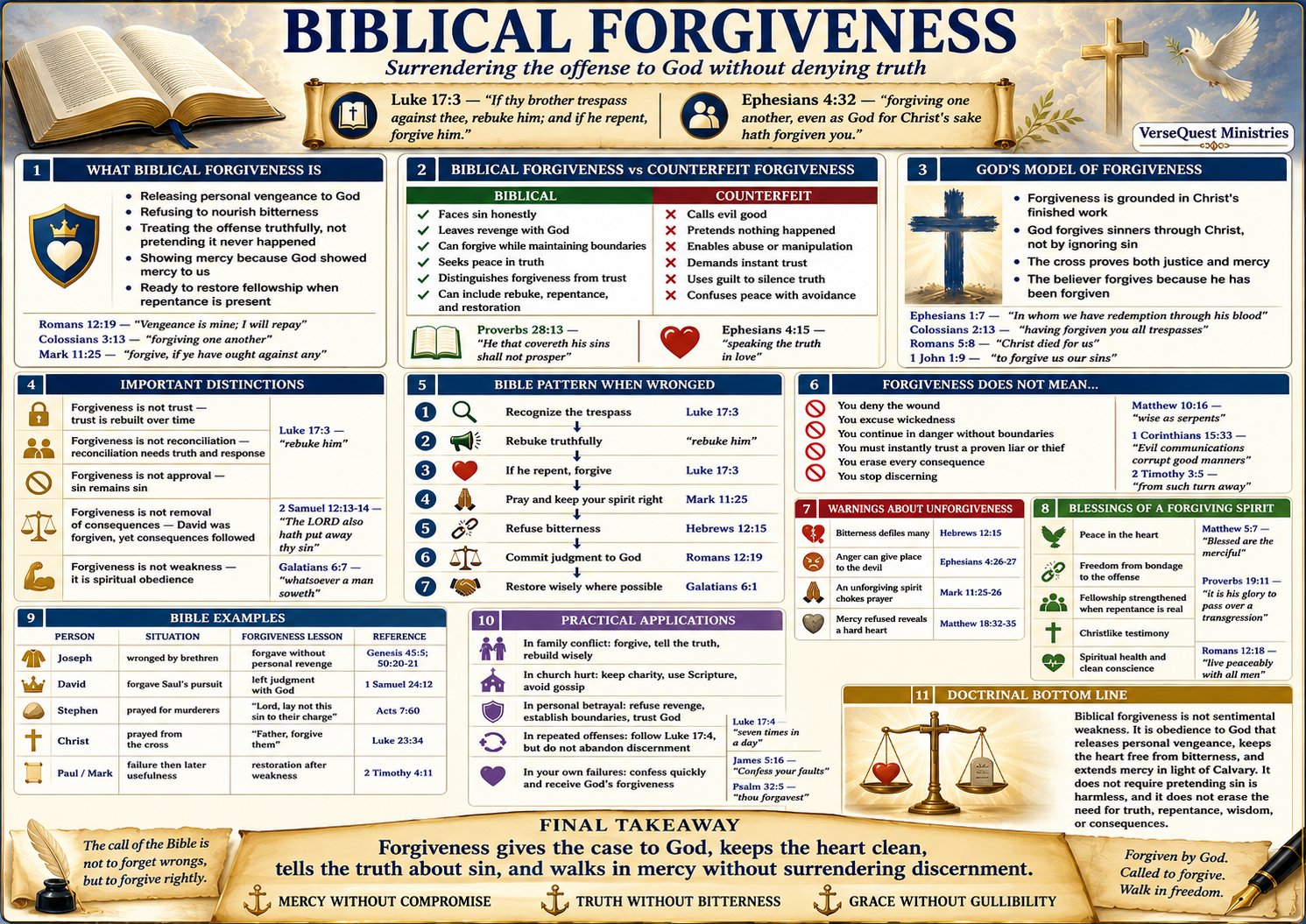
Biblical Forgiveness Bible Study Chart – Mercy, Truth, Repentance, Boundaries, and Wise Restoration (KJV)
Understand biblical forgiveness with this detailed KJV chart covering mercy, truth, repentance, trust, reconciliation, wise boundaries, accountability, consequences, bitterness, and restoration.
$3.99
Description
Biblical Forgiveness: Surrendering the Offense to God Without Denying Truth is a detailed KJV Bible study chart explaining how Christians can release personal vengeance, resist bitterness, speak truth about wrongdoing, maintain necessary boundaries, and pursue restoration without confusing forgiveness with denial, gullibility, or immediate trust.
Built around Luke 17:3 and Ephesians 4:32, this chart presents forgiveness as spiritual obedience grounded in the mercy believers have received through Jesus Christ. Biblical forgiveness does not call evil good, pretend an offense never occurred, erase every consequence, or require an injured person to return immediately to an unsafe relationship. It places personal vengeance into God’s hands while keeping the heart free from hatred.
Forgiveness begins by recognizing that judgment ultimately belongs to the Lord. Romans 12:19 commands believers not to avenge themselves but to leave vengeance with God. Releasing revenge does not mean the offense was insignificant. It means the injured person refuses to occupy God’s throne or spend his life demanding personal repayment.
The chart defines forgiveness as refusing to nourish bitterness, treating the offense truthfully, showing mercy because God has shown mercy through Christ, and remaining willing to pursue restored fellowship when repentance, honesty, and safety are present.
A major comparison distinguishes biblical forgiveness from counterfeit forgiveness. Biblical forgiveness faces sin honestly, leaves vengeance with God, maintains wise boundaries, seeks peace in truth, distinguishes forgiveness from trust, and may include rebuke, repentance, accountability, and restoration.
Counterfeit forgiveness calls evil good, pretends nothing happened, enables abuse or manipulation, demands immediate trust, uses guilt to silence truth, and confuses genuine peace with avoidance. This false version protects the offender from accountability while placing additional pressure upon the wounded person.
God’s model of forgiveness is grounded in Christ’s finished work. God does not forgive by pretending sin never mattered. The cross demonstrates both perfect justice and immeasurable mercy. Jesus Christ bore the penalty of sin, shed His blood, and completed redemption so that guilty sinners could receive pardon without God compromising His holiness.
Because believers have been forgiven through Christ, they are commanded to extend mercy to others. Ephesians 4:32 directs Christians to forgive one another as God for Christ’s sake forgave them. The believer does not forgive because every offender is trustworthy but because Christ has freed him from the bondage of personal vengeance.
The chart carefully distinguishes forgiveness from trust. Forgiveness may be granted while trust must be rebuilt through time, truth, repentance, accountability, and demonstrated change. A person may release bitterness today while wisely observing whether the offender’s conduct supports renewed confidence.
Forgiveness is also distinct from reconciliation. Forgiveness concerns the offended person’s heart and his surrender of vengeance to God. Reconciliation requires truth and a willing response from both sides. One person can forgive, but one person cannot create a healthy relationship when the other continues lying, manipulating, abusing, or refusing repentance.
Forgiveness does not mean approval. Sin remains sin even after personal vengeance has been surrendered. The Christian does not honour God by renaming wickedness, dismissing biblical standards, or treating harmful conduct as morally harmless.
Forgiveness does not automatically remove consequences. David was forgiven after confessing his sin, yet serious consequences remained. Civil penalties, church discipline, damaged trust, relational distance, restitution, and natural consequences may continue even after forgiveness is extended.
Forgiveness is not weakness. It takes spiritual strength to refuse revenge, pray for an offender, speak truth without hatred, maintain boundaries without bitterness, and trust God with judgment. Galatians 6 reminds believers that the principle of sowing and reaping remains real.
A central section presents the biblical pattern when a believer is wronged. First, recognize the trespass rather than minimizing it. Second, rebuke truthfully when appropriate. Third, forgive when repentance is expressed. Fourth, pray and guard the spirit from hatred. Fifth, refuse bitterness. Sixth, commit final judgment to God. Seventh, restore wisely where restoration is possible.
Luke 17:3 provides a direct pattern: “If thy brother trespass against thee, rebuke him; and if he repent, forgive him.” Biblical love is honest enough to address sin and merciful enough to receive genuine repentance.
The chart also explains what forgiveness does not require. It does not require denying the wound, excusing wickedness, remaining in danger, instantly trusting an unproven liar or thief, erasing every consequence, or abandoning discernment.
Jesus instructed His disciples to be wise as serpents and harmless as doves. Christian mercy and biblical wisdom belong together. A forgiving heart does not need to become a defenseless target for continued manipulation.
Warnings concerning unforgiveness include the spread of bitterness, anger giving place to the devil, hindered prayer, hardened hearts, and the refusal to extend mercy after receiving mercy from God. Unforgiveness promises protection but often keeps the wounded person chained emotionally to the offense.
Hebrews 12:15 warns that a root of bitterness may spring up and defile many. Resentment rarely remains private. It spreads through families, friendships, churches, conversations, and alliances as uninvolved people are drawn into an old conflict.
Ephesians 4 warns believers not to allow anger to give place to the devil. Righteous concern over sin can become sinful anger when it is nursed, rehearsed, weaponized, or turned into a settled desire for revenge.
The blessings of a forgiving spirit include inward peace, freedom from bondage to the offense, stronger fellowship when repentance is genuine, a clear Christian testimony, spiritual health, and a clean conscience before God.
The chart includes several biblical examples. Joseph forgave the brothers who betrayed and sold him without pursuing personal vengeance. David refused to kill Saul and left judgment with God. Stephen prayed for those murdering him, and Jesus Christ prayed from the cross.
The relationship between Paul and Mark demonstrates that failure does not always end usefulness. After earlier disappointment and separation, Mark later became profitable to Paul for the ministry. Wise restoration may be possible when growth, faithfulness, and changed conduct become visible.
Practical applications address family conflict, church hurt, personal betrayal, repeated offenses, and personal failure. Believers are encouraged to forgive while telling the truth, use Scripture rather than gossip, establish wise boundaries, follow Christ’s instructions, confess their own sins quickly, and receive God’s forgiveness.
Repeated offenses require obedience without foolishness. Luke 17 teaches a willingness to forgive repeatedly, yet Scripture never commands believers to pretend that ongoing deception, danger, or abuse has become safe. Mercy does not eliminate discernment.
In cases involving serious abuse, violence, criminal conduct, threats, or danger, forgiveness does not forbid contacting lawful authorities, seeking protection, reporting wrongdoing, or maintaining firm separation. God-ordained authority may be part of truthful accountability.
The doctrinal bottom line is that biblical forgiveness is not sentimental weakness. It releases personal vengeance, refuses bitterness, extends mercy in the light of Calvary, and walks in truth. It does not erase the need for repentance, wisdom, boundaries, accountability, or consequences.
This resource is ideal for personal Bible study, pastoral counseling, marriage and family ministry, church-conflict resolution, betrayal recovery, discipleship, Christian living classes, Sunday school, homeschool Bible curriculum, Bible institutes, sermon preparation, and anyone seeking freedom from bitterness without surrendering biblical discernment.
Biblical forgiveness, releasing personal vengeance, forgiveness and truth, forgiveness and repentance, forgiveness versus trust, forgiveness versus reconciliation, wise boundaries, Christian mercy, accountability, consequences of sin, overcoming bitterness, church hurt, family conflict, personal betrayal, repeated offenses, restoring fellowship, godly discernment, prayer for offenders, freedom from resentment, Christ’s finished work
Biblical forgiveness begins with surrendering personal vengeance to God. It does not require pretending that the offense was imaginary, minor, or morally acceptable.
God’s forgiveness demonstrates both justice and mercy. He did not ignore sin; Jesus Christ paid its penalty. Christian forgiveness should likewise remain truthful about wrongdoing while refusing personal revenge.
Forgiveness and trust are different. Forgiveness may be extended in the heart, while trust must be rebuilt through honesty, repentance, accountability, consistency, and time.
Forgiveness and reconciliation are also different. One person can surrender vengeance, but reconciliation requires cooperation and truth from both parties.
Luke 17:3 includes rebuke, repentance, and forgiveness. Biblical love does not avoid every difficult conversation. It confronts sin truthfully and receives genuine repentance mercifully.
Ephesians 4:32 grounds Christian forgiveness in what God has done for the believer through Christ. The forgiven Christian remembers the immeasurable debt from which he has been released.
Romans 12:19 places vengeance with God. Releasing revenge does not deny justice; it entrusts justice to the Judge who possesses complete knowledge and perfect righteousness.
Forgiveness does not erase consequences. David received forgiveness, yet painful temporal consequences followed. Mercy and accountability are not enemies.
Boundaries may remain necessary after forgiveness. A person can maintain distance from an unsafe or manipulative individual without nourishing hatred.
Instant trust is not a biblical requirement. Trust is relational confidence based upon truth and demonstrated character. Forgiveness should not be used to pressure someone into ignoring obvious danger.
Repeated forgiveness does not require repeated gullibility. The believer must remain merciful while also learning from patterns of dishonesty, violence, manipulation, or abuse.
Bitterness harms the wounded person and spreads to others. It feeds upon rehearsed memory, gossip, imagined revenge, and the recruitment of allies.
Prayer for the offender helps remove the case from the believer’s private courtroom. Prayer does not call wickedness good, but it places the offender before God.
In serious cases, lawful reporting and protection may be necessary. Forgiveness does not prohibit involving parents, pastors, employers, civil authorities, or law enforcement when wrongdoing requires intervention.
Joseph forgave his brothers while also testing their character before complete family restoration. His example demonstrates mercy joined with wisdom.
David refused personal revenge against Saul but did not continually place himself within Saul’s reach. Forgiveness and prudent distance operated together.
Stephen and Christ prayed for their persecutors. Their examples show that personal vengeance may be released even when the offender has not yet demonstrated repentance.
Paul and Mark demonstrate that failure does not always determine a person’s entire future. Genuine change may make wise restoration and renewed usefulness possible.
The believer should forgive because bitterness enslaves the heart, Christ commands mercy, and final judgment belongs to God. Forgiveness frees the injured person to walk forward without carrying the offender’s debt as a permanent identity.
Personal forgiveness studies, pastoral counseling, marriage counseling, family reconciliation, church-conflict resolution, betrayal recovery, establishing biblical boundaries, helping abuse survivors, overcoming bitterness, restoring repentant believers, distinguishing forgiveness from trust, Christian discipleship, small-group Bible studies, Sunday school lessons, homeschool Bible curriculum, Christian school instruction, Bible institute classes, sermon preparation
King James Bible, Strong’s Concordance, Thompson Chain-Reference Bible, Treasury of Scripture Knowledge, Nave’s Topical Bible, personal prayer journal, forgiveness and boundaries worksheet, biblical counseling resources, marriage and family study materials, church-discipline studies, conflict-resolution resources, Scripture memory cards, Matthew 18 study notes, Ephesians 4 cross-reference materials, VerseQuest Christian Living charts
Related products
-
Genesis 41
-
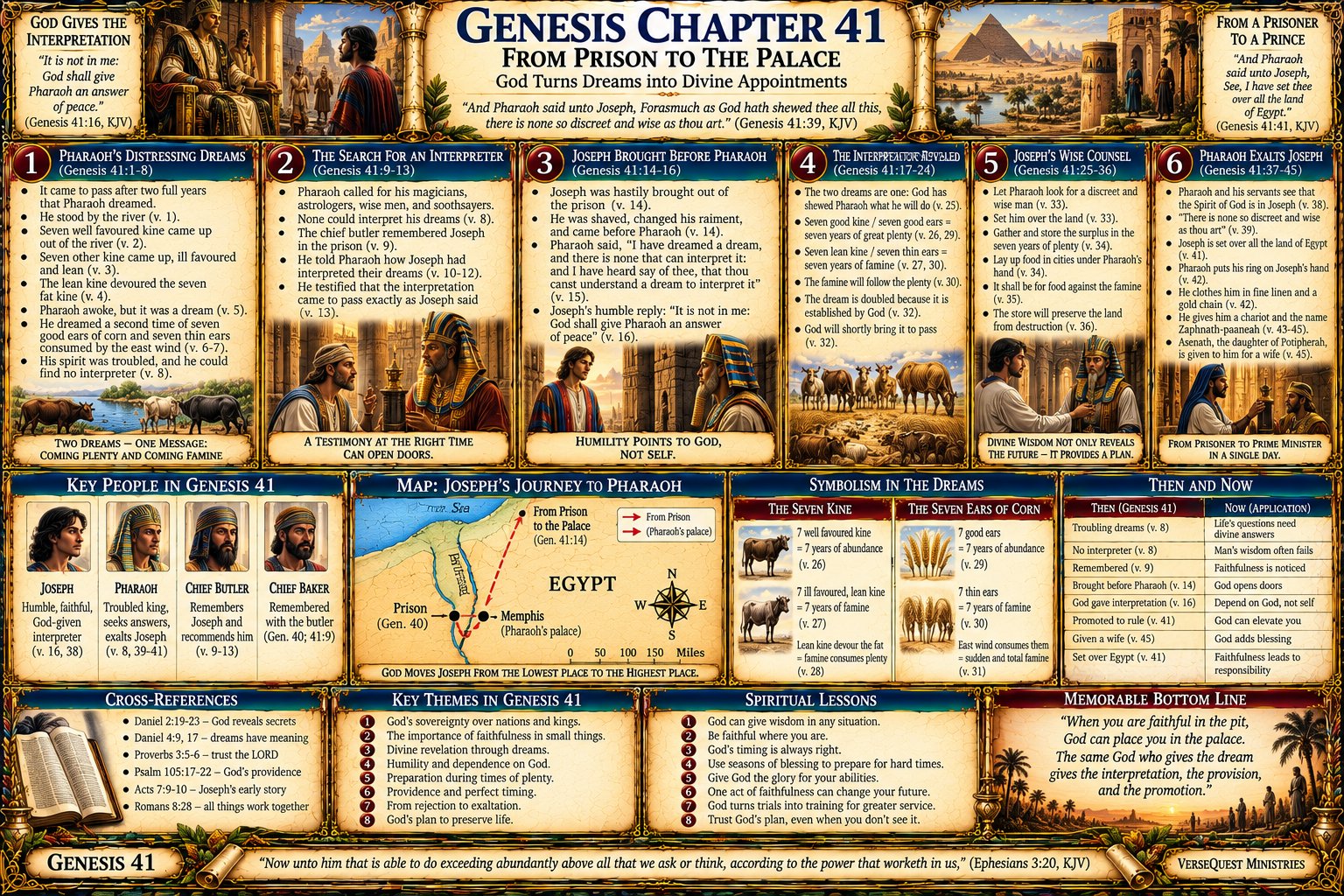
- Genesis 41 – Joseph from Prison to the Palace: Pharaoh’s Dreams, Seven Years of Plenty and Famine, and Joseph Exalted Over Egypt (KJV Bible Study Chart)
- Explore Genesis 41 with this detailed KJV Bible study chart tracing Joseph’s dramatic rise from prison to ruler over Egypt. Follow Pharaoh’s two troubling dreams of seven cattle and seven…
- $4.99
- Add to cart
-
-
Christian Living
-
-50%
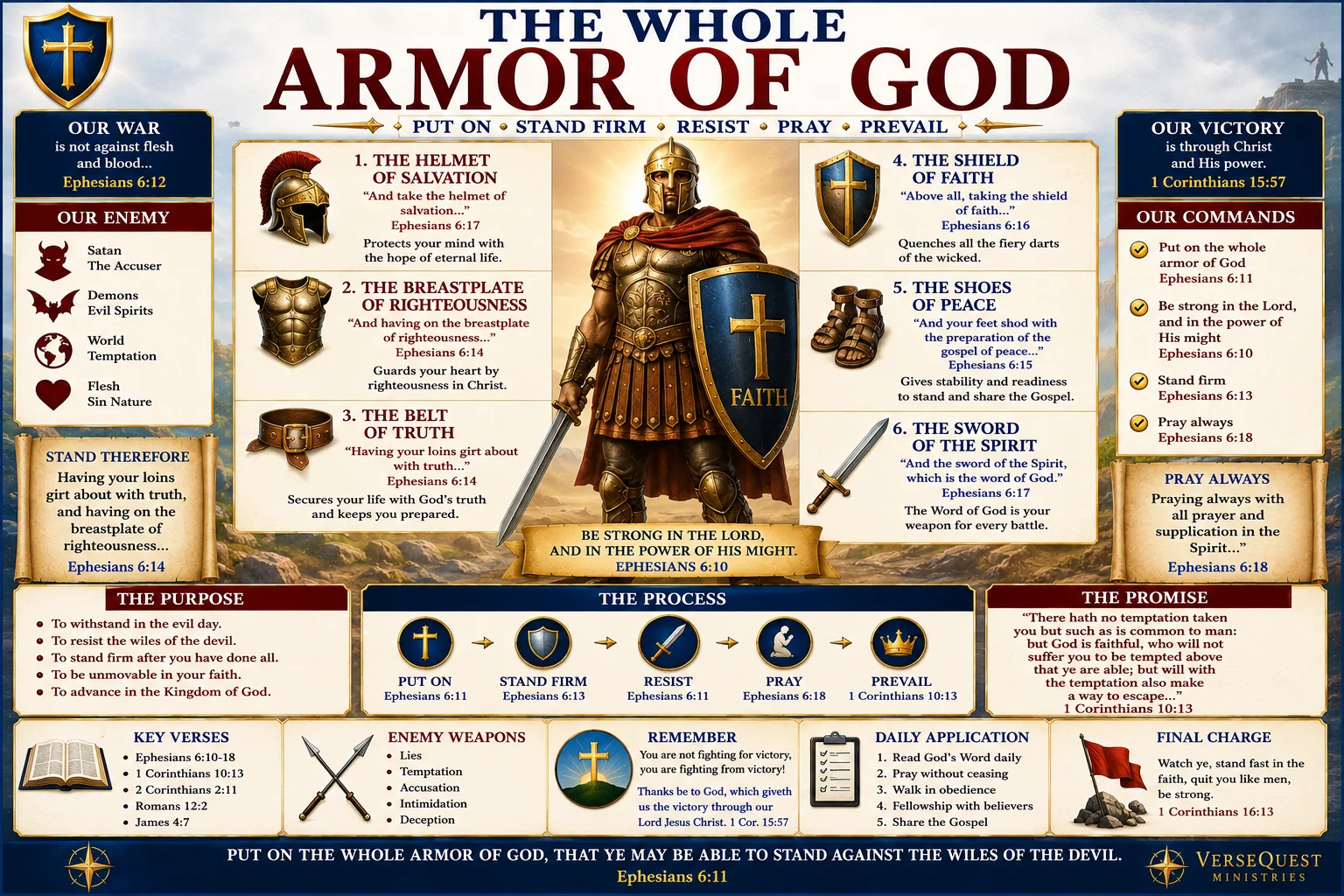
- The Whole Armor of God Chart — KJV Bible Study
- Premium printable KJV Bible study chart explaining the whole armor of God from Ephesians 6, including the helmet, breastplate, belt, shield, shoes, sword, prayer, and spiritual victory in Christ.
- Original price was: $10.00.$4.99Current price is: $4.99.
- Add to cart
-
-50%
-
How To Live By Faith
-
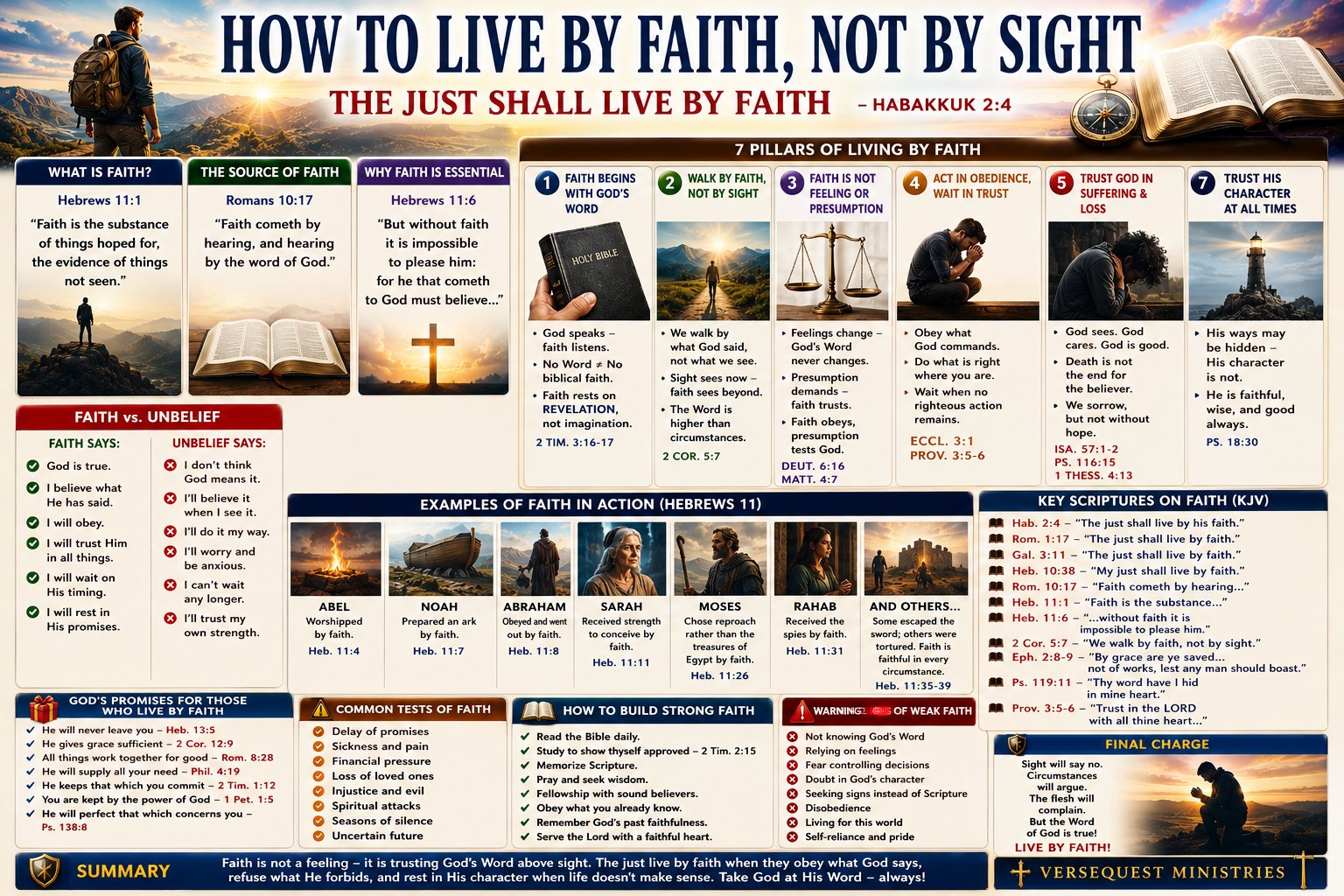
- How to Live by Faith, Not by Sight – Seven Pillars of Trusting God’s Word Through Every Circumstance (KJV Bible Study Chart)
- Learn how to live by faith rather than sight with this detailed KJV chart covering God’s Word, obedience, waiting, suffering, Hebrews 11 examples, trials of faith, and trust in God’s…
- $3.99
- Add to cart
-
-
Patience
-
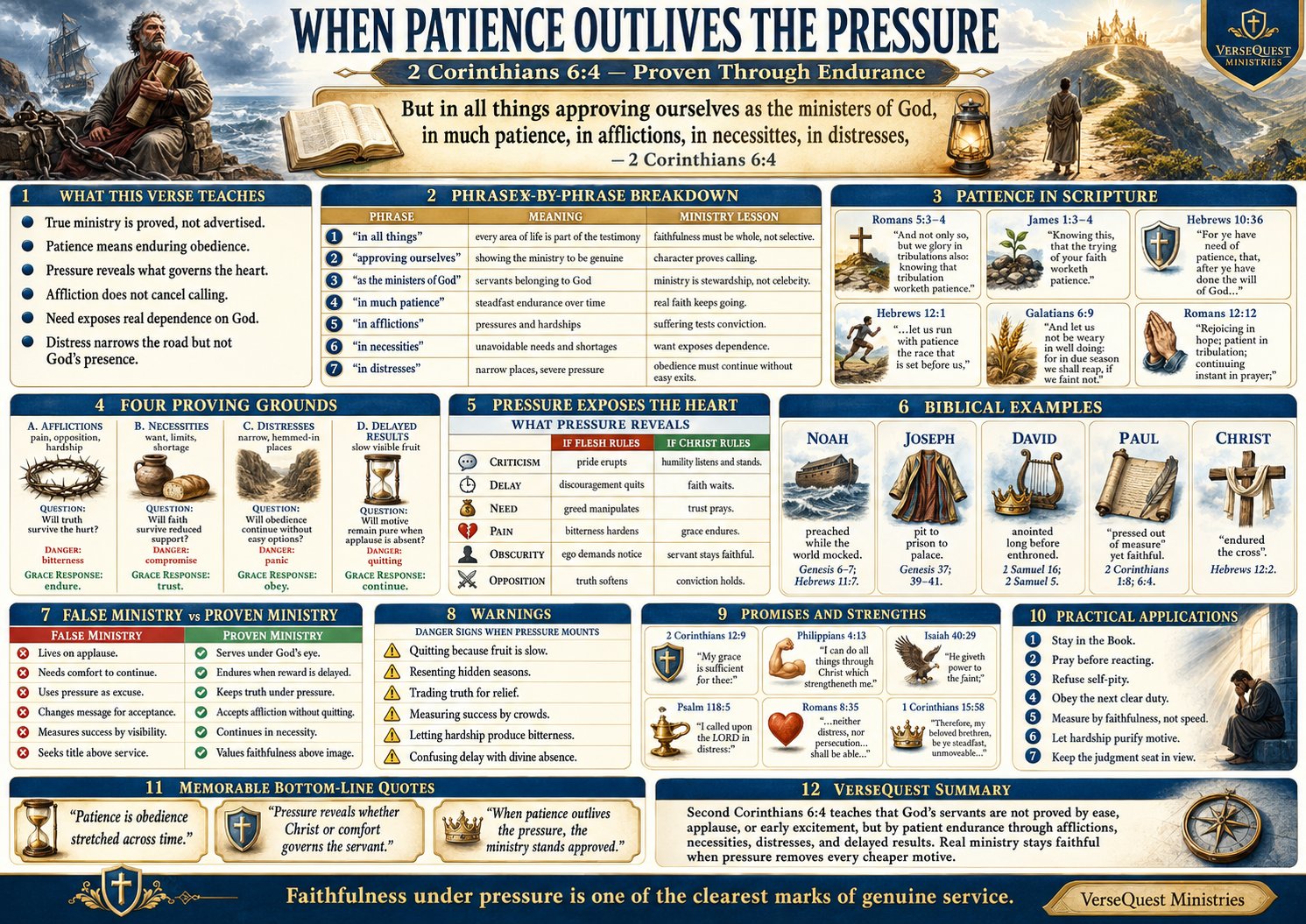
- When Patience Outlives the Pressure – Proven Through Endurance in 2 Corinthians 6:4 (KJV Bible Study Chart)
- Learn how patience proves genuine ministry with this detailed KJV chart covering 2 Corinthians 6:4, afflictions, necessities, distresses, delayed results, pressure, endurance, and faithful Christian service.
- $3.99
- Add to cart
-
-
Two Witnesses of Revelation
-
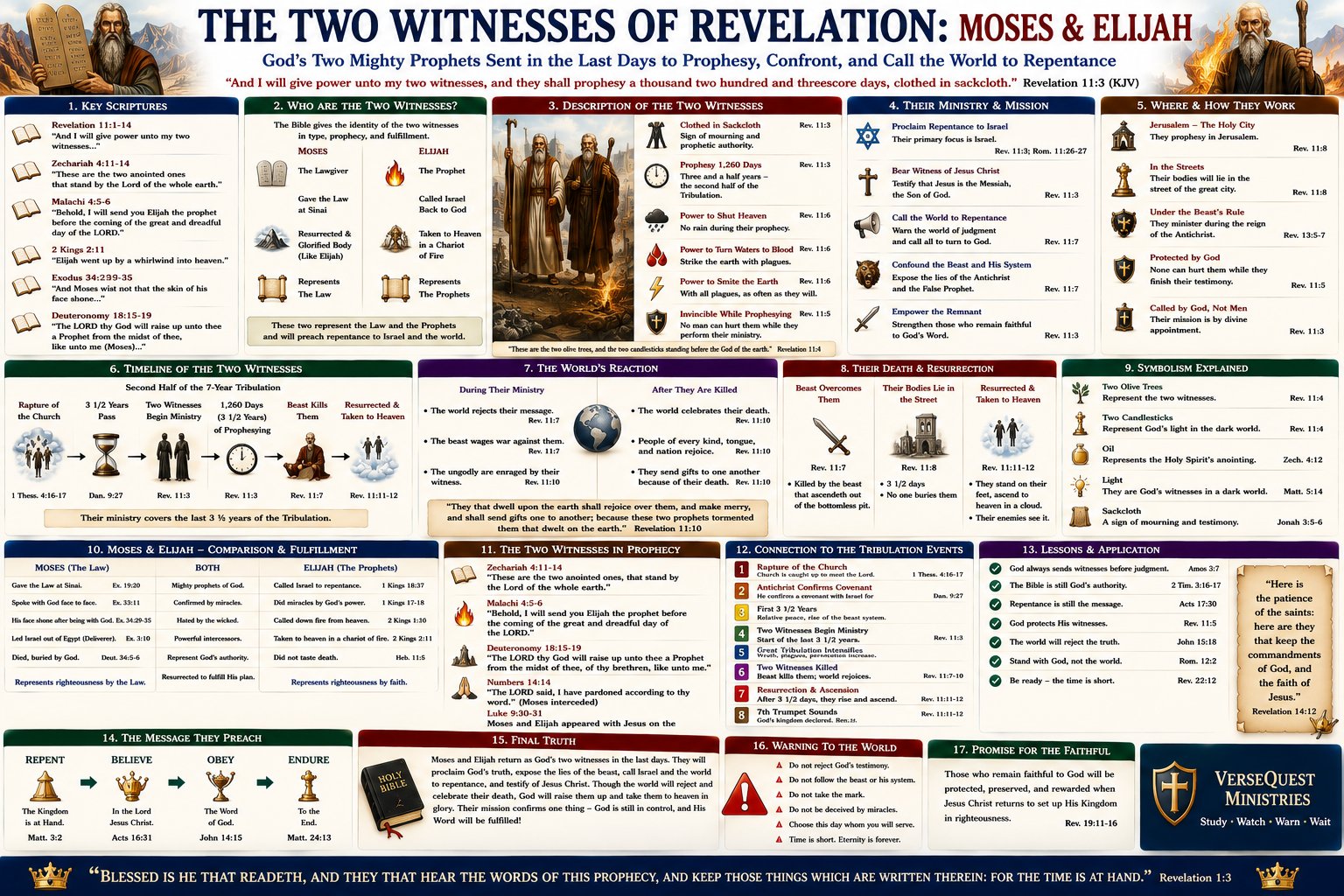
- The Two Witnesses of Revelation – Moses and Elijah, 1,260 Days of Prophecy, Their Death, Resurrection, and Ascension (KJV Bible Study Chart)
- Understand the two witnesses of Revelation with this detailed KJV chart examining the strong Moses-and-Elijah identification, their 1,260-day Tribulation ministry, sackcloth, supernatural powers, Jerusalem setting, conflict with the beast, public…
- $4.99
- Add to cart
-