Topic: Chastening Not Condemnation
-
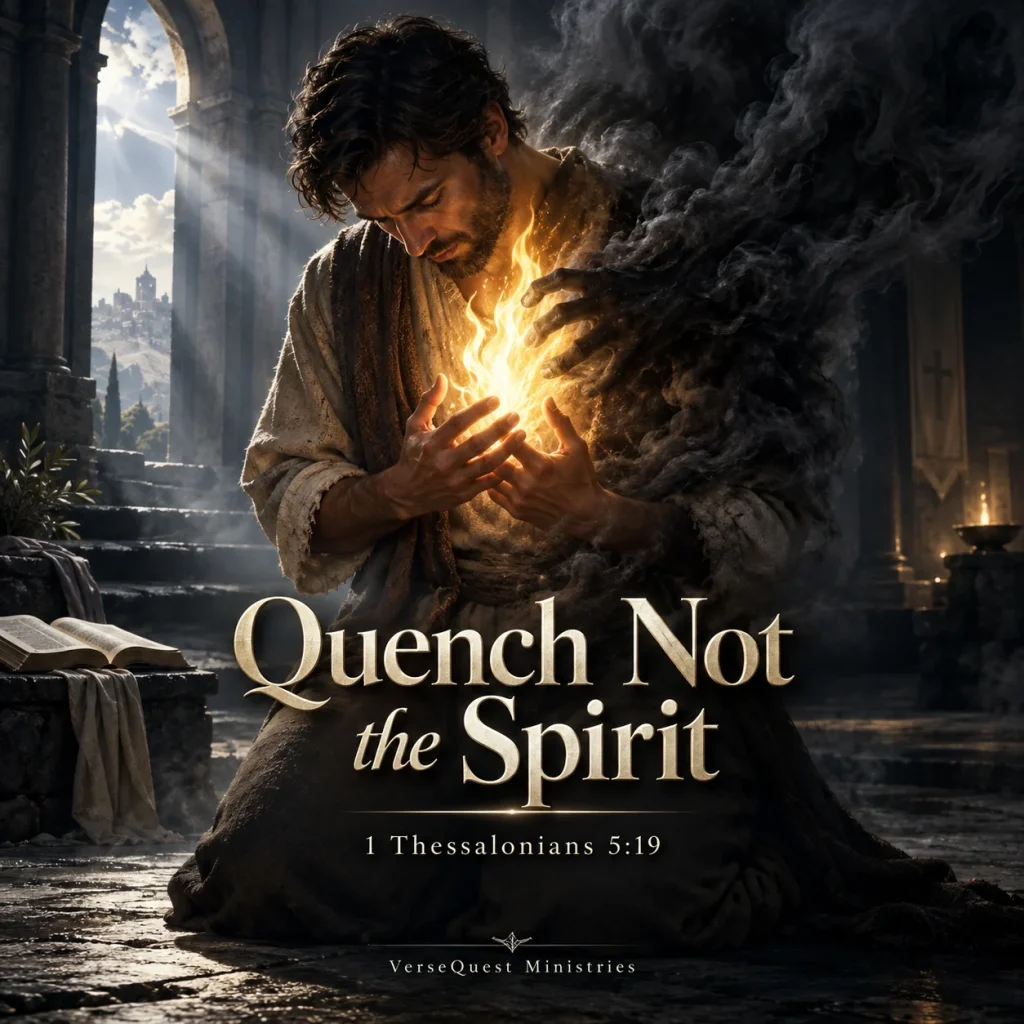
September 11, 2026
Speaker: Paul Tackett
Topic: 1 Thessalonians 5:19, Chastening Not Condemnation, Christian Holiness, Christian Thanksgiving, Eternal Security, Fruit of the Spirit, Grieving the Holy Spirit, Holy Spirit Sermon, KJV Sermon Outline, Prayer Without Ceasing, Prove All Things, Quench Not the Spirit, Quench Not the Spirit Sermon Outline, Resisting the Holy Spirit, Rightly Dividing, Sealed by the Holy Spirit, Spirit Filled Life, Spiritual Discernment, Walk in the Spirit, Works of the Flesh
Book: 1 Thessalonians
This VerseQuest Ministries sermon outline on 1 Thessalonians 5:19 examines Paul’s brief but weighty command, “Quench not the Spirit.” The outline explains that the warning is addressed to saved believers who already possess the Holy Ghost and therefore concerns resisting or suppressing His practical work rather than losing salvation. It traces the immediate context of rejoicing, prayer, thanksgiving, prophesyings, spiritual discernment, holding fast what is good, and abstaining from evil; distinguishes quenching the Spirit from grieving the Spirit; and shows how fleshly living, neglected Scripture, prayerlessness, bitterness, lust, pride, and resistance to known truth hinder spiritual fruitfulness. The sermon also addresses the apostolic setting of prophecy, the necessity of proving all things by Scripture, sealing and eternal security, chastening versus condemnation, and the believer’s responsibility to walk in the Spirit. Preachers, teachers, and Bible students will gain a strong KJV-based framework for teaching Spirit-filled Christian living without confusing practical obedience with the believer’s secure standing in Jesus Christ.
-
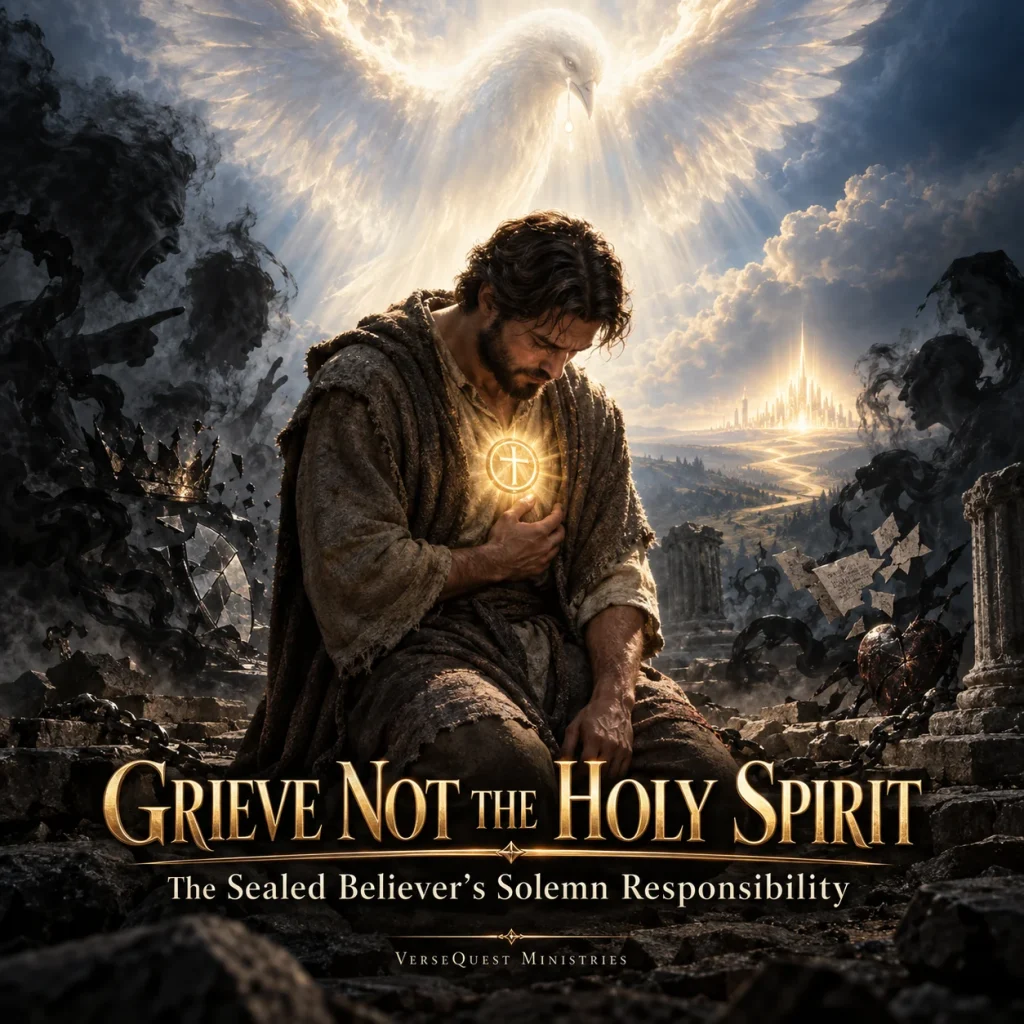
September 10, 2026
Speaker: Paul Tackett
Topic: Bible Study Resources, Body of Christ, Chastening Not Condemnation, Christian Holiness, Christian Sanctification, Ephesians 4:30, Eternal Security, Grieve Not the Holy Spirit, Grieving the Holy Spirit, Holy Spirit Seal, Holy Spirit Sermon, KJV Sermon Outline, Pauline Doctrine, Rightly Dividing, Sealed Unto the Day of Redemption, Sealing Versus Filling, Sonship and Fellowship, Spirit Filled Life, Standing and State, Walk in the Spirit
Book: Ephesians
This VerseQuest Ministries sermon outline on Ephesians 4:30 examines Paul’s solemn command, “grieve not the holy Spirit of God,” while emphasizing the equally powerful security statement that believers are “sealed unto the day of redemption.” The outline explains the personality and deity of the Holy Spirit, why the indwelt believer can grieve Him, and how the immediate context identifies lying, sinful anger, stealing, corrupt communication, bitterness, wrath, clamour, evil speaking, and malice as conduct contrary to the Spirit’s holiness. It carefully distinguishes grieving the Spirit from losing the Spirit, sealing from filling, standing from state, sonship from fellowship, and fatherly chastening from eternal condemnation. The sermon also uses right division to distinguish David’s Old Testament prayer concerning the Holy Spirit from the Pauline doctrine of a Church-age believer sealed unto redemption day. Preachers, teachers, and Bible students will gain a strong KJV-based framework for teaching eternal security alongside practical sanctification, Christian accountability, confession, Spirit-filled living, and the responsibility to walk worthy of the calling believers have received in Christ.
-
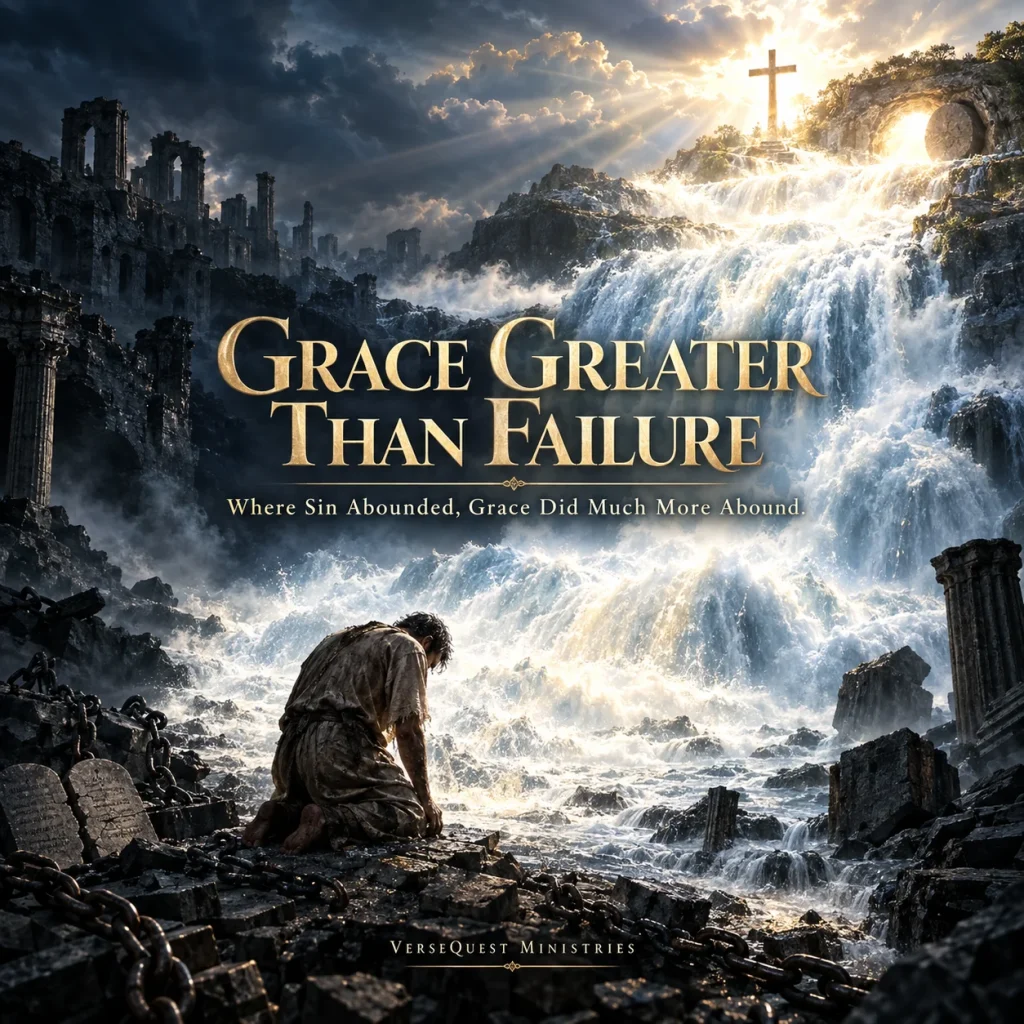
September 7, 2026
Series: Grace Greater Than Failure, Romans 5:20
Speaker: Paul Tackett
Topic: Abounding Grace, Adam and Christ, Bible Study Resources, Chastening Not Condemnation, Christian Holiness, Confession and Restoration, Eternal Security, Finished Work of Christ, Gospel of Grace, Grace Greater Than Failure, Grace of God, Justification by Faith, KJV Sermon Outline, Law and Grace, Restoration After Failure, Rightly Dividing, Romans 5 Sermon Outline, Romans 5:20, Standing and State, Where Sin Abounded Grace Did Much More Abound
Book: Romans
This VerseQuest Ministries sermon outline on Romans 5:20 explores Paul’s powerful declaration that “where sin abounded, grace did much more abound.” The outline traces human failure back to Adam, explains how the law exposes sin without possessing power to justify, and contrasts Adam’s ruin with the “much more” grace provided through Jesus Christ. It shows that grace reigns through righteousness because Christ fully answered the sinner’s guilt through His death, burial, and resurrection. The sermon also addresses failure after salvation, distinguishing the believer’s secure standing from his changing practical state, confession and restoration from re-salvation, and fatherly chastening from eternal condemnation. It carefully rejects the misuse of grace as permission to continue in sin while showing how genuine grace produces gratitude, holiness, service, and devotion to Christ. Preachers, teachers, and Bible students will gain a strong KJV-based framework for preaching hope to the guilty and fallen without weakening either the seriousness of sin or the sufficiency of Jesus Christ.
-
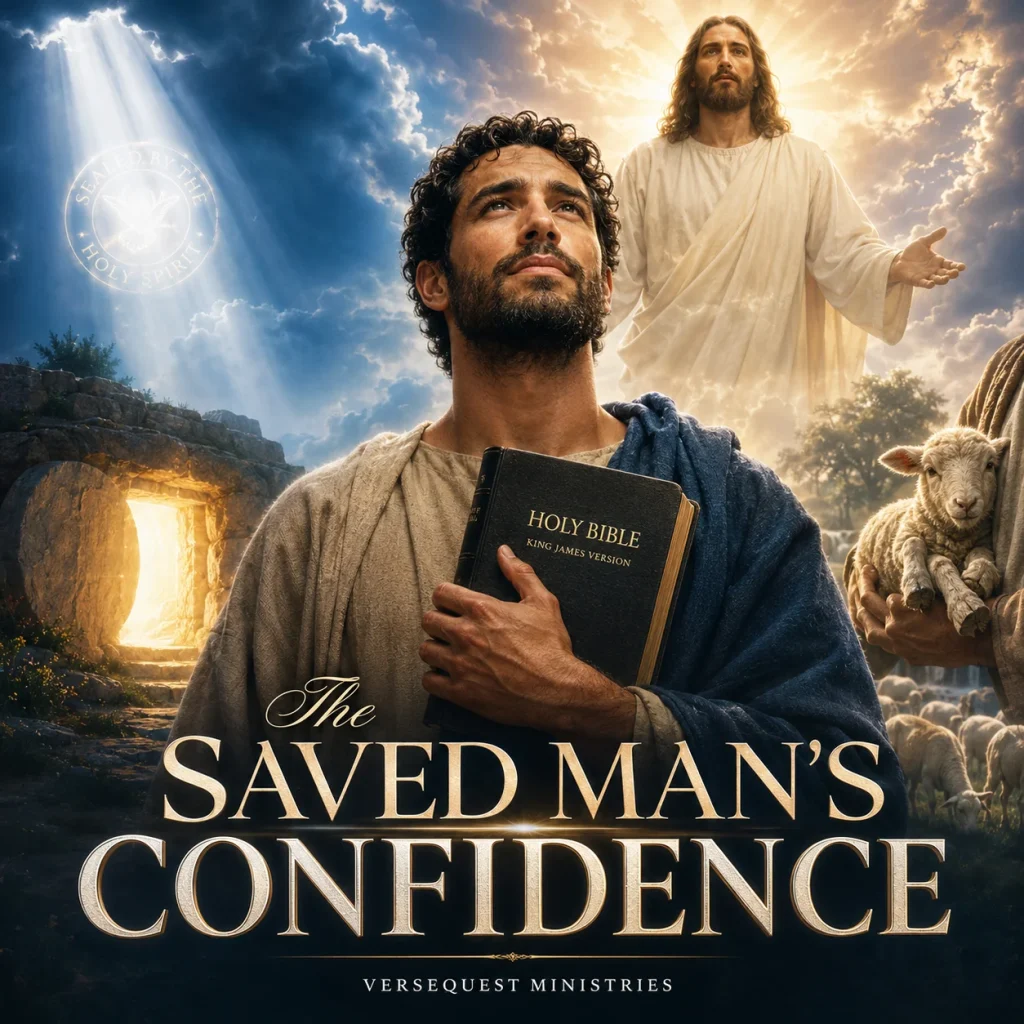
September 3, 2026
Series: 1 John 5:13, The Saved Man’s Confidence
Speaker: Paul Tackett
Topic: 1 John 5:13, Assurance of Salvation, Assurance Versus Presumption, Bible Study Resources, Biblical Assurance, Chastening Not Condemnation, Eternal Life in Christ, Eternal Security, Finished Work of Christ, Gospel of Grace, He That Hath the Son Hath Life, Holy Spirit Seal, KJV Sermon Outline, Know That Ye Have Eternal Life, Present Possession of Eternal Life, Rightly Dividing, Saved Man’s Confidence Sermon Outline, Standing and State, The Saved Man’s Confidence, Witness of God
Book: 1 John
This VerseQuest Ministries sermon outline on 1 John 5:13 explains the Bible doctrine that a saved man may know that he has eternal life. The outline shows that assurance is not spiritual arrogance, emotional optimism, confidence in a past experience, church membership, baptism, sacramental participation, or trust in personal performance, but confidence in the written testimony of God concerning His Son. It examines eternal life as a present possession, the witness of God as greater than the witness of men, life being found in Jesus Christ, the finished gospel work of Christ, the sealing ministry of the Holy Spirit, and the distinction between assurance and presumption. It also separates standing from state, sonship from fellowship, chastening from condemnation, and salvation from Christian reward. Preachers, teachers, and Bible students will gain a strong KJV-based framework for answering the question, “Can I really know that I am saved?” with the plain authority of Scripture.
-
September 2, 2026
Speaker: Paul Tackett
Topic: Assurance of Salvation, Chastening Not Condemnation, Eternal Life Sermon Outline, Eternal Security, Everlasting Life, Everlasting Means Everlasting, Gift of Eternal Life, Gospel of Grace, Holy Spirit Seal, John 10:28, John 3:16, Judgment Seat of Christ, KJV Sermon Outline, Life in Christ, Never Perish, Rightly Dividing, Sealed Unto Redemption Day, Shall Not Perish, Whosoever Believeth, Why Eternal Life Cannot Be Temporary
Book: John
This VerseQuest Ministries sermon outline on John 3:16 examines the plain biblical meaning of Christ’s promise that whosoever believes in Him should not perish but have everlasting life. The outline shows why everlasting life cannot logically or scripturally become temporary life, tracing the doctrine through John 3:36, John 5:24, John 6:47, John 10:27–30, Romans 6:23, Ephesians 1:13–14, and 1 John 5:11–13. It explains eternal life as a present possession found in the Son, Christ’s promise that His sheep shall never perish, the Holy Spirit’s seal unto redemption day, and the difference between salvation, fellowship, chastening, practical state, and reward. Preachers, teachers, and Bible students will gain a strong KJV-based framework for teaching eternal security without excusing sin, assurance without presumption, and the unchanging sufficiency of Jesus Christ as the source and keeper of everlasting life.
-
August 30, 2026
Speaker: Paul Tackett
Topic: Accepted in the Beloved, Believer’s Position in Christ, Bible Study Resources, Chastening Not Condemnation, Christian Sanctification, Christian Walk, Complete in Christ, Difference Between Standing and State, Eternal Security, Judgment Seat of Christ, Justification by Faith, KJV Sermon Outline, No Condemnation, Rightly Dividing, Romans 5:2, Sonship and Fellowship, Spiritual Growth, Standing and State, Standing and State Sermon Outline, Standing in Grace
Book: Romans
This VerseQuest Ministries sermon outline on Romans 5:2 explains the vital Bible distinction between the believer’s standing and his state. Standing describes the believer’s settled position before God in Jesus Christ—justified by faith, standing in grace, accepted in the Beloved, complete in Christ, redeemed through His blood, sealed by the Holy Spirit, and free from condemnation. State describes the believer’s changing practical condition: his daily walk, fellowship, obedience, spiritual growth, fruitfulness, service, and response to sin. The outline shows how a believer may have a poor practical state while retaining a secure standing in Christ, why broken fellowship is not broken sonship, how chastening and the Judgment Seat of Christ relate to conduct rather than eternal salvation, and why secure grace should produce holiness rather than carelessness. Preachers, teachers, and Bible students will gain a strong KJV-based framework for teaching assurance, sanctification, Christian growth, and the distinction between salvation and service.
-
August 27, 2026
Speaker: Paul Tackett
Topic: Apostasy From the Faith, Backslider in Heart, Backsliding and Restoration, Backsliding Is Not Apostasy, Backsliding Is Not Apostasy Sermon Outline, Bible Study Resources, Chastening Not Condemnation, Confession and Restoration, Contend for the Faith, Departure From Truth, Eternal Security, Filled With His Own Ways, Gospel of Grace, Grieving the Spirit, KJV Sermon Outline, Proverbs 14:14, Restore the Backslider, Rightly Dividing, Sonship and Fellowship, Spiritual Drift
Book: Proverbs
This VerseQuest Ministries sermon outline on Proverbs 14:14 explains the important Bible distinction between backsliding and apostasy. The outline shows that “the backslider in heart shall be filled with his own ways,” tracing how spiritual drift begins inwardly before it becomes visible outwardly. It distinguishes a believer drifting from fellowship, joy, obedience, and spiritual usefulness from an apostate who departs from the faith and corrupts or denies sound doctrine. The sermon addresses backsliding in the heart, being filled with one’s own ways, grieving the Spirit, chastening versus condemnation, confession and restoration, the authority of God’s word, and the Church’s responsibility to restore the overtaken believer while contending firmly against apostasy. Preachers, teachers, and Bible students will gain a strong KJV-based framework for teaching assurance without carelessness, correction without condemnation, and restoration without confusing a wandering sheep with a willful enemy of truth.
-
August 25, 2026
Series: Hebrews 10:14, Saved Once Kept Forever
Speaker: Paul Tackett
Topic: Assurance in Christ, Bible Study Resources, Blood of Jesus Christ, Chastening Not Condemnation, Christ’s Finished Work, Eternal Security, Gospel of Grace, Hebrews 10:14, Kept by the Power of God, KJV Sermon Outline, No More Offering for Sin, Not by Religion, Not by Works, Once for All Sacrifice, One Offering, Perfected for Ever, Rightly Dividing, Saved Once Kept Forever, Saved Once Kept Forever Sermon Outline, Sealed Unto Redemption
Book: Hebrews
This VerseQuest Ministries sermon outline on Hebrews 10:14 explains the finality of Christ’s one offering and the believer’s settled security in Him: “For by one offering he hath perfected for ever them that are sanctified.” The outline contrasts the repeated sacrifices of the law with the finished sacrifice of Jesus Christ, showing that salvation is not maintained by religion, sacraments, law-keeping, church membership, moral effort, or repeated offerings, but rests on the completed work of the Son of God. It carefully distinguishes positional perfection in Christ from practical growth, eternal security from careless living, chastening from condemnation, and standing before God from daily walk. Preachers, teachers, and Bible students will gain a strong KJV-based framework for teaching the sufficiency of Christ’s blood, the finality of Calvary, assurance, no more offering for sin, and the truth that those saved by Christ are kept forever by the power of God.
-
August 20, 2026
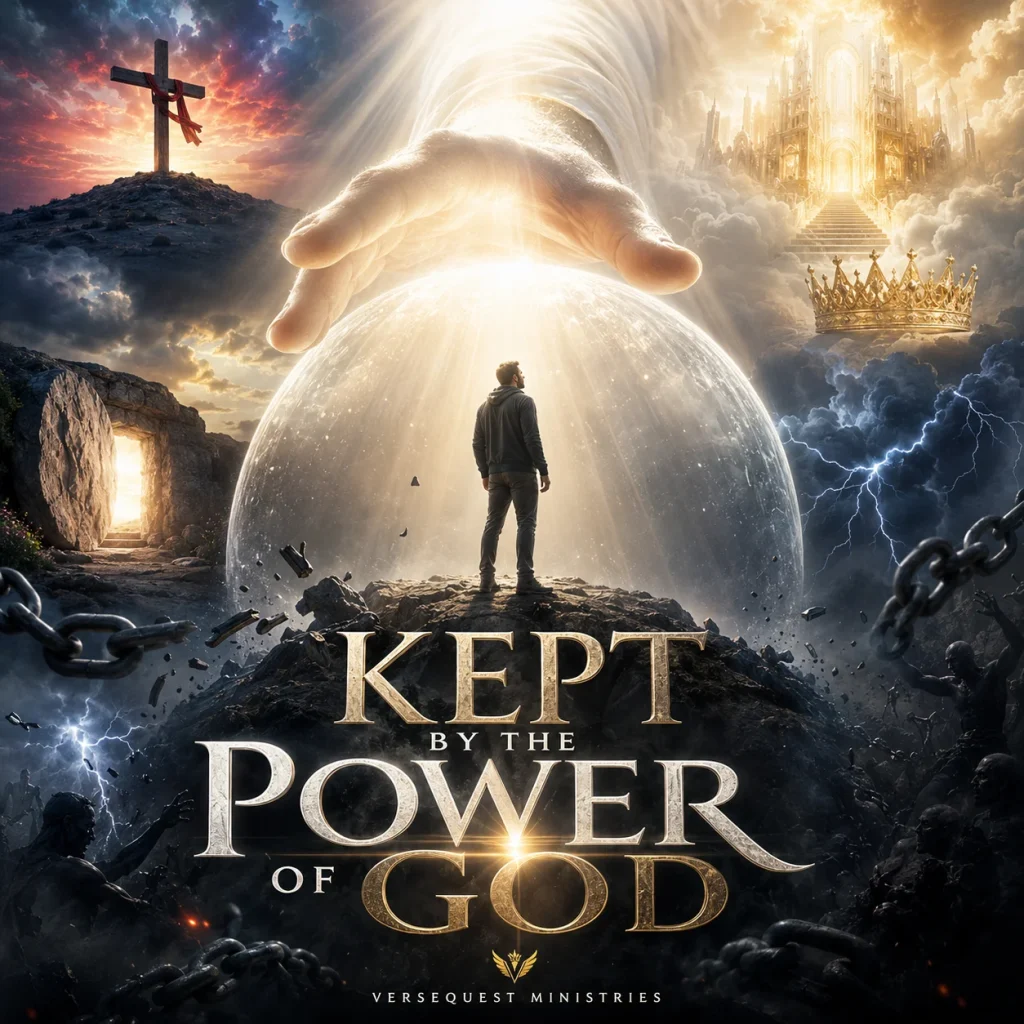
Series: 1 Peter 1:5, Kept by the Power of God
Speaker: Paul Tackett
Topic: 1 Peter 1:5, Assurance in Christ, Bible Study Resources, Blood Bought Believer, Chastening Not Condemnation, Eternal Security, Faith Under Trial, Finished Work of Christ, God’s Keeping Power, Holy Living, Inheritance Reserved in Heaven, Kept by the Power of God, Kept by the Power of God Sermon Outline, KJV Sermon Outline, Living Hope, Resurrection of Jesus Christ, Rightly Dividing, Salvation Ready to Be Revealed, Through Faith Unto Salvation, Trials of Faith
Book: 1 Peter
This VerseQuest Ministries sermon outline on 1 Peter 1:5 explains the believer’s security in the words, “Who are kept by the power of God through faith unto salvation ready to be revealed in the last time.” The outline shows that the believer is not kept by human strength, religious performance, sacraments, baptism, law-keeping, emotional steadiness, or personal merit, but by the power of God. It traces Peter’s doctrine of the living hope through the resurrection of Jesus Christ, the incorruptible inheritance reserved in heaven, the trials that test faith, and the future salvation ready to be revealed. Preachers, teachers, and Bible students will gain a strong KJV-based framework for teaching eternal security, God’s faithfulness, the believer’s inheritance, faith under trial, holy living, chastening versus condemnation, and the finished work of Christ as the foundation of assurance.