Topic: Bible Study Resources
-

September 12, 2026
Series: Galatians 5:16, Walk in the Spirit
Speaker: Paul Tackett
Topic: Bible Study Resources, Christian Holiness, Christian Liberty, Eternal Security, Fruit of the Spirit, Galatians 5:16, Grace Based Living, Holy Spirit Guidance, KJV Sermon Outline, Law and Grace, Mortify the Flesh, Pauline Doctrine, Practical Sanctification, Rightly Dividing, Spirit Filled Life, Standing and State, Victory Over the Flesh, Walk in the Spirit, Walk in the Spirit Sermon Outline, Works of the Flesh
Book: Galatians
This VerseQuest Ministries sermon outline on Galatians 5:16 examines Paul’s command, “Walk in the Spirit, and ye shall not fulfil the lust of the flesh.” The outline explains that practical Christian victory does not come through reforming the flesh, returning to the law, trusting human willpower, or pursuing emotional religious experiences, but through daily yieldedness to the indwelling Holy Spirit. It explores the continuing conflict between flesh and Spirit, the works of the flesh, the fruit of the Spirit, mortification of sinful conduct, Christian liberty under grace, sealing and filling, and the distinction between the believer’s secure standing in Christ and his changing practical state. The sermon also shows why Spirit-filled living must remain grounded in Scripture, prayer, obedience, and rightly divided Pauline doctrine. Preachers, teachers, and Bible students will gain a strong KJV-based framework for teaching practical sanctification, victory over sin, grace-based holiness, and the daily responsibility of saved believers to walk under the Spirit’s control.
-
September 10, 2026
Speaker: Paul Tackett
Topic: Bible Study Resources, Body of Christ, Chastening Not Condemnation, Christian Holiness, Christian Sanctification, Ephesians 4:30, Eternal Security, Grieve Not the Holy Spirit, Grieving the Holy Spirit, Holy Spirit Seal, Holy Spirit Sermon, KJV Sermon Outline, Pauline Doctrine, Rightly Dividing, Sealed Unto the Day of Redemption, Sealing Versus Filling, Sonship and Fellowship, Spirit Filled Life, Standing and State, Walk in the Spirit
Book: Ephesians
This VerseQuest Ministries sermon outline on Ephesians 4:30 examines Paul’s solemn command, “grieve not the holy Spirit of God,” while emphasizing the equally powerful security statement that believers are “sealed unto the day of redemption.” The outline explains the personality and deity of the Holy Spirit, why the indwelt believer can grieve Him, and how the immediate context identifies lying, sinful anger, stealing, corrupt communication, bitterness, wrath, clamour, evil speaking, and malice as conduct contrary to the Spirit’s holiness. It carefully distinguishes grieving the Spirit from losing the Spirit, sealing from filling, standing from state, sonship from fellowship, and fatherly chastening from eternal condemnation. The sermon also uses right division to distinguish David’s Old Testament prayer concerning the Holy Spirit from the Pauline doctrine of a Church-age believer sealed unto redemption day. Preachers, teachers, and Bible students will gain a strong KJV-based framework for teaching eternal security alongside practical sanctification, Christian accountability, confession, Spirit-filled living, and the responsibility to walk worthy of the calling believers have received in Christ.
-
September 9, 2026
Speaker: Paul Tackett
Topic: Assurance of Salvation, Bible Study Resources, Body of Christ, Day of Redemption, Earnest of Our Inheritance, Ephesians 1:13–14, Eternal Security, Gospel of Your Salvation, Grieving the Holy Spirit, Holy Spirit of Promise, Holy Spirit Seal, Indwelling Holy Spirit, KJV Sermon Outline, Pauline Doctrine, Purchased Possession, Rightly Dividing, Sealed After Believing, Sealed With the Holy Spirit, Sealing Versus Filling, Standing and State
Book: Ephesians
This VerseQuest Ministries sermon outline on Ephesians 1:13–14 examines Paul’s declaration that after hearing “the word of truth, the gospel of your salvation” and believing in Jesus Christ, the believer is “sealed with that holy Spirit of promise.” The outline traces the biblical order from hearing the gospel to believing, trusting, and receiving the Spirit’s seal; explains the Holy Ghost as God’s mark of ownership and the “earnest” of the believer’s inheritance; and shows why Ephesians 4:30 says believers are sealed “unto the day of redemption.” It carefully distinguishes sealing from filling, grieving the Spirit from losing the Spirit, standing from state, salvation from service, and divine preservation from careless Christian living. The sermon also places the doctrine within the Pauline revelation concerning the Church which is Christ’s Body and explains why Old Testament operations of the Spirit must not be confused with the Church-age believer’s sealed position in Christ. Preachers, teachers, and Bible students will gain a strong KJV-based framework for teaching eternal security, the indwelling Holy Spirit, future bodily redemption, Christian holiness, and the faithfulness of God to complete what He has begun.
-
September 8, 2026
Series: John 16:13, Spirit of Truth
Speaker: Paul Tackett
Topic: Apostolic Revelation, Bible Study Resources, Biblical Inspiration, Christ Centered Ministry, Holy Ghost and Scripture, Holy Spirit Guidance, Holy Spirit Sermon Outline, John 16:13, KJV Sermon Outline, Pauline Revelation, Rightly Dividing, Scripture Authority, Spirit of Truth, Spirit of Truth Sermon, Spiritual Discernment, Spiritual Illumination, Sword of the Spirit, Try the Spirits, Word of God, Word of Truth
Book: John
This VerseQuest Ministries sermon outline on John 16:13 examines the inseparable relationship between the Spirit of truth and the word of truth. Jesus promised the apostles that the Holy Ghost would guide them into truth, testify of Christ, bring His words to remembrance, reveal things to come, and glorify the Son. The outline carefully preserves the Upper Room setting and the special apostolic function of that promise while showing how the completed Scriptures give believers an objective standard by which every doctrine, spiritual impression, teacher, experience, and claimed revelation must be tested. It explains inspiration, illumination, Pauline revelation, right division, the Spirit’s Christ-centered ministry, and why the Holy Ghost never contradicts the Book He inspired. Preachers, teachers, and Bible students will gain a strong KJV-based framework for distinguishing biblical spiritual discernment from emotional impulse, private revelation, counterfeit spirituality, and religious experiences that refuse the authority of Scripture.
-
September 7, 2026
Series: Grace Greater Than Failure, Romans 5:20
Speaker: Paul Tackett
Topic: Abounding Grace, Adam and Christ, Bible Study Resources, Chastening Not Condemnation, Christian Holiness, Confession and Restoration, Eternal Security, Finished Work of Christ, Gospel of Grace, Grace Greater Than Failure, Grace of God, Justification by Faith, KJV Sermon Outline, Law and Grace, Restoration After Failure, Rightly Dividing, Romans 5 Sermon Outline, Romans 5:20, Standing and State, Where Sin Abounded Grace Did Much More Abound
Book: Romans
This VerseQuest Ministries sermon outline on Romans 5:20 explores Paul’s powerful declaration that “where sin abounded, grace did much more abound.” The outline traces human failure back to Adam, explains how the law exposes sin without possessing power to justify, and contrasts Adam’s ruin with the “much more” grace provided through Jesus Christ. It shows that grace reigns through righteousness because Christ fully answered the sinner’s guilt through His death, burial, and resurrection. The sermon also addresses failure after salvation, distinguishing the believer’s secure standing from his changing practical state, confession and restoration from re-salvation, and fatherly chastening from eternal condemnation. It carefully rejects the misuse of grace as permission to continue in sin while showing how genuine grace produces gratitude, holiness, service, and devotion to Christ. Preachers, teachers, and Bible students will gain a strong KJV-based framework for preaching hope to the guilty and fallen without weakening either the seriousness of sin or the sufficiency of Jesus Christ.
-
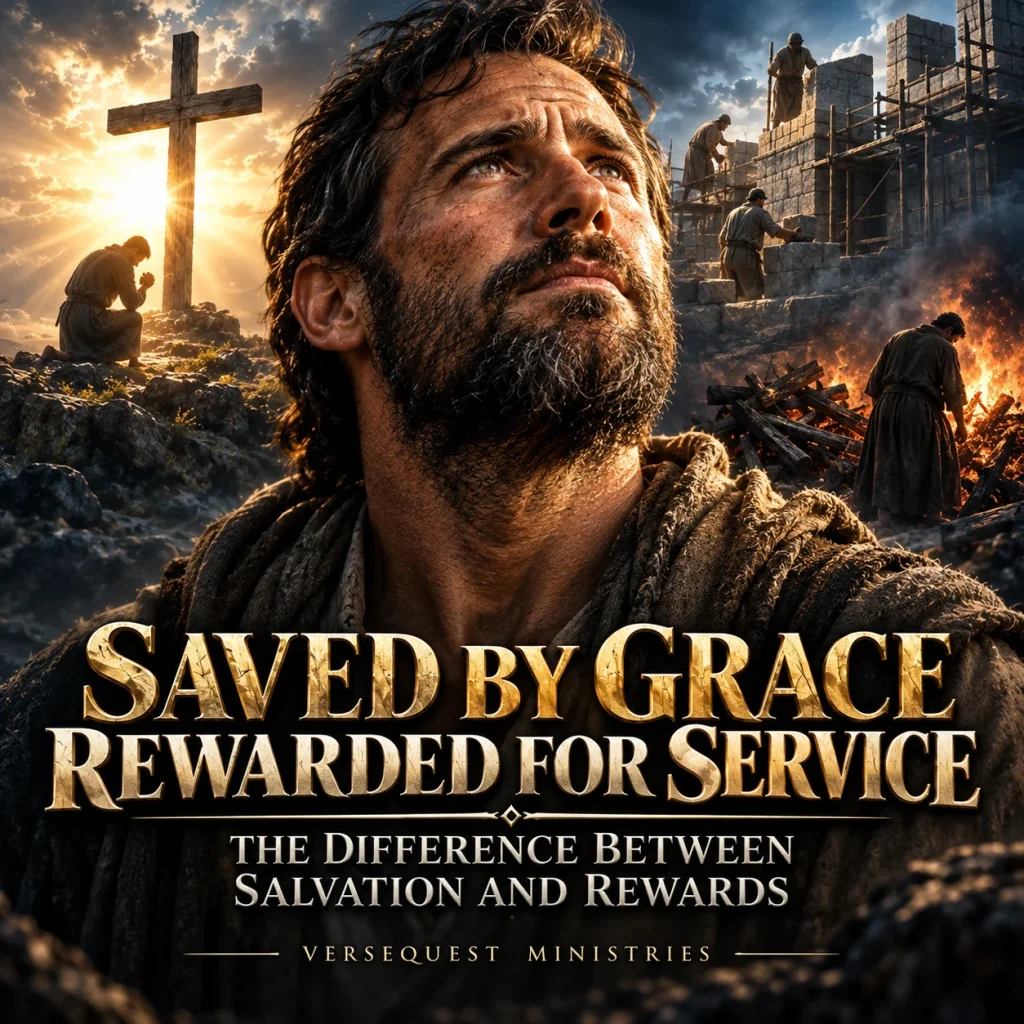
September 6, 2026
Speaker: Paul Tackett
Topic: 1 Corinthians 3:11–15, Bible Study Resources, Christian Rewards, Christian Stewardship, Eternal Security, Gold Silver Precious Stones, Gospel of Grace, He Himself Shall Be Saved, Jesus Christ the Foundation, Judgment Seat Not Great White Throne, Judgment Seat of Christ, KJV Sermon Outline, Loss of Reward, Reward for Faithful Service, Rightly Dividing, Salvation and Rewards, Salvation by Grace, Saved by Grace Rewarded for Service, Wood Hay and Stubble, Works After Salvation
Book: 1 Corinthians
This VerseQuest Ministries sermon outline on 1 Corinthians 3:11–15 explains the crucial Bible distinction between the free gift of salvation and rewards earned through faithful Christian service. Jesus Christ is the only foundation, and salvation rests entirely upon His finished work, received by grace through faith apart from works. After salvation, however, every believer builds upon that foundation with works pictured as gold, silver, precious stones, wood, hay, or stubble. The outline examines the Judgment Seat of Christ, the testing of Christian service by fire, reward for faithful labour, loss for worthless works, and Paul’s unmistakable statement that even when a believer’s work burns, “he himself shall be saved.” It also distinguishes salvation from reward, justification from service, eternal life from wages, and the Judgment Seat of Christ from the Great White Throne. Preachers, teachers, and Bible students will gain a strong KJV-based framework for teaching eternal security alongside serious Christian accountability and faithful stewardship.
-
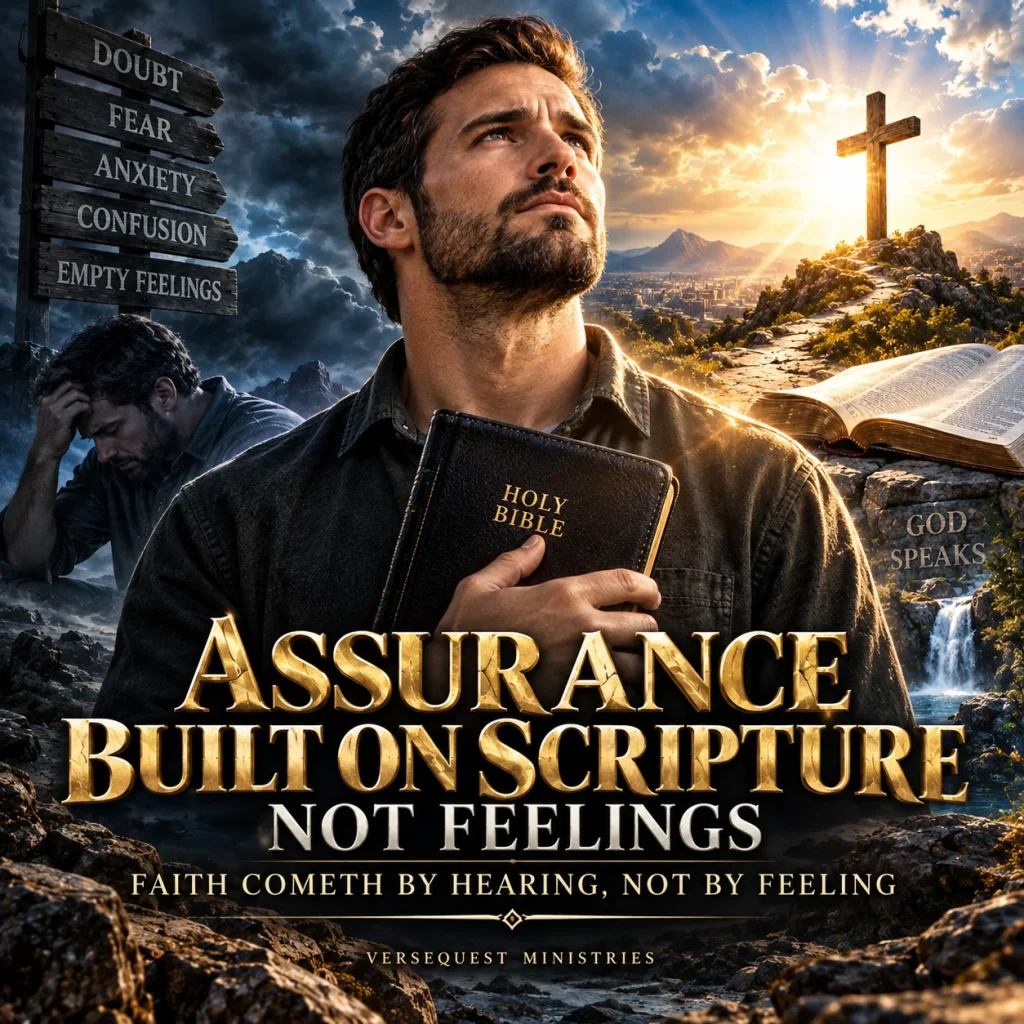
September 5, 2026
Series: Assurance Built on Scripture, Romans 10:17
Speaker: Paul Tackett
Topic: Assurance Built on Scripture, Assurance Not Feelings, Assurance of Salvation, Bible Study Resources, Biblical Assurance, Conviction and Chastening, Doubt and Assurance, Eternal Security, Faith Cometh by Hearing, Faith in Jesus Christ, Finished Work of Christ, Gospel of Grace, Holy Spirit Seal, KJV Sermon Outline, No Condemnation in Christ, Rightly Dividing, Romans 10:17, Scripture Over Feelings, Standing and State, Word of God
Book: Romans
This VerseQuest Ministries sermon outline on Romans 10:17 explains why biblical faith and assurance must rest upon the written Word of God rather than changing feelings, emotions, circumstances, memories, or religious experiences. Built around the truth that “faith cometh by hearing, and hearing by the word of God,” the outline connects Scripture-based assurance with the gospel of Christ’s death, burial, and resurrection, justification by faith, the believer’s standing in grace, eternal life as a present possession, and the Holy Spirit’s seal unto the day of redemption. It carefully distinguishes standing from state, conviction and chastening from condemnation, biblical assurance from presumption, and objective truth from subjective experience. Preachers, teachers, and Bible students will gain a strong KJV-based framework for helping doubting believers answer fear with Scripture, understand their position in Christ, and build a stable Christian walk upon what God has written rather than upon how they happen to feel.
-
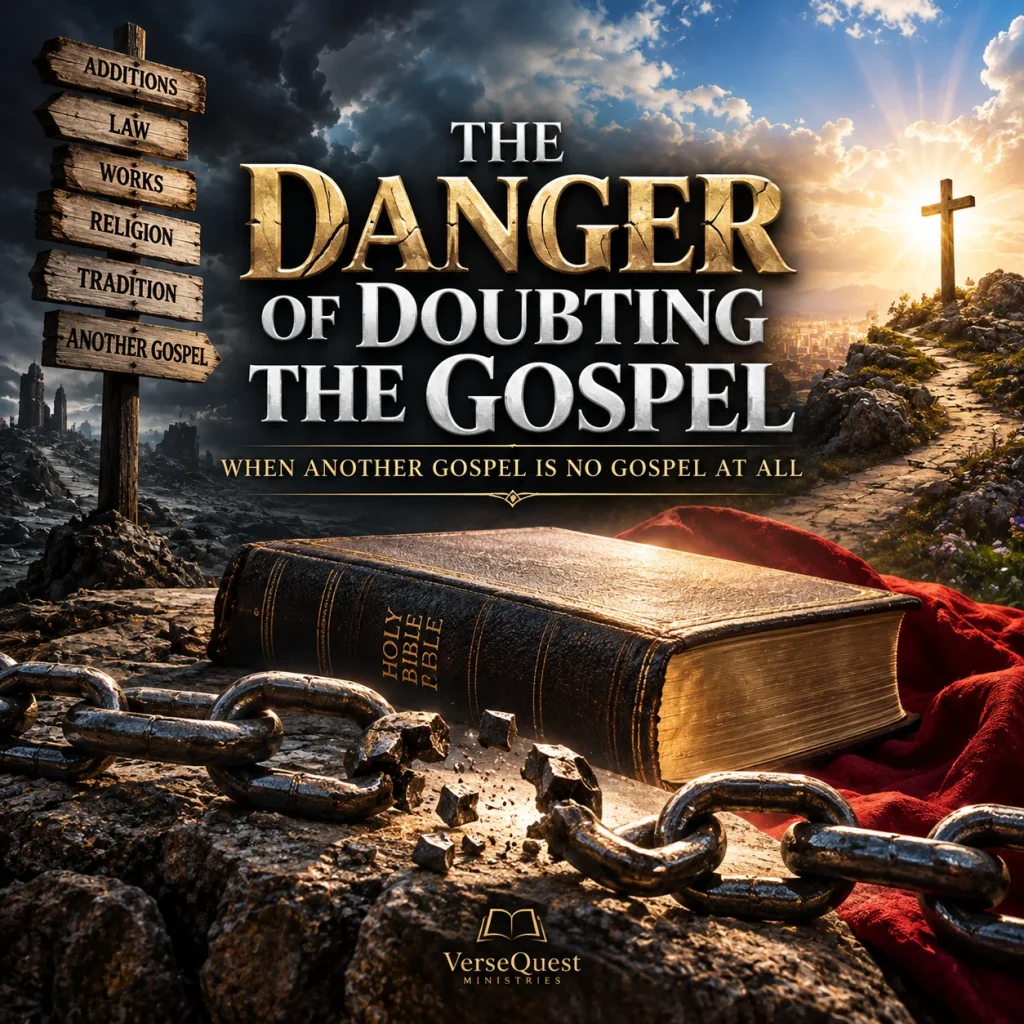
September 4, 2026
Speaker: Paul Tackett
Topic: Accursed Gospel, Angel From Heaven, Another Gospel, Bible Study Resources, Christ Plus Nothing, Eternal Security, False Gospel, Galatians 1 Sermon Outline, Galatians 1:6–9, Gospel Assurance, Gospel of Christ, Gospel of Grace, Guarding Sound Doctrine, Justification by Faith, KJV Sermon Outline, Law and Grace, Pauline Gospel, Perverting the Gospel, Rightly Dividing, The Danger of Doubting the Gospel
Book: Galatians
This VerseQuest Ministries sermon outline on Galatians 1:6–9 examines Paul’s warning against being “so soon removed” from the grace of Christ unto another gospel. The outline explains the saving gospel of Christ’s death for our sins, burial, and resurrection; why another gospel is “not another”; how adding circumcision, law, works, religious ordinances, or human merit perverts the gospel of Christ; and why even an apostle or angel has no authority to change God’s revealed message. It also addresses right division, the difference between Israel’s law and kingdom settings and the Church’s gospel of grace, the bondage created when Christ’s sufficiency is doubted, and the believer’s responsibility to preserve and defend sound doctrine. Preachers, teachers, and Bible students will gain a strong KJV-based framework for preaching justification by faith, guarding the Pauline gospel, exposing religious additions, and standing fast in the liberty of Jesus Christ.
-
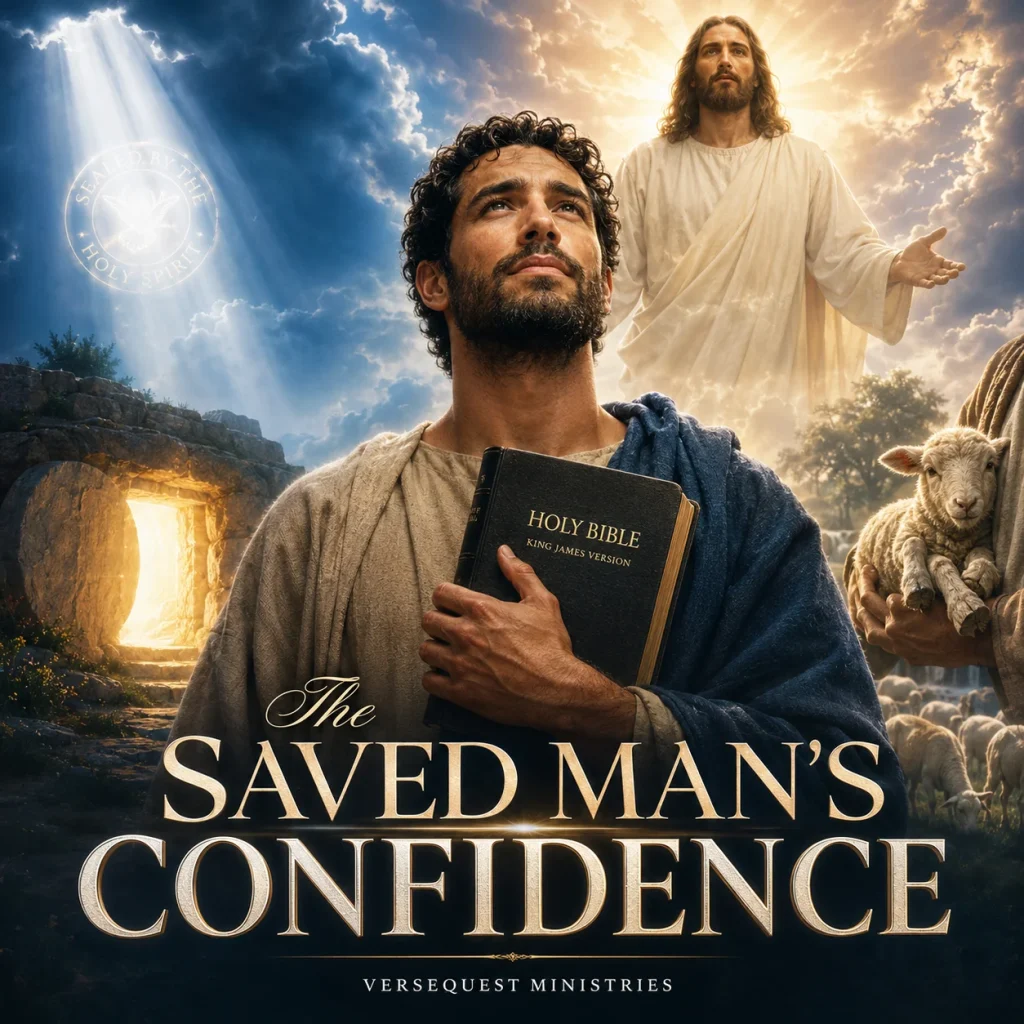
September 3, 2026
Series: 1 John 5:13, The Saved Man’s Confidence
Speaker: Paul Tackett
Topic: 1 John 5:13, Assurance of Salvation, Assurance Versus Presumption, Bible Study Resources, Biblical Assurance, Chastening Not Condemnation, Eternal Life in Christ, Eternal Security, Finished Work of Christ, Gospel of Grace, He That Hath the Son Hath Life, Holy Spirit Seal, KJV Sermon Outline, Know That Ye Have Eternal Life, Present Possession of Eternal Life, Rightly Dividing, Saved Man’s Confidence Sermon Outline, Standing and State, The Saved Man’s Confidence, Witness of God
Book: 1 John
This VerseQuest Ministries sermon outline on 1 John 5:13 explains the Bible doctrine that a saved man may know that he has eternal life. The outline shows that assurance is not spiritual arrogance, emotional optimism, confidence in a past experience, church membership, baptism, sacramental participation, or trust in personal performance, but confidence in the written testimony of God concerning His Son. It examines eternal life as a present possession, the witness of God as greater than the witness of men, life being found in Jesus Christ, the finished gospel work of Christ, the sealing ministry of the Holy Spirit, and the distinction between assurance and presumption. It also separates standing from state, sonship from fellowship, chastening from condemnation, and salvation from Christian reward. Preachers, teachers, and Bible students will gain a strong KJV-based framework for answering the question, “Can I really know that I am saved?” with the plain authority of Scripture.