
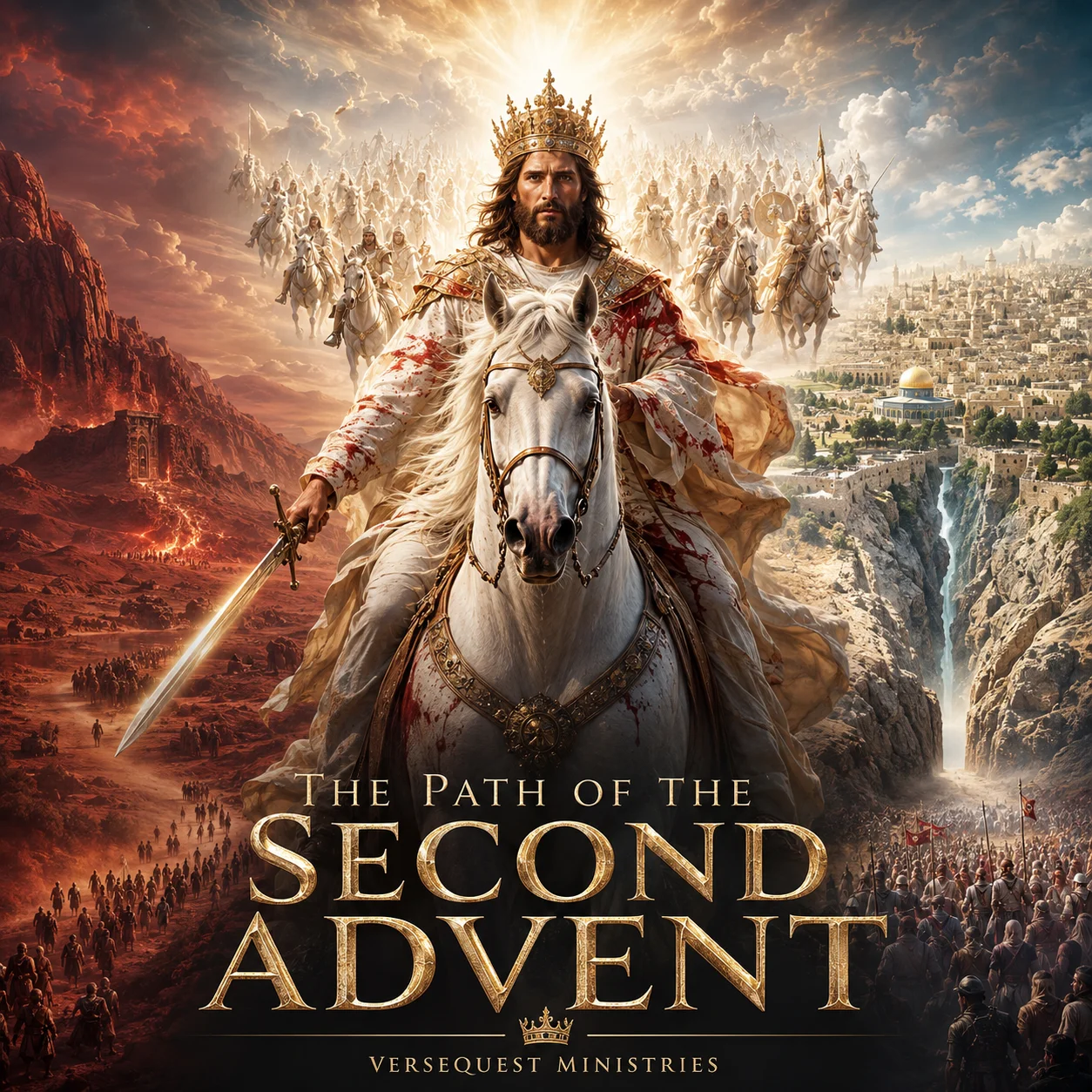
The Path of the Second Advent: The Prophetic Route of the Returning King — 160-Page KJV Bible Study PDF
The Path of the Second Advent: The Prophetic Route of the Returning King is a 160-page downloadable KJV Bible-study PDF examining the remarkable geographical passages associated with the return of Jesus Christ.
Follow the prophetic evidence through Sinai, Paran, Seir, Teman, Edom, Bozrah, the wilderness, the winepress, Armageddon, the eastern corridor, the Mount of Olives, and finally Jerusalem. The study also clearly distinguishes the Rapture from the Second Advent, Calvary blood from Advent judgment, Israel from the Church, and direct biblical statements from reasonable geographical inference.
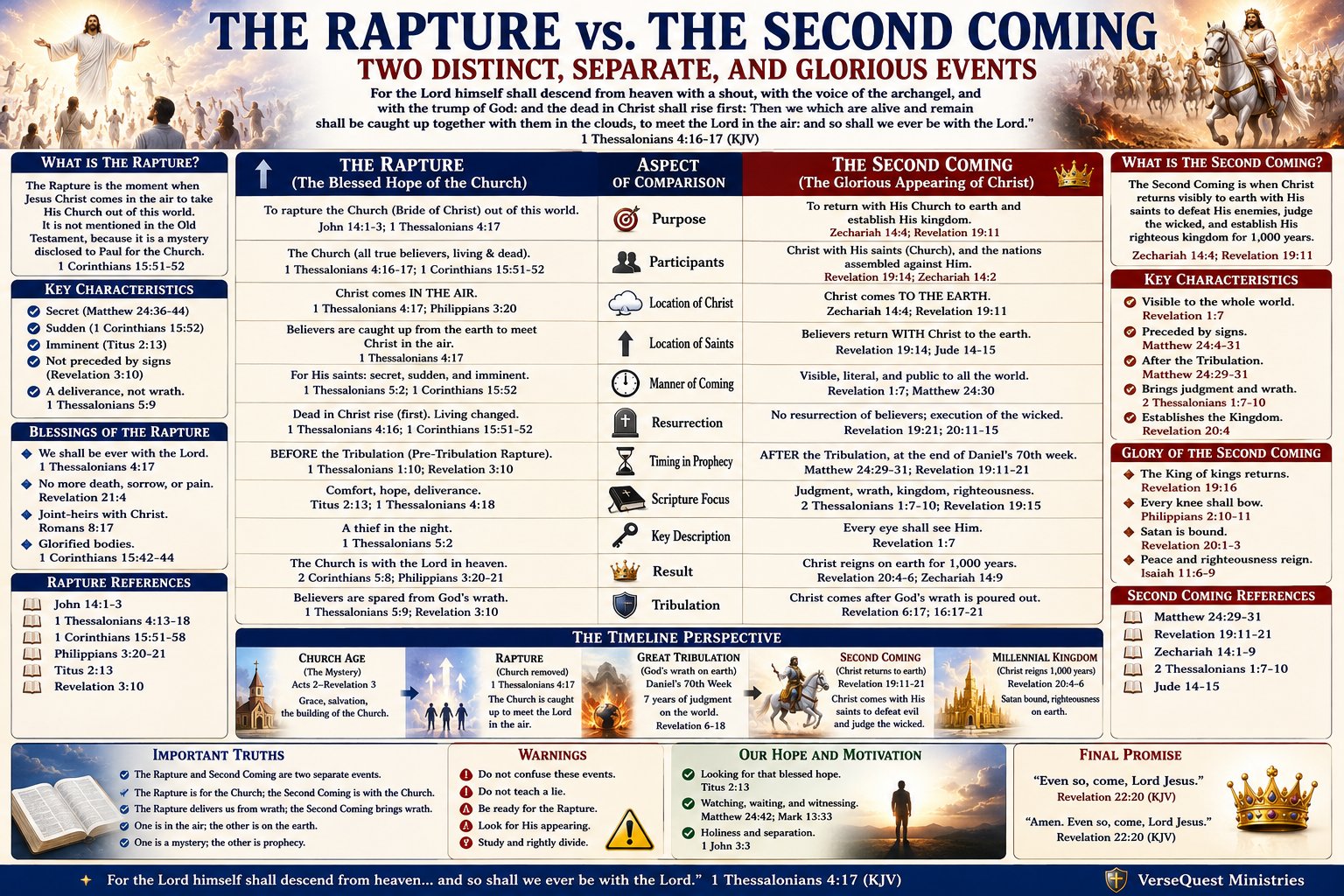
The PDF includes twenty detailed studies, a full introduction and conclusion, and an illustrated VerseQuest Bible-study chart summarizing the prophetic route and its major doctrinal distinctions.
160 pages | Downloadable PDF | $9.99
$9.99
Description
The Path of the Second Advent: The Prophetic Route of the Returning King is a 160-page downloadable PDF Bible study examining one of the most fascinating and frequently overlooked dimensions of Bible prophecy: the geographical path associated with the return of Jesus Christ.
Many Bible students know the great declaration of Zechariah 14:4 that Christ’s feet will stand upon the Mount of Olives. But is the Mount of Olives the entire geographical story of the Second Advent? When the King James Bible is compared passage with passage, an extraordinary prophetic pattern emerges. Moses speaks of the LORD coming from Sinai, rising from Seir, and shining forth from Paran with ten thousands of saints. Deborah describes the LORD marching from Seir and the field of Edom. Habakkuk sees God coming from Teman and the Holy One from mount Paran. Isaiah beholds a bloodstained Warrior coming from Edom and Bozrah. Revelation describes the winepress outside the city, the armies of heaven, and the returning Christ who judges and makes war. Zechariah finally places His feet upon Olivet before Jerusalem.
This study brings those passages together into a detailed examination of the Second Advent as a royal and military procession toward Jerusalem. The book carefully distinguishes what Scripture states explicitly from geographical synthesis and reasonable inference. Rather than forcing every prophetic passage into a predetermined system, it follows the words, locations, movements, judgments, and cross-references supplied by the King James Bible.
The study begins by establishing the essential distinction between the Rapture and the Second Advent. Christ first comes for His saints, who are caught up to meet Him in the air; later He comes with His saints as heaven opens and the armies of heaven follow the returning King. From there, the study examines Revelation 19’s Warrior-King, the ten thousands of saints accompanying Him, and the extensive Old Testament foundation underlying New Testament prophecy.
The geographical investigation then moves through Sinai, Paran, Seir, Teman, Edom, and Bozrah. Particular attention is given to Isaiah 63 and its extraordinary question: “Who is this that cometh from Edom, with dyed garments from Bozrah?” The study examines the distinction between Christ’s blood at Calvary and the blood upon His garments in Second Advent judgment, the prophetic winepress, Edom’s place in divine vengeance, and the relationship between judgment and Israel’s deliverance.
Additional studies examine the woman fleeing into the wilderness in Revelation 12, the preserved remnant, Armageddon as part of a broader prophetic campaign, the ancient King’s Highway, Moab and Heshbon, and the possible eastern approach through the Jordan corridor. These supporting geographical connections are carefully distinguished from direct prophetic declarations so the reader can see both the strength and the limits of the evidence.
The final movement reaches the Mount of Olives and Jerusalem. Zechariah’s prophecy is examined alongside Acts 1 and the promise that “this same Jesus” will return. The series concludes with the restoration of Israel, the destruction of Antichrist’s dominion, David’s throne, Jerusalem’s kingdom significance, and Zechariah 14:9: “And the LORD shall be king over all the earth.”
The downloadable PDF also includes a detailed Bible-study chart, The Path of the Second Advent: The Prophetic Route of the Returning King, designed to help readers visualize the major passages, geographical markers, doctrinal distinctions, and prophetic progression examined throughout the book.
At 160 pages for $9.99, this digital study is designed for serious Bible students, pastors, preachers, Sunday school teachers, prophecy teachers, small groups, families, and readers who want a detailed KJV-centered reference they can study, teach from, print, save, and return to when examining the Second Advent.
The geographical path of the Second Advent Christ's return as a royal military procession The distinction between the Rapture and Second Advent Christ coming for His saints versus returning with His saints Revelation 19 and the returning Warrior-King Ten thousands of saints accompanying the Lord Old Testament foundations for Second Advent prophecy Sinai as a prophetic geographical marker Paran and the shining manifestation of the Holy One Seir and its relationship to Esau and Edom Teman in Habakkuk's Second Advent vision Edom as a theater of divine vengeance Bozrah and Isaiah's bloodstained Warrior Calvary blood versus Second Advent blood The prophetic winepress and the wrath of God Israel's wilderness preservation during Jacob's trouble The relationship between vengeance and Israel's redemption Armageddon as part of a larger prophetic campaign The King's Highway and the eastern geographical corridor Moab, Heshbon, Dibon, and latter-day judgment Jordan, Jericho, and Gilgal as historical and typological thresholds The literal return of “this same Jesus” The Mount of Olives as the climactic geographical landing point Jerusalem as the destination of the returning King Israel and the Church as distinct in God's prophetic program Antichrist's destruction at Christ's return David's throne and the Messianic kingdom The restoration of Israel The Millennium and Christ's earthly reign The distinction between explicit prophecy and reasonable geographical inference
Central Argument: The Mount of Olives is a certain and climactic location in the Second Advent, but Scripture contains additional geographical references associated with the returning LORD that deserve to be examined together rather than ignored.
Essential Starting Distinction: The Rapture and Second Advent are not identical events. At the Rapture believers are caught up to meet Christ in the air. At the Second Advent Christ returns with a heavenly company in judgment and warfare.
Major Old Testament Witness: Deuteronomy 33:2 connects Sinai, Seir, Paran, shining glory, and ten thousands of saints.
Movement Language Matters: Scripture repeatedly uses words such as came, rose up, shined forth, marched, travelling, went forth, and cometh from. These words form an important part of the argument for movement rather than a single isolated touchdown.
Edom and Bozrah: Isaiah 34 and Isaiah 63 strongly connect Edom and Bozrah with divine vengeance, Zion’s controversy, and the returning bloodstained Warrior.
The Blood Distinction: At Calvary Christ’s own blood was shed for sinners. Isaiah 63 explicitly says “their blood shall be sprinkled upon my garments” in Second Advent judgment.
The Winepress: Joel 3, Isaiah 63, Revelation 14, and Revelation 19 combine to establish the winepress as imagery of divine judgment rather than Christ’s substitutionary suffering at Calvary.
Israel’s Preservation: Revelation 12 explicitly places the woman in a wilderness refuge prepared by God. Connections with Edom, Moab, Ammon, and Bozrah are worthy of careful study but must distinguish explicit statements from synthesis.
Armageddon: Revelation 16 identifies Armageddon as a gathering place associated with the battle of the great day of God Almighty. Other passages place warfare and judgment at Jerusalem, Edom, Bozrah, and outside the city, supporting a broader campaign picture.
The Eastern Corridor: The King’s Highway, Moab, Heshbon, Jordan, Jericho, and Gilgal provide historically and geographically interesting connections between Edom and Jerusalem. These supporting features should not be given the same certainty as direct prophetic statements.
Olivet: Zechariah 14:4 is explicit. Christ’s feet will stand upon the Mount of Olives east of Jerusalem, and the mountain will divide.
Acts 1: The promise concerning “this same Jesus” establishes the bodily, personal return of the Christ who ascended.
Jerusalem: The prophetic road ultimately leads to Jerusalem because the Second Advent culminates in Christ’s kingdom, Israel’s restoration, and the fulfillment of the Davidic throne promises.
Key Teaching Principle: The geography matters because the geography leads to the King, and every mile ultimately points toward a throne.
Questions for Further Study: How do the Old Testament Day of the LORD passages illuminate Revelation 19? What portions of the proposed geographical route are explicit and what portions are inferential? How does Israel’s wilderness preservation relate to the southeastern geography? How should Joel’s winepress, Isaiah’s Bozrah Warrior, and Revelation’s Armageddon passages be placed together? How does the Second Advent fulfill promises concerning Israel and David’s throne?
This 160-page study can serve as a substantial personal prophecy-study resource, allowing readers to work through the Second Advent passages systematically rather than examining isolated proof texts. The geographical approach encourages readers to compare Moses, the historical books, Psalms, Prophets, Gospels, Pauline epistles, and Revelation as parts of one biblical prophetic framework.
For pastors and preachers, the twenty-study structure provides material that can be developed into a multi-week sermon or Bible-study series covering the Rapture, Revelation 19, Israel, Edom, Bozrah, Armageddon, Olivet, Jerusalem, and the Messianic kingdom.
For Sunday school and adult Bible classes, individual studies can be assigned by topic while the included chart provides a visual reference for reviewing the overall progression.
For small groups and discipleship settings, the resource provides opportunities to examine the difference between direct biblical statements, typological patterns, and reasonable inference—an important skill for responsible prophetic Bible study.
For family Bible study, selected chapters and the chart can be used to introduce older children and teenagers to the major KJV passages concerning Christ's return, Israel, the Mount of Olives, and the future kingdom.
For ministry training and apologetics, the study provides an organized reference for answering questions about the distinction between the Rapture and Second Advent, why Edom and Bozrah matter prophetically, why Revelation 19 must be read alongside the Old Testament prophets, and why Jerusalem and Israel remain central to future prophecy.
The most important companion resource is a King James Bible, preferably one suitable for extensive cross-referencing and note-taking.
A Strong's Exhaustive Concordance can help readers trace repeated words such as come, march, Edom, Seir, Paran, Teman, Bozrah, Jerusalem, vengeance, winepress, and kingdom throughout Scripture.
A reliable Bible dictionary can provide historical background for Edom, Moab, Ammon, Bozrah, Teman, Mount Seir, Paran, Heshbon, Jericho, Jordan, the Mount of Olives, and Jerusalem.
A detailed Bible atlas or historical map collection is especially useful for this study because geography is central to the argument. Maps showing ancient Edom, Moab, Ammon, the Dead Sea, Jordan Valley, King's Highway, Jericho, Jerusalem, and surrounding wilderness regions can help readers visualize the possible relationships between explicit prophetic locations.
A good cross-reference Bible or Treasury of Scripture Knowledge can help readers trace the extensive connections between Deuteronomy 33, Judges 5, Isaiah 34 and 63, Habakkuk 3, Zechariah 12–14, Matthew 24, Jude, and Revelation.
The included VerseQuest Ministries Path of the Second Advent Bible Study Chart should be used alongside the book as a visual summary of the major geographical markers, doctrinal distinctions, and prophetic sequence.
Related products
-
Doctrine Series
-
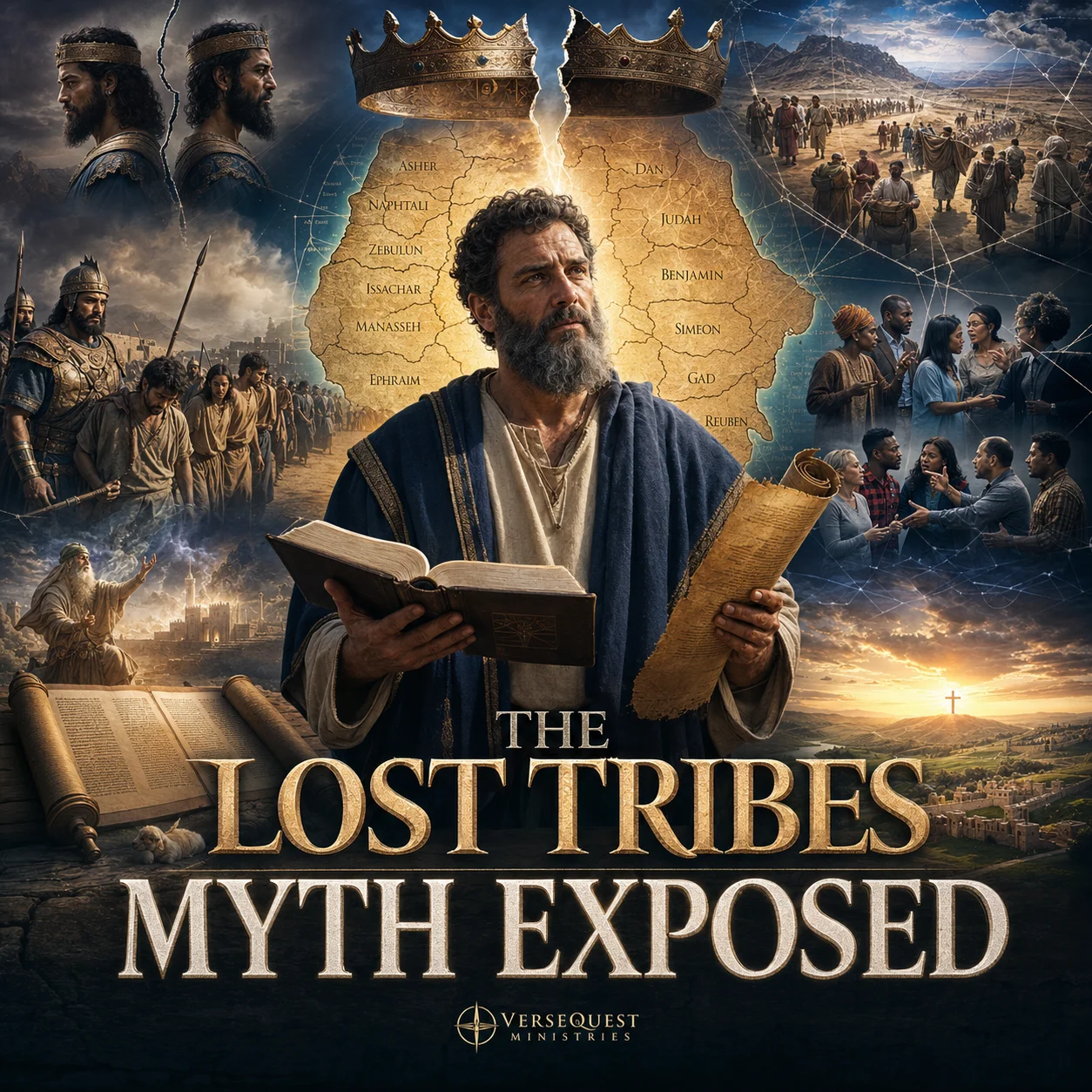
- The Lost Tribes Myth Exposed (213-Page Premium Study)
- A 213-page premium KJV study exposing the Lost Tribes myth, tribal identity errors, prophecy abuse, race theories, and false Israel claims through 35 detailed essays.
- $24.99
- Add to cart
-
-
Jesus Christ
-
-67%
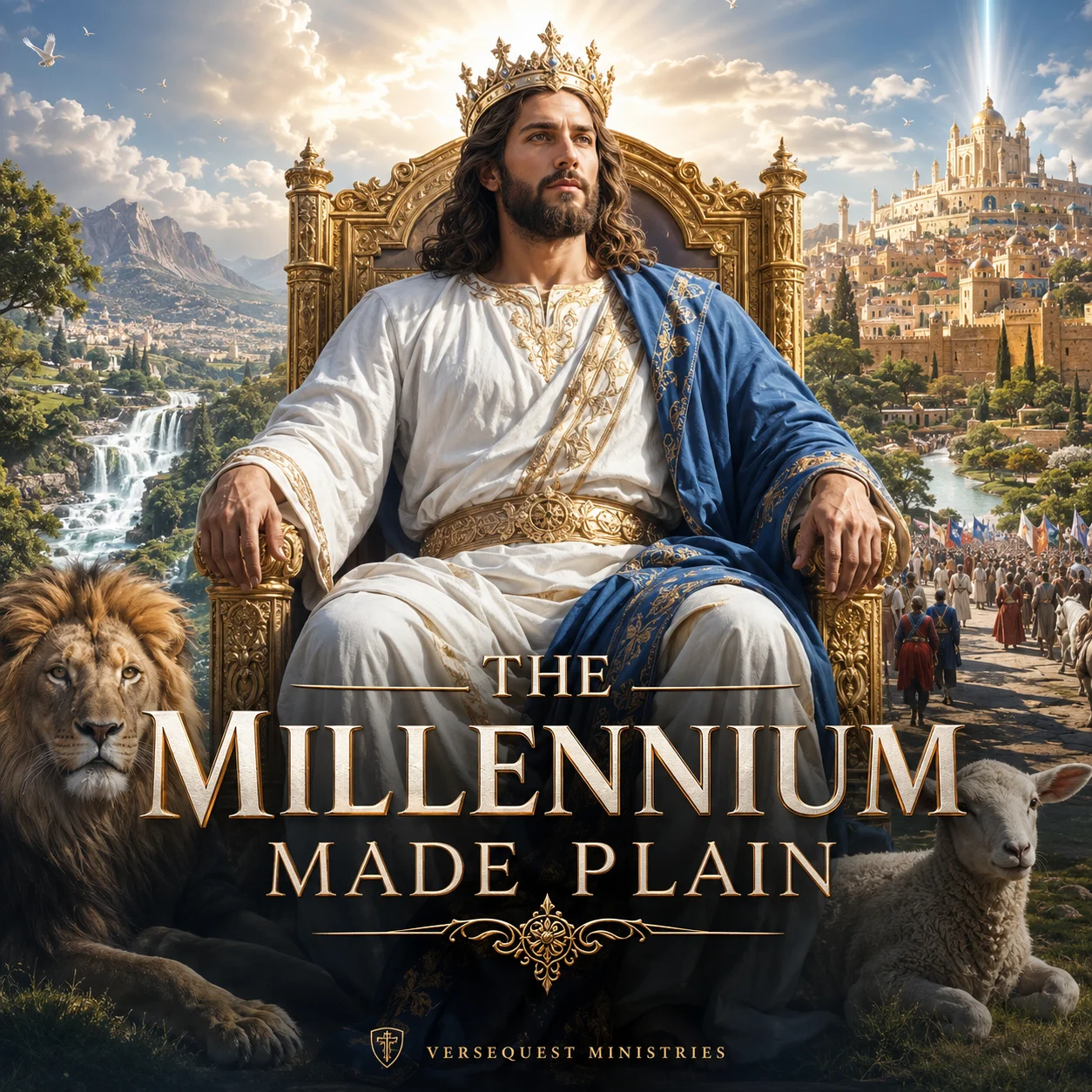
- The Millennium Made Plain – 416-Page KJV Study on Christ’s Future Reign
- A premium 416-page KJV, rightly divided Bible study on the literal future Millennial reign of Jesus Christ. The Millennium Made Plain explains Revelation 19–20, Israel’s restoration, Satan’s binding, the Kingdom…
- Original price was: $29.99.$9.99Current price is: $9.99.
- Add to cart
-
-67%
-
Prophecy Studies
-
- The Resurrection of Jesus Christ Made Plain – 501-Page KJV Bible Study
- A massive 501-page VerseQuest Ministries PDF Bible study defending and explaining the bodily resurrection of Jesus Christ from a KJV, rightly divided perspective. This 80-essay study covers the empty tomb,…
- $34.99
- Add to cart
-
-
Angels
-
-67%
- The Doctrine of Angels Made Plain – 620-Page KJV Bible Study PDF
- The Doctrine of Angels Made Plain is a 620-page KJV Bible study that traces angels from Genesis to Revelation. This premium VerseQuest PDF explains holy angels, Christ’s supremacy over angels,…
- Original price was: $29.99.$9.99Current price is: $9.99.
- Add to cart
-
-67%
-
Heaven
-
- The Doctrine of Heaven Made Plain — 599-Page KJV Bible Study PDF
- A massive 599-page KJV, rightly divided study on heaven, covering the present heaven, resurrection body, Rapture, Millennium, New Jerusalem, eternal state, hard questions, funeral lies, and cult errors.
- $34.99
- Add to cart
-