
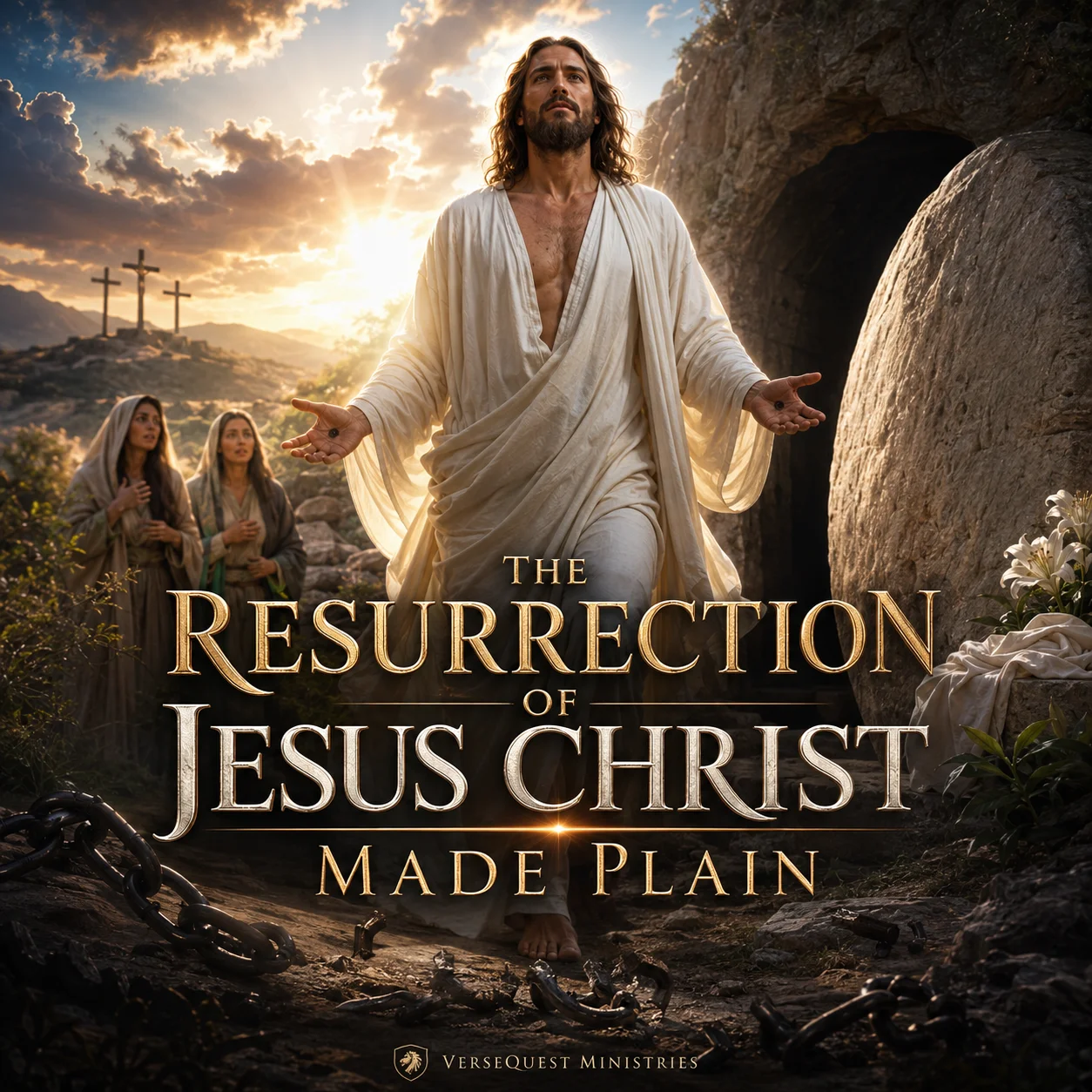
The Resurrection of Jesus Christ Made Plain – 501-Page KJV Bible Study
A massive 501-page VerseQuest Ministries PDF Bible study defending and explaining the bodily resurrection of Jesus Christ from a KJV, rightly divided perspective. This 80-essay study covers the empty tomb, many infallible proofs, blood atonement, justification, resurrection prophecy, believer assurance, the rapture, false theories refuted, and Christ alive forevermore.
$34.99
Description
The Resurrection of Jesus Christ Made Plain is a massive 501-page premium VerseQuest Bible study book defending, explaining, and proclaiming the bodily resurrection of the Lord Jesus Christ from a KJV Bible-believing, rightly divided perspective.
This 80-essay study walks through the resurrection from Genesis to Revelation, showing that the empty tomb was not an afterthought, a religious symbol, or a seasonal message. It was the public declaration that Jesus Christ is the Son of God, the blood sacrifice was accepted, sin was answered, death was defeated, Satan was spoiled, and the believer’s future resurrection is guaranteed.
Inside this book, you will study the resurrection through prophecy, types, the Gospel accounts, the empty tomb, post-resurrection appearances, the blood of Christ, justification, eternal security, the believer’s bodily hope, the rapture, Israel’s future resurrection program, and the final destruction of death itself.
This book also answers many of the major attacks against the resurrection, including the hallucination theory, swoon theory, stolen body theory, pagan myth theory, supposed Gospel contradictions, Jehovah’s Witness spirit-only resurrection error, and Islam’s denial of the crucifixion. Each subject is handled directly, doctrinally, and biblically.
The resurrection of Jesus Christ is not a minor doctrine. Without it, preaching is vain, faith is vain, and sinners are still in their sins. But now is Christ risen from the dead. He is not a dead teacher, failed reformer, religious symbol, or martyr remembered by followers. He is the living Lord who was dead and is alive forevermore, holding the keys of hell and of death.
This PDF book is perfect for pastors, Bible teachers, students of Scripture, apologists, soul-winners, and serious believers who want a thorough, bold, KJV-based study on the resurrection of Jesus Christ.
501 pages. PDF format.
Price: $34.99
Bodily resurrection of Jesus Christ, empty tomb, many infallible proofs, Christ alive forevermore, resurrection prophecy, blood atonement, raised for justification, victory over death, defeat of Satan, resurrection of the believer, rapture of the Church, resurrection order rightly divided, Israel’s future resurrection program, resurrection of life and damnation, false resurrection theories refuted, Jehovah’s Witness error answered, Islam’s denial of the cross answered, KJV Bible doctrine, Christ’s present heavenly ministry, eternal security, hope of the believer.
This 501-page study is designed to help pastors, Bible teachers, students, soul-winners, and serious believers understand why the resurrection of Jesus Christ is central to the gospel. It can be used for sermon preparation, Sunday school lessons, Bible institute material, personal discipleship, apologetics training, resurrection-themed teaching, and doctrinal study on 1 Corinthians 15, Romans 4:25, Luke 24, John 20, Acts 1:3, and Revelation 1:18.
This book helps the student see that the resurrection is not merely an Easter message, but the foundation of Christian preaching, justification, bodily hope, eternal security, and future prophecy. It teaches believers how to answer common objections such as the hallucination theory, swoon theory, stolen body theory, pagan myth claim, supposed Gospel contradictions, spirit-only resurrection error, and Islam’s denial of the crucifixion.
This resource also strengthens practical Christian living by showing that resurrection truth should lead believers to stand fast, preach boldly, live cleanly, suffer patiently, comfort the grieving, and look for the blessed hope. The risen Christ is not a dead religious founder, but the living Lord who was dead and is alive forevermore.
The Blood of Christ, The Deity of Christ Defended, The Lord Jesus Christ Made Plain, Caught Up Before the Wrath, Eternal Security Made Plain, The Millennium Made Plain, The Doctrine of Hell, The Doctrine of Death, Romans VerseQuest Commentary, 1 Corinthians 15 Bible studies, Resurrection of Jesus Christ study chart, premium VerseQuest Bible study charts, KJV rightly divided doctrine studies.x
Related products
-
Book of Revelation
-
- Revelation a Little Bit Deeper – 100 KJV Studies
- Go beyond the familiar outlines of Revelation with 100 detailed KJV Bible studies examining passages, symbols, judgments, heavenly structures, prophetic distinctions, and doctrinal truths often overlooked or only briefly discussed.…
- $29.99
- Add to cart
-
-
Angels
-
-67%
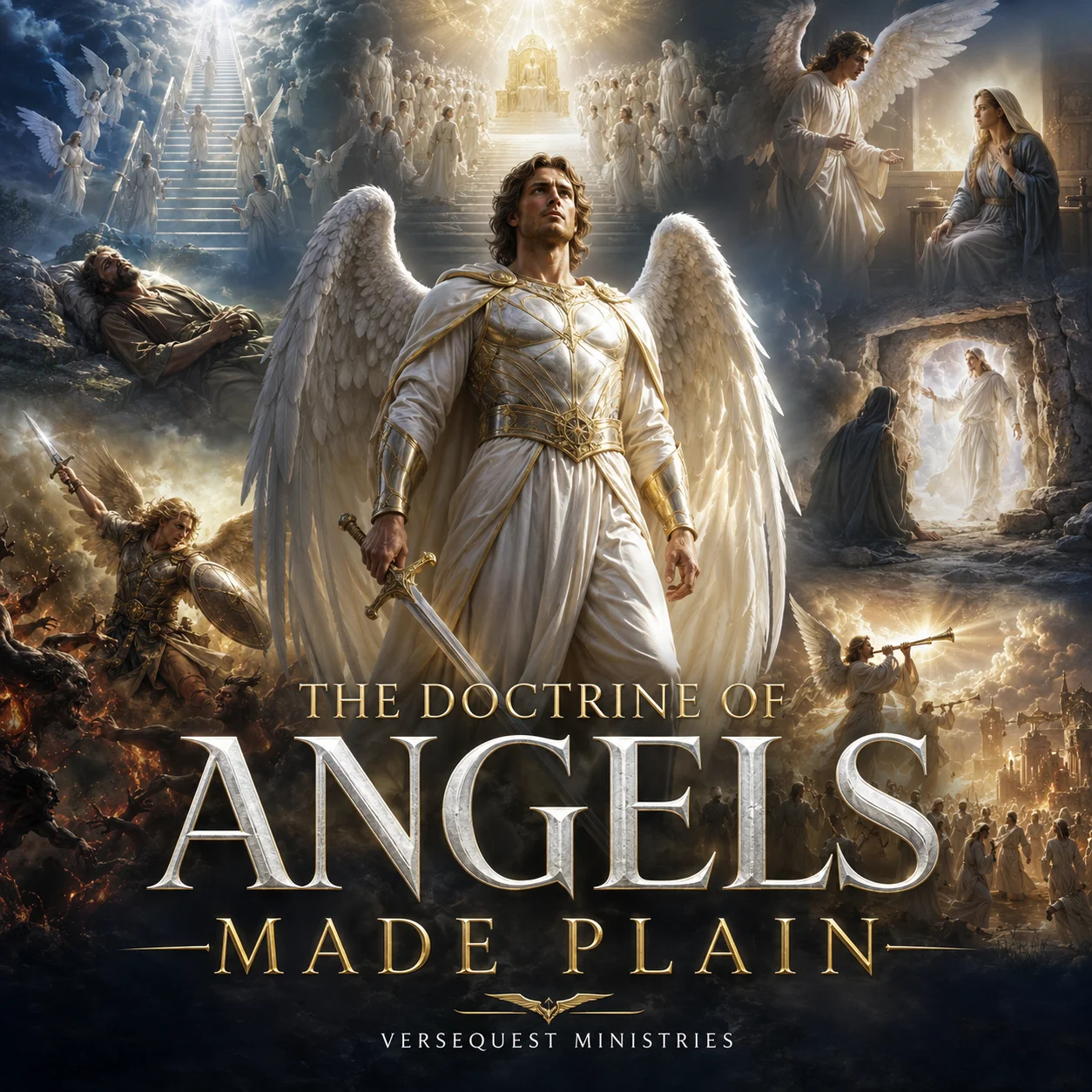
- The Doctrine of Angels Made Plain – 620-Page KJV Bible Study PDF
- The Doctrine of Angels Made Plain is a 620-page KJV Bible study that traces angels from Genesis to Revelation. This premium VerseQuest PDF explains holy angels, Christ’s supremacy over angels,…
- Original price was: $29.99.$9.99Current price is: $9.99.
- Add to cart
-
-67%
-
Doctrine Series
-
-14%
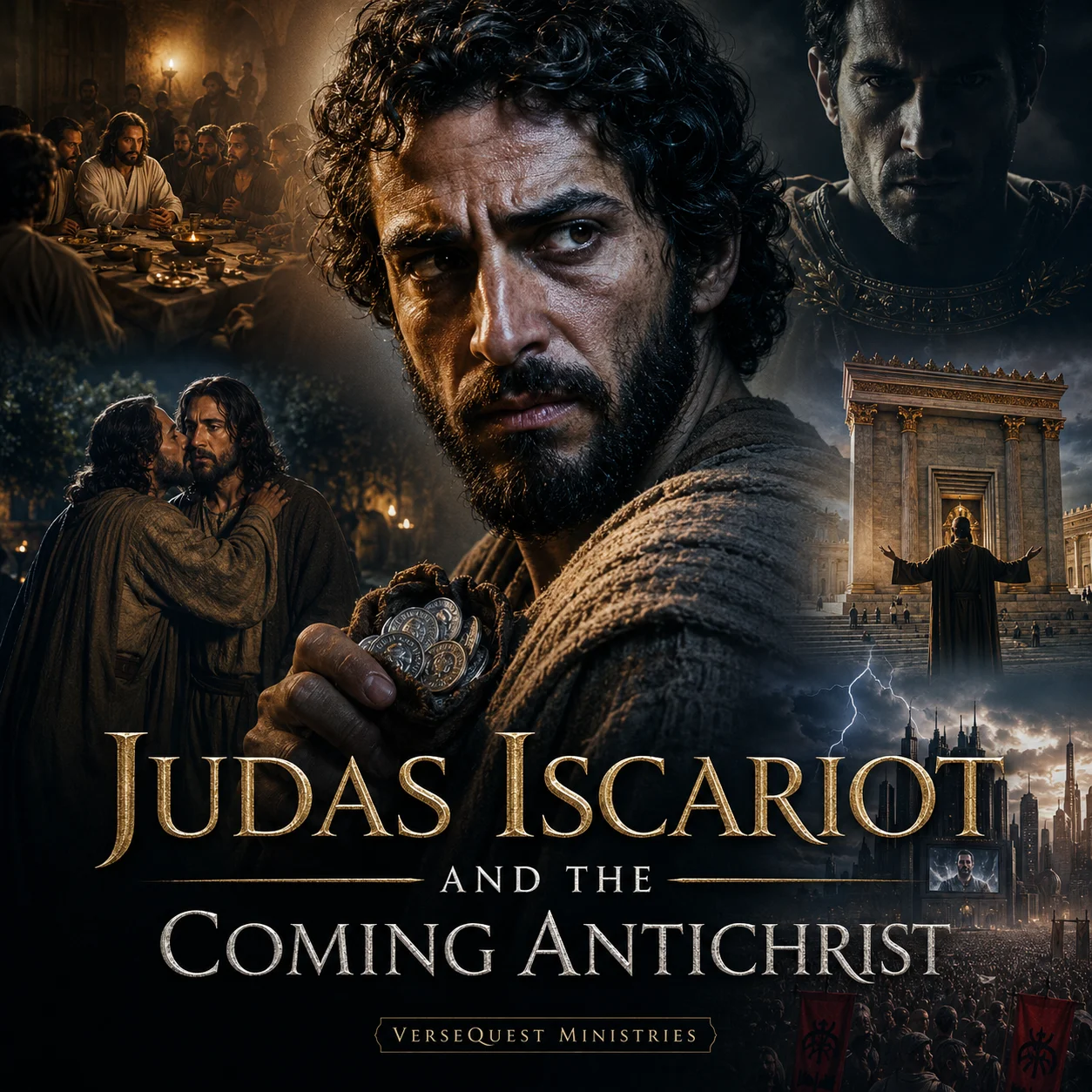
- Judas Iscariot and the Coming Antichrist – Premium KJV Prophecy Study
- A massive 459-page premium KJV prophecy study tracing the biblical connection between Judas Iscariot, the son of perdition, and the coming Antichrist. This detailed VerseQuest Ministries PDF examines Judas’ betrayal,…
- Original price was: $34.99.$29.99Current price is: $29.99.
- Add to cart
-
-14%
-
Heaven
-
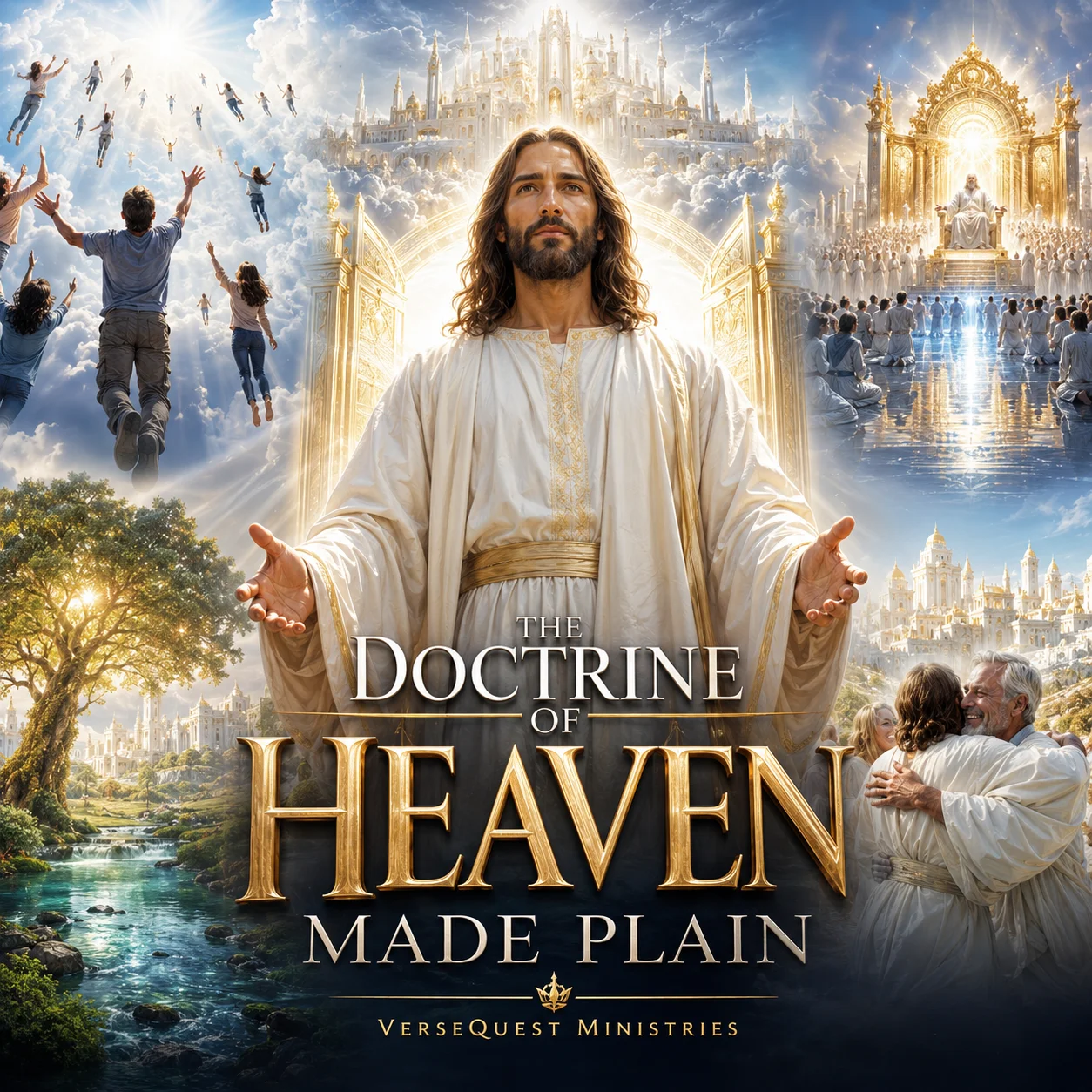
- The Doctrine of Heaven Made Plain — 599-Page KJV Bible Study PDF
- A massive 599-page KJV, rightly divided study on heaven, covering the present heaven, resurrection body, Rapture, Millennium, New Jerusalem, eternal state, hard questions, funeral lies, and cult errors.
- $34.99
- Add to cart
-
-
Chart Collections
-
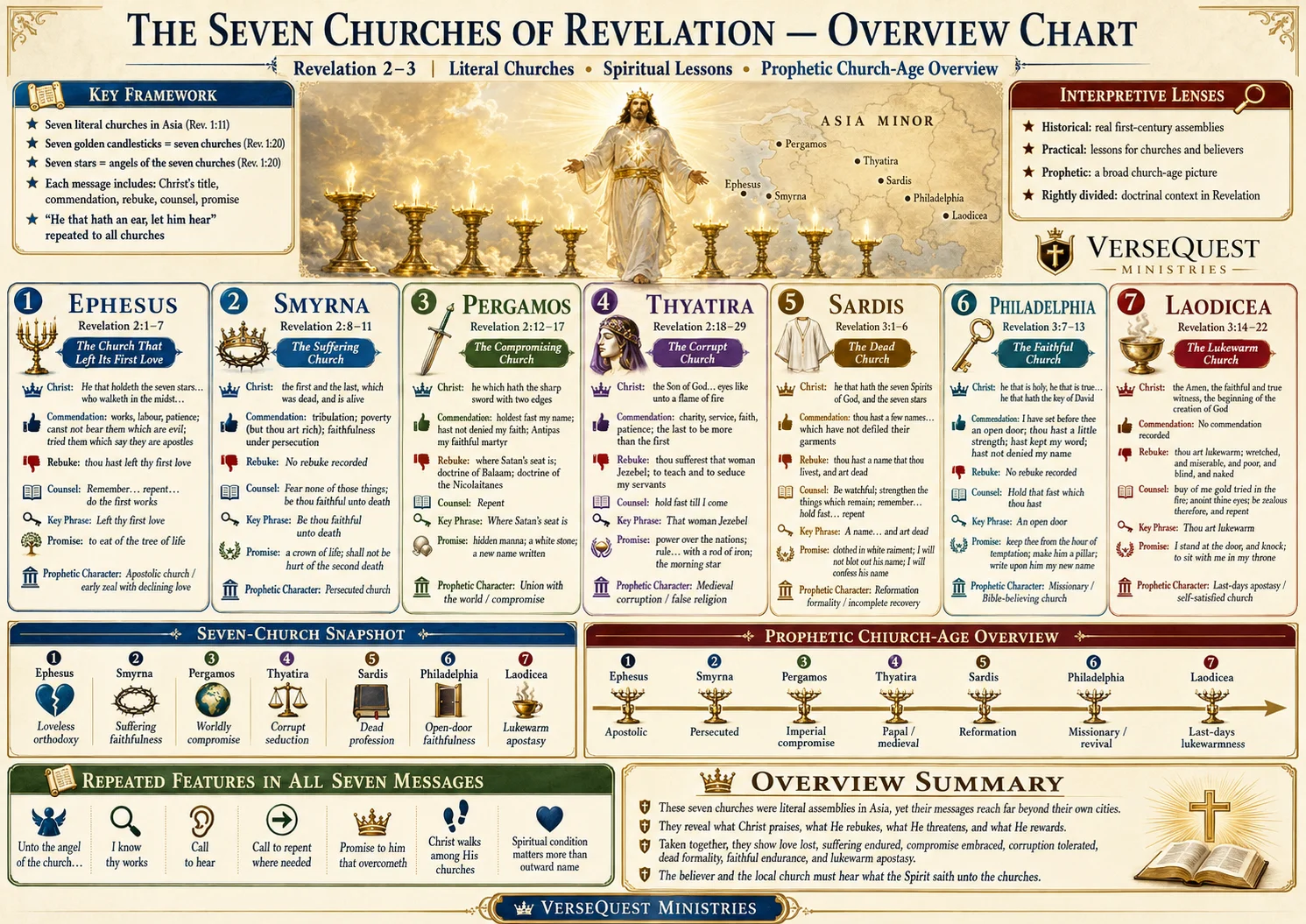
- The Seven Churches of Revelation Chart Collection – Christ Walking Among the Candlesticks
- A premium VerseQuest Ministries™ PDF chart collection covering the Seven Churches of Revelation in Revelation 2–3. Includes one overview chart plus individual KJV Bible study charts for Ephesus, Smyrna, Pergamos,…
- $12.99
- Add to cart
-