
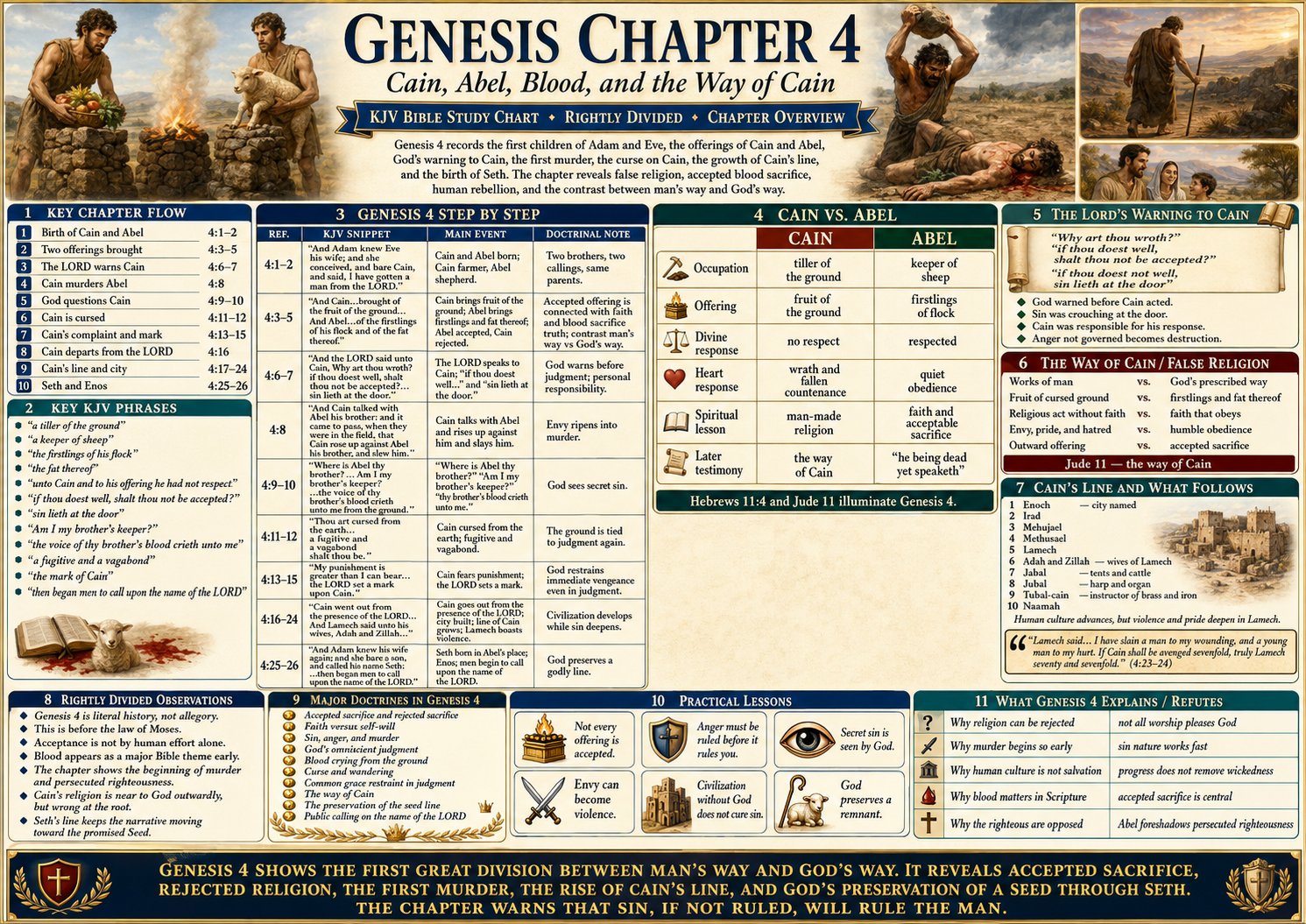
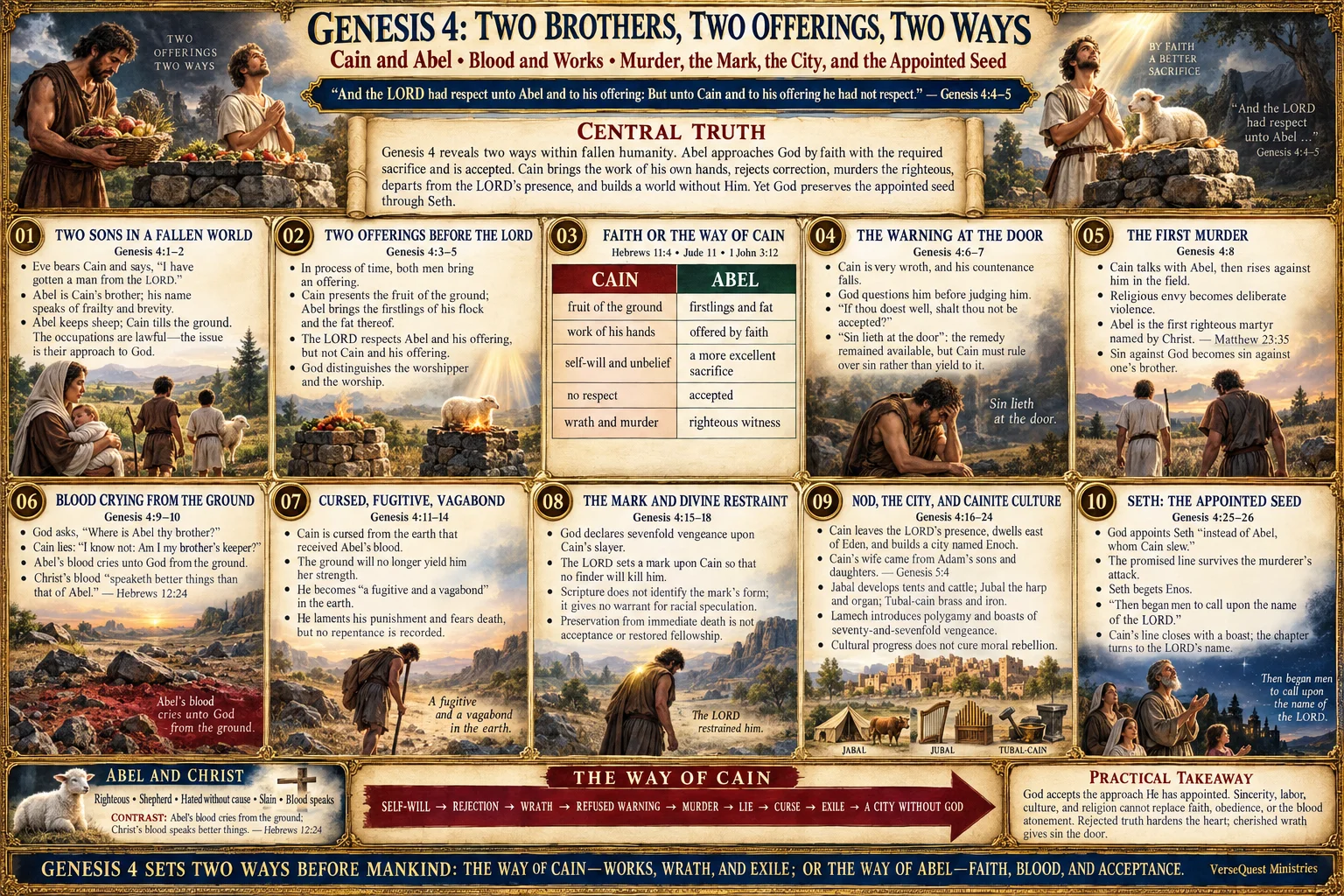
Genesis 4 – Two Brothers, Two Offerings, Two Ways: Cain, Abel, Blood, Works, Murder, the Mark, and the Appointed Seed (KJV Bible Study Chart)
Explore Genesis 4 with this detailed KJV chart covering Cain and Abel, two offerings and two ways, Abel’s faith, Cain’s rejected worship, the first murder, blood crying from the ground, Cain’s curse and mark, the city of Nod, Cainite culture, and Seth as God’s appointed seed.
$4.99
Description
Genesis 4: Two Brothers, Two Offerings, Two Ways is a detailed KJV Bible study chart tracing the first generation born outside Eden and the two radically different approaches to God represented by Cain and Abel. The chapter moves from worship to rejection, from rejected correction to wrath, from wrath to murder, and from murder to exile, while also revealing God’s preservation of the promised line through Seth. Genesis 4 therefore places two ways before fallen mankind: the way of self-will and human works represented by Cain, and the way of faith and accepted sacrifice represented by Abel.
Cain and Abel are both sons born into the same fallen world. Cain tills the ground, while Abel keeps sheep. Their occupations are both lawful; the decisive issue is not profession but approach to God. In process of time, both men bring offerings before the LORD. Cain presents the fruit of the ground, while Abel brings “of the firstlings of his flock and of the fat thereof.” Genesis records that “the LORD had respect unto Abel and to his offering: But unto Cain and to his offering he had not respect.”
Hebrews 11:4 supplies the inspired commentary: “By faith Abel offered unto God a more excellent sacrifice than Cain.” Abel’s offering is therefore inseparable from faith. Cain’s later identification in Jude as “the way of Cain” reveals a continuing religious principle: man attempting to approach God according to his own will while resisting the revelation and correction of God. First John 3:12 adds that Cain’s works were evil and Abel’s righteous.
God does not immediately destroy Cain after rejecting his offering. He confronts him while opportunity remains. “Why art thou wroth?” God warns him, “sin lieth at the door.” Cain therefore receives truth before judgment, but instead of accepting correction he allows resentment to become violence. He talks with Abel in the field, rises against his brother, and commits Scripture’s first recorded murder.
Abel becomes the first righteous martyr, later called “righteous Abel” by Jesus Christ. His blood cries from the ground, and Hebrews 12:24 later contrasts Abel’s blood with “the blood of sprinkling, that speaketh better things than that of Abel.” Abel’s blood calls for justice; Christ’s blood provides the basis of redemption, reconciliation, and forgiveness. Abel therefore becomes an important early picture pointing beyond himself to Jesus Christ.
Cain’s punishment follows his crime. The ground that received Abel’s blood will no longer yield its strength to him, and he becomes “a fugitive and a vagabond.” Yet even here God restrains immediate vengeance by placing a mark upon Cain. Scripture never identifies the physical form of that mark, so speculation should not replace the text. Protection from immediate death, however, is not the same as restored fellowship or divine approval.
Cain then departs from the presence of the LORD, settles in Nod, builds a city, and begins a line marked by cultural achievement without spiritual restoration. His descendants develop livestock culture, music, and metallurgy, but technological and artistic progress cannot cure mankind’s moral rebellion. Lamech introduces polygamy and boasts of vengeance, showing that civilization can advance outwardly while sin deepens inwardly.
The chapter finally turns from Cain’s line to Seth, the appointed seed. Eve recognizes that God has appointed another seed in place of Abel whom Cain slew. Seth begets Enos, and Genesis records, “then began men to call upon the name of the LORD.” Cain’s road ends in self-will, wrath, murder, exile, and a city built outside God’s presence; Abel’s witness continues through faith, and God preserves the appointed line through which His redemptive purpose will advance.
Genesis 4, Cain and Abel, two offerings, two ways, way of Cain, Abel offered by faith, more excellent sacrifice, fruit of the ground, firstlings of the flock, righteous Abel, first murder, Abel’s blood, blood crying from the ground, Cain’s mark, fugitive and vagabond, land of Nod, city of Cain, Cainite civilization, Lamech, human works versus faith, blood atonement, Seth appointed seed, call upon the name of the LORD
Genesis 4 introduces Cain and Abel as the first brothers born into Adam’s fallen world. Cain tills the ground and Abel keeps sheep, but Scripture does not condemn either occupation. The decisive distinction appears when both approach God. Cain brings fruit from the ground, while Abel brings the firstlings and fat of his flock. God respects Abel and his offering but does not respect Cain and his offering, showing from the beginning that mankind does not determine the terms upon which God must accept worship.
Hebrews 11:4 explains that Abel offered “by faith” and that his sacrifice was “more excellent.” Because biblical faith responds to what God has revealed, Abel’s accepted offering was not religious guesswork. Genesis 4 itself does not explicitly preserve an earlier command requiring animal sacrifice, so the precise revelation given to the brothers is not recorded. The later biblical doctrine of blood atonement nevertheless makes Abel’s slain offering an important early pattern pointing toward substitution and ultimately toward Jesus Christ.
Cain’s problem is larger than the contents of his basket. First John 3:12 says his works were evil and his brother’s righteous, while Jude warns of “the way of Cain.” Cain represents self-directed religion that refuses God’s correction. When his offering is rejected, he becomes angry rather than repentant. God warns him that sin lies at the door, providing opportunity to do well, but Cain refuses the warning and allows resentment to mature into murder.
Abel becomes Scripture’s first righteous martyr. Jesus later calls him “righteous Abel,” and his blood cries from the ground for justice. Hebrews 12:24 deliberately contrasts that testimony with the blood of Jesus Christ, which “speaketh better things than that of Abel.” Abel’s blood testifies against his murderer, while Christ’s shed blood provides the righteous basis for forgiveness and reconciliation to those who believe.
Cain lies when God asks concerning Abel, answering, “I know not: Am I my brother’s keeper?” His rebellion therefore moves from false worship to anger, murder, deceit, and hardened resistance. God curses him from the ground that received Abel’s blood, and Cain becomes a fugitive and vagabond. His complaint concentrates on the severity of his punishment rather than displaying clearly recorded repentance over his sin.
God places a mark upon Cain to restrain anyone from immediately killing him and promises sevenfold vengeance against his murderer. Scripture does not identify the mark’s appearance, so racial theories, physical descriptions, and imaginative speculation have no biblical foundation. The mark demonstrates divine restraint and preservation, but Cain’s continued life should not be confused with restored fellowship or approval.
Cain later departs from the LORD’s presence, lives in Nod, and builds a city named for his son Enoch. His descendants develop livestock practices, musical instruments, and metalworking. These achievements demonstrate that cultural sophistication and technical progress can exist alongside deepening rebellion. Lamech’s polygamy and boast of seventy-and-sevenfold vengeance show moral deterioration continuing even while civilization develops materially.
Genesis 4 closes by turning to Seth, whom Eve recognizes as another seed appointed in Abel’s place. Seth’s birth demonstrates that Cain cannot destroy God’s redemptive purpose through murder. Seth fathers Enos, and the chapter closes with men beginning to call upon the name of the LORD. The contrast is deliberate: Cain’s line advances culture while moving from God’s presence, but God preserves the appointed seed through which the biblical story of redemption continues.
Genesis 4 Bible studies, Cain-and-Abel teaching, faith-versus-works studies, acceptable worship lessons, way-of-Cain studies, blood-atonement teaching, anger and murder studies, biblical correction lessons, Cain’s-mark studies, early civilization teaching, Lamech studies, Seth and the godly line, Abel-and-Christ typology, Christian apologetics, homeschool Bible curriculum, Sunday school lessons, Christian school teaching, Bible institute classes, pastoral training, sermon preparation
King James Bible, Strong’s Concordance, Thompson Chain-Reference Bible, Treasury of Scripture Knowledge, Nave’s Topical Bible, Genesis 3–5 study notes, Hebrews 11 studies, Cain-and-Abel comparison charts, faith-and-works Scripture chains, biblical sacrifice studies, Leviticus 17 resources, Hebrews blood-atonement studies, first-martyr Scripture studies, early Genesis genealogies, Sethite-line studies, Adam-to-Noah timelines, VerseQuest Genesis and creation charts
Related products
-
Names of Christ
-
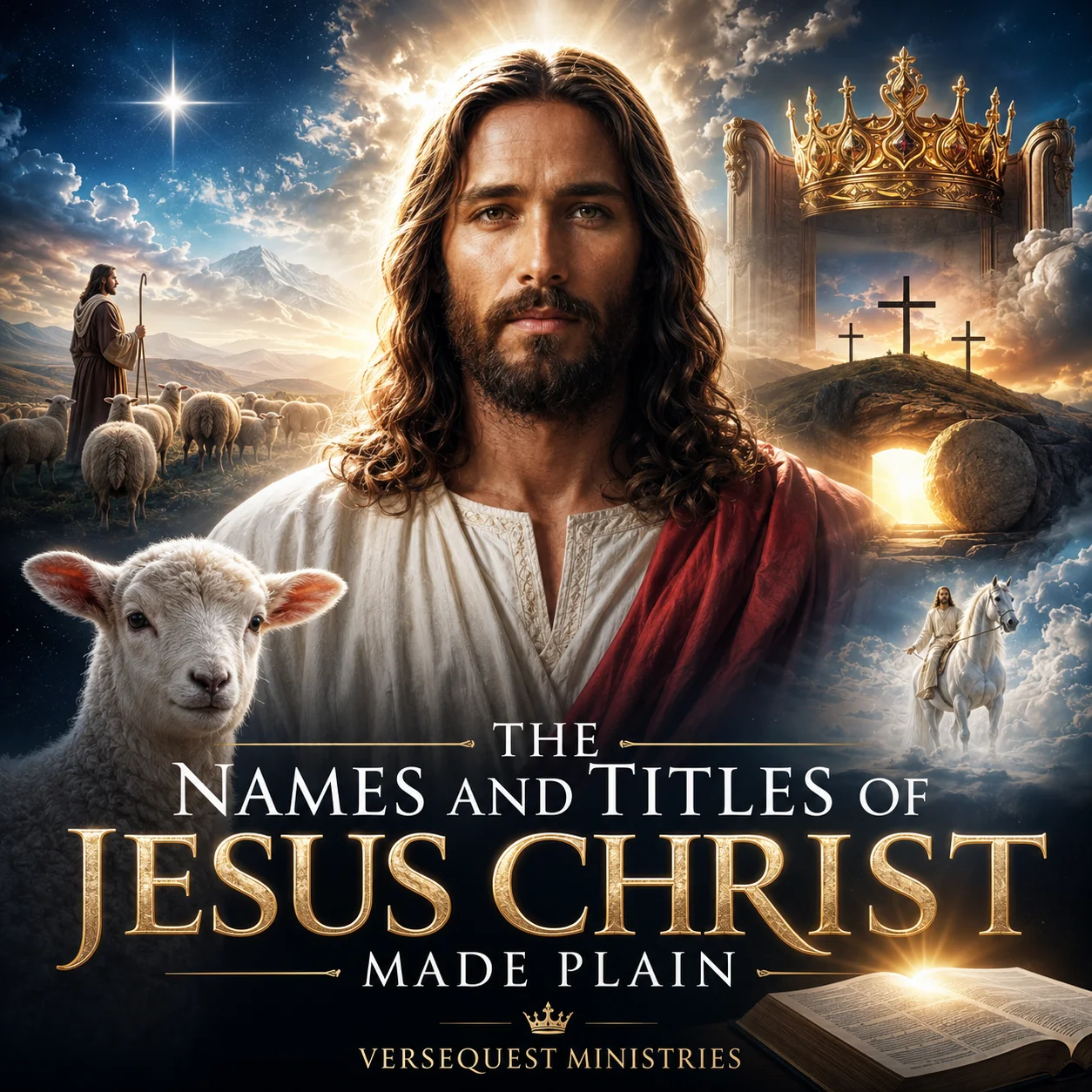
- The Names and Titles of Jesus Christ Made Plain
- A complete 100-essay KJV Bible study on the names and titles of the Lord Jesus Christ, showing His deity, humanity, blood atonement, resurrection, priesthood, headship over the Church, shepherd care,…
- $29.99
- Add to cart
-
-
Premium Studies
-
-25%
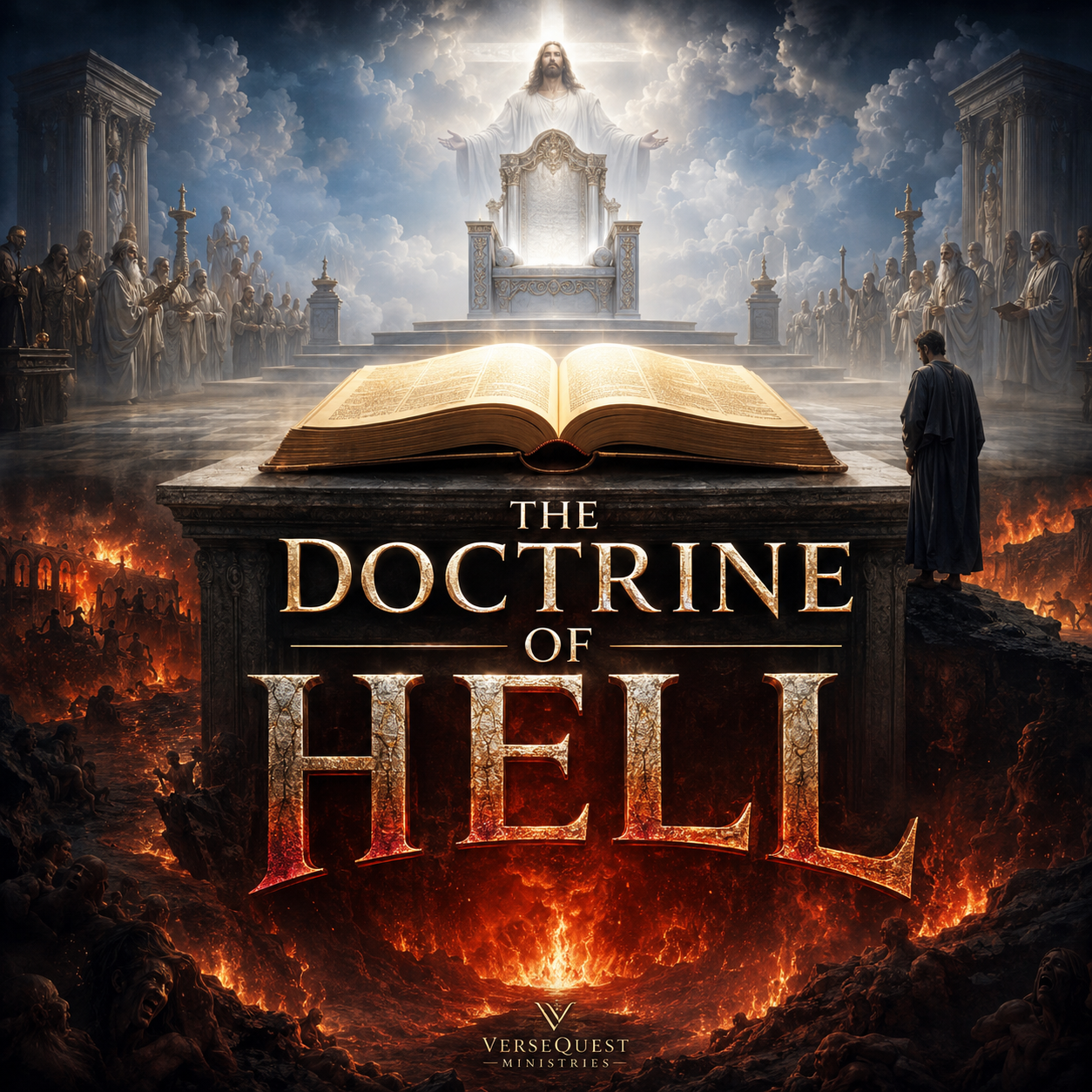
- The Doctrine of Hell — Premium Essay Series PDF
- A 383-page premium VerseQuest PDF study book containing 54 KJV essays on hell, fire, darkness, judgment, the lake of fire, the second death, and Jesus Christ as the only escape.
- Original price was: $39.99.$29.99Current price is: $29.99.
- Add to cart
-
-25%
-
Bible Prophecy Charts
-
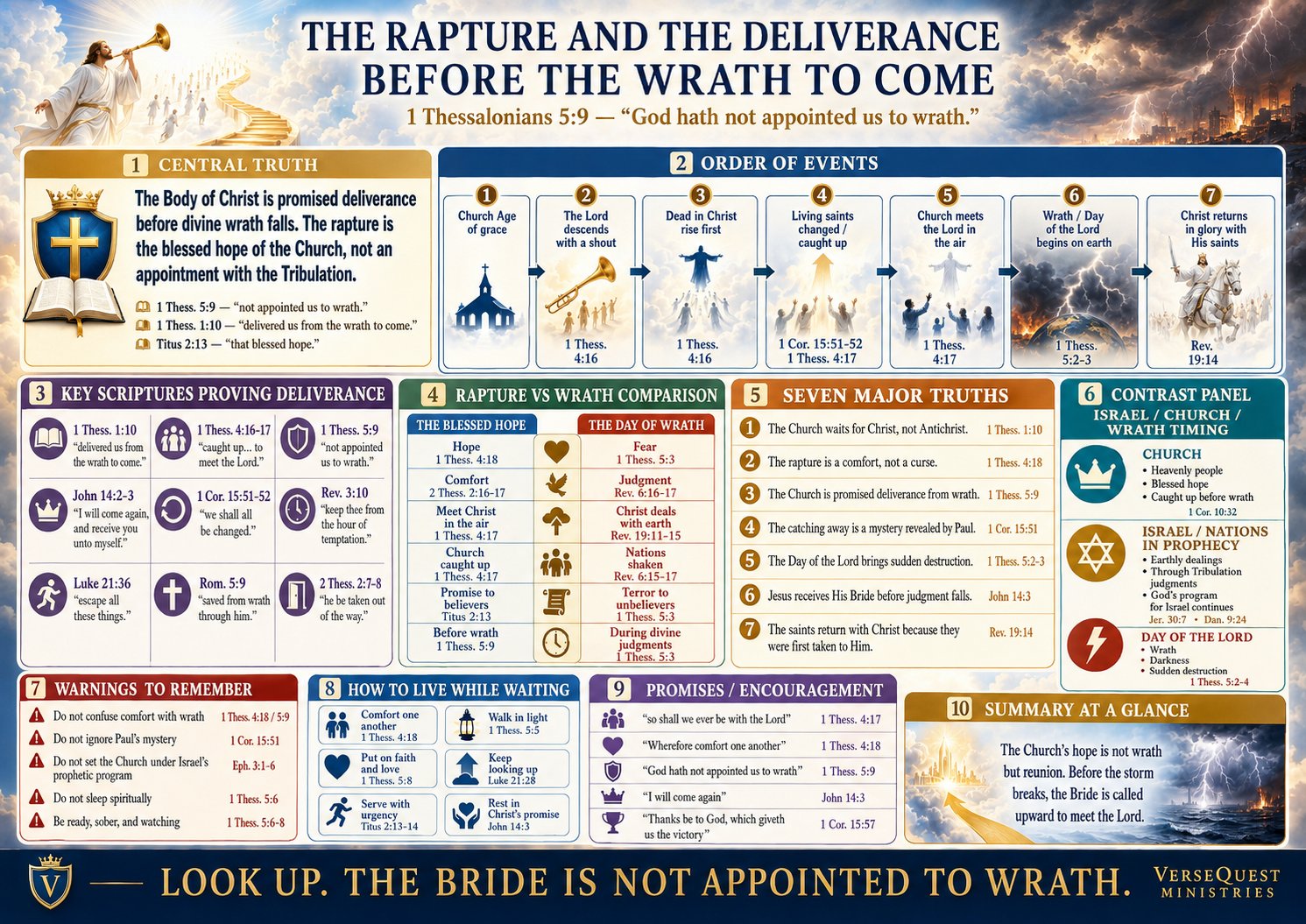
- The Rapture and the Deliverance Before the Wrath to Come – Printable Bible Study Chart
- Printable KJV Bible study chart on The Rapture and the Deliverance Before the Wrath to Come, showing from 1 Thessalonians 5:9 that the Church is not appointed to wrath. This…
- $4.99
- Add to cart
-
-
Kingdom Hall
-
-71%
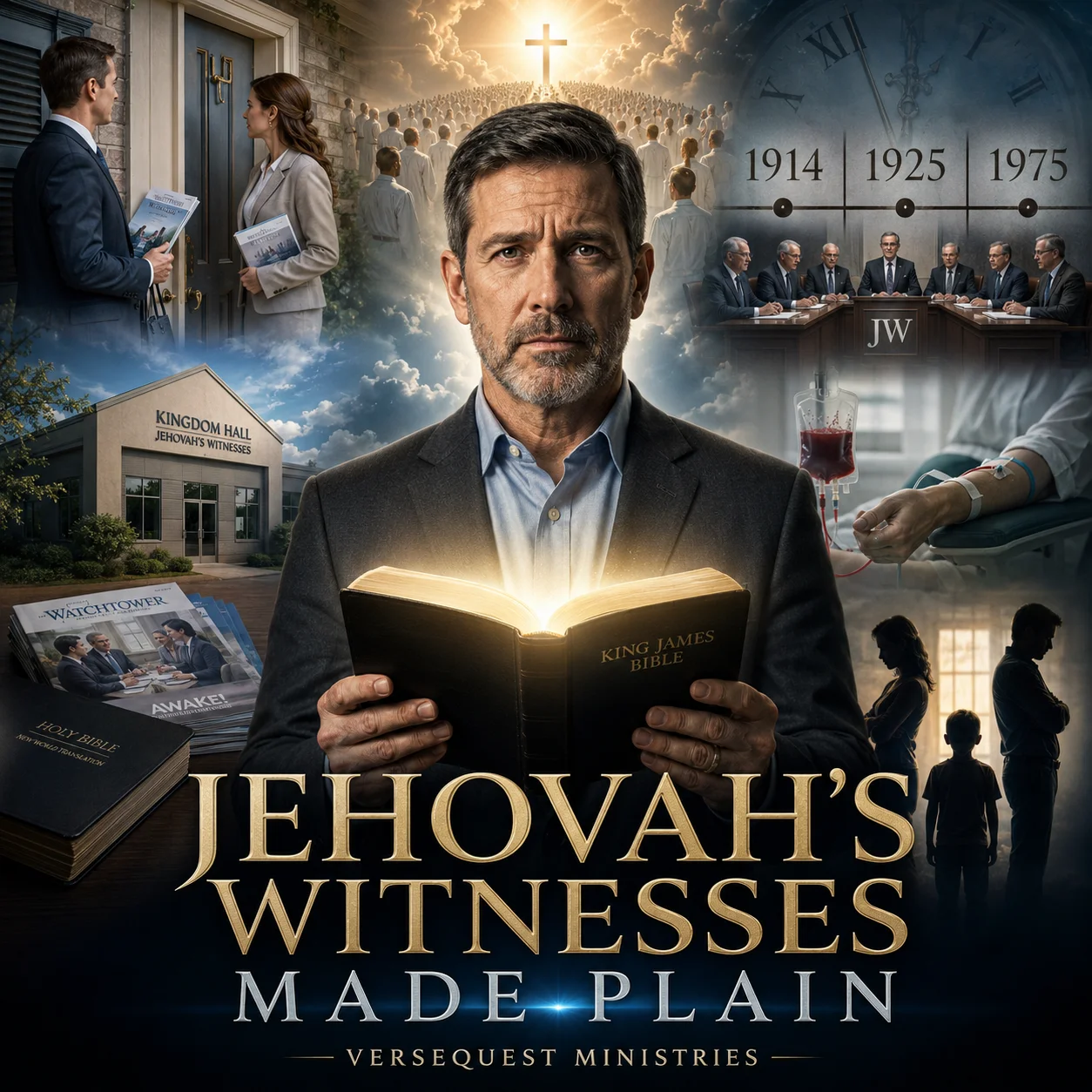
- Jehovah’s Witnesses Made Plain – 574-Page KJV Watchtower Study
- A massive 574-page VerseQuest study exposing the Watchtower system from the King James Bible. This detailed 100-essay book covers the false Christ, false gospel, New World Translation, failed prophecy, 144,000,…
- Original price was: $34.99.$9.99Current price is: $9.99.
- Add to cart
-
-71%
-
Bible Overview Series
-
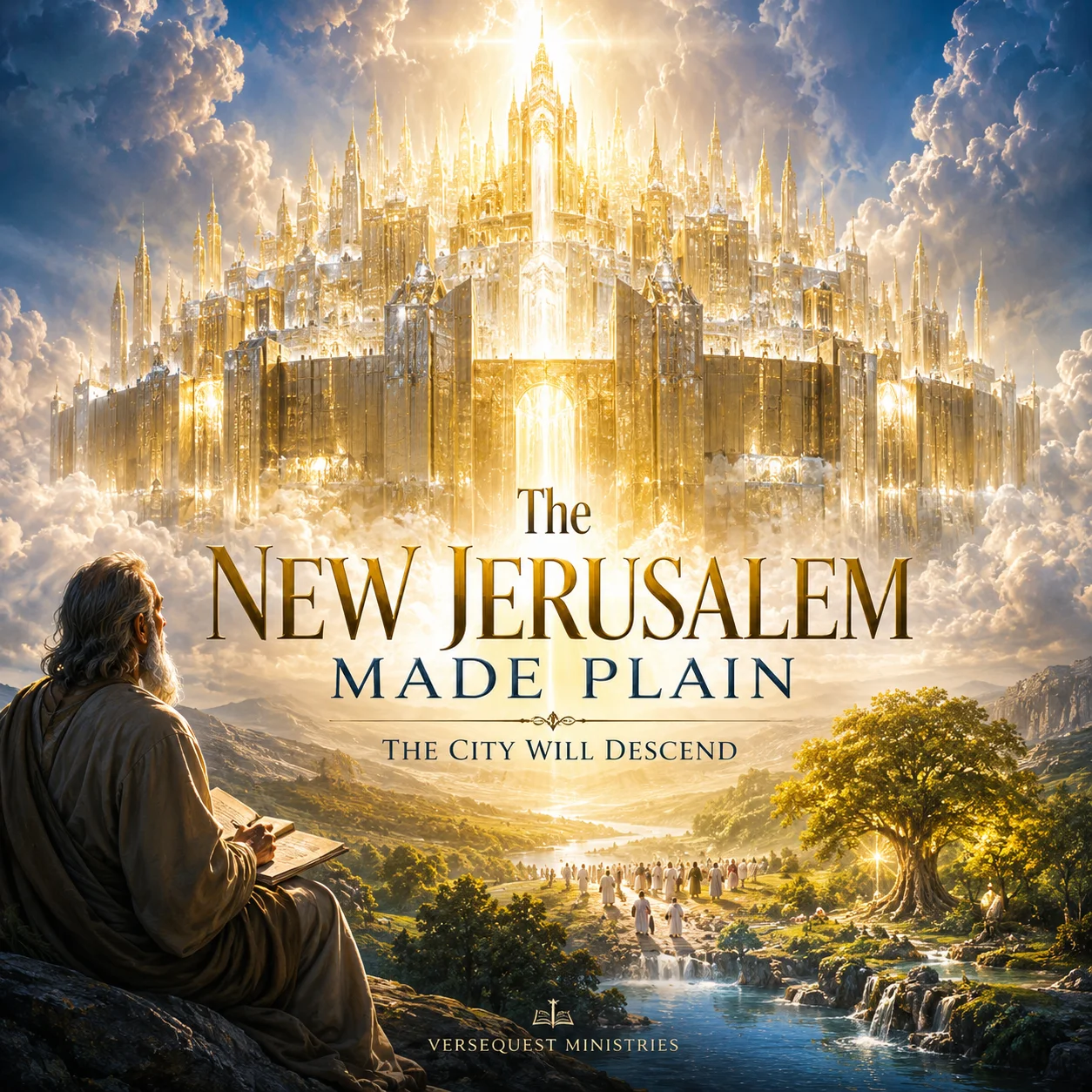
- The New Jerusalem Made Plain — 621-Page PDF Study
- The New Jerusalem Made Plain is a massive 621-page KJV/rightly divided PDF study on the literal holy city revealed in Revelation 21–22. This 100-essay book makes the New Jerusalem plain…
- $34.99
- Add to cart
-