
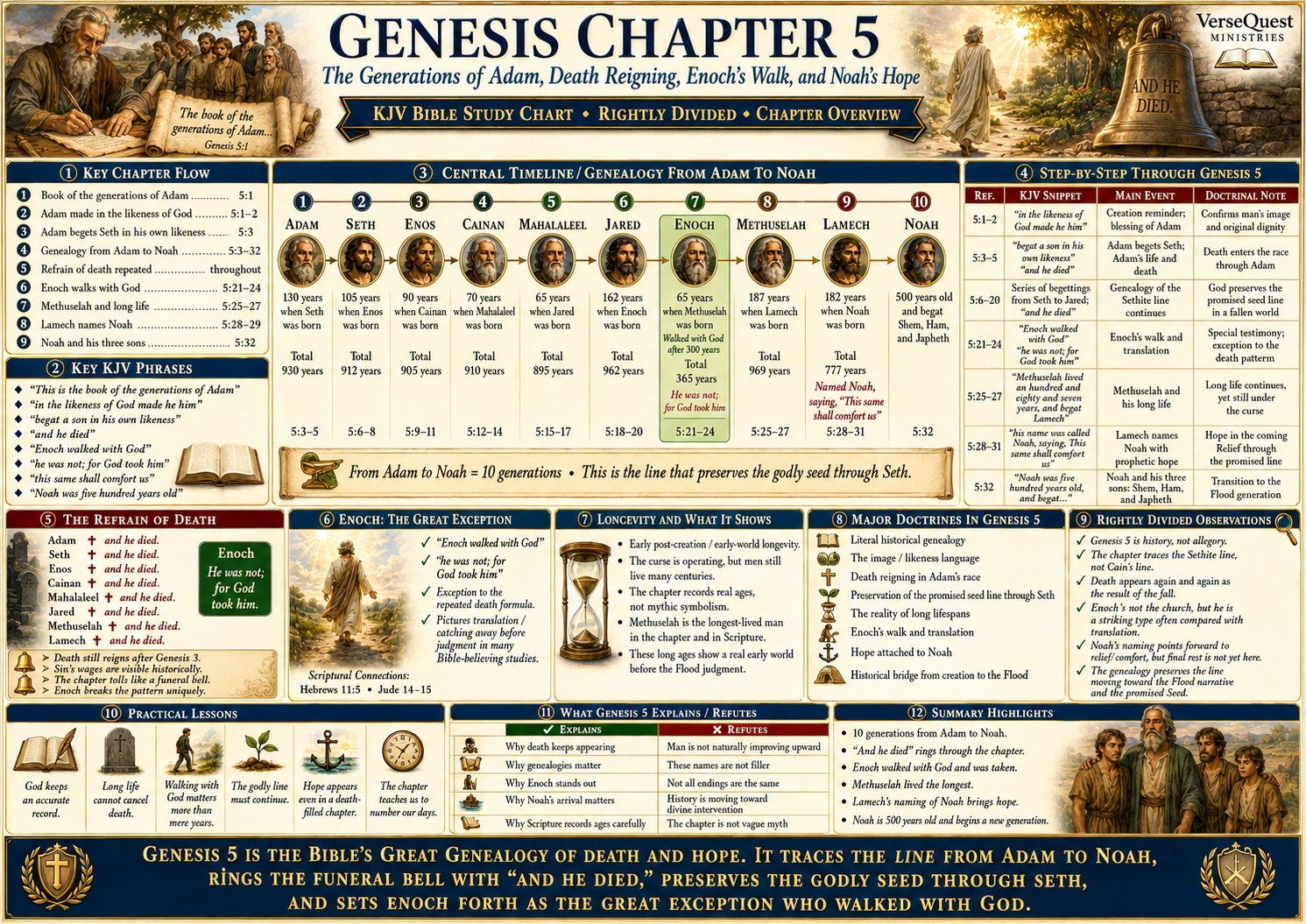
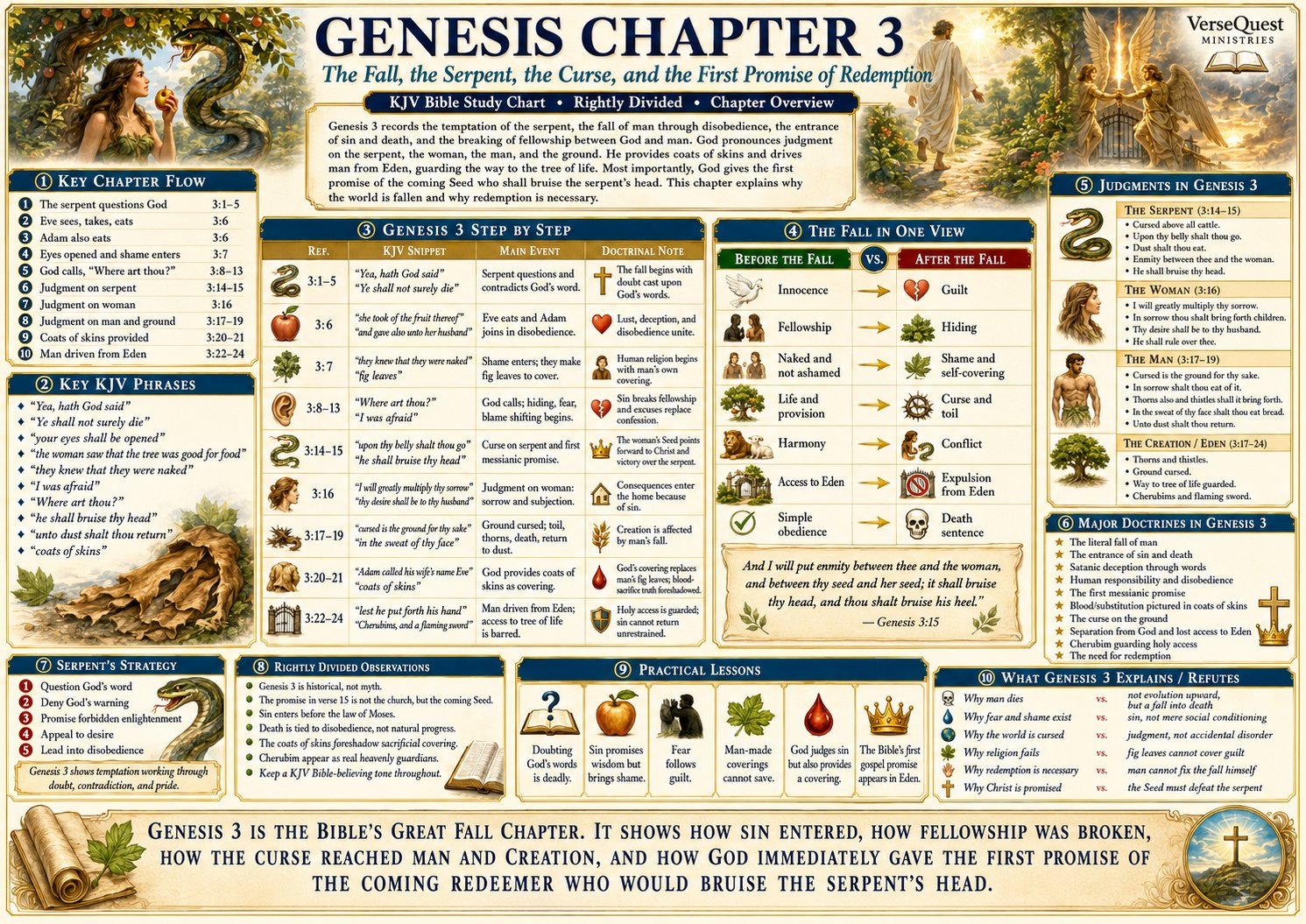
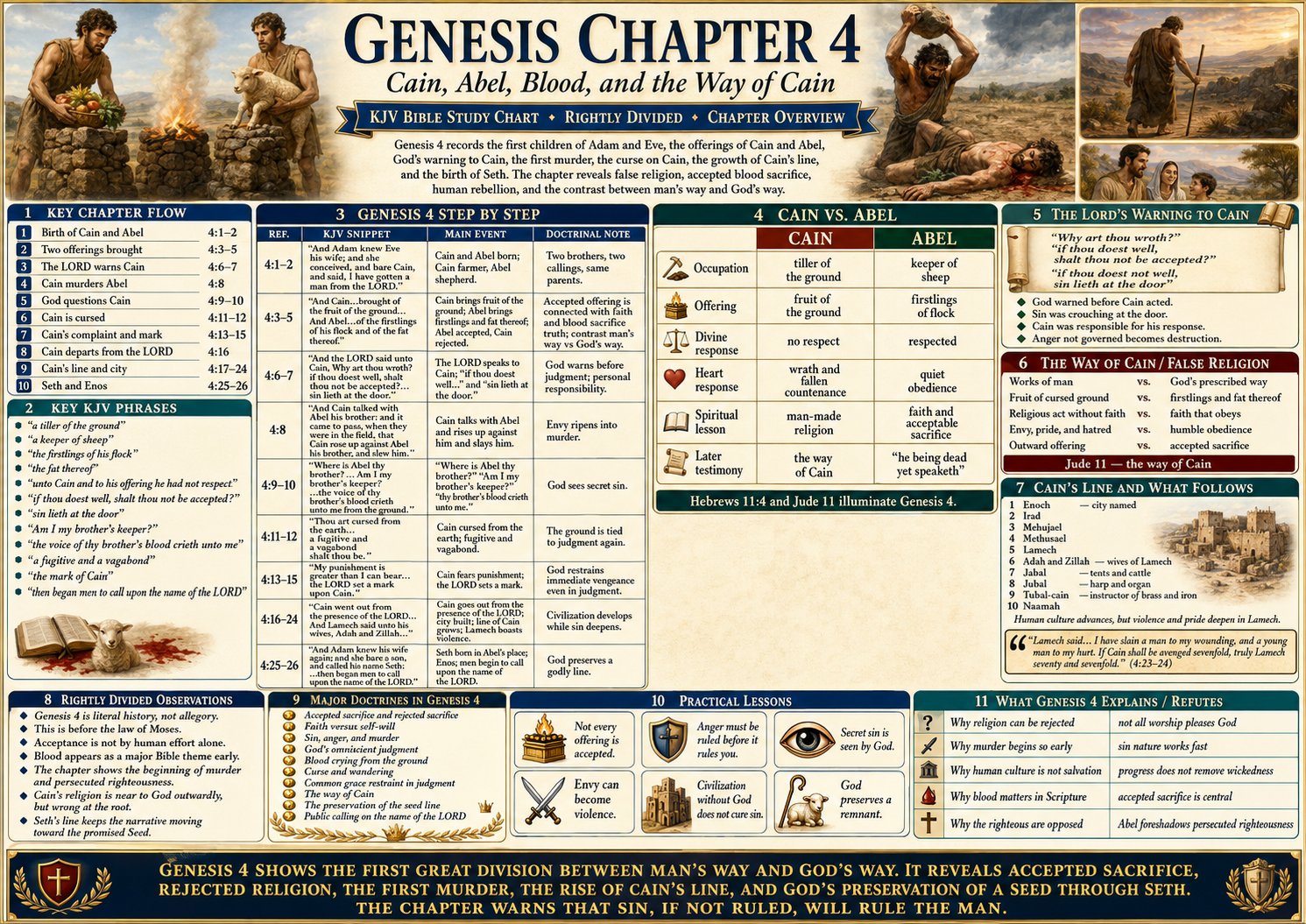
Genesis Chapter 4 Bible Study Chart – Cain, Abel, Blood, and the Way of Cain (KJV)
Explore Genesis Chapter 4 with this detailed KJV Bible study chart covering Cain and Abel, accepted sacrifice, false religion, the first murder, Cain’s line, and the preserved line of Seth.
$3.99
Description
Genesis Chapter 4: Cain, Abel, Blood, and the Way of Cain is a detailed KJV Bible study chart examining the first children born after the fall, the first recorded acts of worship, the first murder, the beginning of Cain’s rebellious line, and God’s preservation of a godly seed through Seth.
The chapter opens with the birth of Cain and Abel, two brothers raised by the same parents but walking in entirely different spiritual directions. Cain becomes a tiller of the ground, while Abel becomes a keeper of sheep. Both men bring an offering to the LORD, but only Abel’s sacrifice is accepted. Genesis 4 therefore introduces one of the Bible’s earliest and clearest contrasts between man’s religious way and God’s prescribed way.
The chart carefully compares Cain and Abel in occupation, offering, divine response, heart condition, spiritual lesson, and later biblical testimony. Cain brings the fruit of the cursed ground, while Abel brings the firstlings of his flock and the fat thereof. Hebrews 11 explains that Abel offered by faith, while Jude identifies Cain’s path as “the way of Cain.” The issue is not merely sincerity, effort, or religious activity. The issue is whether a man approaches God according to God’s revealed truth.
God warns Cain before the murder takes place. The LORD asks why Cain is angry and tells him that sin lies at the door. Cain is therefore not portrayed as helpless or uninformed. He receives warning, opportunity, and personal responsibility. Instead of ruling over sin, he allows envy and anger to rule him.
Cain then rises against Abel and kills him. This is the first murder recorded in Scripture and the first open persecution of a righteous man by a religious rebel. Abel’s blood cries from the ground, demonstrating that hidden sin is never hidden from God. The chapter reveals the rapid progression from rejected worship to wounded pride, from envy to hatred, and from hatred to bloodshed.
The chart also examines Cain’s confrontation with God, his refusal to accept responsibility, the curse connected with the ground, his sentence as a fugitive and vagabond, and the mark given to restrain immediate vengeance. Cain’s response focuses more upon the severity of his punishment than the wickedness of his crime, revealing sorrow over consequences without genuine repentance.
Cain’s descendants develop cities, livestock culture, music, metalworking, and organized civilization. Yet technological and cultural development does not produce spiritual righteousness. The line eventually leads to Lamech, whose pride, violence, polygamy, and boastful vengeance demonstrate that civilization without God may advance outwardly while decaying morally.
The chapter closes with the birth of Seth, appointed in Abel’s place, and the birth of Enos. Through this preserved line, men begin publicly calling upon the name of the LORD. Genesis 4 therefore contrasts Cain’s self-directed civilization with the continuation of a godly seed.
Additional sections highlight key KJV phrases, major doctrines, rightly divided observations, practical lessons, and the biblical meaning of the way of Cain. This chart is ideal for studies on worship, sacrifice, faith, anger, envy, murder, religious rebellion, blood atonement, human civilization, and the preservation of God’s purposes.
Cain and Abel, accepted sacrifice, rejected worship, faith and works, blood sacrifice, the way of Cain, false religion, anger, envy, murder, personal responsibility, sin at the door, blood crying from the ground, judgment, common grace, human civilization, cultural progress without God, the line of Cain, the line of Seth, public calling upon the LORD
Genesis 4 shows that religious activity is not automatically acceptable to God. Cain and Abel both bring offerings, but only Abel’s is received. Abel approaches by faith and brings the firstlings of the flock, while Cain presents the fruit of the cursed ground. The contrast establishes the difference between God’s revealed way and man’s self-chosen way.
Cain’s problem is not lack of warning. God speaks directly to him before the murder and tells him that sin lies at the door. Cain has an opportunity to respond rightly, but wounded pride hardens into anger. The passage teaches that temptation must be ruled before it becomes action.
Envy grows when a man resents another person’s acceptance rather than examining his own disobedience. Cain does not correct his offering or humble himself before God. He removes the man whose righteousness exposes him. Abel therefore becomes the first recorded righteous sufferer murdered by a religious man.
The question “Where is Abel thy brother?” exposes Cain’s guilt and responsibility. His answer, “Am I my brother’s keeper?” reveals defiance rather than repentance. God hears the voice of Abel’s blood from the ground, showing that secret violence is fully visible before Him.
Cain’s punishment connects him again with the ground. The soil will no longer yield its strength, and he becomes a fugitive and vagabond. Yet God also places a mark upon Cain to restrain immediate vengeance. Even in judgment, God limits human retaliation.
Cain’s descendants demonstrate that cultural achievement and spiritual righteousness are not the same thing. Cities, music, livestock development, and metalworking advance, while violence, pride, polygamy, and rebellion deepen. Civilization can improve its tools without improving the heart.
Lamech represents the mature fruit of Cain’s way. He boasts of violence and magnifies personal vengeance. His words reveal a society in which human strength, retaliation, and pride have replaced submission to God.
The birth of Seth shows that God preserves His purpose despite human violence. Abel is dead, Cain is judged, but the godly line continues. With Enos, men begin to call upon the name of the LORD, providing a sharp contrast to Cain’s civilization built apart from God.
Genesis chapter study, doctrine of worship, salvation by faith, blood atonement teaching, false religion studies, anger management from Scripture, envy and hatred, murder and human responsibility, apologetics, Sunday school lessons, homeschool Bible curriculum, Christian school instruction, Bible institute classes, discipleship training, sermon preparation, pastoral counseling, biblical worldview instruction, studies on Cain and Abel
King James Bible, Strong’s Concordance, Thompson Chain-Reference Bible, Treasury of Scripture Knowledge, Nave’s Topical Bible, Genesis commentary notes, Scripture cross-reference guide, doctrinal notebook, Bible dictionary, studies on blood atonement, studies on Cain and Abel, VerseQuest Genesis chapter charts, VerseQuest doctrine and salvation charts
Related products
-
Jesus Christ Studies
-
-67%
- Jesus Christ Prophet Priest and King – 441-Page PDF Study
- A 441-page premium KJV PDF study on Jesus Christ as Prophet, Priest, and King. This detailed VerseQuest book covers Christ’s prophetic ministry to Israel, His finished sacrifice and present intercession…
- Original price was: $29.99.$9.99Current price is: $9.99.
- Add to cart
-
-67%
-
Premium VerseQuest Books
-
-75%
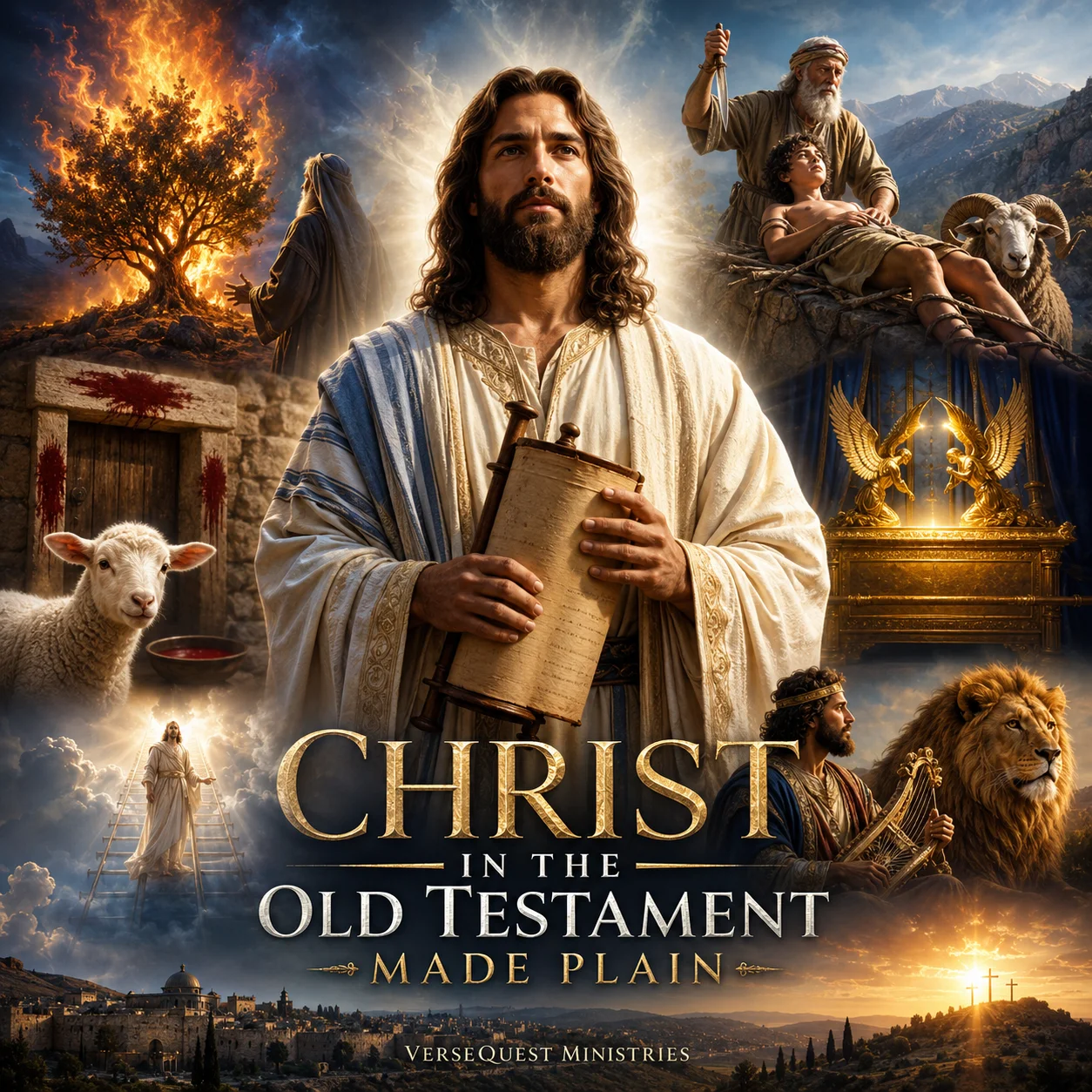
- Christ in the Old Testament Made Plain — 100-Essay KJV Study PDF
- A massive 670-page premium KJV Bible study PDF featuring 100 detailed essays showing Jesus Christ throughout the Old Testament in promise, type, sacrifice, Christophany, prophecy, suffering, resurrection, priesthood, and future…
- Original price was: $39.99.$9.99Current price is: $9.99.
- Add to cart
-
-75%
-
VerseQuest Premium Library
-
-67%
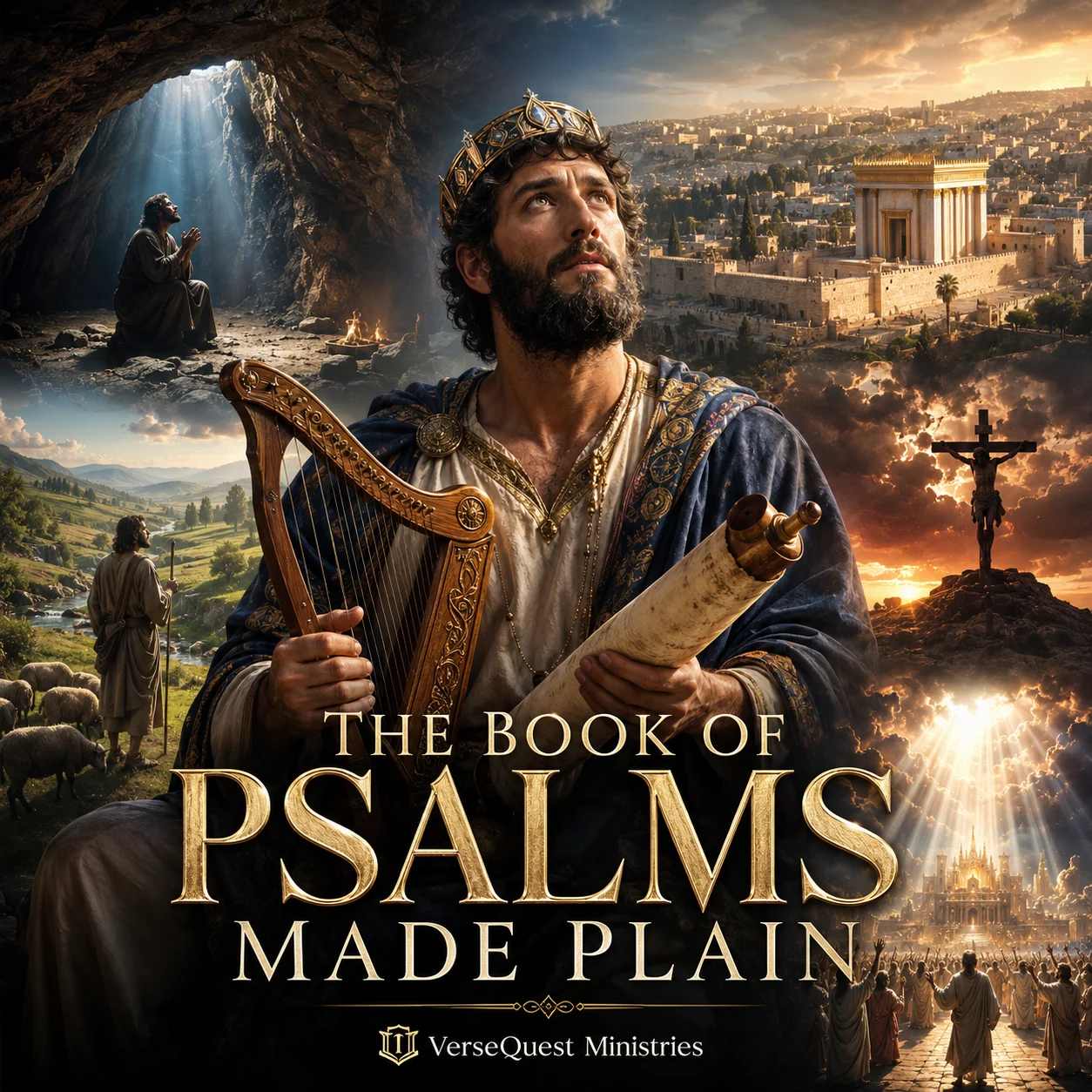
- The Book of Psalms Made Plain – 383-Page KJV Psalm Study
- The Book of Psalms Made Plain is a 383-page premium KJV Bible study featuring 54 detailed essays through the major themes, doctrines, prophecies, prayers, laments, and praises of the Psalms.…
- Original price was: $29.99.$9.99Current price is: $9.99.
- Add to cart
-
-67%
-
Bible Prophecy Charts
-
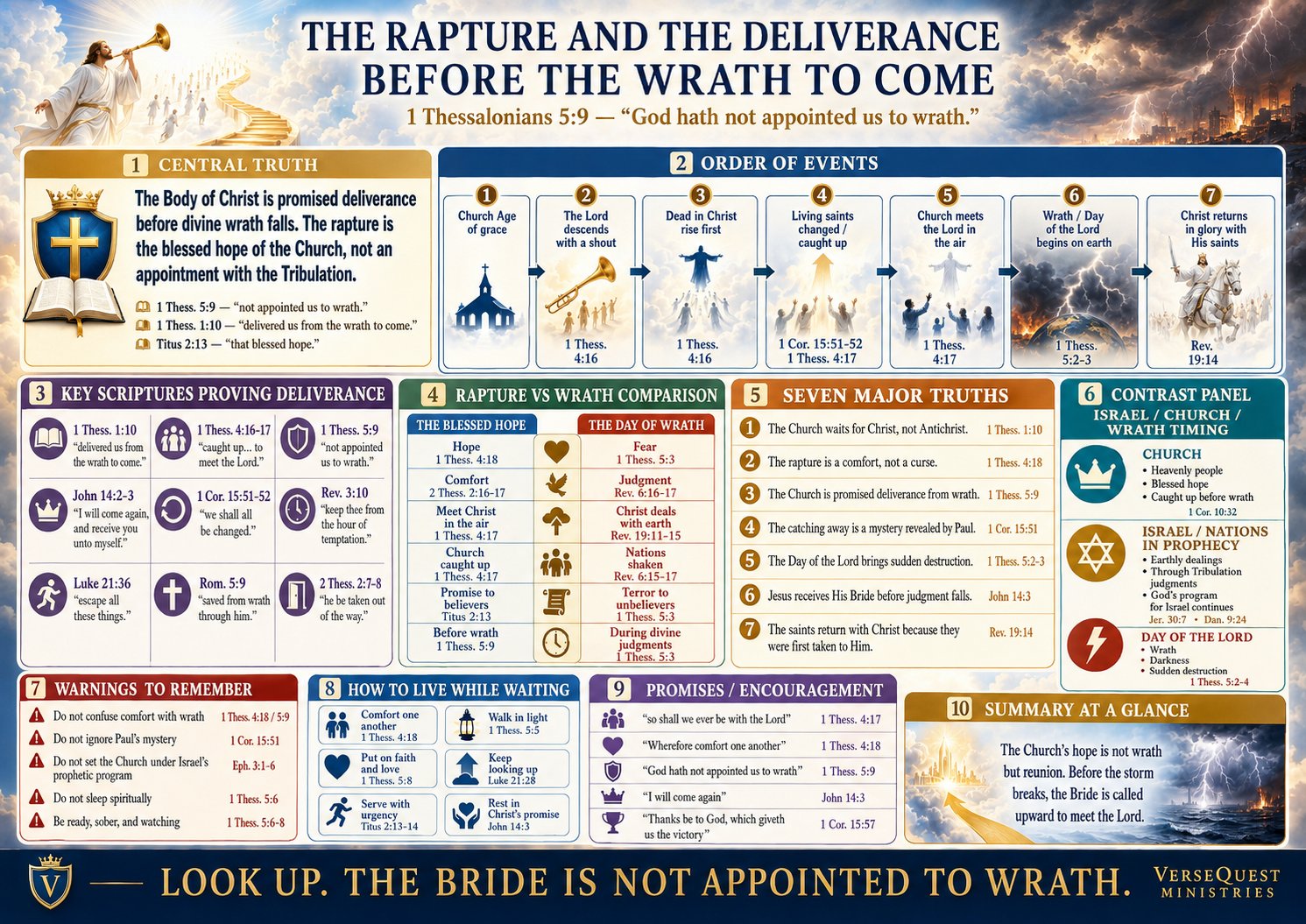
- The Rapture and the Deliverance Before the Wrath to Come – Printable Bible Study Chart
- Printable KJV Bible study chart on The Rapture and the Deliverance Before the Wrath to Come, showing from 1 Thessalonians 5:9 that the Church is not appointed to wrath. This…
- $4.99
- Add to cart
-
-
Jesus Christ
-
-67%
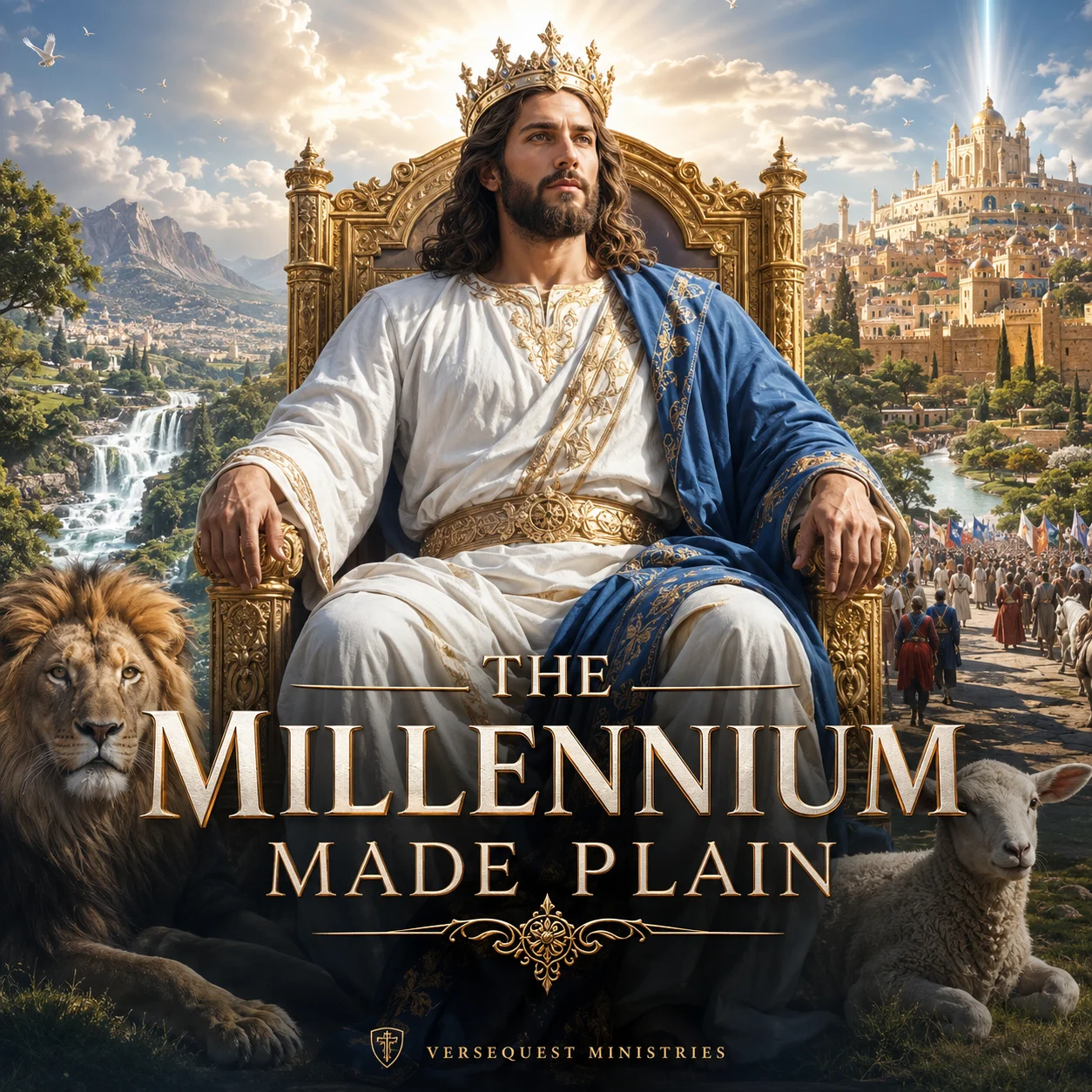
- The Millennium Made Plain – 416-Page KJV Study on Christ’s Future Reign
- A premium 416-page KJV, rightly divided Bible study on the literal future Millennial reign of Jesus Christ. The Millennium Made Plain explains Revelation 19–20, Israel’s restoration, Satan’s binding, the Kingdom…
- Original price was: $29.99.$9.99Current price is: $9.99.
- Add to cart
-
-67%