
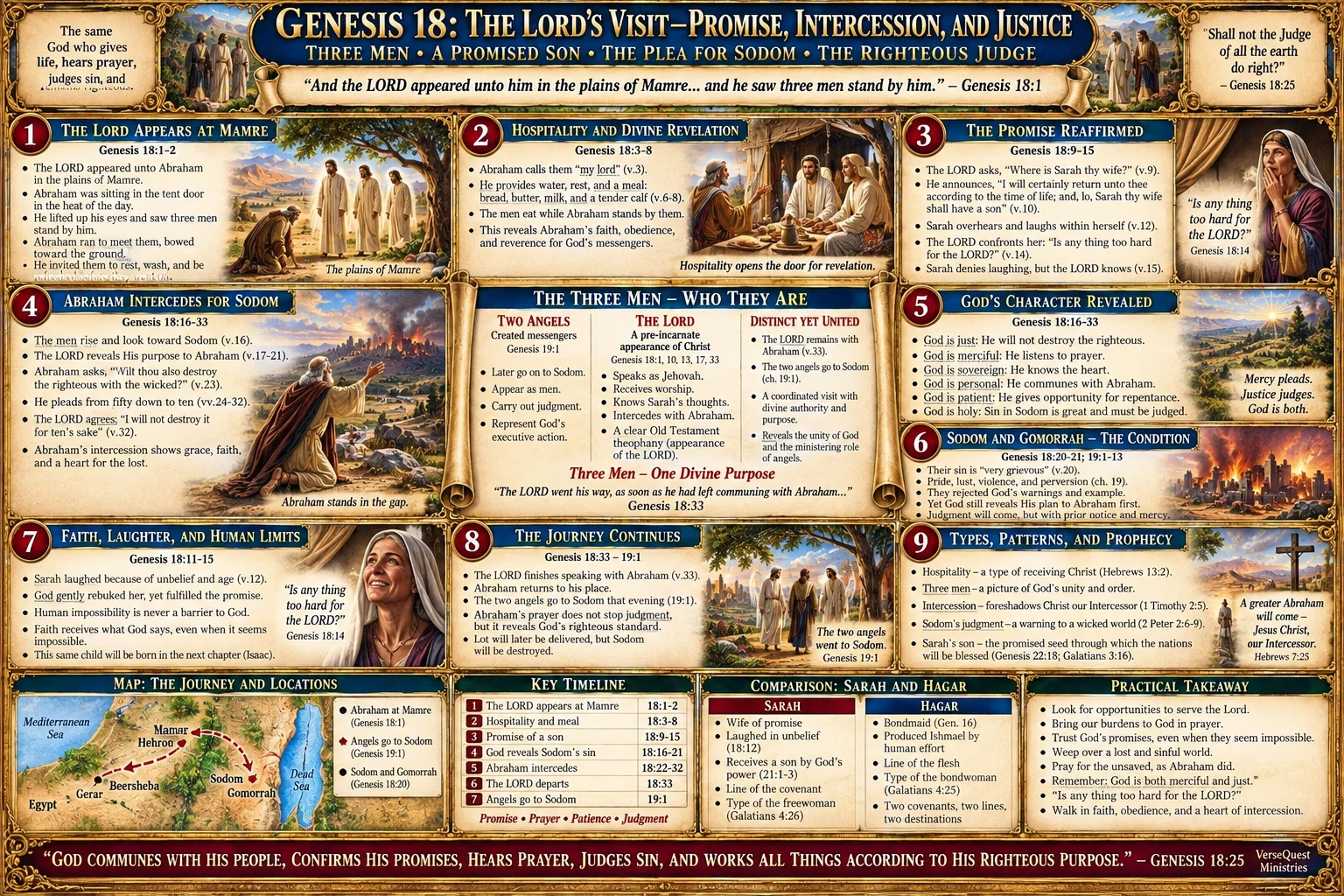
Genesis 18 – The LORD’s Visit: Abraham’s Hospitality, Sarah’s Promised Son, Intercession for Sodom, and the Righteous Judge (KJV Bible Study Chart)
Explore Genesis 18 with this detailed KJV Bible study chart examining the LORD’s appearance to Abraham at Mamre, the three heavenly visitors, Abraham’s hospitality, and the renewed promise that Sarah will bear a son. Follow Sarah’s laughter and the LORD’s great question, “Is any thing too hard for the LORD?” The chart then traces the shift toward Sodom, God’s revelation of approaching judgment, and Abraham’s remarkable intercession from fifty righteous persons down to ten. It also distinguishes the LORD from the two angels who later enter Sodom and highlights the balance of divine mercy and justice expressed in the question, “Shall not the Judge of all the earth do right?” Ideal for Bible study, sermon preparation, Sunday school, homeschool, prayer studies, and Genesis teaching.
$4.99
Description
Genesis 18: The LORD’s Visit—Promise, Intercession, and Justice is a detailed KJV Bible study chart tracing one of the most remarkable divine encounters in Genesis. Abraham is dwelling in the plains of Mamre when three men appear. The narrative identifies one as the LORD, while Genesis 19 identifies the other two as angels. The chapter moves from hospitality and covenant promise to revelation concerning Sodom, Abraham’s intercession, and one of Scripture’s great declarations concerning divine justice: “Shall not the Judge of all the earth do right?”
Abraham sees the three visitors in the heat of the day, runs to meet them, bows himself toward the ground, and provides water, rest, bread, butter, milk, and a prepared calf. His hospitality demonstrates reverence, service, and readiness to receive those whom God has sent. The men eat while Abraham stands by them, and the conversation quickly turns to Sarah and the promised son.
The LORD asks, “Where is Sarah thy wife?” and announces that Sarah will have a son at the appointed time. Sarah hears from inside the tent and laughs within herself because both she and Abraham are old. The LORD responds with the searching question, “Is any thing too hard for the LORD?” Human limitation cannot overturn divine promise. Sarah denies laughing because she is afraid, but the LORD knows what occurred within her heart.
The chapter then shifts toward Sodom. The LORD reveals to Abraham that the cry of Sodom and Gomorrah is great and their sin very grievous. The two angels proceed toward Sodom while Abraham remains before the LORD. Because God has chosen Abraham and will make of him a great and mighty nation, He reveals the coming judgment rather than leaving His servant ignorant.
Abraham begins interceding for the city, asking whether God will destroy the righteous with the wicked. He moves from fifty righteous persons down to ten, and the LORD repeatedly declares that He will spare the city for the sake of the righteous. Abraham’s prayer does not overturn God’s justice; instead, it reveals confidence in God’s righteous character.
Genesis 18 therefore joins promise and judgment in one chapter. The same God who gives life to Sarah’s deadened womb also judges wickedness; the same LORD who knows Sarah’s hidden laughter hears Abraham’s intercession. Mercy and justice are not competing attributes in God. The chapter prepares directly for Genesis 19, where the two angels enter Sodom and the threatened judgment falls, while Lot is delivered.
Genesis 18, Abraham, Sarah, LORD at Mamre, three men, two angels, Angel of the LORD, pre-incarnate Christ, divine visitation, hospitality, promised son, Isaac promised, Sarah laughed, is anything too hard for the LORD, Sodom and Gomorrah, Abraham intercedes, righteous and wicked, Judge of all the earth, divine justice, divine mercy, prayer, intercession, covenant promise
Genesis 18 begins with the statement that “the LORD appeared unto” Abraham in the plains of Mamre. Abraham sees three men and immediately offers hospitality. Genesis 19 identifies two of these visitors as angels, while Genesis 18 repeatedly distinguishes the LORD as the One who remains and speaks with Abraham. Many Bible believers understand this appearance of the LORD as a pre-incarnate manifestation of Christ, though that conclusion comes from comparing Scripture rather than from an explicit statement in Genesis 18.
Abraham provides water, bread, a prepared calf, butter, and milk. His hospitality is genuine service, and Hebrews 13:2 provides an important comparison because it warns believers not to forget hospitality, since some have “entertained angels unawares.” Abraham’s encounter should not be described as Hebrews 13 promising that hospitality literally receives Christ; the passage specifically speaks of angels.
The LORD then asks about Sarah and announces that she will bear a son. Sarah laughs internally because of her age and Abraham’s age. The LORD immediately reveals that He knows her hidden response and asks, “Is any thing too hard for the LORD?” The promise of Isaac therefore rests on divine power rather than natural possibility. Romans 4 later emphasizes that Abraham believed God could perform what He had promised.
The chapter turns toward Sodom when the men rise and look in that direction. The LORD reveals the coming investigation and judgment because Abraham occupies a covenant position and will become a great nation. Scripture describes Sodom’s sin as “very grievous.” Other passages, including Ezekiel 16 and Genesis 19, supply additional details concerning the city’s pride, abundance, neglect of the poor, violence, and sexual wickedness.
The two angels proceed to Sodom while Abraham remains before the LORD. Abraham asks whether the righteous will be destroyed with the wicked and appeals to God’s own character: “Shall not the Judge of all the earth do right?” He begins with fifty righteous persons and gradually reduces the number to ten. At every stage, God demonstrates willingness to spare the city if the stated number of righteous people can be found.
Abraham’s prayer does not change an unjust God into a just one. Rather, his intercession rests upon the fact that God already is righteous. Genesis 19 will demonstrate that God can both judge the wicked and deliver the righteous, a truth later emphasized in 2 Peter 2.
Genesis 18 therefore presents promise, prayer, mercy, and judgment together. The LORD knows Sarah’s heart, confirms Isaac’s birth, hears Abraham’s plea, and remains perfectly righteous in judging Sodom. The chapter teaches that nothing is too hard for the LORD and that the Judge of all the earth will always do right.
Genesis 18 is useful for teaching hospitality, reverence toward God, confidence in divine promises, prayer for others, intercession, the balance of mercy and justice, and faith when human circumstances appear impossible. It also provides important material for studying Old Testament appearances of the LORD, Sarah’s promised son, the approaching judgment of Sodom, and Abraham’s role as an intercessor. The chart is ideal for personal Bible study, Sunday school, homeschool instruction, Bible institutes, sermon preparation, prayer studies, Genesis surveys, Christological studies, and teaching on the character and righteousness of God.
King James Bible, Strong’s Concordance, Thompson Chain-Reference Bible, Treasury of Scripture Knowledge, Nave’s Topical Bible, Genesis 17–19 study notes, Abraham and Sarah timelines, Sodom and Gomorrah charts, Angel of the LORD Scripture studies, Old Testament theophany studies, Hebrews 13 hospitality studies, intercessory prayer studies, Romans 4 faith studies, 2 Peter 2 judgment studies, Jude studies, VerseQuest Genesis charts
Related products
-
Ages To Come
-
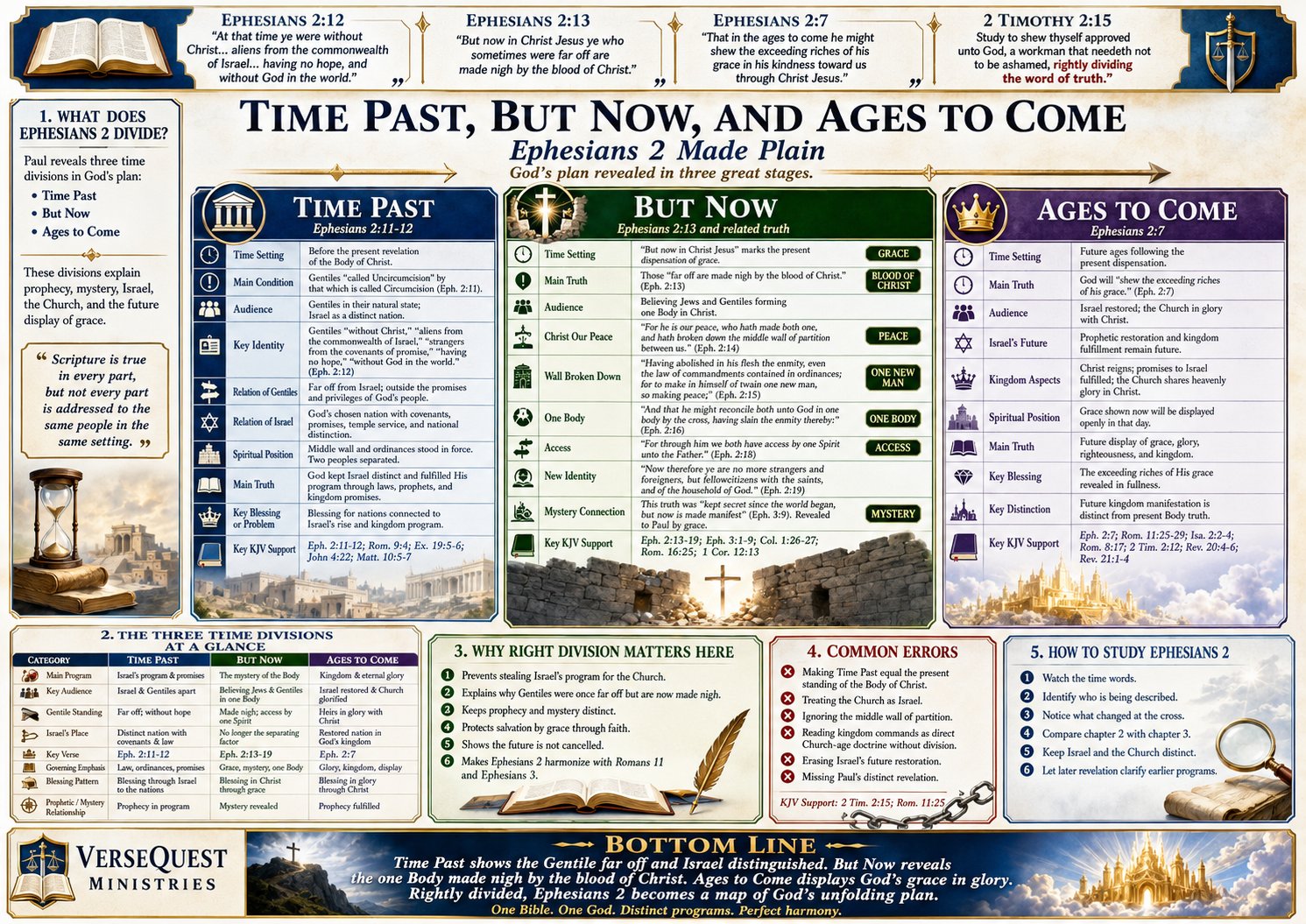
- Time Past, But Now, and Ages to Come – Ephesians 2 Rightly Divided KJV Bible Study Chart
- Understand Ephesians 2 with this detailed KJV chart explaining Time Past, But Now, Ages to Come, Gentile distance, the one Body, Israel’s future, and the importance of right division.
- $3.99
- Add to cart
-
-
The Gospel of the Kingdom
-
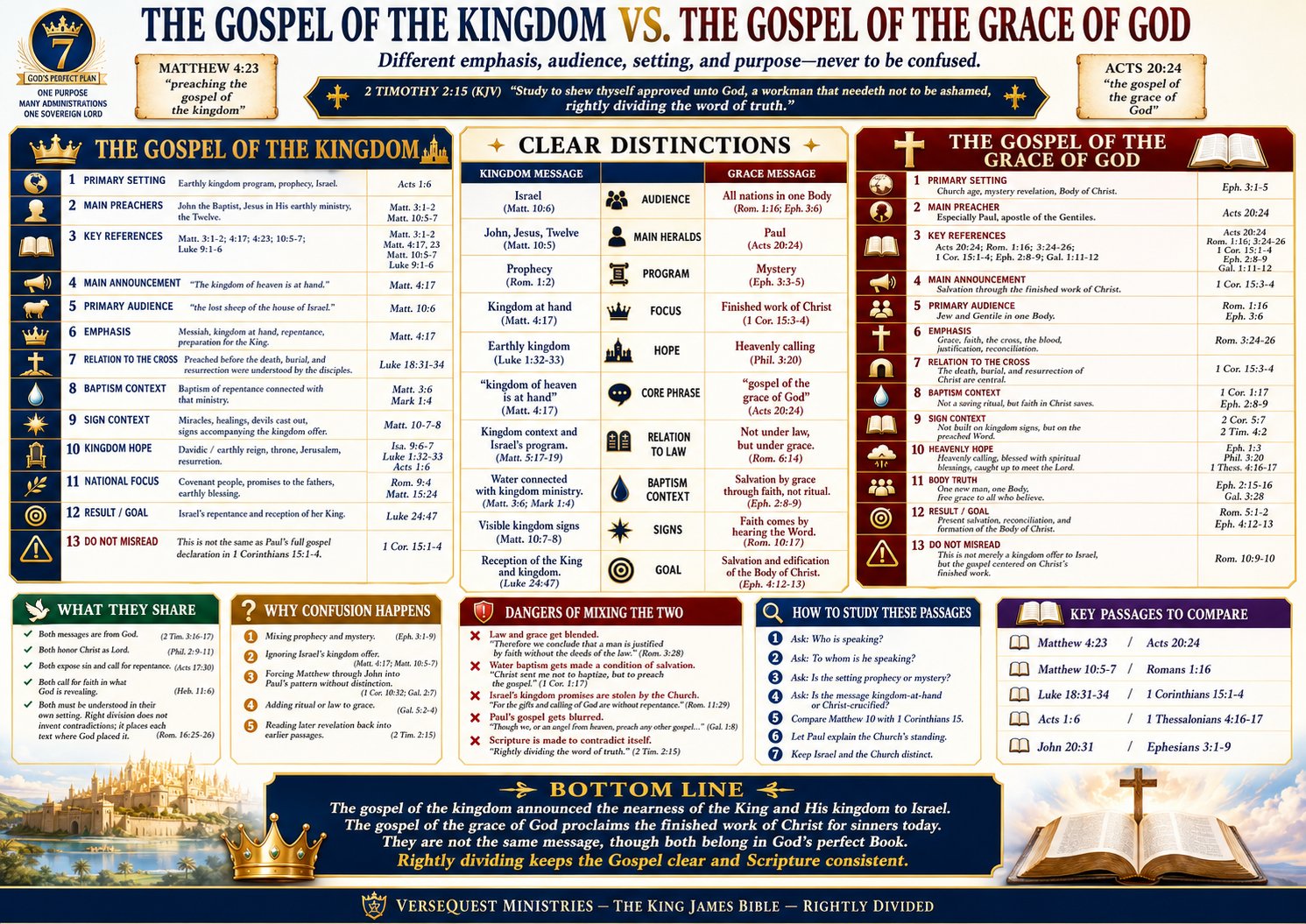
- The Gospel of the Kingdom vs. the Gospel of the Grace of God – KJV Right Division Bible Study Chart
- Compare the gospel of the kingdom and the gospel of the grace of God with this detailed KJV chart covering audience, message, prophecy, mystery, baptism, signs, salvation, and right division.
- $3.99
- Add to cart
-
-
Law vs Grace
-
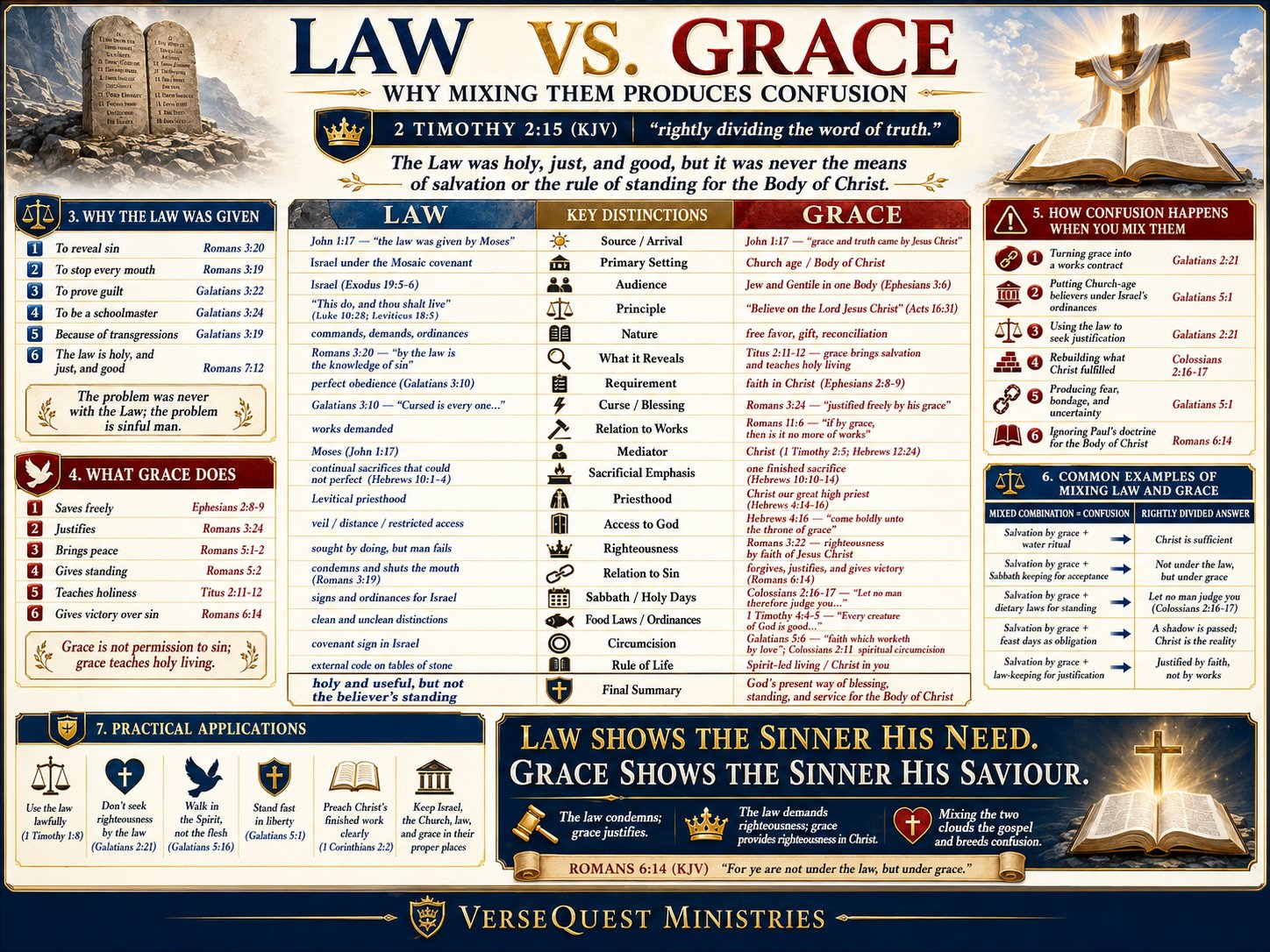
- Law vs. Grace Bible Study Chart – Why Mixing Them Produces Confusion (KJV)
- Compare law and grace with this detailed KJV Bible study chart explaining salvation, justification, holiness, Israel’s Mosaic covenant, Christian liberty, and the danger of mixing law with the gospel.
- $3.99
- Add to cart
-
-
Biblical Submission
-
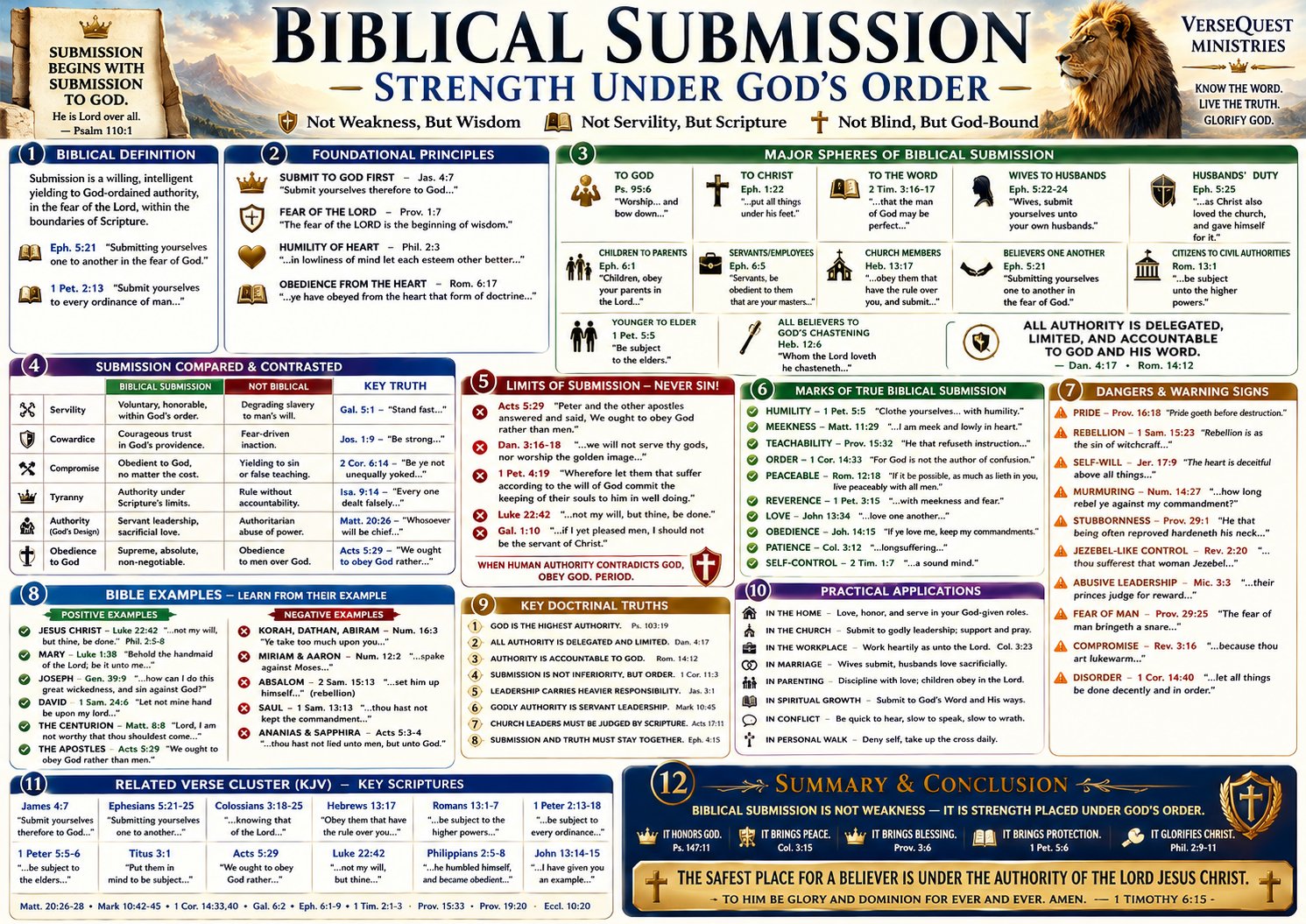
- Biblical Submission Bible Study Chart – Strength Under God’s Order, Authority, and Scriptural Limits (KJV) Product Description
- Study biblical submission with this detailed KJV chart covering God-ordained authority, servant leadership, obedience, marriage, church, government, and the Scriptural limits of submission.
- $3.99
- Add to cart
-
-
Spiritual Growth
-
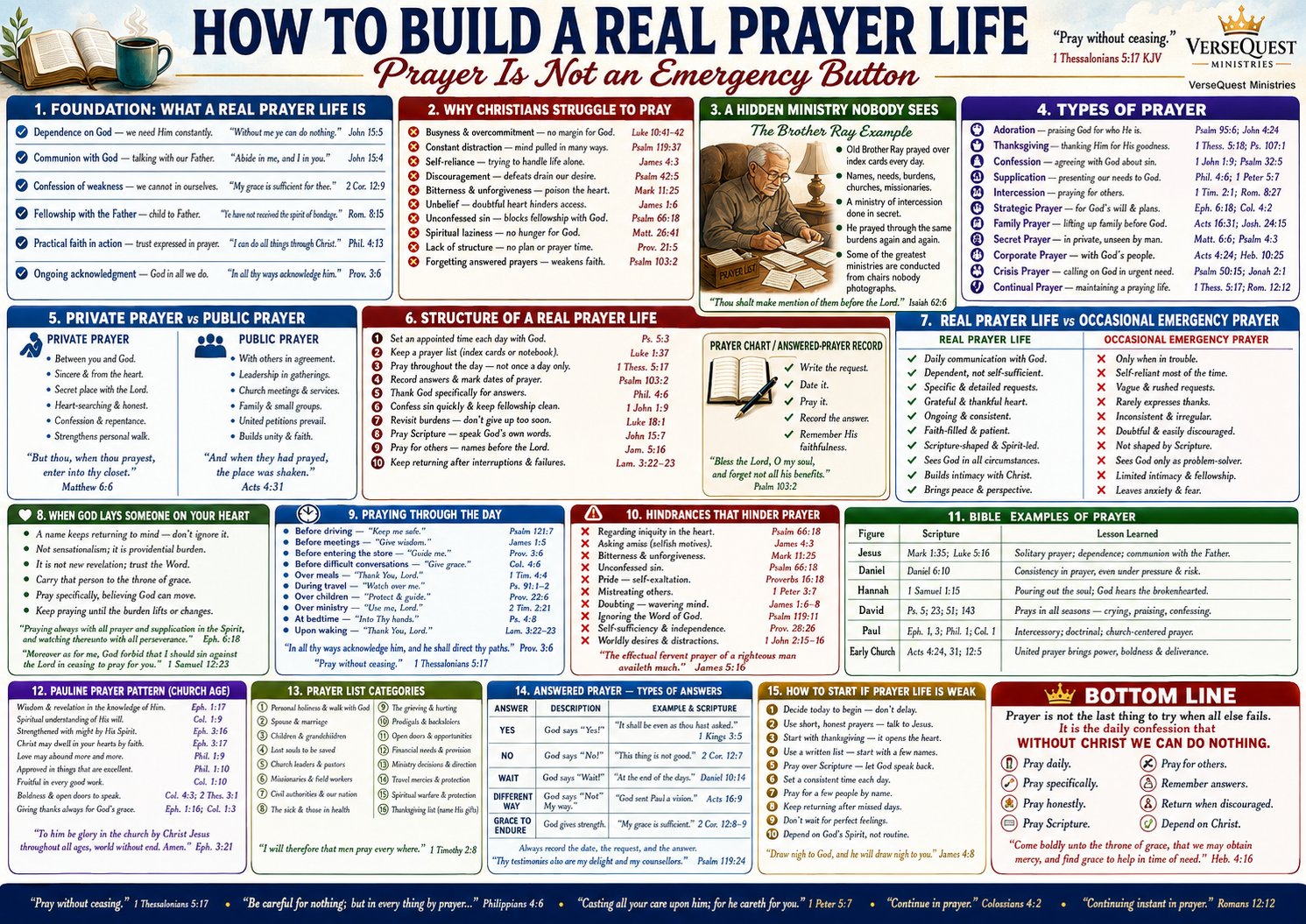
- How to Build a Real Prayer Life – Biblical Prayer Guide and KJV Bible Study Chart
- Build a consistent, biblical prayer life with this detailed KJV Bible study chart. Explore the foundations of prayer, types of prayer, common hindrances, answered prayer, Bible examples, and practical ways…
- $3.99
- Add to cart
-