
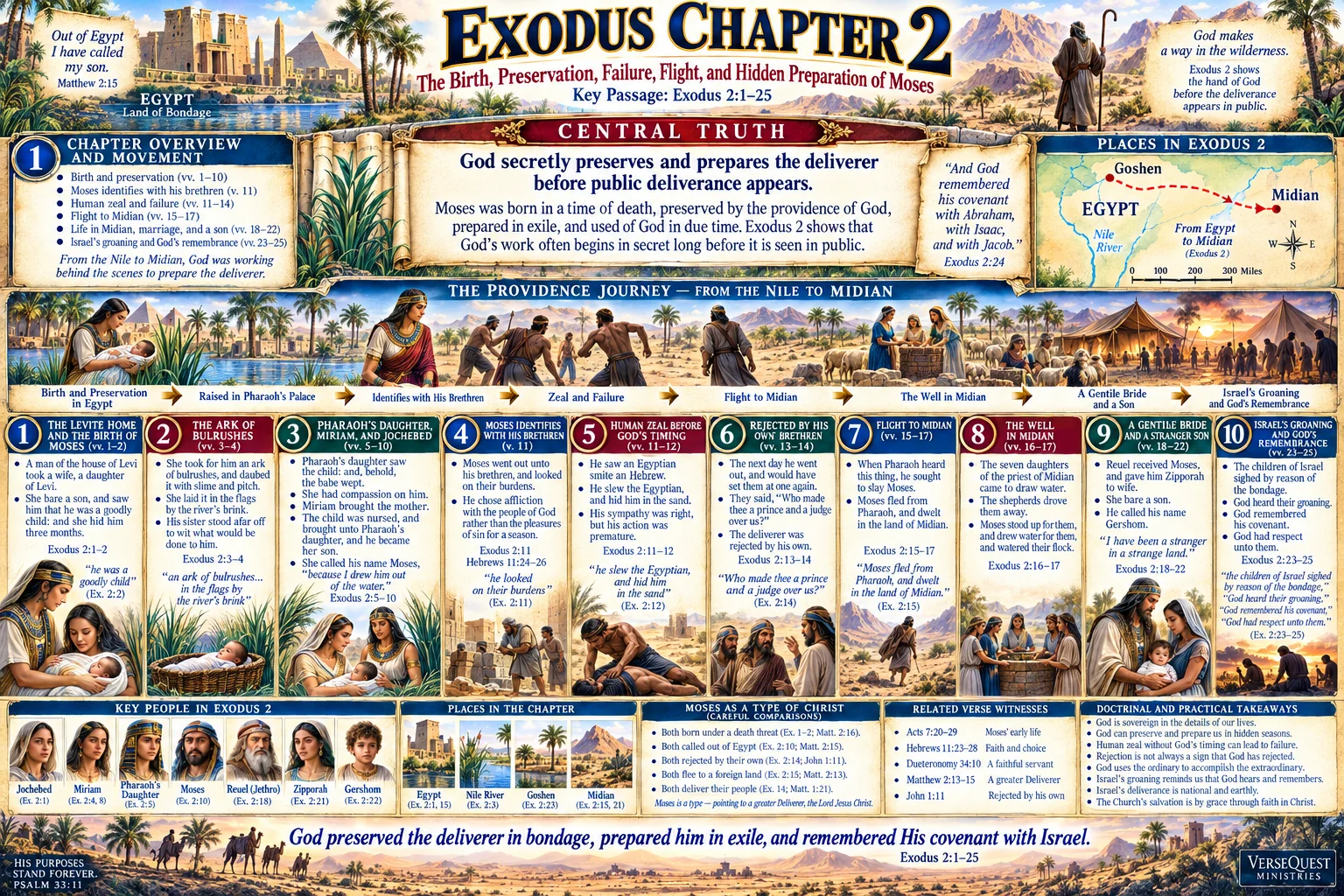
Exodus 2 – The Birth and Preservation of Moses: The Ark of Bulrushes, Pharaoh’s Daughter, Flight to Midian, and God Remembers His Covenant (KJV Bible Study Chart)
Explore Exodus 2 with this detailed KJV Bible study chart tracing the birth and preservation of Moses during Pharaoh’s decree against Hebrew sons. Follow Moses from the ark of bulrushes beside the Nile to Pharaoh’s daughter, his upbringing in Egypt, identification with his Hebrew brethren, killing of the Egyptian, rejection, and flight into Midian. The chart also examines Moses at the well, his marriage to Zipporah, the birth of Gershom, and Israel’s groaning under bondage. Exodus 2 closes with the powerful truth that God heard His people, remembered His covenant with Abraham, Isaac, and Jacob, looked upon Israel, and had respect unto them. Ideal for Bible study, Sunday school, homeschool, sermon preparation, Moses studies, and teaching on providence, calling, preparation, and covenant faithfulness.
$4.99
Description
Exodus 2: The Birth, Preservation, Failure, Flight, and Hidden Preparation of Moses is a detailed KJV Bible study chart tracing the remarkable preservation of Israel’s future deliverer from infancy beside the Nile through his years in Pharaoh’s household, his failed attempt to intervene for his brethren, his flight into Midian, and God’s continuing preparation of him for the work ahead.
Moses is born into the tribe of Levi during Pharaoh’s murderous decree against Hebrew male children. His mother sees that he is “a goodly child” and hides him for three months. When concealment is no longer possible, she places him in an ark of bulrushes daubed with slime and pitch and lays it among the flags beside the river while his sister watches from a distance.
Pharaoh’s own daughter discovers the child. She recognizes him as one of the Hebrews’ children yet has compassion upon him. Moses’ sister wisely offers to find a Hebrew nurse, resulting in Moses being returned temporarily to his own mother. God therefore uses Pharaoh’s household to preserve the very child who will later confront Pharaoh’s power. When Moses is older, he is brought to Pharaoh’s daughter, becomes her son, and receives the name Moses because she drew him from the water.
As an adult Moses identifies with his Hebrew brethren. Hebrews 11 later explains that he refuses to be called the son of Pharaoh’s daughter and chooses affliction with the people of God rather than the pleasures of sin. Yet Exodus 2 also reveals that zeal alone is not enough. Moses sees an Egyptian beating a Hebrew, kills the Egyptian, and hides him in the sand.
The following day Moses confronts two Hebrews fighting each other and discovers that his killing of the Egyptian is already known. Pharaoh seeks his life, forcing Moses to flee Egypt and settle in Midian.
At a well in Midian, Moses defends the daughters of the priest of Midian from hostile shepherds and waters their flock. He is welcomed into the household, marries Zipporah, and fathers Gershom, whose name reflects Moses’ status as “a stranger in a strange land.”
Meanwhile Israel’s bondage continues. The people groan and cry because of their oppression, and their cry comes up unto God. Exodus 2 closes with four powerful statements: God heard, God remembered, God looked, and God had respect unto them. Moses may be hidden in Midian, but God’s covenant purpose is moving steadily toward deliverance.
Exodus 2, Moses, birth of Moses, ark of bulrushes, Nile River, Pharaoh’s daughter, Miriam, Jochebed, Moses preserved, goodly child, Hebrew deliverer, Moses kills Egyptian, rejected by brethren, flight to Midian, well in Midian, Reuel, Jethro, Zipporah, Gershom, stranger in a strange land, Israel groans, God remembers covenant, Abraham Isaac and Jacob, divine providence, hidden preparation
Exodus 2 begins under Pharaoh’s decree that Hebrew male children be cast into the river. A man and woman from the tribe of Levi have a son, and the mother sees that he is “a goodly child.” She hides him for three months. Hebrews 11:23 later interprets the parents’ actions as faith, saying they were “not afraid of the king’s commandment.”
When hiding Moses becomes impossible, his mother makes an ark of bulrushes, daubs it with slime and pitch, and places the child among the flags beside the river. Moses’ sister watches from a distance. Later Scripture identifies Moses’ mother as Jochebed and his sister as Miriam, though Exodus 2 itself does not yet name them.
Pharaoh’s daughter discovers the child and has compassion upon him. Moses’ sister offers to obtain a Hebrew nurse, and Moses is providentially returned to his own mother for the nursing period. The child Pharaoh intended Egypt to destroy is preserved partly through Pharaoh’s own household.
When Moses grows, he becomes Pharaoh’s daughter’s son and receives the name Moses because she says, “I drew him out of the water.” Acts 7 and Hebrews 11 later supply additional information concerning his Egyptian upbringing and eventual identification with Israel.
Exodus 2:11 says Moses goes out unto his brethren and looks upon their burdens. He sees an Egyptian smiting a Hebrew and kills the Egyptian. His concern for Israel is genuine, but his action precedes the divine commission he will receive at the burning bush. Calling does not excuse acting independently of God’s timing.
The next day Moses encounters two Hebrews fighting and asks the wrongdoer, “Wherefore smitest thou thy fellow?” Acts 7:26 later describes Moses attempting to “set them at one again.” The Acts wording should not be quoted as though it appears directly in Exodus 2:13–14.
Once Pharaoh learns of the killing, Moses flees to Midian. There he sits beside a well and intervenes when shepherds drive away the seven daughters of the priest of Midian. Moses helps them and waters their flock.
Moses is welcomed into Reuel’s household and marries Zipporah. Their son Gershom is named because Moses says, “I have been a stranger in a strange land.” The future deliverer is now living far from Egypt in what appears to be obscurity.
Yet God has not abandoned Israel. The chapter ends with the people groaning under bondage. God hears their groaning, remembers His covenant with Abraham, Isaac, and Jacob, looks upon Israel, and has respect unto them. The deliverance is not yet public, but God has already preserved and begun preparing the man He will use.
Exodus 2 is useful for teaching divine providence, courageous parenting, God’s preservation of His servants, the difference between sincere zeal and God’s appointed timing, identification with God’s people, and the value of hidden seasons of preparation. Moses’ life demonstrates that failure does not necessarily cancel God’s calling, while Israel’s groaning reminds believers that God hears His people even when deliverance is not yet visible. The chapter is excellent for personal Bible study, Sunday school, homeschool instruction, Bible institutes, sermon preparation, leadership studies, Moses studies, providence teaching, and lessons on patience, calling, preparation, rejection, exile, and covenant faithfulness.
King James Bible, Strong’s Concordance, Thompson Chain-Reference Bible, Treasury of Scripture Knowledge, Nave’s Topical Bible, Exodus 1–6 study notes, Moses life timeline, maps of Egypt Nile Goshen and Midian, Acts 7 Moses studies, Hebrews 11 faith studies, Jochebed and Miriam studies, Zipporah and Jethro studies, Abrahamic covenant charts, Israel in Egypt timelines, Moses and Christ typology charts, VerseQuest Exodus charts
Related products
-
Study Books (PDF)
-
-25%
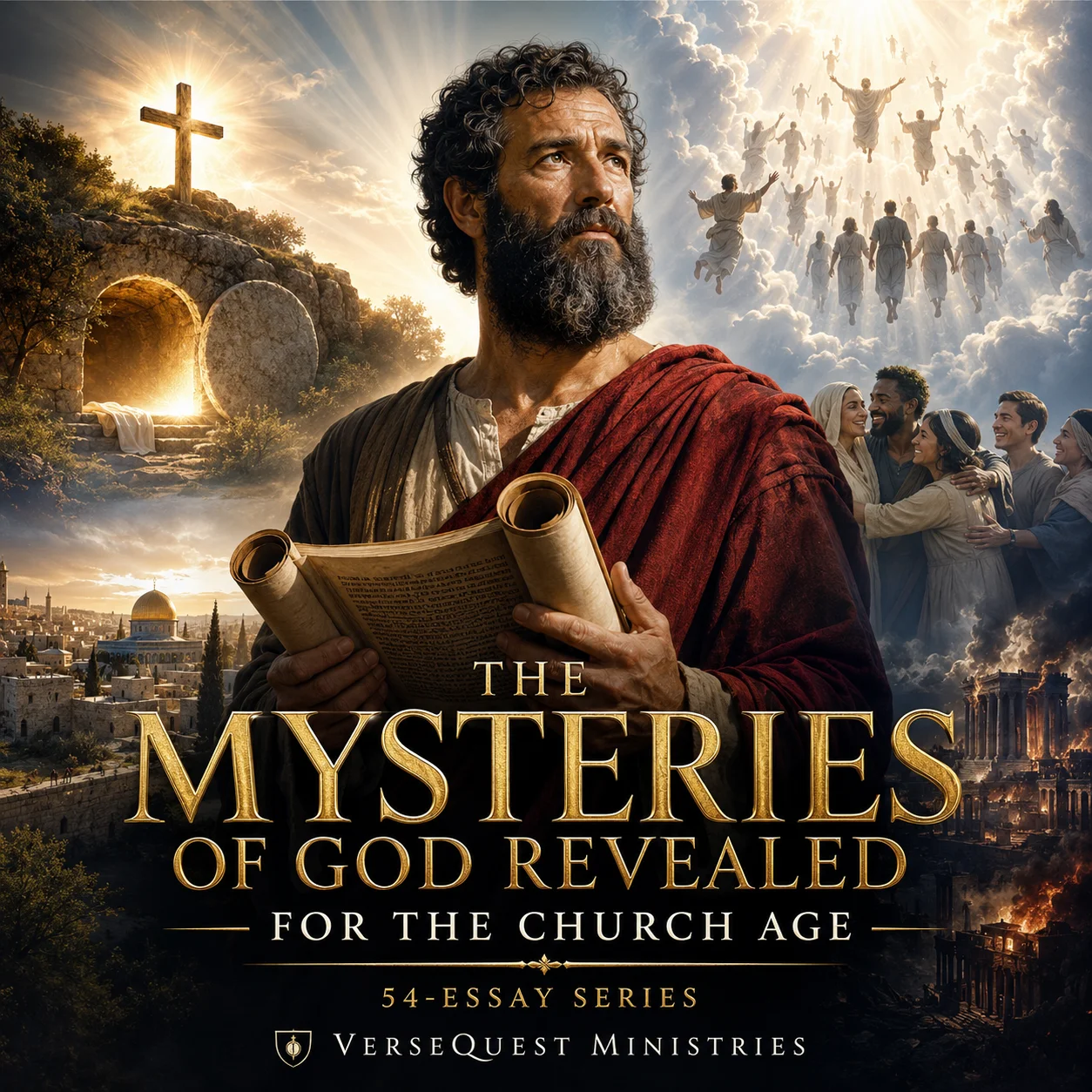
- The Mysteries of God Revealed for the Church Age – Premium Essay Series PDF
- A premium 404-page VerseQuest Ministries digital PDF study book featuring 54 detailed KJV-only essays on the mysteries of God revealed for the Church Age. This rightly divided study covers the…
- Original price was: $39.99.$29.99Current price is: $29.99.
- Add to cart
-
-25%
-
Jesus Christ
-
-67%
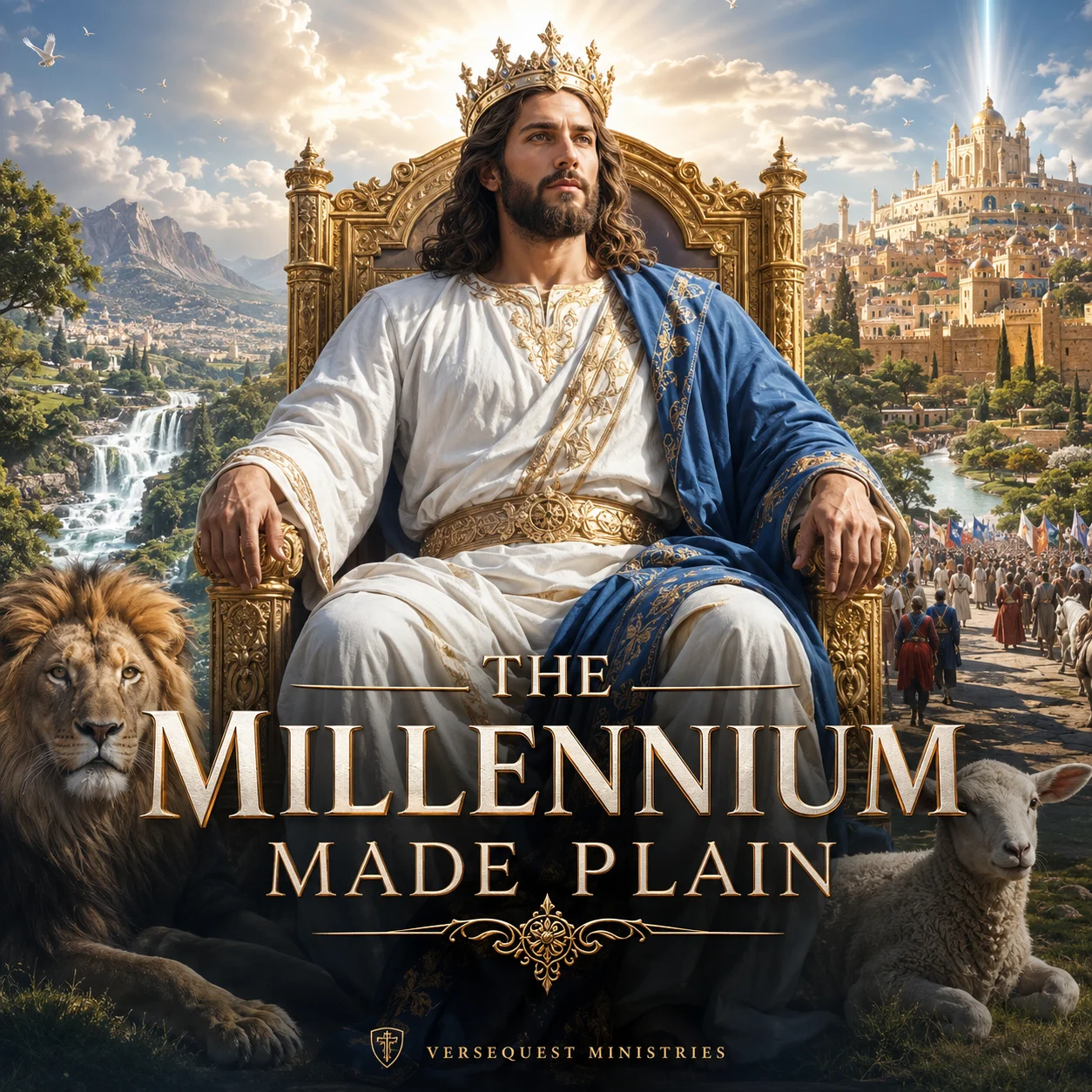
- The Millennium Made Plain – 416-Page KJV Study on Christ’s Future Reign
- A premium 416-page KJV, rightly divided Bible study on the literal future Millennial reign of Jesus Christ. The Millennium Made Plain explains Revelation 19–20, Israel’s restoration, Satan’s binding, the Kingdom…
- Original price was: $29.99.$9.99Current price is: $9.99.
- Add to cart
-
-67%
-
The Rapture
-
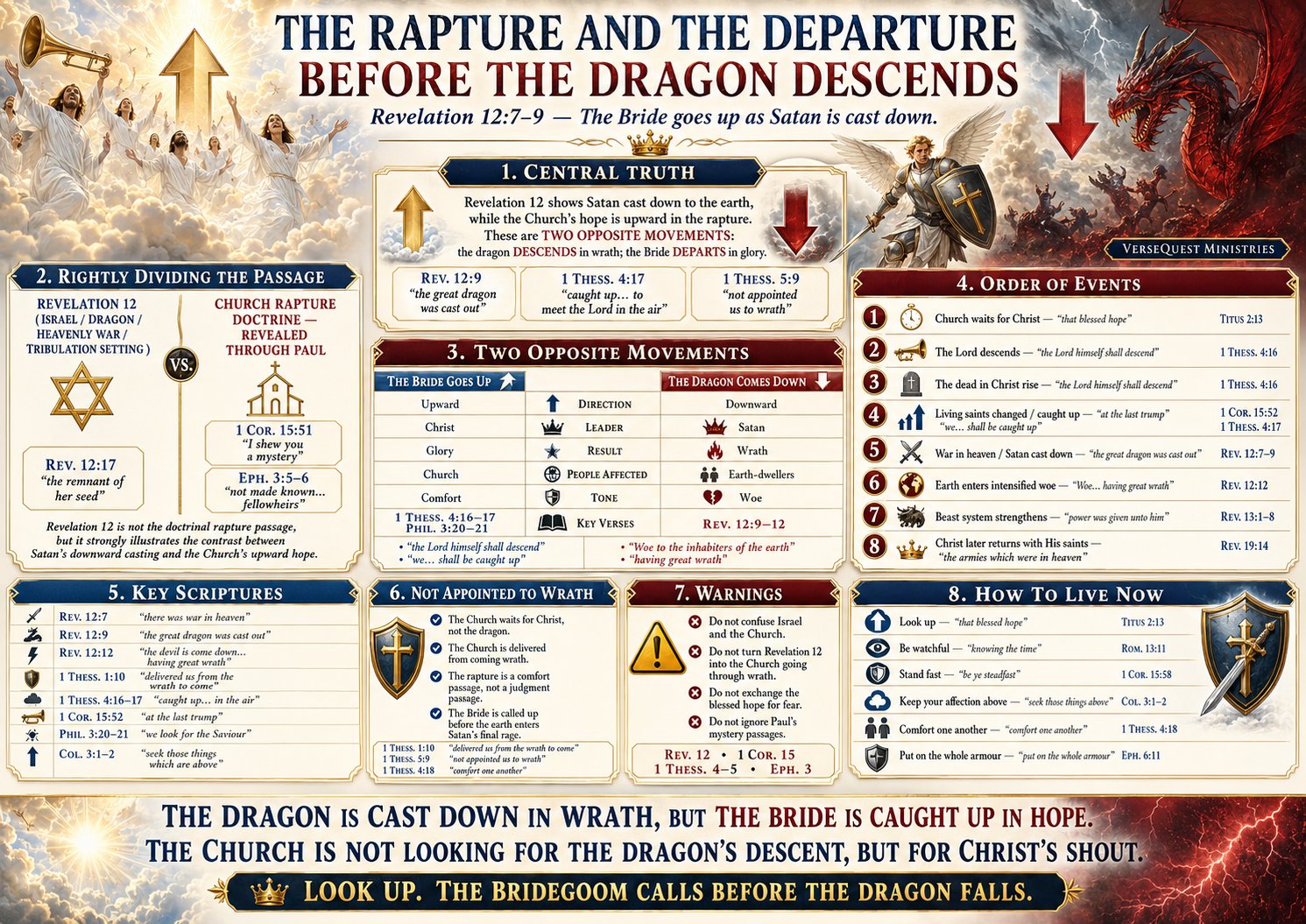
- The Rapture and the Departure Before the Dragon Descends – Printable Bible Study Chart
- Printable KJV Bible study chart on The Rapture and the Departure Before the Dragon Descends, showing the Bride caught up before Satan is cast down in wrath. This premium VerseQuest…
- $4.99
- Add to cart
-
-
Bible Overview Series
-
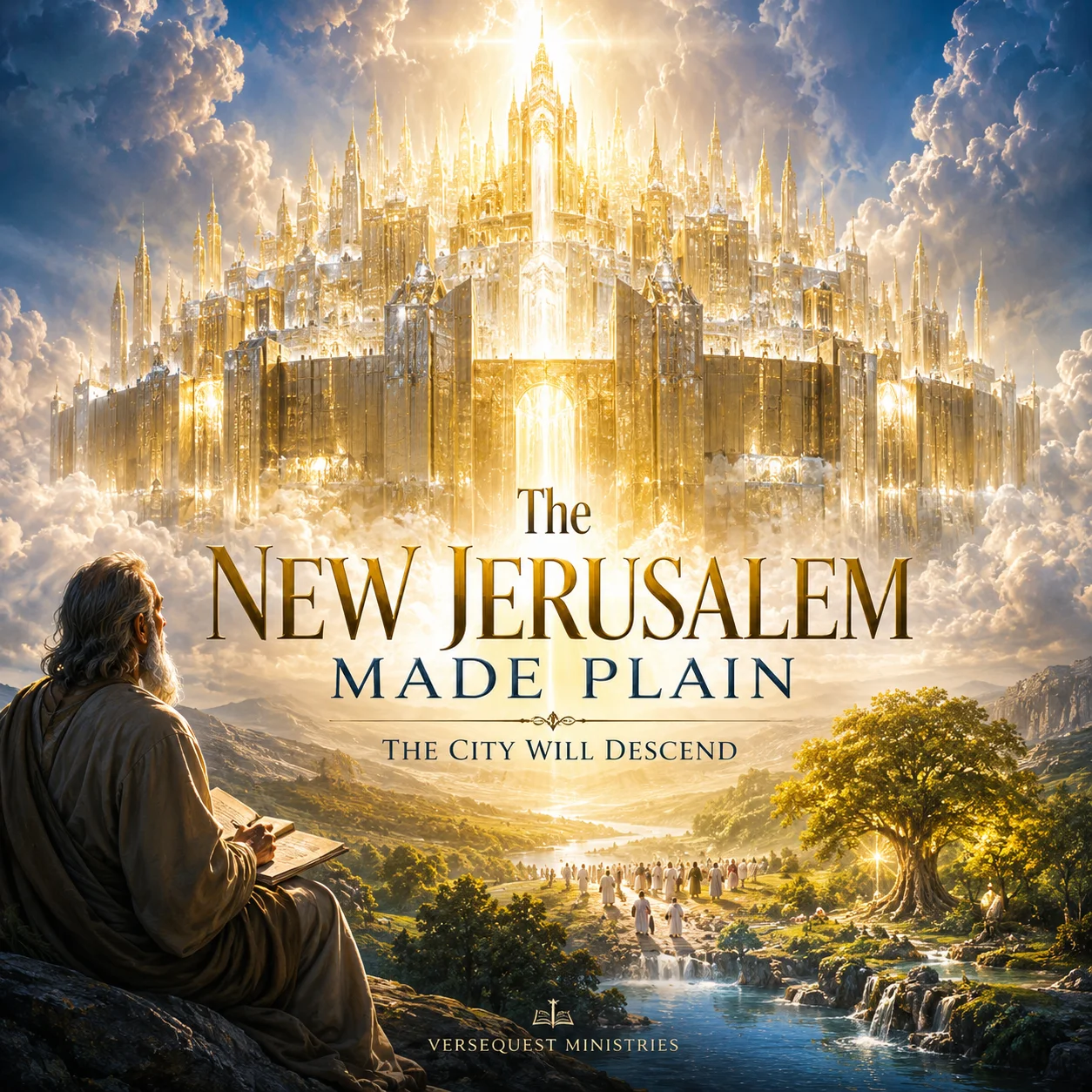
- The New Jerusalem Made Plain — 621-Page PDF Study
- The New Jerusalem Made Plain is a massive 621-page KJV/rightly divided PDF study on the literal holy city revealed in Revelation 21–22. This 100-essay book makes the New Jerusalem plain…
- $34.99
- Add to cart
-
-
Chart Collections
-
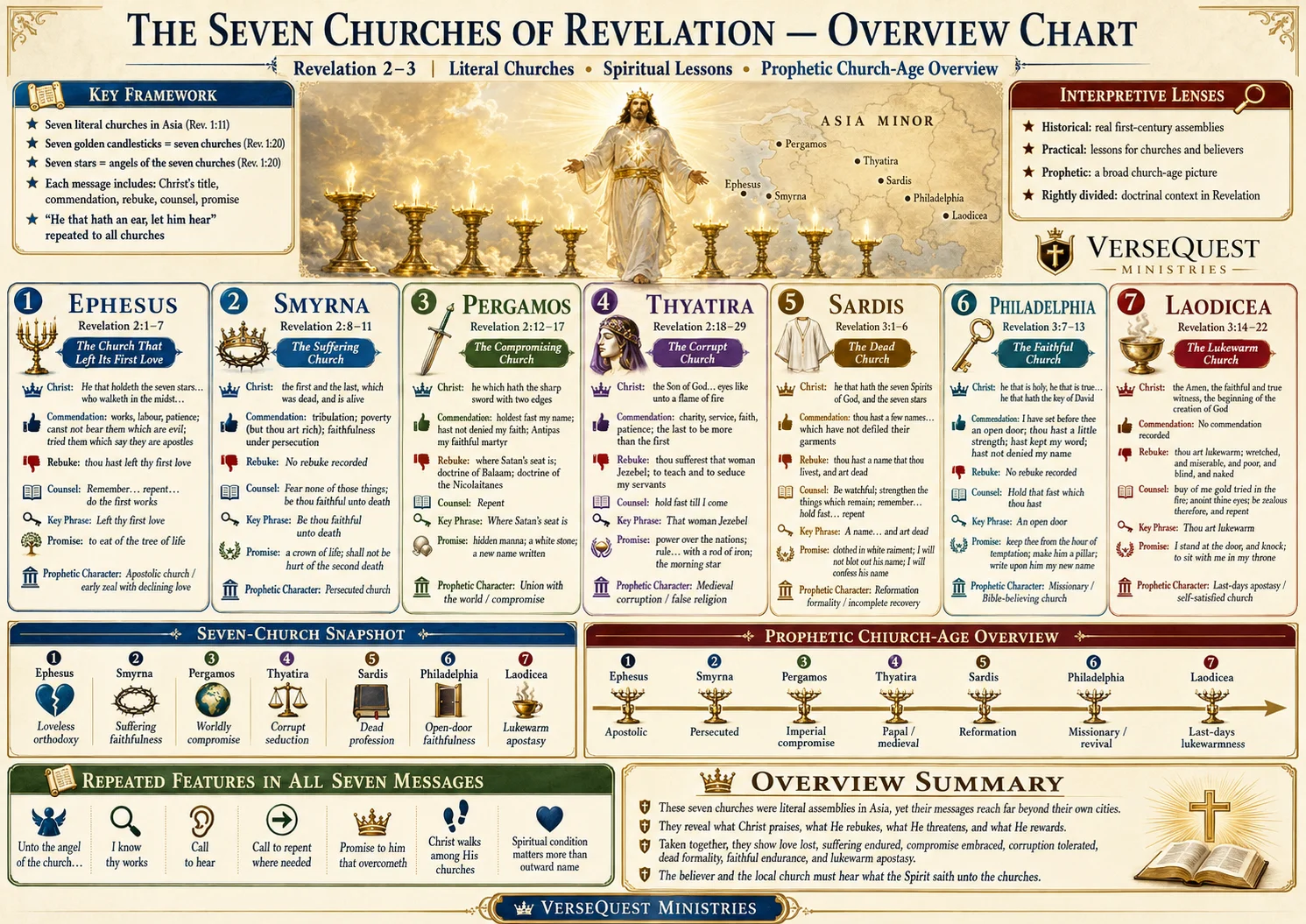
- The Seven Churches of Revelation Chart Collection – Christ Walking Among the Candlesticks
- A premium VerseQuest Ministries™ PDF chart collection covering the Seven Churches of Revelation in Revelation 2–3. Includes one overview chart plus individual KJV Bible study charts for Ephesus, Smyrna, Pergamos,…
- $12.99
- Add to cart
-