Topic: Christian spiritual growth
-
November 4, 2026
Series: Hebrews 2:1, The Danger of Spiritual Drift
Speaker: Paul Tackett
Topic: apostolic signs and wonders, Christian Perseverance, Christian spiritual growth, Eternal Security, give the more earnest heed, Hebrews 2 sermon outline, Hebrews 2:1, holding fast to Scripture, importance of Bible study, King James Bible preaching, KJV Sermon Outline, lest we let them slip, neglecting so great salvation, rightly divided Bible study, Sound Doctrine, spiritual negligence, spiritual watchfulness, superiority of Jesus Christ, The Danger of Spiritual Drift, warning against unbelief
Book: Hebrews
This detailed sermon outline examines Hebrews 2:1 and the solemn biblical warning, “Therefore we ought to give the more earnest heed to the things which we have heard, lest at any time we should let them slip,” revealing the danger of spiritual negligence, doctrinal instability, and gradually losing careful attention to divine revelation. The message establishes the passage’s original context within the Book of Hebrews, where the writer has demonstrated the supremacy of Jesus Christ over the angels, His divine authority, His finished work of purging sins, and His exaltation at the right hand of God. It explains why the opening word “Therefore” connects the warning directly to Christ’s superiority, why believers must give earnest attention to God’s revealed truth, and how spiritual drift can develop through continued indifference, neglected biblical instruction, worldly distractions, and increasing susceptibility to false doctrine. Special attention is given to Hebrews 2:1–4, including the warning against neglecting so great salvation, the difference between hearing the gospel and personally believing it, and the divine confirmation of Christ’s message through apostolic witnesses, signs, wonders, and miracles. The sermon carefully distinguishes the historical and doctrinal setting of Hebrews and its warnings concerning unbelief from the Church-Age believer’s eternal security through faith in Jesus Christ, avoiding the erroneous teaching that ordinary spiritual weakness or inconsistent Christian performance can undo the Saviour’s finished work. Drawing upon Hebrews 3–6, Hebrews 12, Ephesians 4, Colossians 2, 2 Timothy 2–3, and other New Testament passages, the outline develops the practical importance of sound doctrine, Scripture rightly divided, spiritual watchfulness, Christian perseverance, renewed thinking, and faithful obedience. It also examines why spiritual negligence can damage Christian growth, weaken biblical discernment, compromise one’s testimony, and waste valuable opportunities for service without invalidating the sufficiency of Christ’s redemption. Preachers, pastors, teachers, and Bible students will gain a comprehensive, KJV-based, rightly divided, sermon-ready framework for teaching the danger of spiritual drift, the authority of God’s Word, the seriousness of neglecting salvation, the preservation of sound doctrine, eternal security, and the importance of remaining firmly established in Jesus Christ rather than being carried away by the changing influences of the world.
-
October 18, 2026
Speaker: Paul Tackett
Topic: 2 Peter 3:18, avoiding false doctrine, Bible and spiritual growth, biblical maturity, Christian discipleship, Christian maturity sermon, Christian Sanctification, Christian spiritual growth, doctrinal stability, grace and truth, growing in biblical knowledge, Growing in Grace and Knowledge, growing in grace sermon outline, King James Bible study, KJV Sermon Outline, knowledge of Jesus Christ, Right Division, rightly dividing the word, Sound Doctrine, spiritual growth sermon
Book: 2 Peter
This detailed sermon outline examines 2 Peter 3:18 and Peter’s closing command, “But grow in grace, and in the knowledge of our Lord and Saviour Jesus Christ.” The message places Christian growth within the immediate context of Peter’s warnings about doctrinal instability, distorted Scripture, scoffers, and believers being led away by error. It explains that spiritual growth begins with spiritual life received through salvation by grace, distinguishes positional security in Christ from progressive maturity in the believer’s daily walk, and shows why Christians must continue advancing rather than remaining spiritual infants. The outline explores what it means to grow in grace without turning grace into an excuse for carnality, how believers grow in the knowledge of Jesus Christ through Scripture rather than subjective spiritual experience, and why increasing biblical knowledge must be rightly divided to produce doctrinal clarity rather than confusion. It also shows how maturity creates stability against false teaching and why genuine growth ultimately produces greater dependence upon grace, deeper knowledge of Christ, and greater glory to Him rather than pride in the student. Preachers, teachers, and Bible students will gain a sermon-ready framework for teaching Christian maturity, grace, sound doctrine, right division, sanctification, biblical knowledge, and spiritual stability
-
October 15, 2026
Series: Amos 8:11, famine of hearing God’s word
Speaker: Paul Tackett
Topic: Amos 8:11, Amos 8:11 sermon outline, Bible neglect, Bible preaching, Biblical Authority, biblical judgment, Christian spiritual growth, false teachers and fables, famine of hearing God’s word, hearing the word of God, King James Bible study, KJV Sermon Outline, rejected truth, religious activity without truth, rightly dividing the word, Sound Doctrine, spiritual famine, spiritual hunger, word of God sermon, words of the Lord
Book: Amos
This detailed sermon outline examines Amos 8:11 and God’s warning that He would send upon Israel “a famine in the land, not a famine of bread, nor a thirst for water, but of hearing the words of the LORD.” The message places the prophecy in its proper setting as divine judgment upon Israel after repeated rejection of God’s law, prophets, correction, and warnings, while drawing careful spiritual applications for believers who possess abundant access to Scripture today. It explains the difference between simply possessing Bibles and truly hearing God’s words, shows how rejected truth can produce deeper spiritual darkness, and warns that religious activity, programs, and outward worship cannot substitute for sound doctrine. The outline also explores how rejection of truth creates an appetite for fables and false teachers, why modern biblical abundance can coexist with practical spiritual famine, and why right division is necessary to avoid misusing Amos’s prophecy as direct Church doctrine. Preachers, teachers, and Bible students will gain a sermon-ready framework for teaching biblical authority, spiritual hunger, doctrinal discernment, judgment, right division, sound preaching, and the importance of treasuring, studying, and obeying the King James Bible while God’s words are readily available.
-

October 11, 2026
Speaker: Paul Tackett
Topic: authority of Scripture, Bible and wisdom, biblical decision making, biblical wisdom, Christian discernment, Christian spiritual growth, fear of the Lord, King James Bible study, KJV Sermon Outline, making wise the simple, Psalm 19:7, Psalm 19:7 sermon outline, rightly dividing the word, spiritual understanding, testimony of the Lord is sure, The Word That Makes the Simple Wise, wisdom for daily life, wisdom from Scripture, wisdom versus human intelligence, word of God sermon
Book: Psalms
This detailed sermon outline examines Psalm 19:7 and the declaration, “the testimony of the LORD is sure, making wise the simple.” The message distinguishes biblical wisdom from mere human intelligence and shows that spiritual understanding is not reserved for an intellectual elite but is available to those who humbly receive, believe, study, and obey the word of God. It explains why God’s testimony is sure, what Scripture means by “the simple,” how biblical truth corrects foolish thinking, and why worldly education and philosophy cannot substitute for divine revelation. The outline also develops the fear of the Lord as the beginning of wisdom, demonstrates how Scripture trains believers in spiritual discernment, emphasizes the necessity of rightly dividing the word of truth, and applies biblical wisdom to everyday choices, priorities, doctrine, and Christian conduct. Preachers, teachers, and Bible students will gain a sermon-ready framework for teaching the certainty and sufficiency of Scripture, spiritual understanding, biblical discernment, right division, practical wisdom, and the transforming power of the King James Bible to make the simple wise.
-
October 9, 2026
Series: John 17:17, The Word That Sanctifies
Speaker: Paul Tackett
Topic: biblical sanctification, Christian Holiness, Christian separation, Christian spiritual growth, Holy Spirit sanctification, John 17:17, King James Bible study, KJV Sermon Outline, positional sanctification, Practical Sanctification, renewing of the mind, rightly dividing the word, sanctification and grace, sanctification by the word of God sermon outline, sanctification versus justification, sanctify them through thy truth, Scripture and sanctification, The Word That Sanctifies, thy word is truth, washing of water by the word
Book: John
This detailed sermon outline examines John 17:17 and the Lord Jesus Christ’s prayer, “Sanctify them through thy truth: thy word is truth.” The message carefully distinguishes the believer’s completed positional sanctification in Christ from the practical sanctification that should increasingly shape daily Christian living, guarding the doctrine from both legalism and careless carnality. It shows how the word of God exposes hidden sin, corrects false doctrine, cleanses the believer’s thinking, renews the mind, separates Christians from the course of this world, and produces practical obedience without making holy living the basis of justification or eternal security. The outline also examines the Holy Spirit’s sanctifying ministry through the truth He inspired, explains why Scripture must be rightly divided so holiness is not confused with Israel’s covenant requirements, and emphasizes that hearing biblical truth alone is insufficient without submission to it. Preachers, teachers, and Bible students will gain a sermon-ready framework for teaching positional and practical sanctification, biblical holiness, grace, spiritual growth, right division, renewed thinking, Christian separation, and the transforming authority of the King James Bible.
-
October 8, 2026
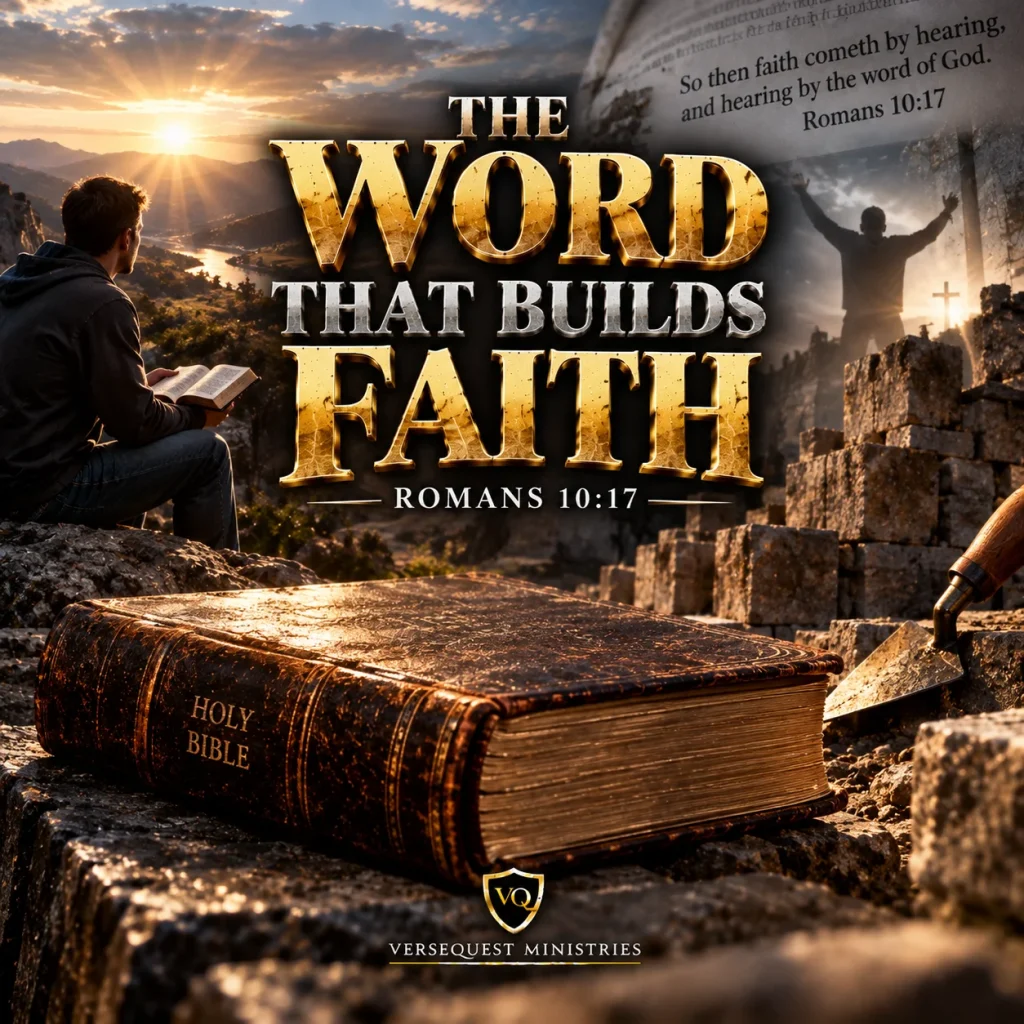
Series: Romans 10:17, The Word That Builds Faith
Speaker: Paul Tackett
Topic: Bible and faith, biblical faith, building Christian faith, Christian obedience, Christian spiritual growth, faith and Scripture, Faith Cometh by Hearing, faith versus feelings, gospel of Jesus Christ, Gospel Preaching, hearing by the word of God, King James Bible study, KJV Sermon Outline, Right Division, Romans 10:17, Romans 10:17 sermon outline, saving faith, Scripture builds faith, The Word That Builds Faith, word of God sermon
Book: Romans
This detailed sermon outline examines Romans 10:17 and Paul’s declaration, “So then faith cometh by hearing, and hearing by the word of God.” Beginning with the chapter’s immediate context of Israel’s unbelief, the necessity of preaching, and the responsibility to believe what God has revealed, the message explains that biblical faith is not positive thinking, emotional confidence, religious enthusiasm, or believing whatever a person wants God to do. True faith rests upon something God has actually said. The outline traces the relationship between hearing, preaching, and believing; identifies Christ’s death, burial, and resurrection as the gospel upon which saving faith rests today; and explains why hearing Scripture without receiving it by faith does not automatically produce obedience. It also shows how continued exposure to the word strengthens believers, why emotional atmosphere cannot substitute for biblical truth, how right division prevents faith from being built upon misapplied passages, and how Scripture corrects false beliefs and produces an obedient walk. Preachers, teachers, and Bible students will gain a sermon-ready framework for teaching saving faith, Christian growth, gospel preaching, biblical authority, right division, and the practical necessity of continually hearing, studying, believing, and obeying the word of God.
-
September 29, 2026
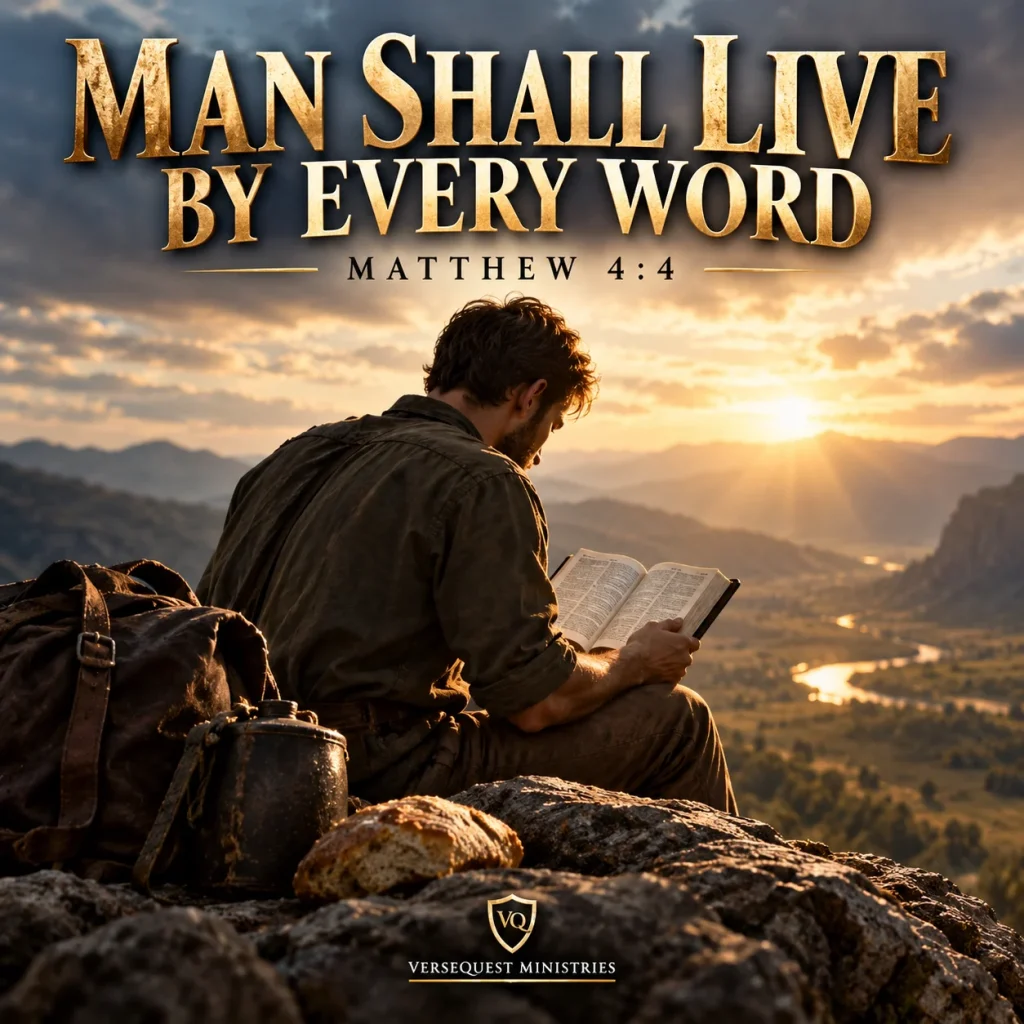
Series: man shall live by every word, Matthew 4:4
Speaker: Paul Tackett
Topic: Bible as spiritual food, Bible study sermon, Biblical Authority, Christian spiritual growth, every word of God is pure, every word of God sermon outline, Genesis 3 deception, it is written, KJV Sermon Outline, living by Scripture, man shall live by every word, Matthew 4:4, preserved word of God, rightly dividing the word, Satan twists Scripture, Scripture and obedience, spiritual nourishment, temptation of Jesus, verbal inspiration, word of God and temptation
Book: Matthew
This detailed sermon outline examines Matthew 4:4 and Christ’s declaration, “Man shall not live by bread alone, but by every word that proceedeth out of the mouth of God.” The message explains why physical provision alone cannot sustain the whole man, why Jesus emphasized “every word,” and how His repeated use of “It is written” in the wilderness establishes the written word of God as the believer’s weapon against temptation and deception. It also traces Satan’s attacks upon Scripture through questioning, contradiction, and misapplication; emphasizes the necessity of rightly dividing the word of truth; presents Scripture as spiritual nourishment for the inner man; and shows that genuine submission to God’s word requires obedience rather than mere knowledge. Preachers, teachers, and Bible students will gain a sermon-ready framework for teaching verbal inspiration, biblical authority, spiritual warfare, proper interpretation, daily Bible intake, Christian obedience, and the necessity of living by the preserved words of God rather than by feelings, traditions, or religious experience.