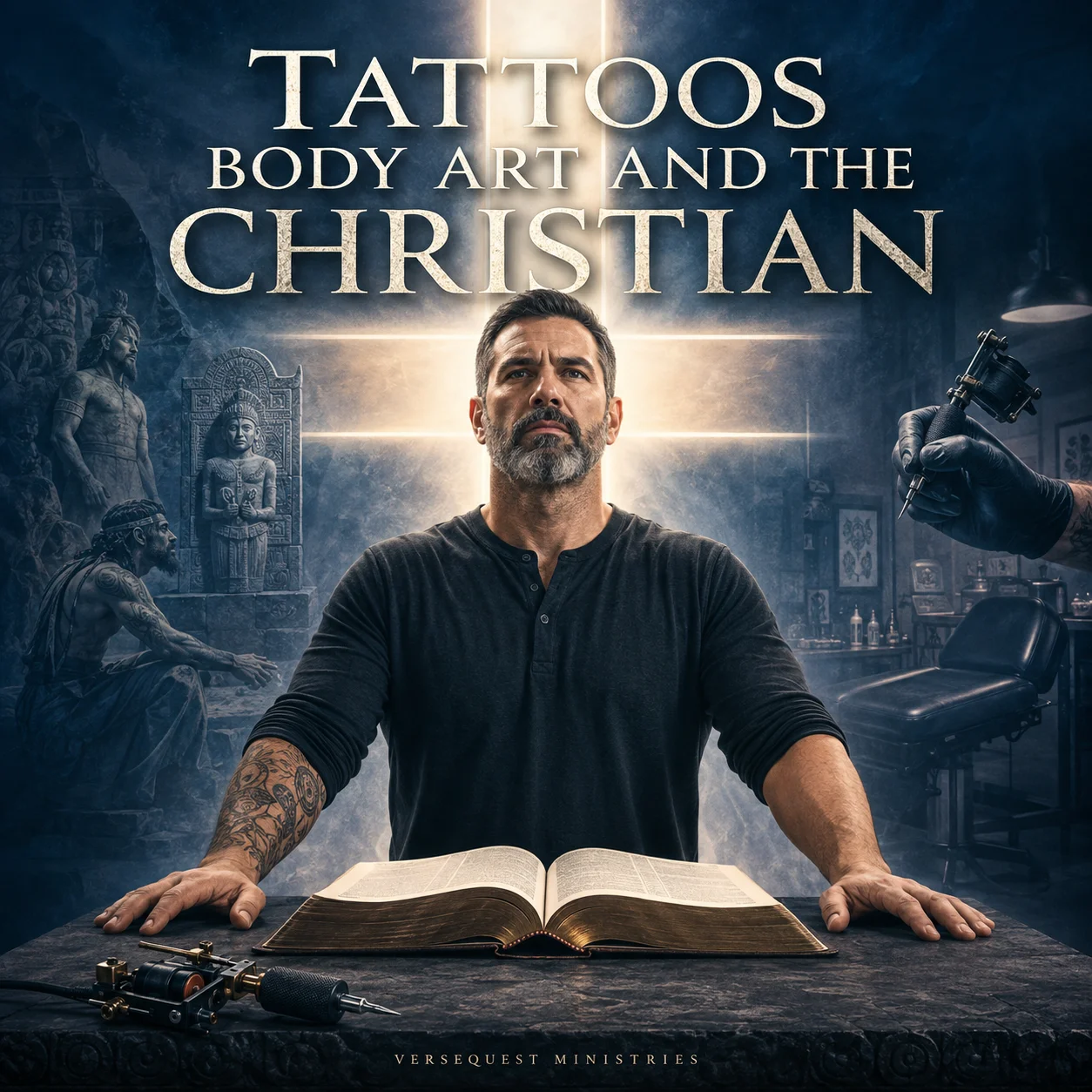
Tattoos Body Art and the Christian — A Seven-Part KJV Bible Study
Tattoos Body Art and the Christian is a complete 71-page downloadable PDF book examining tattoos, Christian liberty, bodily ownership, religious symbols, historical marking practices, testimony, and grace through the King James Bible.
The book includes a substantial introduction, seven complete essays, a thorough conclusion, and an extremely detailed full-color Bible-study chart. It carefully distinguishes Israel under the law from the Church under grace while demonstrating that the believer’s body remains blood-bought property belonging to Jesus Christ.
This study offers grace and assurance to Christians who already bear tattoos while presenting a firm biblical warning to anyone presently considering permanent body art. Designed for serious Bible students, pastors, teachers, families, and discipleship leaders, the complete PDF is available for $7.99.
$7.99
Description
Tattoos Body Art and the Christian is a thorough 71-page downloadable PDF book examining one of the most debated questions facing Christians today: Should a believer deliberately and permanently mark the body that Jesus Christ purchased with His own blood?
This study moves the discussion beyond cultural opinions, emotional arguments, outdated stereotypes, and shallow appeals to Christian liberty. It begins with the plain wording of Leviticus 19:28 and carefully distinguishes Israel under the Mosaic law from the Church under grace. Rather than placing Christians under Moses or erasing an inconvenient passage through dispensational carelessness, the book shows what the command reveals about holiness, pagan bodily marking, separation, and divine ownership.
The seven-part study then brings modern body art beneath the controlling New Testament principles of bodily stewardship, Christian liberty, spiritual edification, personal mastery, conscience, testimony, separation from the world, and the glory of God. First Corinthians 6:19–20, Romans 12:1–2, Galatians 5:13, and First Corinthians 10:23–31 receive careful attention as the reader is challenged to ask not merely, “Is there a Church Age verse expressly forbidding a modern tattoo?” but, “Does this decision honor the One who purchased my body?”
The book also examines Christian-themed tattoos bearing crosses, Scripture references, names, memorials, and testimony symbols. It asks whether sacred content automatically sanctifies the method, whether a religious tattoo is truly necessary for witnessing, and whether God’s prescribed means of testimony requires permanent body art. The study addresses self-expression, bodily autonomy, vanity, personal identity, attention, rebellion, grief, belonging, changing cultural acceptance, and the temptation to use Christian liberty as permission for the flesh.
Historical bodily marking is considered without careless exaggeration. The study examines pagan mourning, religious marks, tribal identity, protection symbols, talismans, rites of passage, slavery, punishment, military identification, pilgrimage tattoos, Coptic crosses, and markings attributed to Crusaders. These examples are treated honestly while maintaining the essential distinction between Christian history and biblical authority. History records what professing Christians have done; only Scripture establishes what Christians ought to believe and practice.
A full section is devoted to believers who already have tattoos, especially those received before salvation or during rebellion, addiction, grief, confusion, or spiritual ignorance. The book makes clear that existing ink cannot prevent salvation, cancel the blood of Christ, remove the Holy Ghost, or make a redeemed person a second-class Christian. It also provides practical biblical guidance concerning regret, tattoo removal, covering obscene or occult images, employment, church service, testimony, and explaining former decisions to children or younger believers.
The final essay presents seven searching questions every Christian should answer before receiving a tattoo. These questions examine ownership, motive, content, necessity, permanence, edification, testimony, and the glory of God. The book closes with a forceful but gracious verdict: grace cleanses the believer who already bears tattoos, while biblical wisdom gives the Christian contemplating one every reason to pause and leave unmarked what Calvary purchased.
The PDF includes a substantial series introduction, seven complete essays, a thorough series conclusion, and an extremely detailed full-color KJV Bible-study chart summarizing the principal passages, doctrinal distinctions, practical questions, and final conclusions. It is suitable for pastors, Bible teachers, preachers, Sunday school teachers, families, counselors, discipleship leaders, and serious readers seeking a complete biblical treatment rather than a quick opinion.
This 71-page downloadable and printable PDF book is available for $7.99.
The authority of the King James Bible — Cultural acceptance, personal feelings, church trends, and historical traditions must be judged by Scripture rather than used to revise it. Leviticus 19:28 rightly divided — The command was given directly to Israel under the Mosaic law, yet it remains inspired Scripture revealing God’s judgment concerning bodily marking and pagan separation. Israel and the Church — The book preserves the distinction between Israel under the law and the Church under grace without making the Old Testament irrelevant. Blood-bought bodily ownership — The believer is not his own because Jesus Christ purchased the body as well as the spirit. The temple of the Holy Ghost — First Corinthians 6 is handled in its immediate context of fornication while its broader doctrine of bodily ownership is applied responsibly. Christian liberty and its limits — Liberty remains answerable to expediency, edification, mastery, conscience, love, testimony, and the glory of God. Self-denial versus self-expression — Modern bodily autonomy and personal branding are compared with the biblical call to deny self and present the body as a living sacrifice. Religious tattoos — Crosses, Bible verses, names of Jesus, praying hands, memorials, and testimony symbols are examined without assuming that good content automatically sanctifies the method. The biblical location of God’s Word — Scripture is to be hidden in the heart, preached with the mouth, taught in the home, and demonstrated through an obedient life. Pagan and historical bodily marking — Mourning rituals, religious marks, tribal identity, talismans, protection symbols, military marks, punishment, slavery, and rites of passage are examined carefully. Christian history versus biblical authority — Coptic, pilgrimage, and Crusader examples are considered while maintaining that historical practice cannot create apostolic doctrine. Vanity attention and identity — The book examines whether body art magnifies Christ or places the wearer’s personality, pain, memories, and outward identity at the center. Memorial tattoos and grief — Genuine sorrow is treated compassionately while resurrection hope is maintained as the Christian answer to death. Grace for tattooed believers — Existing tattoos do not cancel salvation, remove the Holy Ghost, or make a redeemed believer spiritually inferior. Conviction versus condemnation — The believer may acknowledge an unwise former decision without living beneath perpetual shame after receiving God’s forgiveness. Removal covering and practical wisdom — The book considers obscene, occult, criminal, or otherwise troubling tattoos along with health, cost, employment, ministry, and testimony. The judgment seat of Christ — Christian choices are examined in view of the coming evaluation of the believer’s service, stewardship, and bodily conduct. The glory of God — The final standard is whether the decision can be performed in the name of the Lord Jesus Christ and plainly to the glory of God.
Central Argument
The absence of a New Testament verse expressly naming a modern tattoo machine does not make permanent body art spiritually neutral. Leviticus 19:28 supplies the Bible’s only direct command concerning printed marks, while the New Testament places the Christian’s body beneath Christ’s ownership, the Holy Ghost’s indwelling, the call to living sacrifice, the limits of liberty, concern for others, and the glory of God.
Essential Distinctions
- The Church is not under the Mosaic law, but the Old Testament remains inspired and profitable for learning.
- Salvation is received entirely by grace; practical sanctification concerns how a saved person should live.
- A tattooed believer is not the same question as a believer presently considering a tattoo.
- Forgiveness for a former decision does not become permission for a future decision.
- Religious content and biblical authorization are not the same thing.
- A sincere motive may explain a choice without making the choice wise.
- Christian history records practices; Scripture establishes doctrine.
- Medical or restorative procedures are not automatically identical to voluntary decorative marking.
- Conviction acknowledges what was wrong; condemnation denies what Christ has forgiven.
- Ordinary tattoos are not the prophetic mark of the beast described in Revelation 13.
Major Doctrinal Conclusions
- Tattoos cannot prevent salvation or reverse the new birth.
- The Holy Ghost does not abandon a believer because pigment remains beneath the skin.
- Tattoo removal is not a condition of forgiveness or Christian usefulness.
- The Christian’s body belongs to Jesus Christ by redemption.
- Christian liberty must be tested by expediency, edification, mastery, conscience, testimony, and God’s glory.
- Romans 14 is not a theological junk drawer that makes every disputed practice neutral.
- A Christian symbol does not automatically sanctify permanent bodily marking.
- The strongest Christian mark is the visible work of Christ in the believer’s conduct.
- Believers with obscene, occult, criminal, or destructive tattoos should consider covering, altering, or removing them when wise and practical.
- The Christian contemplating a tattoo has every biblical reason to pause rather than act impulsively.
Seven Questions Before the Needle
- Whose body is it?
- Why do I want this?
- What will the mark communicate?
- What spiritual necessity requires it?
- Will it edify anyone?
- What will it do to my testimony?
- Can I honestly do it in the name of the Lord Jesus Christ and to the glory of God?
Memorable Teaching Statements
- The needle may be modern, but the flesh beneath it is not.
- A cross cannot baptize a needle.
- The world calls the body a canvas; Calvary calls it purchased property.
- Liberty is not the right to stop reading after finding a convenient verse.
- The most powerful mark of Christianity is not ink beneath the skin but Christ manifested through the life.
- Grace looks backward with forgiveness and forward with caution.
- The ink may tell where a person once walked; grace tells whom he now belongs to.
- Leave unmarked what Calvary purchased.
Subjects for Further Study
- The relationship between Old Testament instruction and Church Age application
- The biblical doctrine of bodily ownership
- The difference between liberty and license
- The education and limitation of conscience
- The stronger believer’s responsibility toward the weaker
- The use and misuse of religious symbols
- Biblical mourning and resurrection hope
- Marks, seals, ownership, and allegiance throughout Scripture
- The judgment seat of Christ and bodily stewardship
- The relationship between cultural normalization and Christian conformity
Personal Bible Study: Readers can work through the introduction, seven essays, and conclusion as a complete topical study. The concluding chart provides a compact review of the principal passages, distinctions, and practical questions.
Sermon Preparation: Pastors and preachers can use the material to develop messages on bodily ownership, Christian liberty, separation, self-denial, testimony, conscience, and the difference between grace and permission.
Sunday School and Adult Bible Classes: Each of the seven essays can function as a separate lesson. The series naturally supports a seven-week class, with the introduction serving as orientation and the conclusion as review.
Discipleship and New-Believer Instruction: The study helps new believers understand that salvation is complete in Christ while practical decisions must still be governed by Scripture, stewardship, and Christian testimony.
Youth and Young-Adult Teaching: The material directly addresses cultural pressure, self-expression, identity, personal branding, impulsive decisions, permanence, and the misuse of Christian liberty.
Pastoral Counseling: The section addressing existing tattoos can assist pastors counseling believers who feel shame, regret an old design, possess occult or obscene imagery, or are considering removal or concealment.
Family Bible Study: Parents can use selected portions to discuss bodily stewardship, permanent decisions, peer influence, testimony, and how grace deals with the consequences of past choices.
Small Groups: Group leaders can assign one essay per meeting and use the seven concluding questions to guide structured biblical discussion without reducing the subject to personal opinions.
Christian School or Homeschool Instruction: Mature students can use the book as a topical study in biblical ethics, cultural discernment, law and grace, Christian liberty, and responsible decision-making.
Ministry Training: Bible students and ministry workers can study the book as an example of addressing a disputed cultural issue without confusing salvation with sanctification or Israel with the Church.
The King James Bible — The final authority for every doctrinal and practical conclusion in the study.
A King James Bible concordance — Useful for tracing terms such as body, flesh, mark, temple, liberty, conscience, holy, separation, glory, and ownership.
A King James Bible cross-reference system — Helpful for following the relationship between Leviticus 19:28, Romans 12, First Corinthians 6 and 10, Galatians 5, and related passages.
A reliable Bible dictionary — Useful for studying ancient mourning customs, pagan worship, temples, slavery, seals, marks, and cultural background without allowing history to overrule Scripture.
A topical Bible — Helpful for expanding studies on Christian liberty, bodily stewardship, holiness, self-denial, Christian testimony, and the judgment seat of Christ.
The VerseQuest Law vs Grace series — A complementary study for readers who want a deeper understanding of the distinction between Israel under the Mosaic law and the Church under grace.
Bible studies on Christian liberty and conscience — Particularly studies centered upon Romans 14, First Corinthians 8, First Corinthians 10, and Galatians 5.
Bible studies on the judgment seat of Christ — Helpful for understanding why a saved believer’s choices, service, motives, and stewardship still matter eternally.
Historical references concerning Coptic Christianity and pilgrimage traditions — Useful for understanding how Christians in different cultures have used bodily marks without confusing historical practice with inspired authority.
The included VerseQuest Bible-study chart — Designed as a quick-reference teaching aid summarizing the book’s major passages, doctrinal distinctions, practical questions, and final verdict.
Related products
-
Study Books (PDF)
-
-25%
- The Mysteries of God Revealed for the Church Age – Premium Essay Series PDF
- A premium 404-page VerseQuest Ministries digital PDF study book featuring 54 detailed KJV-only essays on the mysteries of God revealed for the Church Age. This rightly divided study covers the…
- Original price was: $39.99.$29.99Current price is: $29.99.
- Add to cart
-
-25%
-
Acts Commentary
-
- Acts Without Confusion PDF Book – Rightly Divided KJV Study of Acts
- A massive 439-page, 50-part KJV study of the Book of Acts showing how the biblical record moves from Jerusalem to Rome, Peter to Paul, Israel’s national testimony to the Gentile…
- $9.99
- Add to cart
-
-
Luke commentary
-
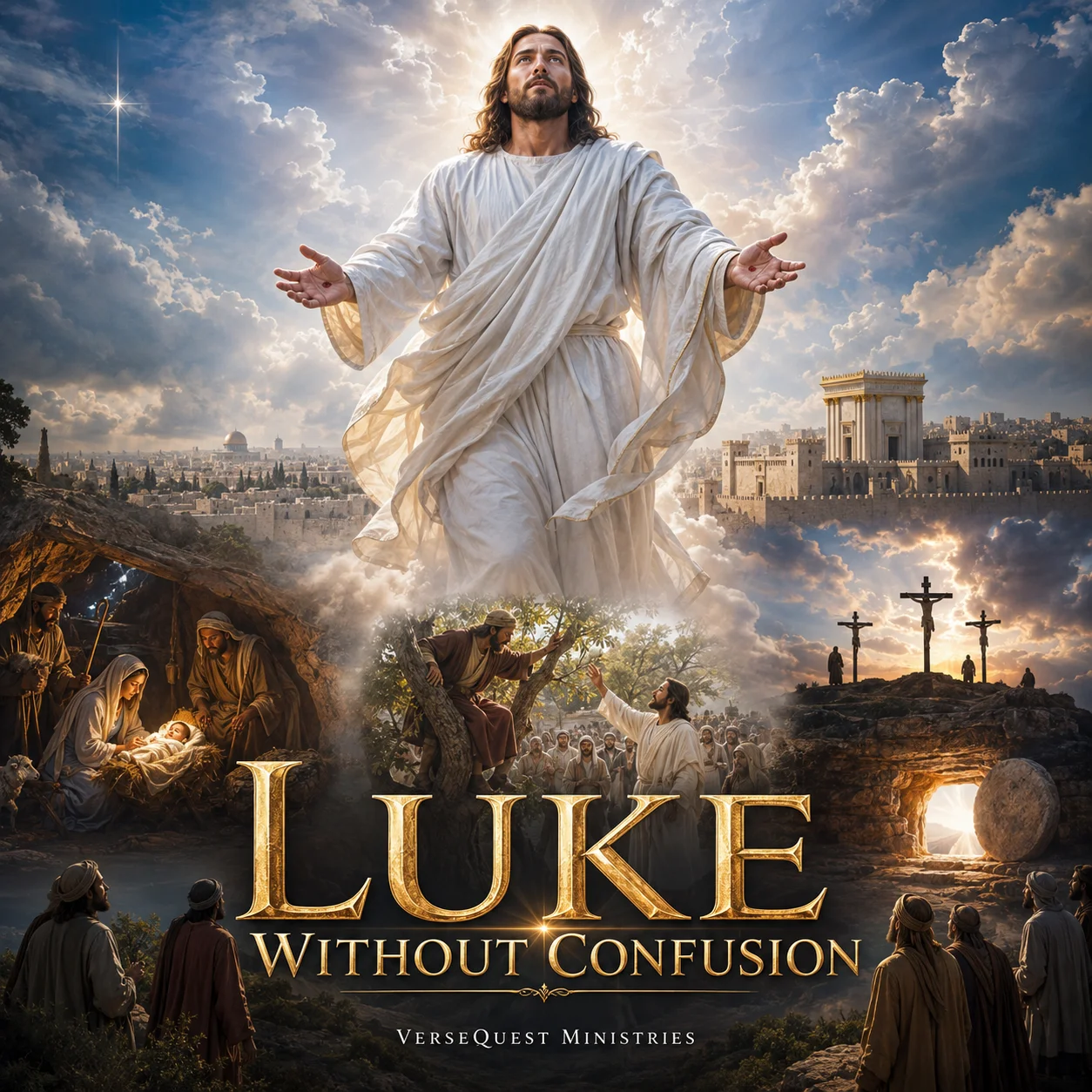
- Luke Without Confusion – 1,072-Page KJV Commentary PDF
- Luke Without Confusion is a massive 1,072-page KJV commentary covering all 24 chapters of Luke through 84 detailed studies. It includes a thorough introduction, a full conclusion, and a premium…
- $9.99
- Add to cart
-
-
VerseQuest Premium Library
-
-67%
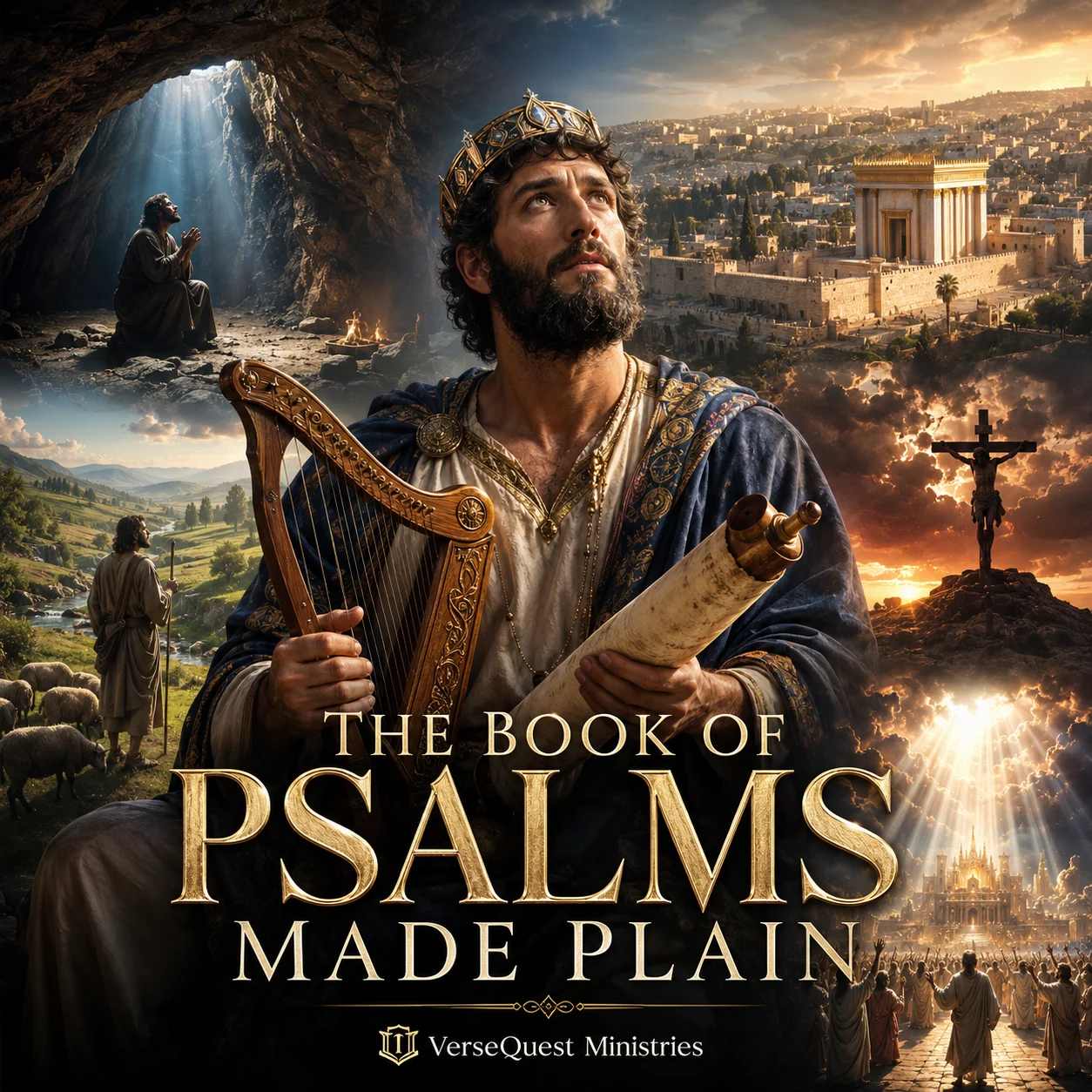
- The Book of Psalms Made Plain – 383-Page KJV Psalm Study
- The Book of Psalms Made Plain is a 383-page premium KJV Bible study featuring 54 detailed essays through the major themes, doctrines, prophecies, prayers, laments, and praises of the Psalms.…
- Original price was: $29.99.$9.99Current price is: $9.99.
- Add to cart
-
-67%
-
Premium Studies
-
-25%
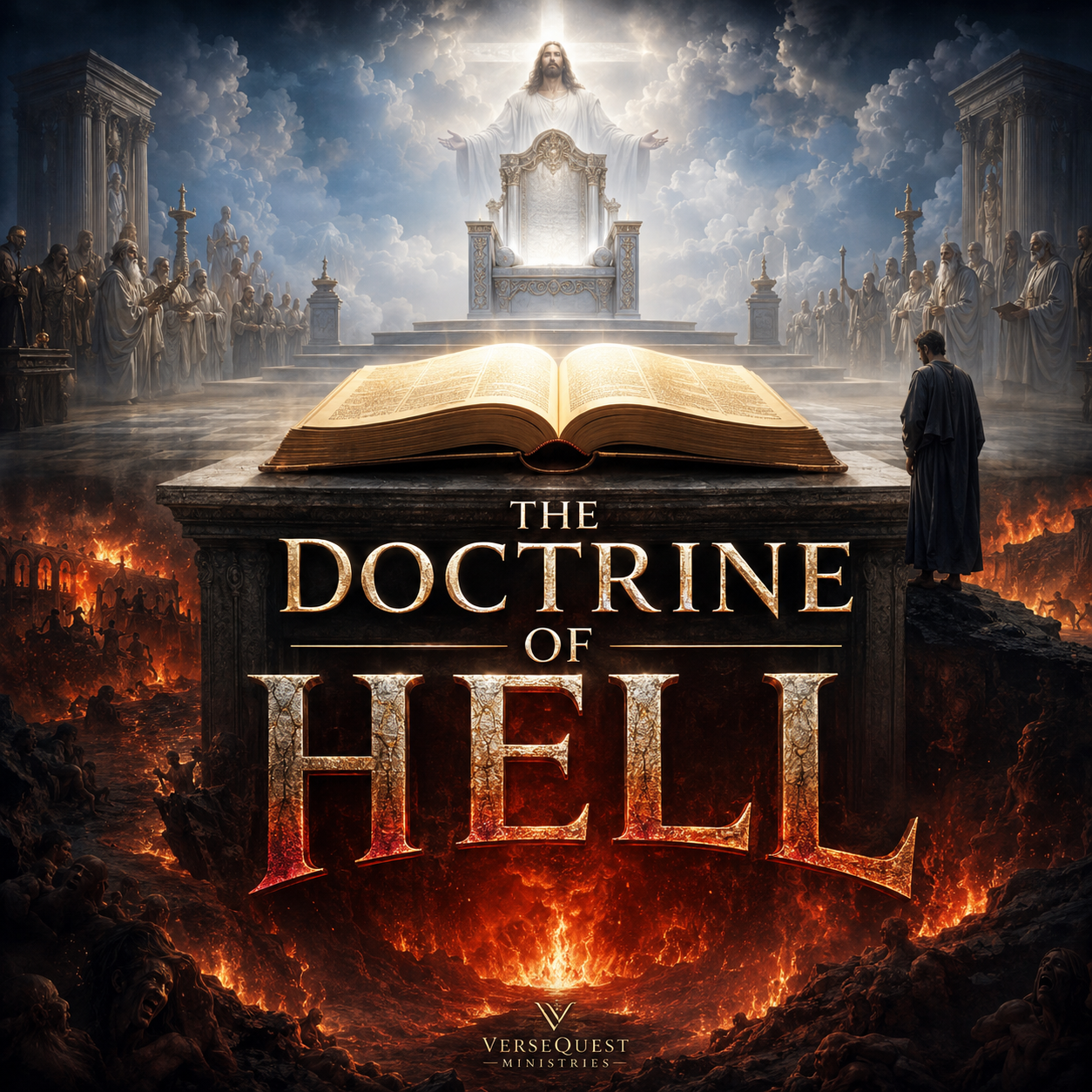
- The Doctrine of Hell — Premium Essay Series PDF
- A 383-page premium VerseQuest PDF study book containing 54 KJV essays on hell, fire, darkness, judgment, the lake of fire, the second death, and Jesus Christ as the only escape.
- Original price was: $39.99.$29.99Current price is: $29.99.
- Add to cart
-
-25%