
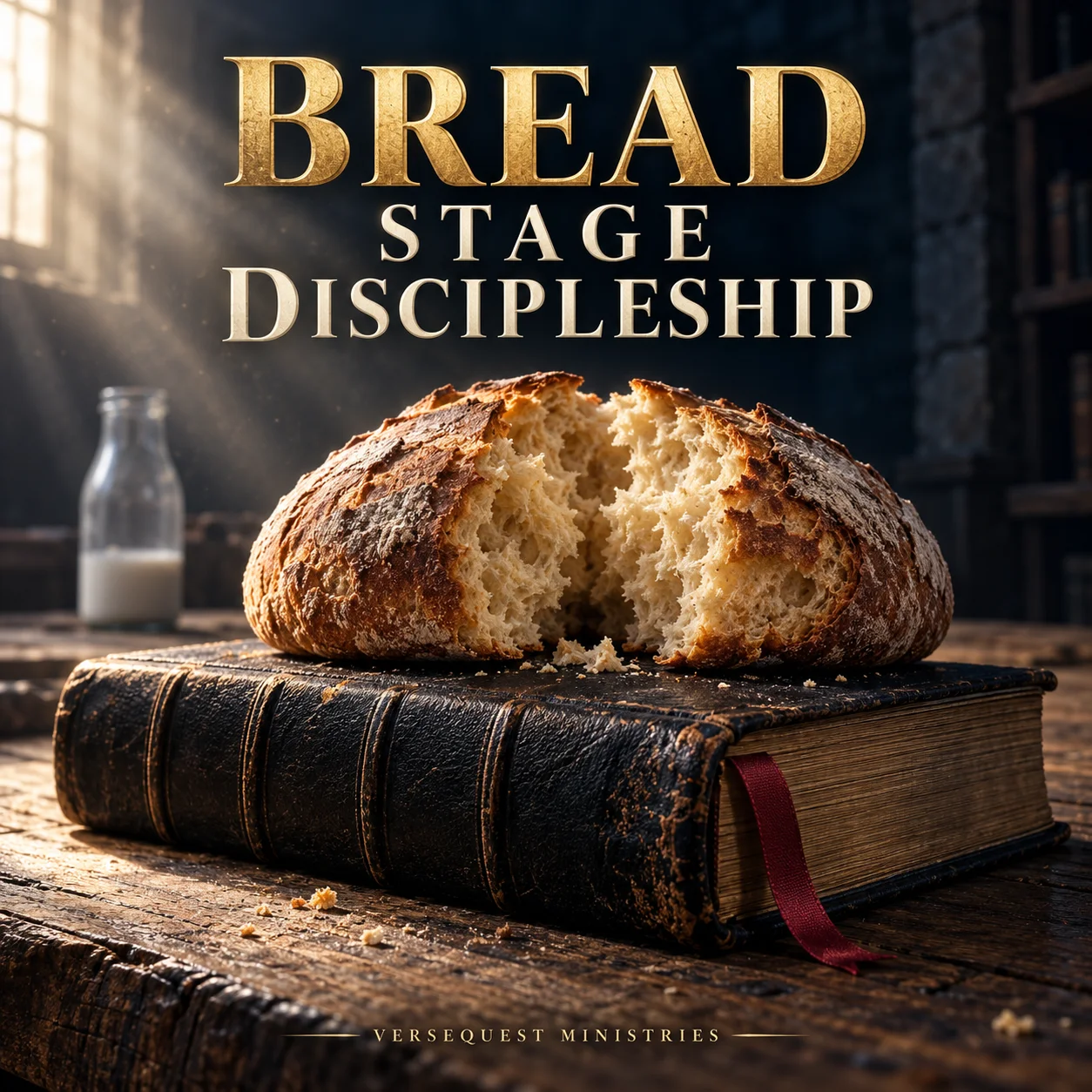
Bread Stage Discipleship – Learning How the Whole Bible Fits Together
Bread Stage Discipleship – Learning How the Whole Bible Fits Together is a 576-page downloadable PDF book containing seventy detailed KJV Bible studies. It moves beyond elementary discipleship by showing how biblical history, doctrine, prophecy, covenants, dispensations, peoples, gospels, kingdoms, and practical Christian responsibilities fit within one inspired Book.
Readers will examine the Bible’s structure and timeline, Israel and the Church, law and grace, the ministry of Christ, the transition in Acts, Paul’s apostleship, the mystery of the Body of Christ, the Rapture, sanctification, prayer, spiritual gifts, church order, rewards, and the conscious state of the dead. Designed for personal study, sermon preparation, discipleship classes, Sunday school, family instruction, and ministry training, this substantial digital volume is available for $34.99.
$34.99
Description
Bread Stage Discipleship – Learning How the Whole Bible Fits Together is a comprehensive 576-page digital book containing seventy substantial studies designed to move believers beyond foundational Milk-stage instruction into a working understanding of biblical structure, doctrine, history, dispensational truth, and Christian service. Available as a downloadable PDF for $34.99, this volume teaches readers to stop treating the Bible as a pile of disconnected religious sayings and begin seeing it as one inspired Book with an identifiable timeline, orderly divisions, distinct peoples, progressive revelation, and one divine Author.
The opening studies establish the inspiration and preservation of Scripture, the arrangement of the Bible’s sixty-six books, the distinction between the Old and New Testaments, the major biblical timeline, and the proper use of cross-references. Readers are taught to ask who is speaking, to whom he is speaking, and under what circumstances. They also learn to distinguish primary interpretation, doctrinal application, and spiritual application while recognizing figures, symbols, types, shadows, and prophetic connections without turning the Bible into a playground for uncontrolled imagination.
The historical studies carry the reader from creation, the Fall, the Flood, and Babel through Abraham, Isaac, Jacob, the twelve tribes, the Exodus, the law, the tabernacle, the wilderness journey, and the conquest of Canaan. The book then follows Israel through the judges, the united kingdom, the divided kingdom, the Assyrian and Babylonian captivities, and the remnant’s return to the land. These events are presented as literal history with continuing doctrinal and practical importance. Israel is neither erased from the Bible nor quietly replaced when her existence becomes inconvenient to a theological system.
The New Testament studies examine the four inspired portraits of Jesus Christ, the historical and dispensational setting of his earthly ministry, the transitional nature of Acts, the apostleship of Paul, and the distinctive purposes of the Pauline and General Epistles. Readers receive a dependable framework for understanding the kingdom of heaven, the kingdom of God, the gospel of the kingdom, the gospel of the grace of God, the mystery of the Body of Christ, the Rapture, and the difference between Israel, the Gentiles, and the Church of God.
The book also establishes vital distinctions between law and grace, standing and state, positional and practical sanctification, salvation and reward, personal conviction and biblical commandment, Christian liberty and fleshly license, and spiritual gifts and apostolic signs. Its practical studies address walking in the Spirit, renewing the mind, training the conscience, praying under grace, understanding unanswered prayer, recognizing false teachers, practicing biblical separation, maintaining scriptural worship, exercising church discipline, and preserving accountable church leadership.
Later studies examine the Judgment Seat of Christ, crowns and eternal rewards, the biblical distinction among body, soul, and spirit, and the conscious condition of the dead while the body awaits resurrection. Throughout the book, Scripture is allowed to define its own terms and establish its own divisions. Difficult subjects are explained clearly at the Bread level without dragging new students prematurely into every advanced controversy reserved for Strong Meat.
This resource is written for serious Bible students, pastors, preachers, teachers, Sunday school workers, discipleship leaders, families, and believers who want more than disconnected lessons and borrowed religious slogans. It may be studied consecutively as a seventy-lesson discipleship course or consulted topically when preparing sermons, classes, personal studies, and doctrinal discussions. Its central burden is straightforward: every verse is inspired and profitable, but every verse must be believed in its context and placed where God placed it.
The inspiration, purity, preservation, authority, and sufficiency of the King James Bible. The arrangement and individual functions of the Bible’s sixty-six books. The major historical and prophetic timeline running from creation to eternity. Contextual Bible study through speaker, audience, subject, setting, and doctrinal placement. Primary interpretation, doctrinal application, and legitimate spiritual application. Scripture interpreting Scripture through disciplined cross-referencing. Literal history, figurative language, biblical symbols, types, and shadows. Creation, the Fall, the Flood, Babel, and the origin of the nations. Abraham’s calling and the beginning of God’s distinct national program with Israel. The development of Israel through the patriarchs, Exodus, law, tabernacle, wilderness, and conquest. Israel’s judges, kings, divided kingdom, captivities, and return from Babylon. The difference between Israel, the Gentiles, and the Church of God. The continuing distinction between national Israel and the Body of Christ. The earthly ministry of Jesus Christ within its Jewish and kingdom setting. Acts as a transitional historical bridge rather than the sole doctrinal manual for the Church. Paul’s apostleship and the distinctive doctrinal importance of his epistles. The purpose and major emphasis of the Pauline and General Epistles. Biblical right division and changing divine instructions under different administrations. The Noahic, Abrahamic, Mosaic, Davidic, and New Covenants. The difference between law and grace, condemnation and justification, demand and provision. The kingdom of heaven, the kingdom of God, and Christ’s future earthly reign. The gospel of the kingdom and the gospel of the grace of God. The mystery of one spiritual Body composed of believing Jews and Gentiles. The pre-Tribulation Rapture and the believer’s bodily transformation. Standing and state, positional sanctification, practical growth, and future glorification. Walking in the Spirit through truth, obedience, prayer, and a renewed mind. Christian liberty governed by charity, conscience, edification, and responsibility. Personal convictions distinguished from explicit biblical commandments. Church-age prayer, divine providence, suffering, delayed answers, and sufficient grace. Spiritual gifts, apostolic signs, biblical tongues, and claims of modern faith healing. Biblical qualifications, responsibilities, and accountability in church leadership. Church discipline, restoration, separation, worship, and discernment concerning false teachers. The Judgment Seat of Christ, rewards, crowns, stewardship, and possible loss of reward. The scriptural distinction among body, soul, and spirit. Conscious existence after death, paradise, Hell, resurrection, and final judgment. Reading the whole Bible without stealing promises, misdirecting warnings, or erasing doctrinal distinctions.
- Central argument: The Bible is one preserved Book from one divine Author, but it contains different peoples, covenants, times, promises, responsibilities, and administrations that must be rightly divided.
- Essential study question: Before applying a verse, determine who is speaking, to whom the words are addressed, what subject is being discussed, and where the passage belongs in the biblical timeline.
- Authority principle: God inspired words rather than vague religious impressions, and the God who gave his words was fully capable of preserving them.
- Context principle: Every verse is profitable, but every command is not directly addressed to every person in every age.
- Historical framework: Creation, the Fall, the Flood, Babel, Abraham, Israel, Christ, Acts, the Church, the Rapture, Tribulation, Second Advent, Millennium, final judgment, and eternity form an identifiable biblical sequence.
- National distinction: Israel’s covenants, land, throne, kingdom, and prophetic future cannot be reassigned to the Church without violating the stated recipients of God’s promises.
- Church truth: The Body of Christ is one new spiritual organism composed of saved Jews and Gentiles under Christ as Head.
- Law and grace: The law reveals guilt and demands righteousness; grace supplies the righteousness the sinner cannot produce.
- Gospel distinction: The gospel of the kingdom announced the nearness of Israel’s promised King and kingdom, while the gospel of the grace of God centers upon Christ’s death, burial, and resurrection.
- Acts principle: Transitional events must be interpreted within their historical movement rather than automatically converted into permanent Church ordinances.
- Pauline priority: All Scripture is profitable, but Romans through Philemon provide the clearest direct doctrinal and practical instruction for the Body of Christ.
- Sanctification distinction: The believer is positionally sanctified in Christ, practically called to holy living, and destined for complete conformity to Christ at resurrection.
- Liberty principle: Christian liberty frees believers from condemnation and religious bondage but never authorizes surrender to the flesh.
- Conscience principle: Conscience is a witness that must be educated by Scripture, not an infallible internal authority.
- Prayer principle: Prayer is confident fellowship with God through Christ, not a formula for compelling God to perform the petitioner’s preferred outcome.
- Spiritual-gifts principle: Gifts are given for service and edification rather than personal celebrity, spiritual rank, or commercial performance.
- Church-order principle: Pastors and other leaders remain stewards under Scripture; the congregation belongs to Christ rather than the personality occupying the pulpit.
- Separation principle: Biblical separation rejects sin and false doctrine without producing proud isolation or contempt for the lost.
- Worship principle: Worship must be governed by spirit and truth rather than emotional manipulation, entertainment, and spectacle.
- Accountability principle: Salvation is received freely by grace, but Christian service will be examined at the Judgment Seat of Christ.
- Human constitution: Scripture distinguishes body, soul, and spirit even when all three are closely related in living human experience.
- Death distinction: The body sleeps in the grave while the departed person remains conscious.
- Final-state distinction: Paradise, Hell, resurrection, the Judgment Seat, the Great White Throne, the lake of fire, and the eternal state must not be blended into one event or location.
- Memorable teaching point: Right division does not remove Scripture; it removes confusion.
- Memorable teaching point: A promise without its biblical address can become stolen mail in the hands of an undisciplined reader.
- Further study: Examine how Old Testament prophecies concerning Israel differ from Pauline revelations concerning the Body of Christ.
- Further study: Compare temporary conditions after death with the final conditions following bodily resurrection.
- Further study: Trace every occurrence of “mystery” in Paul’s epistles and identify what was previously hidden but later revealed.
This book may be used as a seventy-lesson personal discipleship course for believers who already understand the elementary truths of salvation but need a broader grasp of the Bible’s structure and doctrinal relationships. A reader can work through one study at a time, examine the cited passages in an open King James Bible, record major distinctions, and develop a dependable framework for continued study.
Pastors and preachers can use the volume to prepare doctrinal sermons, Wednesday evening Bible studies, new-member training, leadership instruction, and multiweek teaching series. Each major subject is sufficiently developed to provide a teaching foundation while leaving room for additional exposition, illustrations, and local application.
Sunday school teachers and small-group leaders can divide the book into weekly lessons covering Bible history, right division, Israel and the Church, law and grace, the Pauline Epistles, Christian growth, church order, prophecy, and eternal accountability. The progression of the studies makes the material particularly suitable for structured classes rather than disconnected topical meetings.
Families may use the book for advanced family Bible study with older children and teenagers who are ready to move beyond introductory Bible stories. Parents can select subjects appropriate to the family’s present needs and use the related Scriptures for reading, review, discussion, and doctrinal clarification.
Bible institutes, homeschool programs, Christian schools, and ministry-training classes may use the volume as a supplemental discipleship text. Its seventy-study structure lends itself to lesson assignments, reading schedules, written summaries, Scripture-memory work, review questions, and teacher-led discussion.
A King James Bible with wide margins for recording cross-references, definitions, dispensational distinctions, and lesson summaries.
A complete King James Bible concordance for tracing repeated words, expressions, persons, locations, and doctrinal connections.
A reliable Bible dictionary for historical background, weights and measures, geography, offices, objects, and customs.
A Bible atlas containing maps of the patriarchal journeys, Exodus, conquest of Canaan, divided kingdom, captivities, Christ’s ministry, and Paul’s missionary journeys.
A Bible timeline showing creation, the patriarchs, Israel’s history, the earthly ministry of Christ, Acts, the Church Age, and future prophetic events.
A cross-reference Bible or treasury of Scripture references for comparing passages without surrendering the interpretation to commentary notes.
A notebook organized around the three questions: Who is speaking? To whom? About what?
Focused study of Romans through Philemon for the believer’s Church-age position, doctrine, walk, service, and hope.
Careful study of Romans 9–11 for the continuing distinction between Israel and the Church.
Comparative reading of Matthew, Acts, Romans, Galatians, Hebrews, and Revelation to observe changes in audience, setting, responsibility, and prophetic emphasis.
The existing VerseQuest Romans Without Confusion study as a companion resource for Pauline doctrine, grace, Israel, and right division.
VerseQuest studies on Law vs Grace, What Happens After You Die?, and the Pre-Tribulation Rapture for deeper treatment of major subjects introduced in this book.
Related products
-
Daniel Bible study
-
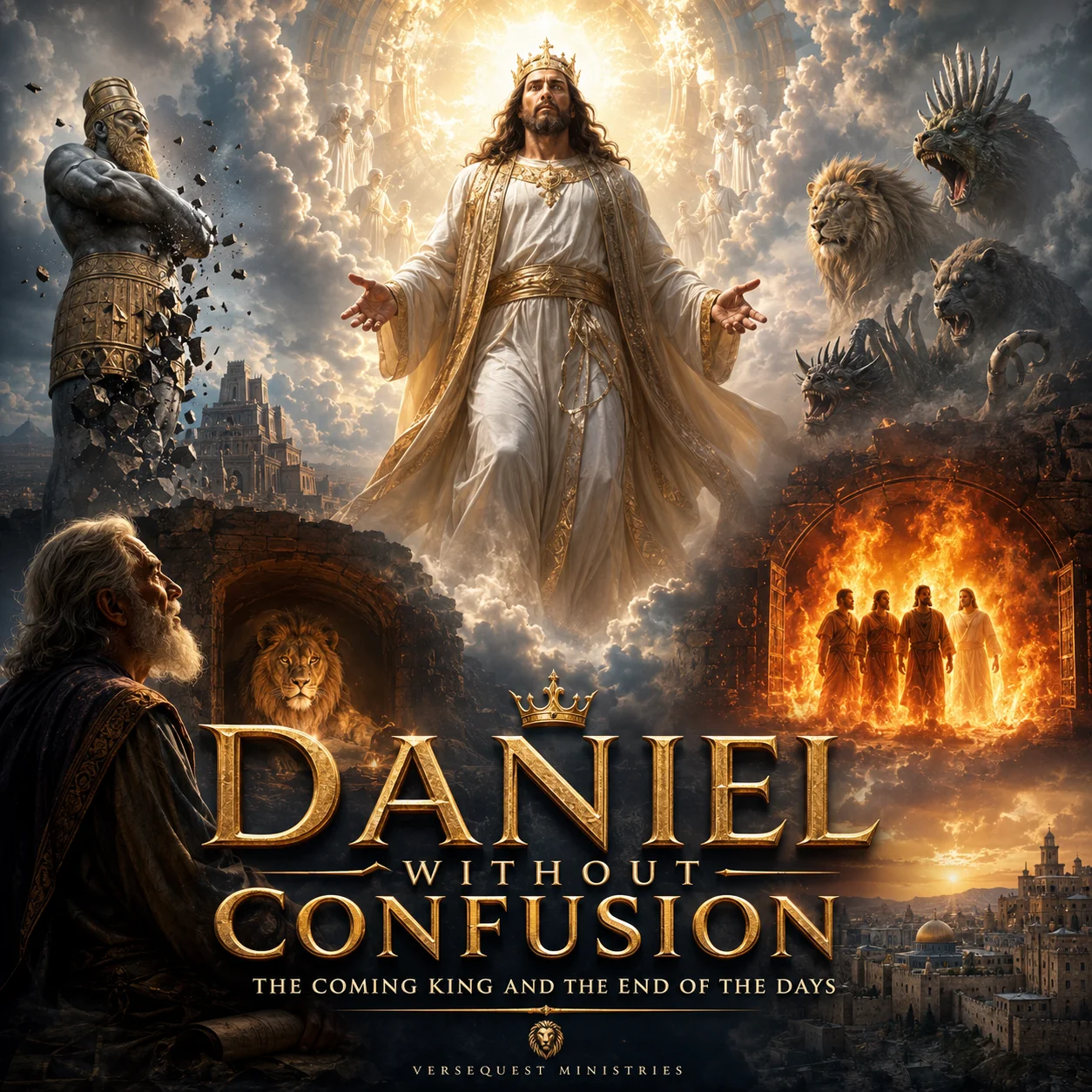
- Daniel Without Confusion — KJV Prophecy Study PDF Book
- A 392-page KJV Bible study through the book of Daniel, covering Babylon, Gentile kingdoms, the seventy weeks, Antichrist, Jacob’s trouble, resurrection, and the coming King. Digital PDF download. Price: $9.99.
- $9.99
- Add to cart
-
-
Doctrine
-
-50%
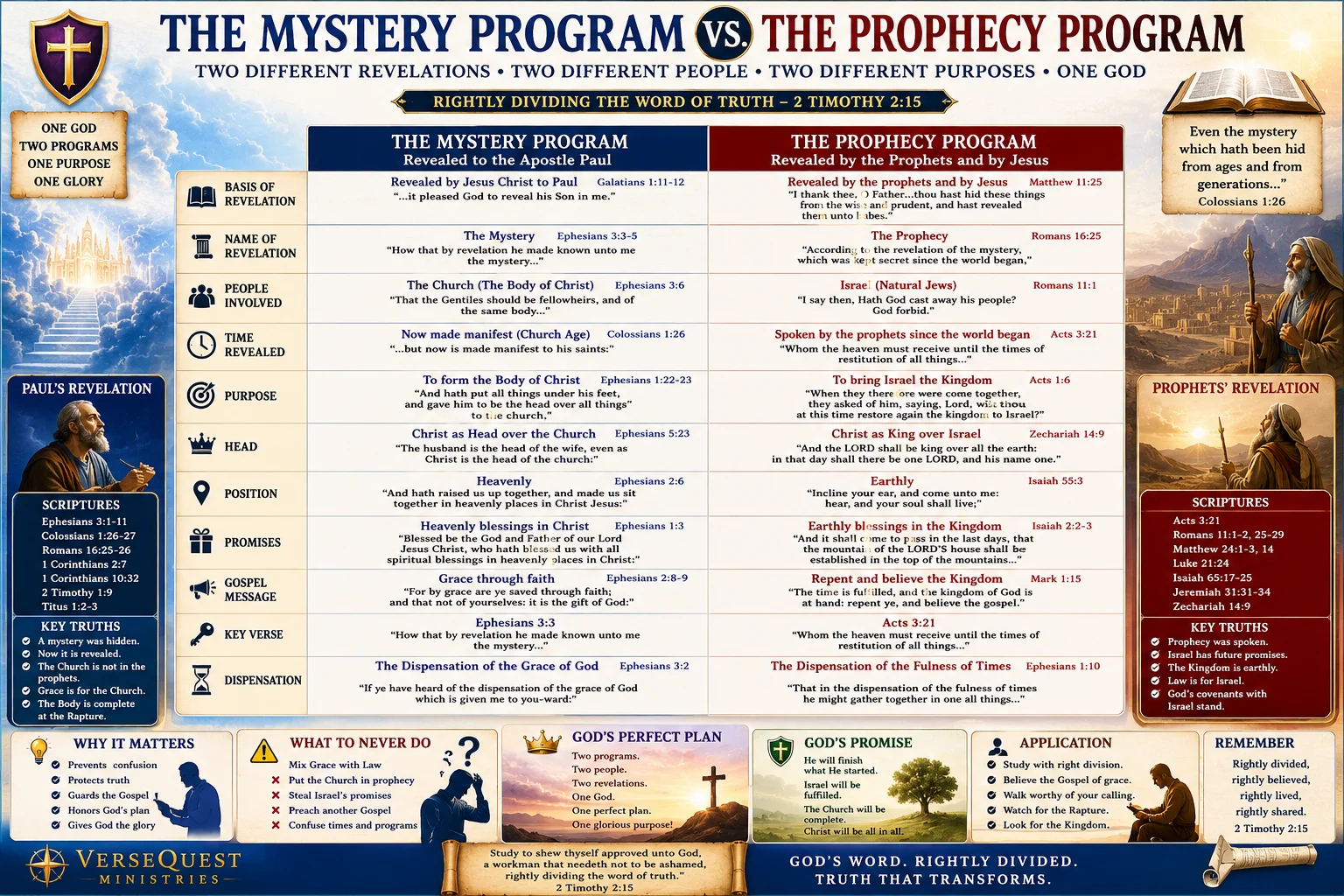
- The Mystery Program vs. Prophecy Program Chart — KJV Rightly Divided
- Premium printable KJV Bible study chart comparing the mystery program revealed through Paul with the prophecy program spoken by the prophets. Rightly divided and designed for teaching and personal study.
- Original price was: $10.00.$4.99Current price is: $4.99.
- Add to cart
-
-50%
-
Circumcision
-
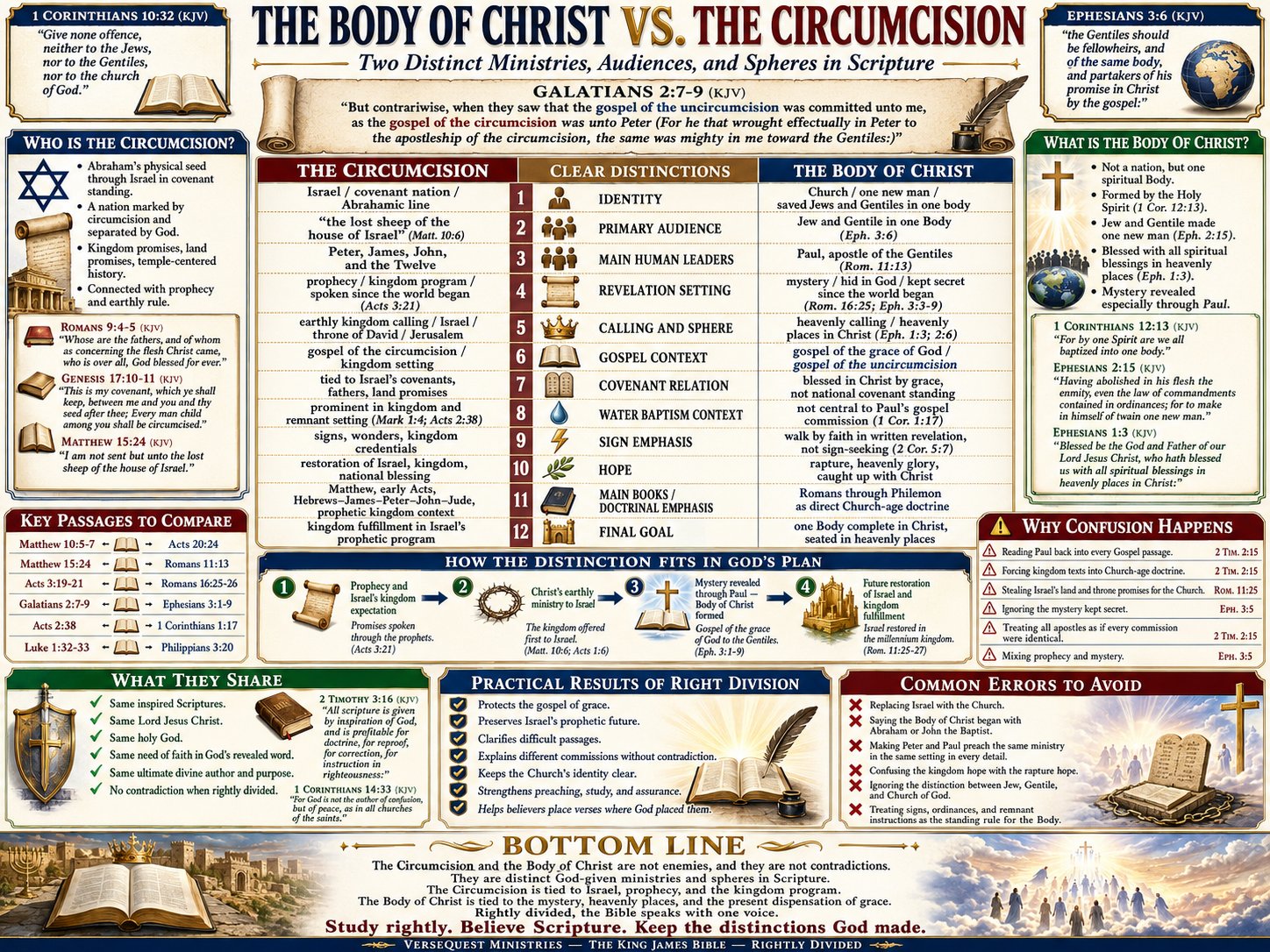
- The Body of Christ vs. the Circumcision – Two Distinct Ministries, Audiences, and Spheres in Scripture (KJV Bible Study Chart)
- Compare the Body of Christ and the circumcision with this detailed KJV chart covering Israel, Peter, Paul, prophecy, mystery, covenant promises, baptism, signs, and the Church’s heavenly hope.
- $3.99
- Add to cart
-
-
Law vs Grace
-
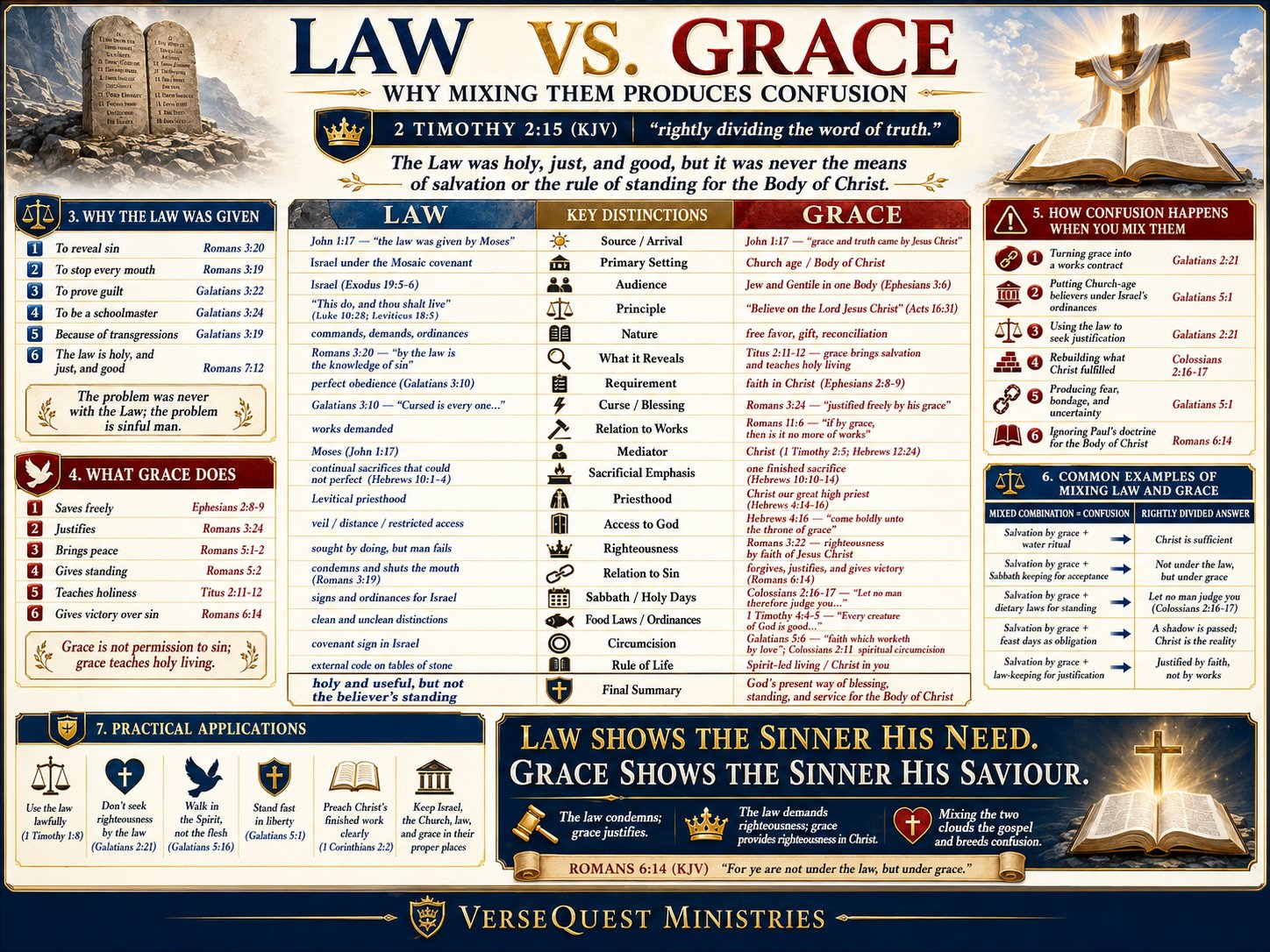
- Law vs. Grace Bible Study Chart – Why Mixing Them Produces Confusion (KJV)
- Compare law and grace with this detailed KJV Bible study chart explaining salvation, justification, holiness, Israel’s Mosaic covenant, Christian liberty, and the danger of mixing law with the gospel.
- $3.99
- Add to cart
-
-
The Rapture
-
-67%
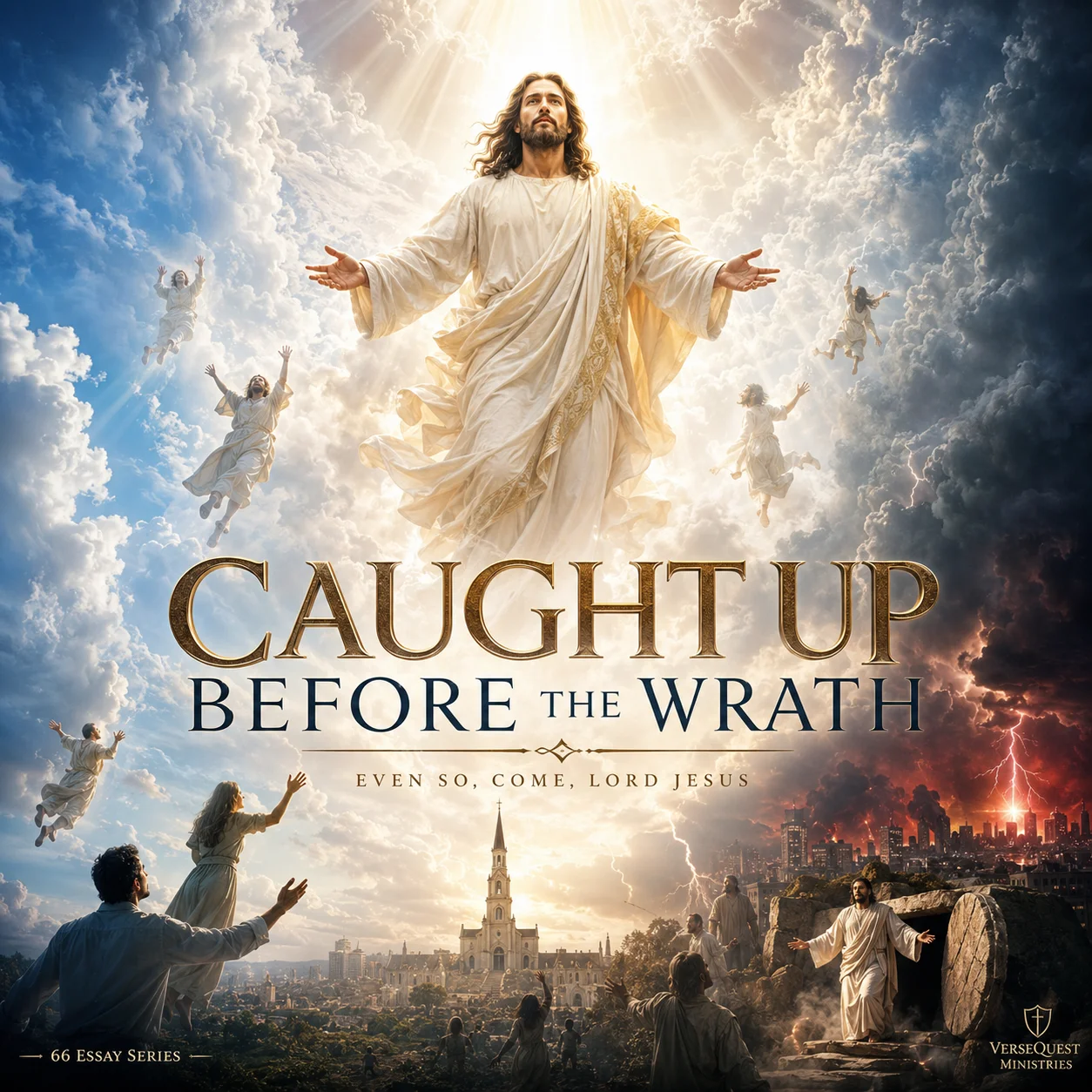
- Caught Up Before the Wrath – 66-Essay KJV Rapture Study
- Caught Up Before the Wrath is a 430-page premium KJV Bible study defending the pre-tribulation Rapture of the Church from a rightly divided, dispensational perspective. This 66-essay VerseQuest Ministries book…
- Original price was: $29.99.$9.99Current price is: $9.99.
- Add to cart
-
-67%