
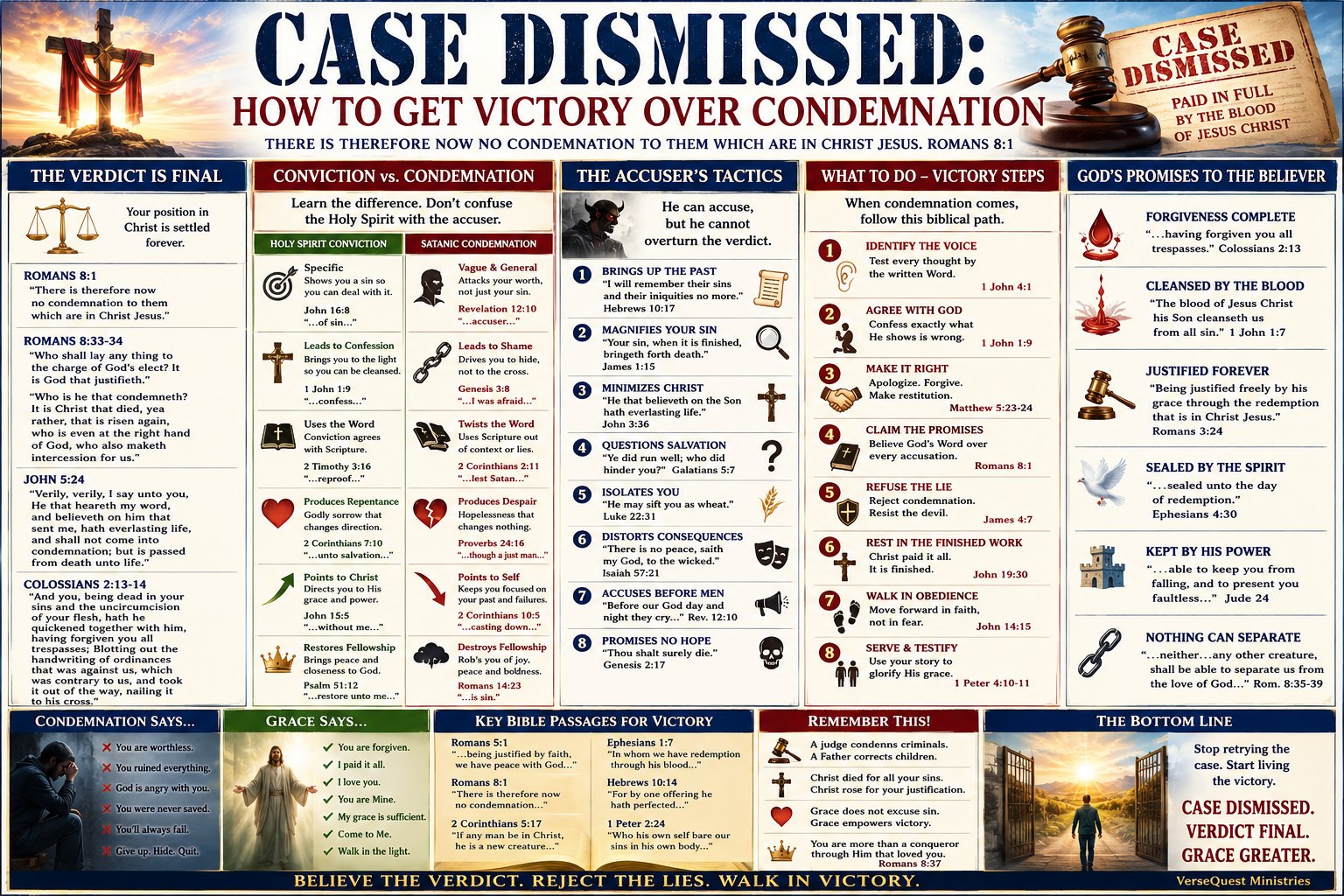
Case Dismissed – How to Get Victory Over Condemnation Through Christ’s Finished Work (KJV Bible Study Chart)
Find victory over condemnation with this detailed KJV chart covering Romans 8:1, conviction versus accusation, Satan’s tactics, confession, Christ’s finished work, eternal security, and walking forward in grace.
$3.99
Description
Case Dismissed: How to Get Victory Over Condemnation is a detailed KJV Bible study chart explaining how believers can distinguish the Holy Spirit’s conviction from Satan’s condemnation, answer the accuser with Scripture, rest in the finished work of Jesus Christ, and walk forward in assurance, obedience, and victory.
Built around Romans 8:1, this chart begins with God’s settled verdict concerning everyone who is in Christ Jesus: “There is therefore now no condemnation to them which are in Christ Jesus.” The justified believer’s eternal case has been answered by the death, burial, and resurrection of the Lord Jesus Christ. The debt has been paid, the sentence has been exhausted, and no accusation can overturn the righteousness God has given the believer in His Son.
Condemnation often feels persuasive because it speaks through memories, failures, fears, emotions, and unresolved guilt. It reminds believers of their worst moments, magnifies present weakness, minimizes the sufficiency of Christ, and attempts to turn conviction into despair. The chart teaches Christians to test every accusing thought by the written Word rather than accepting every painful feeling as the voice of God.
The first section establishes that the verdict is final. Romans 8:33 asks, “Who shall lay any thing to the charge of God’s elect? It is God that justifieth.” The believer’s standing does not rest upon personal perfection, emotional strength, or an ability to defend his own record. It rests upon the God who justifies and the Christ who died, rose again, sits at God’s right hand, and makes intercession for His people.
John 5:24 teaches that the believer possesses everlasting life, will not come into condemnation, and has passed from death unto life. Salvation is not a temporary suspension of judgment. It is a present and eternal standing secured through faith in Jesus Christ.
Colossians 2:13–14 presents the believer as forgiven and describes the handwriting of ordinances that stood against him as blotted out and nailed to Christ’s cross. The accusations may continue speaking, but the legal debt they cite has already been answered by the blood of Jesus Christ.
A central feature of the chart is the comparison between Holy Spirit conviction and satanic condemnation. These must not be confused. Conviction is specific, truthful, scriptural, restorative, and centred upon fellowship with God. Condemnation is vague, crushing, hopeless, self-focused, and designed to drive the believer away from Christ.
The Holy Spirit identifies a particular sin or area of disobedience that must be confessed and corrected. He brings the believer into the light so cleansing, repentance, restored fellowship, and renewed obedience can follow.
Condemnation attacks the believer’s entire worth and identity. It does not merely say, “This action was sinful.” It says, “You are worthless, rejected, hopeless, and beyond restoration.” It turns a specific failure into a sweeping verdict upon the entire person.
Conviction agrees with Scripture. The Spirit uses God’s Word to expose sin accurately and lead the believer toward truth. Condemnation twists Scripture, removes verses from their context, ignores grace, and uses biblical language as a weapon against assurance.
Conviction produces godly sorrow leading to repentance. It brings the believer to honest confession and practical change. Condemnation produces shame, hiding, fear, despair, paralysis, and the desire to withdraw from prayer, church, fellowship, and service.
Conviction points toward Christ’s grace and power. Condemnation keeps the believer staring at himself, replaying his failure, and measuring his acceptance through personal performance.
Conviction restores fellowship and peace. Condemnation attempts to rob joy, boldness, usefulness, confidence, and Christian witness. The Spirit corrects as a faithful Comforter; the accuser attacks as an enemy.
The chart then exposes the accuser’s tactics. Revelation 12 describes Satan as the accuser of the brethren. Although he cannot overturn God’s verdict, he attempts to keep believers spiritually imprisoned by accusations that Christ has already answered.
The accuser brings up the past. He reopens forgiven sins, rehearses old failures, and treats memories as though they were still active charges before God. Hebrews 10:17 answers with God’s promise: “Their sins and iniquities will I remember no more.”
He magnifies sin while minimizing the Saviour. Sin is serious and must never be excused, but condemnation presents the believer’s failure as greater than Christ’s blood, grace, intercession, and completed redemption.
The accuser questions salvation. He uses present struggles to suggest that God never saved the believer or that eternal life has been forfeited. Galatians describes those who once ran well but became hindered; failure in the Christian walk must not automatically be confused with the absence or loss of salvation.
The accuser isolates believers. He tells them they are disqualified from fellowship, too ashamed to pray, too broken to seek counsel, and too far gone to return. Isolation removes the very means God uses for restoration: Scripture, prayer, confession, fellowship, counsel, and obedient service.
He distorts the consequences of sin. A believer may experience chastening, damaged fellowship, lost opportunities, or painful earthly results without being eternally condemned. Isaiah distinguishes the peace of the righteous from the unrest of the wicked, but the justified believer’s secure position must not be confused with his present condition.
The accuser also condemns before men. He exploits gossip, criticism, public failure, and human judgment to make the Christian believe that another person’s opinion has greater authority than God’s verdict.
Finally, the accuser promises no hope. His message is always, “You will never change,” “You have ruined everything,” “God is finished with you,” or “You might as well quit.” Grace answers that Christ restores, corrects, cleanses, strengthens, and continues His work in those who belong to Him.
The chart provides eight practical victory steps. The first is to identify the voice. Every thought must be tested by Scripture. First John 4:1 commands believers to try the spirits rather than accepting every inward impression as divine.
The second step is to agree with God. When the Lord exposes genuine sin, the believer should confess it exactly rather than excuse, minimize, rename, or defend it. First John 1:9 promises forgiveness and cleansing to the believer who confesses honestly.
The third step is to make matters right. Biblical repentance may require apology, restitution, reconciliation, changed conduct, or correcting harm done to another person. Grace does not excuse sin; it empowers truthful restoration.
The fourth step is to claim God’s promises. The believer must place the written Word above every accusation. Romans 8:1, John 5:24, Ephesians 1:7, Hebrews 10:14, and other clear passages provide an objective answer when emotions remain unsettled.
The fifth step is to refuse the lie. Condemnation should not be entertained, negotiated with, or repeatedly rehearsed. The believer should resist the devil, reject false accusations, and replace deceptive thoughts with Scripture.
The sixth step is to rest in Christ’s finished work. Jesus declared, “It is finished.” The believer is not required to create an additional payment through self-punishment, endless guilt, religious performance, or repeated attempts to earn forgiveness.
The seventh step is to walk in obedience. Grace does not leave the believer sitting beneath the ruins of yesterday. It calls him to rise, obey what God has shown him, and move forward through faith rather than fear.
The eighth step is to serve and testify. A restored believer can use his testimony to glorify God’s grace and help others who are trapped beneath false condemnation. God’s mercy does not make sin admirable; it makes Christ’s saving and restoring power visible.
The chart gathers powerful promises concerning the believer’s security. Colossians 2 declares forgiveness complete. First John 1:7 teaches that Christ’s blood cleanses from all sin. Romans 3 teaches that believers are justified freely by grace.
Ephesians 4:30 states that believers are sealed by the Holy Spirit unto the day of redemption. Jude declares that God is able to keep His people from falling and present them faultless before His glory. Romans 8 promises that nothing can separate the believer from God’s love in Christ.
These promises do not teach that sin is harmless. They teach that Jesus Christ is sufficient. Grace does not erase accountability, chastening, confession, repentance, or obedience, but it does prevent those realities from being turned into another system of eternal condemnation.
The chart contrasts the voice of condemnation with the voice of grace. Condemnation says, “You are worthless,” “You ruined everything,” “God is finished with you,” “You were never saved,” and “You will always fail.”
Grace answers, “You are forgiven,” “Christ paid the debt,” “You belong to Him,” “His grace is sufficient,” “Come into the light,” and “Walk forward in faith.”
The believer must remember the difference between a criminal judge and a loving Father. A judge condemns the guilty, but a father corrects his child. God’s chastening may be painful, but it proves relationship and seeks holiness rather than eternal destruction.
Christ died for all the believer’s sins, not merely those committed before salvation. His resurrection secured justification, and His present intercession answers every accusation brought against those who belong to Him.
Romans 8 describes believers as more than conquerors through Christ. Victory over condemnation does not come through pretending failure never occurred. It comes through confessing real sin, rejecting false charges, believing God’s verdict, and walking in the power of grace.
The chart’s final message is memorable: stop retrying the case. The believer does not need to reopen a charge that Jesus Christ settled at Calvary. The verdict is final, the payment is complete, and grace is greater.
This resource is ideal for personal Bible study, assurance counseling, eternal-security teaching, recovery from shame, Christian discipleship, pastoral counseling, new-believer instruction, church-hurt recovery, addiction ministry, Sunday school, homeschool Bible curriculum, Bible institutes, sermon preparation, and anyone struggling with guilt, accusation, or fear of condemnation.
Victory over condemnation, Romans 8:1, no condemnation in Christ, conviction versus condemnation, Holy Spirit conviction, the accuser of the brethren, finished work of Christ, case dismissed, eternal security, justification by faith, forgiveness through Christ’s blood, confession and restoration, false guilt, Christian assurance, sealed by the Holy Spirit, resisting Satan’s lies, grace greater than sin, fellowship with God, chastening versus condemnation, walking in victory
Romans 8:1 gives the believer God’s settled verdict: there is no eternal condemnation to those who are in Jesus Christ.
No condemnation does not mean no conviction, correction, chastening, accountability, or consequences. These categories must remain distinct.
Holy Spirit conviction is specific. It identifies what is wrong and brings the believer into agreement with Scripture.
Condemnation is vague and sweeping. It attacks the believer’s identity, worth, hope, and standing rather than addressing one correctable act.
Conviction leads toward confession, cleansing, repentance, fellowship, and obedience. Condemnation leads toward shame, hiding, isolation, paralysis, and despair.
The Holy Spirit uses Scripture accurately. The accuser twists truth, ignores context, and uses selected facts without acknowledging Christ’s finished work.
Godly sorrow produces repentance. Destructive sorrow continually punishes the believer without moving him toward biblical restoration.
Christ’s death answered the believer’s guilt. His resurrection secured justification, and His intercession answers continuing accusations.
Romans 8:33 asks who can bring a successful charge against those whom God has justified. No accusation can reverse God’s declaration.
John 5:24 teaches that the believer has everlasting life and will not come into condemnation. Eternal life is a present possession.
Colossians 2 describes the believer’s offenses as forgiven and the record that stood against him as nailed to Christ’s cross.
The phrase “It is finished” excludes every attempt to add self-punishment, religious works, or prolonged misery as an additional payment for sin.
Confession does not save the believer again. It restores honesty, cleansing, fellowship, joy, and practical obedience within the Christian walk.
The believer should make restitution and seek reconciliation where Scripture requires it. Resting in grace must not become an excuse for avoiding responsibility.
Grace does not deny the seriousness of sin. It declares that Christ’s sacrifice is greater than the believer’s guilt.
Chastening is fatherly correction rather than judicial condemnation. Hebrews 12 presents discipline as evidence that the believer belongs to God.
A Christian may suffer painful consequences after being forgiven. Consequences do not prove that eternal condemnation has returned.
The accuser often uses the past because the past cannot be changed. God directs the believer toward present confession, obedience, and future usefulness.
Isolation strengthens condemnation. Believers should seek Scripture, prayer, sound fellowship, and mature biblical counsel.
Feelings are not the final authority. A believer may feel condemned while remaining justified, accepted, sealed, and secure in Christ.
Repeatedly retrying a settled case dishonours the sufficiency of Christ. The believer should believe God’s verdict rather than attempting to produce a more painful sentence against himself.
Victory requires both faith and obedience. The believer rests in Christ’s work while responding honestly to anything God reveals as sin.
The practical response is to identify the voice, confess genuine sin, correct what can be corrected, claim Scripture, reject false accusations, rest in Christ, obey God, and serve faithfully.
The final truth is simple: the case has been dismissed because Jesus Christ paid it in full.
Overcoming condemnation, assurance-of-salvation counseling, distinguishing conviction from accusation, recovery from shame, confessing and forsaking sin, resisting satanic lies, eternal-security teaching, restoring Christian fellowship, helping discouraged believers, pastoral counseling, addiction recovery ministry, new-believer discipleship, church-hurt recovery, Christian living classes, Sunday school lessons, homeschool Bible curriculum, Bible institute instruction, sermon preparation
King James Bible, Strong’s Concordance, Thompson Chain-Reference Bible, Treasury of Scripture Knowledge, Nave’s Topical Bible, Romans 5–8 study notes, 1 John fellowship studies, Hebrews 10 commentary materials, eternal-security Scripture cards, assurance-of-salvation workbook, confession and restoration worksheets, Christian counseling resources, spiritual-warfare studies, grace-versus-condemnation notes, VerseQuest salvation and Christian Living charts
Related products
-
Spiritual Growth
-
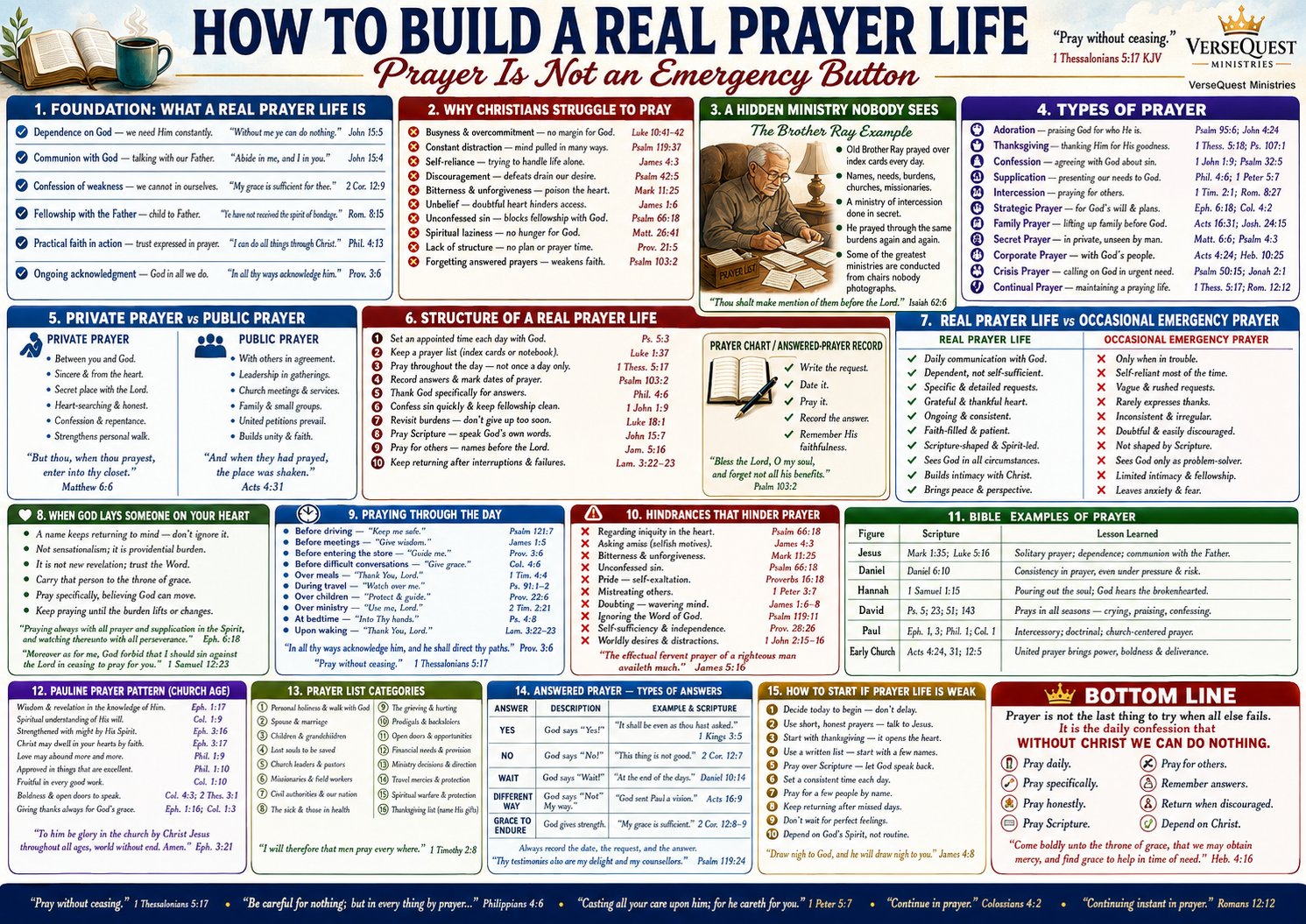
- How to Build a Real Prayer Life – Biblical Prayer Guide and KJV Bible Study Chart
- Build a consistent, biblical prayer life with this detailed KJV Bible study chart. Explore the foundations of prayer, types of prayer, common hindrances, answered prayer, Bible examples, and practical ways…
- $3.99
- Add to cart
-
-
Bitterness
-
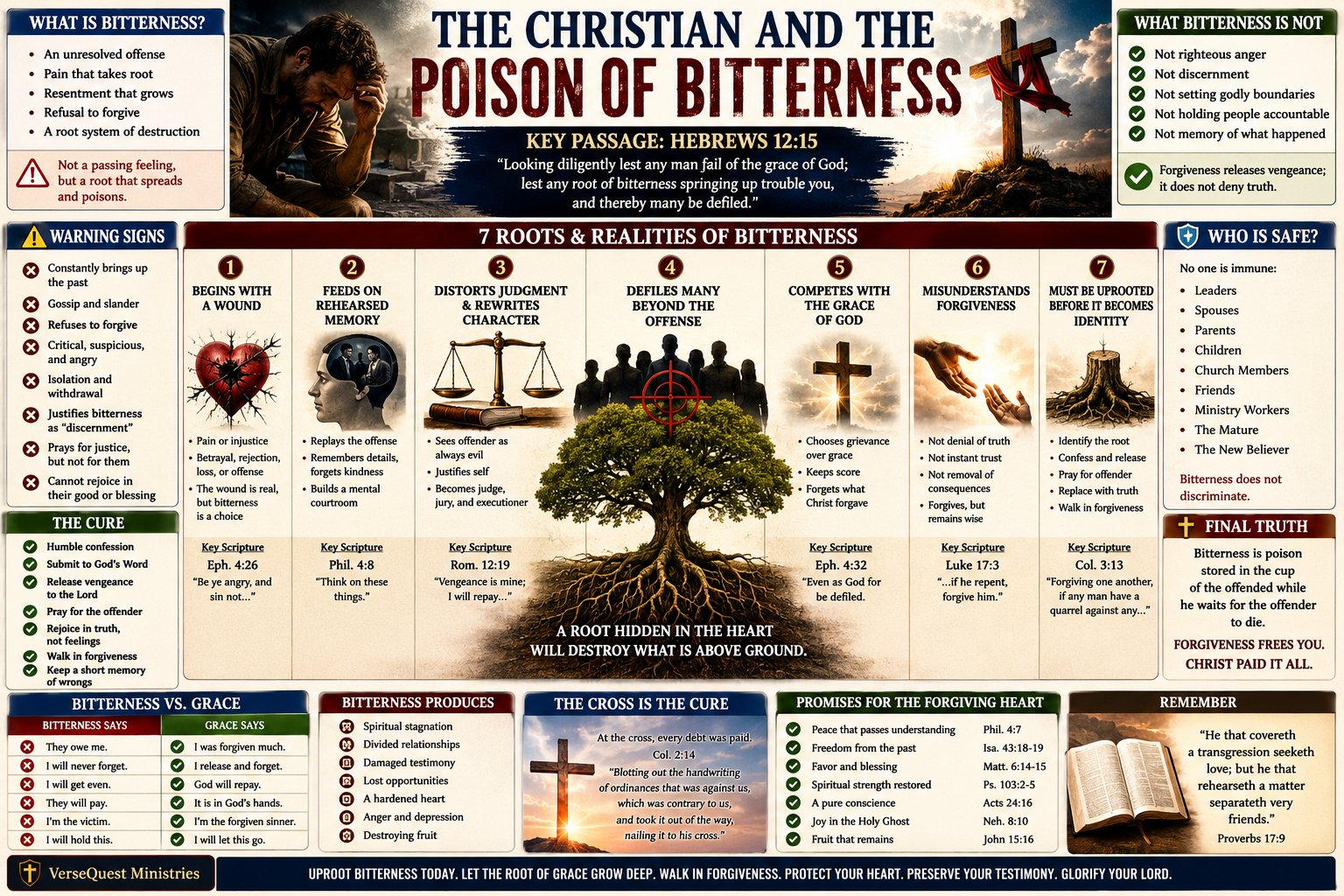
- The Christian and the Poison of Bitterness Bible Study Chart – Forgiveness, Grace, and Healing the Heart (KJV)
- Expose and uproot bitterness with this detailed KJV Bible study chart covering unresolved offenses, warning signs, forgiveness, grace, wise boundaries, the cross, and healing for the Christian heart.
- $3.99
- Add to cart
-
-
Biblical Submission
-
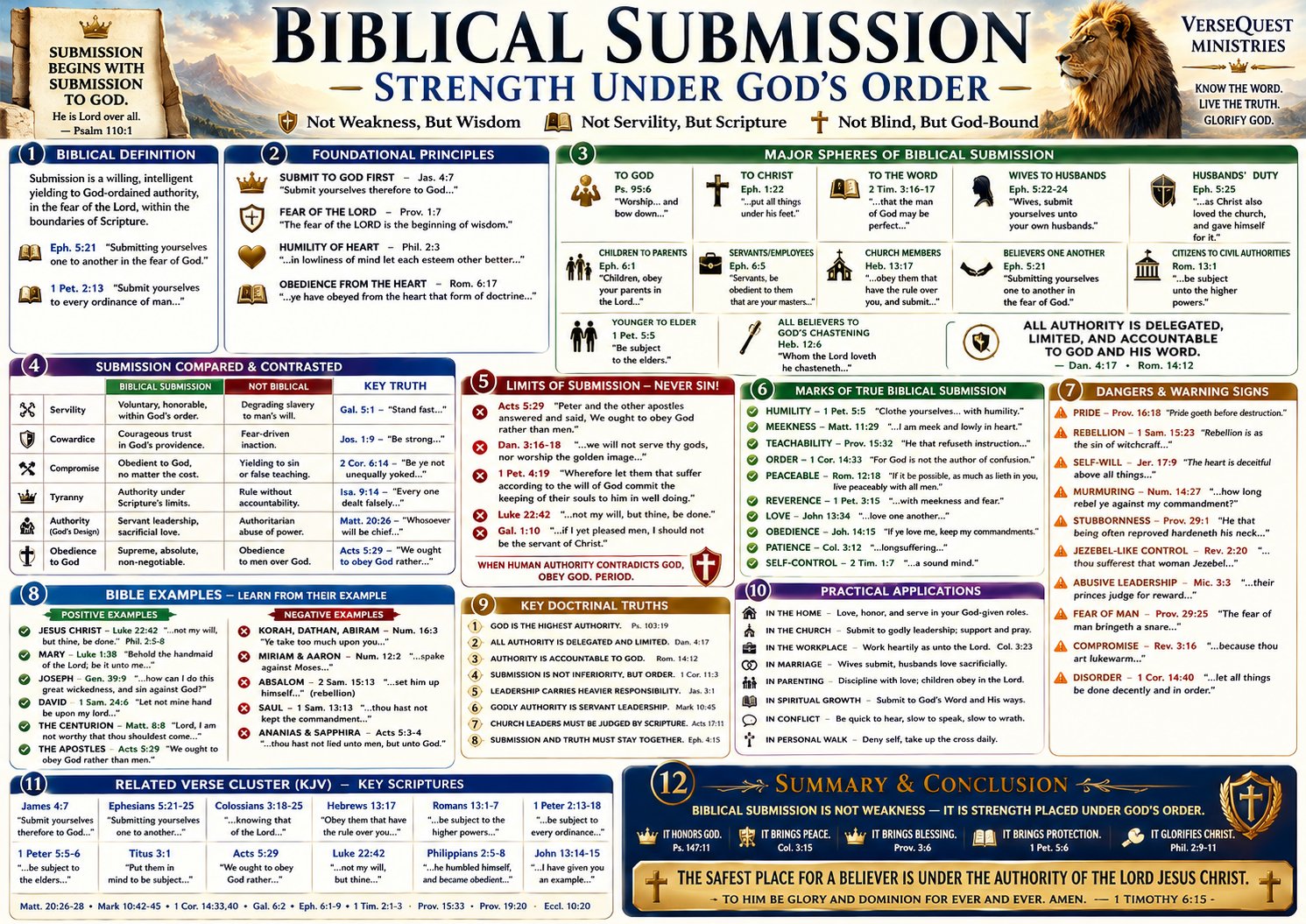
- Biblical Submission Bible Study Chart – Strength Under God’s Order, Authority, and Scriptural Limits (KJV) Product Description
- Study biblical submission with this detailed KJV chart covering God-ordained authority, servant leadership, obedience, marriage, church, government, and the Scriptural limits of submission.
- $3.99
- Add to cart
-
-
Christian Growth
-
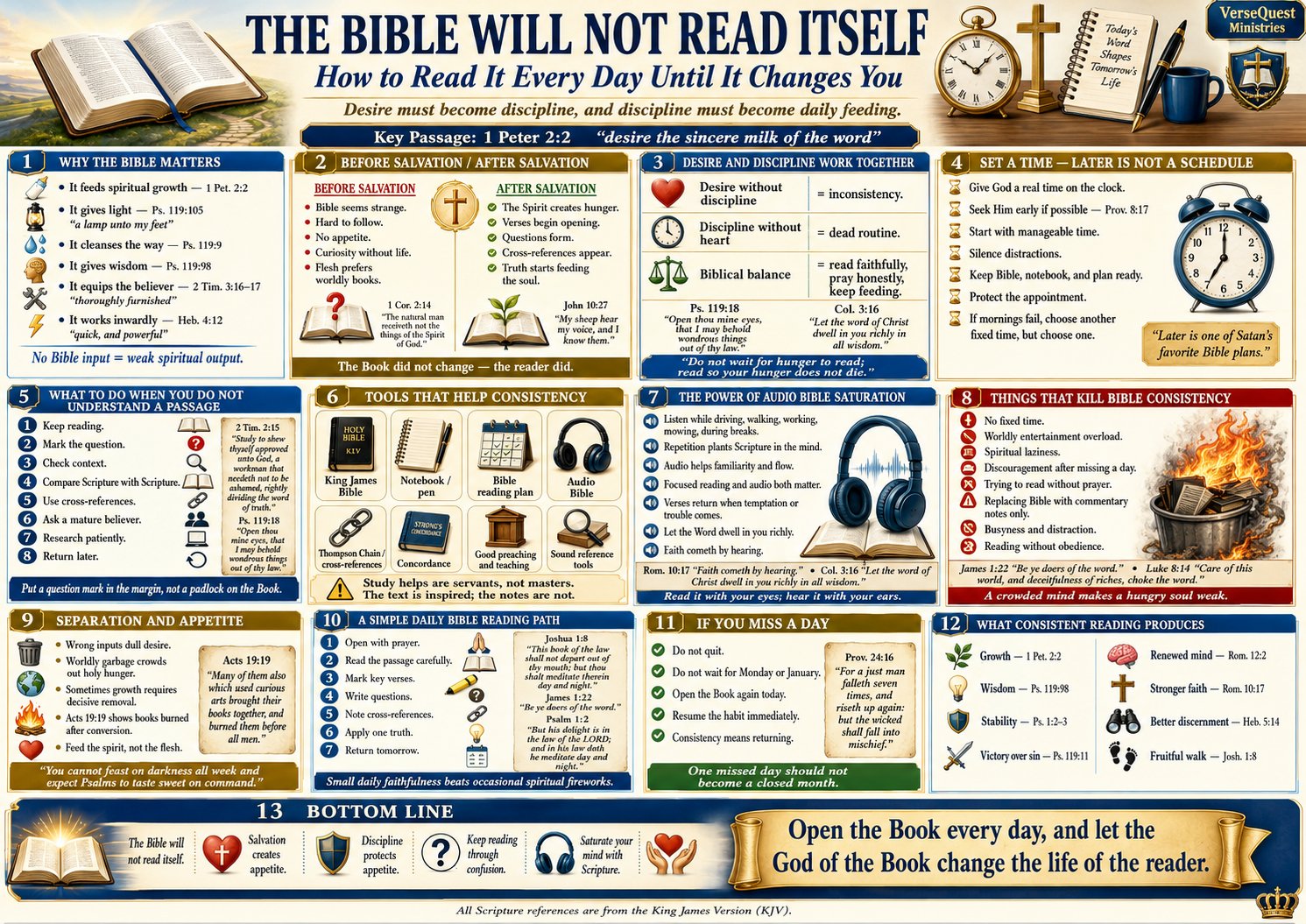
- The Bible Will Not Read Itself – How to Read the Bible Every Day Bible Study Chart (KJV)
- Build a consistent daily Bible reading habit with this detailed KJV Bible study chart. Learn practical steps for reading Scripture faithfully, overcoming inconsistency, understanding difficult passages, and growing spiritually through…
- $3.99
- Add to cart
-
-
Uncategorized
-
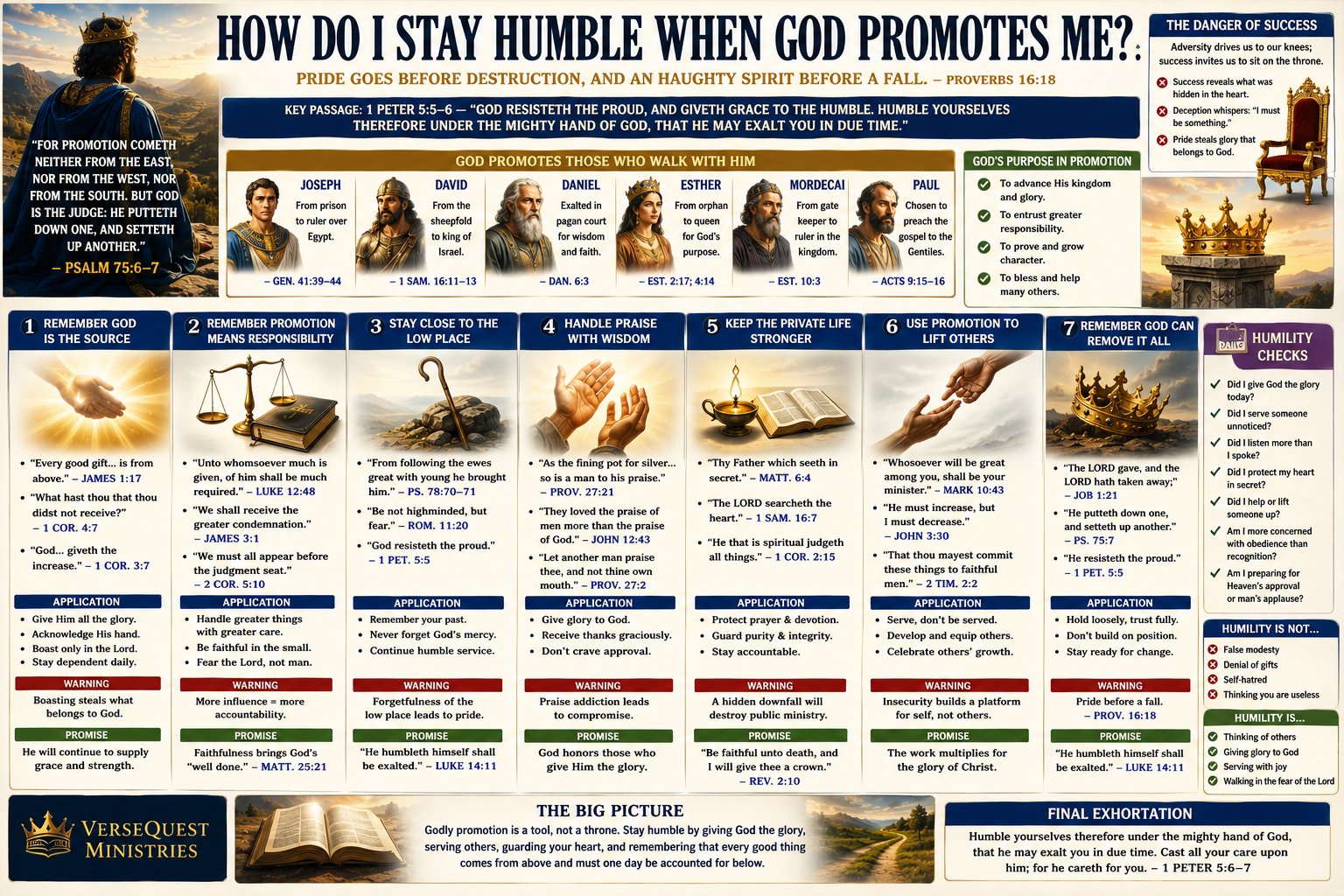
- How to Stay Humble When God Promotes You – Biblical Humility, Success, and Faithful Stewardship (KJV Bible Study Chart)
- Learn how to remain humble when God increases your influence with this detailed KJV Bible study chart covering pride, praise, responsibility, private devotion, servant leadership, and faithful stewardship.
- $3.99
- Add to cart
-