Topic: King James Bible study
-
October 20, 2026
Speaker: Paul Tackett
Topic: be not conformed to this world, biblical surrender, bodily stewardship, Christian consecration, Christian Sanctification, Christian separation, Christian transformation, grace and Christian service, King James Bible study, KJV Sermon Outline, living sacrifice sermon, mercies of God, practical Christian living, present your body a living sacrifice, presenting your body to God, reasonable service, renewing of the mind, Romans 12 sermon outline, Romans 12:1–2, will of God
Book: Romans
This detailed sermon outline examines Romans 12:1–2 and Paul’s appeal to believers to “present your bodies a living sacrifice, holy, acceptable unto God,” showing that Christian consecration is the reasonable response to the mercies of God rather than a means of earning or maintaining salvation. Beginning with Paul’s crucial “therefore,” the message connects Romans 12 with the doctrinal foundation established throughout Romans 1–11 and explains why grace, justification, security in Christ, and divine mercy must come before Christian service. It explores the believer’s responsibility to yield the physical body to God, the daily nature of being a living sacrifice, practical holiness, resistance to conformity with this present world, and transformation through the renewing of the mind. The outline also examines how a Scripture-renewed mind learns to discern and live the “good, and acceptable, and perfect, will of God,” while distinguishing biblical surrender from legalism, religious asceticism, and works-righteousness. Preachers, teachers, and Bible students will gain a sermon-ready framework for teaching consecration, grace, sanctification, renewed thinking, Christian separation, bodily stewardship, practical service, and a life surrendered to God.
-

October 19, 2026
Speaker: Paul Tackett
Topic: Christian identity in Christ, Christian Sanctification, Colossians 3 new man, Ephesians 4 sermon outline, Ephesians 4:22–24, Galatians 5 flesh and Spirit, King James Bible study, KJV Sermon Outline, old man and new man, practical Christian living, putting off the old man, putting on the new man, renewed mind, rightly dividing the word, Romans 6 Christian living, Spiritual Growth, The New Man and the Old Man, Two Natures of the Believer, Victory Over the Flesh, Walking in the Spirit
Book: Ephesians
This detailed sermon outline examines Ephesians 4:22–24 and Paul’s distinction between “the old man,” which is corrupt according to deceitful lusts, and “the new man,” which after God is created in righteousness and true holiness. The message explains that salvation does not rehabilitate Adam’s fallen nature but gives the believer a new identity and life in Christ, while the flesh remains present and must not be allowed to rule the Christian walk. It develops Paul’s three-part practical pattern of putting off the former manner of life, being renewed in the spirit of the mind, and putting on conduct consistent with the new man. The outline connects Ephesians 4 with Romans 6–8, Galatians 5, and Colossians 3 to explain the crucifixion of the old man, the continuing conflict between flesh and Spirit, positional truth, practical sanctification, renewed thinking, and victory through walking in the Spirit. It also brings the doctrine into everyday life by addressing lying, anger, speech, work, bitterness, forgiveness, purity, and Christian relationships. Preachers, teachers, and Bible students will gain a sermon-ready framework for teaching the believer’s twofold conflict, identity in Christ, right division, sanctification, spiritual growth, and practical Christian living.
-

October 18, 2026
Speaker: Paul Tackett
Topic: 2 Peter 3:18, avoiding false doctrine, Bible and spiritual growth, biblical maturity, Christian discipleship, Christian maturity sermon, Christian Sanctification, Christian spiritual growth, doctrinal stability, grace and truth, growing in biblical knowledge, Growing in Grace and Knowledge, growing in grace sermon outline, King James Bible study, KJV Sermon Outline, knowledge of Jesus Christ, Right Division, rightly dividing the word, Sound Doctrine, spiritual growth sermon
Book: 2 Peter
This detailed sermon outline examines 2 Peter 3:18 and Peter’s closing command, “But grow in grace, and in the knowledge of our Lord and Saviour Jesus Christ.” The message places Christian growth within the immediate context of Peter’s warnings about doctrinal instability, distorted Scripture, scoffers, and believers being led away by error. It explains that spiritual growth begins with spiritual life received through salvation by grace, distinguishes positional security in Christ from progressive maturity in the believer’s daily walk, and shows why Christians must continue advancing rather than remaining spiritual infants. The outline explores what it means to grow in grace without turning grace into an excuse for carnality, how believers grow in the knowledge of Jesus Christ through Scripture rather than subjective spiritual experience, and why increasing biblical knowledge must be rightly divided to produce doctrinal clarity rather than confusion. It also shows how maturity creates stability against false teaching and why genuine growth ultimately produces greater dependence upon grace, deeper knowledge of Christ, and greater glory to Him rather than pride in the student. Preachers, teachers, and Bible students will gain a sermon-ready framework for teaching Christian maturity, grace, sound doctrine, right division, sanctification, biblical knowledge, and spiritual stability
-
October 17, 2026
Speaker: Paul Tackett
Topic: 2 Timothy 4:2, authority of Scripture, Bible preaching, biblical preaching, Christian ministry, Doctrinal Preaching, faithful preaching, Judgment Seat of Christ, King James Bible study, KJV Sermon Outline, pastoral responsibility, preach in season out of season, preach the word sermon outline, preacher accountability, preacher under Scripture, pulpit authority, reprove rebuke exhort, rightly dividing the word, Sound Doctrine, The Bible That Judges the Preacher
Book: 2 Timothy
This detailed sermon outline examines 2 Timothy 4:2 and Paul’s solemn command to Timothy: “Preach the word; be instant in season, out of season; reprove, rebuke, exhort with all longsuffering and doctrine.” The message establishes that the preacher does not stand above Scripture as its master but beneath Scripture as a steward who will answer to God for how faithfully he handles and proclaims it. It explores why the word—not personality, popularity, entertainment, personal opinion, or cultural approval—must control the pulpit; why faithful preaching includes reproof and rebuke as well as exhortation; and why longsuffering must keep doctrinal boldness from becoming fleshly aggression. The outline also shows why sound doctrine is essential, why preaching must continue when truth becomes unpopular, how right division protects the congregation from misapplied Scripture, and why every preacher should minister in view of Christ’s future examination of his stewardship. Preachers, teachers, pastors, and Bible students will gain a sermon-ready framework for biblical preaching, ministerial accountability, pulpit authority, doctrinal faithfulness, right division, and submission to the King James Bible.
-
October 16, 2026
Series: Psalm 138:2, The Book God Magnified
Speaker: Paul Tackett
Topic: authority of Scripture, Bible preaching, Biblical Authority, final authority of Scripture, Jesus and the written word, King James Bible study, KJV Sermon Outline, power of Scripture, preservation of Scripture, Psalm 138:2, Psalm 138:2 sermon outline, pure words of God, rightly dividing the word, Scripture above tradition, Scripture and obedience, scripture cannot be broken, settled word of God, The Book God Magnified, thou hast magnified thy word, word of God sermon
Book: Psalms
This detailed sermon outline examines Psalm 138:2 and David’s declaration, “for thou hast magnified thy word above all thy name,” placing the statement within its setting of praise for God’s lovingkindness, truth, faithfulness, and answered prayer. The message develops the biblical truth that God places extraordinary authority upon His own words because His truthful character stands behind them, showing that Scripture is pure, settled, enduring, powerful, and incapable of being broken. It examines Christ’s own confidence in the written word, explains why Scripture must stand above tradition, scholarship, feelings, experience, denominational loyalty, and human opinion, and demonstrates how the word God magnified must also be rightly divided rather than carelessly misapplied. The outline further emphasizes Scripture’s power to correct believers, renew thinking, establish doctrine, and govern Christian conduct, while challenging Christians to express genuine reverence for the Bible through reading, study, memorization, preaching, and obedience. Preachers, teachers, and Bible students will gain a sermon-ready framework for teaching biblical authority, preservation, right division, Scripture’s sufficiency, and confidence in the King James Bible.
-
October 15, 2026
Series: Amos 8:11, famine of hearing God’s word
Speaker: Paul Tackett
Topic: Amos 8:11, Amos 8:11 sermon outline, Bible neglect, Bible preaching, Biblical Authority, biblical judgment, Christian spiritual growth, false teachers and fables, famine of hearing God’s word, hearing the word of God, King James Bible study, KJV Sermon Outline, rejected truth, religious activity without truth, rightly dividing the word, Sound Doctrine, spiritual famine, spiritual hunger, word of God sermon, words of the Lord
Book: Amos
This detailed sermon outline examines Amos 8:11 and God’s warning that He would send upon Israel “a famine in the land, not a famine of bread, nor a thirst for water, but of hearing the words of the LORD.” The message places the prophecy in its proper setting as divine judgment upon Israel after repeated rejection of God’s law, prophets, correction, and warnings, while drawing careful spiritual applications for believers who possess abundant access to Scripture today. It explains the difference between simply possessing Bibles and truly hearing God’s words, shows how rejected truth can produce deeper spiritual darkness, and warns that religious activity, programs, and outward worship cannot substitute for sound doctrine. The outline also explores how rejection of truth creates an appetite for fables and false teachers, why modern biblical abundance can coexist with practical spiritual famine, and why right division is necessary to avoid misusing Amos’s prophecy as direct Church doctrine. Preachers, teachers, and Bible students will gain a sermon-ready framework for teaching biblical authority, spiritual hunger, doctrinal discernment, judgment, right division, sound preaching, and the importance of treasuring, studying, and obeying the King James Bible while God’s words are readily available.
-
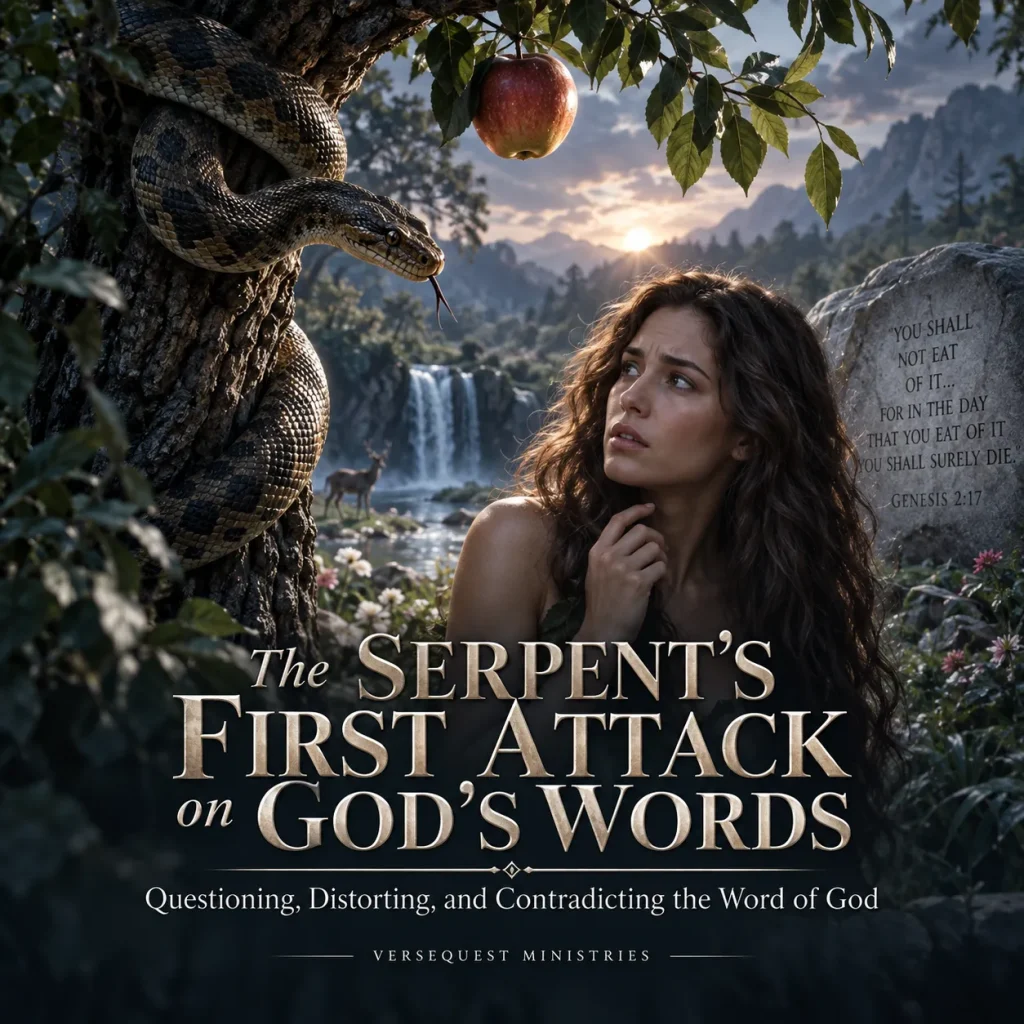
October 14, 2026
Speaker: Paul Tackett
Topic: altering God’s words, authority of the Bible, Bible preservation, Biblical Authority, Genesis 3 sermon outline, Genesis 3:1–5, it is written, King James Bible study, KJV Sermon Outline, questioning God’s word, rightly dividing the word, Satan attacks Scripture, Satan contradicts God, serpent and Eve, serpent’s first attack on God’s words, spiritual deception, temptation in the Garden of Eden, Word of God, ye shall be as gods, Yea hath God said
Book: Genesis
This detailed sermon outline examines Genesis 3:1–5 and the serpent’s first recorded assault upon the revealed words of God, beginning with the subtle question, “Yea, hath God said?” The message traces Satan’s strategy step by step: questioning what God said, distorting God’s generosity, encouraging alteration of the command, directly contradicting God’s warning, supplying a rival interpretation, and ultimately tempting mankind with self-exaltation through the promise, “ye shall be as gods.” It carefully compares Eve’s response with God’s original words to show how subtraction, addition, and weakened wording can affect doctrine and obedience. The outline also contrasts Eve’s handling of the command with Jesus Christ’s repeated answer to Satan, “It is written,” and explains why believers must trust, study, memorize, and rightly divide Scripture rather than placing it beneath human correction. Preachers, teachers, and Bible students will gain a sermon-ready framework for teaching biblical authority, satanic deception, spiritual discernment, preservation of Scripture, right division, temptation, and confidence in the King James Bible as the believer’s final written authority.
-

October 12, 2026
Series: 2 Peter 1:19, more sure word of prophecy
Speaker: Paul Tackett
Topic: 2 Peter 1:19, Bible authority, biblical discernment, feelings versus the Bible, final authority of Scripture, Holy Ghost and Scripture, inspiration of Scripture, King James Bible study, KJV Sermon Outline, more sure word of prophecy, more sure word sermon outline, private revelation, prophetic word of God, rightly dividing prophecy, Scripture as light, Scripture versus experience, spiritual experiences and Scripture, testing spiritual experiences, transfiguration of Jesus Christ, visions and Scripture
Book: 2 Peter
This detailed sermon outline examines 2 Peter 1:19 and Peter’s declaration, “We have also a more sure word of prophecy,” immediately after describing his eyewitness experience of Christ’s transfiguration and the audible voice from heaven. The message shows why even genuine spiritual experience must remain subordinate to the written word of God and why Scripture provides a certainty that feelings, visions, impressions, memories, testimonies, and supernatural experiences cannot equal. It explains how every experience must be tested by Scripture rather than using experience to reinterpret Scripture, presents the prophetic word as a fixed light shining in a dark place, distinguishes biblical illumination from claims of new revelation, and examines Peter’s teaching that prophecy did not originate through private interpretation but through holy men moved by the Holy Ghost. The outline also emphasizes the necessity of rightly dividing prophecy and challenges believers to take heed to the Book rather than chasing extraordinary experiences. Preachers, teachers, and Bible students will gain a sermon-ready framework for teaching biblical authority, spiritual discernment, inspiration, prophecy, right division, and confidence in the King James Bible as the believer’s more sure word.
-

October 11, 2026
Speaker: Paul Tackett
Topic: authority of Scripture, Bible and wisdom, biblical decision making, biblical wisdom, Christian discernment, Christian spiritual growth, fear of the Lord, King James Bible study, KJV Sermon Outline, making wise the simple, Psalm 19:7, Psalm 19:7 sermon outline, rightly dividing the word, spiritual understanding, testimony of the Lord is sure, The Word That Makes the Simple Wise, wisdom for daily life, wisdom from Scripture, wisdom versus human intelligence, word of God sermon
Book: Psalms
This detailed sermon outline examines Psalm 19:7 and the declaration, “the testimony of the LORD is sure, making wise the simple.” The message distinguishes biblical wisdom from mere human intelligence and shows that spiritual understanding is not reserved for an intellectual elite but is available to those who humbly receive, believe, study, and obey the word of God. It explains why God’s testimony is sure, what Scripture means by “the simple,” how biblical truth corrects foolish thinking, and why worldly education and philosophy cannot substitute for divine revelation. The outline also develops the fear of the Lord as the beginning of wisdom, demonstrates how Scripture trains believers in spiritual discernment, emphasizes the necessity of rightly dividing the word of truth, and applies biblical wisdom to everyday choices, priorities, doctrine, and Christian conduct. Preachers, teachers, and Bible students will gain a sermon-ready framework for teaching the certainty and sufficiency of Scripture, spiritual understanding, biblical discernment, right division, practical wisdom, and the transforming power of the King James Bible to make the simple wise.