
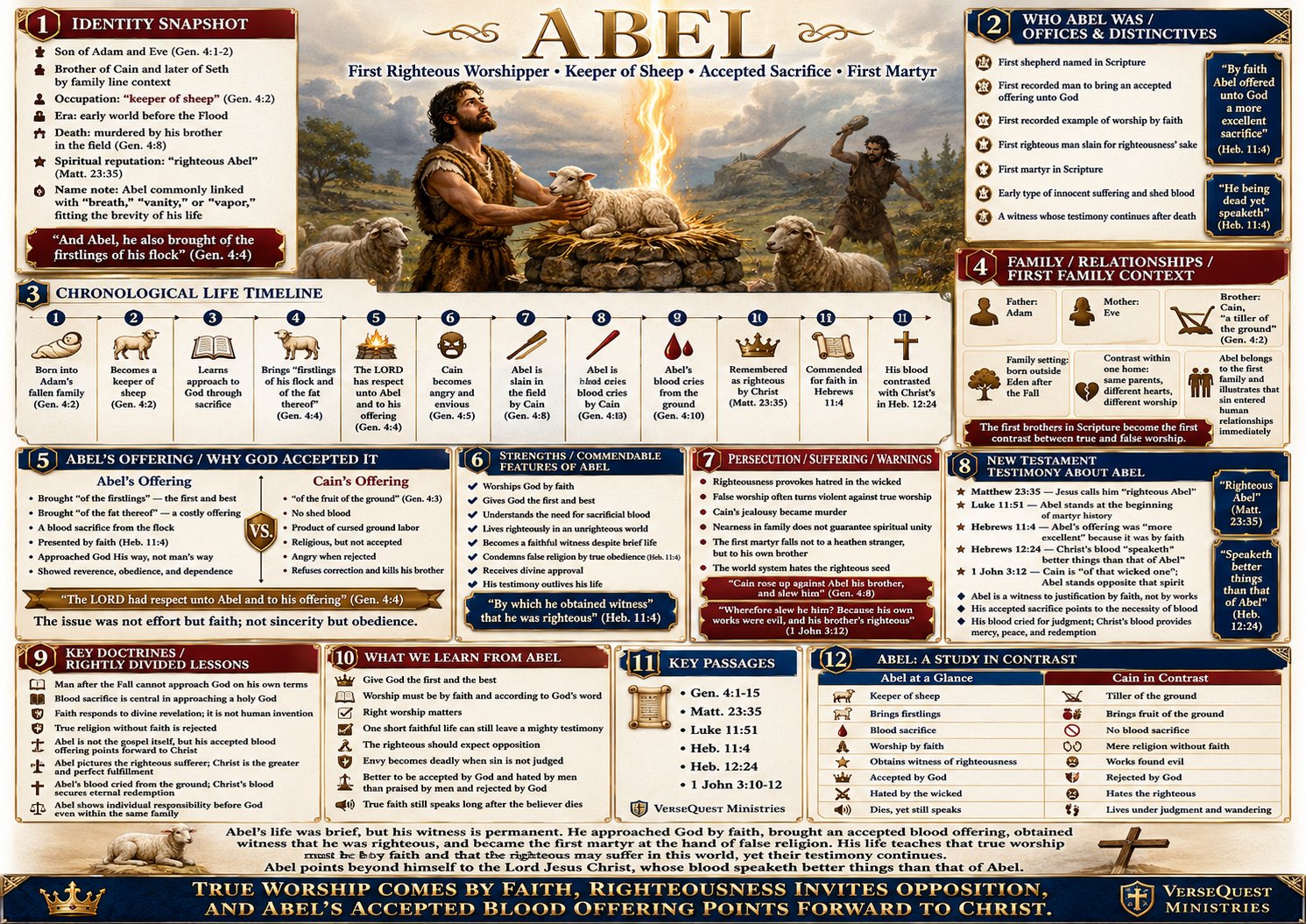
Abel – The Righteous Worshipper, Accepted Blood Sacrifice, and First Martyr (KJV Bible Study Chart)
Study the life of Abel with this detailed KJV chart covering his accepted sacrifice, worship by faith, contrast with Cain, martyrdom, blood crying from the ground, and connection to the better blood of Jesus Christ.
$3.99
Description
Abel: First Righteous Worshipper, Keeper of Sheep, Accepted Sacrifice, and First Martyr is a detailed KJV Bible study chart examining the brief but powerful life of Adam and Eve’s second son. Through Abel’s offering, faith, righteousness, persecution, death, and continuing testimony, Scripture establishes enduring truths concerning acceptable worship, sacrificial blood, obedience to God’s revelation, religious persecution, and the superior blood of the Lord Jesus Christ.
Abel lived during the earliest generations of human history, after Adam and Eve had been driven from Eden but before the Flood. He was born into a fallen family in a fallen world, became a keeper of sheep, worshipped God by faith, and was murdered by his elder brother Cain.
Although Scripture records very few words about Abel’s life, the New Testament repeatedly returns to his testimony. Jesus Christ called him “righteous Abel.” Hebrews declares that he offered a more excellent sacrifice by faith and obtained witness that he was righteous. First John explains that Cain murdered him because Cain’s works were evil and Abel’s righteous.
The chart begins with an identity snapshot. Abel was a son of Adam and Eve, a brother of Cain, and later a brother of Seth within the family record. His occupation was “a keeper of sheep,” while Cain became a tiller of the ground.
These occupations were not sinful in themselves. Farming was not inherently wicked, and shepherding did not automatically make Abel righteous. The decisive issue concerned the heart, faith, and offering each man brought before the LORD.
Genesis 4 states that Abel brought “of the firstlings of his flock and of the fat thereof.” He brought the first and best, and his offering involved the death of an innocent substitute and the shedding of blood.
Cain brought “of the fruit of the ground.” His offering represented human labour from the ground God had cursed after Adam’s fall. Scripture does not merely contrast vegetables with meat; it contrasts faith with self-directed religion, revealed approach with human invention, and the accepted sacrifice with an offering God did not respect.
Hebrews 11:4 supplies the inspired explanation: “By faith Abel offered unto God a more excellent sacrifice than Cain.” Abel’s worship rested upon faith, and biblical faith comes by hearing the Word of God. His offering therefore reflected confidence in what God had revealed rather than an improvised attempt to worship on personal terms.
The chart emphasizes that the difference was not sincerity alone. Cain may have worked diligently, selected produce, approached the place of worship, and felt strongly about his offering. None of those things made his approach acceptable.
Sincerity cannot transform disobedience into faith. Religious effort does not possess the authority to replace what God has revealed. Man cannot approach a holy God according to personal preference and then accuse God of injustice when the offering is rejected.
Abel’s sacrifice acknowledged several essential truths. Sin had brought death into the world. Guilty man needed an acceptable approach to God. Innocent blood was required, and worship must proceed according to God’s revelation rather than man’s imagination.
The offering did not save Abel because animal blood possessed power equal to Christ’s blood. Hebrews teaches that the blood of animals could never permanently remove sin. Abel’s sacrifice was accepted because it was offered by faith and pointed prophetically toward the greater sacrifice God would provide.
Abel’s lamb directs the Bible student forward to Jesus Christ, the Lamb of God. Abel brought an animal from his flock; God gave His only begotten Son. Abel’s sacrifice was repeated within a fallen world; Christ offered Himself once and completed redemption.
The LORD had respect unto Abel and his offering. God’s approval rested upon the worshipper and the sacrifice together. Abel approached by faith through the appointed sacrifice, and God bore witness that he was righteous.
This righteousness was not produced by Abel achieving a sinless life. He was born into Adam’s fallen family and required grace like every other sinner. His righteousness was received through faith rather than earned through human merit.
Romans later explains that righteousness is imputed to the person who believes God. Abel lived long before the Mosaic law, yet the same foundational principle remains visible: the righteous person approaches God through faith in what He has revealed.
Cain responded to rejection with anger rather than repentance. God warned him directly that if he did well, he would be accepted, and that sin lay at the door. The LORD exposed both the danger and the opportunity to turn.
Cain refused correction. Instead of judging his own offering and heart, he became angry with the brother whose faith exposed his unbelief. False religion often resents true worship because the accepted sacrifice reveals the failure of human effort.
First John 3:12 explains that Cain was of that wicked one and murdered Abel because his own works were evil and his brother’s righteous. Abel did not need to attack Cain verbally for his testimony to become an offense. God’s approval of Abel exposed Cain’s rebellion.
The chart presents Abel as the first recorded righteous man murdered for righteousness’ sake. He became the first martyr in Scripture—not because he sought death, but because faithful worship provoked hatred in an unrepentant heart.
This murder occurred within the first family. Adam and Eve had already experienced sin, shame, expulsion, toil, and death’s sentence. They now witnessed one son murdering another.
The account demonstrates how quickly sin spread after Eden. The serpent’s question became human unbelief, unbelief became false worship, rejected worship became envy, envy became hatred, and hatred became murder.
After the murder, the LORD confronted Cain with the question, “Where is Abel thy brother?” Cain replied with another famous act of rebellion: “Am I my brother’s keeper?”
God then declared that Abel’s blood cried unto Him from the ground. The shed blood testified that injustice had occurred and that the righteous Judge had seen what Cain attempted to conceal.
Abel’s blood cried for judgment. Hebrews 12:24 later contrasts it with “the blood of sprinkling, that speaketh better things than that of Abel.” Christ’s blood speaks of redemption, forgiveness, reconciliation, justification, and peace for every believer.
The contrast does not belittle Abel. It magnifies Christ. Abel was an innocent victim in relation to Cain’s attack, but Jesus Christ was absolutely sinless. Abel’s blood exposed a murderer; Christ’s blood saves murderers and every other sinner who believes.
Abel’s death did not silence his testimony. Hebrews states, “he being dead yet speaketh.” His life was brief, but faith made his witness permanent.
This truth provides encouragement to believers whose service appears small or unnoticed. Spiritual value is not measured merely by longevity, fame, audience size, institutional position, or earthly success. One faithful life may continue speaking long after the servant has died.
The chart highlights Abel’s commendable qualities. He worshipped God by faith, gave the first and best, recognized the need for sacrificial blood, lived righteously within an unrighteous world, became a faithful witness despite family hostility, condemned false religion through obedient conduct, received divine approval, and left a testimony that outlived him.
Abel’s example also contains warnings. Righteousness may provoke hatred. False religion may become violent toward true faith. Family closeness does not guarantee spiritual unity, and the greatest earthly danger may sometimes come from someone who shares the same home, upbringing, and religious opportunities.
Cain’s history demonstrates that religious activity without faith is rejected. Cain was not an atheist avoiding worship. He brought an offering, approached God, and expected acceptance. His religion failed because it attempted to approach God on human terms.
Jude later identifies “the way of Cain” as a continuing pattern of religious rebellion. The way of Cain substitutes works for faith, human achievement for God’s provision, pride for repentance, and resentment for humble correction.
Abel’s account therefore reaches far beyond one ancient family tragedy. It introduces the Bible’s continuing conflict between God’s way and man’s way, grace and works, faith and self-righteousness, accepted sacrifice and rejected religion.
The chart also presents Abel as an early type of innocent suffering. He was righteous, hated without just cause, slain by the wicked, and remembered through his blood and testimony.
Yet Abel is not the gospel itself, and every detail should not be pressed into an artificial allegory. Abel points forward, but Jesus Christ is the fulfillment. Abel’s blood could call for judgment; Christ’s blood purchased eternal redemption.
Important rightly divided lessons include the truth that Abel lived before Israel, before Moses, before the law, before the Levitical priesthood, and before the Church was revealed. His account belongs to early human history and supplies foundational truths concerning sin, sacrifice, faith, worship, and righteousness.
Salvation today is not obtained by bringing an animal sacrifice. Jesus Christ has already offered the final and sufficient sacrifice. The sinner is saved by grace through faith in His death, burial, and resurrection.
The Christian application is therefore not to imitate Abel by building an altar and killing a lamb. It is to believe God’s record concerning His Son, rest in Christ’s shed blood, worship according to Scripture, and present faithful service from a redeemed heart.
Abel also teaches believers to give God the first and the best. True worship does not offer the Lord whatever remains after the world, flesh, entertainment, ambition, and personal convenience have taken everything desirable.
Right worship matters. God is not obligated to accept every religious act merely because His name is attached to it. Worship must be governed by truth, faith, reverence, and obedience.
Abel’s life warns that believers should not measure divine approval through public popularity. Abel was approved by God and murdered by man. Cain survived, built a city, established a family line, and produced earthly culture, yet remained under judgment.
Better to be accepted by God and hated by the wicked than praised by men and rejected by the Lord. Earthly survival, influence, wealth, and accomplishment cannot overturn God’s verdict.
Abel’s testimony reminds Christians that death does not erase faithful service. The world may silence the voice temporarily, but God preserves the witness. A righteous life still speaks through Scripture, memory, influence, and eternal reward.
The chart’s final message is clear: true worship comes by faith, righteous living will face opposition, and acceptable blood sacrifice points forward to Jesus Christ. Abel’s offering was respected, his righteousness was witnessed, his blood cried from the ground, and his testimony continues after death.
This resource is ideal for personal Bible study, Bible-character instruction, Genesis studies, Cain-and-Abel comparisons, faith-versus-works teaching, sacrifice and atonement lessons, Christian persecution studies, Sunday school, homeschool Bible curriculum, Bible institutes, sermon preparation, discipleship, and Christ-centred studies of the Bible’s first martyr.
Abel, righteous Abel, first righteous worshipper, keeper of sheep, accepted sacrifice, firstlings of the flock, sacrificial blood, worship by faith, faith versus works, Abel versus Cain, true worship and false religion, the way of Cain, first martyr, persecution for righteousness, blood crying from the ground, he being dead yet speaketh, Christ’s better blood, innocent suffering, divine approval, Jesus Christ the Lamb of God
Abel was the son of Adam and Eve and the younger brother of Cain. He lived in the earliest period of human history following mankind’s expulsion from Eden.
His occupation as keeper of sheep was honourable, but his occupation alone did not make him righteous. Scripture grounds his acceptance in faith.
Genesis 4 states that Abel brought the firstlings of his flock and the fat thereof. His sacrifice involved the death of an innocent animal and the shedding of blood.
Cain brought fruit from the ground. Farming itself was not sinful, but Cain’s offering represented a self-directed approach that did not follow the faith demonstrated in Abel’s sacrifice.
Hebrews 11:4 gives the inspired interpretation: Abel offered a more excellent sacrifice by faith.
Faith comes by hearing the Word of God. Abel’s faith indicates that his approach rested upon divine revelation rather than private religious imagination.
The issue between Cain and Abel was not effort versus laziness. Cain may have worked hard. The issue was faith and obedience versus self-righteous invention.
Sincerity does not make false worship acceptable. A person can be passionate, religious, industrious, and wrong.
Abel brought the first and best. His offering demonstrated reverence, priority, dependence, and recognition that God deserved more than leftovers.
The sacrifice acknowledged that sin brings death and that guilty mankind requires an acceptable substitute.
Animal blood did not possess the power to accomplish eternal redemption. Abel’s sacrifice pointed forward to the perfect blood of Jesus Christ.
God had respect unto Abel and his offering. Divine approval rested upon a worshipper approaching by faith through the appointed sacrifice.
Abel obtained witness that he was righteous. His righteousness was not earned through sinless performance but received through faith.
Cain’s rejection should have led to repentance. God warned him directly that sin lay at the door and that obedience would bring acceptance.
Cain refused correction and redirected anger toward Abel. Unrepentant religion often attacks the person whose obedience exposes its error.
First John states that Cain’s works were evil and Abel’s righteous. The murder was rooted in spiritual hatred, not merely sibling rivalry.
Abel became the first recorded martyr. He died because righteousness provoked hatred within a wicked heart.
Family relationship does not guarantee spiritual unity. Cain and Abel shared parents and circumstances but possessed radically different responses to God.
Abel’s blood cried from the ground for judgment. God saw the crime even though Cain attempted to conceal and dismiss it.
Christ’s blood speaks better things than Abel’s blood. Abel’s blood demanded justice; Christ’s blood provides redemption, reconciliation, and forgiveness.
The contrast between their blood magnifies Jesus Christ. Abel was righteous by faith, but Christ was inherently sinless and perfectly righteous.
Abel’s short life produced a permanent testimony. Hebrews says that although dead, he still speaks.
Spiritual influence should not be measured only by years lived, public recognition, possessions, or visible success.
Abel’s faithful worship condemned Cain’s false religion without recorded debate. Obedience itself can expose error.
The way of Cain continues wherever people replace God’s provision with human works, reject correction, and persecute those who stand in truth.
Abel is an early picture of innocent suffering, but Jesus Christ is the greater and perfect fulfillment.
Present believers are not commanded to offer animals. Christ has completed the final sacrifice, and salvation is received through faith in His gospel.
The Christian lesson is to worship through Christ, follow Scripture rather than invention, give God the first and best, and remain faithful even when righteousness brings opposition.
The central truth is simple: Abel approached God by faith, was accepted through the appointed sacrifice, suffered at the hands of false religion, and still speaks through the testimony God preserved.
Abel Bible-character studies, Genesis 4 instruction, faith-versus-works teaching, true worship studies, accepted and rejected sacrifice, Cain-and-Abel comparisons, sacrificial-blood doctrine, Christian persecution lessons, overcoming envy and resentment, warning against false religion, giving God the first and best, teaching Hebrews 11, explaining Hebrews 12:24, Christ-centred typology, Sunday school lessons, homeschool Bible curriculum, Christian school teaching, Bible institute classes, sermon preparation
King James Bible, Strong’s Concordance, Thompson Chain-Reference Bible, Treasury of Scripture Knowledge, Nave’s Topical Bible, Genesis 4 study notes, Hebrews 11 commentary materials, Hebrews 12 cross-reference studies, Cain-and-Abel comparison charts, sacrifice and atonement resources, faith-versus-works studies, biblical martyrdom materials, gospel-of-grace resources, Christ-the-Lamb studies, VerseQuest Bible-character and doctrine charts
Related products
-
Angels
-
-67%
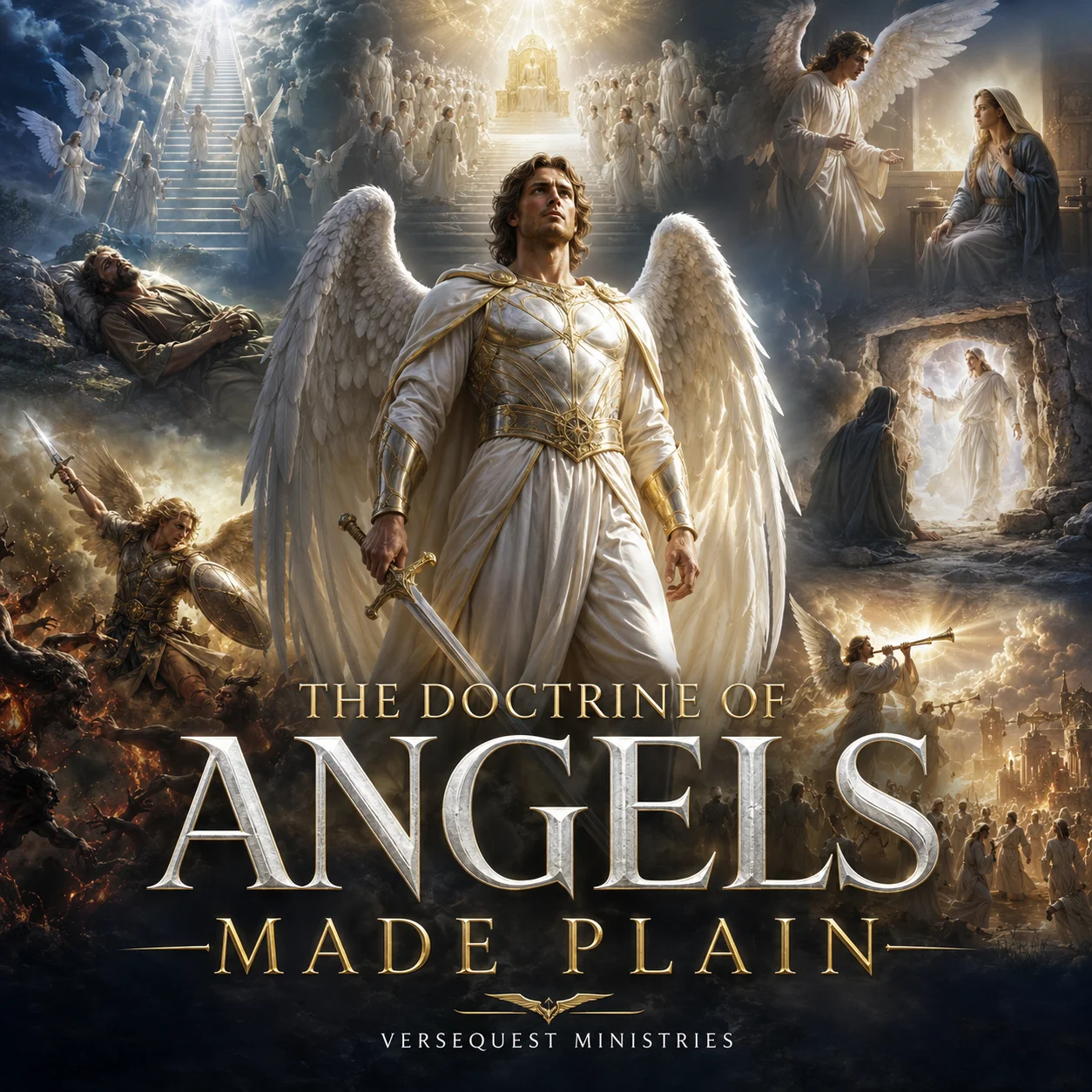
- The Doctrine of Angels Made Plain – 620-Page KJV Bible Study PDF
- The Doctrine of Angels Made Plain is a 620-page KJV Bible study that traces angels from Genesis to Revelation. This premium VerseQuest PDF explains holy angels, Christ’s supremacy over angels,…
- Original price was: $29.99.$9.99Current price is: $9.99.
- Add to cart
-
-67%
-
KJV Bible Study Resources
-
-60%

- Practical Christianity for Daily Battles – 329-Page KJV Study PDF
- A premium 329-page KJV study PDF with 40 full essays applying sound, rightly divided Bible doctrine to real daily Christian battles. Topics include temptation, anxiety, marriage, parenting, pornography, grief, church…
- Original price was: $24.99.$9.99Current price is: $9.99.
- Add to cart
-
-60%
-
Study Books (PDF)
-
-25%
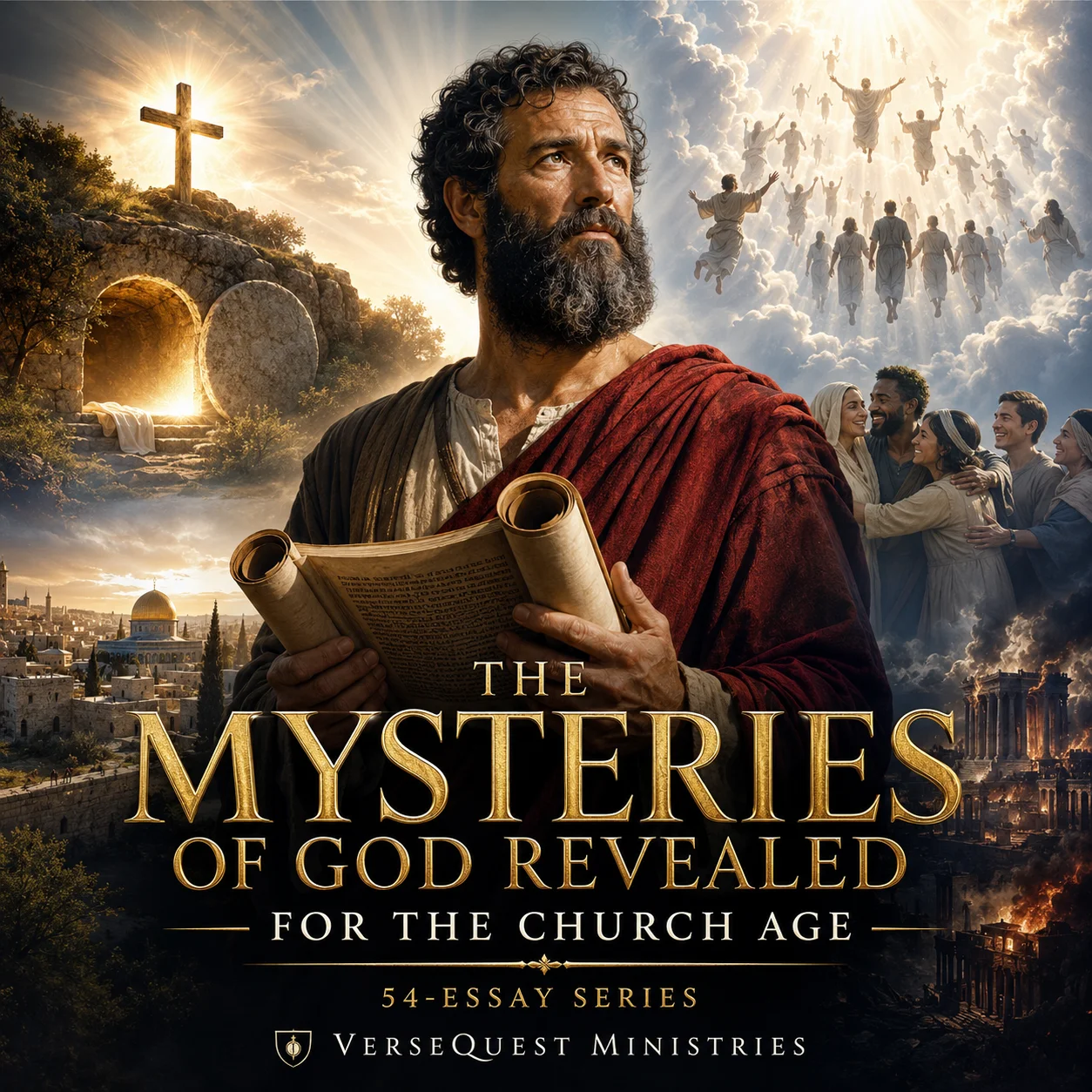
- The Mysteries of God Revealed for the Church Age – Premium Essay Series PDF
- A premium 404-page VerseQuest Ministries digital PDF study book featuring 54 detailed KJV-only essays on the mysteries of God revealed for the Church Age. This rightly divided study covers the…
- Original price was: $39.99.$29.99Current price is: $29.99.
- Add to cart
-
-25%
-
Doctrine Series
-
-14%
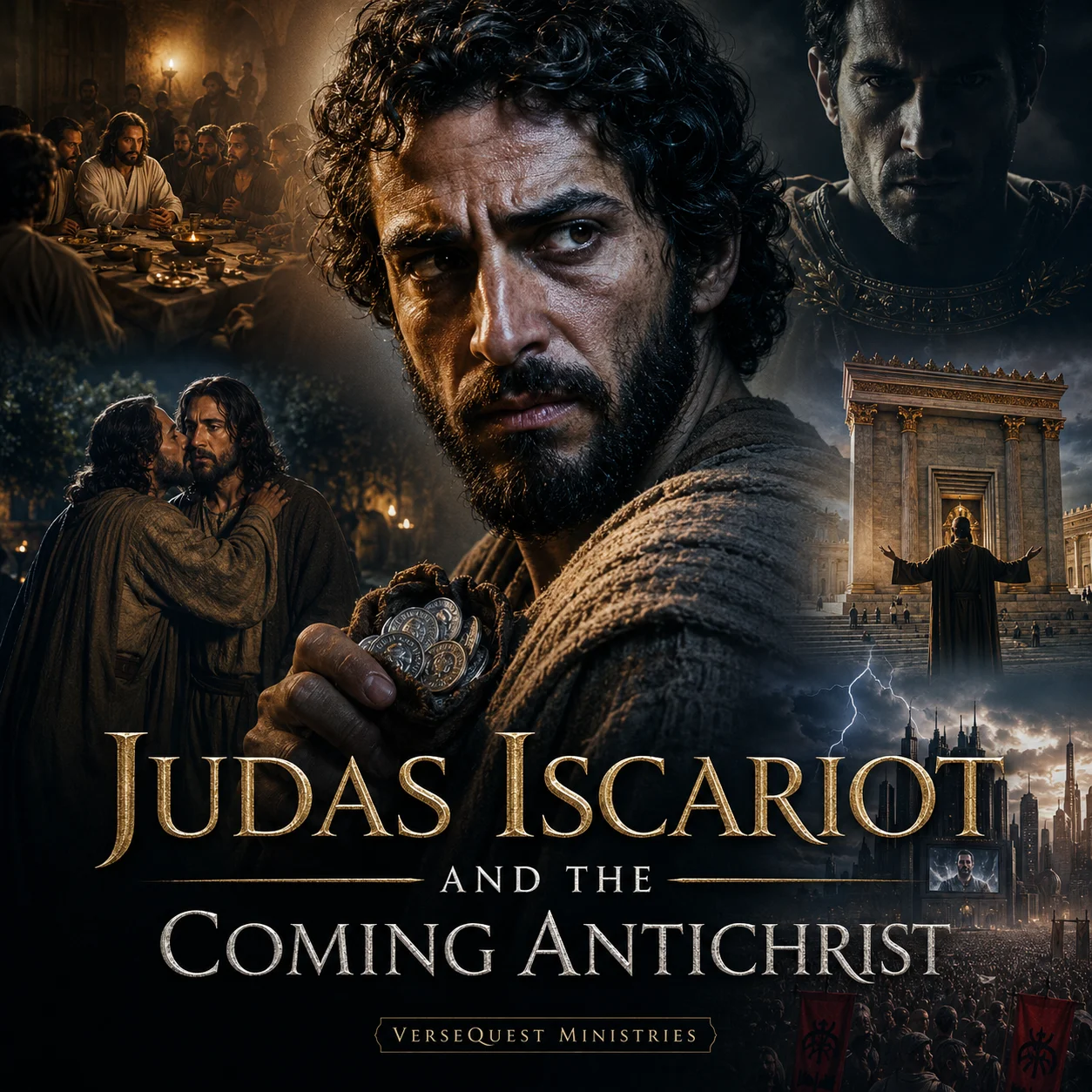
- Judas Iscariot and the Coming Antichrist – Premium KJV Prophecy Study
- A massive 459-page premium KJV prophecy study tracing the biblical connection between Judas Iscariot, the son of perdition, and the coming Antichrist. This detailed VerseQuest Ministries PDF examines Judas’ betrayal,…
- Original price was: $34.99.$29.99Current price is: $29.99.
- Add to cart
-
-14%
-
Heaven
-
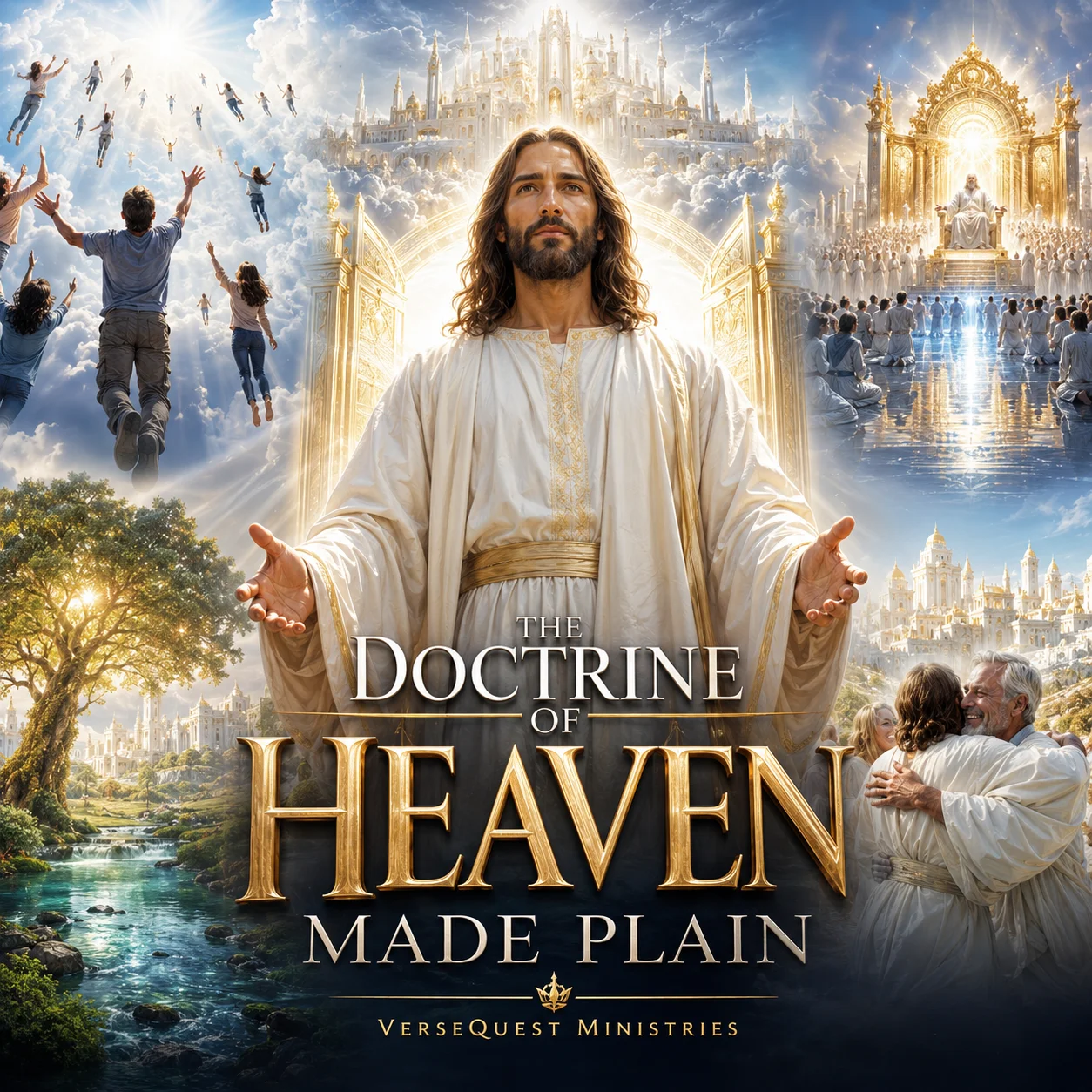
- The Doctrine of Heaven Made Plain — 599-Page KJV Bible Study PDF
- A massive 599-page KJV, rightly divided study on heaven, covering the present heaven, resurrection body, Rapture, Millennium, New Jerusalem, eternal state, hard questions, funeral lies, and cult errors.
- $34.99
- Add to cart
-