
God’s Will Is Not Hiding – How to Discern Biblical Guidance and Know Which Door Is His (KJV Bible Study Chart)
Learn how to discern God’s will with this detailed KJV Bible study chart covering surrender, Scripture, prayer, wise counsel, open doors, closed doors, and practical decision-making.
$3.99
Description
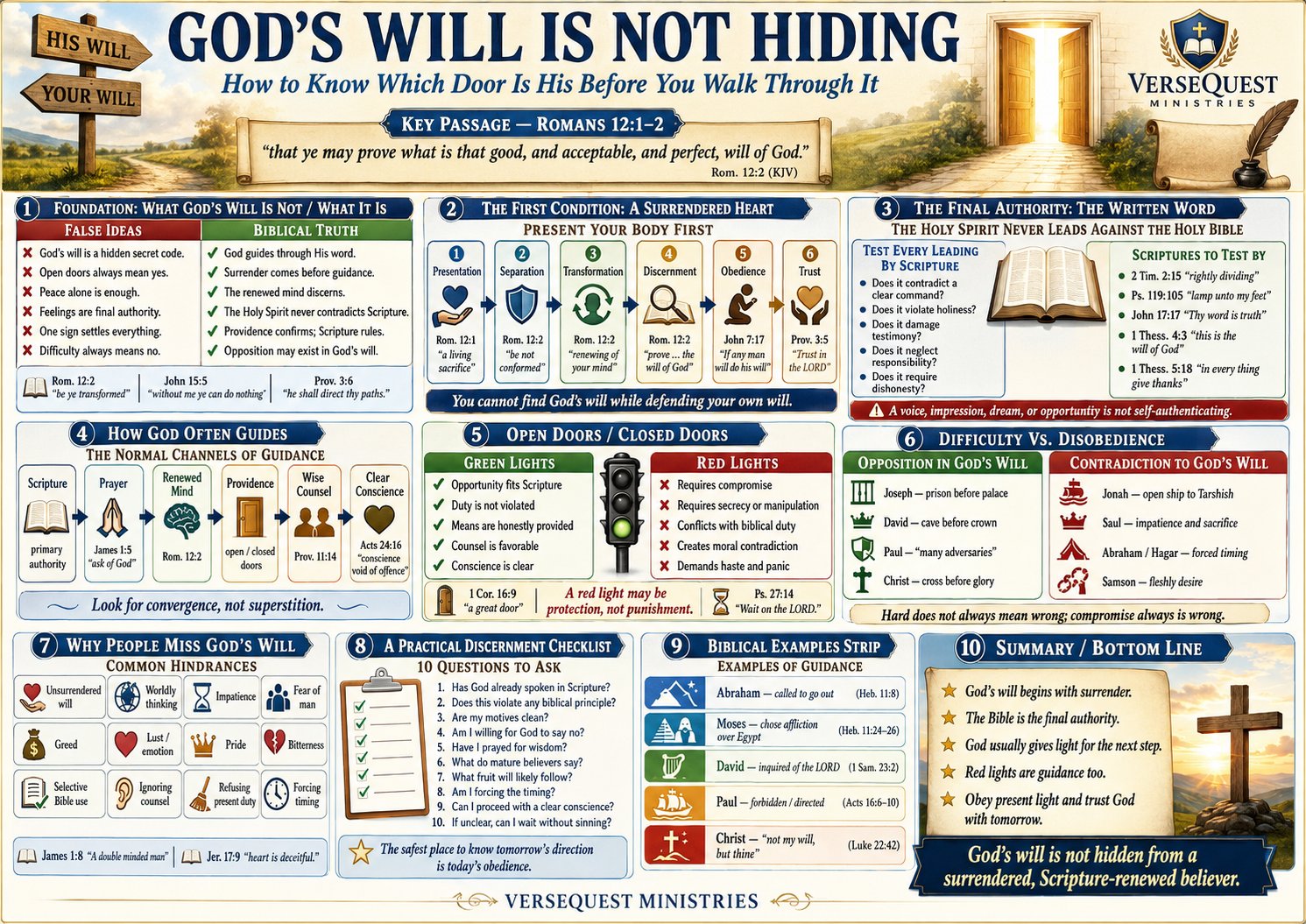
God’s Will Is Not Hiding: How to Know Which Door Is His Before You Walk Through It is a detailed KJV Bible study chart designed to help Christians understand biblical guidance, distinguish God’s will from personal desire, test opportunities by Scripture, and make wise decisions without depending upon superstition, emotional impressions, or circumstances alone.
Built around Romans 12:1–2, the chart begins with the essential foundation that God’s will is discerned by a surrendered heart, a transformed mind, and obedience to the written Word of God. It corrects common false ideas such as believing that God’s will is a hidden secret code, that every open door means yes, that peace alone proves a decision is right, or that difficulty always means a believer is outside God’s plan.
The chart explains that surrender must come before guidance. Romans 12 presents a clear progression: presenting the body to God, refusing conformity to the world, renewing the mind, proving the will of God, obeying what is already known, and trusting the LORD for the next step. A believer cannot honestly seek God’s will while refusing to release his own.
A major section establishes the Bible as the final authority in every decision. The Holy Spirit never leads contrary to the Holy Bible. Every proposed direction must therefore be tested by clear commands, holiness, responsibility, truthful conduct, and rightly divided Scripture. Dreams, voices, impressions, signs, opportunities, and emotional peace are never self-authenticating.
The chart also explains the normal channels through which God often guides His people. These include Scripture, prayer, a renewed mind, providence, wise counsel, and a clear conscience. No single secondary factor should be treated as absolute proof. Biblical discernment looks for agreement among these channels while allowing the written Word to remain supreme.
Open and closed doors receive careful treatment. An opportunity may represent genuine providence, but it must still agree with Scripture, moral duty, wise counsel, and a clean conscience. A closed door may be God’s protection rather than punishment. Likewise, an open door may lead into compromise if it requires secrecy, manipulation, moral contradiction, haste, panic, or disobedience.
The chart distinguishes between difficulty within God’s will and direct contradiction to God’s will. Joseph faced prison before the palace, David faced the cave before the crown, Paul faced many adversaries, and Christ faced the cross before glory. Hard circumstances do not automatically mean a wrong decision. Compromise, however, is always wrong.
A practical discernment checklist provides ten questions for evaluating decisions. These include whether God has already spoken in Scripture, whether the choice violates a biblical principle, whether motives are clean, whether the believer is willing to hear no, whether mature believers agree, whether good fruit is likely, whether timing is being forced, and whether one can proceed with a clear conscience.
The chart also identifies common hindrances that cause believers to miss God’s will, including an unsurrendered heart, worldly thinking, impatience, fear of man, greed, lust, pride, bitterness, selective Bible use, ignoring counsel, refusing present duty, and forcing timing.
Biblical examples from Abraham, Moses, David, Paul, and the Lord Jesus Christ demonstrate how guidance operates in real life. The overall message is practical and reassuring: God’s will is not hidden from a surrendered, Scripture-renewed believer. The safest preparation for tomorrow’s direction is obedience to the light God has already given today.
This chart is ideal for personal Bible study, Christian counseling, discipleship, young adult ministry, decision-making classes, Sunday school, homeschool Bible curriculum, pastoral teaching, sermon preparation, and anyone seeking a reliable biblical framework for knowing and doing the will of God.
God’s will, biblical guidance, spiritual discernment, surrendered heart, renewed mind, Scripture as final authority, prayer, providence, wise counsel, clear conscience, open doors, closed doors, obedience, trust, decision-making, fear of man, impatience, compromise, Christian maturity, knowing God’s direction
God’s will is not a secret code reserved for a spiritual elite. Romans 12:1–2 teaches that discernment begins with surrender, separation from the world, and renewal of the mind through truth. Guidance becomes clearer when the heart is willing to obey before the answer is known.
The first question is not, “Which door should I choose?” but, “Am I surrendered to God?” A believer who is determined to defend his own preference is not in a safe condition to evaluate guidance. Surrender removes the demand that God approve what has already been decided.
The written Word is the final authority. The Holy Spirit will never guide a believer to violate Scripture, compromise holiness, neglect responsibility, deceive others, or disobey a clear command. Any impression that contradicts the Bible must be rejected.
Open doors are not automatic approval. Jonah found a ship going to Tarshish, but the opportunity did not make his direction right. Likewise, a closed door may be mercy, protection, or redirection rather than divine displeasure.
Difficulty must not be confused with disobedience. Joseph, David, Paul, and Christ all faced severe opposition while walking in God’s will. Hard does not always mean wrong. Compromise, however, always signals danger.
God often guides through several converging means: Scripture, prayer, a renewed mind, providential circumstances, wise counsel, and a clear conscience. These must be weighed together without allowing secondary factors to overrule the Bible.
Impatience creates many false steps. Abraham and Hagar illustrate the danger of forcing God’s timing. Waiting is not inactivity when it is joined with present obedience, prayer, and trust.
The safest decision is one that can be made honestly, biblically, patiently, and with a clear conscience. When the future remains uncertain, obey what is already clear and trust God with what has not yet been revealed.
Christian decision-making, discipleship training, pastoral counseling, young adult ministry, premarital counseling, career guidance, ministry direction, Sunday school lessons, homeschool Bible curriculum, Christian school instruction, Bible institute classes, sermon preparation, small-group studies, spiritual growth classes, biblical counseling, leadership training
King James Bible, Strong’s Concordance, Thompson Chain-Reference Bible, Treasury of Scripture Knowledge, Nave’s Topical Bible, personal prayer journal, decision-making worksheet, biblical counseling notes, Scripture memory cards, trusted pastoral counsel, Christian discipleship resources, VerseQuest Christian Living charts
Related products
-
Biblical Submission
-
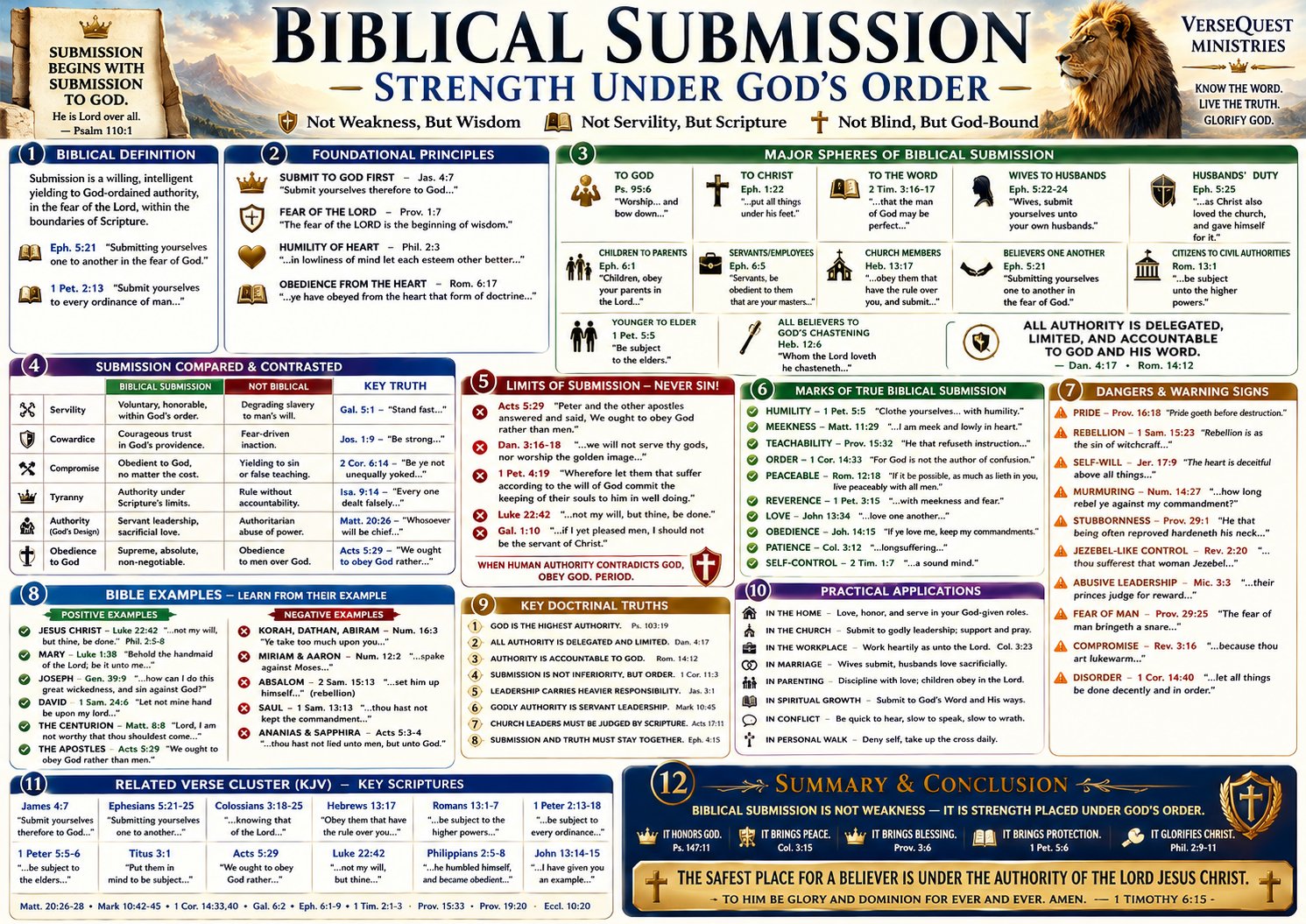
- Biblical Submission Bible Study Chart – Strength Under God’s Order, Authority, and Scriptural Limits (KJV) Product Description
- Study biblical submission with this detailed KJV chart covering God-ordained authority, servant leadership, obedience, marriage, church, government, and the Scriptural limits of submission.
- $3.99
- Add to cart
-
-
Call For Revival
-

- Sleeping Through the Last Watch – 681-Page KJV Bible Study Series (PDF eBook)
- 681 Pages • 100 Essays • KJV Bible Study • Full-Color Bible Chart What does it really mean to be spiritually awake while waiting for Christ's return? Sleeping Through the…
- $29.99
- Add to cart
-
-
Uncategorized
-
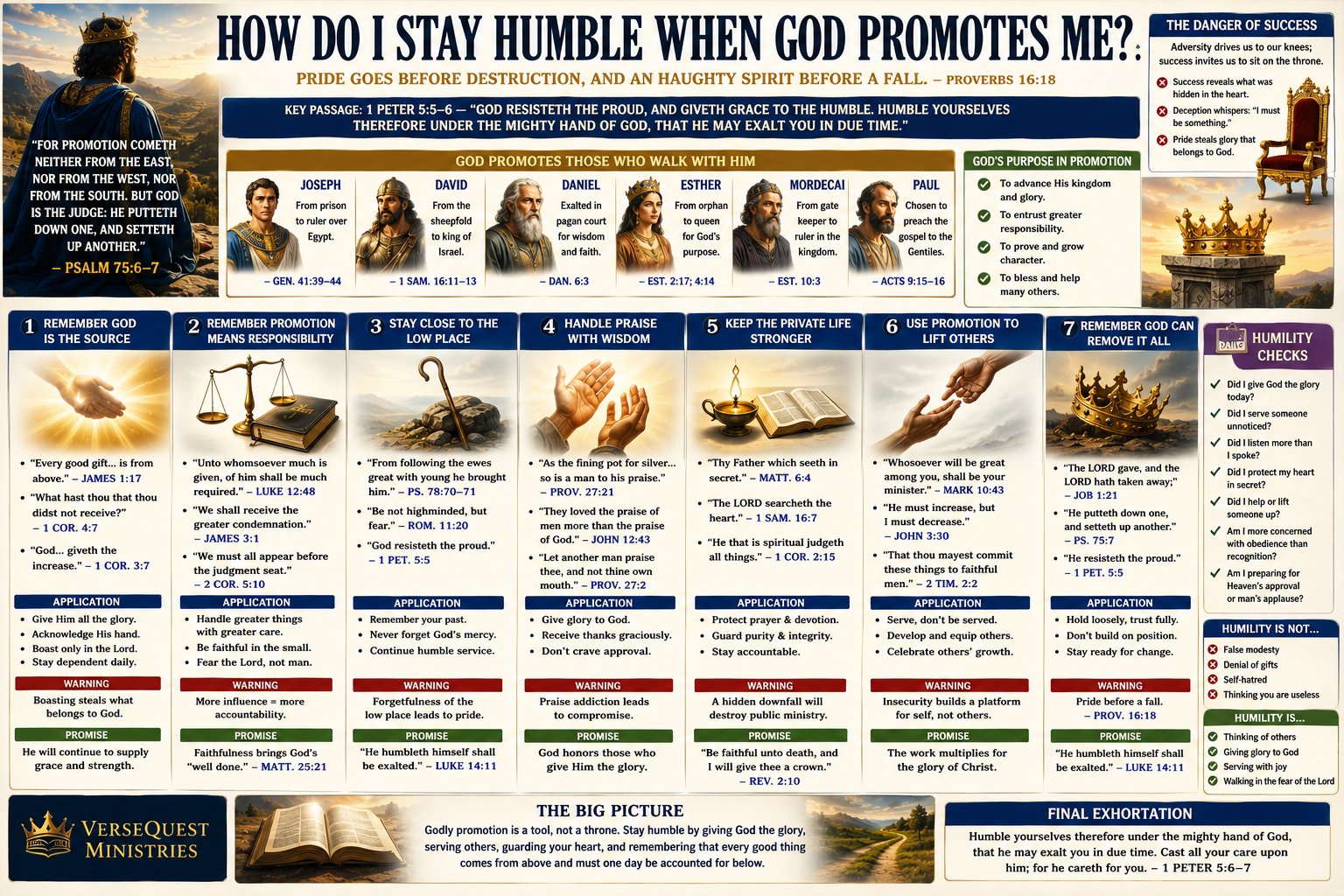
- How to Stay Humble When God Promotes You – Biblical Humility, Success, and Faithful Stewardship (KJV Bible Study Chart)
- Learn how to remain humble when God increases your influence with this detailed KJV Bible study chart covering pride, praise, responsibility, private devotion, servant leadership, and faithful stewardship.
- $3.99
- Add to cart
-
-
Uncategorized
-
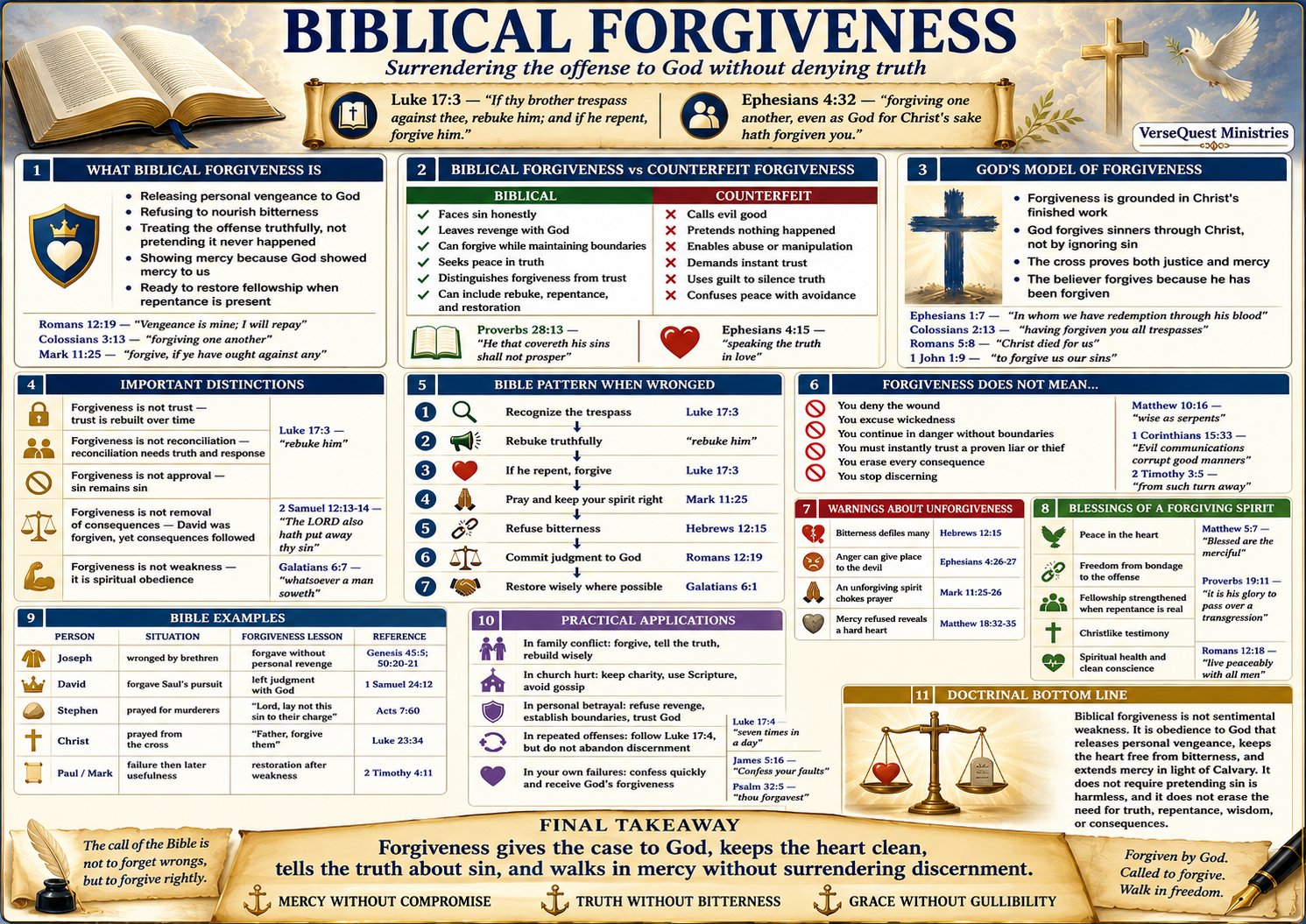
- Biblical Forgiveness Bible Study Chart – Mercy, Truth, Repentance, Boundaries, and Wise Restoration (KJV)
- Understand biblical forgiveness with this detailed KJV chart covering mercy, truth, repentance, trust, reconciliation, wise boundaries, accountability, consequences, bitterness, and restoration.
- $3.99
- Add to cart
-
-
Spiritual Growth
-
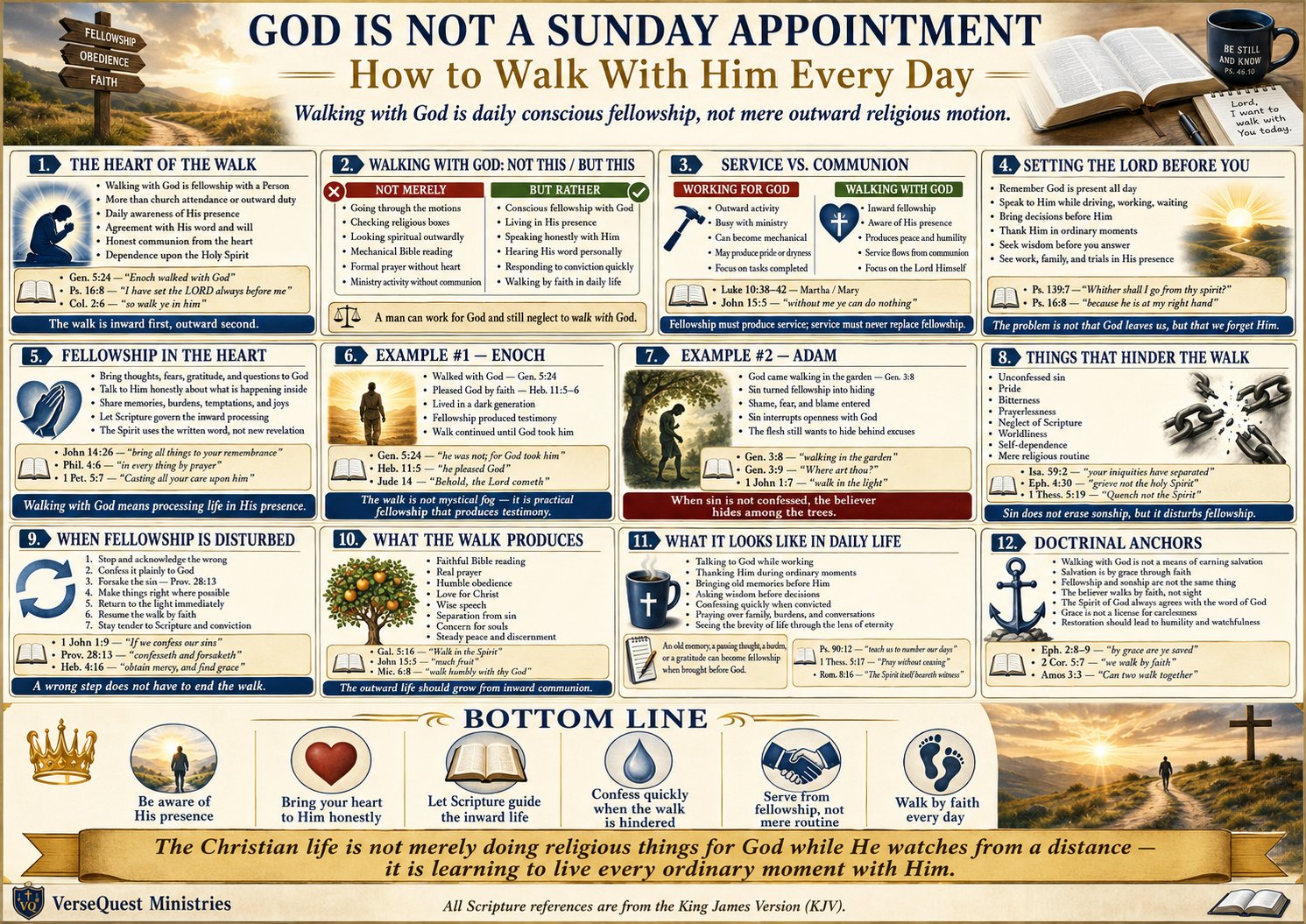
- God Is Not a Sunday Appointment – Walking With God Bible Study Chart
- Discover what it truly means to walk with God every day—not merely performing religious duties, but living in conscious fellowship with Him. This detailed KJV Bible study chart explains the…
- $3.99
- Add to cart
-