
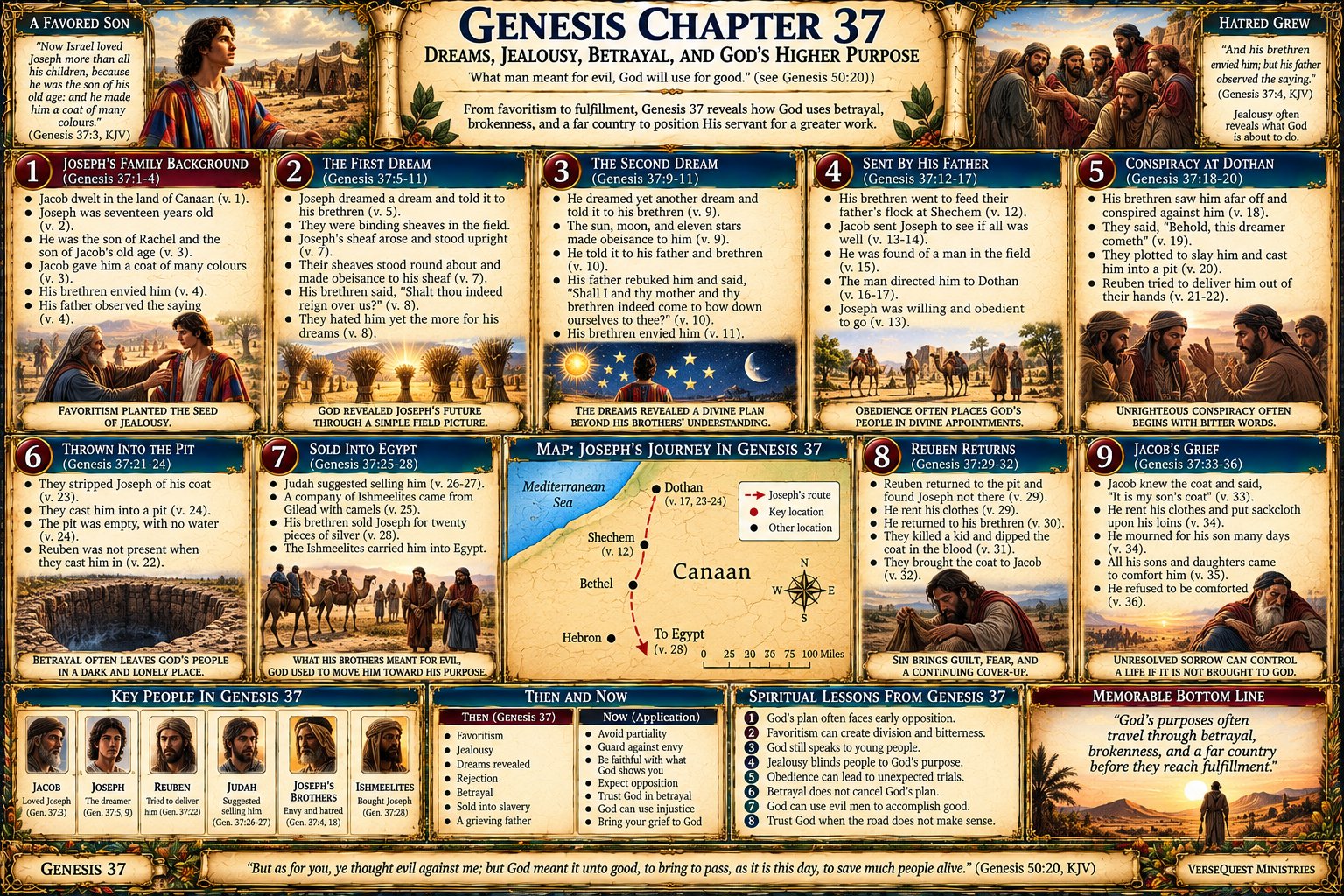
Genesis 37 – Joseph’s Dreams, Betrayal, and Descent into Egypt: The Coat of Many Colours, Dothan, the Pit, and God’s Higher Purpose (KJV Bible Study Chart)
Explore Genesis 37 with this detailed KJV Bible study chart tracing Joseph from favored son to betrayed brother and slave bound for Egypt. Follow his two prophetic dreams, the coat of many colours, his journey from Hebron toward Dothan, the brothers’ conspiracy, Reuben’s attempt to preserve his life, the empty pit, Judah’s proposal to sell him, and Joseph’s sale for twenty pieces of silver. The chart also examines the bloody coat used to deceive Jacob, the father’s prolonged grief, and the divine providence that quietly moves Joseph toward Egypt and the fulfillment of God’s plan. Genesis 37 provides a powerful study of favoritism, jealousy, betrayal, suffering, obedience, and the truth later expressed in Genesis 50:20: “God meant it unto good.”
$4.99
Description
Genesis 37: Dreams, Jealousy, Betrayal, and God’s Higher Purpose is a detailed KJV Bible study chart tracing the beginning of Joseph’s remarkable journey from favored son in Canaan to rejected brother, prisoner of circumstance, and slave carried toward Egypt. The chapter introduces the dreams that reveal Joseph’s future, the jealousy that grows among his brothers, the conspiracy at Dothan, the pit, the sale for twenty pieces of silver, and Jacob’s devastating grief.
Joseph is seventeen years old when Genesis 37 brings him to the center of the narrative. Israel loves Joseph “more than all his children” and gives him a coat of many colours. His brothers recognize the favoritism and hate Joseph so deeply that they cannot speak peaceably to him. Family partiality becomes fertile soil for resentment.
Joseph then receives two dreams. In the first, his brothers’ sheaves bow before his sheaf. In the second, the sun, moon, and eleven stars bow down to him. His brothers respond with increased hatred and envy, while Jacob rebukes Joseph yet “observed the saying.” The dreams establish that something larger than family tension is unfolding.
Jacob later sends Joseph from Hebron to inquire after his brothers and the flock. Joseph eventually finds them near Dothan. When his brothers see him from afar, they conspire to kill him and mockingly say, “Behold, this dreamer cometh.” Their goal is not merely to harm Joseph but to destroy the apparent future represented by his dreams.
Reuben intervenes and persuades them not to shed Joseph’s blood. Joseph is stripped of his coat and cast into an empty pit. Judah later suggests selling him rather than killing him. A company of Ishmaelites traveling toward Egypt provides the opportunity, and Joseph is sold for twenty pieces of silver.
The brothers then kill a kid of the goats, dip Joseph’s coat in blood, and send it to Jacob. Their father recognizes the garment and concludes that Joseph has been torn by a wild beast. Jacob mourns deeply and refuses comfort.
Yet the chapter ends with Joseph alive in Egypt, sold to Potiphar, an officer of Pharaoh. The brothers believe they have destroyed the dream, but they have unknowingly moved Joseph toward the very place where God will fulfill it. Genesis 50:20 later supplies the interpretation: “ye thought evil against me; but God meant it unto good.” Genesis 37 therefore demonstrates that human betrayal cannot overthrow divine providence.
Genesis 37, Joseph, Joseph’s dreams, coat of many colours, Jacob and Joseph, Israel loved Joseph, family favoritism, jealousy, hatred, eleven stars, sheaves bowing, Dothan, Joseph sent by his father, conspiracy, Reuben, Judah, Joseph in the pit, Ishmaelites, Midianite merchantmen, twenty pieces of silver, Joseph sold into Egypt, Jacob’s grief, divine providence, betrayal, God meant it for good
Genesis 37 begins the major Joseph narrative that will carry Genesis almost to its conclusion. Joseph is seventeen years old and already occupies a favored position in Jacob’s household. Jacob gives him a “coat of many colours,” and his brothers recognize that their father loves Joseph more than them. The result is hatred so intense that they “could not speak peaceably unto him.” Scripture openly shows the destructive consequences of favoritism within a family.
Joseph’s first dream involves sheaves in the field, with his brothers’ sheaves bowing to his. His brothers immediately understand the implication and hate him even more. The second dream expands the picture: the sun, moon, and eleven stars bow to Joseph. Jacob rebukes him but “observed the saying,” indicating that he does not simply dismiss the revelation.
When Jacob later sends Joseph to check on his brothers, Joseph willingly goes. He travels from the vale of Hebron toward Shechem and eventually reaches Dothan. His brothers see him before he reaches them and plot his death, saying, “Behold, this dreamer cometh.” Their hatred is aimed not only at Joseph but at the future his dreams appear to announce.
Reuben opposes killing Joseph and suggests putting him into a pit, intending to return and rescue him. Scripture does not explicitly say Reuben was absent when Joseph was initially placed in the pit; it does show that when he later returns, Joseph is gone. Joseph is stripped of his coat and cast into an empty pit with no water.
Judah proposes selling Joseph instead of murdering him. Genesis 37:28 mentions both Midianites and Ishmeelites, terminology that has generated discussion, but the narrative plainly places Joseph into the hands of traders traveling toward Egypt. Twenty pieces of silver are paid, and Joseph is carried away.
The brothers then construct a deception. They kill a young goat, dip Joseph’s coat in blood, and allow Jacob to reach the intended conclusion. Jacob identifies the coat and assumes a wild beast has devoured his son. He mourns for many days and refuses to be comforted.
The chapter’s final verse changes the perspective. Joseph is not dead; he has been sold in Egypt to Potiphar, an officer of Pharaoh. The brothers think the dreamer has been removed, yet their actions have actually transported him toward the setting where his dreams will ultimately be fulfilled.
Genesis 50:20 later interprets the entire story: the brothers intended evil, “but God meant it unto good.” Divine providence does not make their sin righteous; it demonstrates that human wickedness cannot defeat God’s larger purpose.
Genesis 37 is useful for teaching the dangers of parental favoritism, jealousy, envy, bitterness, group pressure, betrayal, and deceptive cover-ups. It also teaches that obedience may lead into unexpected trials and that God’s purpose can continue even when circumstances appear completely contrary to His promises. Joseph’s story provides powerful material for personal Bible study, Sunday school, homeschool instruction, Bible institutes, sermon preparation, youth teaching, family studies, providence studies, and lessons on integrity, suffering, rejection, patience, forgiveness, and trusting God when the road makes no immediate sense.
King James Bible, Strong’s Concordance, Thompson Chain-Reference Bible, Treasury of Scripture Knowledge, Nave’s Topical Bible, Genesis 37–50 study notes, Joseph life timeline, Joseph and his brothers charts, patriarchal genealogy charts, maps of Hebron Shechem Dothan and Egypt, Psalm 105 Joseph studies, Acts 7 Joseph studies, Genesis 50 providence studies, biblical dream studies, jealousy and envy Scripture chains, Romans 8:28 studies, VerseQuest Genesis charts
Related products
-
Bitterness
-
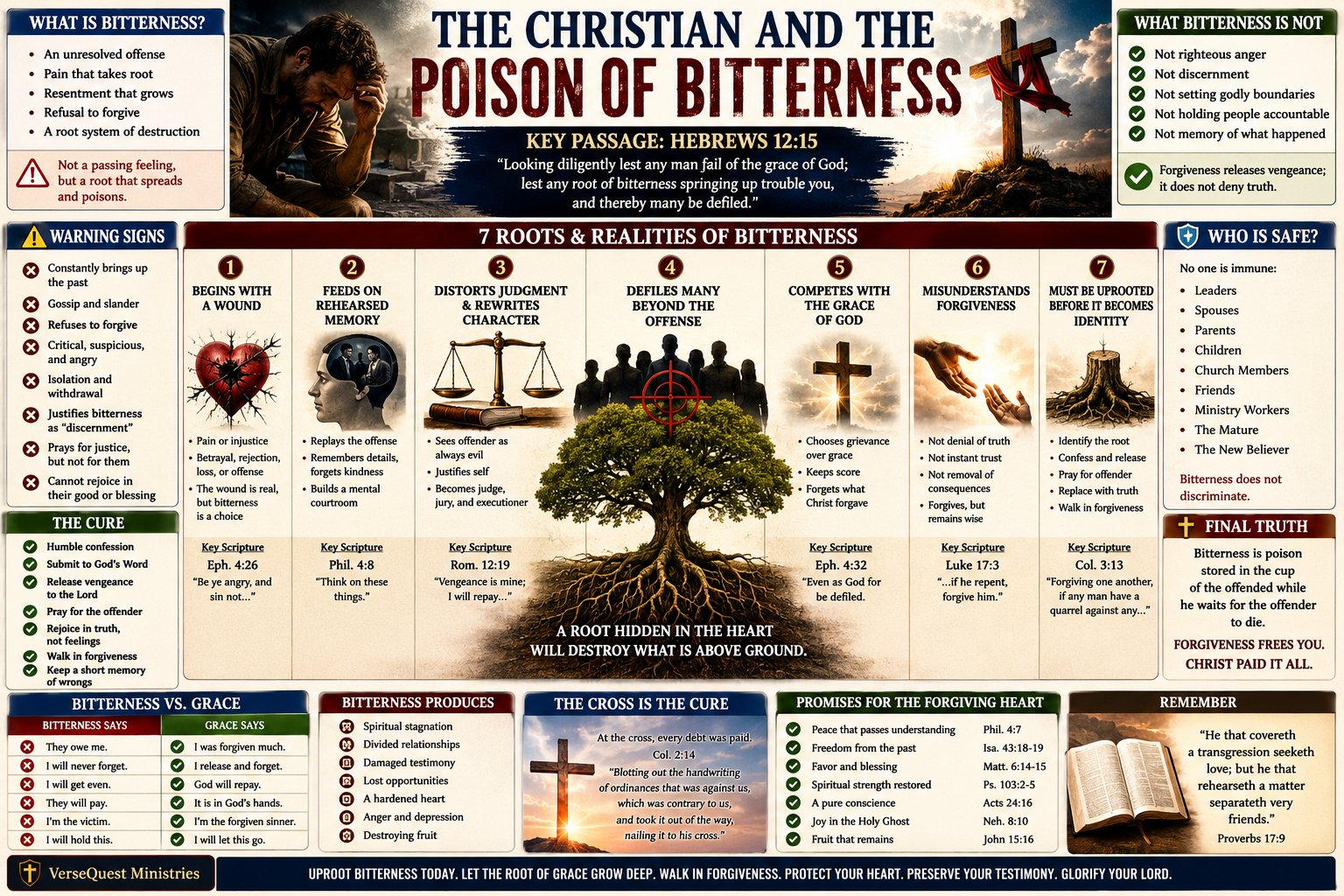
- The Christian and the Poison of Bitterness Bible Study Chart – Forgiveness, Grace, and Healing the Heart (KJV)
- Expose and uproot bitterness with this detailed KJV Bible study chart covering unresolved offenses, warning signs, forgiveness, grace, wise boundaries, the cross, and healing for the Christian heart.
- $3.99
- Add to cart
-
-
Spritual Dryness
-
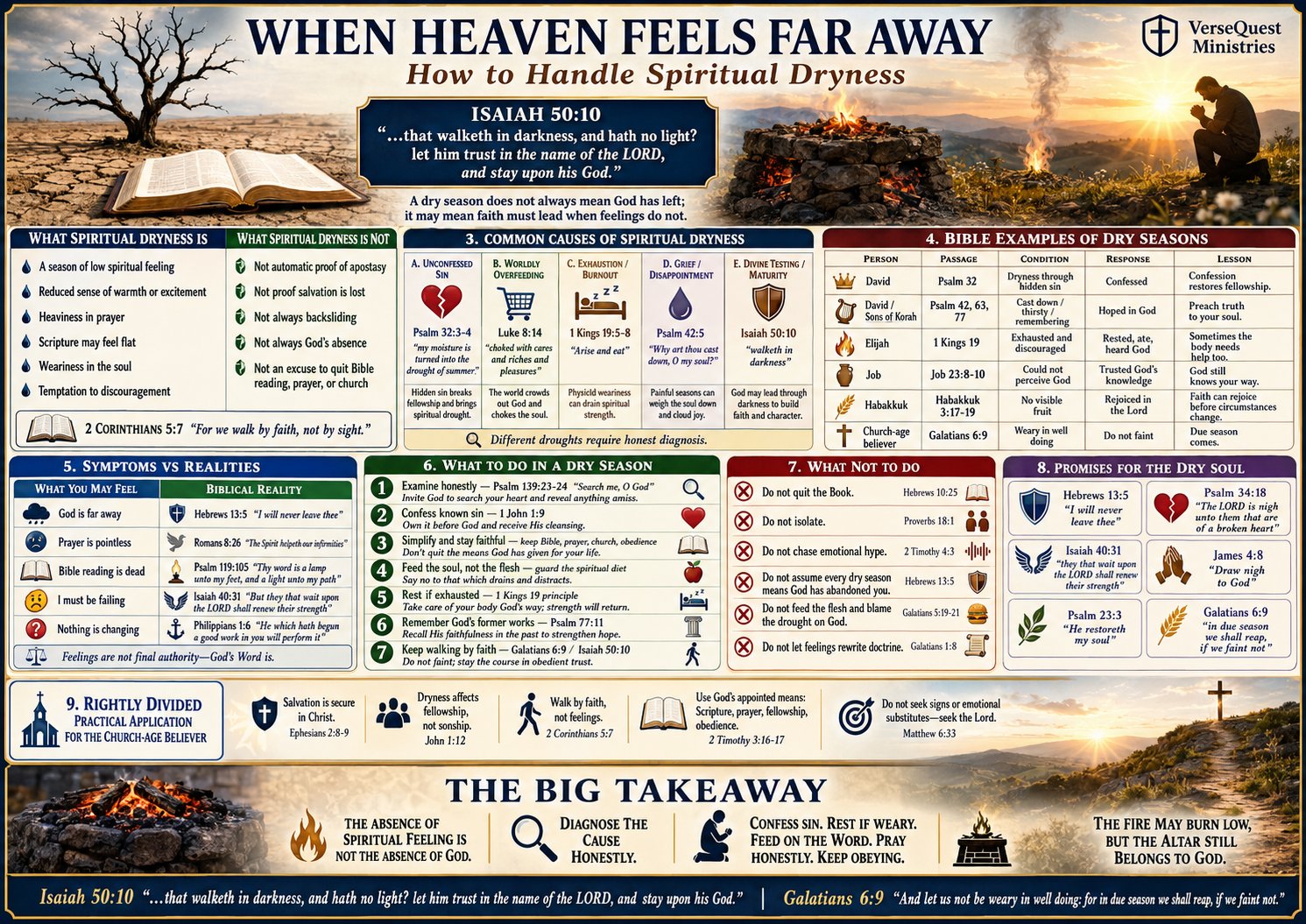
- When Heaven Feels Far Away – How to Handle Spiritual Dryness and Walk by Faith (KJV Bible Study Chart)
- Walk through spiritual dryness with this detailed KJV Bible study chart covering its causes, biblical examples, warning signs, promises, faithful habits, and the difference between feelings and truth.
- $3.99
- Add to cart
-
-
Abassadors For Christ
-
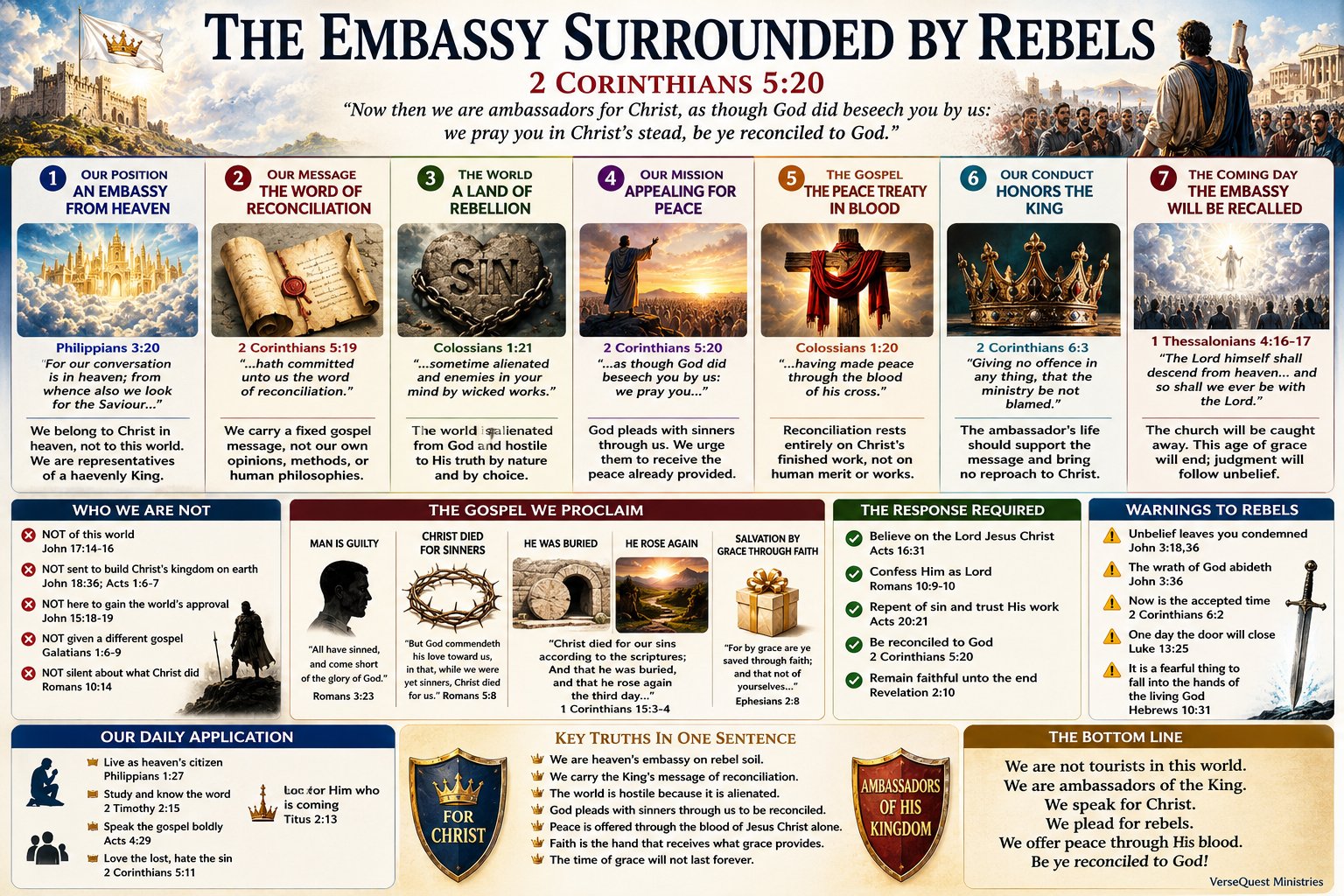
- The Embassy Surrounded by Rebels Bible Study Chart – Ambassadors for Christ and the Ministry of Reconciliation (KJV)
- Understand the Christian’s mission with this detailed KJV chart covering ambassadors for Christ, heavenly citizenship, the gospel of reconciliation, faithful conduct, evangelism, and the coming Rapture.
- $3.99
- Add to cart
-
-
Ages To Come
-
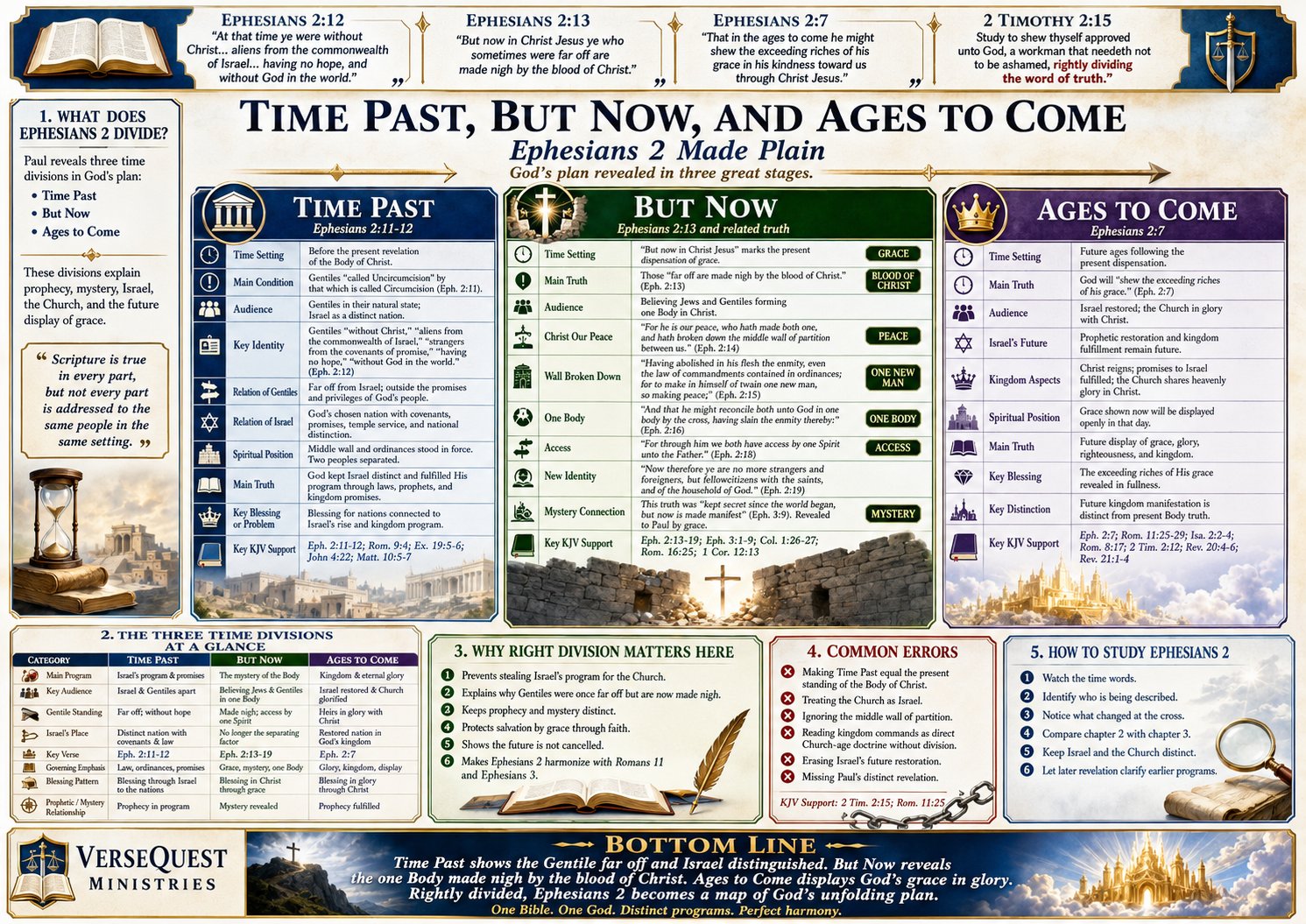
- Time Past, But Now, and Ages to Come – Ephesians 2 Rightly Divided KJV Bible Study Chart
- Understand Ephesians 2 with this detailed KJV chart explaining Time Past, But Now, Ages to Come, Gentile distance, the one Body, Israel’s future, and the importance of right division.
- $3.99
- Add to cart
-
-
Law vs Grace
-
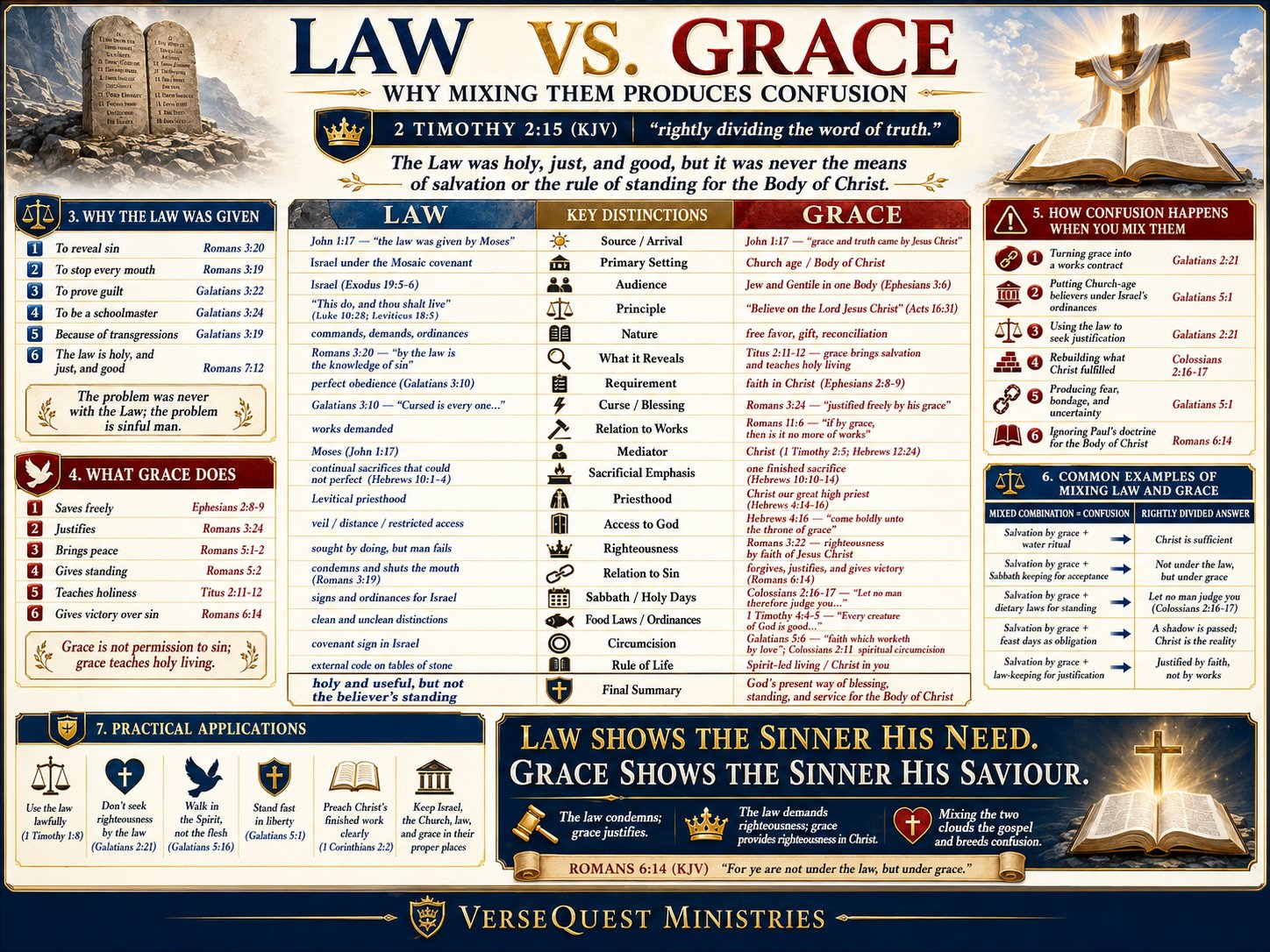
- Law vs. Grace Bible Study Chart – Why Mixing Them Produces Confusion (KJV)
- Compare law and grace with this detailed KJV Bible study chart explaining salvation, justification, holiness, Israel’s Mosaic covenant, Christian liberty, and the danger of mixing law with the gospel.
- $3.99
- Add to cart
-