
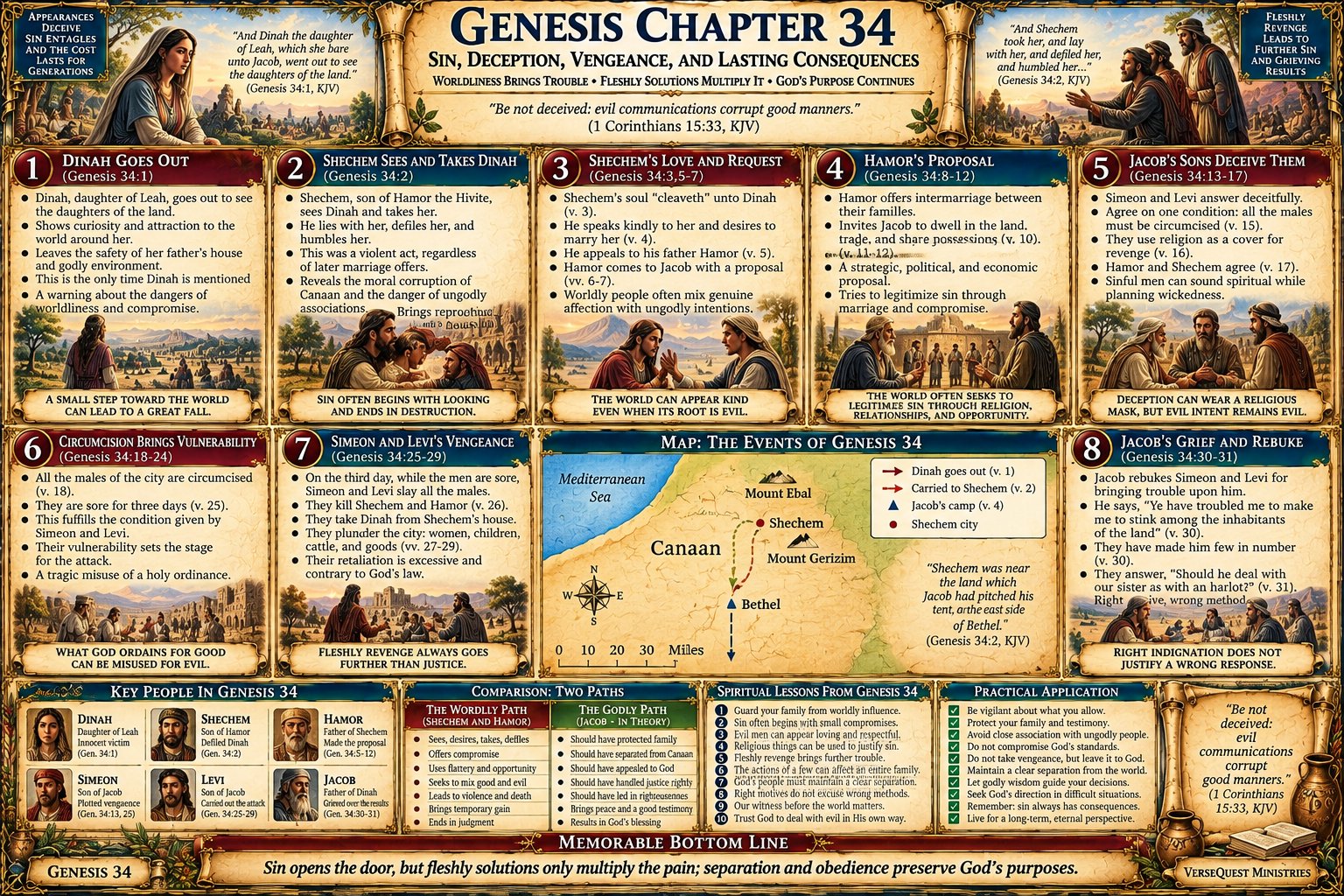
Genesis 34 – Dinah and Shechem: Deception, Misused Circumcision, Simeon and Levi’s Vengeance, and Lasting Consequences (KJV Bible Study Chart)
Explore Genesis 34 with this detailed KJV Bible study chart examining Dinah, Shechem, Hamor, Simeon, Levi, and one of the most troubling episodes in Jacob’s family history. Follow the progression from Dinah’s encounter with Shechem to Hamor’s proposal of intermarriage, the deceptive demand for circumcision, the vulnerability of the city’s men, and Simeon and Levi’s violent revenge. The chart also examines the plundering of Shechem, Jacob’s rebuke, and the lasting consequences later reflected in Genesis 49. Genesis 34 provides a sobering study of compromise, sexual wrongdoing, deceptive religion, anger, vengeance, family consequences, and the difference between righteous indignation and sinful retaliation. Ideal for Bible study, sermon preparation, homeschool, Sunday school, family teaching, and studies of Jacob’s sons and the tribes of Israel.
$4.99
Description
Genesis 34: Sin, Deception, Vengeance, and Lasting Consequences is a detailed KJV Bible study chart examining the dark events surrounding Dinah, Shechem, Hamor, Jacob’s sons, and the violent retaliation carried out by Simeon and Levi. The chapter demonstrates how one grievous sin can be followed by deception, manipulation, revenge, bloodshed, plunder, family disgrace, and consequences that reach far beyond the original offense.
Dinah, the daughter of Leah and Jacob, goes out “to see the daughters of the land.” Shechem, the son of Hamor the Hivite, sees her, takes her, lies with her, and defiles her. The text presents the act as a violation, regardless of Shechem’s later affection or desire to marry her. His soul afterward cleaves unto Dinah, he speaks kindly to her, and he asks his father to arrange the marriage.
Hamor approaches Jacob’s family with a broad proposal. He offers intermarriage, shared settlement, trade, possession of land, and economic integration. Shechem himself offers to pay whatever dowry or gift Jacob’s sons require. Yet no material arrangement can erase what has already occurred.
Jacob’s sons respond “deceitfully.” They insist that every male of Shechem’s city be circumcised before intermarriage can occur. Circumcision was the sign of God’s covenant with Abraham, but Simeon and Levi weaponize that sacred ordinance as part of a plan for vengeance. Religious language is used to conceal violent intent.
Hamor and Shechem persuade the men of the city to accept the condition, appealing not merely to marriage but also to economic advantage. On the third day, while the men are sore, Simeon and Levi enter the city, kill the males, slay Hamor and Shechem, and retrieve Dinah. Jacob’s other sons then spoil the city, taking flocks, herds, wealth, women, and children.
Jacob rebukes Simeon and Levi because their actions have endangered the entire household among the surrounding inhabitants. They answer by appealing to the wrong done to their sister. Their anger has a legitimate cause, but righteous indignation does not make deception, indiscriminate killing, and plunder righteous.
Genesis later returns to this event when Jacob speaks prophetically concerning Simeon and Levi in Genesis 49. Their cruelty leaves a lasting mark upon their family history.
Genesis 34 therefore refuses easy answers. Shechem’s sin is evil; the brothers’ vengeance is also evil. Scripture does not require believers to choose between indifference toward wickedness and sinful retaliation. The chapter warns that uncontrolled anger, compromised associations, deceptive religion, and fleshly revenge multiply sorrow rather than producing biblical justice.
Genesis 34, Dinah, Shechem, Hamor, Simeon and Levi, Dinah and Shechem, daughters of the land, sin and consequences, deception, circumcision misused, covenant sign, vengeance, anger, violence, family conflict, retaliation, Shechem city, intermarriage, compromise, plunder, Jacob’s grief, righteous anger, fleshly revenge, lasting consequences, Genesis 49
Genesis 34 is one of the darkest chapters in Jacob’s family history. Dinah, the daughter of Leah, goes out “to see the daughters of the land.” Dinah is mentioned elsewhere in Genesis, including Genesis 30:21 and 46:15, but Genesis 34 contains the only extended narrative centered upon her. The chapter immediately places Jacob’s household in dangerous contact with the people of Shechem.
Shechem, son of Hamor the Hivite, sees Dinah, takes her, lies with her, and defiles her. Verse 2 also says that he “humbled her.” Whatever affection Shechem later professes does not erase the offense. He subsequently desires Dinah as his wife, speaks kindly to her, and asks Hamor to obtain her for him.
Hamor proposes far more than one marriage. He offers intermarriage between the families, settlement in the land, trade, and property rights. Shechem also promises whatever dowry Jacob’s sons demand. The proposal would draw Jacob’s covenant family into deep social and marital union with the inhabitants of the land.
Jacob’s sons answer “deceitfully.” They tell Hamor and Shechem that marriage is impossible unless every male in the city becomes circumcised. This is particularly serious because circumcision was God’s covenant sign given in Genesis 17. Simeon and Levi take something ordained by God and use it as an instrument in a revenge plot. Sacred terminology cannot sanctify evil motives.
Hamor and Shechem convince the men of their city to comply, partly by arguing that Jacob’s possessions will eventually become theirs. Genesis 34:25 then states that “on the third day, when they were sore,” Simeon and Levi enter the city and kill the males. They also slay Hamor and Shechem and remove Dinah from Shechem’s house.
The other sons of Jacob then spoil the city, taking livestock, wealth, women, and children. Their response moves far beyond punishing the guilty individual. Anger over genuine wickedness develops into deception, collective slaughter, and plunder.
Jacob rebukes Simeon and Levi for bringing danger upon the household among the Canaanites and Perizzites. The brothers reply, “Should he deal with our sister as with an harlot?” Their question reflects legitimate outrage over Dinah’s treatment, but a righteous grievance does not automatically make every response righteous.
Genesis 49:5–7 later supplies Jacob’s mature judgment upon the episode. He condemns Simeon and Levi’s anger and cruelty and foretells their scattering in Israel. Scripture therefore does not endorse their vengeance simply because Shechem had committed a grievous wrong.
Genesis 34 teaches that sin cannot be corrected by more sin. Compromise opens doors, deception multiplies trouble, and uncontrolled vengeance spreads consequences beyond the original offense. Biblical justice must remain distinct from personal revenge.
Genesis 34 is useful for teaching the danger of worldly entanglement, the importance of protecting family without becoming sinful in response, the difference between righteous anger and fleshly vengeance, and the danger of using religious language or sacred things to justify wrongdoing. It also demonstrates how private sin can produce consequences throughout an entire household and even across generations. The chapter is valuable for personal Bible study, Sunday school, homeschool instruction, Bible institutes, sermon preparation, family teaching, conflict studies, anger and forgiveness lessons, discipleship, and instruction concerning justice, integrity, separation, and responding biblically to wrongdoing.
King James Bible, Strong’s Concordance, Thompson Chain-Reference Bible, Treasury of Scripture Knowledge, Nave’s Topical Bible, Genesis 30–35 study notes, Jacob family charts, Simeon and Levi studies, Genesis 49 tribal prophecy charts, biblical circumcision studies, anger and vengeance Scripture chains, Romans 12 studies, Ephesians 4 studies, biblical justice studies, maps of Shechem Bethel and Canaan, twelve tribes of Israel resources, VerseQuest Genesis charts
Related products
-
Finding The Will of God
-
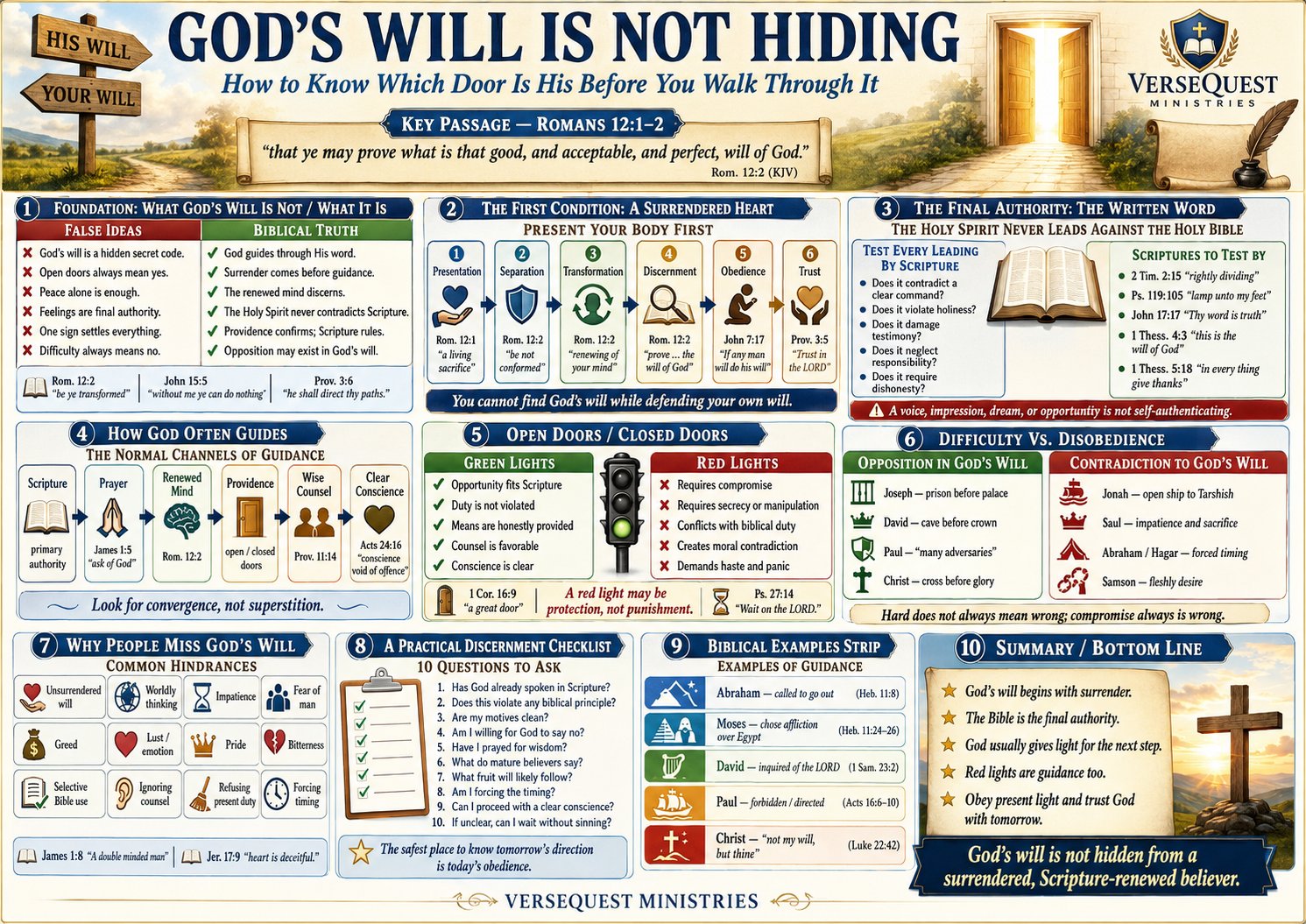
- God’s Will Is Not Hiding – How to Discern Biblical Guidance and Know Which Door Is His (KJV Bible Study Chart)
- Learn how to discern God’s will with this detailed KJV Bible study chart covering surrender, Scripture, prayer, wise counsel, open doors, closed doors, and practical decision-making.
- $3.99
- Add to cart
-
-
Bitterness
-
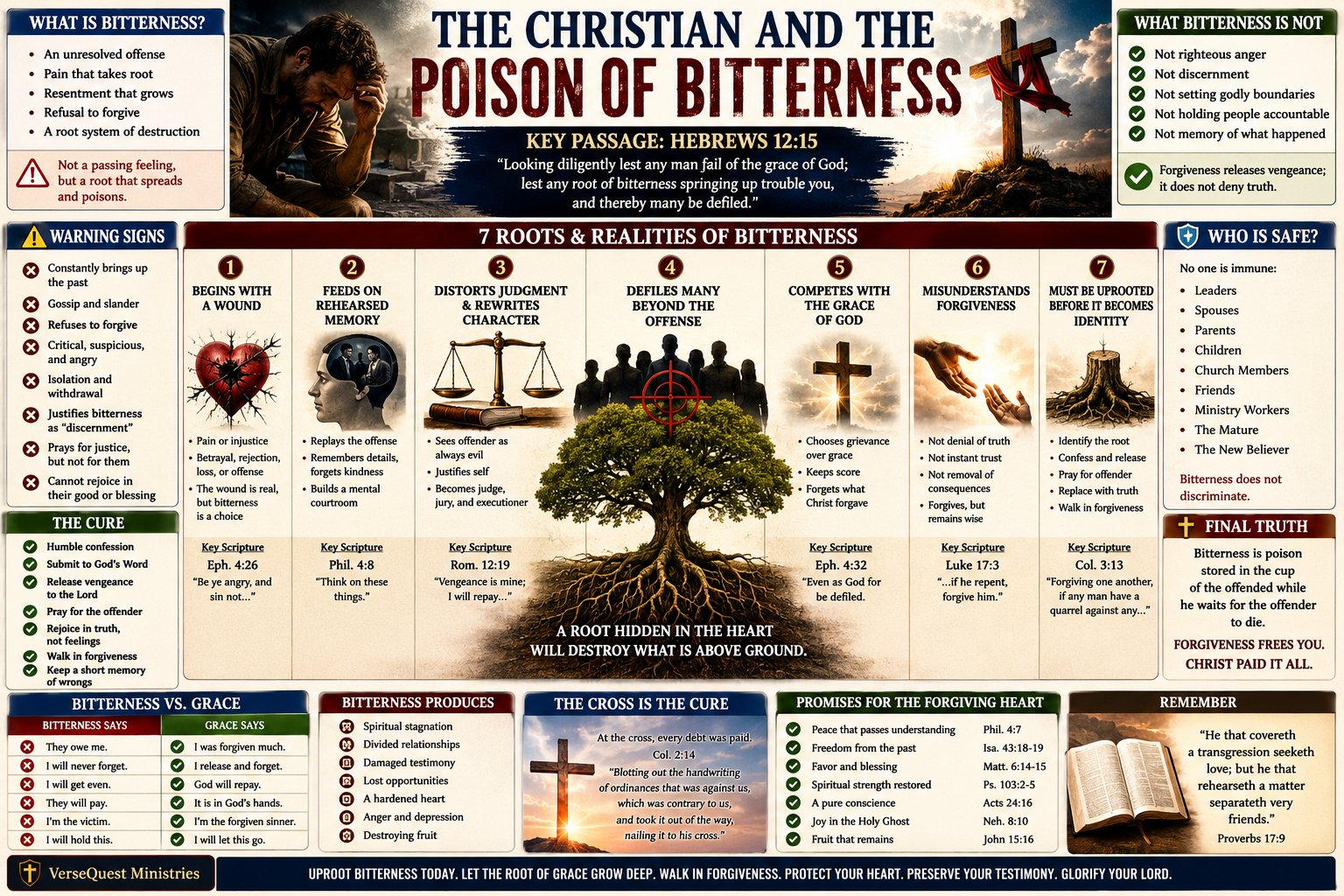
- The Christian and the Poison of Bitterness Bible Study Chart – Forgiveness, Grace, and Healing the Heart (KJV)
- Expose and uproot bitterness with this detailed KJV Bible study chart covering unresolved offenses, warning signs, forgiveness, grace, wise boundaries, the cross, and healing for the Christian heart.
- $3.99
- Add to cart
-
-
Paul and the Twelve
-
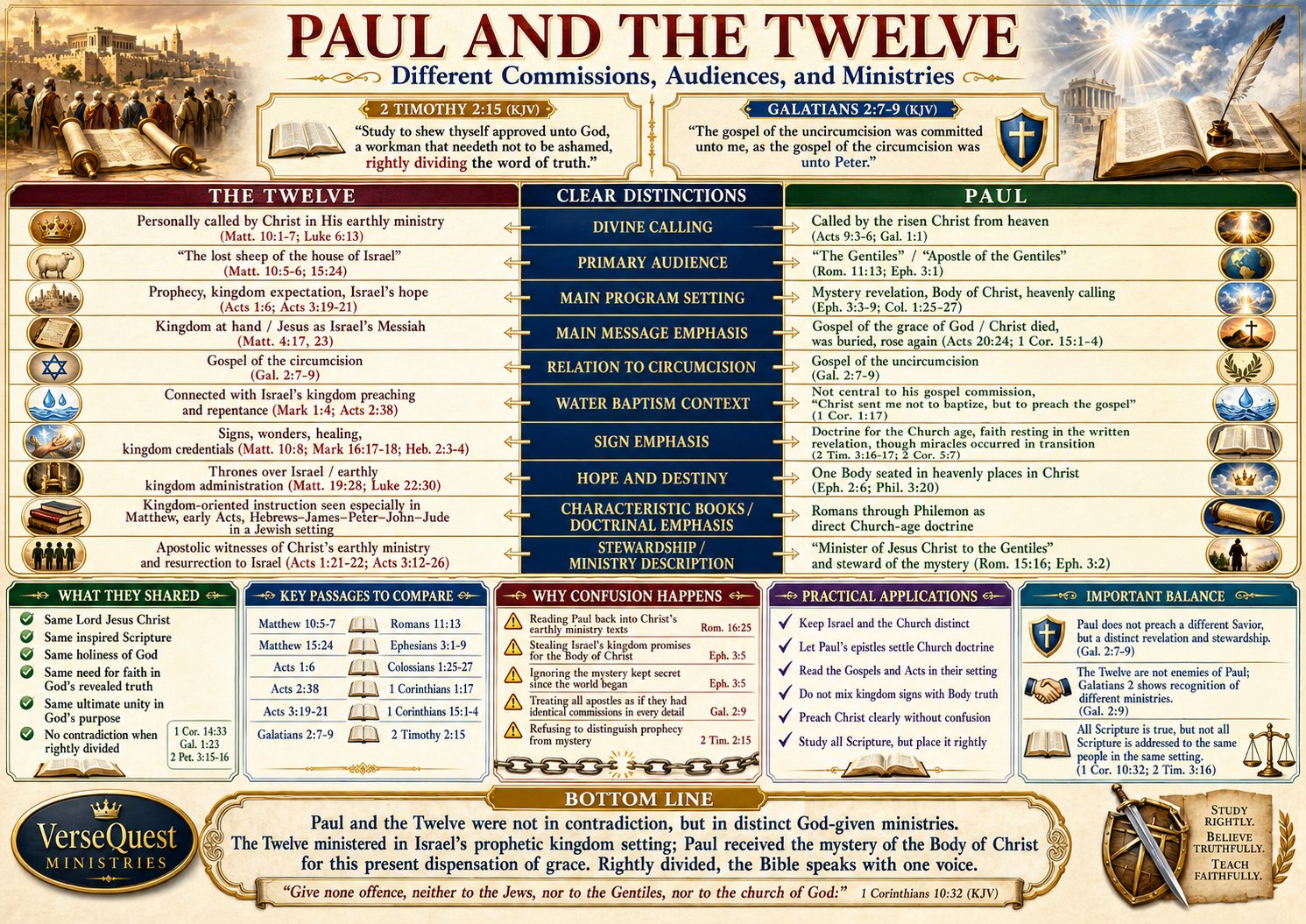
- Paul and the Twelve Bible Study Chart – Different Commissions, Audiences, and Ministries (KJV)
- Compare Paul and the Twelve with this detailed KJV Bible study chart covering their distinct callings, audiences, Kingdom and mystery settings, gospel stewardships, baptism contexts, signs, and future hopes.
- $3.99
- Add to cart
-
-
Christian Growth
-
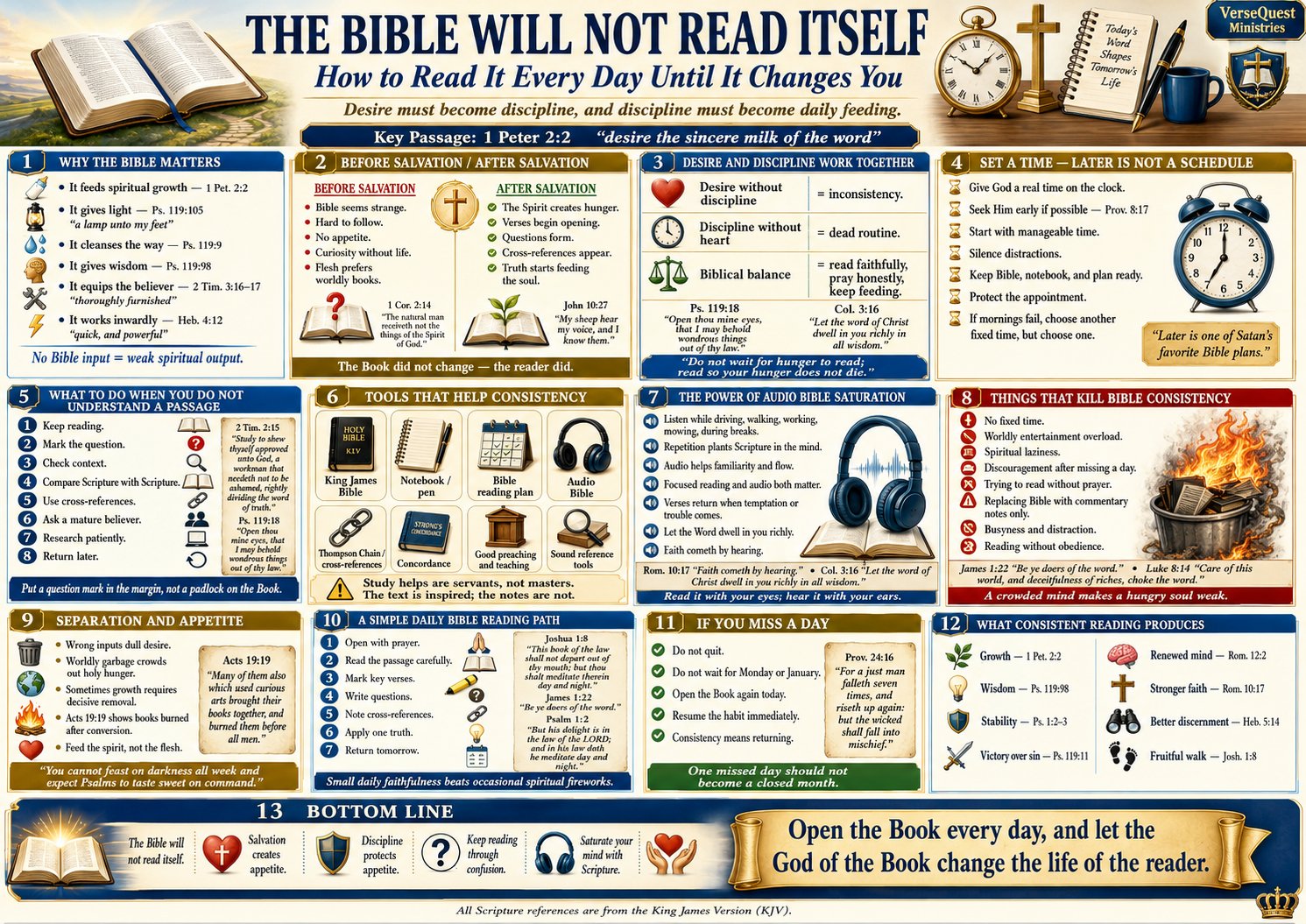
- The Bible Will Not Read Itself – How to Read the Bible Every Day Bible Study Chart (KJV)
- Build a consistent daily Bible reading habit with this detailed KJV Bible study chart. Learn practical steps for reading Scripture faithfully, overcoming inconsistency, understanding difficult passages, and growing spiritually through…
- $3.99
- Add to cart
-
-
Christian Living
-
-50%
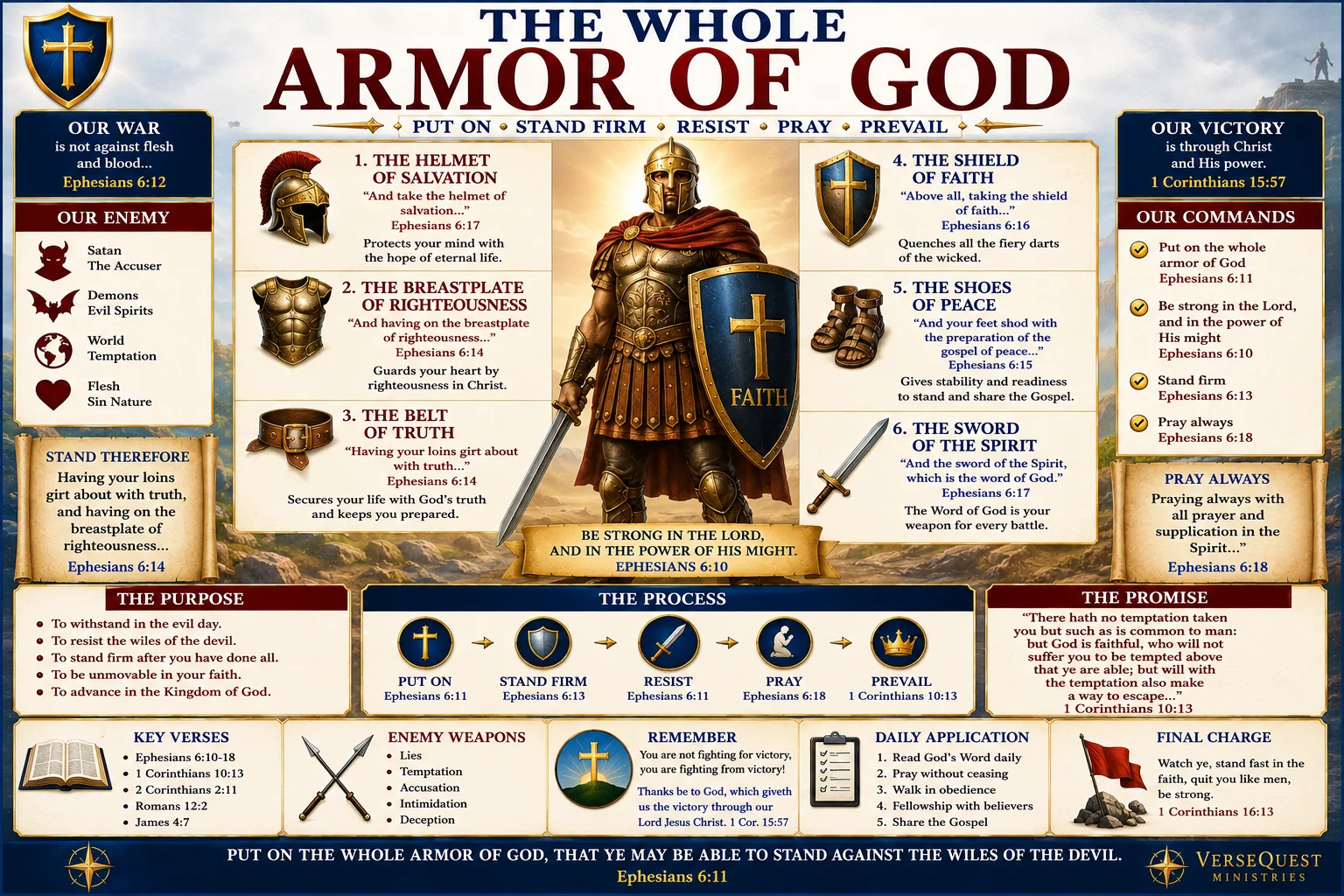
- The Whole Armor of God Chart — KJV Bible Study
- Premium printable KJV Bible study chart explaining the whole armor of God from Ephesians 6, including the helmet, breastplate, belt, shield, shoes, sword, prayer, and spiritual victory in Christ.
- Original price was: $10.00.$4.99Current price is: $4.99.
- Add to cart
-
-50%