
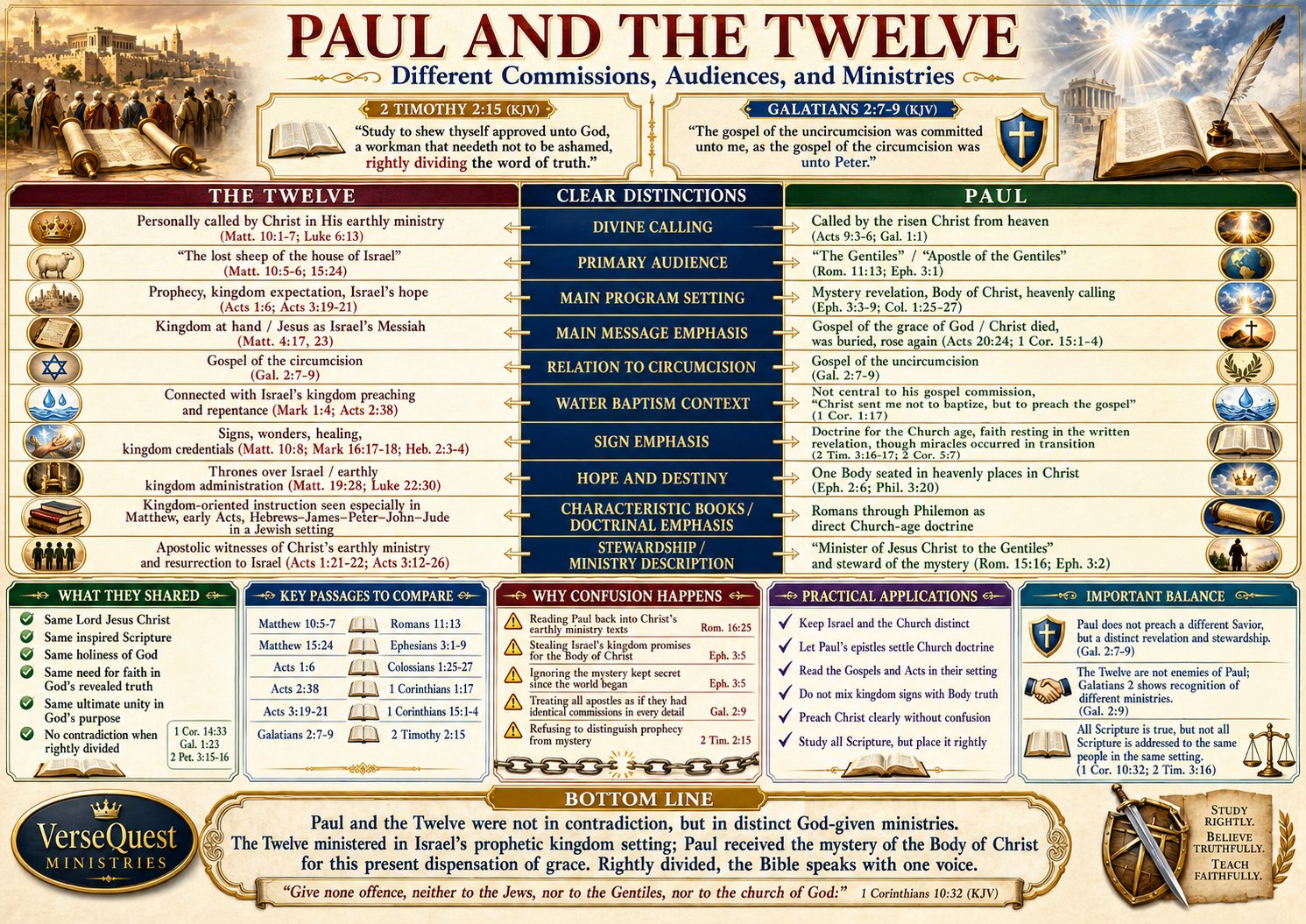
Paul and the Twelve Bible Study Chart – Different Commissions, Audiences, and Ministries (KJV)
Compare Paul and the Twelve with this detailed KJV Bible study chart covering their distinct callings, audiences, Kingdom and mystery settings, gospel stewardships, baptism contexts, signs, and future hopes.
$3.99
Description
Paul and the Twelve: Different Commissions, Audiences, and Ministries is a detailed KJV Bible study chart explaining the important distinctions between the earthly ministry of the Twelve Apostles and the later ministry entrusted to the apostle Paul by the risen and ascended Lord Jesus Christ.
Built around 2 Timothy 2:15 and Galatians 2:7–9, this chart shows that Paul and the Twelve served the same Lord, believed the same inspired Scriptures, and belonged to God’s one unfolding purpose, yet received distinct callings, audiences, stewardships, doctrinal emphases, and ministry settings. Recognizing these distinctions does not place the apostles in contradiction. It allows each ministry to stand exactly where God placed it.
The Twelve were personally called by Jesus Christ during His earthly ministry. They accompanied Him throughout His ministry to Israel, witnessed His miracles, heard His Kingdom teaching, and were commissioned primarily in connection with “the lost sheep of the house of Israel.” Their calling belonged to Israel’s prophetic program and the promised earthly Kingdom.
Paul was called later by the risen Christ from heaven. His apostleship did not originate with the Twelve, Jerusalem, or human ordination. The Lord appeared to him on the road to Damascus and appointed him as a chosen vessel to bear Christ’s name before Gentiles, kings, and the children of Israel.
A central comparison traces the apostles’ different primary audiences. The Twelve were initially directed toward Israel and were told not to enter the way of the Gentiles during their early Kingdom commission. Paul repeatedly identifies himself as “the apostle of the Gentiles” and “the minister of Jesus Christ to the Gentiles.”
The Twelve ministered within the setting of prophecy, Israel’s national hope, and the expectation of the restored Kingdom. Acts 1 records them asking whether the Lord would restore the Kingdom to Israel, while Acts 3 speaks of the restitution of all things previously declared by the prophets.
Paul’s ministry is especially connected with the revelation of the mystery, the formation of the Body of Christ, the equality of believing Jews and Gentiles in one Body, and the Church’s heavenly calling. Ephesians and Colossians describe truths hidden in previous ages and later revealed through Paul’s God-given stewardship.
The chart compares the principal message emphasis of each ministry. The Twelve proclaimed that the Kingdom was at hand and presented Jesus as Israel’s promised Messiah and King. Paul preached the gospel of the grace of God, emphasizing Christ’s death for sins, burial, resurrection, and the sinner’s justification through faith apart from works.
Galatians 2 distinguishes the gospel of the circumcision committed to Peter from the gospel of the uncircumcision committed to Paul. This does not mean that Paul preached a different Saviour or denied the saving work of Christ proclaimed by the other apostles. It identifies distinct apostolic stewardships and primary fields of ministry within God’s developing revelation.
Water baptism appears prominently in Israel’s Kingdom setting as a baptism of repentance and public preparation connected with the Messianic program. Paul baptized some believers during the transitional period recorded in Acts, but he later declared that Christ sent him not to baptize but to preach the gospel. Water baptism was therefore not the centre of his apostolic commission.
Signs, wonders, healing, and other miraculous credentials strongly marked the ministry of the Twelve and authenticated Israel’s Messiah and Kingdom message. Miracles also occurred during Paul’s transitional Acts ministry, confirming his apostolic authority. Yet his later epistles direct the mature Church toward faith resting in the completed written Word rather than continual dependence upon Israel’s sign program.
The Twelve were promised thrones connected with the future government of Israel. Their hope and destiny are closely associated with Israel’s restoration and Christ’s earthly Kingdom administration. Paul reveals the one Body seated in heavenly places in Christ and possessing spiritual blessings in heavenly places.
The chart also compares the books and passages most directly connected with each doctrinal emphasis. The ministry of the Twelve appears prominently in Matthew, the early chapters of Acts, and the Hebrew-Christian setting of later epistles. Paul’s epistles from Romans through Philemon provide the direct doctrinal foundation for the Body of Christ during the present dispensation.
A stewardship comparison identifies the Twelve as apostolic witnesses of Christ’s earthly ministry, resurrection, and promises to Israel. Paul describes himself as a minister of Jesus Christ to the Gentiles and a steward of the mystery revealed by grace.
The chart includes an essential section explaining what Paul and the Twelve shared. They served the same Lord Jesus Christ, believed the same inspired Scriptures, upheld the holiness of God, required faith in God’s revealed truth, and participated in His ultimate purpose. Right division preserves harmony rather than manufacturing opposition.
It also explains why confusion occurs. Readers may force Paul’s later revelation backward into Christ’s early earthly ministry, transfer Israel’s Kingdom promises directly to the Body of Christ, ignore the mystery hidden from previous ages, or treat every apostolic instruction as though it were delivered to the same audience in the same setting.
Practical applications encourage believers to keep Israel and the Church distinct, let Paul’s epistles settle Church-age doctrine, read the Gospels and Acts within their proper settings, avoid mixing Kingdom signs with Body truth, preach Christ clearly, and study every passage according to its audience and administration.
The chart’s important balance must be maintained: Paul did not preach a rival Christ, invent an opposing religion, or become an enemy of the Twelve. Galatians 2 records the Jerusalem apostles recognizing the grace given to Paul and acknowledging the distinct ministry entrusted to him.
The bottom line is that Paul and the Twelve were not in contradiction but operated within distinct God-given ministries. The Twelve served primarily in Israel’s prophetic Kingdom setting, while Paul received the revelation and stewardship concerning the Body of Christ for the present dispensation of grace.
This chart is ideal for personal Bible study, Pauline doctrine, dispensational teaching, right-division classes, Israel and Church comparisons, Acts studies, pastoral training, Sunday school, homeschool Bible curriculum, Bible institutes, sermon preparation, and believers seeking clarity about apostolic ministry.
Paul and the Twelve, different apostolic commissions, apostle of the Gentiles, lost sheep of Israel, prophecy and mystery, Kingdom program, Body of Christ, gospel of the circumcision, gospel of the uncircumcision, Pauline revelation, Israel and the Church, water baptism, signs and wonders, earthly Kingdom hope, heavenly calling, apostolic stewardship, Acts transition, Church-age doctrine, right division, biblical harmony
The Twelve were called by Christ during His earthly ministry and commissioned within Israel’s prophetic Kingdom program. Their original field was the lost sheep of the house of Israel, and their ministry announced the nearness of the promised Kingdom.
Paul was called by the risen and glorified Christ from heaven. His apostleship came neither from men nor through the Jerusalem apostles but by the direct revelation and appointment of Jesus Christ.
Paul’s designation as the apostle of the Gentiles identifies his principal stewardship. His ministry did not deny God’s dealings with Israel but revealed truth for the Body of Christ during Israel’s present partial blindness.
Galatians 2 distinguishes the gospel of the circumcision from the gospel of the uncircumcision. The passage recognizes distinct apostolic responsibilities without teaching two competing Saviours.
The Twelve ministered within prophecy—truth spoken by the prophets since the world began. Paul received the revelation of the mystery—truth previously hidden and later made known by God.
The Kingdom message centred upon Israel’s Messiah and approaching earthly Kingdom. Paul’s gospel emphasis centred upon Christ’s completed death, burial, and resurrection and justification by grace through faith.
Water baptism belonged prominently to Israel’s repentance and Kingdom setting. Paul practised baptism during the Acts transition but explicitly stated that Christ sent him primarily to preach the gospel.
Signs authenticated the apostolic and Kingdom ministry. Paul also performed signs during the transitional period, but his later doctrine directs mature believers toward the completed written Word.
The Twelve possess promises connected with Israel’s future restoration and earthly administration. Paul reveals the Church’s heavenly position, one-Body identity, and expectation of being caught up to meet Christ.
Romans through Philemon should settle direct Church-age doctrine. This does not make the rest of Scripture untrue or unprofitable; it identifies the passages written specifically to and about the Body of Christ.
Paul and the Twelve were not enemies. The Jerusalem apostles recognized the grace given to Paul and extended fellowship while acknowledging their distinct fields of labour.
Right division produces harmony. Confusion begins when distinct audiences, commissions, and stages of revelation are forced into one undifferentiated apostolic program.
Pauline doctrine classes, right-division teaching, Israel and Church comparisons, apostolic ministry studies, Acts transition lessons, prophecy and mystery instruction, gospel stewardship studies, baptism teaching, signs and wonders studies, Church-age doctrine, Sunday school lessons, homeschool Bible curriculum, Christian school teaching, Bible institute classes, pastoral training, sermon preparation, new-believer discipleship, biblical interpretation workshops
King James Bible, Strong’s Concordance, Thompson Chain-Reference Bible, Treasury of Scripture Knowledge, Nave’s Topical Bible, Matthew Kingdom study notes, Acts transition outlines, Romans-through-Philemon study materials, Pauline epistle charts, Israel and Church comparison resources, prophecy and mystery studies, baptism comparison notes, apostolic ministry worksheets, VerseQuest right-division and dispensational charts
Related products
-
Doctrine
-
-50%
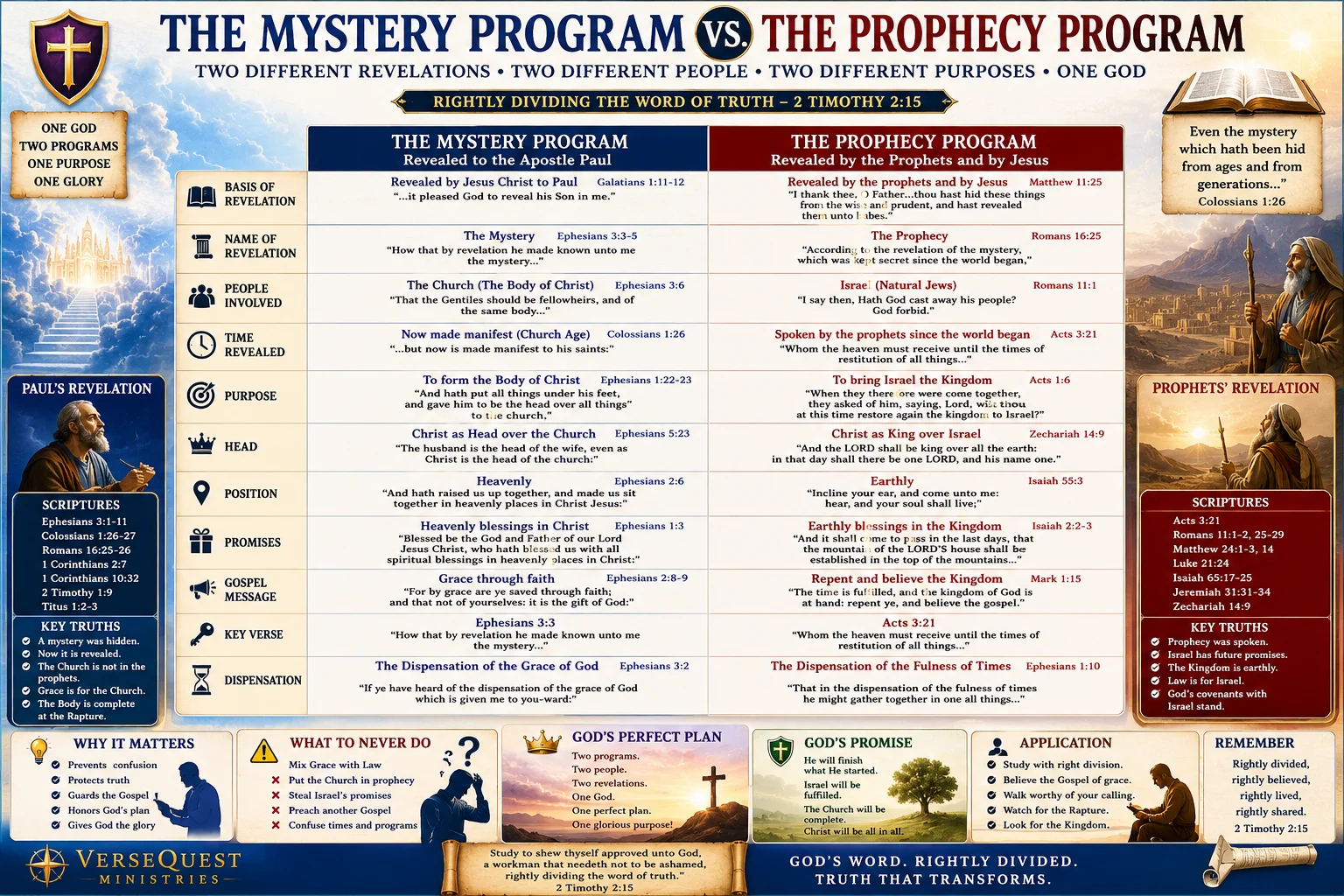
- The Mystery Program vs. Prophecy Program Chart — KJV Rightly Divided
- Premium printable KJV Bible study chart comparing the mystery program revealed through Paul with the prophecy program spoken by the prophets. Rightly divided and designed for teaching and personal study.
- Original price was: $10.00.$4.99Current price is: $4.99.
- Add to cart
-
-50%
-
Daniel Bible study
-
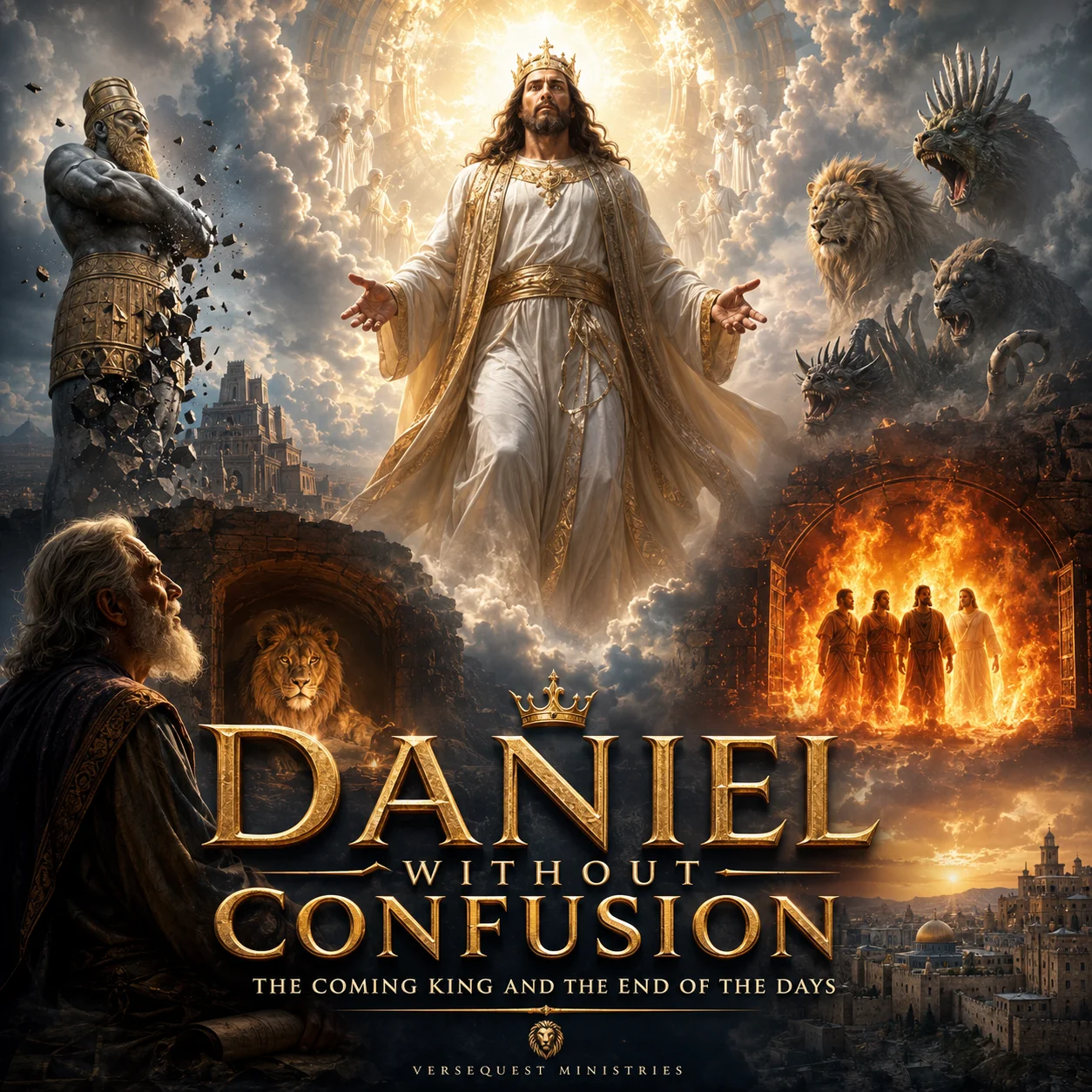
- Daniel Without Confusion — KJV Prophecy Study PDF Book
- A 392-page KJV Bible study through the book of Daniel, covering Babylon, Gentile kingdoms, the seventy weeks, Antichrist, Jacob’s trouble, resurrection, and the coming King. Digital PDF download. Price: $9.99.
- $9.99
- Add to cart
-
-
Sabbath Bible Study
-
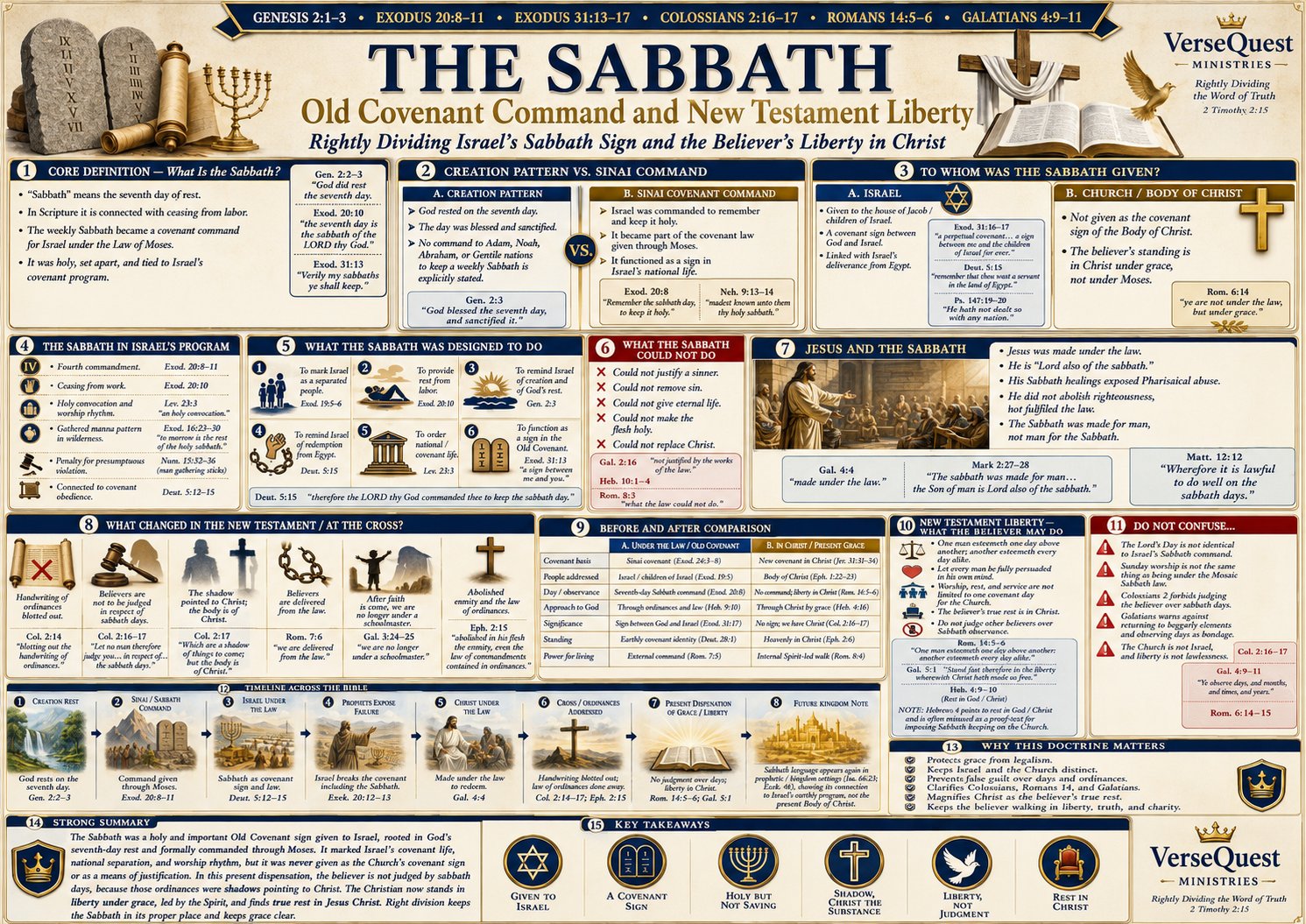
- The Sabbath – Israel’s Old Covenant Command and the Believer’s New Testament Liberty in Christ (KJV Bible Study Chart)
- Understand the Sabbath with this detailed KJV chart covering creation rest, Israel’s covenant sign, the fourth commandment, Christ’s fulfillment, Sabbath versus Sunday, and New Testament liberty.
- $3.99
- Add to cart
-
-
Study Books (PDF)
-
-25%
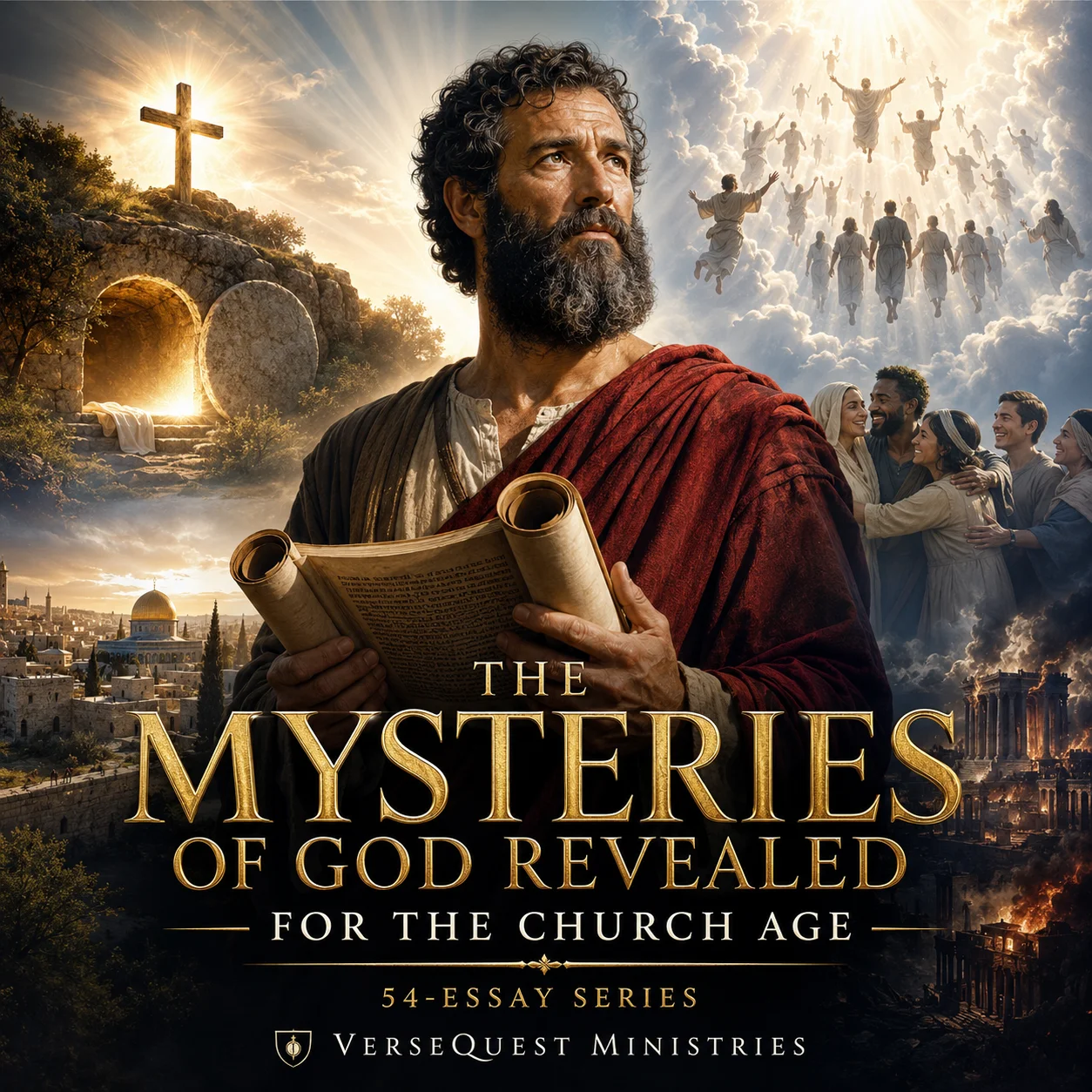
- The Mysteries of God Revealed for the Church Age – Premium Essay Series PDF
- A premium 404-page VerseQuest Ministries digital PDF study book featuring 54 detailed KJV-only essays on the mysteries of God revealed for the Church Age. This rightly divided study covers the…
- Original price was: $39.99.$29.99Current price is: $29.99.
- Add to cart
-
-25%
-
Bible Study Chart
-
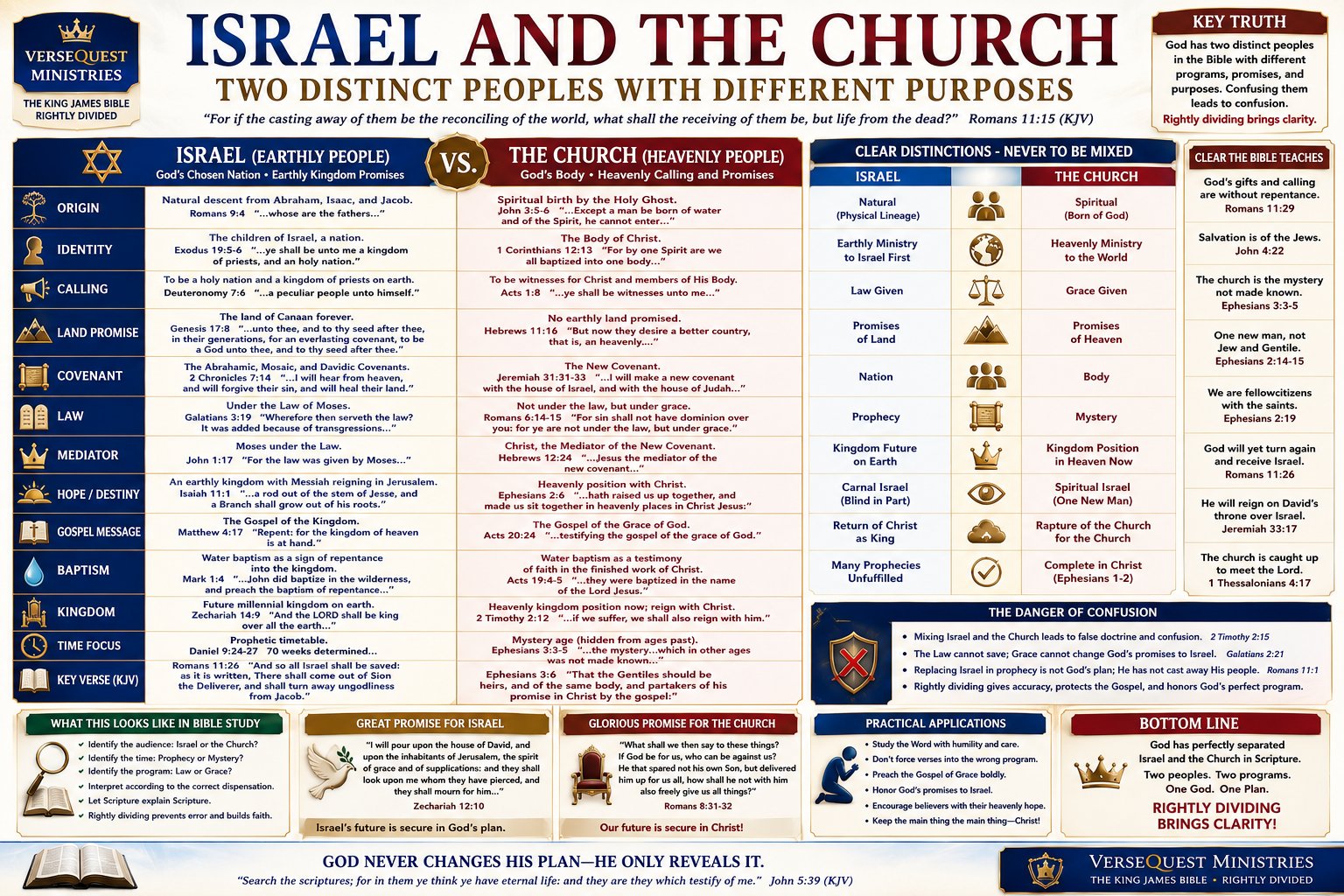
- Israel and the Church Bible Study Chart – Two Distinct Peoples with Different Purposes (KJV)
- Compare Israel and the Church with this detailed KJV Bible study chart covering their distinct origins, identities, covenants, callings, promises, gospel programs, and future destinies.
- $3.99
- Add to cart
-