Topic: Christian Sanctification
-
September 14, 2026
Series: Fruit of the Spirit, Works of the Flesh
Speaker: Paul Tackett
Topic: Chastening and Consequences, Christian Carnality, Christian Liberty, Christian Sanctification, Eternal Security, Fruit of the Spirit, Fruit of the Spirit Sermon Outline, Galatians 5:19–23, KJV Sermon Outline, Love Joy Peace, Meekness and Temperance, Ninefold Fruit of the Spirit, Pauline Doctrine, Practical Holiness, Rightly Dividing, Spirit Filled Living, Two Natures of the Believer, Walking in the Spirit, Works of the Flesh, Works of the Flesh Explained
Book: Galatians
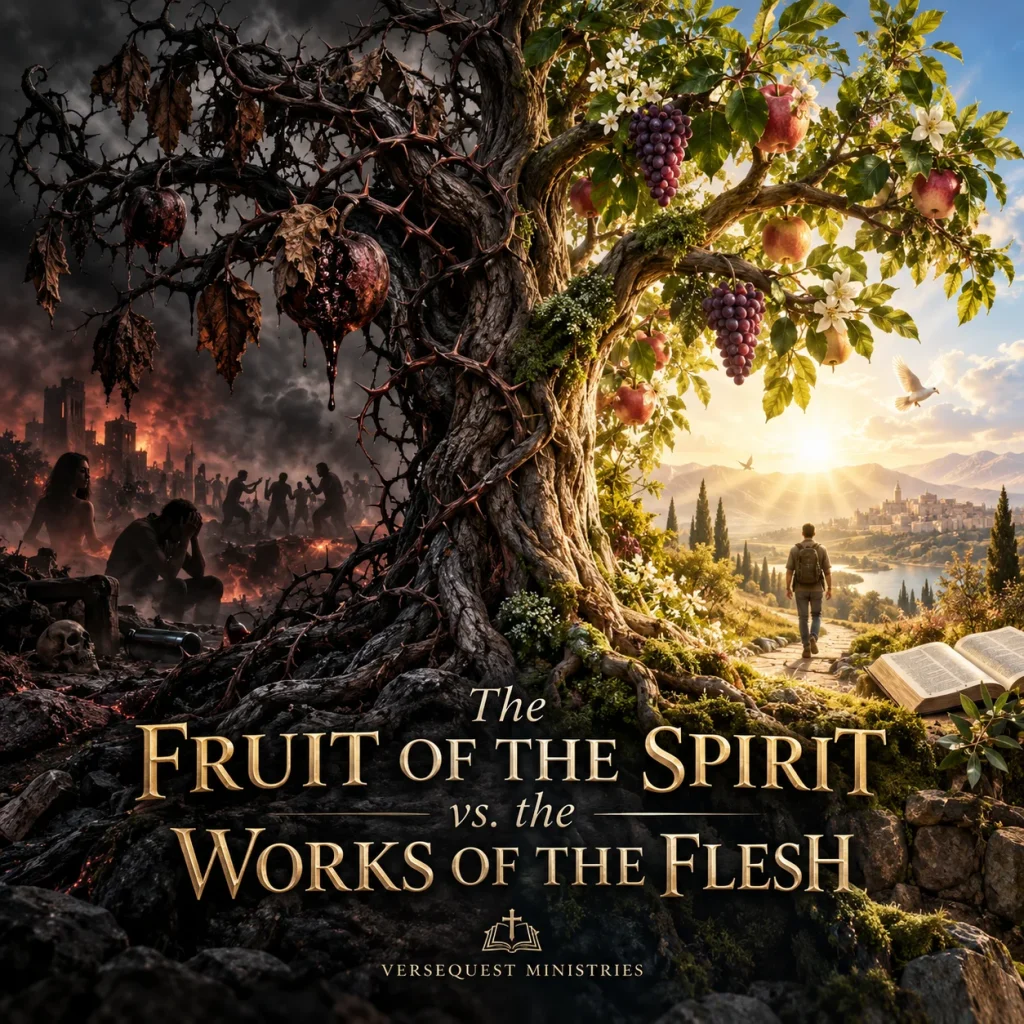
This VerseQuest Ministries sermon outline on Galatians 5:19–23 examines Paul’s sharp contrast between “the works of the flesh” and “the fruit of the Spirit,” revealing two radically different sources and two radically different harvests. The outline explains why fallen human nature naturally produces moral corruption, false spirituality, pride, strife, envy, excess, and bondage, while the Holy Ghost produces love, joy, peace, longsuffering, gentleness, goodness, faith, meekness, and temperance in the yielded believer. It also addresses the believer’s continuing conflict between flesh and Spirit, Christian liberty under grace, the warning concerning those who “shall not inherit the kingdom of God,” eternal security, chastening, loss of reward, and the difference between manufactured religious performance and genuine spiritual fruit. Preachers, teachers, and Bible students will gain a strong KJV-based framework for teaching practical sanctification, the believer’s two natures, Spirit-controlled living, and the necessity of sowing to the Spirit rather than feeding the flesh.
-
September 10, 2026
Speaker: Paul Tackett
Topic: Bible Study Resources, Body of Christ, Chastening Not Condemnation, Christian Holiness, Christian Sanctification, Ephesians 4:30, Eternal Security, Grieve Not the Holy Spirit, Grieving the Holy Spirit, Holy Spirit Seal, Holy Spirit Sermon, KJV Sermon Outline, Pauline Doctrine, Rightly Dividing, Sealed Unto the Day of Redemption, Sealing Versus Filling, Sonship and Fellowship, Spirit Filled Life, Standing and State, Walk in the Spirit
Book: Ephesians
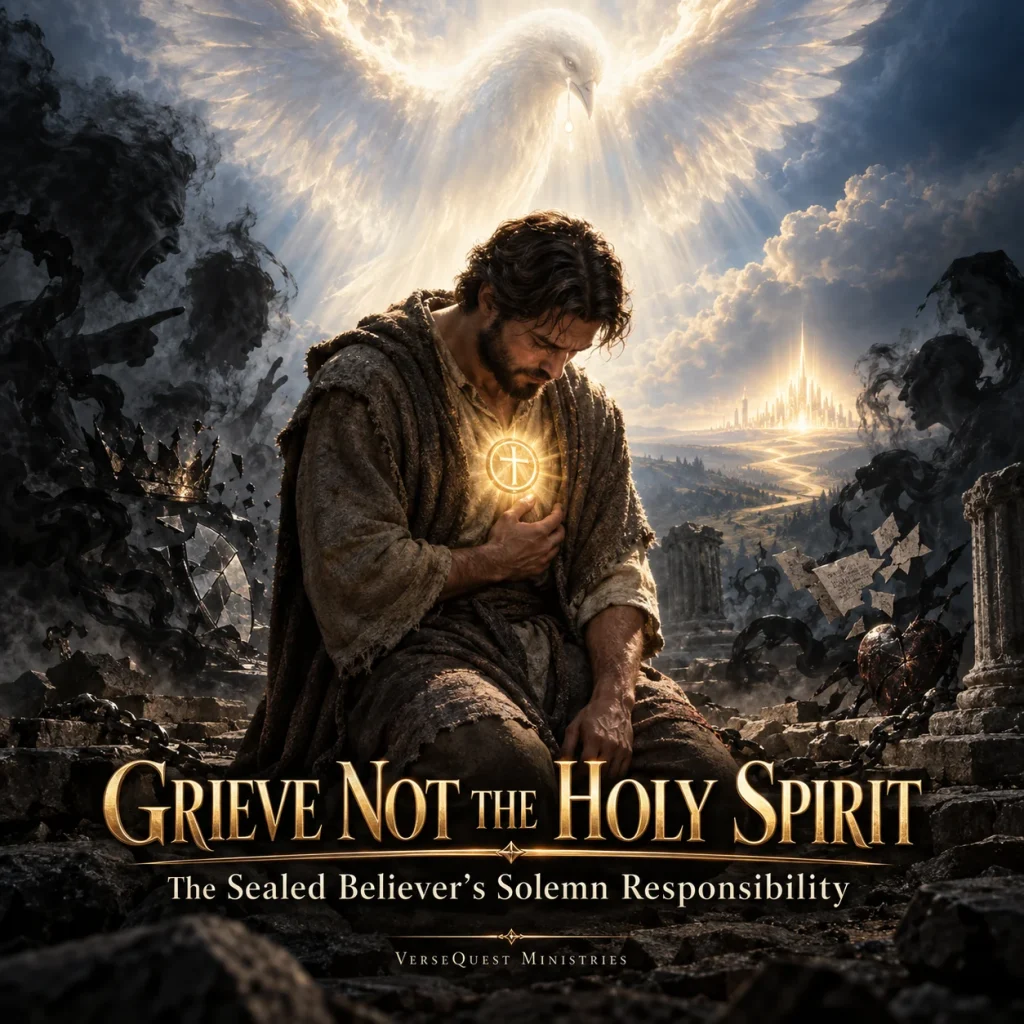
This VerseQuest Ministries sermon outline on Ephesians 4:30 examines Paul’s solemn command, “grieve not the holy Spirit of God,” while emphasizing the equally powerful security statement that believers are “sealed unto the day of redemption.” The outline explains the personality and deity of the Holy Spirit, why the indwelt believer can grieve Him, and how the immediate context identifies lying, sinful anger, stealing, corrupt communication, bitterness, wrath, clamour, evil speaking, and malice as conduct contrary to the Spirit’s holiness. It carefully distinguishes grieving the Spirit from losing the Spirit, sealing from filling, standing from state, sonship from fellowship, and fatherly chastening from eternal condemnation. The sermon also uses right division to distinguish David’s Old Testament prayer concerning the Holy Spirit from the Pauline doctrine of a Church-age believer sealed unto redemption day. Preachers, teachers, and Bible students will gain a strong KJV-based framework for teaching eternal security alongside practical sanctification, Christian accountability, confession, Spirit-filled living, and the responsibility to walk worthy of the calling believers have received in Christ.
-
August 30, 2026
Speaker: Paul Tackett
Topic: Accepted in the Beloved, Believer’s Position in Christ, Bible Study Resources, Chastening Not Condemnation, Christian Sanctification, Christian Walk, Complete in Christ, Difference Between Standing and State, Eternal Security, Judgment Seat of Christ, Justification by Faith, KJV Sermon Outline, No Condemnation, Rightly Dividing, Romans 5:2, Sonship and Fellowship, Spiritual Growth, Standing and State, Standing and State Sermon Outline, Standing in Grace
Book: Romans
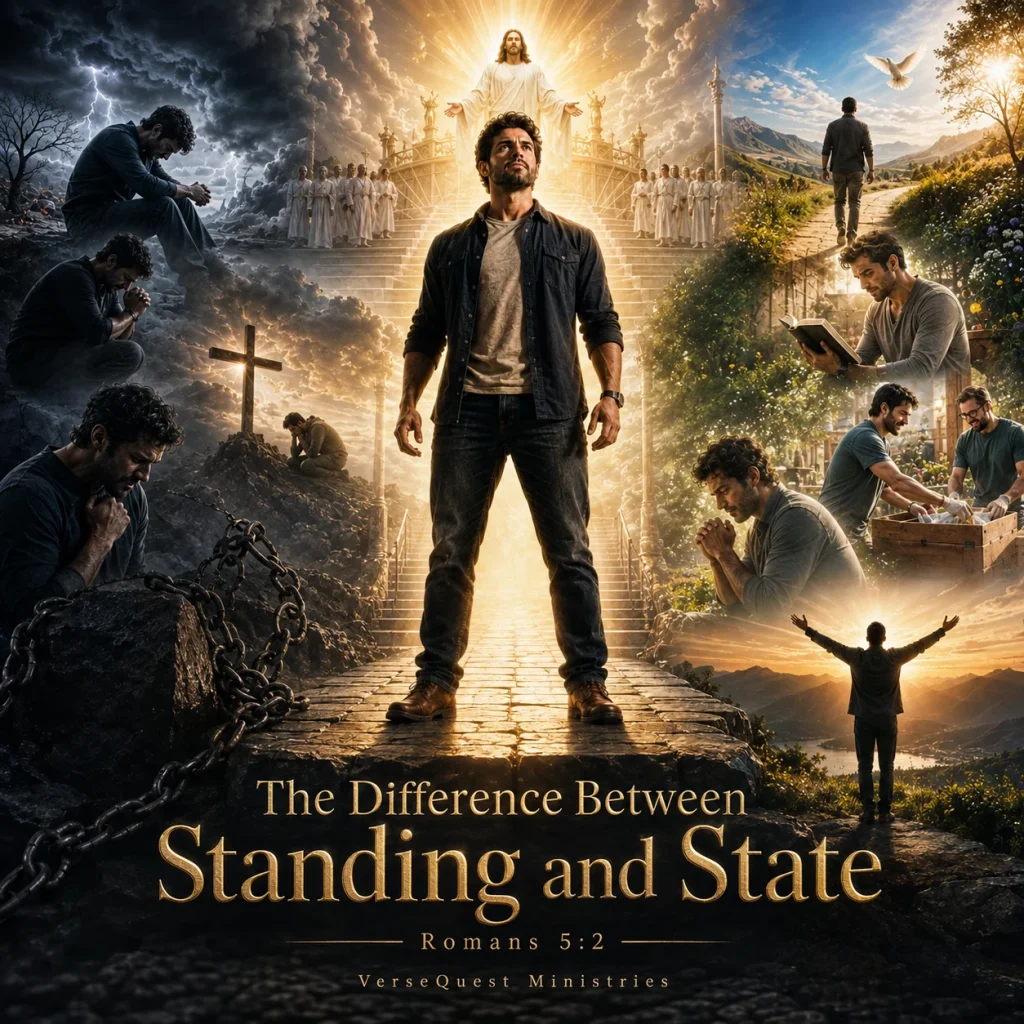
This VerseQuest Ministries sermon outline on Romans 5:2 explains the vital Bible distinction between the believer’s standing and his state. Standing describes the believer’s settled position before God in Jesus Christ—justified by faith, standing in grace, accepted in the Beloved, complete in Christ, redeemed through His blood, sealed by the Holy Spirit, and free from condemnation. State describes the believer’s changing practical condition: his daily walk, fellowship, obedience, spiritual growth, fruitfulness, service, and response to sin. The outline shows how a believer may have a poor practical state while retaining a secure standing in Christ, why broken fellowship is not broken sonship, how chastening and the Judgment Seat of Christ relate to conduct rather than eternal salvation, and why secure grace should produce holiness rather than carelessness. Preachers, teachers, and Bible students will gain a strong KJV-based framework for teaching assurance, sanctification, Christian growth, and the distinction between salvation and service.
-

August 29, 2026
Speaker: Paul Tackett
Topic: Assurance in Christ, Bible Study Resources, Christian Perseverance, Christian Sanctification, Day of Jesus Christ, Eternal Security, Finished Work of Christ, God Finishes What He Starts, God’s Faithfulness, Good Work in the Believer, Gospel of Grace, Grace That Finishes What It Starts, He Will Perform It, Holy Spirit Seal, KJV Sermon Outline, Philippians 1:6, Philippians 1:6 Sermon Outline, Redemption Day, Rightly Dividing, Spiritual Growth
Book: Philippians
This VerseQuest Ministries sermon outline on Philippians 1:6 explains Paul’s confidence that “he which hath begun a good work in you will perform it until the day of Jesus Christ.” The outline shows that salvation begins with God’s grace, rests upon the death, burial, and resurrection of Jesus Christ, and moves toward the future completion God has promised His blood-bought people. It examines the believer’s fellowship in the gospel, the sealing and earnest of the Holy Spirit, practical spiritual growth, God’s work through trials, the coming day of Jesus Christ, Christian accountability, and the distinction between God’s preserving faithfulness and the believer’s responsibility to obey and serve. Preachers, teachers, and Bible students will gain a strong KJV-based framework for teaching assurance without passivity, sanctification without legalism, and the comforting truth that the God who begins His saving work does not abandon it before redemption is complete.