
Repetition: The Mother of Learning – Hearing, Reading, Studying, Remembering, and Living God’s Truth (KJV Bible Study Chart)
Discover why repetition is essential to biblical learning with this detailed KJV chart covering repeated commandments, warnings, promises, doctrines, Scripture memory, spiritual growth, protection from error, and practical study habits.
$3.99
Description
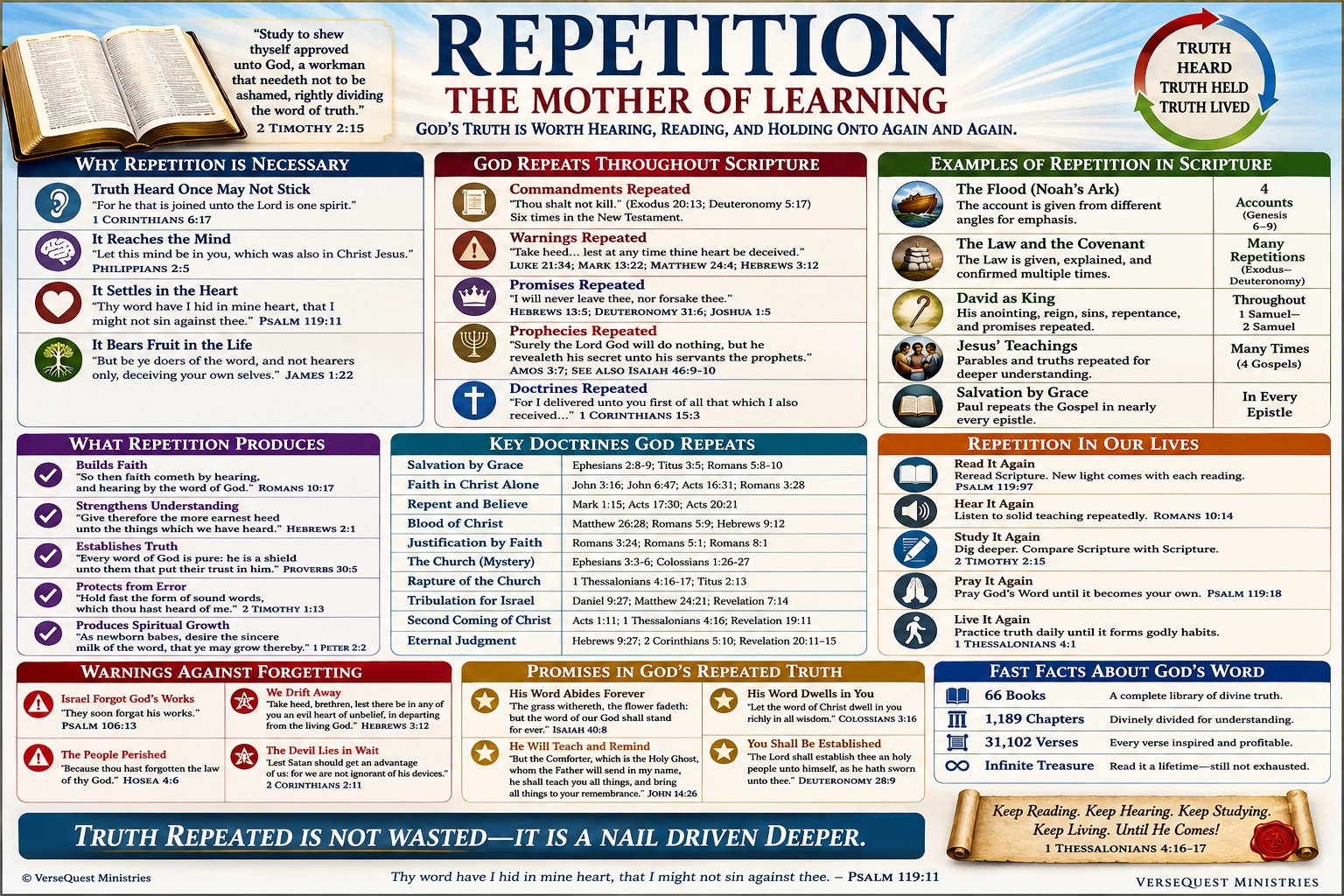
Repetition: The Mother of Learning is a detailed KJV Bible study chart explaining why God repeatedly presents commandments, warnings, promises, prophecies, doctrines, histories, and practical truths throughout Scripture. Repetition is not wasted space, weak writing, or unnecessary duplication. It is one of God’s appointed methods for establishing truth in the mind, settling it in the heart, protecting believers from error, and producing faithful Christian living.
Built around 2 Timothy 2:15, this chart encourages believers to hear, read, study, remember, and practise the Word of God repeatedly. One brief encounter with a biblical truth may introduce it, but repeated exposure helps that truth become understood, retained, applied, and defended.
Human memory is weak. Important truths may be heard clearly and then gradually forgotten beneath the noise, pressure, responsibilities, distractions, temptations, and cares of daily life. God therefore repeats what mankind most needs to remember.
The chart begins by explaining why repetition is necessary. Truth heard once may not remain fixed in the memory. A person may recognize a verse during a sermon yet struggle to recall or apply it several days later. Repeated hearing strengthens familiarity and allows Scripture to become part of the believer’s regular thinking.
Repetition also reaches the mind. Philippians 2:5 commands believers to possess the mind of Christ. That renewed thinking develops as Scripture is read, heard, compared, memorized, and revisited over time.
The truth must also settle in the heart. Psalm 119:11 declares, “Thy word have I hid in mine heart, that I might not sin against thee.” Hiding the Word involves more than seeing it once. It requires repeated attention until Scripture becomes readily available during temptation, discouragement, decision-making, worship, and spiritual conflict.
Repetition should ultimately produce fruit in life. James warns believers not to remain hearers only but to become doers of the Word. Truth has not completed its practical purpose merely because it was heard, highlighted, or admired. It must be remembered and obeyed.
A major section demonstrates that God repeats truth throughout Scripture. The commandments are repeated. The prohibition against murder appears repeatedly because human beings need God’s moral standard stated, reinforced, and applied.
Warnings are repeated because spiritual danger remains real. Scripture repeatedly warns against deception, unbelief, bitterness, false doctrine, carelessness, pride, worldliness, and forgetting the LORD.
Promises are repeated because believers need continual reassurance concerning God’s faithfulness. The Lord repeatedly tells His people that He will not leave or forsake them. The repeated promise does not indicate divine uncertainty; it strengthens human confidence.
Prophecies are repeated and expanded through different prophets and passages. God gives details from multiple perspectives so later readers may compare Scripture with Scripture and understand the certainty, order, and development of prophetic events.
Doctrine is repeated throughout the New Testament. Paul repeatedly declares the gospel, justification by faith, salvation by grace, the blood of Christ, the resurrection, the Body of Christ, the believer’s standing, the Rapture, Christian holiness, and future judgment.
First Corinthians 15 presents the gospel Paul had already delivered and the Corinthians had already received. He repeated it because foundational doctrine must remain continually before the Church.
The chart presents several major biblical examples of repetition. The Flood account is described across several chapters and from different stages of the event. God records the command to enter the ark, the beginning of judgment, the prevailing waters, the preservation of Noah, and the receding Flood in deliberate detail.
The Mosaic law is given, explained, repeated, and applied throughout Exodus, Leviticus, Numbers, and Deuteronomy. Deuteronomy itself rehearses God’s dealings with Israel and restates major covenant commands for a new generation preparing to enter the land.
David’s life appears throughout First and Second Samuel, with additional testimony in Kings, Chronicles, Psalms, and New Testament references. His anointing, persecution, victories, sins, repentance, covenant, and royal line are revisited because his life contributes to Israel’s history and points toward the greater Son of David.
The teachings of Jesus Christ are preserved in four Gospel accounts. The Gospel writers sometimes record the same event, miracle, parable, or teaching from different angles. These accounts are not pointless duplicates. Together they supply a fuller inspired witness concerning the Person and earthly ministry of Christ.
Paul repeats salvation by grace throughout his epistles. The repetition protects the gospel from legalism, ritualism, self-righteousness, religious additions, and the natural human desire to contribute merit to Christ’s finished work.
The chart explains what repetition produces. First, repetition builds faith. Romans 10:17 says that faith comes by hearing and hearing by the Word of God. Continued exposure to Scripture strengthens confidence in what God has spoken.
Second, repetition strengthens understanding. Hebrews warns believers to give earnest heed to the things they have heard lest they let them slip. Revisiting doctrine allows the student to notice connections, distinctions, patterns, and applications that may have been missed previously.
Third, repetition establishes truth. Proverbs 30:5 declares that every word of God is pure. Repeated study gives believers deeper confidence in the consistency, authority, and sufficiency of Scripture.
Fourth, repetition protects from error. Second Timothy 1:13 commands believers to hold fast the form of sound words. Truth repeatedly heard and remembered makes false teaching easier to identify.
A believer unfamiliar with sound doctrine may be impressed by novelty, eloquence, religious excitement, or confident personalities. A believer grounded through repeated biblical teaching can compare every claim with the written Word.
Fifth, repetition produces spiritual growth. First Peter 2:2 compares Scripture with nourishment desired by newborn babes. A person does not eat one meal and expect permanent physical strength. Spiritual nourishment likewise requires regular intake.
The chart gathers key doctrines God repeats throughout Scripture. These include salvation by grace, faith in Jesus Christ alone, repentance and belief, the blood of Christ, justification by faith, the mystery of the Church, the Rapture, Israel’s Tribulation, the Second Coming of Christ, and eternal judgment.
Salvation by grace appears in passages such as Ephesians 2:8–9, Titus 3:5, and Romans 5. The sinner is not saved by religious works, law-keeping, sacraments, or personal righteousness but by the grace of God through faith in Christ.
Faith in Christ alone is repeatedly emphasized in John, Acts, and Romans. Repetition protects the believer from shifting confidence toward self, ritual, institutions, or religious performance.
The command to repent and believe occurs within several biblical settings. Each passage must be rightly divided, but the repeated call demonstrates mankind’s responsibility to respond to God’s truth.
The blood of Jesus Christ appears repeatedly because redemption, forgiveness, reconciliation, cleansing, and access to God rest upon His sacrifice.
Justification by faith is repeated because human beings naturally attempt to establish their own righteousness. God repeatedly declares that acceptance comes through Jesus Christ rather than the deeds of the law.
The mystery concerning the Body of Christ is explained repeatedly in Paul’s epistles. Ephesians and Colossians describe the formerly hidden truth concerning believing Jews and Gentiles joined in one Body during the present dispensation.
The Rapture is taught in First Thessalonians, First Corinthians, Titus, and other Pauline passages. Repetition gives the Church hope and distinguishes the catching away of believers from Christ’s later return to establish His Kingdom.
The Tribulation, Second Coming, and final judgment appear repeatedly because prophetic truth provides warning, clarity, accountability, and confidence that God will complete His plan.
The chart offers practical ways to use repetition in daily Christian life. The believer should read it again. Familiar passages should not be abandoned merely because they have been read before. New connections and applications often become visible through repeated reading.
The believer should hear it again. Sound preaching and teaching should be welcomed even when the subject is familiar. The question should not always be, “Have I heard this?” but, “Am I believing and living it?”
The believer should study it again. Second Timothy 2:15 calls for diligent study and right division. Repeated study allows the Christian to compare passages, identify audiences, recognize dispensational distinctions, and handle difficult verses more accurately.
The believer should pray it again. Scripture should shape prayer. The Christian may pray for understanding, obedience, wisdom, conviction, boldness, holiness, and strength until God’s truth becomes deeply personal.
The believer should live it again. Christian obedience is not a one-time event. Faithfulness must be practised daily until godly actions become settled habits.
Truth heard should become truth held, and truth held should become truth lived. This progression is represented visually in the chart as a continuing cycle of spiritual learning.
A major warning section explains the danger of forgetting. Israel repeatedly forgot God’s works. The generation that witnessed divine deliverance still drifted into unbelief, complaining, idolatry, and rebellion.
Forgetting God’s faithfulness produces fear. Forgetting His holiness produces carelessness. Forgetting His commandments produces disobedience. Forgetting His gospel produces doctrinal confusion.
Scripture warns that believers may drift away from truth they once heard. Spiritual decline does not always begin with open rejection. It may begin with neglect, distraction, reduced Bible reading, irregular fellowship, or assuming familiar truths no longer require attention.
The devil takes advantage when believers forget his devices. Satan benefits when Christians forget how temptation works, how false doctrine enters, how pride deceives, and how compromise develops gradually.
The people perished when they forgot God’s law. Forgetfulness is therefore not a harmless mental inconvenience. It may carry serious spiritual, moral, relational, and doctrinal consequences.
The chart also gathers promises connected with God’s repeated truth. God’s Word abides forever. Human generations pass, but the written Word remains settled and authoritative.
The Word of Christ should dwell richly in believers. That requires continual reading, teaching, singing, remembering, and applying Scripture.
The Holy Spirit teaches believers and brings Christ’s words to remembrance. His ministry does not remove the believer’s responsibility to read and study. He works through the truth He inspired.
God promises to establish His people. Repeated biblical instruction produces stability so believers are not easily carried away by every new doctrine or religious trend.
The chart includes several facts about the King James Bible’s structure: 66 books, 1,189 chapters, and 31,102 verses. These inspired Scriptures provide an inexhaustible treasury of doctrine, history, prophecy, correction, wisdom, worship, and practical instruction.
A lifetime of study cannot exhaust the Bible. Familiarity with one passage does not mean its riches have been fully discovered. Scripture remains deeper than the reader’s first understanding.
The chart rejects the idea that repetition is boring when the subject is God’s truth. People willingly repeat songs, stories, slogans, complaints, entertainment, political opinions, and personal memories. The believer should not consider the repeated hearing of eternal truth a burden.
Repetition becomes tedious only when the heart has lost interest in the subject. A hungry Christian does not resent being fed sound doctrine again. He recognizes that spiritual truth deserves continual attention.
Preachers and teachers should not avoid foundational doctrine merely because mature believers have heard it before. New believers need instruction, growing believers need reinforcement, and experienced Christians need reminders.
Peter wrote that he would not be negligent to remind believers of truths they already knew. Paul repeatedly warned, taught, and reviewed doctrine. Biblical ministry includes both new instruction and faithful remembrance.
Parents should use repetition in family discipleship. Children learn Scripture, doctrine, prayer, obedience, and godly habits through regular instruction rather than a single conversation.
Churches should repeat the gospel, not assume everyone present understands it. The death, burial, and resurrection of Christ should remain central rather than being replaced by motivational themes or religious entertainment.
Believers should repeat Scripture during spiritual warfare. When temptation returns, the biblical answer must return. When fear speaks again, God’s promises should be rehearsed again.
When condemnation returns, the believer should remember justification, forgiveness, eternal security, and no condemnation in Christ. When false doctrine returns, the Word of Truth should be stated again.
Repetition must still be rightly divided. Repeating a verse without understanding its audience and setting can reinforce confusion. The purpose is not merely to memorize words but to understand and apply them according to God’s context.
Second Timothy 2:15 remains the governing principle. The student should repeatedly read Scripture while recognizing distinctions between Israel and the Church, law and grace, prophecy and mystery, the Rapture and Second Coming, and different biblical administrations.
The chart’s final message is memorable: truth repeated is not wasted—it is a nail driven deeper. Every repetition strengthens the hold of biblical truth upon the believer’s mind and heart.
God’s truth is worth hearing again, reading again, studying again, praying again, teaching again, and living again. The goal is not endless information but established conviction and faithful obedience.
This resource is ideal for personal Bible study, discipleship, Bible-reading encouragement, Scripture-memory instruction, Christian education, teaching methodology, pastoral training, Sunday school, homeschool Bible curriculum, Christian schools, Bible institutes, sermon preparation, family devotions, and anyone seeking to develop lasting habits of biblical learning.
Repetition in Scripture, mother of learning, Bible study habits, hearing God’s Word, reading Scripture repeatedly, studying the Bible, Scripture memory, remembering biblical truth, living the Word, rightly dividing Scripture, repeated commandments, repeated warnings, repeated promises, repeated prophecy, repeated doctrine, spiritual growth, protection from error, faith comes by hearing, forgetting God’s Word, Christian education
Repetition is one of God’s primary methods for teaching, reminding, warning, strengthening, and establishing His people.
Truth heard once may be forgotten. Repeated exposure helps Scripture move from temporary awareness into settled conviction.
Biblical repetition is purposeful rather than careless duplication. Each repetition may provide a new context, application, emphasis, audience, or detail.
God repeats commandments because human beings are inclined to forget, reinterpret, excuse, and disobey.
God repeats warnings because deception, temptation, pride, compromise, and false doctrine remain continuing dangers.
God repeats promises because believers need continual encouragement concerning His faithfulness.
Prophecy is repeated through different writers and perspectives so the complete biblical picture may be understood.
Paul repeatedly states the gospel because salvation by grace must remain central to Church doctrine.
The four Gospels often record similar events from complementary perspectives. Their repetition provides a fuller inspired testimony concerning Jesus Christ.
The law is repeatedly explained throughout the books of Moses. Deuteronomy rehearses covenant truth for a new generation.
The Flood account unfolds through repeated stages and perspectives, emphasizing both judgment and preservation.
David’s life is revisited throughout historical books, Psalms, prophecy, and the New Testament because of his covenant and Messianic importance.
Repetition builds faith because faith comes by hearing the Word of God.
Repetition strengthens understanding by allowing believers to notice connections missed during earlier readings.
Repetition establishes truth and strengthens confidence in the consistency of Scripture.
Repetition protects from error by making sound doctrine familiar and readily available.
Repetition encourages spiritual growth because the believer requires continual nourishment from God’s Word.
Reading a passage before does not mean its meaning and applications have been exhausted.
The Bible should be read repeatedly throughout the believer’s lifetime.
Hearing sound doctrine again is valuable even when the basic subject is familiar.
Study should go beyond repetition of words to comparison, context, interpretation, and right division.
Prayer may include asking God repeatedly for wisdom, understanding, obedience, and remembrance.
Truth should be practised repeatedly until godly conduct becomes a settled habit.
Truth heard should become truth held. Truth held should become truth lived.
Israel’s repeated forgetfulness led to fear, idolatry, rebellion, complaining, and judgment.
Spiritual drift may begin through neglect rather than open rejection.
Believers should give earnest attention to truths already heard so they do not allow them to slip.
The devil benefits when Christians forget his devices and become unprepared for recurring temptation.
The Holy Spirit brings Scripture to remembrance, but believers remain responsible to read, study, and learn it.
The Word of God abides forever even though human teachers, generations, and institutions pass away.
The Word of Christ should dwell richly within the believer through continual attention.
Familiar truths should not be treated as unimportant truths.
Preachers should repeat foundational doctrine without assuming every hearer understands or remembers it.
Parents should teach Scripture repeatedly through conversation, example, correction, worship, and family study.
Churches should repeat the gospel regularly so Christ’s finished work remains central.
Scripture should be repeated during temptation, fear, grief, accusation, uncertainty, and spiritual warfare.
Repetition must be joined with right division. Memorized verses may still be misapplied when audience and context are ignored.
The purpose of repetition is not merely accumulation of information but faith, understanding, obedience, discernment, and spiritual fruit.
Truth repeated is not wasted. It is driven more deeply into the mind, heart, and life.
Bible-reading encouragement, Scripture-memory training, Christian discipleship, teaching study habits, family devotions, homeschool Bible curriculum, Sunday school instruction, pastoral teaching, sermon preparation, Bible institute classes, Christian school lessons, new-believer training, doctrinal reinforcement, right-division studies, overcoming spiritual forgetfulness, developing daily devotional habits, protecting believers from false doctrine, teaching children biblical truth
King James Bible, Strong’s Concordance, Thompson Chain-Reference Bible, Treasury of Scripture Knowledge, Nave’s Topical Bible, daily Bible-reading plan, Scripture-memory cards, personal study journal, topical Bible study worksheets, verse-mapping resources, doctrinal review sheets, family devotional guides, Bible chronology charts, right-division study materials, Pauline epistle outlines, VerseQuest Bible study and doctrine charts
Related products
-
Christian Living
-
-50%
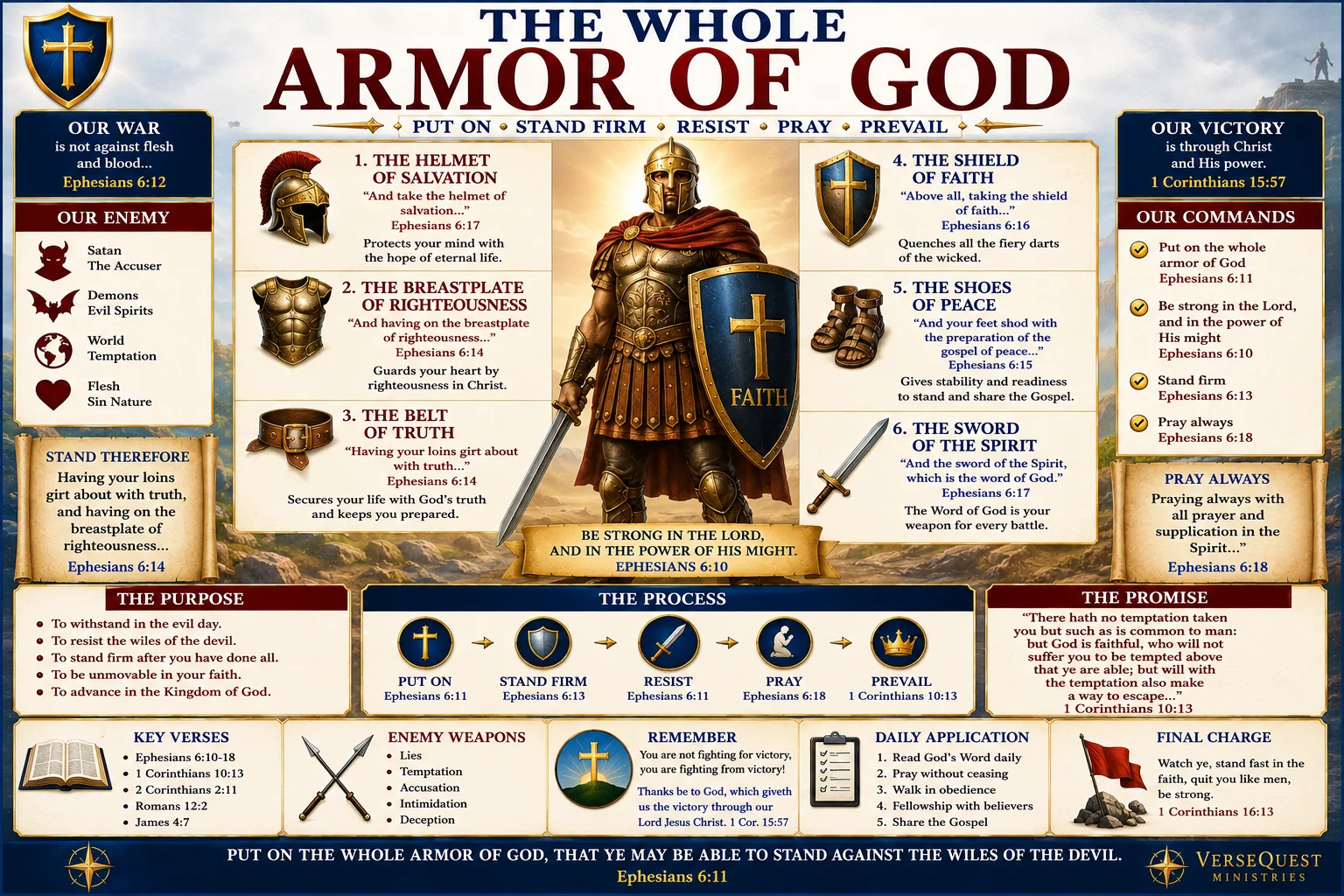
- The Whole Armor of God Chart — KJV Bible Study
- Premium printable KJV Bible study chart explaining the whole armor of God from Ephesians 6, including the helmet, breastplate, belt, shield, shoes, sword, prayer, and spiritual victory in Christ.
- Original price was: $10.00.$4.99Current price is: $4.99.
- Add to cart
-
-50%
-
Spritual Dryness
-
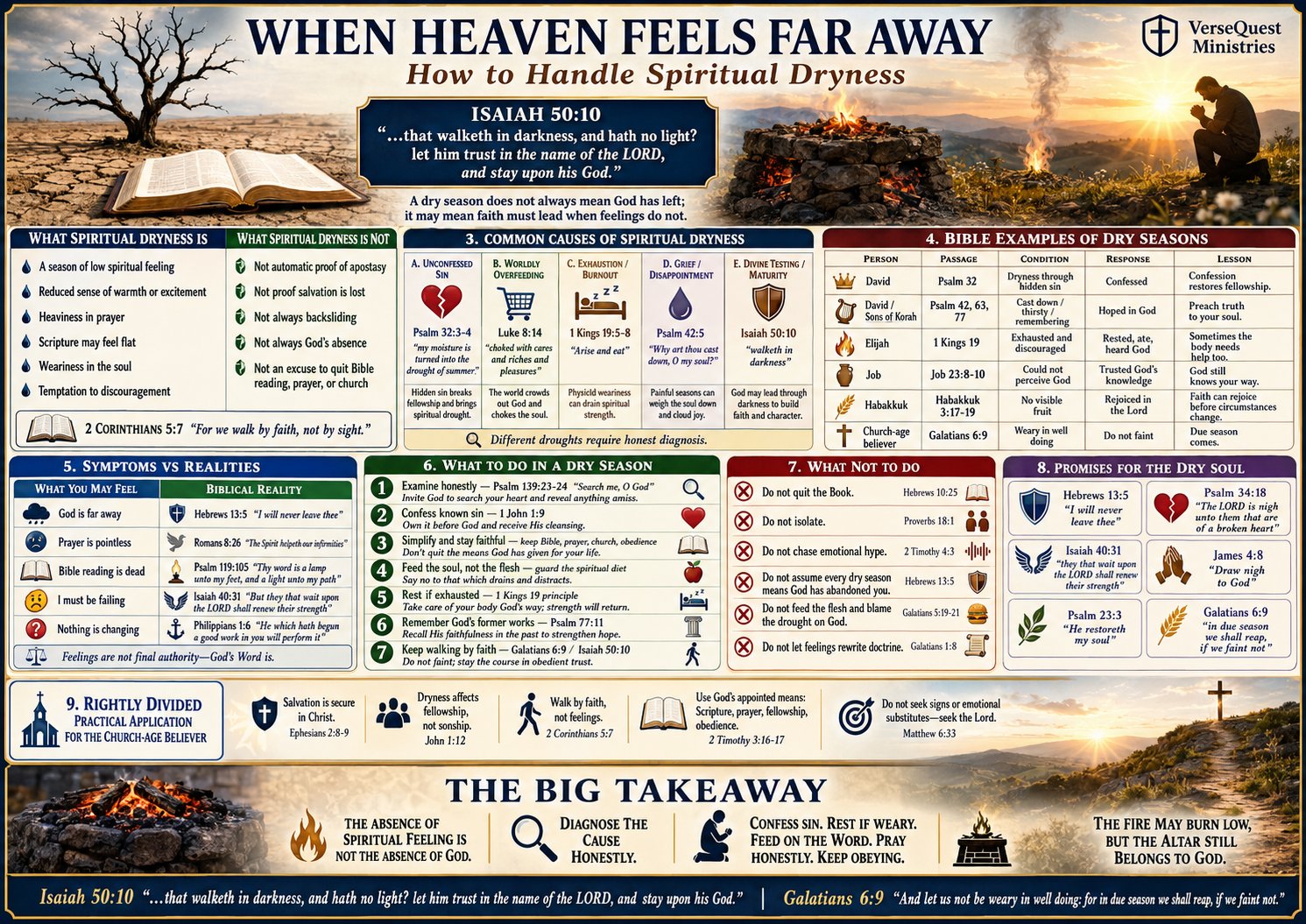
- When Heaven Feels Far Away – How to Handle Spiritual Dryness and Walk by Faith (KJV Bible Study Chart)
- Walk through spiritual dryness with this detailed KJV Bible study chart covering its causes, biblical examples, warning signs, promises, faithful habits, and the difference between feelings and truth.
- $3.99
- Add to cart
-
-
Uncategorized
-
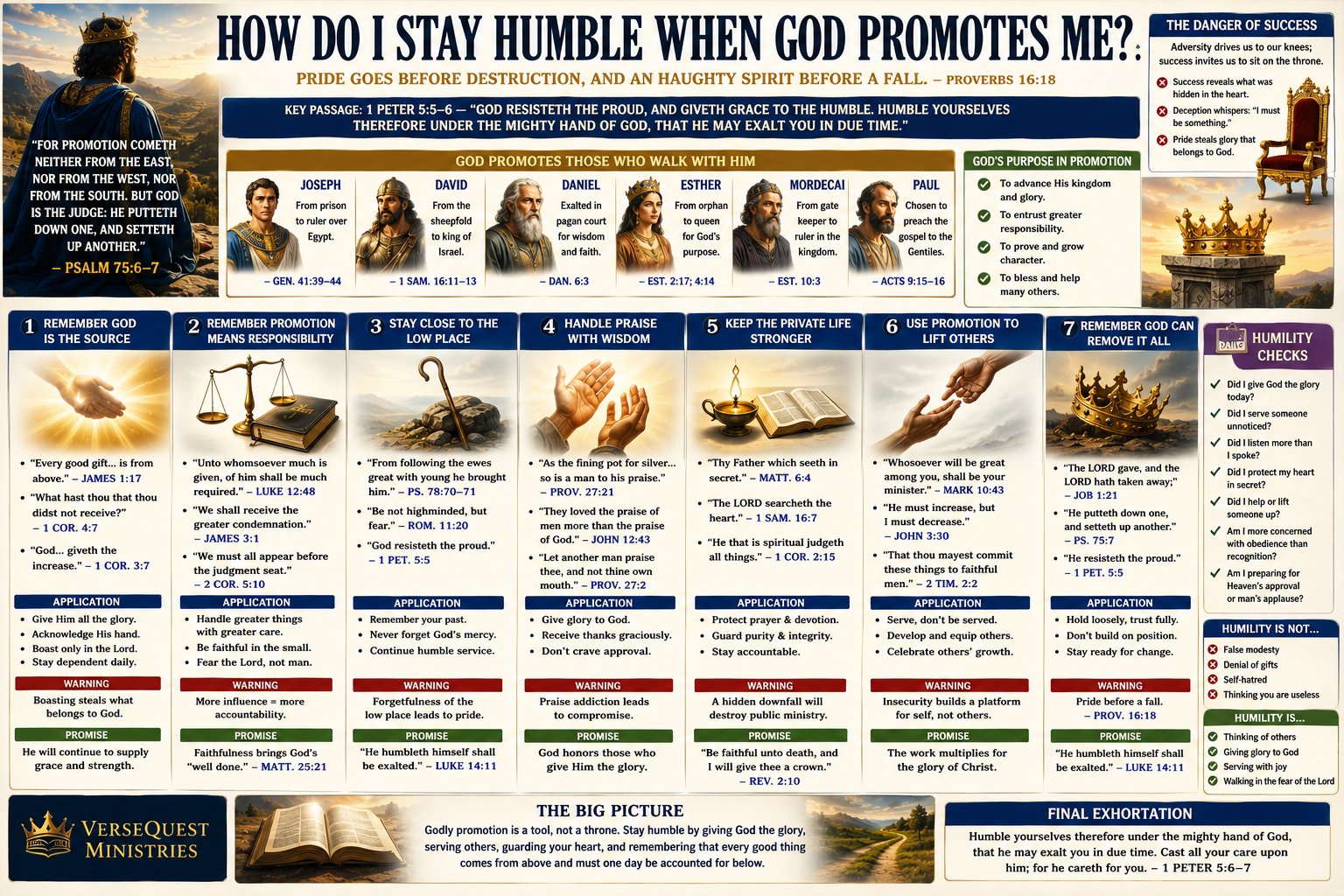
- How to Stay Humble When God Promotes You – Biblical Humility, Success, and Faithful Stewardship (KJV Bible Study Chart)
- Learn how to remain humble when God increases your influence with this detailed KJV Bible study chart covering pride, praise, responsibility, private devotion, servant leadership, and faithful stewardship.
- $3.99
- Add to cart
-
-
Abassadors For Christ
-
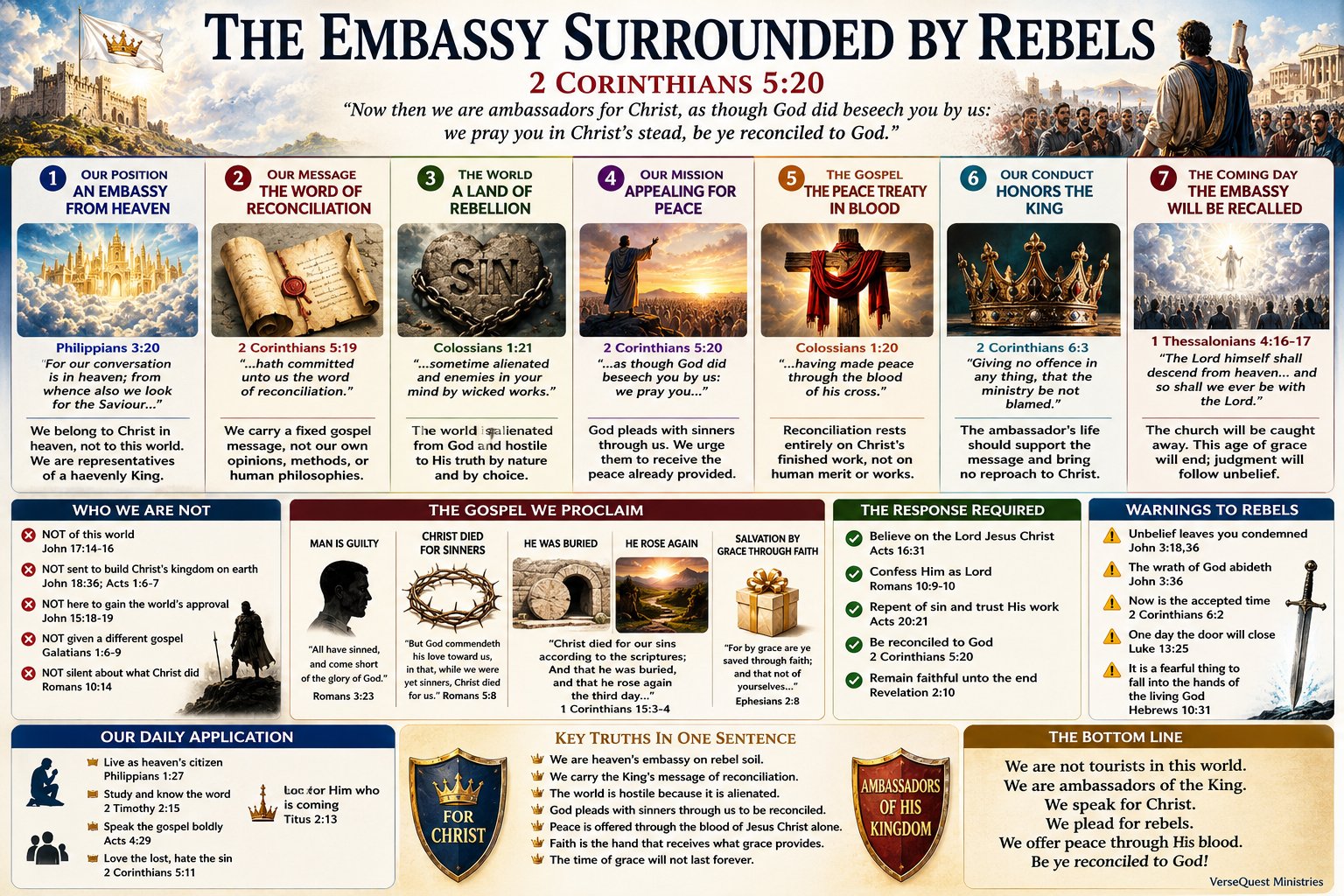
- The Embassy Surrounded by Rebels Bible Study Chart – Ambassadors for Christ and the Ministry of Reconciliation (KJV)
- Understand the Christian’s mission with this detailed KJV chart covering ambassadors for Christ, heavenly citizenship, the gospel of reconciliation, faithful conduct, evangelism, and the coming Rapture.
- $3.99
- Add to cart
-
-
Spiritual Growth
-
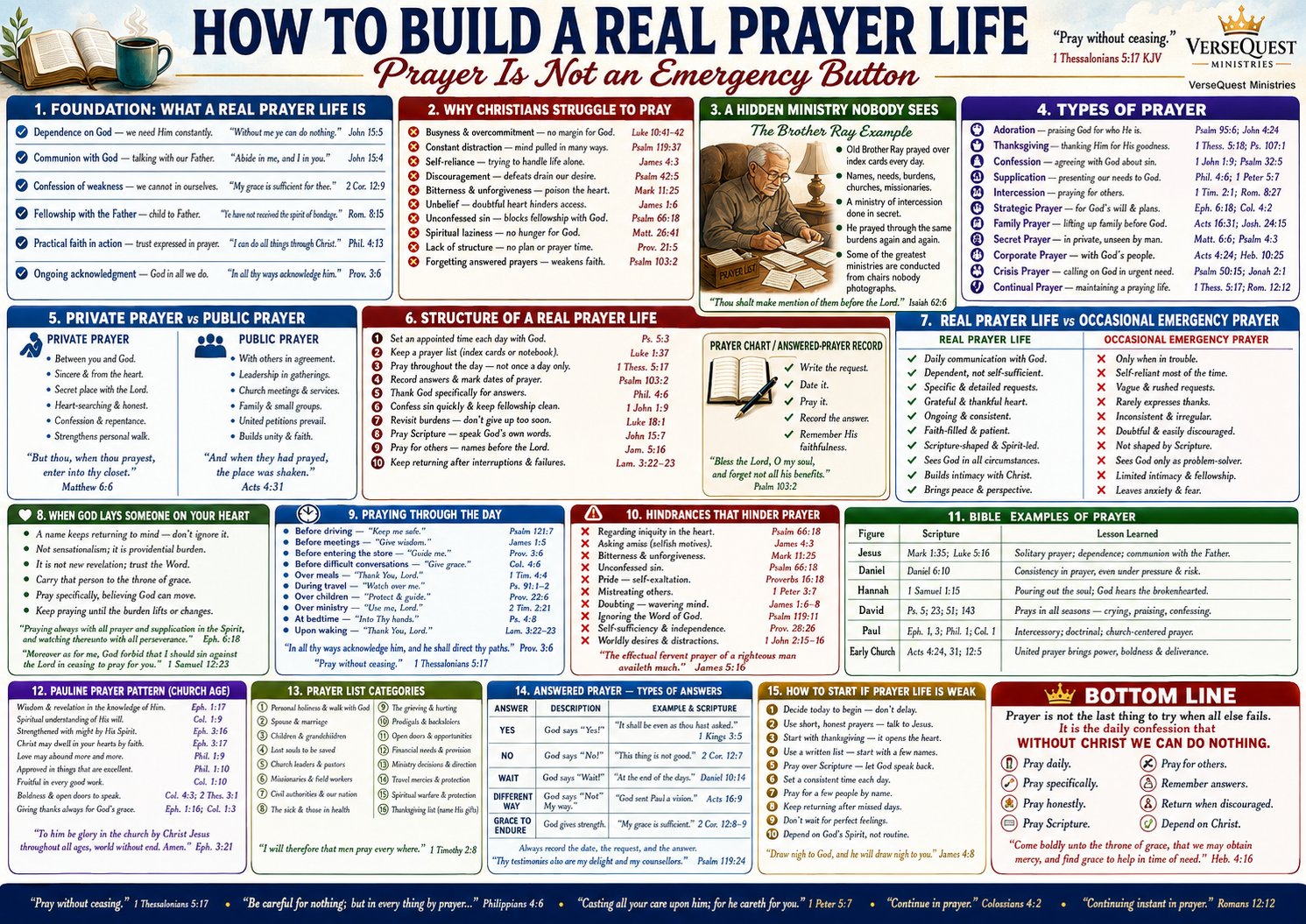
- How to Build a Real Prayer Life – Biblical Prayer Guide and KJV Bible Study Chart
- Build a consistent, biblical prayer life with this detailed KJV Bible study chart. Explore the foundations of prayer, types of prayer, common hindrances, answered prayer, Bible examples, and practical ways…
- $3.99
- Add to cart
-