Genesis Chapter 6 Bible Study Chart – Corruption, the Sons of God, Giants, Noah, and the Ark (KJV)
Explore Genesis Chapter 6 with this detailed KJV Bible study chart covering the sons of God, giants, worldwide corruption, Noah’s grace and obedience, divine judgment, and the ark of preservation.
$3.99
Description
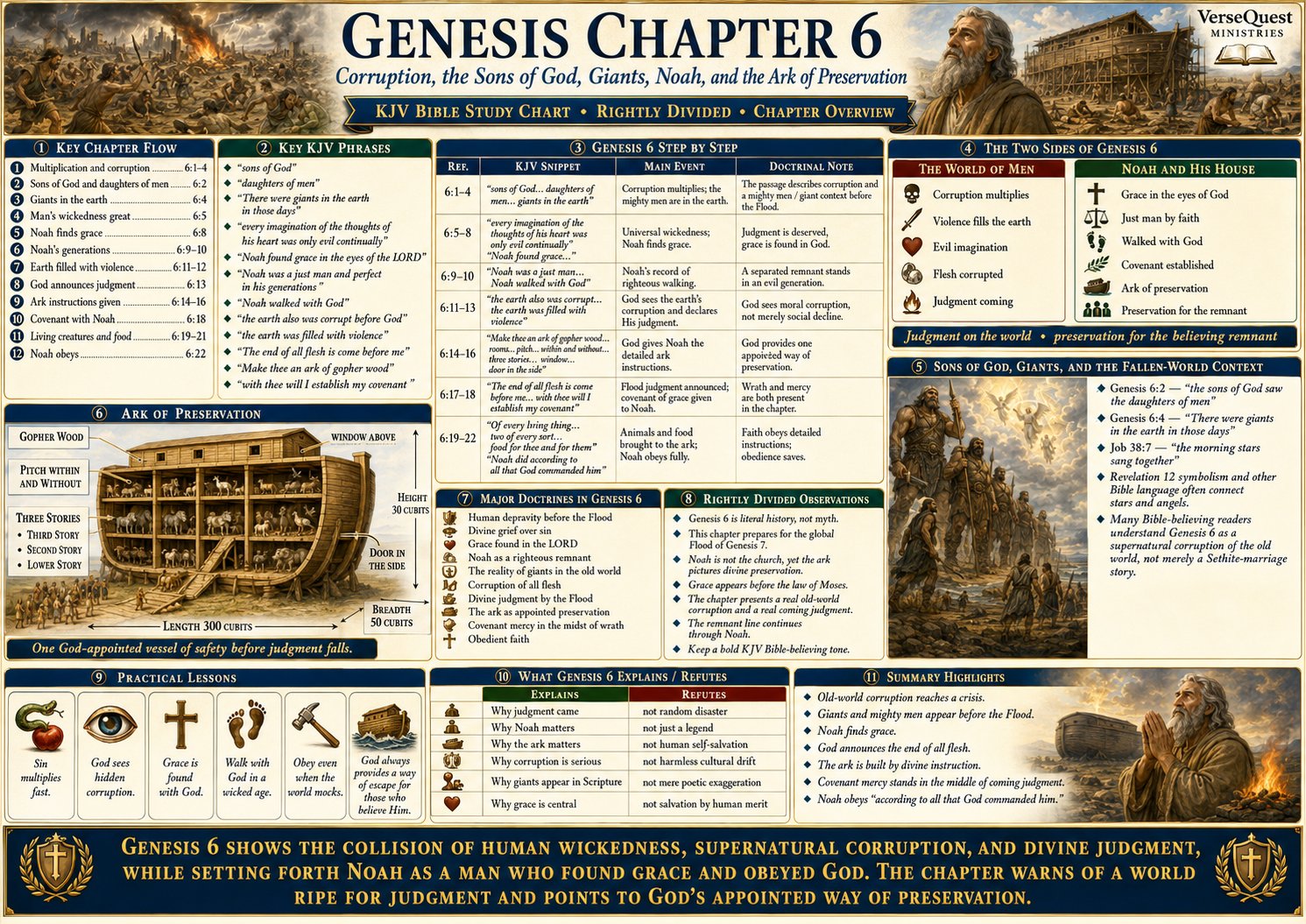
Genesis Chapter 6: Corruption, the Sons of God, Giants, Noah, and the Ark of Preservation is a detailed KJV Bible study chart examining one of the most debated and consequential chapters in the book of Genesis. The chapter presents a world overwhelmed by violence, moral decay, evil imagination, and supernatural corruption, while also introducing Noah as a just man who found grace in the eyes of the LORD.
The chart follows Genesis 6 step by step, beginning with the multiplication of mankind, the appearance of the sons of God and the daughters of men, and the presence of giants in the earth. It places these events within the wider fallen-world context of Scripture and highlights the language connecting the sons of God with heavenly beings in passages such as Job 1, Job 2, Job 38, and related biblical symbolism.
A major section contrasts the two sides of Genesis 6. On one side stands a corrupt world filled with violence, evil thoughts, and flesh that has corrupted its way. On the other side stands Noah and his house: a man who finds grace, walks with God, receives a covenant, obeys divine instruction, and becomes the means through which a believing remnant is preserved.
The chapter makes clear that God’s judgment is not arbitrary. The earth is corrupt before Him and filled with violence. The imagination of man’s heart is only evil continually, and the condition of the world reaches a point at which judgment is no longer delayed. Yet even in a chapter dominated by wrath, grace appears before the law of Moses and before human merit can claim any credit.
The chart also provides a detailed visual study of the ark of preservation. It presents the dimensions given in the King James Bible, including its length, breadth, height, three stories, door in the side, window above, gopher wood construction, and pitch within and without. The ark is shown as a God-appointed vessel of safety built according to divine instruction rather than human invention.
Genesis 6 also establishes Noah as a righteous remnant in an evil generation. His righteousness does not make him sinless, nor does the ark represent human self-salvation. Noah believes God, receives grace, and obeys what the LORD commands. His faith is demonstrated through detailed obedience in a world that has rejected God.
Additional sections examine the major doctrines of Genesis 6, the sons of God and giants, rightly divided observations, practical lessons, and the truths the chapter explains and refutes. The chart emphasizes that Genesis 6 is presented as literal history, not mythology, and that the Flood narrative begins with real corruption, real judgment, real grace, and a real ark.
This chart is ideal for personal Bible study, Genesis teaching, studies on the sons of God, giants and Nephilim, Noah and the Flood, divine judgment, grace, biblical cosmology, spiritual warfare, apologetics, homeschool curriculum, Sunday school, Bible institutes, and sermon preparation.
Genesis 6, sons of God, daughters of men, giants in the earth, Nephilim, supernatural corruption, human wickedness, evil imagination, violence, corruption of all flesh, divine judgment, Noah, grace, righteousness by faith, walking with God, covenant, ark of preservation, worldwide Flood, obedient faith, preservation of a remnant
Genesis 6 presents the final moral and spiritual condition of the world before the Flood. Violence fills the earth, human thought is continually evil, and flesh has corrupted its way. The chapter shows that divine judgment comes after prolonged rebellion, not as an impulsive act.
The phrase “sons of God” should be studied by comparing Scripture with Scripture. In Job, the expression refers to heavenly beings, and Genesis 6 places their activity within a supernatural fallen-world setting. The appearance of giants in the earth is treated as part of the historical context leading to the Flood.
The chapter does not reduce the crisis to human immorality alone. It presents the collision of human wickedness and supernatural corruption. At the same time, mankind remains morally responsible for violence, evil imagination, and rebellion against God.
Noah stands as a sharp contrast to the world around him. He finds grace in the eyes of the LORD, is described as just, and walks with God. Grace comes first, and Noah’s obedience follows. His actions do not purchase salvation; they demonstrate believing faith.
The ark is designed by God in exact detail. Noah does not improve the plan, alter the dimensions, or devise another method of escape. Safety is found in the way God appoints. The ark therefore provides a powerful picture of divine preservation rather than human invention.
The use of pitch within and without emphasizes the complete sealing of the ark. The door is placed in the side, the window above, and the vessel is divided into three stories. Every major detail is governed by divine command.
The chapter combines judgment and mercy. God declares the end of all flesh, yet He establishes a covenant with Noah. Wrath is real, but so is preservation. The same God who judges corruption provides a way of safety for those who believe Him.
Genesis 6 is presented as history. Noah, the ark, the giants, the corruption, and the coming Flood are not poetic symbols detached from real events. Later biblical writers treat Noah and the Flood as literal, historical realities.
The practical lesson is severe and hopeful. Sin multiplies quickly, hidden corruption is fully visible to God, and judgment will eventually come. Yet grace is still available, and God always preserves a believing remnant through the way He appoints.
Genesis chapter study, sons of God teaching, Nephilim and giants studies, Noah and the Flood instruction, doctrine of judgment, grace before the law, spiritual warfare studies, biblical cosmology, apologetics, Sunday school lessons, homeschool Bible curriculum, Christian school instruction, Bible institute classes, sermon preparation, discipleship training, prophecy studies, biblical worldview teaching, studies on obedience and faith
King James Bible, Strong’s Concordance, Thompson Chain-Reference Bible, Treasury of Scripture Knowledge, Nave’s Topical Bible, Genesis commentary notes, Noah and Flood study resources, sons of God and giants cross-reference notes, Bible dictionary, biblical chronology guide, Scripture cross-reference notebook, VerseQuest Genesis chapter charts, VerseQuest Genesis 6 and Nephilim studies
Related products
-
Doctrine Series
-
-14%
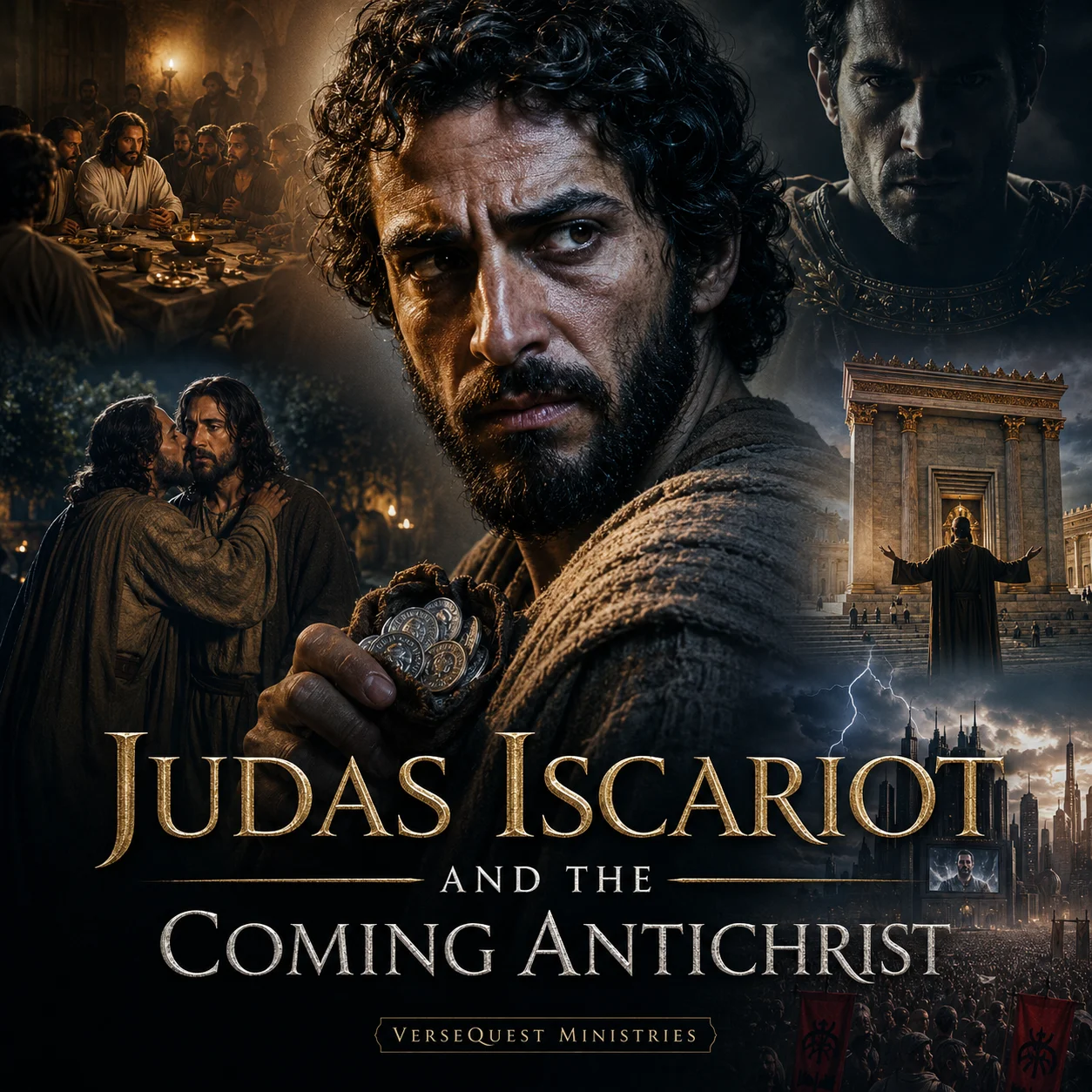
- Judas Iscariot and the Coming Antichrist – Premium KJV Prophecy Study
- A massive 459-page premium KJV prophecy study tracing the biblical connection between Judas Iscariot, the son of perdition, and the coming Antichrist. This detailed VerseQuest Ministries PDF examines Judas’ betrayal,…
- Original price was: $34.99.$29.99Current price is: $29.99.
- Add to cart
-
-14%
-
Angels
-
-67%
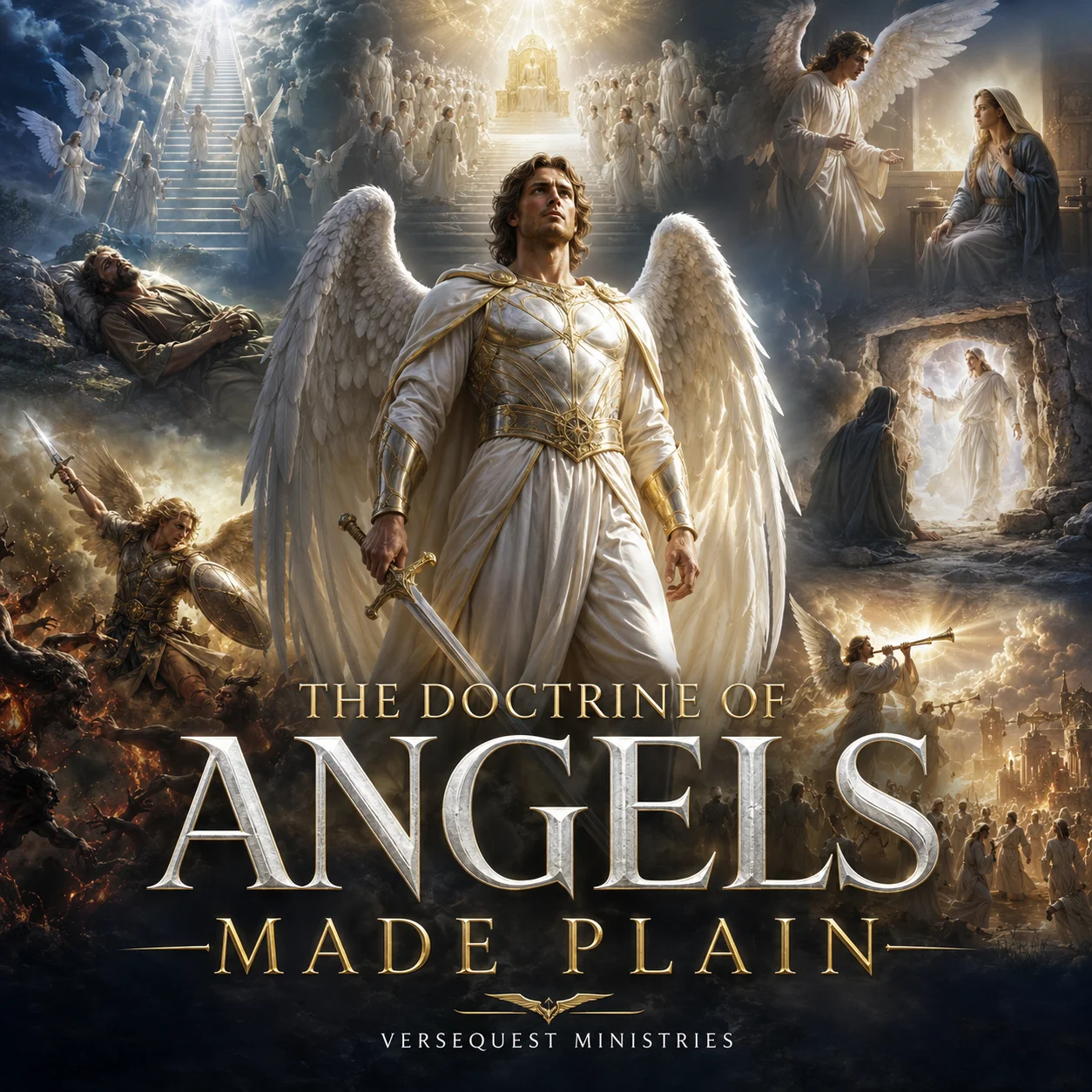
- The Doctrine of Angels Made Plain – 620-Page KJV Bible Study PDF
- The Doctrine of Angels Made Plain is a 620-page KJV Bible study that traces angels from Genesis to Revelation. This premium VerseQuest PDF explains holy angels, Christ’s supremacy over angels,…
- Original price was: $29.99.$9.99Current price is: $9.99.
- Add to cart
-
-67%
-
Heaven
-
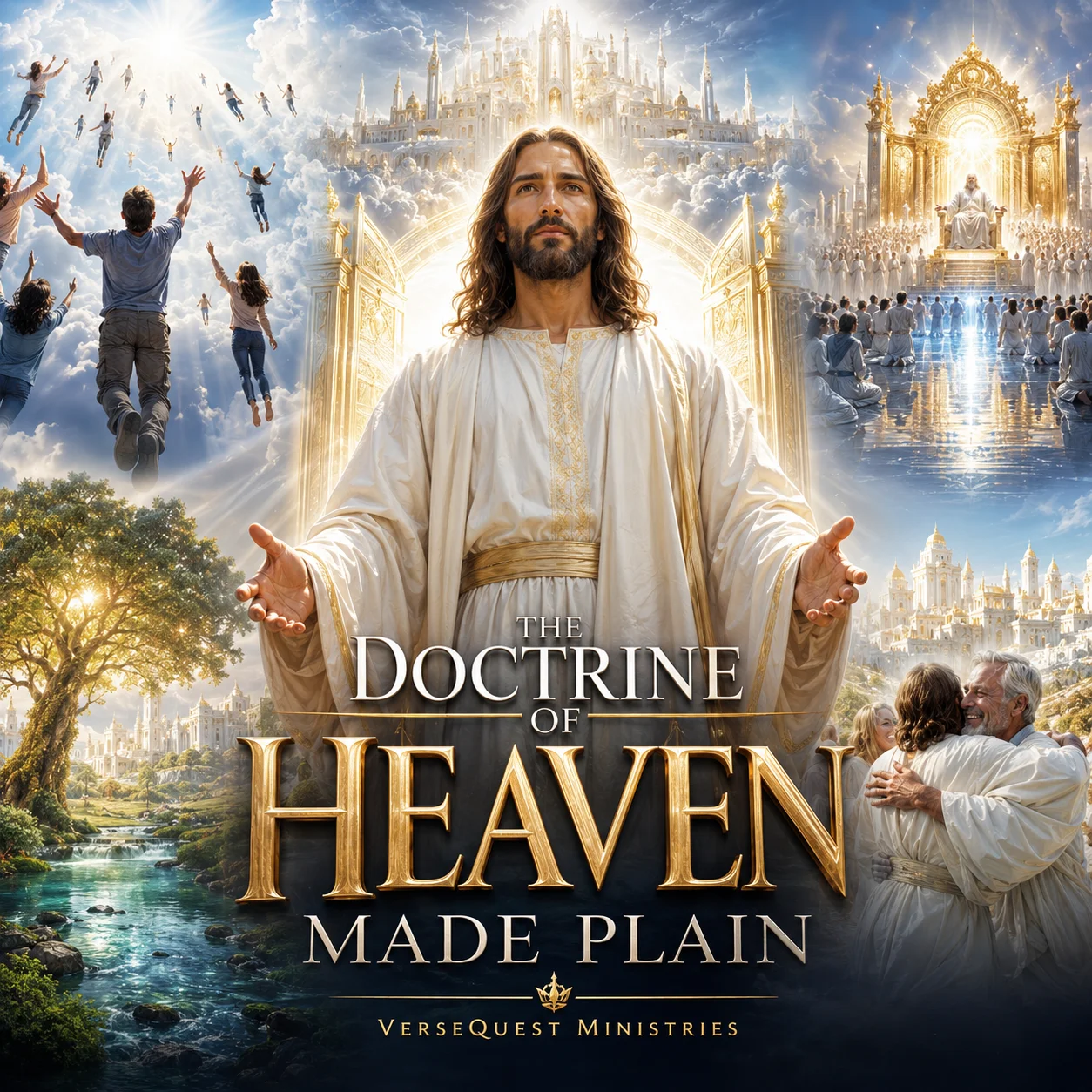
- The Doctrine of Heaven Made Plain — 599-Page KJV Bible Study PDF
- A massive 599-page KJV, rightly divided study on heaven, covering the present heaven, resurrection body, Rapture, Millennium, New Jerusalem, eternal state, hard questions, funeral lies, and cult errors.
- $34.99
- Add to cart
-
-
Jesus Christ
-
-67%
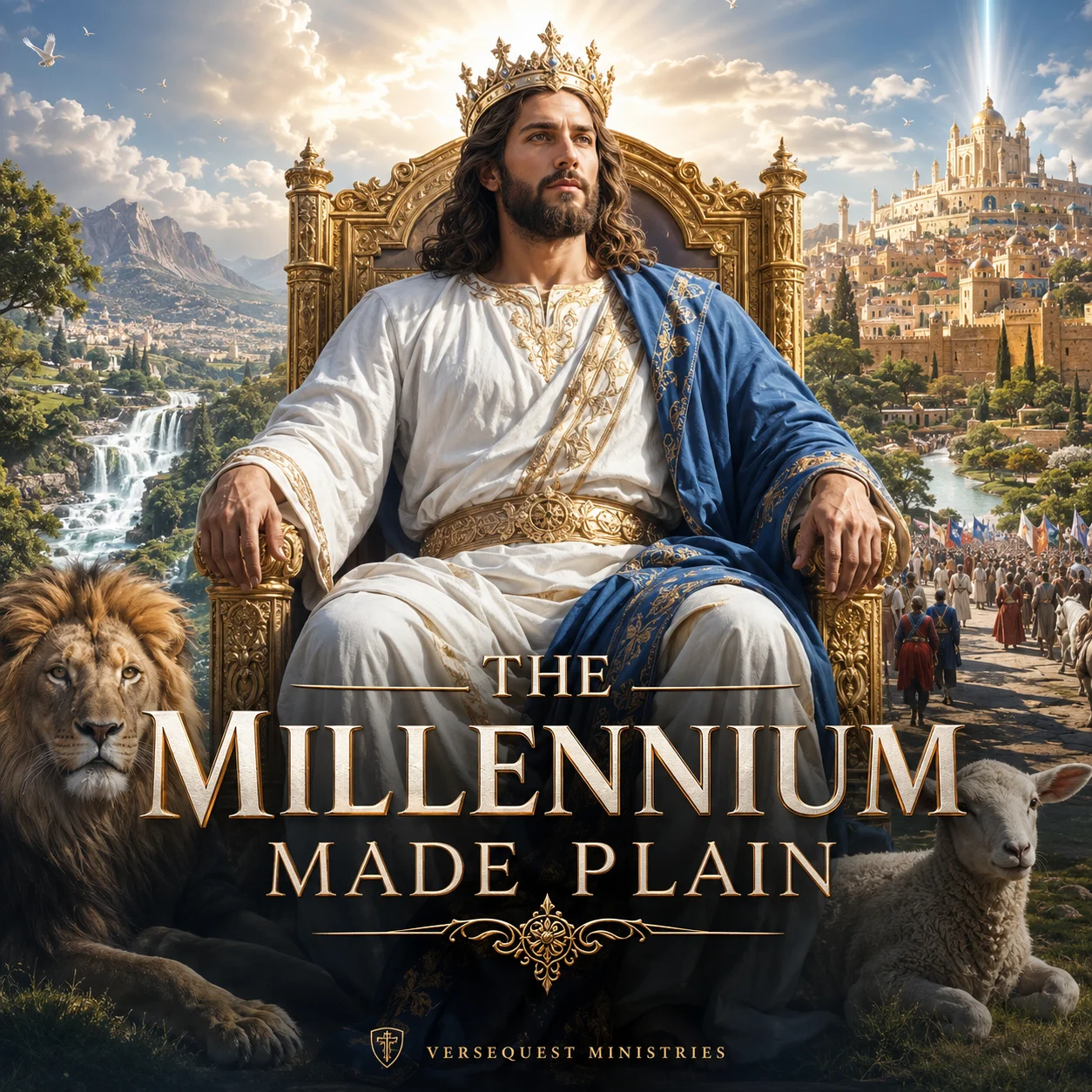
- The Millennium Made Plain – 416-Page KJV Study on Christ’s Future Reign
- A premium 416-page KJV, rightly divided Bible study on the literal future Millennial reign of Jesus Christ. The Millennium Made Plain explains Revelation 19–20, Israel’s restoration, Satan’s binding, the Kingdom…
- Original price was: $29.99.$9.99Current price is: $9.99.
- Add to cart
-
-67%
-
Doctrine Series