
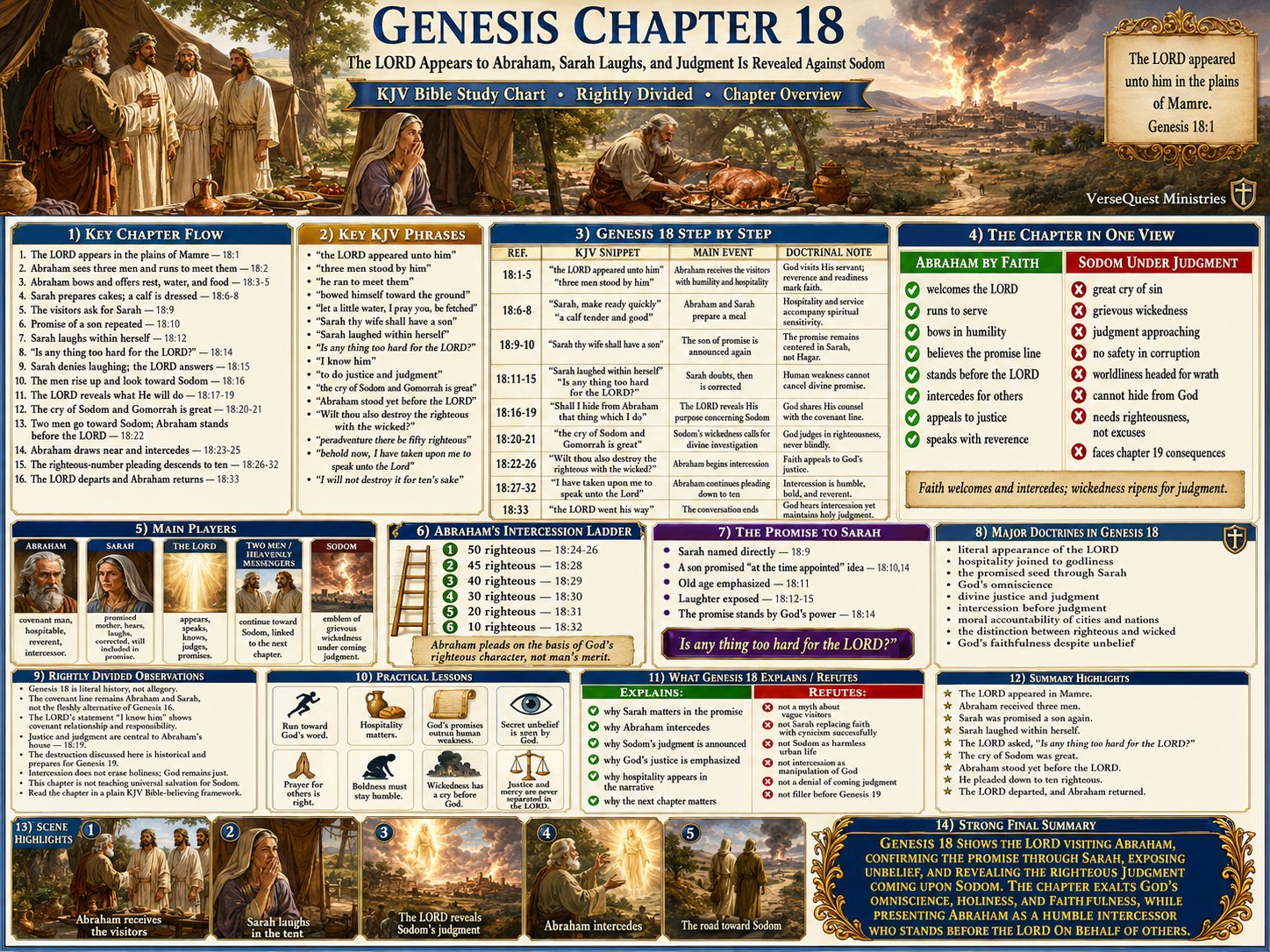
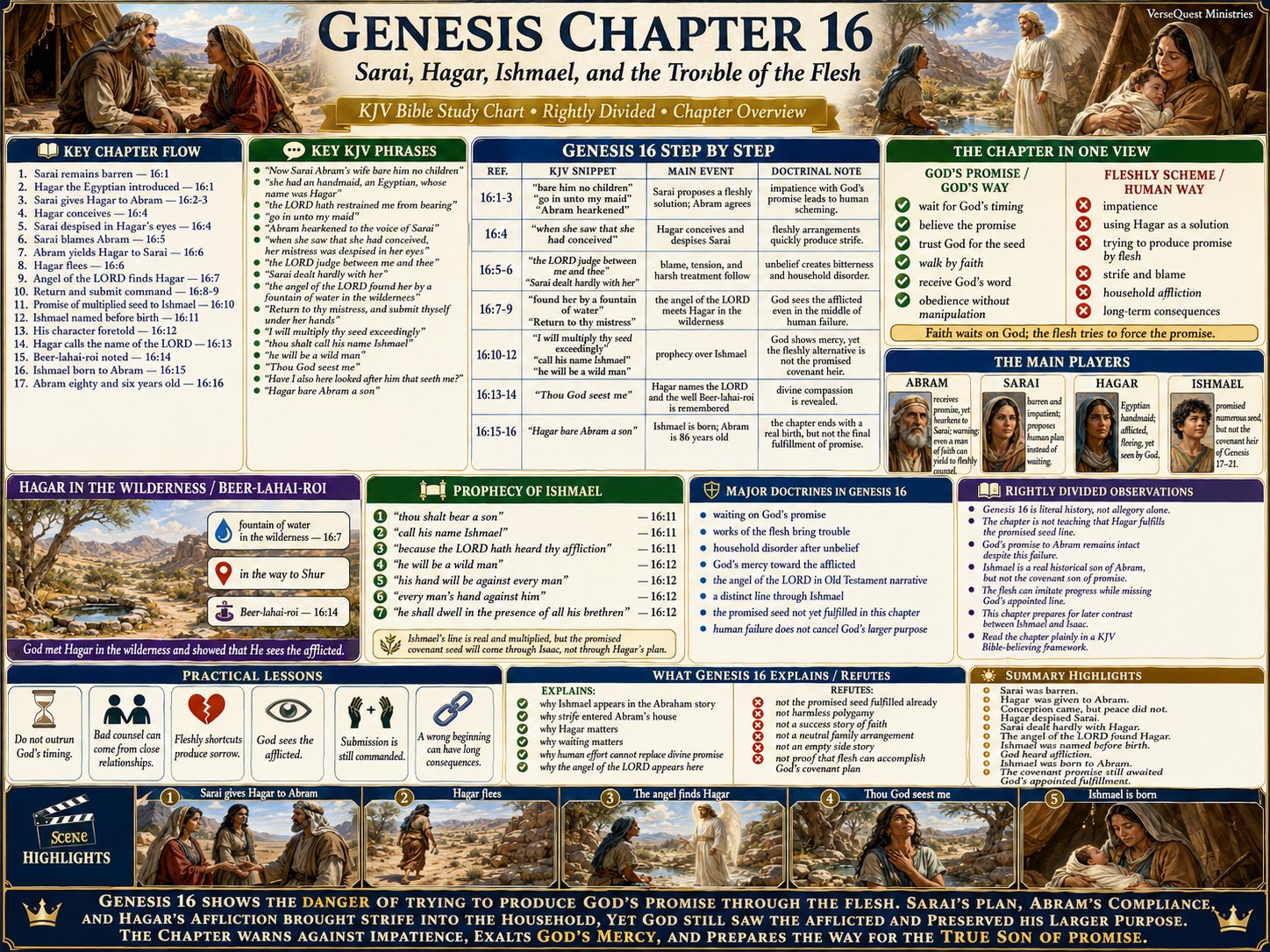
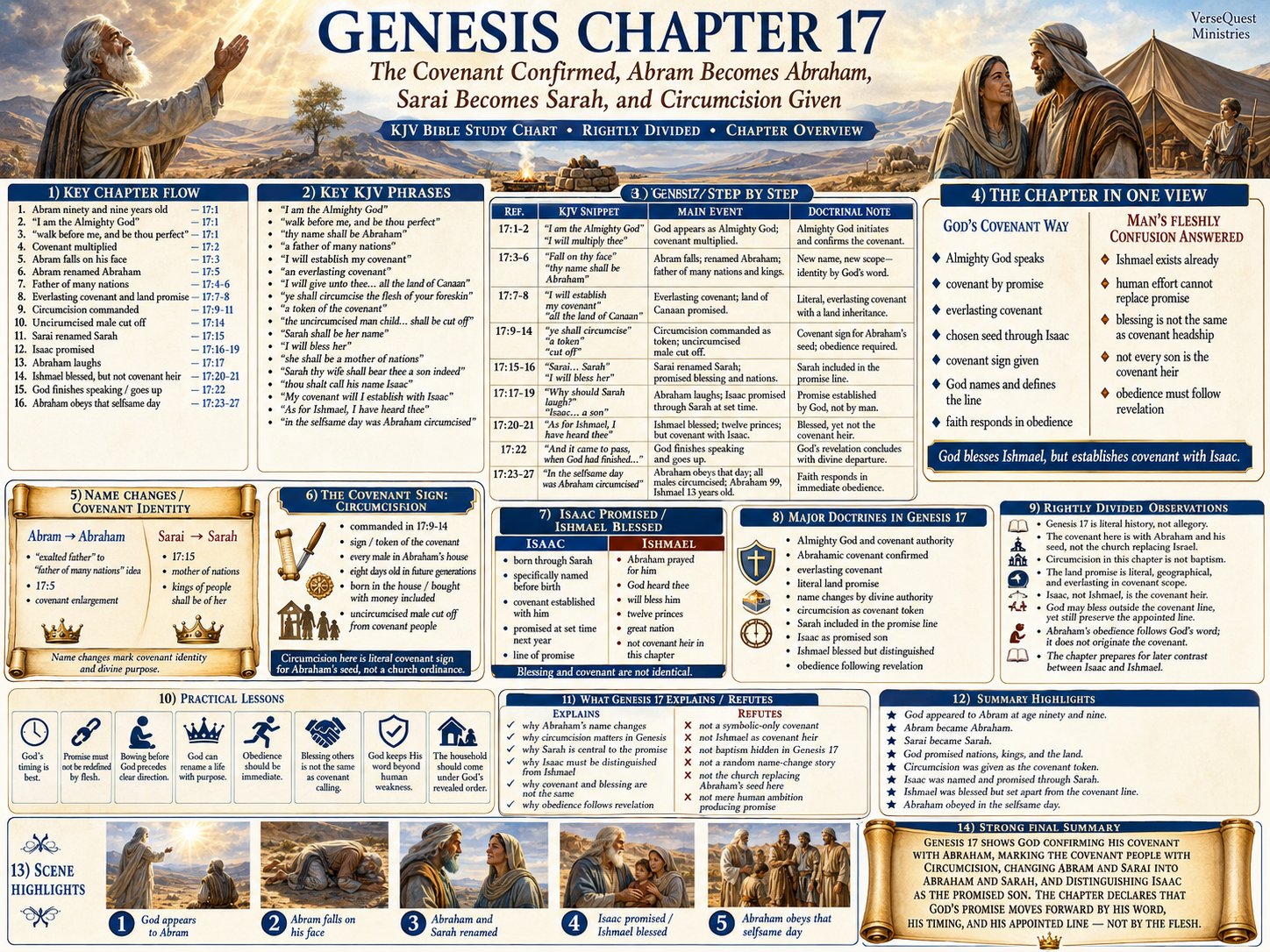
Genesis Chapter 17 Bible Study Chart – Abraham, Sarah, Circumcision, and the Covenant Confirmed (KJV)
Explore Genesis Chapter 17 with this detailed KJV Bible study chart covering Abram becoming Abraham, Sarai becoming Sarah, circumcision, Isaac’s promise, Ishmael’s blessing, and God’s everlasting covenant.
$3.99
Description
Genesis Chapter 17: The Covenant Confirmed, Abram Becomes Abraham, Sarai Becomes Sarah, and Circumcision Is Given is a detailed KJV Bible study chart examining God’s renewed appearance to Abram, the confirmation of the Abrahamic covenant, the covenant name changes, the institution of circumcision, the promise of Isaac, and the important distinction between Ishmael’s blessing and Isaac’s covenant position.
The chapter opens when Abram is ninety-nine years old and the LORD appears to him as “the Almighty God.” God commands him, “walk before me, and be thou perfect,” establishing the connection between covenant revelation, personal obedience, and wholehearted fellowship with the Lord. The God who makes the promise is fully able to accomplish what human strength cannot produce.
Abram falls upon his face as God speaks with him. The LORD confirms that Abram will become the father of many nations and changes his name from Abram to Abraham. The name change marks an enlarged covenant identity and divine purpose. God’s promise is no longer merely future information; it is now written into Abraham’s very name.
The covenant includes fruitfulness, nations, kings, a chosen seed, and the land of Canaan. God declares that His covenant will be everlasting and that the land will be given to Abraham and his seed as an everlasting possession. The chart preserves the plain biblical connection between the covenant, Abraham’s physical descendants, and the promised land.
Circumcision is then established as the visible token of the covenant. Every male in Abraham’s household is to be circumcised, whether born in the house or bought with money. The command applies on the eighth day, and the uncircumcised male is described as having broken the covenant.
The chart carefully distinguishes the covenant sign of circumcision from New Testament church ordinances. Circumcision in Genesis 17 is a literal physical sign connected with Abraham and his seed. It is not Christian baptism, does not originate the covenant, and does not make the church a replacement for Israel.
God also changes Sarai’s name to Sarah and declares that she will become a mother of nations and that kings of people will come from her. Sarah is not incidental to the promise. The covenant son will be born through Abraham and Sarah according to God’s appointed time and miraculous power.
Abraham laughs when told that a son will be born to a hundred-year-old man and ninety-year-old Sarah. His reaction reveals the tension between divine revelation and human limitation. Abraham then asks that Ishmael might live before God, demonstrating his concern for the son already present in his household.
God hears Abraham’s prayer concerning Ishmael. Ishmael will be blessed, made fruitful, multiplied exceedingly, and become the father of twelve princes and a great nation. Yet blessing does not equal covenant headship. God clearly declares, “my covenant will I establish with Isaac.”
The contrast between Isaac and Ishmael is one of the chapter’s central truths. Isaac is born through Sarah, specifically named before birth, connected with the everlasting covenant, and identified as the promised son. Ishmael receives real blessing and multiplication but is not the covenant heir through whom the appointed line will continue.
This distinction protects the biblical doctrine of election and covenant purpose. Human effort cannot replace divine promise, an existing son cannot automatically become the covenant son, and sincere human preference cannot overturn the line God has chosen.
Abraham responds to God’s revelation with immediate obedience. On the same day, he circumcises himself, Ishmael, and every male in his household. Faith does not merely admire revelation; it acts upon what God has commanded.
The chart also presents important rightly divided observations. Genesis 17 is literal history, not allegory. The covenant heir is Abraham and his seed, not the church replacing Israel. The land promise remains literal, geographical, and everlasting in covenant scope. Isaac—not Ishmael—is the covenant heir, though Ishmael is genuinely blessed.
Major doctrines include the authority of Almighty God, the confirmation of the Abrahamic covenant, the everlasting land promise, covenant identity, circumcision as a covenant token, Sarah’s place in the promised line, Isaac as the appointed son, Ishmael’s separate blessing, and obedience following divine revelation.
This resource is ideal for personal Bible study, Genesis teaching, Abrahamic covenant studies, Israel and prophecy, Isaac and Ishmael comparisons, biblical circumcision studies, dispensational instruction, Sunday school, homeschool Bible curriculum, Bible institutes, sermon preparation, and rightly divided study of God’s covenant promises.
Almighty God, Abrahamic covenant, everlasting covenant, Abram renamed Abraham, Sarai renamed Sarah, covenant identity, circumcision, covenant token, promised land, land of Canaan, promised seed, Isaac promised, Ishmael blessed, covenant heir, divine election, God’s appointed timing, miraculous birth, obedience after revelation, faith and covenant, Israel’s covenant promises
Genesis 17 begins with God identifying Himself as “the Almighty God.” The covenant promise requires supernatural power because Abraham and Sarah cannot fulfill it through natural strength. The name emphasizes that God is entirely able to perform what He has promised.
The command to walk before God and be perfect does not mean Abraham earns the covenant by sinless performance. It calls him to wholehearted fellowship, maturity, and obedience before the God who has already spoken by grace.
Abram falls upon his face when God appears. This posture reflects reverence, humility, and submission. Covenant privilege never gives man permission to treat divine revelation casually.
The change from Abram to Abraham marks an enlarged identity established by God’s word. Abraham becomes the father of many nations because God names and defines his future before its visible fulfillment.
Sarai’s name is changed to Sarah, and she is included directly in the promise. The covenant son will not come through another arrangement or another woman. God specifically declares that Sarah will bear Isaac.
Circumcision is the token of the covenant rather than the cause of it. God establishes the covenant first and then gives its sign. The physical mark identifies Abraham’s household with the covenant relationship and carries a command requiring obedience.
Circumcision in Genesis 17 should not be confused with Christian baptism. It is a literal sign given to Abraham and his physical seed. The church does not become Israel through baptism, nor does a church ordinance replace the land and national promises.
Abraham’s concern for Ishmael is answered with genuine blessing. God will multiply Ishmael and make him a great nation. Nevertheless, the covenant will be established through Isaac. Scripture distinguishes blessing from covenant position.
Human preference cannot determine the promised line. Abraham may naturally desire Ishmael’s elevation, but God has appointed Isaac. The covenant moves according to divine choice rather than human planning.
Abraham obeys on the same day. His prompt response demonstrates that faith accepts both God’s promise and God’s command. Delayed obedience would have revealed resistance to the revelation he had received.
Genesis 17 prepares the reader for the continuing contrast between Isaac and Ishmael. Both are historical sons of Abraham, both receive divine attention, and both become fathers of peoples, but only Isaac carries the covenant line of promise.
Genesis chapter study, Abrahamic covenant teaching, Israel and the land promise, Isaac and Ishmael comparison, biblical circumcision studies, faith and obedience, trusting God’s timing, divine election, covenant identity, Sunday school lessons, homeschool Bible curriculum, Christian school instruction, Bible institute classes, sermon preparation, discipleship training, prophecy studies, dispensational teaching, rightly divided Bible instruction
King James Bible, Strong’s Concordance, Thompson Chain-Reference Bible, Treasury of Scripture Knowledge, Nave’s Topical Bible, Bible atlas, maps of Canaan, Genesis commentary notes, Abrahamic covenant study materials, Israel and prophecy resources, Isaac and Ishmael cross-reference notes, Romans 4 study materials, Galatians 3 and 4 study notes, VerseQuest Genesis chapter charts
Related products
-
Premium VerseQuest Books
-
-75%
- Christ in the Old Testament Made Plain — 100-Essay KJV Study PDF
- A massive 670-page premium KJV Bible study PDF featuring 100 detailed essays showing Jesus Christ throughout the Old Testament in promise, type, sacrifice, Christophany, prophecy, suffering, resurrection, priesthood, and future…
- Original price was: $39.99.$9.99Current price is: $9.99.
- Add to cart
-
-75%
-
Jesus Christ
-
-10%
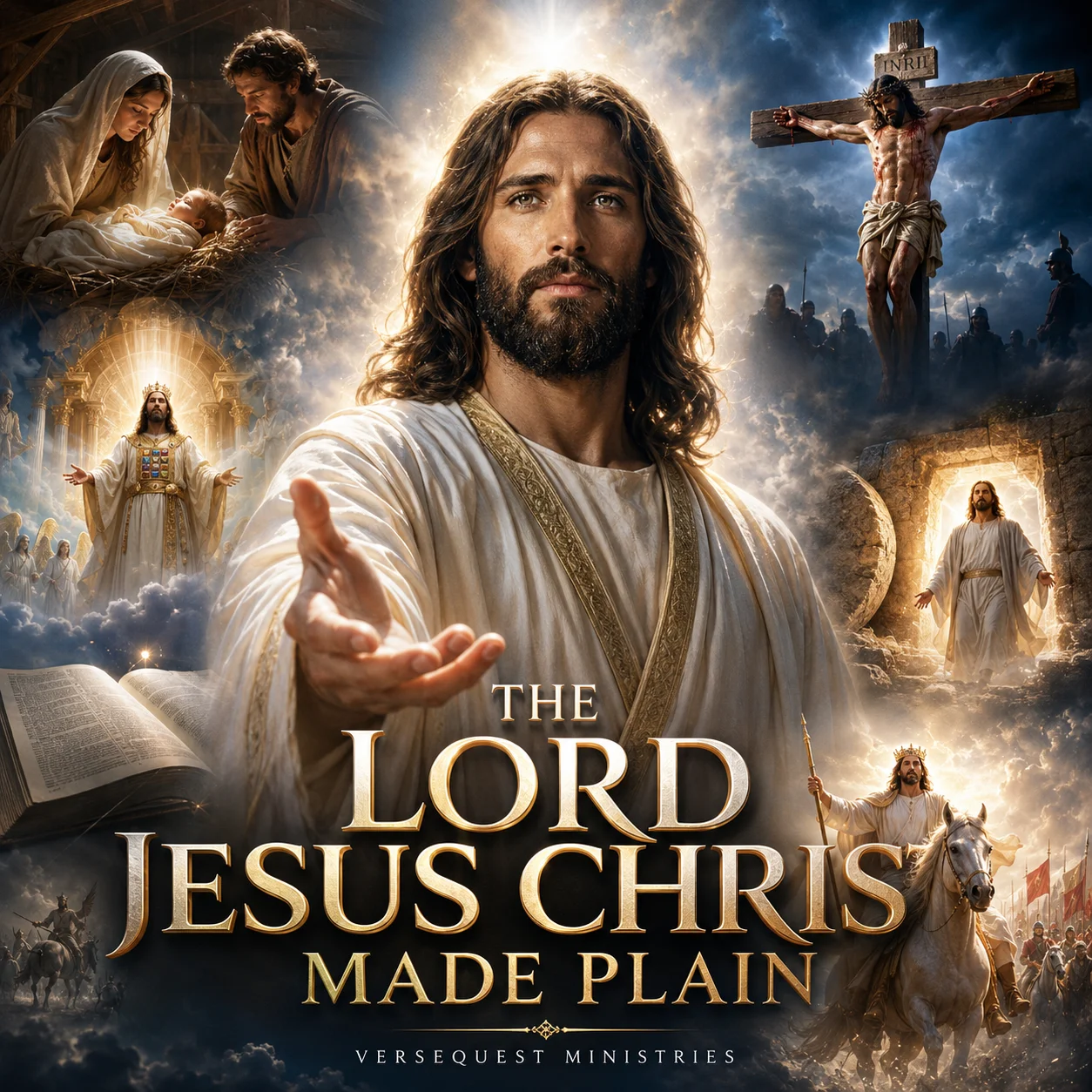
- The Lord Jesus Christ Made Plain – 637-Page KJV Bible Study
- A massive 637-page, 100-part KJV Bible study on the Person and work of the Lord Jesus Christ. This premium VerseQuest resource covers His deity, incarnation, blood, cross, resurrection, present ministry,…
- Original price was: $39.00.$34.99Current price is: $34.99.
- Add to cart
-
-10%
-
Revelation
-
-71%
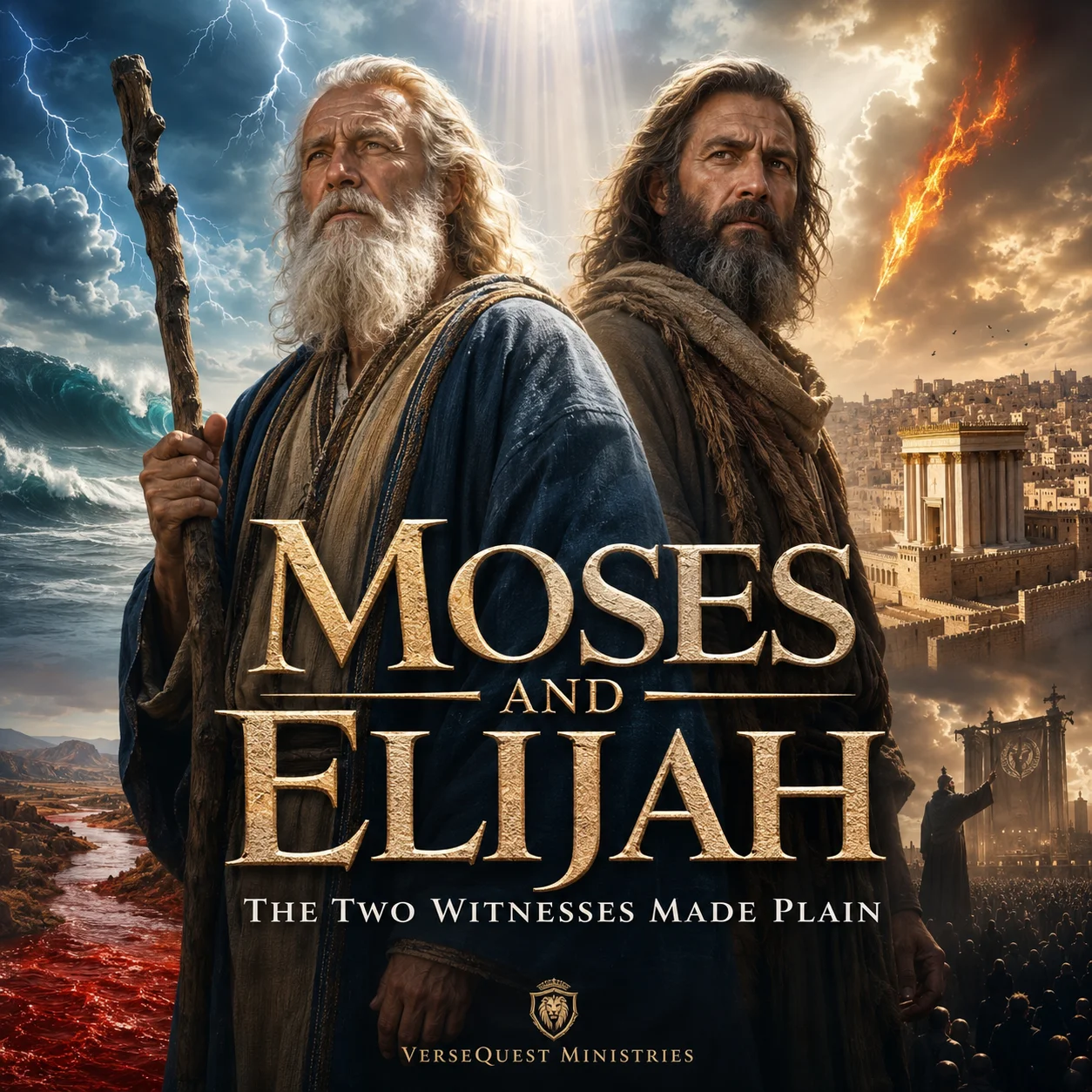
- Moses and Elijah: The Two Witnesses Made Plain
- Moses and Elijah: The Two Witnesses Made Plain is a 636-page premium VerseQuest PDF study proving from Scripture that the Two Witnesses of Revelation 11 are Moses and Elijah. This…
- Original price was: $34.99.$9.99Current price is: $9.99.
- Add to cart
-
-71%
-
Doctrine Series
-
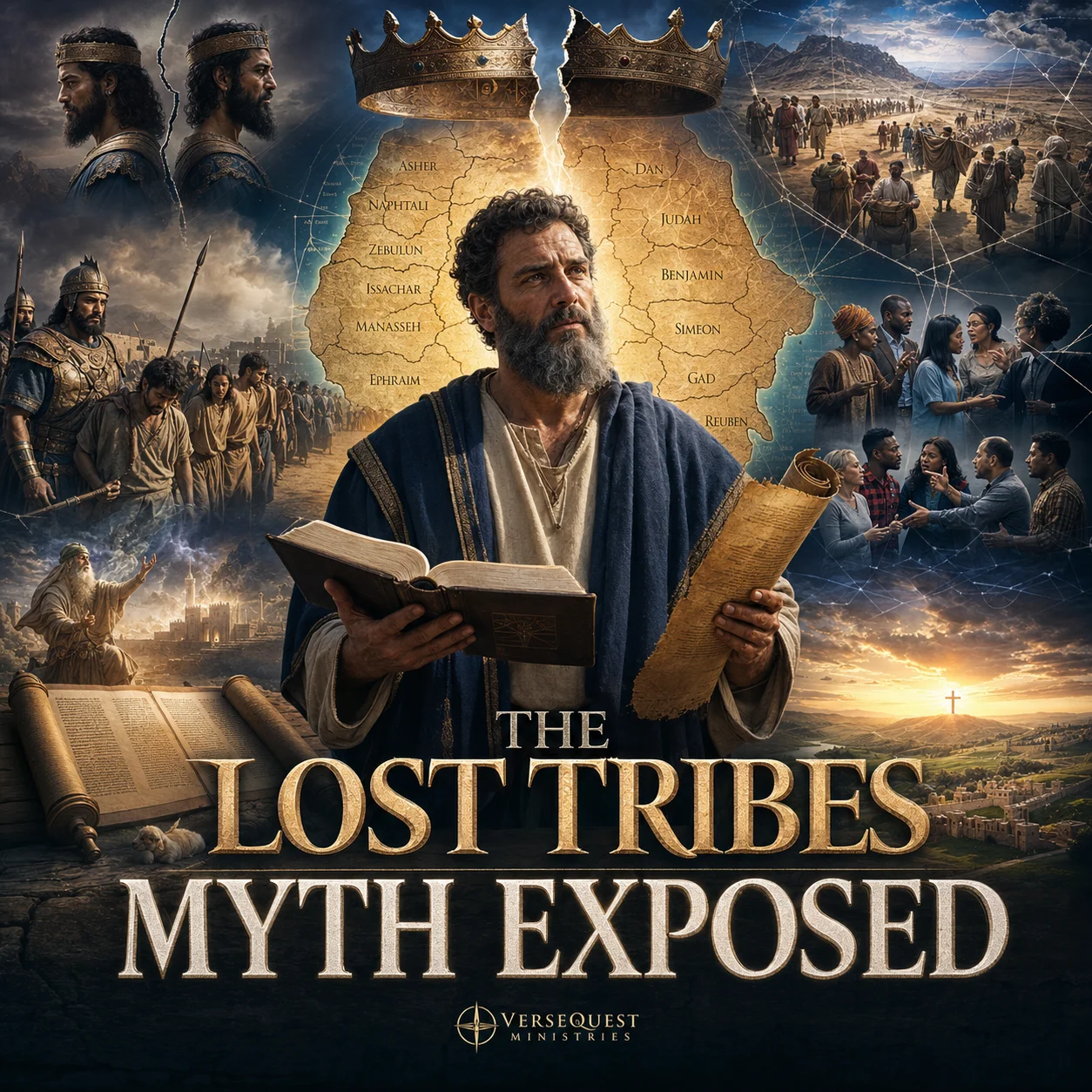
- The Lost Tribes Myth Exposed (213-Page Premium Study)
- A 213-page premium KJV study exposing the Lost Tribes myth, tribal identity errors, prophecy abuse, race theories, and false Israel claims through 35 detailed essays.
- $24.99
- Add to cart
-
-
Bible Overview Series
-
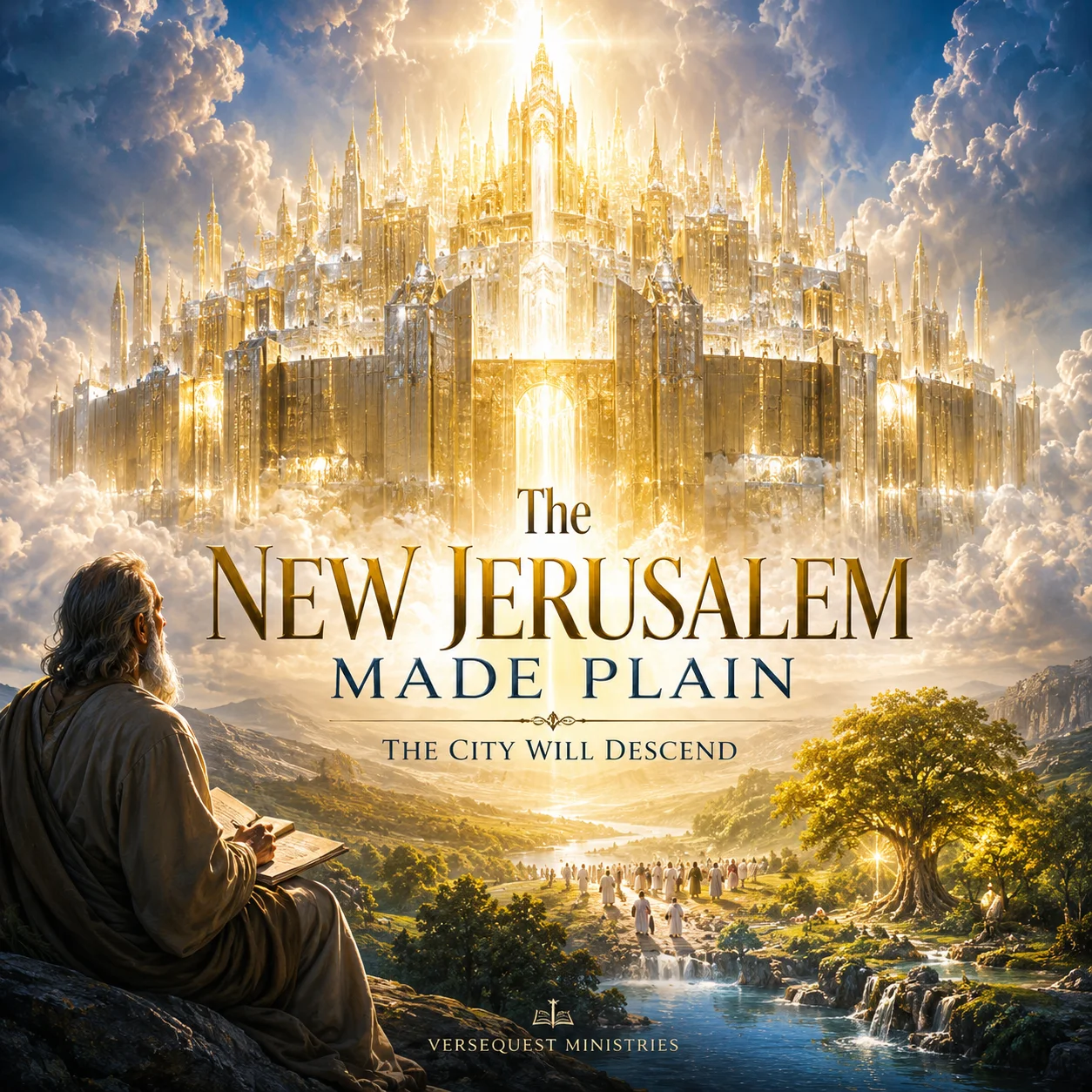
- The New Jerusalem Made Plain — 621-Page PDF Study
- The New Jerusalem Made Plain is a massive 621-page KJV/rightly divided PDF study on the literal holy city revealed in Revelation 21–22. This 100-essay book makes the New Jerusalem plain…
- $34.99
- Add to cart
-