
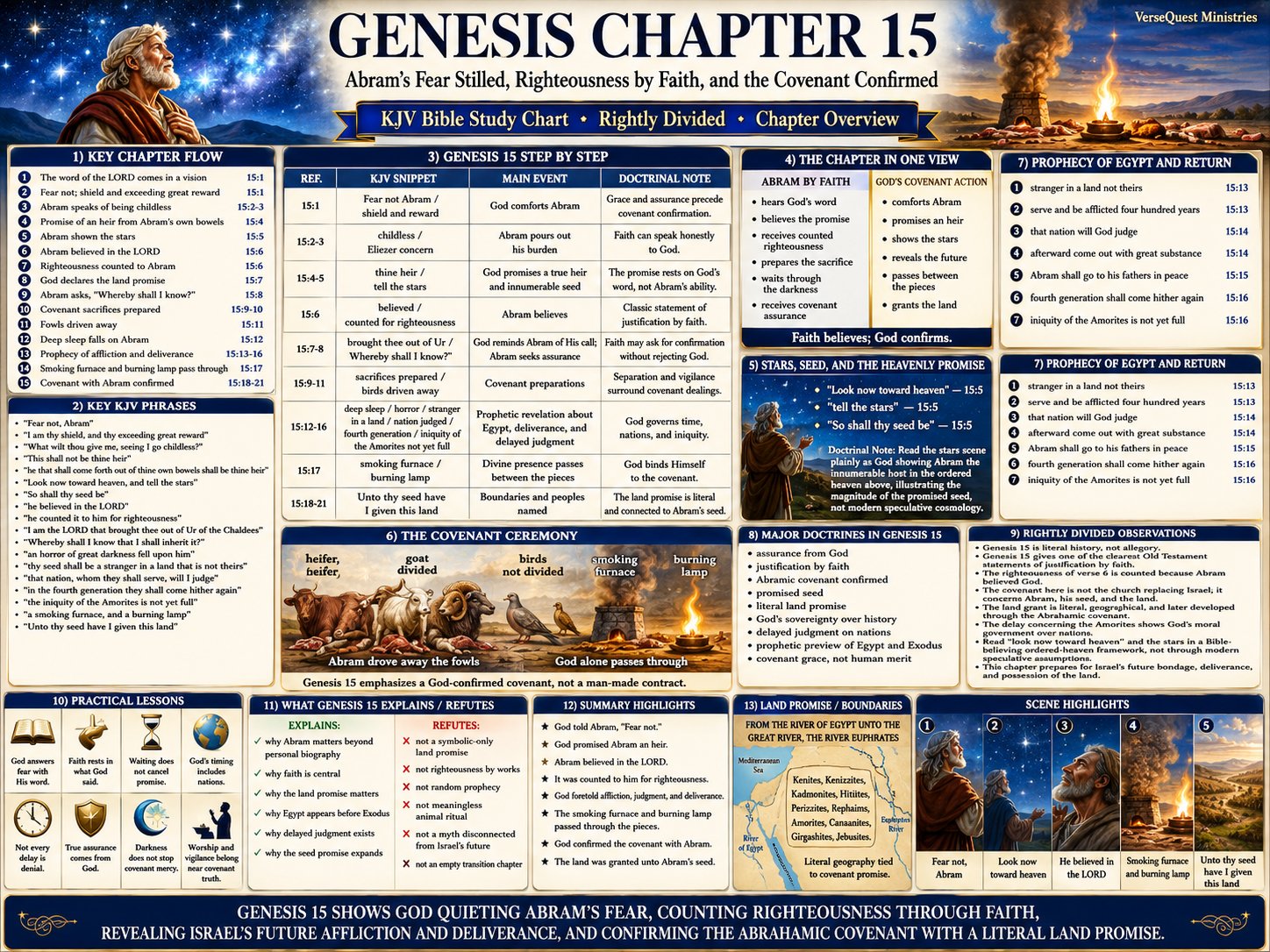
Genesis Chapter 15 Bible Study Chart – Abram’s Faith, Counted Righteousness, and the Covenant Confirmed (KJV)
Explore Genesis Chapter 15 with this detailed KJV Bible study chart covering Abram’s faith, righteousness counted by belief, the promised heir, Israel’s future in Egypt, and God’s confirmation of the Abrahamic covenant.
$3.99
Description
Genesis Chapter 15: Abram’s Fear Stilled, Righteousness by Faith, and the Covenant Confirmed is a detailed KJV Bible study chart examining God’s assurance to Abram, the promise of a natural heir, the innumerable seed pictured by the stars, righteousness counted through faith, the prophecy of Israel’s future affliction in Egypt, and the solemn confirmation of the Abrahamic covenant.
The chapter opens after Abram’s victory in Genesis 14 and his refusal of the king of Sodom’s wealth. The word of the LORD comes to him in a vision with the reassuring declaration, “Fear not, Abram: I am thy shield, and thy exceeding great reward.” God does not merely promise protection and provision; He presents Himself as Abram’s true security and reward.
Abram responds honestly concerning his childlessness. Although God has promised to make of him a great nation, Abram still has no son, and Eliezer of Damascus appears positioned to inherit his household. The chapter shows that genuine faith may bring questions to God without rejecting His word. Abram’s concern is real, but the LORD answers it with a clearer promise.
God declares that Abram’s heir will come forth from his own bowels. He then brings Abram outside and commands him to look toward heaven and count the stars, if he is able to number them. The visible heavens become a testimony to the magnitude of the promised seed: “So shall thy seed be.”
Genesis 15:6 stands among the Bible’s clearest statements concerning righteousness by faith: “And he believed in the LORD; and he counted it to him for righteousness.” Abram is not declared righteous because of military victory, accumulated wealth, religious ceremony, personal merit, or covenant performance. He believes what God has spoken, and righteousness is counted to him.
This foundational verse is later used in Romans 4, Galatians 3, and James 2. Paul emphasizes that Abram was justified by faith apart from works, while James shows that genuine faith later demonstrates itself through obedient action. The chapter therefore provides essential groundwork for understanding imputed righteousness and salvation by faith.
God also reminds Abram that He brought him out of Ur of the Chaldees to give him the land. Abram asks, “Lord GOD, whereby shall I know that I shall inherit it?” His request is not presented as rebellious unbelief but as a desire for covenant assurance. God responds by establishing a solemn covenant ceremony.
Abram prepares a heifer, she goat, ram, turtledove, and young pigeon. The larger animals are divided, while the birds are not divided. Abram drives away the fowls that descend upon the carcasses and waits as the day moves toward darkness. The scene emphasizes separation, vigilance, sacrifice, and the seriousness of covenant dealings with God.
A deep sleep falls upon Abram, accompanied by a horror of great darkness. God then reveals the future of Abram’s descendants. They will become strangers in a land that is not theirs, serve another nation, and endure affliction for four hundred years. God will judge the nation that oppresses them, and they will afterward depart with great substance.
This prophecy looks forward to Israel’s bondage and deliverance from Egypt long before the book of Exodus. It demonstrates God’s sovereignty over generations, nations, judgment, and timing. Israel’s future suffering will not mean that God has forgotten His promise.
The LORD explains that Abram himself will go to his fathers in peace and be buried in a good old age. His descendants will return to the promised land in the fourth generation because “the iniquity of the Amorites is not yet full.” Divine judgment is therefore neither random nor premature. God allows iniquity to reach its appointed measure before judgment falls.
When darkness comes, a smoking furnace and burning lamp pass between the divided pieces. Abram does not walk between them. God alone passes through, demonstrating that the covenant rests upon His sworn faithfulness rather than upon an equal agreement between two parties. This is a God-confirmed covenant, not a man-made contract.
The chapter concludes with God formally granting the land to Abram’s seed, from the river of Egypt unto the great river Euphrates. The boundaries and peoples are named, confirming that the promise concerns literal land, identifiable descendants, and a real future inheritance.
This chart carefully distinguishes Abram’s promised seed and land from the New Testament church. The church receives spiritual blessings through Christ, but it does not erase Israel, absorb the national promises, or cancel the literal land grant made to Abram and his descendants.
Additional sections present the chapter flow, key KJV phrases, a verse-by-verse overview, the covenant ceremony, the prophecy of Egypt and Israel’s return, major doctrines, practical lessons, rightly divided observations, land boundaries, and visual highlights from the chapter.
This resource is ideal for personal Bible study, Genesis teaching, Abrahamic covenant studies, justification by faith, imputed righteousness, Israel and prophecy, biblical covenants, Sunday school, homeschool curriculum, Bible institutes, sermon preparation, and dispensational study.
Abram’s faith, fear not Abram, God as shield and reward, promised heir, innumerable seed, stars of heaven, righteousness by faith, imputed righteousness, Abrahamic covenant, covenant assurance, smoking furnace, burning lamp, promised land, literal land boundaries, prophecy of Egypt, Israel’s affliction and deliverance, judgment of nations, iniquity of the Amorites, God’s sovereign timing, covenant grace
Genesis 15 begins with God addressing Abram’s fear. Abram has just faced powerful kings and refused Sodom’s wealth. God assures him that divine protection and reward are greater than anything the world could offer.
Abram speaks honestly about his childlessness. Faith is not pretending that difficulties do not exist. It brings concerns before God while remaining open to His answer and submitted to His promise.
God excludes Eliezer as the promised heir and declares that Abram’s own son will inherit. The promise depends upon God’s power rather than Abram’s ability to arrange a substitute fulfillment.
The stars illustrate the number and divine ordering of Abram’s promised seed. The scene should be read plainly as God showing Abram the heavens and using them as a visible testimony to His promise.
Genesis 15:6 establishes righteousness through faith. Abram believes the LORD, and righteousness is counted to him. Paul later uses this passage to prove that justification is by faith and not by religious works or human merit.
Abram’s question concerning the land seeks assurance rather than presenting a final rejection of God’s word. The LORD responds by confirming His promise through a solemn covenant ceremony.
The divided animals, descending fowls, deep sleep, smoking furnace, and burning lamp create a scene of sacrifice, judgment, vigilance, and divine presence. God alone passes between the pieces, placing covenant fulfillment upon His own faithfulness.
The prophecy of Egyptian bondage demonstrates that God sees history before it unfolds. Israel’s affliction, deliverance, enrichment, and return are revealed generations before Moses is born.
The delay in possessing the land is connected with the iniquity of the Amorites. God’s patience does not mean indifference, and His judgment does not arrive before its appointed time.
The land grant is literal and geographical. It is connected with Abram’s seed and identified by boundaries and peoples. The promise should not be dissolved into a symbolic-only inheritance or transferred away from Israel.
Genesis 15 joins grace, faith, prophecy, sacrifice, judgment, and covenant assurance. Abram believes; God counts righteousness and confirms what He has promised.
Genesis chapter study, justification by faith, imputed righteousness teaching, Abrahamic covenant studies, Israel and the promised land, biblical prophecy, covenant theology comparisons, dispensational instruction, trusting God during delay, bringing honest questions to God, assurance of God’s promises, Sunday school lessons, homeschool Bible curriculum, Christian school teaching, Bible institute classes, sermon preparation, discipleship training, biblical worldview instruction
King James Bible, Strong’s Concordance, Thompson Chain-Reference Bible, Treasury of Scripture Knowledge, Nave’s Topical Bible, Bible atlas, maps of the promised land, Genesis commentary notes, Abrahamic covenant studies, Romans 4 study materials, Galatians 3 cross-reference notes, biblical covenant charts, Israel and prophecy resources, VerseQuest Genesis chapter charts
Related products
-
Doctrine Series
-
- The Lost Tribes Myth Exposed (213-Page Premium Study)
- A 213-page premium KJV study exposing the Lost Tribes myth, tribal identity errors, prophecy abuse, race theories, and false Israel claims through 35 detailed essays.
- $24.99
- Add to cart
-
-
Premium Studies
-
-25%
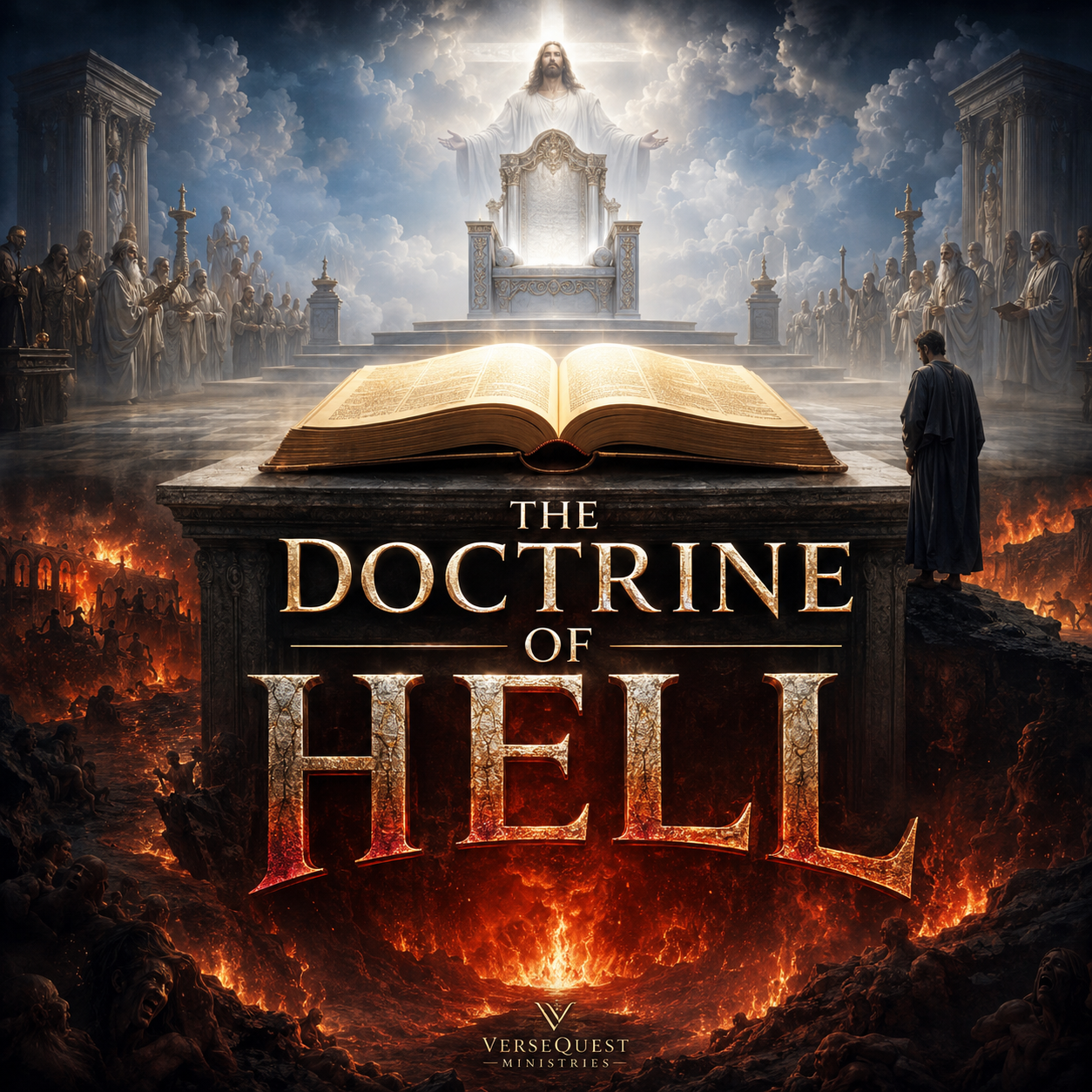
- The Doctrine of Hell — Premium Essay Series PDF
- A 383-page premium VerseQuest PDF study book containing 54 KJV essays on hell, fire, darkness, judgment, the lake of fire, the second death, and Jesus Christ as the only escape.
- Original price was: $39.99.$29.99Current price is: $29.99.
- Add to cart
-
-25%
-
KJV Studies
-
-67%
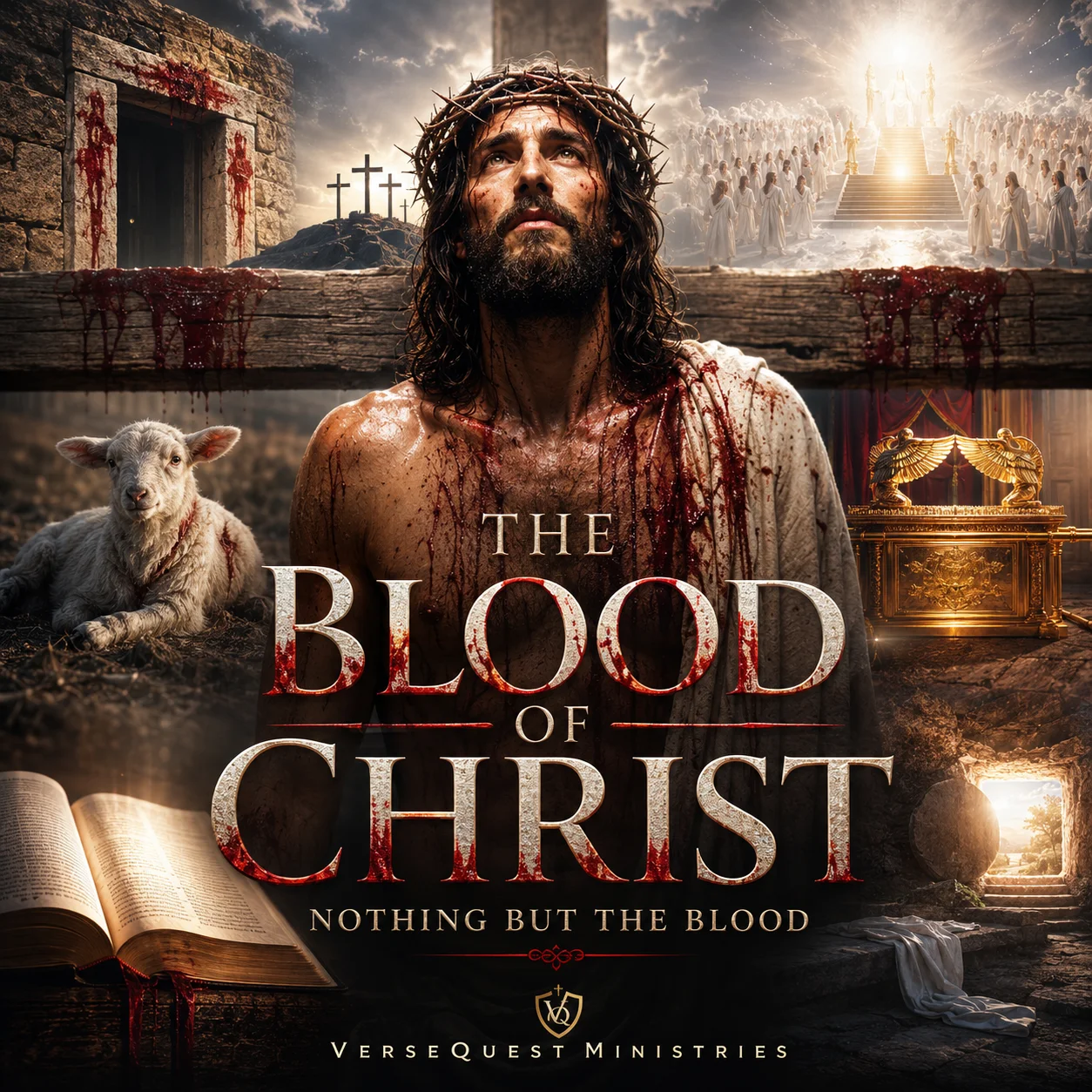
- The Blood of Christ – 66-Study KJV Bible Doctrine PDF
- A 441-page premium VerseQuest PDF featuring 66 detailed KJV Bible studies on the blood of Jesus Christ. This powerful doctrinal resource covers redemption, justification, propitiation, cleansing, access to God, eternal…
- Original price was: $29.99.$9.99Current price is: $9.99.
- Add to cart
-
-67%
-
Jesus Christ
-
-67%
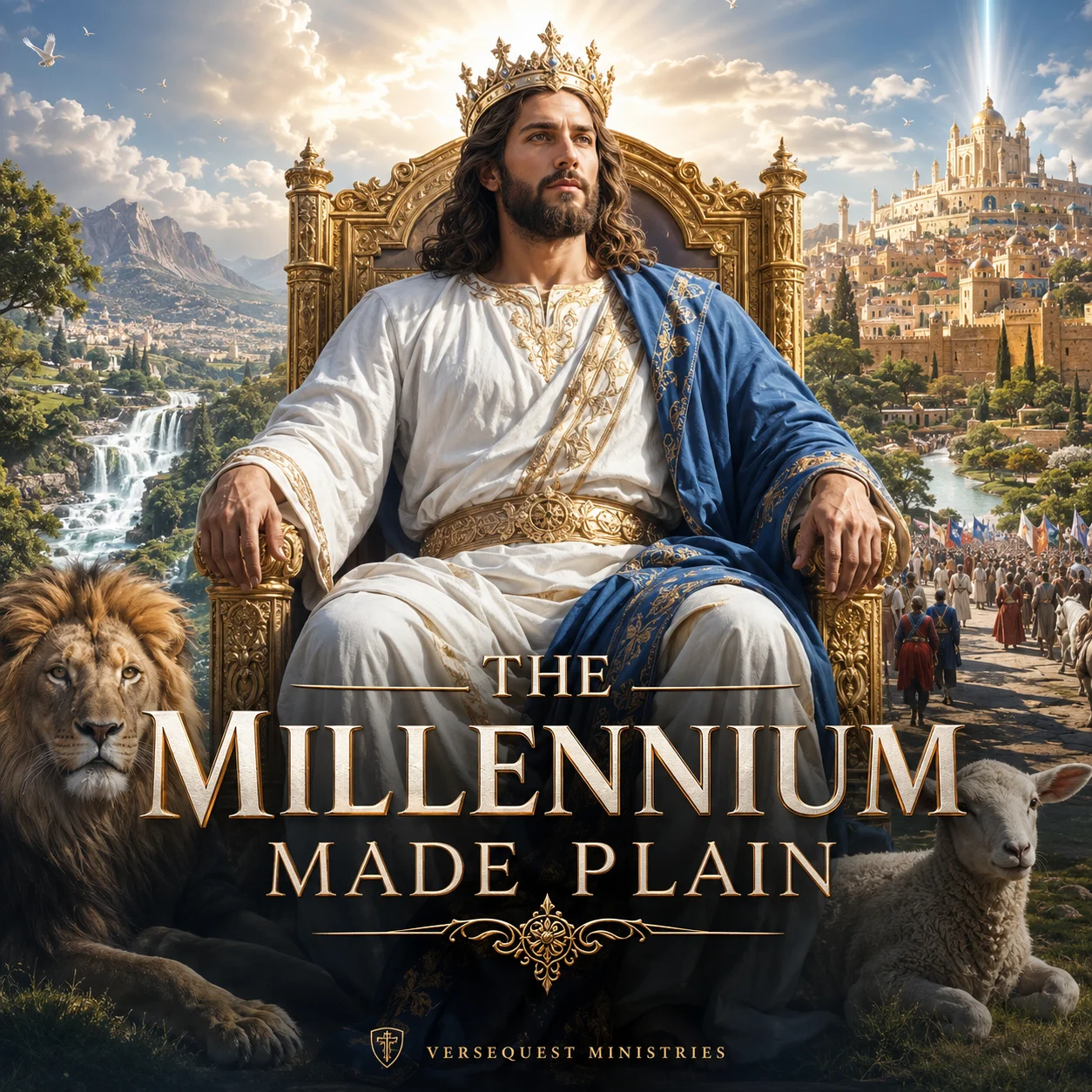
- The Millennium Made Plain – 416-Page KJV Study on Christ’s Future Reign
- A premium 416-page KJV, rightly divided Bible study on the literal future Millennial reign of Jesus Christ. The Millennium Made Plain explains Revelation 19–20, Israel’s restoration, Satan’s binding, the Kingdom…
- Original price was: $29.99.$9.99Current price is: $9.99.
- Add to cart
-
-67%
-
Kingdom Hall
-
-71%
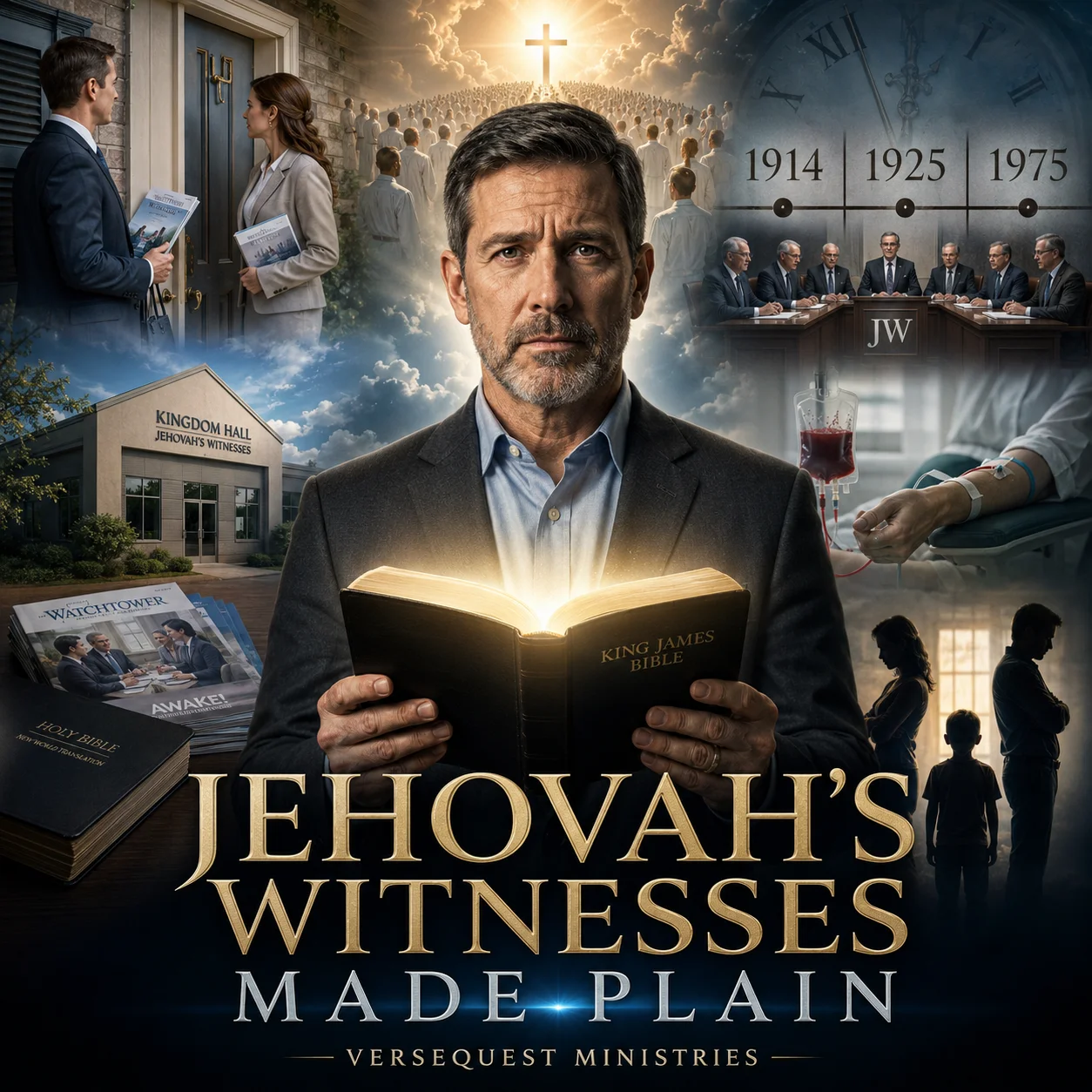
- Jehovah’s Witnesses Made Plain – 574-Page KJV Watchtower Study
- A massive 574-page VerseQuest study exposing the Watchtower system from the King James Bible. This detailed 100-essay book covers the false Christ, false gospel, New World Translation, failed prophecy, 144,000,…
- Original price was: $34.99.$9.99Current price is: $9.99.
- Add to cart
-
-71%