
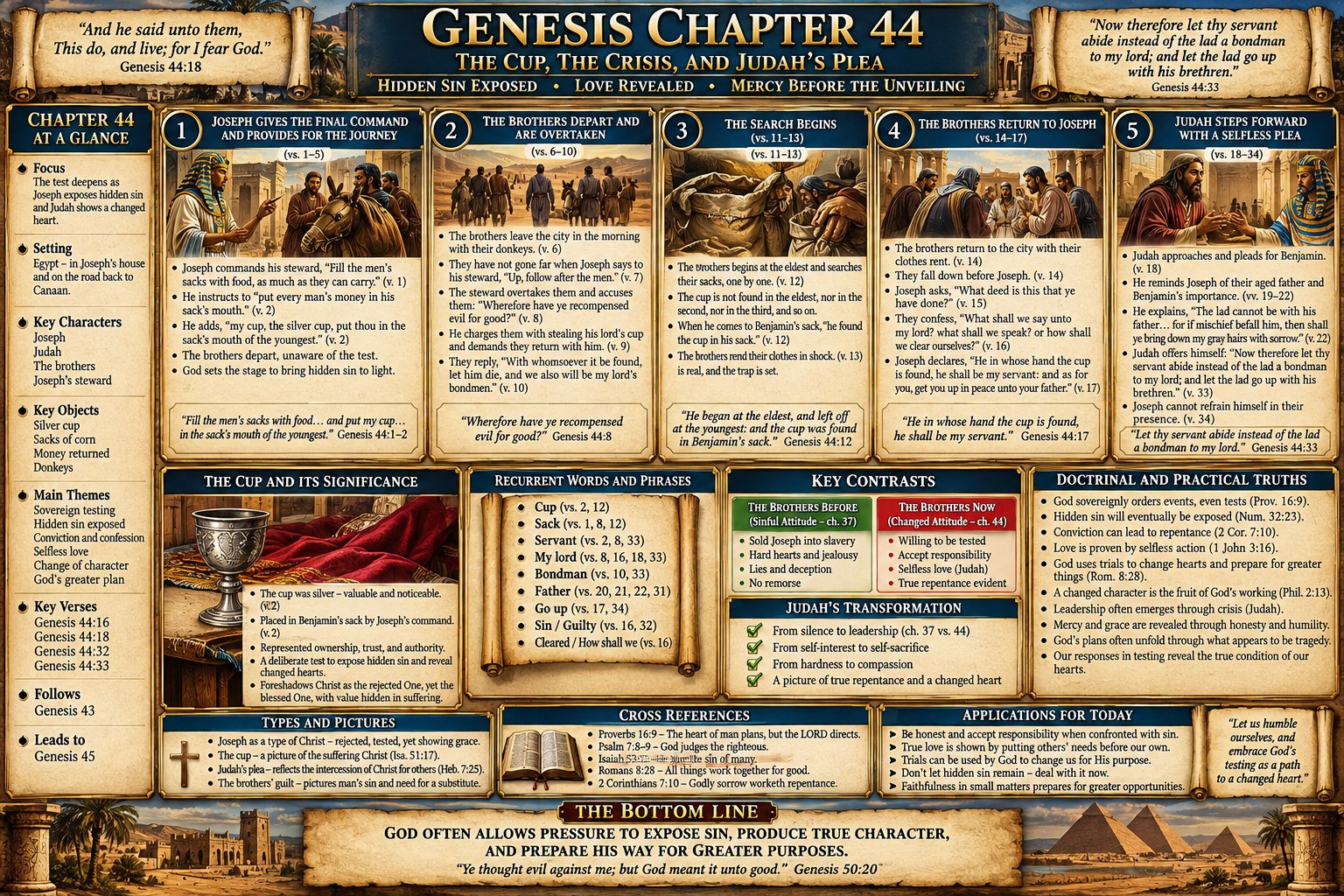
Genesis 44 – The Cup, the Crisis, and Judah’s Plea: Benjamin Tested, Hidden Guilt Exposed, and a Changed Heart Proven (KJV Bible Study Chart)
Explore Genesis 44 with this detailed KJV Bible study chart tracing Joseph’s final test of his brothers through the silver cup secretly placed in Benjamin’s sack. Follow the steward’s pursuit, the search from eldest to youngest, Benjamin’s apparent guilt, and the brothers’ decision to return together rather than abandon him. The chart then follows Judah’s powerful plea before Joseph as he recalls Jacob’s grief, accepts responsibility for Benjamin, and finally offers himself as a bondman “instead of the lad.” The chapter provides remarkable evidence that the brothers who once sold Joseph have changed. Ideal for Bible study, homeschool, Sunday school, sermon preparation, repentance studies, Joseph studies, family reconciliation, leadership teaching, and instruction on conscience, sacrifice, intercession, substitution, and spiritual transformation.
$4.99
Description
Genesis 44: The Cup, the Crisis, and Judah’s Plea is a detailed KJV Bible study chart tracing Joseph’s final and most searching test of his brothers before the great revelation of Genesis 45. The chapter centers upon Joseph’s silver cup, its secret placement in Benjamin’s sack, the brothers’ return to Egypt, their deepening conviction, and Judah’s extraordinary offer to become a bondman in Benjamin’s place.
Joseph commands his steward to fill every man’s sack with food, restore each man’s money, and place his silver cup in the sack of Benjamin, the youngest. The brothers leave Egypt believing the crisis has passed, but Joseph sends his steward after them. They confidently deny wrongdoing and declare that whoever possesses the cup should die while the rest become servants.
The steward searches from the eldest to the youngest, and the cup is discovered in Benjamin’s sack. The brothers rend their clothes and return together to Joseph’s city. Their response reveals an important change. Years earlier they abandoned Joseph and returned home without him; now they refuse to abandon Benjamin.
Standing before Joseph, Judah and his brothers fall to the ground. Judah declares, “God hath found out the iniquity of thy servants.” They know they did not steal the cup, yet the crisis has awakened the guilt of an older sin. Their treatment of Joseph still burdens their consciences.
Joseph intensifies the test by declaring that Benjamin alone will remain his servant while the others may return peacefully to their father. The situation now closely resembles the choice the brothers once faced concerning Joseph. They can protect themselves by sacrificing another favored son of Rachel—or demonstrate that their hearts have changed.
Judah steps forward. He recounts Jacob’s age, his grief over Joseph, his special attachment to Benjamin, and Judah’s own promise to become surety for the lad. His concern is no longer primarily for himself. He fears what Benjamin’s loss will do to his father.
The climax comes when Judah says, “let thy servant abide instead of the lad a bondman to my lord; and let the lad go up with his brethren.” The brother who once proposed selling Joseph now offers his own freedom to preserve Benjamin.
Genesis 44 therefore presents one of Scripture’s clearest narrative pictures of changed character. The chapter ends before Joseph reveals himself. The test has done its work: guilt has been acknowledged, selfishness has given way to sacrifice, and Judah has emerged as a responsible intercessor. Genesis 45 will reveal what happens when mercy finally answers repentance.
Genesis 44, Joseph, Judah, Benjamin, silver cup, Joseph’s cup, Joseph tests his brothers, Benjamin accused, sacks searched, returned money, hidden guilt, guilty conscience, repentance, changed heart, Judah’s plea, Judah intercedes, Judah as surety, Judah offers himself, substitution, selfless love, family loyalty, Jacob’s grief, divine providence, preparation for reconciliation
Genesis 44 records Joseph’s final test before revealing himself to his brothers. He instructs his steward to fill their sacks, restore their money, and secretly place his silver cup in Benjamin’s sack. The action deliberately creates a crisis centered upon Rachel’s younger son. Joseph is testing whether the brothers will respond to Benjamin as they once responded to Joseph.
After the brothers depart, Joseph sends the steward after them. They strongly deny stealing anything and even offer death for the guilty person. The steward modifies the penalty, declaring that the man possessing the cup will become his servant.
Genesis 44:12 states, “And he searched, and began at the eldest, and left at the youngest.” The steward performs the search. The cup is finally found in Benjamin’s sack. Instead of abandoning him, all the brothers rend their clothes and return to Egypt together. This already demonstrates striking change from Genesis 37.
Before Joseph, Judah says, “God hath found out the iniquity of thy servants.” They are innocent of stealing the cup, but Judah recognizes a deeper moral reckoning. The brothers’ old guilt concerning Joseph has repeatedly returned to their consciences throughout these chapters.
Joseph then says that only Benjamin will remain as his servant. The others may return “in peace unto your father.” This is the decisive test. Years earlier they protected themselves while sacrificing Joseph. Now they have another opportunity to return home without one of Rachel’s sons.
Judah approaches Joseph and gives the longest speech in Genesis. He recounts Jacob’s love for Benjamin, Joseph’s presumed death, the father’s grief, and his own promise to become surety for Benjamin. The speech demonstrates a remarkable shift from self-interest toward responsibility for both Benjamin and Jacob.
Judah finally offers himself: “let thy servant abide instead of the lad a bondman to my lord.” He is willing to surrender his freedom so Benjamin can return home. This provides a powerful picture of substitution, though the saving doctrine of Christ’s substitution must ultimately be established from direct New Testament passages.
The cup itself is part of Joseph’s deliberate test. Genesis 44 uses Egyptian language concerning divination, but the text does not require us to conclude that Joseph actually practiced forbidden occult divination. The cup functions within the test that exposes his brothers’ character.
Most importantly, Genesis 44 ends with Judah’s plea. Joseph does not “refrain himself” until Genesis 45:1. That chapter division is narratively important: Genesis 44 proves the brothers’ changed hearts; Genesis 45 reveals Joseph and brings reconciliation into the open.
Genesis 44 is useful for teaching that genuine repentance produces measurable change, that God may allow repeated circumstances to reveal whether old attitudes still control us, and that responsibility is proven by action rather than words alone. Judah’s transformation offers powerful instruction on leadership, intercession, sacrificial love, surety, and placing another person’s welfare before one’s own. The chapter is especially valuable for personal Bible study, Sunday school, homeschool instruction, Bible institutes, sermon preparation, repentance studies, leadership training, family reconciliation, discipleship, and teaching on conscience, accountability, substitution, providence, and spiritual maturity.
King James Bible, Strong’s Concordance, Thompson Chain-Reference Bible, Treasury of Scripture Knowledge, Nave’s Topical Bible, Genesis 37–45 study notes, Joseph life timeline, Joseph and his brothers comparison charts, Judah life studies, Benjamin studies, Genesis 49 Judah prophecy charts, biblical repentance Scripture chains, 2 Corinthians 7 studies, substitution and surety studies, family reconciliation resources, Genesis 50:20 providence studies, VerseQuest Genesis charts
Related products
-
Cain and Abel
-

- Why Cain Hated Abel Bible Study Chart – Religion Versus Righteousness, Faith, Works, and Blood Sacrifice (KJV)
- Discover why Cain hated Abel with this detailed KJV Bible study chart comparing religion and righteousness, human works and faith, rejected worship, blood sacrifice, pride, jealousy, and salvation through Christ.
- $3.99
- Add to cart
-
-
Heavenly Program
-
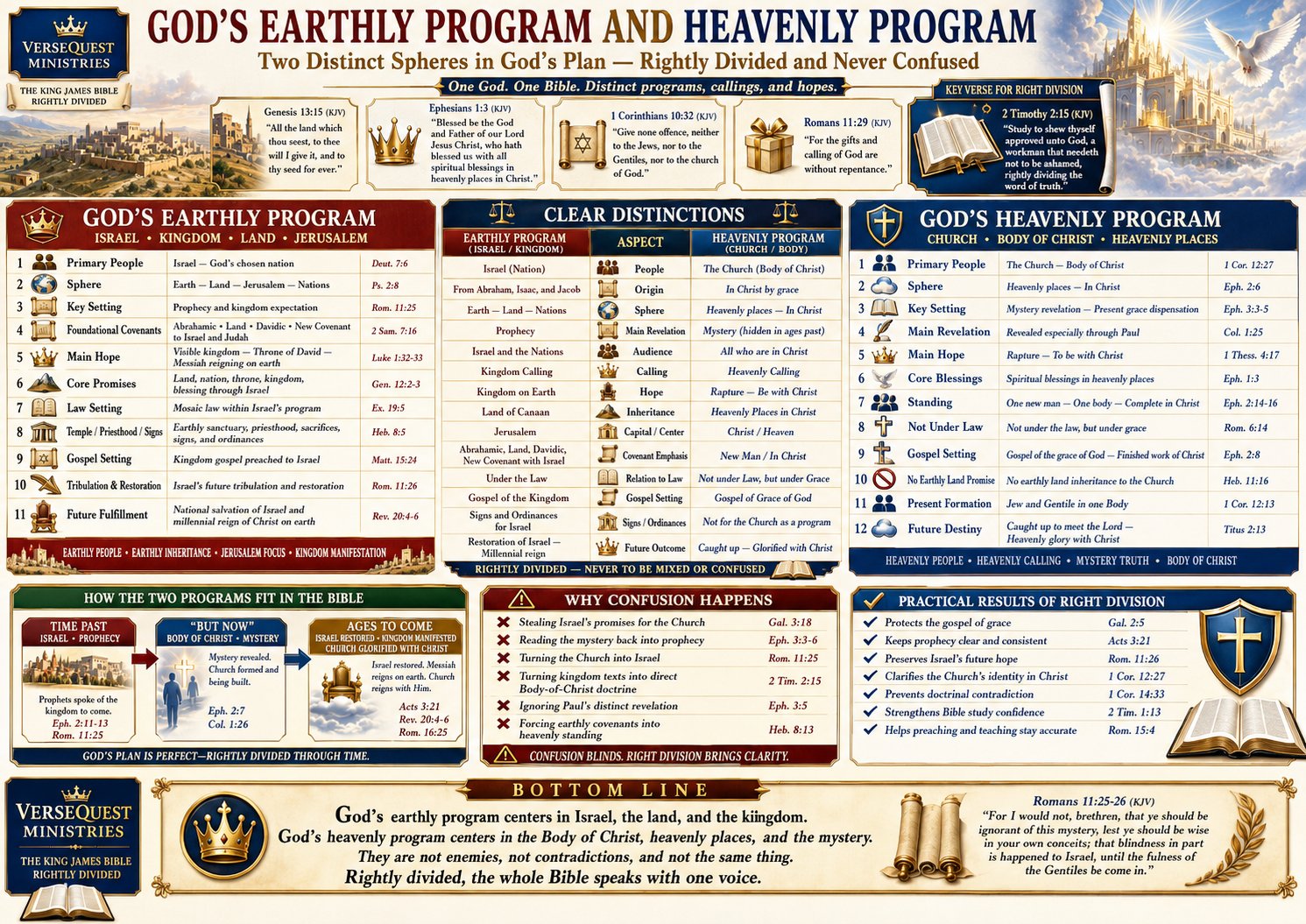
- Israel and the Church: Earthly and Heavenly Callings – KJV Bible Study Chart
- Printable digital KJV Bible study chart comparing Israel’s earthly promises and kingdom hope with the Church’s heavenly calling in Christ. Covers prophecy and mystery, biblical covenants, law and grace, the…
- $3.99
- Add to cart
-
-
Bitterness
-
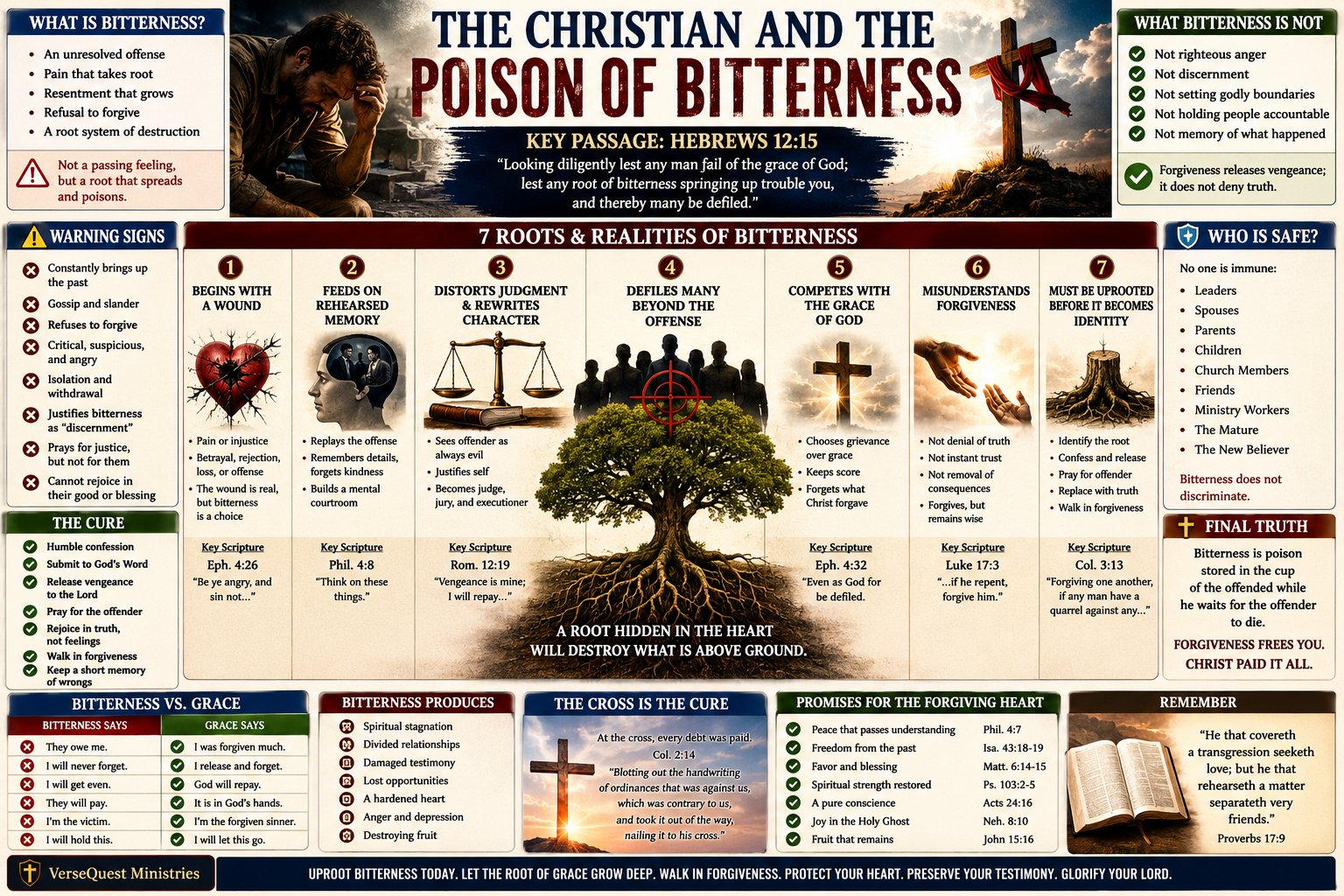
- The Christian and the Poison of Bitterness Bible Study Chart – Forgiveness, Grace, and Healing the Heart (KJV)
- Expose and uproot bitterness with this detailed KJV Bible study chart covering unresolved offenses, warning signs, forgiveness, grace, wise boundaries, the cross, and healing for the Christian heart.
- $3.99
- Add to cart
-
-
The Serpent's Footnotes
-
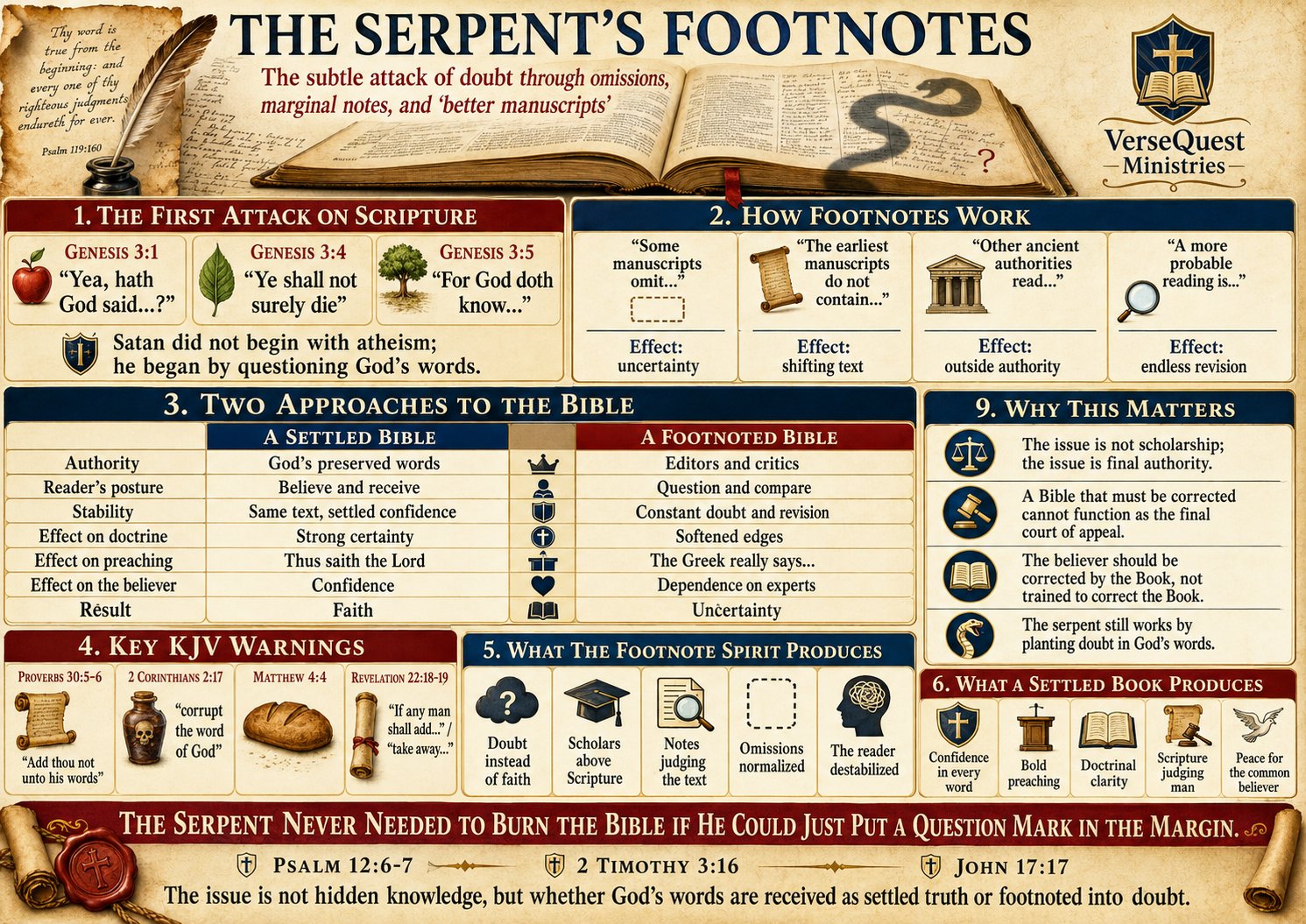
- The Serpent’s Footnotes Bible Study Chart – KJV Preservation, Textual Criticism, Omissions, and Manuscript Doubt
- Examine the attack of textual doubt with this detailed KJV Bible study chart covering manuscript footnotes, omissions, biblical preservation, final authority, and confidence in God’s settled words.
- $3.99
- Add to cart
-
-
Finding The Will of God
-
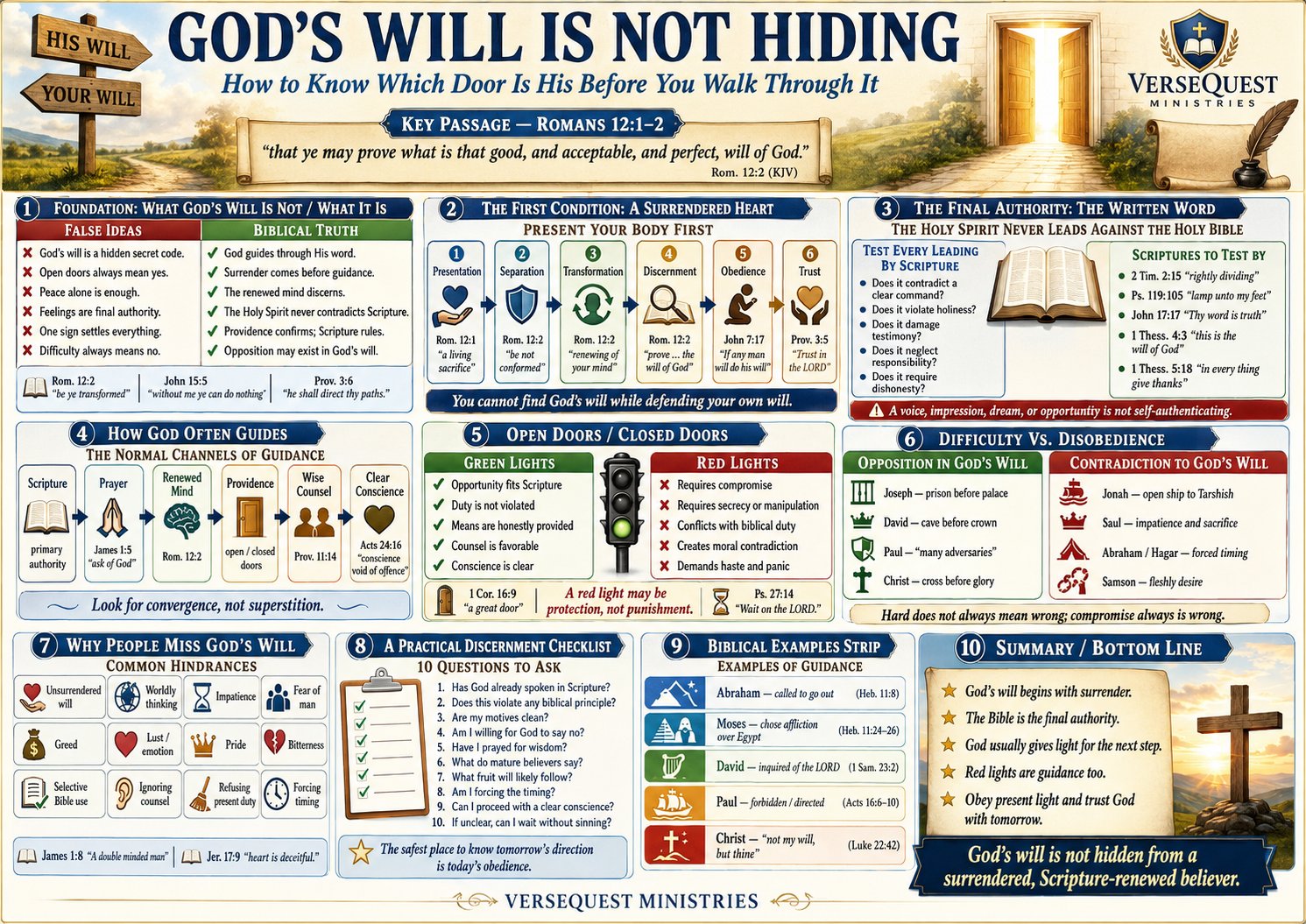
- God’s Will Is Not Hiding – How to Discern Biblical Guidance and Know Which Door Is His (KJV Bible Study Chart)
- Learn how to discern God’s will with this detailed KJV Bible study chart covering surrender, Scripture, prayer, wise counsel, open doors, closed doors, and practical decision-making.
- $3.99
- Add to cart
-