
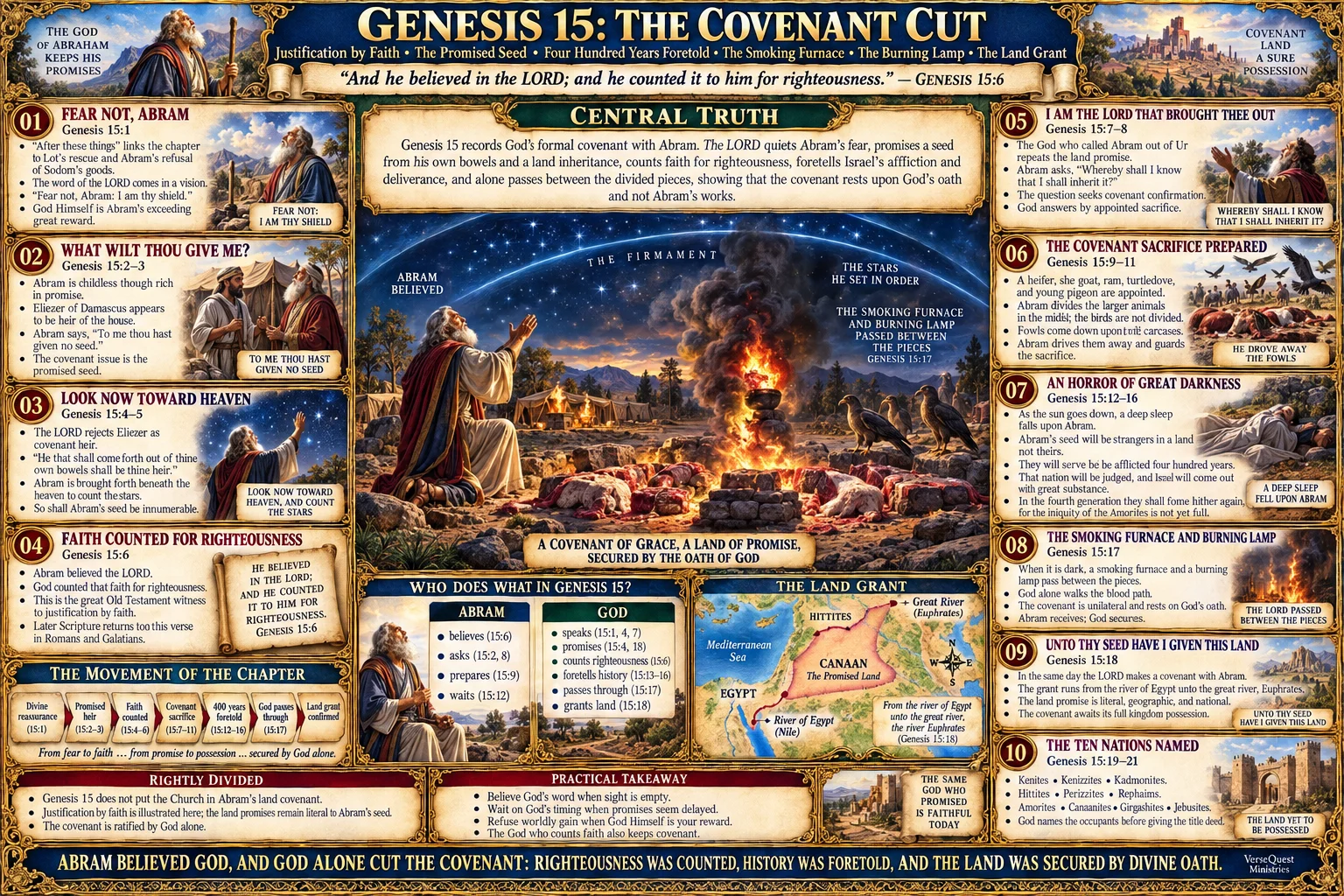
Genesis 15 – The Covenant Cut: Abram’s Faith, the Promised Seed, Four Hundred Years Foretold, and the Land Grant (KJV Bible Study Chart)
Explore Genesis 15 with this detailed KJV Bible study chart covering Abram’s fear, God as his shield and reward, the promised heir, the stars of heaven, and the great declaration that Abram “believed in the LORD” and righteousness was counted to him. The chart also examines the covenant sacrifice, the prophecy of Israel’s four hundred years of affliction, the iniquity of the Amorites, the smoking furnace and burning lamp, and God’s formal grant of the land from the river of Egypt to the Euphrates. Ideal for personal Bible study, Sunday school, homeschool, Bible institutes, sermon preparation, Romans and Galatians studies, covenant teaching, dispensational instruction, and studies of Israel’s literal land promises.
$4.99
Description
Genesis 15: The Covenant Cut is a detailed KJV Bible study chart examining one of the foundational covenant chapters in Scripture. After Abram’s victory in Genesis 14 and his refusal of Sodom’s wealth, the LORD appears in a vision and declares, “Fear not, Abram: I am thy shield, and thy exceeding great reward.” The chapter then moves through Abram’s concern over his lack of an heir, God’s promise of a son from his own body, the famous declaration of justification by faith, the prophecy of Israel’s future affliction, and the solemn covenant ceremony by which God confirms the land promise.
Abram asks what God will give him since he remains childless and Eliezer of Damascus appears positioned to inherit his household. The LORD rejects that arrangement and promises that Abram’s heir will come “out of thine own bowels.” God then brings Abram outside, directs him to look toward heaven, and commands him to count the stars if he is able. “So shall thy seed be.” Abram’s circumstances appear empty, but God’s promise supplies what sight cannot.
Genesis 15:6 states, “And he believed in the LORD; and he counted it to him for righteousness.” This verse becomes one of Scripture’s great testimonies concerning justification by faith and is later cited in Romans and Galatians. Abram does not earn righteousness through covenant works. He believes God, and righteousness is counted to him.
The LORD then repeats the land promise, identifying Himself as the God who brought Abram out of Ur to give him the land. Abram asks, “Whereby shall I know that I shall inherit it?” God answers by directing him to prepare covenant sacrifices. A heifer, goat, ram, turtledove, and young pigeon are brought; the larger animals are divided while the birds remain whole.
As the sun goes down, a deep sleep and “an horror of great darkness” fall upon Abram. God foretells that Abram’s descendants will be strangers in another land, afflicted for four hundred years, and afterward brought out with great substance. Their return awaits the fourth generation because “the iniquity of the Amorites is not yet full.” God’s covenant therefore reveals both Israel’s future and His patience toward the nations.
When darkness comes, a smoking furnace and burning lamp pass between the divided pieces. The covenant rests upon God’s oath rather than Abram’s performance. God alone guarantees what He has promised.
The chapter closes with a formal land grant extending from the river of Egypt unto the great river Euphrates and naming the peoples occupying the land. Genesis 15 therefore joins faith, righteousness, prophecy, sacrifice, covenant, and literal territorial promise in one magnificent chapter: Abram believes, God counts, God foretells, God passes between the pieces, and God secures the inheritance.
Genesis 15, covenant with Abram, Abrahamic covenant, covenant cut, Abram believed God, righteousness by faith, justification by faith, promised seed, stars of heaven, Eliezer of Damascus, fear not Abram, God as shield, exceeding great reward, covenant sacrifice, divided pieces, smoking furnace, burning lamp, four hundred years, Israel in Egypt, Amorites, land grant, river of Egypt, Euphrates, literal land promise, divine oath
Genesis 15 follows Abram’s military victory and refusal of the king of Sodom’s riches. God immediately declares, “Fear not, Abram: I am thy shield, and thy exceeding great reward.” Abram has rejected compromising wealth, and God Himself is presented as his protection and reward. Yet Abram still faces an unresolved problem: he has no son. Eliezer of Damascus appears positioned to inherit his house, but God explicitly rejects that possibility and promises an heir who will come from Abram himself.
The LORD brings Abram outside and tells him to count the stars if he can number them, adding, “So shall thy seed be.” Genesis 15:6 then records the great statement, “And he believed in the LORD; and he counted it to him for righteousness.” Romans 4 and Galatians 3 return to this verse to demonstrate righteousness received by faith rather than earned through works. Abram believes before circumcision and long before the Mosaic law.
God next identifies Himself as the One who brought Abram from Ur “to give thee this land to inherit it.” Abram asks how he will know that he shall inherit it. His question does not cancel his faith; he seeks covenant confirmation concerning the land promise. God directs him to prepare a heifer, goat, ram, turtledove, and young pigeon. The larger animals are divided, while the birds are not divided.
As evening approaches, Abram falls into a deep sleep and experiences “an horror of great darkness.” God then reveals future history. Abram’s seed will be strangers in a land that is not theirs, will serve another nation, and will suffer affliction for four hundred years. God will judge that nation and bring Abram’s descendants out with great substance. They will return in the fourth generation because “the iniquity of the Amorites is not yet full.” This reveals both divine foreknowledge and divine patience.
When darkness falls, “a smoking furnace, and a burning lamp” pass between the divided pieces. Within the covenant setting these signs represent the divine presence passing through the covenant sacrifice. Abram does not walk the path with God. The covenant’s ultimate security rests upon God’s oath and faithfulness rather than Abram’s ability to perform perfectly.
The LORD then formally grants the land “from the river of Egypt unto the great river, the river Euphrates” and names ten peoples occupying it. The exact identification of the river of Egypt is debated geographically, but the larger point is unmistakable: the promise is territorial, specific, and connected to Abram’s physical seed.
Genesis 15 should therefore be rightly divided. The Church is not inserted into Abram’s land grant. Believers share the spiritual blessing of justification by faith through Christ, while Israel’s national covenant promises retain their biblical identity. The chapter moves from fear to faith, from promise to covenant, and from human uncertainty to an inheritance secured by the oath of God.
Genesis 15 is ideal for teaching justification by faith, trusting God when circumstances appear empty, the certainty of divine promises, the Abrahamic covenant, Israel’s future history, biblical covenant ceremonies, and the difference between a promise secured by God and an inheritance earned by human works. The chapter is especially useful for personal Bible study, Sunday school, homeschool instruction, Bible institutes, sermon preparation, dispensational teaching, Romans and Galatians studies, covenant studies, prophecy instruction, and lessons concerning Israel’s literal land inheritance.
King James Bible, Strong’s Concordance, Thompson Chain-Reference Bible, Treasury of Scripture Knowledge, Nave’s Topical Bible, Genesis 12–17 study notes, Abrahamic covenant charts, patriarchal timelines, maps of Canaan and the promised land, Romans 4 studies, Galatians 3 studies, Acts 7 chronology, Exodus 12 studies, Hebrews 6 covenant studies, biblical covenant ceremony resources, Israel land-promise Scripture chains, VerseQuest Genesis charts
Related products
-
Uncategorized
-
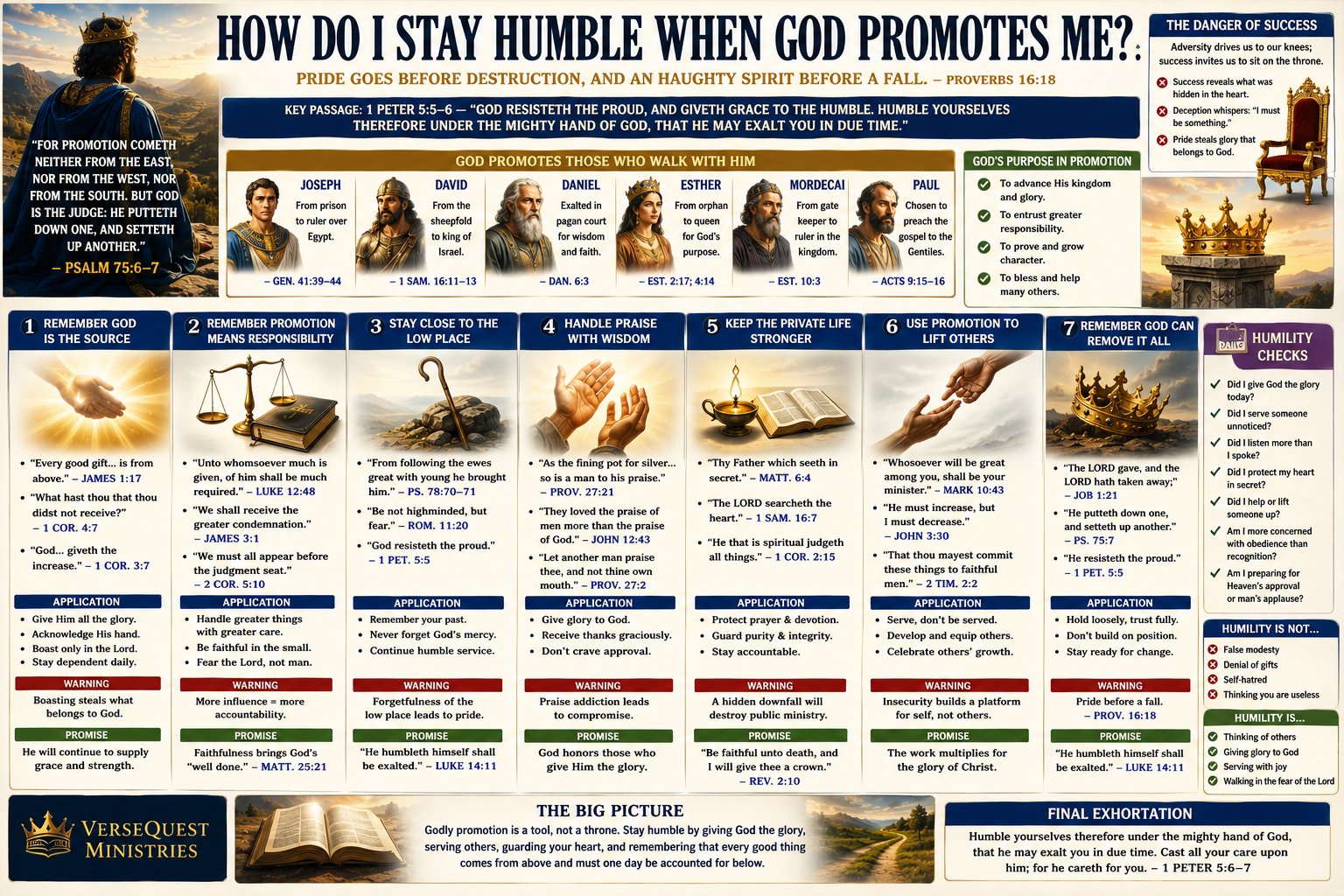
- How to Stay Humble When God Promotes You – Biblical Humility, Success, and Faithful Stewardship (KJV Bible Study Chart)
- Learn how to remain humble when God increases your influence with this detailed KJV Bible study chart covering pride, praise, responsibility, private devotion, servant leadership, and faithful stewardship.
- $3.99
- Add to cart
-
-
True Worship vs False Worship
-
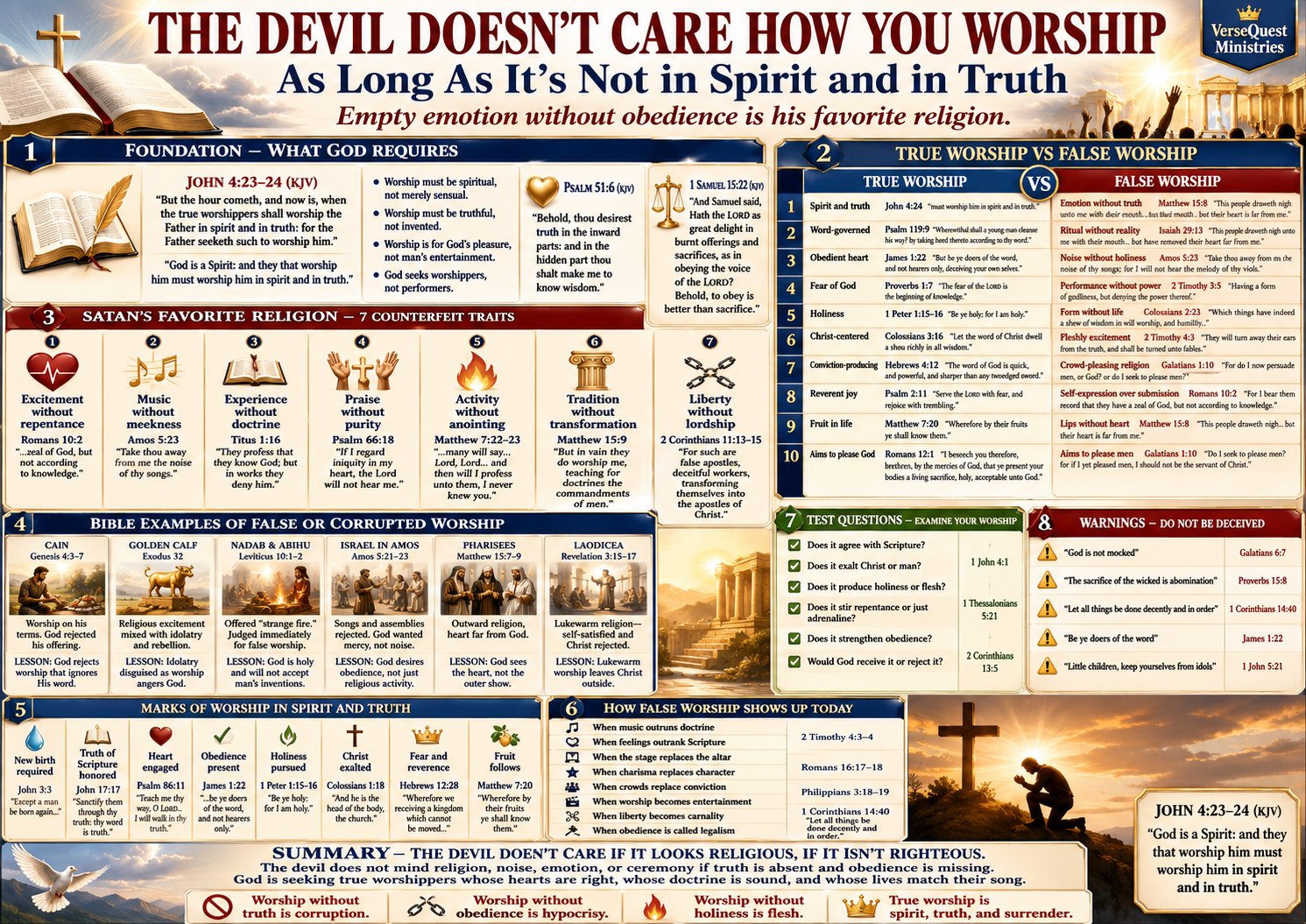
- The Devil Doesn’t Care How You Worship – True Worship in Spirit and in Truth Versus False Religion (KJV Bible Study Chart)
- Examine true and false worship with this detailed KJV Bible study chart covering spirit and truth, counterfeit religion, biblical music, obedience, holiness, discernment, and Christ-centred praise.
- $3.99
- Add to cart
-
-
The Serpent's Footnotes
-
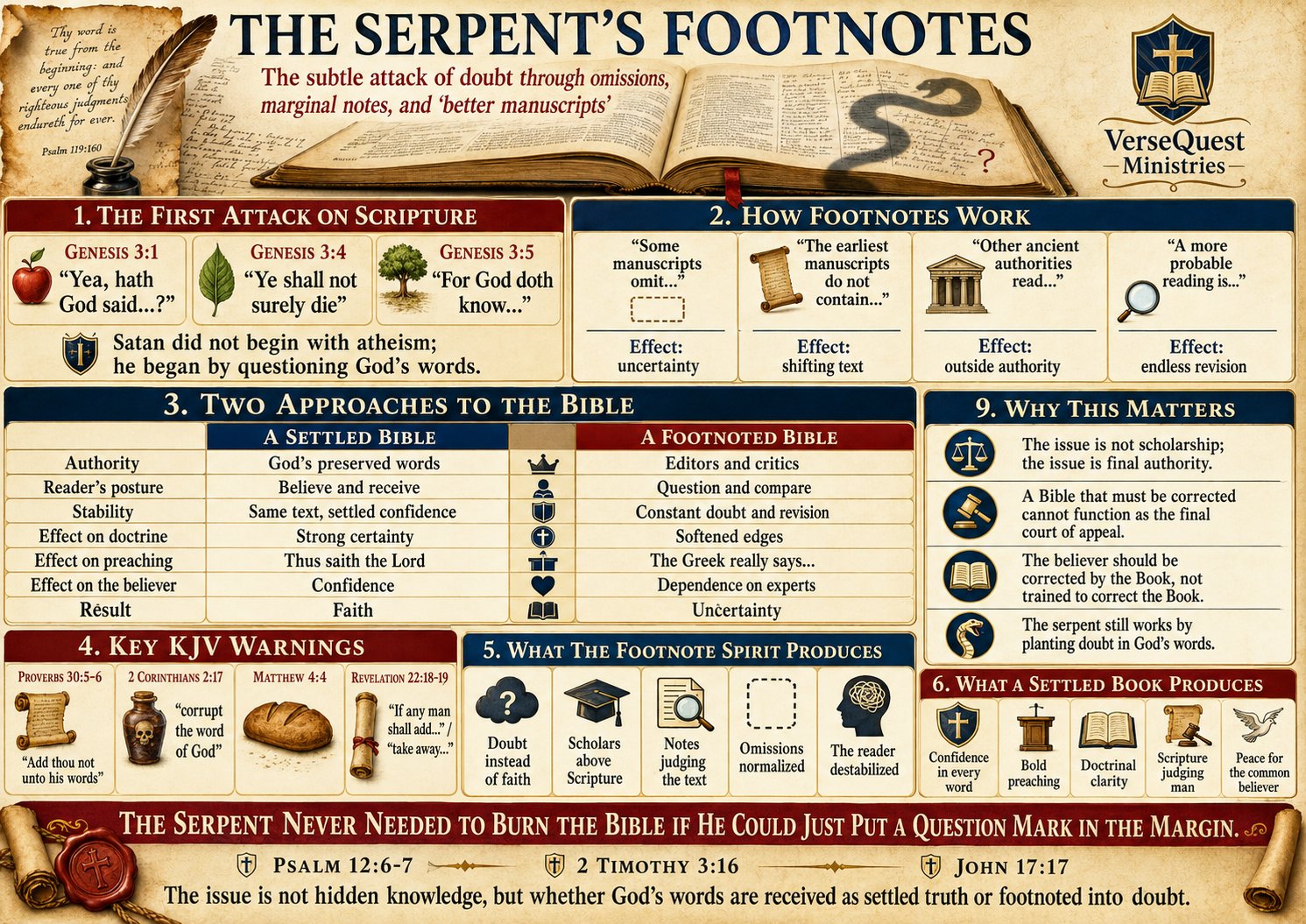
- The Serpent’s Footnotes Bible Study Chart – KJV Preservation, Textual Criticism, Omissions, and Manuscript Doubt
- Examine the attack of textual doubt with this detailed KJV Bible study chart covering manuscript footnotes, omissions, biblical preservation, final authority, and confidence in God’s settled words.
- $3.99
- Add to cart
-
-
Spiritual Growth
-
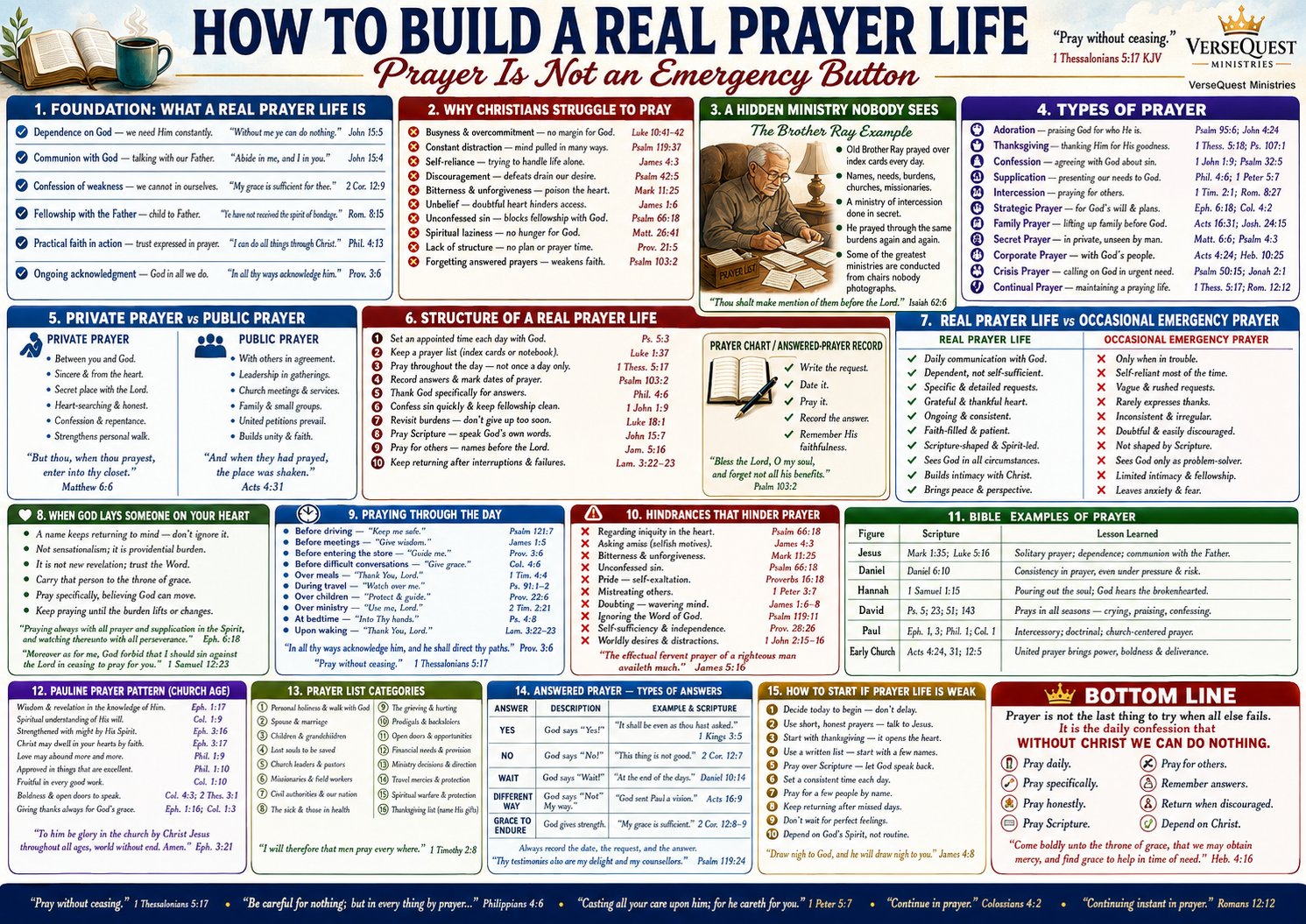
- How to Build a Real Prayer Life – Biblical Prayer Guide and KJV Bible Study Chart
- Build a consistent, biblical prayer life with this detailed KJV Bible study chart. Explore the foundations of prayer, types of prayer, common hindrances, answered prayer, Bible examples, and practical ways…
- $3.99
- Add to cart
-
-
Paul and the Twelve
-
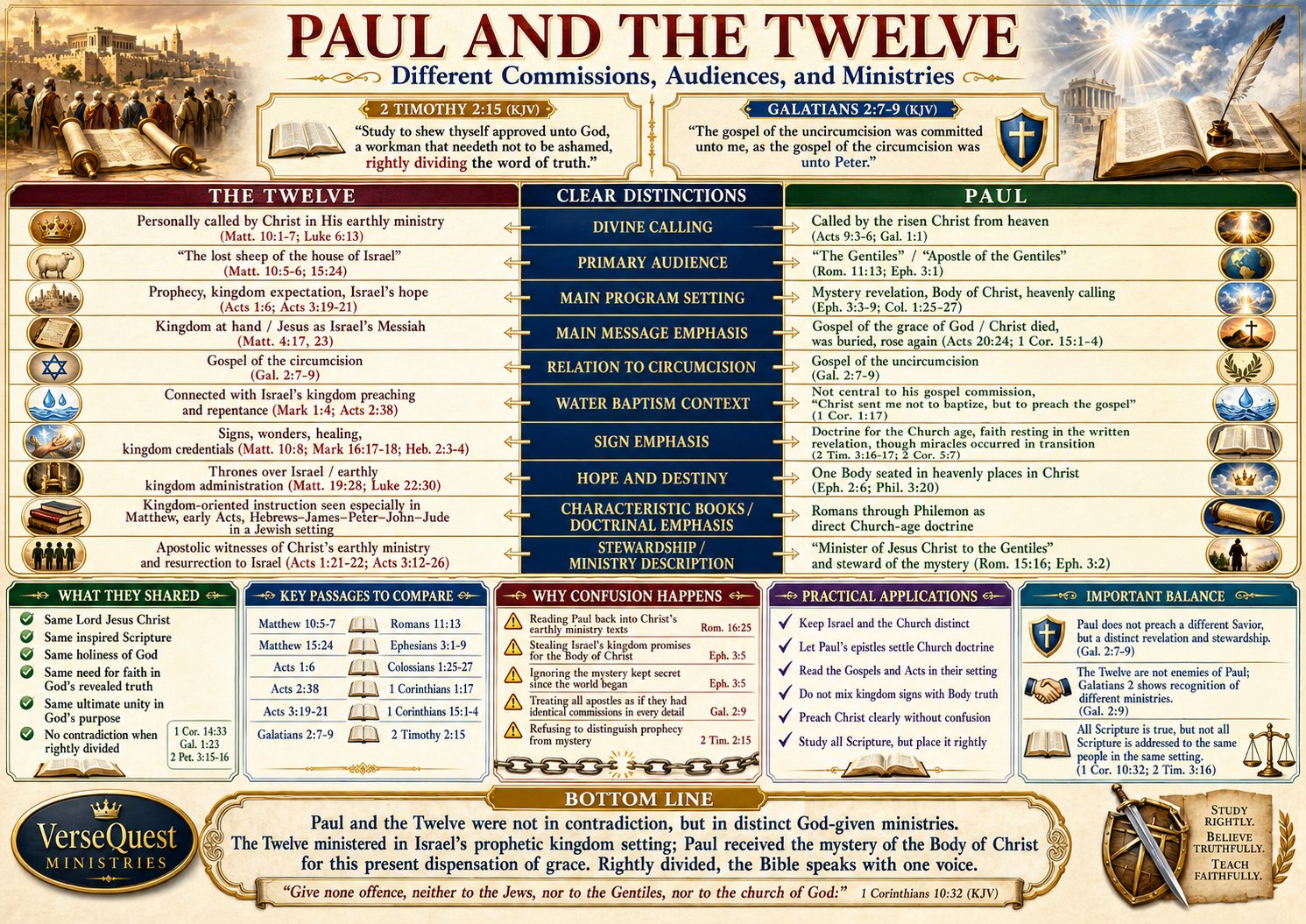
- Paul and the Twelve Bible Study Chart – Different Commissions, Audiences, and Ministries (KJV)
- Compare Paul and the Twelve with this detailed KJV Bible study chart covering their distinct callings, audiences, Kingdom and mystery settings, gospel stewardships, baptism contexts, signs, and future hopes.
- $3.99
- Add to cart
-