
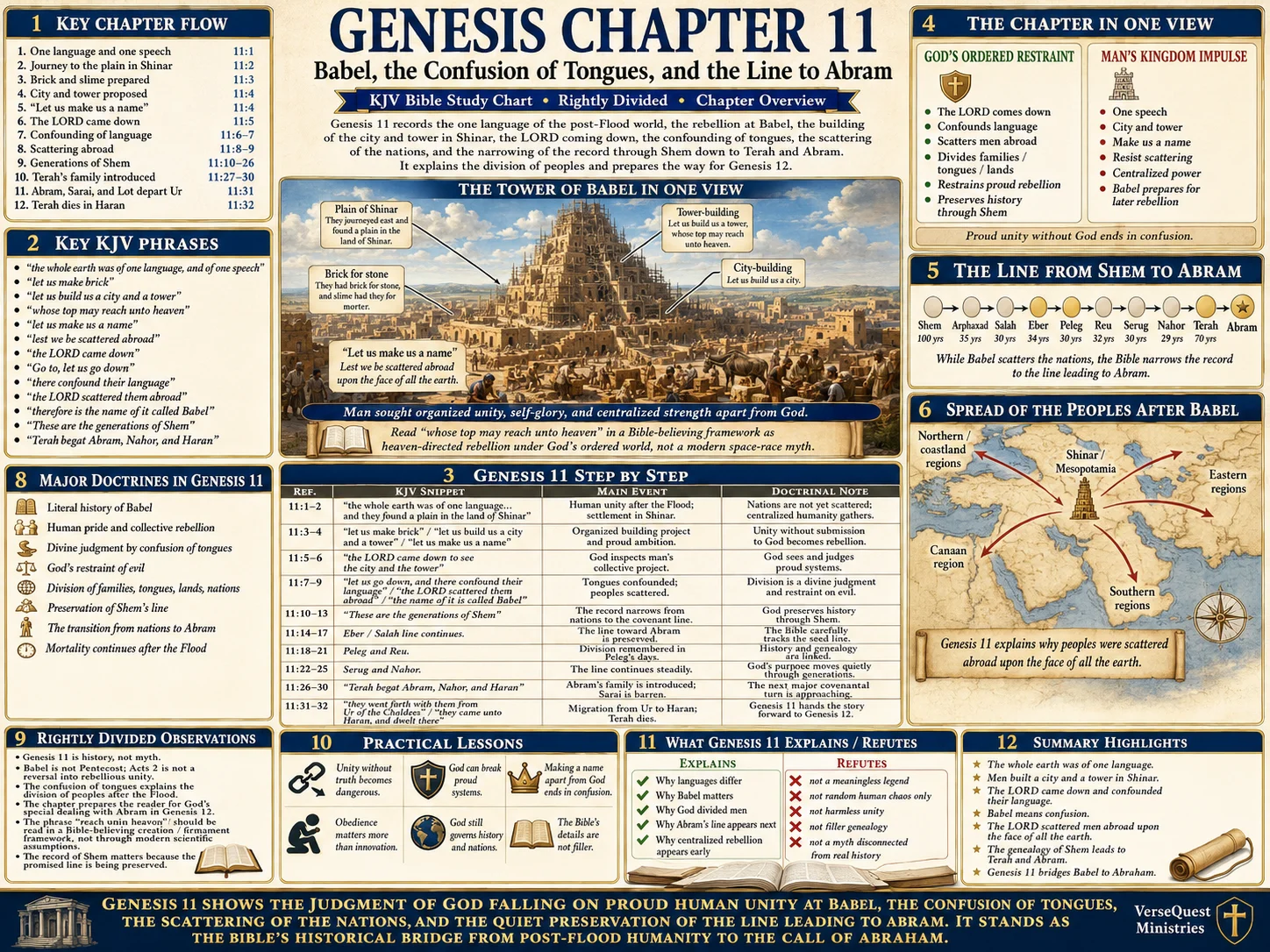
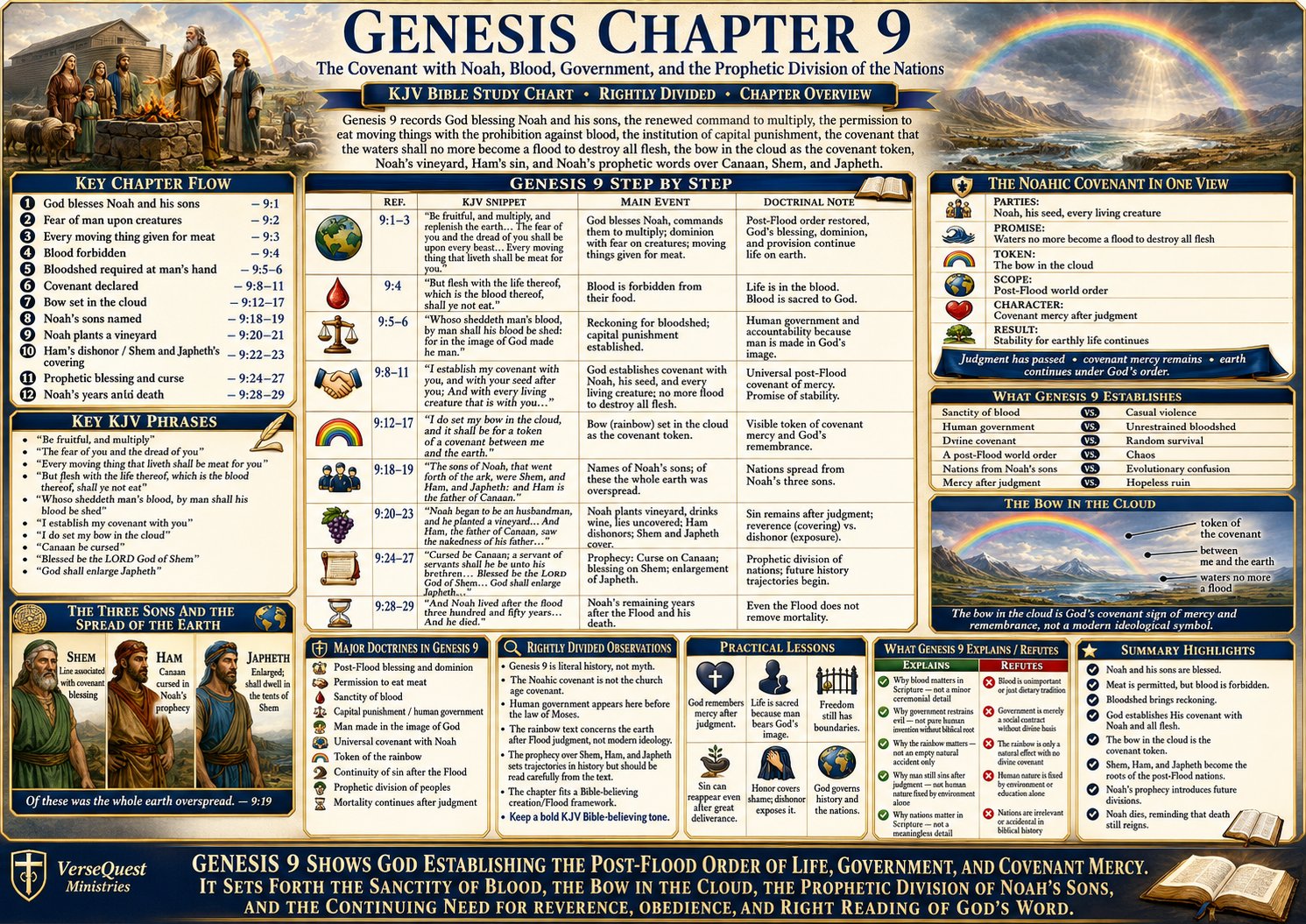
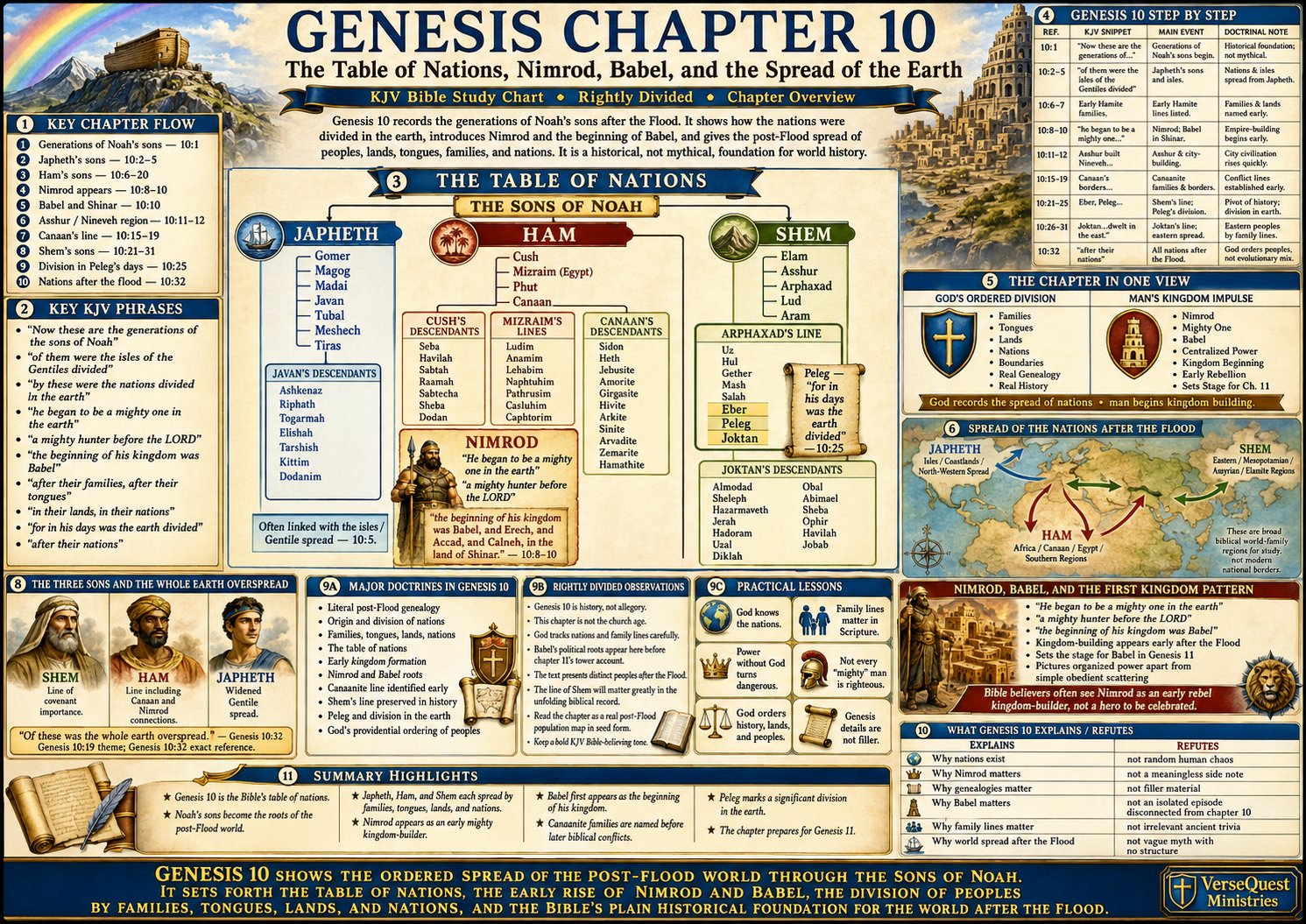
Genesis Chapter 10 Bible Study Chart – The Table of Nations, Nimrod, Babel, and the Spread of the Earth (KJV)
Explore Genesis Chapter 10 with this detailed KJV Bible study chart covering the Table of Nations, Shem, Ham, Japheth, Nimrod, Babel, Peleg, and the spread of the post-Flood world.
$3.99
Description
Genesis Chapter 10: The Table of Nations, Nimrod, Babel, and the Spread of the Earth is a detailed KJV Bible study chart explaining the post-Flood development of nations through the descendants of Noah’s three sons: Shem, Ham, and Japheth. Often overlooked as a mere list of unfamiliar names, Genesis 10 provides the Bible’s foundational record of how families, languages, lands, and nations spread across the earth after the Flood.
The chart organizes the chapter into a clear genealogical structure, allowing students to follow the major family lines without becoming lost in the names. Japheth’s descendants are associated with the isles of the Gentiles and the broader northwestern spread. Ham’s line includes Cush, Mizraim, Phut, and Canaan, while Shem’s descendants preserve the line that will later lead toward Abraham and the promised nation.
A central Table of Nations visually traces the descendants of Noah’s sons and highlights important branches such as Javan’s descendants, Cush’s descendants, Mizraim’s lines, Canaan’s families, Arphaxad’s line, and the descendants of Joktan. This structure demonstrates that Genesis 10 is not filler but an orderly historical account connecting the Flood narrative with the rise of the ancient world.
Special attention is given to Nimrod, who “began to be a mighty one in the earth” and became “a mighty hunter before the LORD.” His kingdom began with Babel, Erech, Accad, and Calneh in the land of Shinar. Nimrod represents the early development of centralized human power, kingdom building, and organized rebellion apart from God.
The appearance of Babel in Genesis 10 prepares the reader for the events of Genesis 11. The chart contrasts God’s ordered division of families, tongues, lands, and nations with man’s impulse toward centralized control, self-exaltation, and empire. What God orders by providence, man repeatedly attempts to unite under rebellious authority.
The chart also highlights Peleg, whose name is connected with a significant division in the earth. This statement marks an important transition in the chapter and anticipates the fuller explanation of the division of languages and peoples at Babel.
A geographical overview shows the broad regions traditionally associated with the descendants of Japheth, Ham, and Shem. These locations are presented as broad biblical and historical family regions rather than rigid modern racial classifications. The purpose is to demonstrate the spread of the post-Flood population, not to force ancient genealogies into present political borders.
Additional sections cover the chapter flow, key KJV phrases, major doctrines, rightly divided observations, practical lessons, summary highlights, and the truths Genesis 10 explains and refutes. The chart establishes the importance of genealogy, national boundaries, family lines, divine providence, and the historical roots of the nations.
This resource is ideal for personal Bible study, Genesis teaching, biblical history, the study of ancient nations, prophecy preparation, apologetics, homeschool curriculum, Christian schools, Sunday school, Bible institutes, sermon preparation, and studies of Nimrod, Babel, Noah’s sons, and the origin of nations.
Table of Nations, Noah’s sons, Shem, Ham, Japheth, post-Flood world, origin of nations, biblical genealogy, families and lands, tongues and nations, Nimrod, Babel, kingdom building, centralized power, human rebellion, Peleg, division of the earth, Canaanite peoples, Gentile nations, divine providence
Genesis 10 is the Bible’s foundational Table of Nations. It explains how the post-Flood population spread through the descendants of Shem, Ham, and Japheth. The chapter organizes people by families, tongues, countries, and nations, demonstrating that God records human history with purpose and order.
The genealogy is selective rather than exhaustive. Its purpose is not to name every descendant but to trace the major peoples and family lines necessary for the unfolding biblical record. Many of the nations later encountered by Israel first appear in this chapter.
Japheth’s descendants are associated with a broad Gentile expansion, particularly toward the isles and northern regions. Ham’s line includes several peoples closely connected with Egypt, Canaan, Africa, and the ancient Near East. Shem’s line receives special attention because it preserves the line through which Abraham and Israel will later emerge.
Nimrod is the first major kingdom builder named after the Flood. His description as a mighty one and mighty hunter points to unusual power, influence, and domination. His association with Babel places him at the beginning of the organized kingdom pattern that will be developed further in Genesis 11.
Babel represents more than a city. It introduces the recurring biblical pattern of human civilization uniting itself around pride, centralized power, false religion, and rebellion against God. The beginnings of that system appear early in the post-Flood world.
Peleg’s name is connected with division in the earth. The statement likely anticipates the division of peoples and languages surrounding Babel. Genesis 10 provides the genealogical spread, while Genesis 11 explains the event that accelerated that dispersion.
The chapter should not be used to support modern racial superiority or simplistic racial classifications. Genesis presents one human family descending from Noah, later divided into distinct peoples, lands, languages, and nations under God’s providential ordering.
Genesis 10 teaches that God knows the origins, movements, boundaries, and histories of nations. Human empires rise and fall, but the Lord remains sovereign over the spread of peoples and the direction of world history.
Genesis chapter study, biblical history, origin of nations teaching, Nimrod and Babel studies, prophecy preparation, ancient geography, Sunday school lessons, homeschool Bible curriculum, Christian school instruction, Bible institute classes, sermon preparation, apologetics, discipleship training, biblical worldview instruction, genealogy studies, studies of Shem Ham and Japheth
King James Bible, Strong’s Concordance, Thompson Chain-Reference Bible, Treasury of Scripture Knowledge, Nave’s Topical Bible, Bible atlas, ancient Near East maps, biblical genealogy charts, Genesis commentary notes, Scripture cross-reference guide, studies on Nimrod and Babel, VerseQuest Genesis chapter charts, VerseQuest prophecy charts
Related products
-
Doctrine Series
-
-14%

- Judas Iscariot and the Coming Antichrist – Premium KJV Prophecy Study
- A massive 459-page premium KJV prophecy study tracing the biblical connection between Judas Iscariot, the son of perdition, and the coming Antichrist. This detailed VerseQuest Ministries PDF examines Judas’ betrayal,…
- Original price was: $34.99.$29.99Current price is: $29.99.
- Add to cart
-
-14%
-
Kingdom Hall
-
-71%
- Jehovah’s Witnesses Made Plain – 574-Page KJV Watchtower Study
- A massive 574-page VerseQuest study exposing the Watchtower system from the King James Bible. This detailed 100-essay book covers the false Christ, false gospel, New World Translation, failed prophecy, 144,000,…
- Original price was: $34.99.$9.99Current price is: $9.99.
- Add to cart
-
-71%
-
Heaven
-
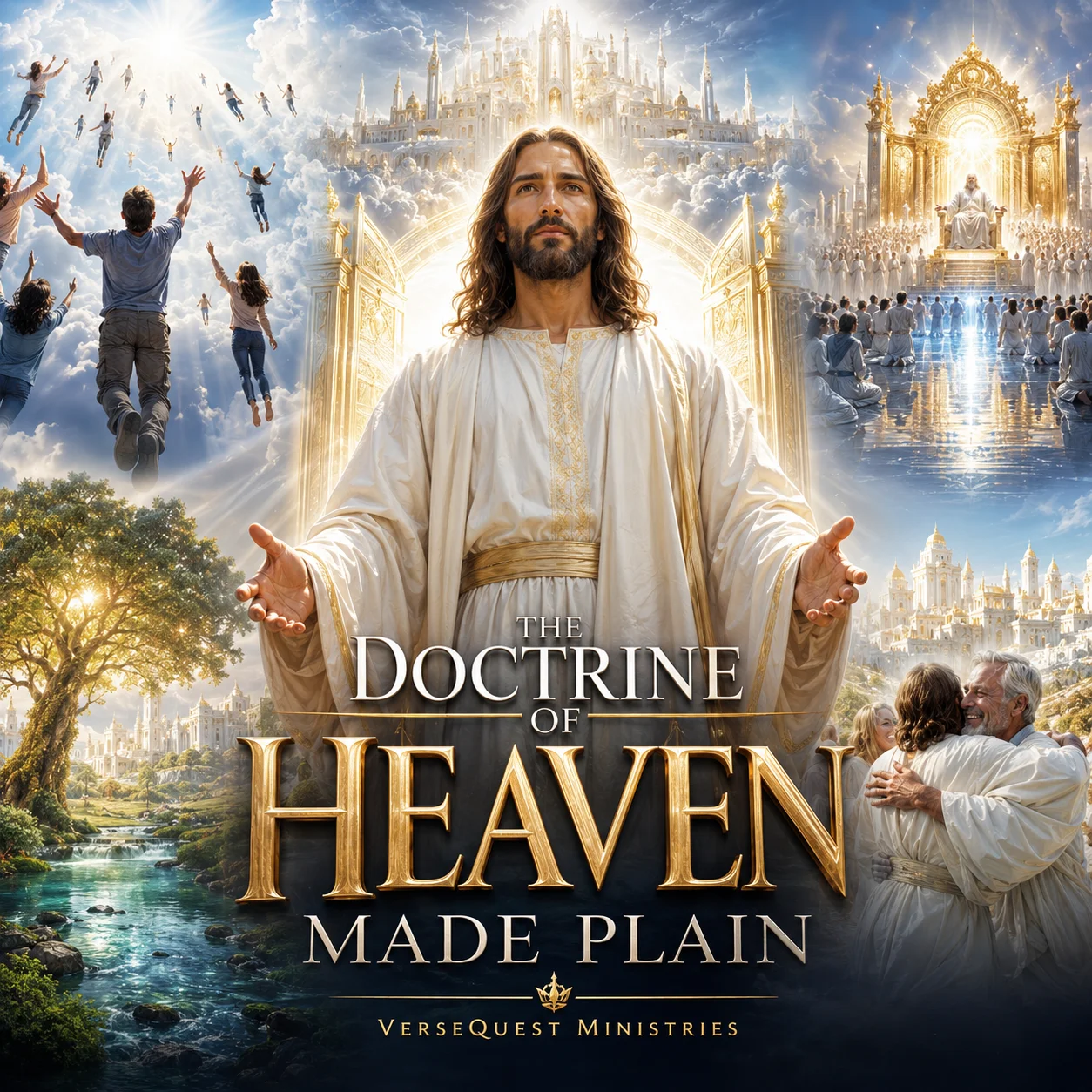
- The Doctrine of Heaven Made Plain — 599-Page KJV Bible Study PDF
- A massive 599-page KJV, rightly divided study on heaven, covering the present heaven, resurrection body, Rapture, Millennium, New Jerusalem, eternal state, hard questions, funeral lies, and cult errors.
- $34.99
- Add to cart
-
-
Jesus Christ / Christology
-
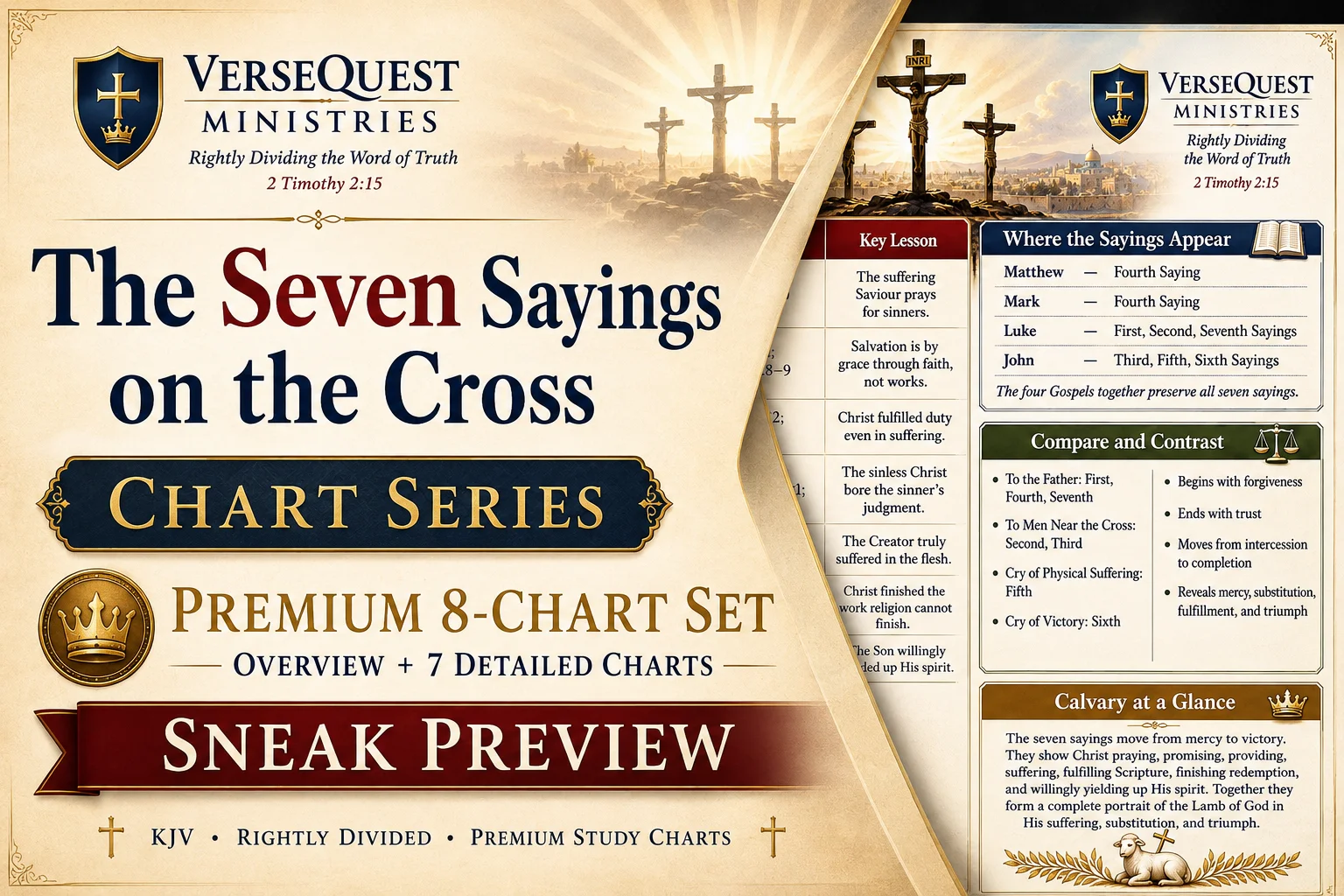
- The Seven Sayings on the Cross – Premium 8-Chart KJV Study Set
- A premium VerseQuest Ministries digital PDF study set on The Seven Sayings on the Cross, featuring an overview chart plus seven detailed KJV Bible study charts. This resource examines Calvary,…
- $12.99
- Add to cart
-
-
Premium Studies
-
-25%
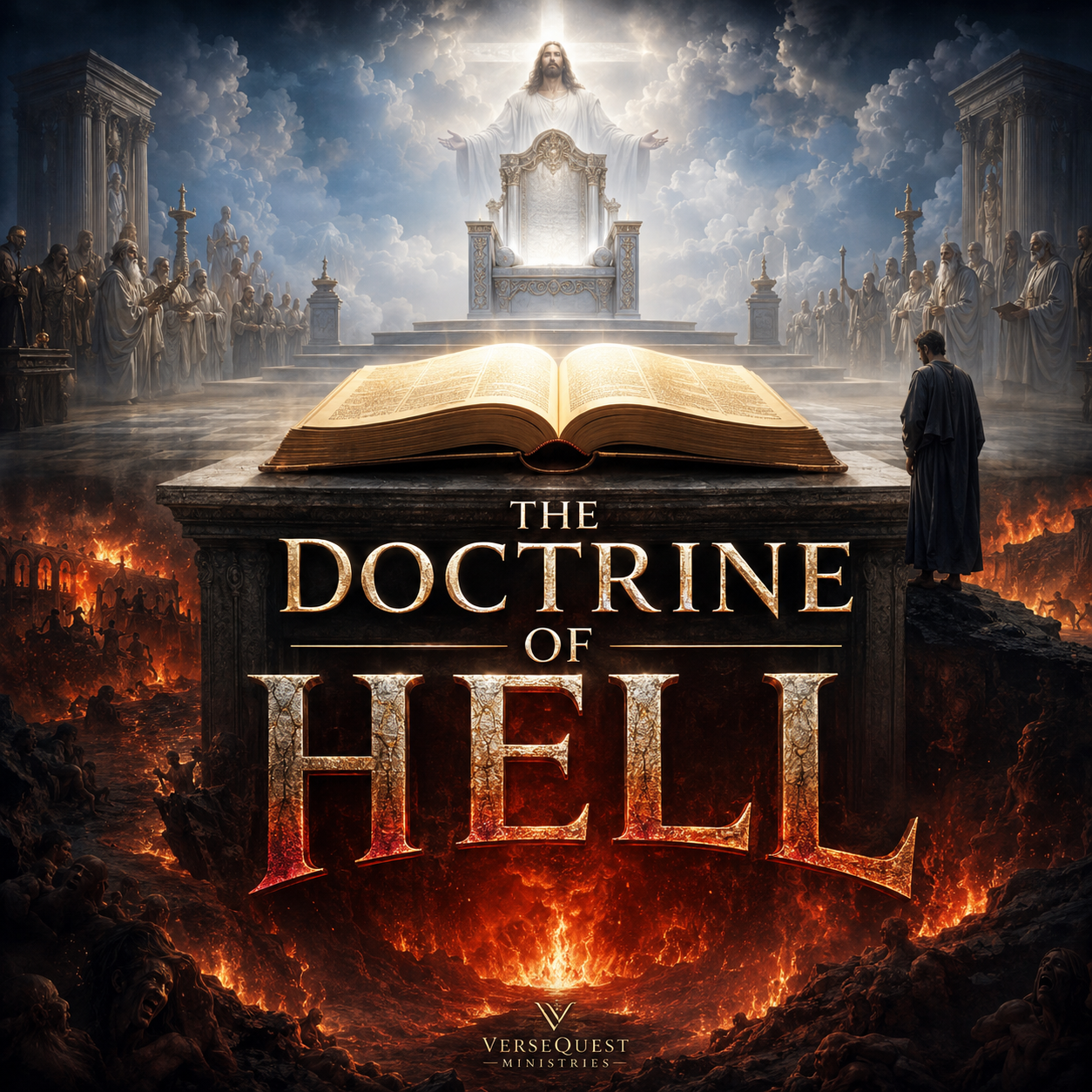
- The Doctrine of Hell — Premium Essay Series PDF
- A 383-page premium VerseQuest PDF study book containing 54 KJV essays on hell, fire, darkness, judgment, the lake of fire, the second death, and Jesus Christ as the only escape.
- Original price was: $39.99.$29.99Current price is: $29.99.
- Add to cart
-
-25%