
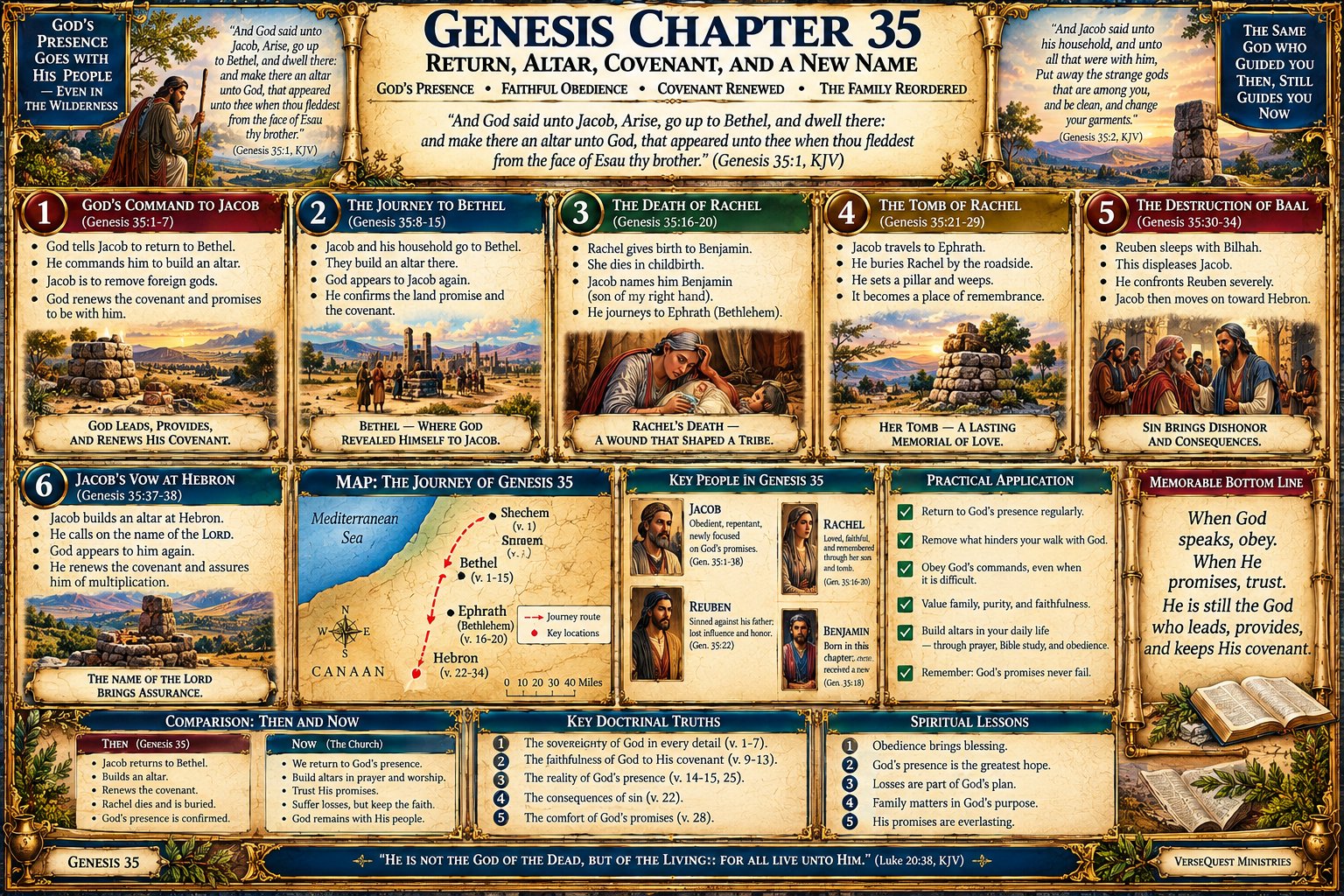
Genesis 35 – Jacob Returns to Bethel: Strange Gods Removed, the Covenant Renewed, Rachel Dies, Benjamin Is Born, and Isaac Is Gathered (KJV Bible Study Chart)
Explore Genesis 35 with this detailed KJV Bible study chart tracing Jacob’s return to Bethel, the removal of strange gods from his household, renewed worship, and God’s reaffirmation of the name Israel and the Abrahamic covenant promises. Follow the family from Bethel toward Ephrath as Rachel dies giving birth to Benjamin and Jacob marks her grave near Bethlehem. The chart also covers Reuben’s sin with Bilhah, the listing of Jacob’s twelve sons, and Jacob’s return to Isaac at Hebron before Isaac dies at one hundred eighty years old and is buried by Jacob and Esau. Genesis 35 is a powerful chapter of purification, covenant renewal, grief, birth, death, obedience, and generational transition. Ideal for Bible study, homeschool, Sunday school, sermon preparation, and patriarchal teaching.
$4.99
Description
Genesis 35: Return, Altar, Covenant, and a New Name is a detailed KJV Bible study chart tracing Jacob’s return to Bethel, the removal of strange gods from his household, God’s renewed appearance and covenant promises, the death of Rachel and birth of Benjamin, Reuben’s serious sin, and Jacob’s final reunion with Isaac before the aged patriarch’s death.
The chapter begins with a direct command from God: “Arise, go up to Bethel, and dwell there: and make there an altar unto God.” Bethel is the place where God first appeared to Jacob when he fled from Esau. Now, after years in Padan-aram and the tragedy at Shechem, Jacob is commanded to return to the place of earlier revelation and worship.
Jacob responds by ordering his household to “Put away the strange gods that are among you, and be clean, and change your garments.” The foreign gods are surrendered, and Jacob hides them beneath the oak at Shechem. As the family journeys, “the terror of God” falls upon the surrounding cities so that they do not pursue Jacob’s household.
At Bethel Jacob builds an altar and calls the place El-beth-el, because there God appeared to him when he fled from Esau. The chapter also records the death of Deborah, Rebekah’s nurse, whose burial place is named Allon-bachuth, meaning the oak of weeping.
God appears to Jacob again and reaffirms the name Israel. He identifies Himself as “God Almighty” and renews the covenant promises of fruitfulness, nations, kings, and the land previously promised to Abraham and Isaac. Jacob responds by setting up a pillar and pouring both a drink offering and oil upon it.
The journey then turns sorrowful. Rachel goes into difficult labor near Ephrath. Before dying, she names her son Ben-oni, “son of my sorrow,” but Jacob calls him Benjamin, “son of the right hand.” Rachel is buried on the way to Ephrath, which is Bethlehem, and Jacob sets a pillar upon her grave.
Afterward Reuben lies with Bilhah, his father’s concubine, bringing dishonor into the household and consequences later reflected in Genesis 49. The chapter then lists Jacob’s twelve sons.
Finally Jacob comes to Isaac at Mamre near Hebron. Isaac dies at one hundred eighty years old, “old and full of days,” and Jacob and Esau bury their father together.
Genesis 35 therefore gathers purification, worship, covenant, grief, sin, birth, death, and generational transition into one chapter. God remains faithful while the patriarchal family changes around Him.
Genesis 35, Jacob returns to Bethel, Bethel, strange gods removed, family purification, El-beth-el, Deborah’s death, Allon-bachuth, Jacob renamed Israel, God Almighty, covenant renewed, land promise, Rachel’s death, Benjamin born, Ben-oni, Bethlehem, Rachel’s tomb, Reuben and Bilhah, twelve sons of Jacob, Isaac’s death, Hebron, patriarchal transition, worship, obedience
Genesis 35 begins after the moral disaster at Shechem. God commands Jacob, “Arise, go up to Bethel, and dwell there.” Bethel is where God appeared to Jacob when he fled from Esau in Genesis 28. The command therefore calls Jacob back not merely to a location but to the place associated with earlier revelation, promise, and worship.
Jacob immediately addresses spiritual compromise within his household: “Put away the strange gods that are among you, and be clean, and change your garments.” The family gives Jacob its foreign gods and earrings, and he hides them under the oak at Shechem. The chapter shows that renewed worship requires separation from known idolatry.
As they travel, “the terror of God” falls upon the surrounding cities, preventing pursuit. Jacob arrives at Bethel and builds an altar, calling the place El-beth-el because God had revealed Himself there. Deborah, Rebekah’s nurse, dies and is buried beneath an oak called Allon-bachuth, introducing one of several losses recorded in the chapter.
God appears to Jacob again and confirms his new name: “thy name shall not be called any more Jacob, but Israel shall be thy name.” The LORD identifies Himself as “God Almighty” and repeats covenant promises involving fruitfulness, nations, kings, and the land given to Abraham and Isaac. Jacob responds with a pillar, drink offering, oil, and renewed recognition of Bethel.
The family then journeys from Bethel toward Ephrath. Rachel experiences severe labor while giving birth. As she dies, she calls the child Ben-oni, son of my sorrow, but Jacob renames him Benjamin, son of the right hand. Rachel is buried on the way to Ephrath, identified as Bethlehem, and Jacob erects a pillar upon her grave. Her burial is recorded in Genesis 35:19–20, not verses 21–29.
Genesis 35:21–22 then records Israel’s movement beyond the tower of Edar and Reuben’s sin with Bilhah. Scripture states that Israel heard of it. Genesis 49 later reveals that this act cost Reuben his preeminence as firstborn. The remainder of verses 23–26 lists Jacob’s twelve sons.
The final scene brings Jacob back to Isaac at Mamre, near Hebron. Genesis 35:27–29 records no new altar or vow there. Instead, Isaac dies at one hundred eighty years old and is gathered to his people. Esau and Jacob bury him together.
Genesis 35 therefore contains remarkable contrasts: idols are buried, an altar is built, promises are renewed, Rachel dies, Benjamin lives, Reuben sins, and Isaac passes from the scene. Through every transition, God’s covenant purpose continues.
Genesis 35 is useful for teaching spiritual cleansing, returning to neglected places of worship, removing idols and compromises from the household, obedience after failure, and God’s faithfulness to promises made years earlier. It also provides important material for studying Bethel, Jacob’s name Israel, Rachel and Benjamin, grief within a covenant family, Reuben’s consequences, and the transition from Isaac to Jacob’s generation. The chart is valuable for personal Bible study, Sunday school, homeschool instruction, Bible institutes, sermon preparation, family discipleship, covenant studies, spiritual renewal, and lessons on worship, purity, grief, obedience, and generational faithfulness.
King James Bible, Strong’s Concordance, Thompson Chain-Reference Bible, Treasury of Scripture Knowledge, Nave’s Topical Bible, Genesis 28–36 study notes, Jacob life timeline, Bethel Scripture studies, Abrahamic covenant charts, Rachel and Benjamin studies, twelve tribes of Israel charts, Genesis 49 tribal prophecy studies, patriarchal maps of Shechem Bethel Bethlehem and Hebron, biblical idolatry studies, family purification Scripture chains, Isaac and Jacob timelines, VerseQuest Genesis charts
Related products
-
Bible Study Chart
-
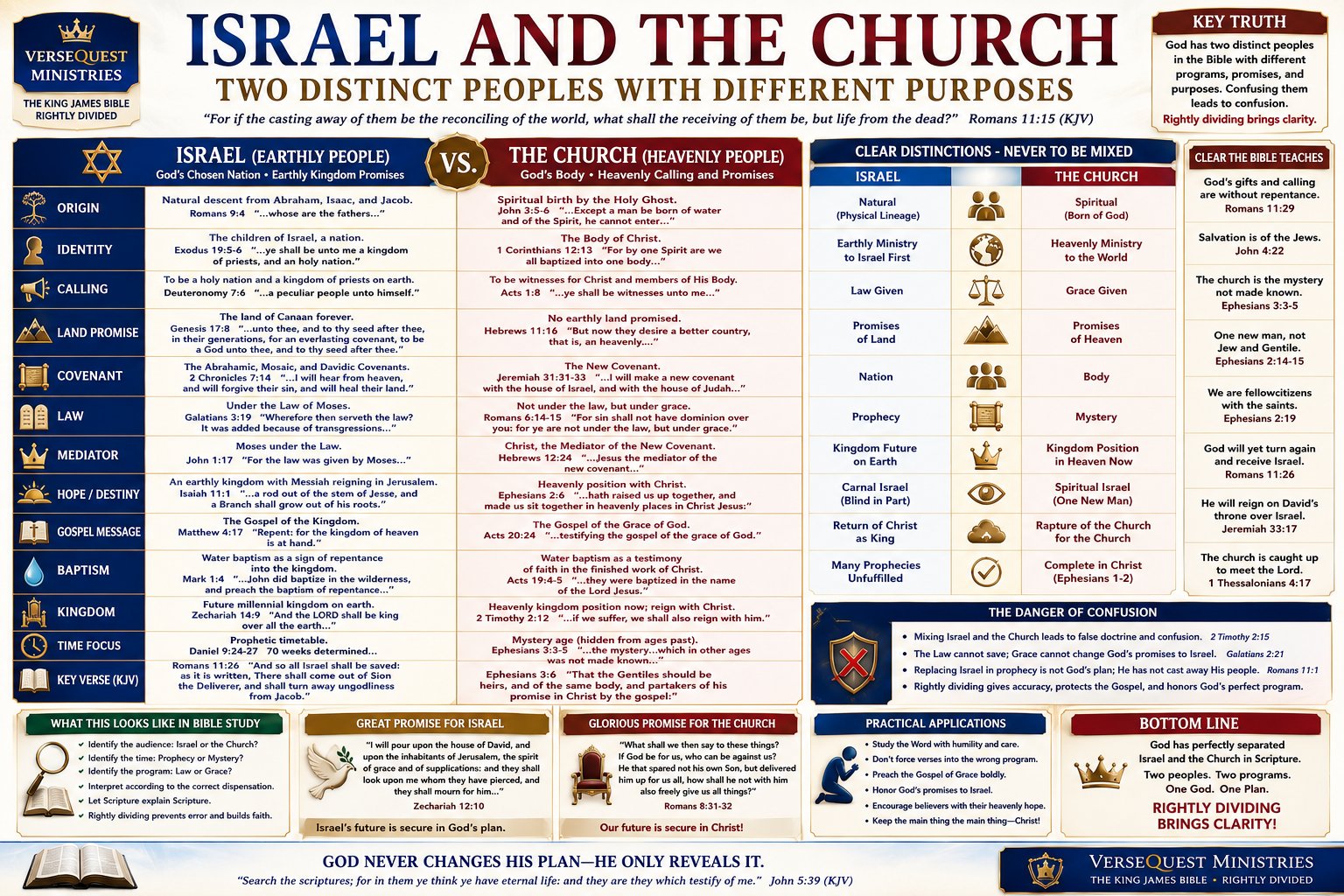
- Israel and the Church Bible Study Chart – Two Distinct Peoples with Different Purposes (KJV)
- Compare Israel and the Church with this detailed KJV Bible study chart covering their distinct origins, identities, covenants, callings, promises, gospel programs, and future destinies.
- $3.99
- Add to cart
-
-
Christian Growth
-
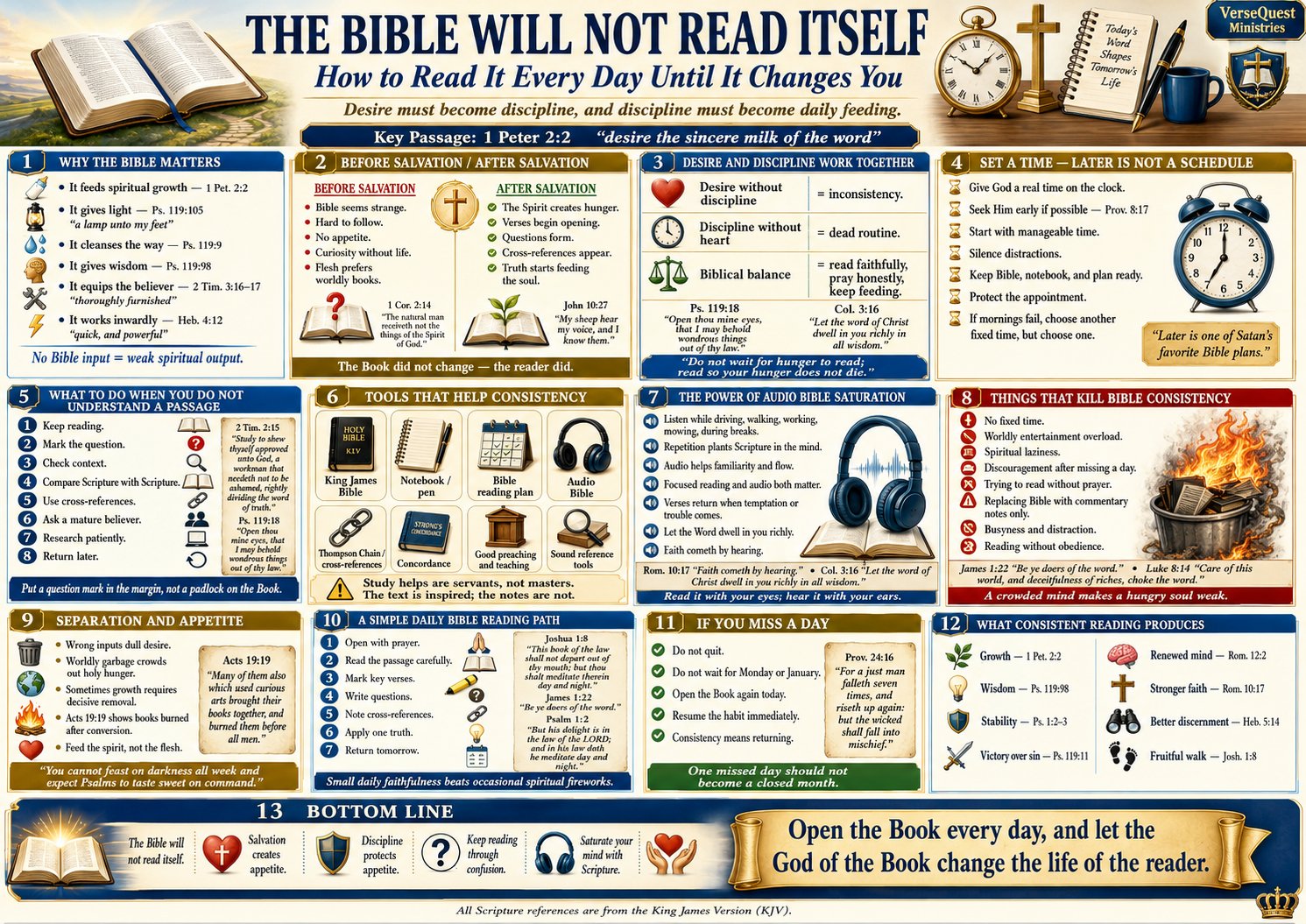
- The Bible Will Not Read Itself – How to Read the Bible Every Day Bible Study Chart (KJV)
- Build a consistent daily Bible reading habit with this detailed KJV Bible study chart. Learn practical steps for reading Scripture faithfully, overcoming inconsistency, understanding difficult passages, and growing spiritually through…
- $3.99
- Add to cart
-
-
Biblical Submission
-
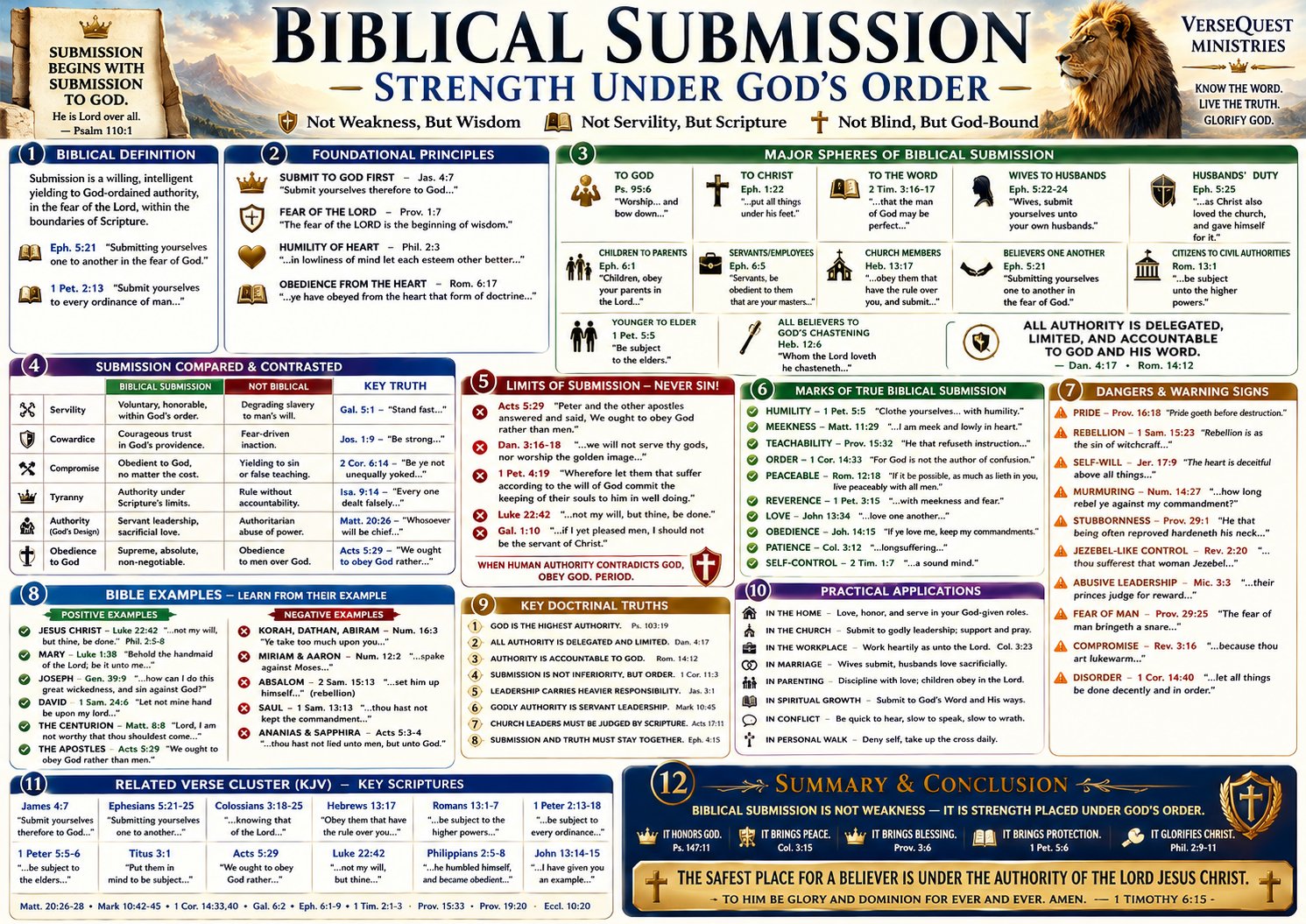
- Biblical Submission Bible Study Chart – Strength Under God’s Order, Authority, and Scriptural Limits (KJV) Product Description
- Study biblical submission with this detailed KJV chart covering God-ordained authority, servant leadership, obedience, marriage, church, government, and the Scriptural limits of submission.
- $3.99
- Add to cart
-
-
Heavenly Program
-
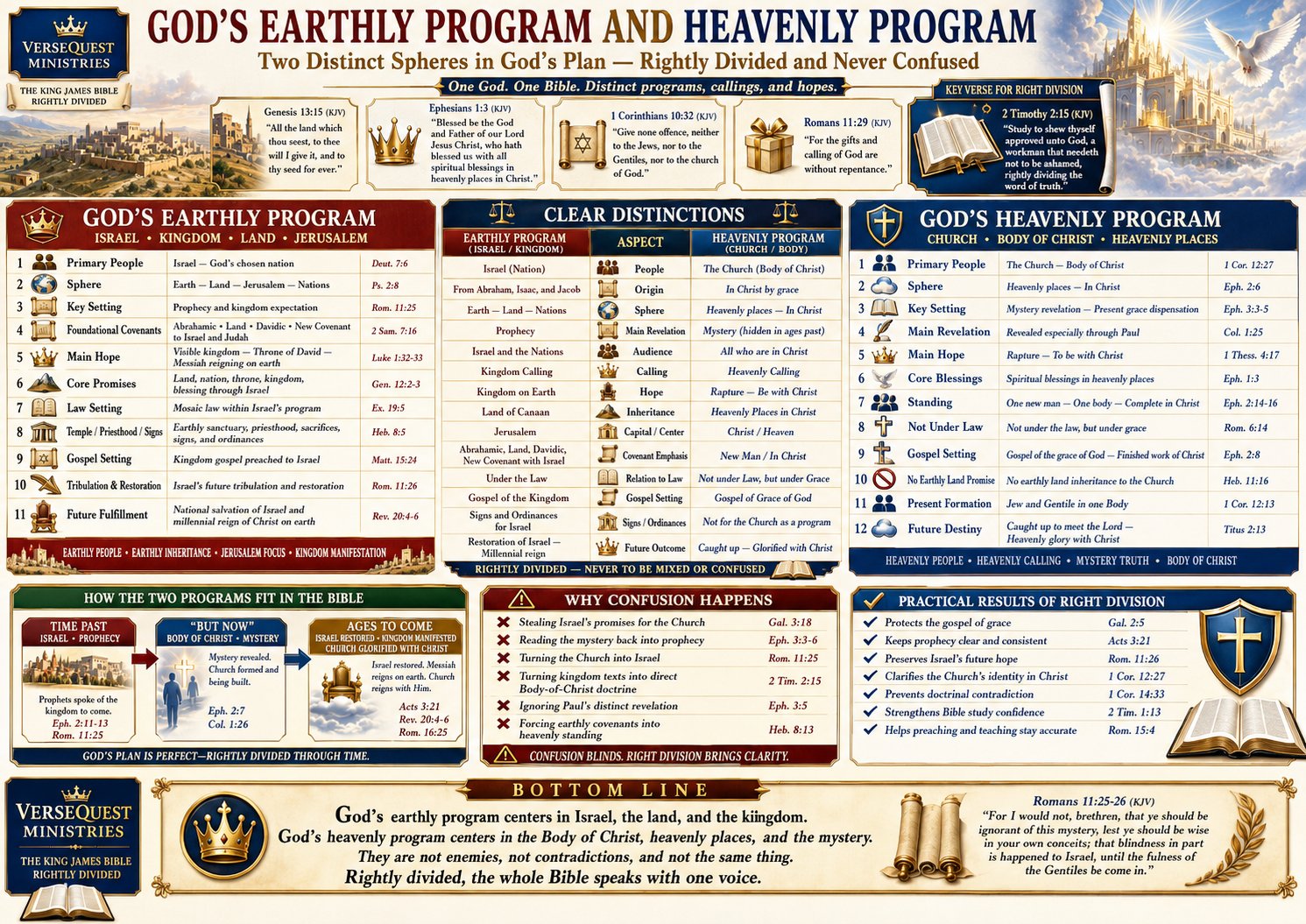
- Israel and the Church: Earthly and Heavenly Callings – KJV Bible Study Chart
- Printable digital KJV Bible study chart comparing Israel’s earthly promises and kingdom hope with the Church’s heavenly calling in Christ. Covers prophecy and mystery, biblical covenants, law and grace, the…
- $3.99
- Add to cart
-
-
Prayer
-
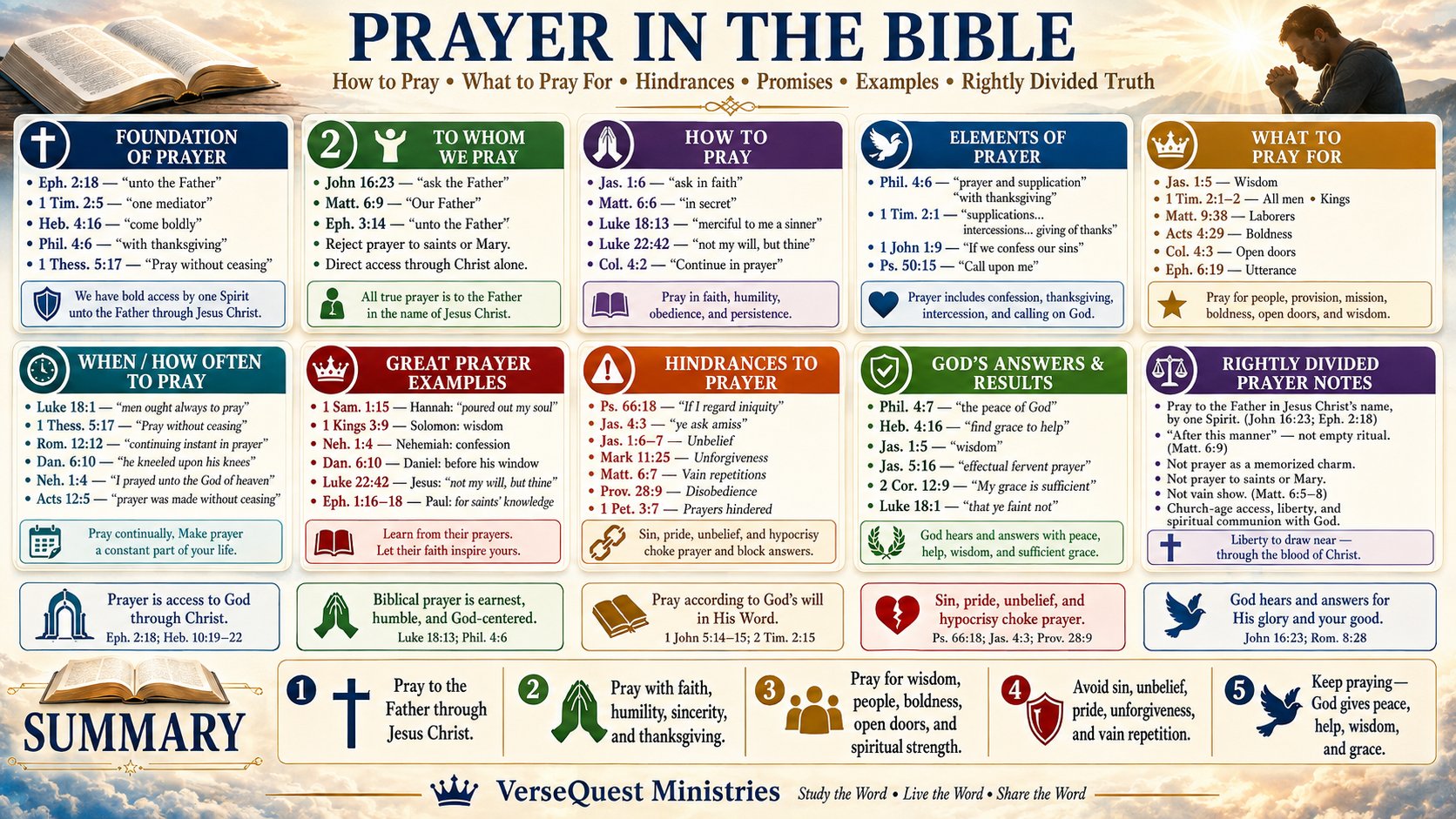
- Prayer in the Bible Chart – How to Pray According to Scripture
- Discover what the Bible teaches about prayer through this easy-to-follow VerseQuest study chart. Learn who to pray to, how to pray, what hinders prayer, what to pray for, and key…
- $4.99
- Add to cart
-