Topic: word of God sermon
-
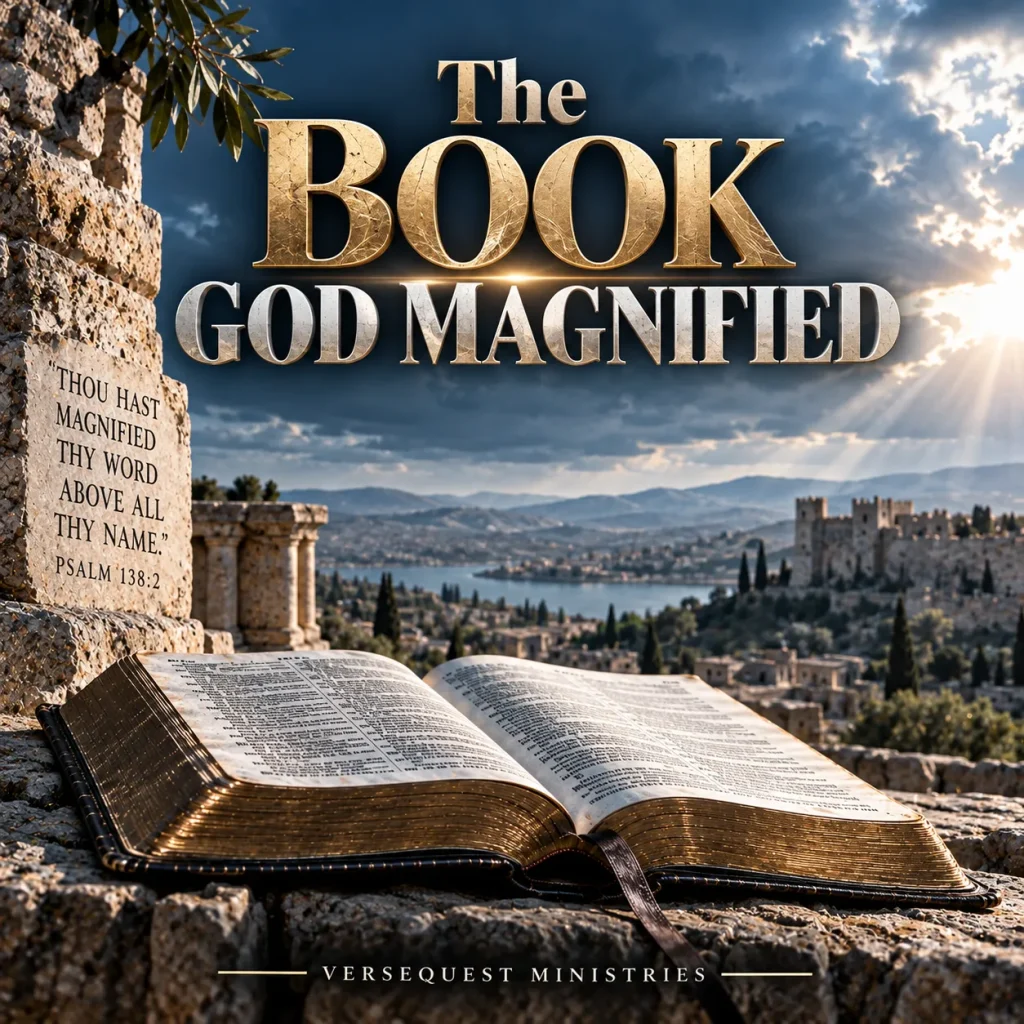
October 16, 2026
Series: Psalm 138:2, The Book God Magnified
Speaker: Paul Tackett
Topic: authority of Scripture, Bible preaching, Biblical Authority, final authority of Scripture, Jesus and the written word, King James Bible study, KJV Sermon Outline, power of Scripture, preservation of Scripture, Psalm 138:2, Psalm 138:2 sermon outline, pure words of God, rightly dividing the word, Scripture above tradition, Scripture and obedience, scripture cannot be broken, settled word of God, The Book God Magnified, thou hast magnified thy word, word of God sermon
Book: Psalms
This detailed sermon outline examines Psalm 138:2 and David’s declaration, “for thou hast magnified thy word above all thy name,” placing the statement within its setting of praise for God’s lovingkindness, truth, faithfulness, and answered prayer. The message develops the biblical truth that God places extraordinary authority upon His own words because His truthful character stands behind them, showing that Scripture is pure, settled, enduring, powerful, and incapable of being broken. It examines Christ’s own confidence in the written word, explains why Scripture must stand above tradition, scholarship, feelings, experience, denominational loyalty, and human opinion, and demonstrates how the word God magnified must also be rightly divided rather than carelessly misapplied. The outline further emphasizes Scripture’s power to correct believers, renew thinking, establish doctrine, and govern Christian conduct, while challenging Christians to express genuine reverence for the Bible through reading, study, memorization, preaching, and obedience. Preachers, teachers, and Bible students will gain a sermon-ready framework for teaching biblical authority, preservation, right division, Scripture’s sufficiency, and confidence in the King James Bible.
-
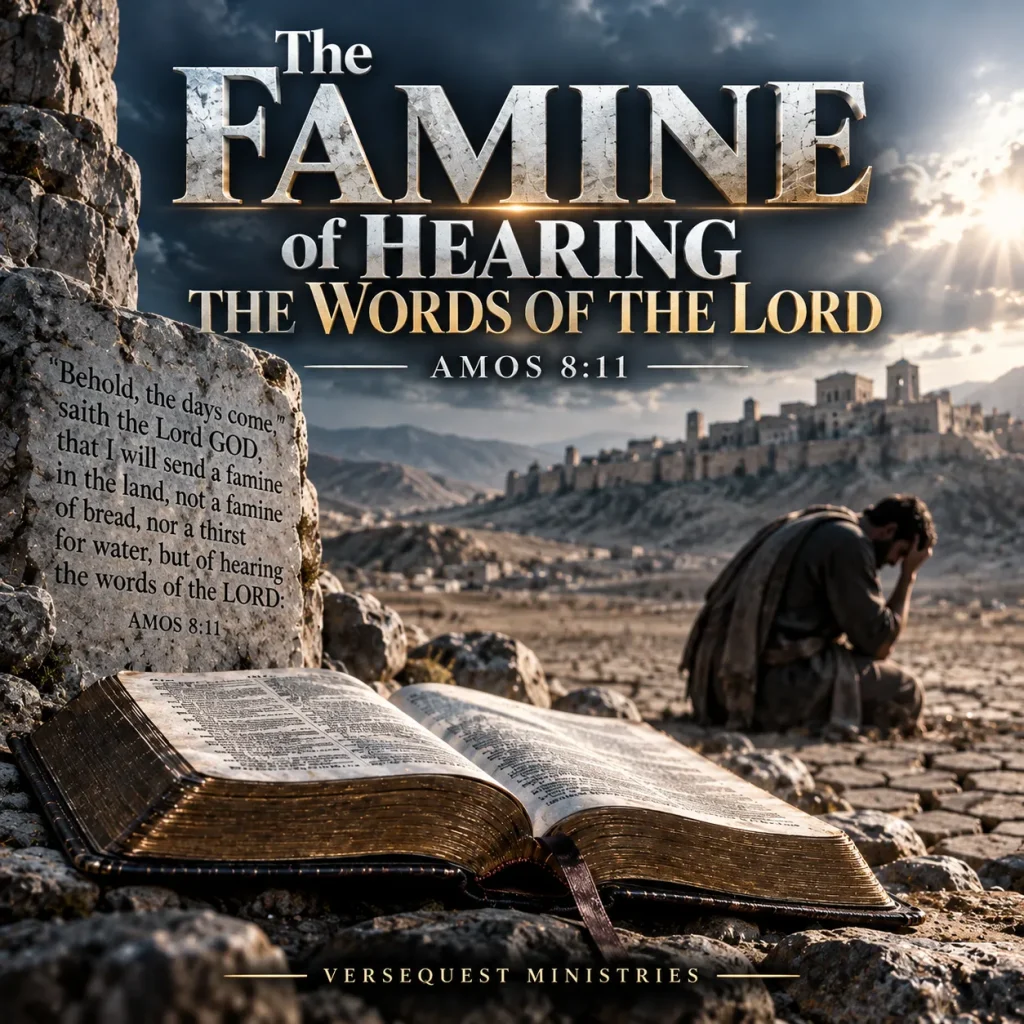
October 15, 2026
Series: Amos 8:11, famine of hearing God’s word
Speaker: Paul Tackett
Topic: Amos 8:11, Amos 8:11 sermon outline, Bible neglect, Bible preaching, Biblical Authority, biblical judgment, Christian spiritual growth, false teachers and fables, famine of hearing God’s word, hearing the word of God, King James Bible study, KJV Sermon Outline, rejected truth, religious activity without truth, rightly dividing the word, Sound Doctrine, spiritual famine, spiritual hunger, word of God sermon, words of the Lord
Book: Amos
This detailed sermon outline examines Amos 8:11 and God’s warning that He would send upon Israel “a famine in the land, not a famine of bread, nor a thirst for water, but of hearing the words of the LORD.” The message places the prophecy in its proper setting as divine judgment upon Israel after repeated rejection of God’s law, prophets, correction, and warnings, while drawing careful spiritual applications for believers who possess abundant access to Scripture today. It explains the difference between simply possessing Bibles and truly hearing God’s words, shows how rejected truth can produce deeper spiritual darkness, and warns that religious activity, programs, and outward worship cannot substitute for sound doctrine. The outline also explores how rejection of truth creates an appetite for fables and false teachers, why modern biblical abundance can coexist with practical spiritual famine, and why right division is necessary to avoid misusing Amos’s prophecy as direct Church doctrine. Preachers, teachers, and Bible students will gain a sermon-ready framework for teaching biblical authority, spiritual hunger, doctrinal discernment, judgment, right division, sound preaching, and the importance of treasuring, studying, and obeying the King James Bible while God’s words are readily available.
-
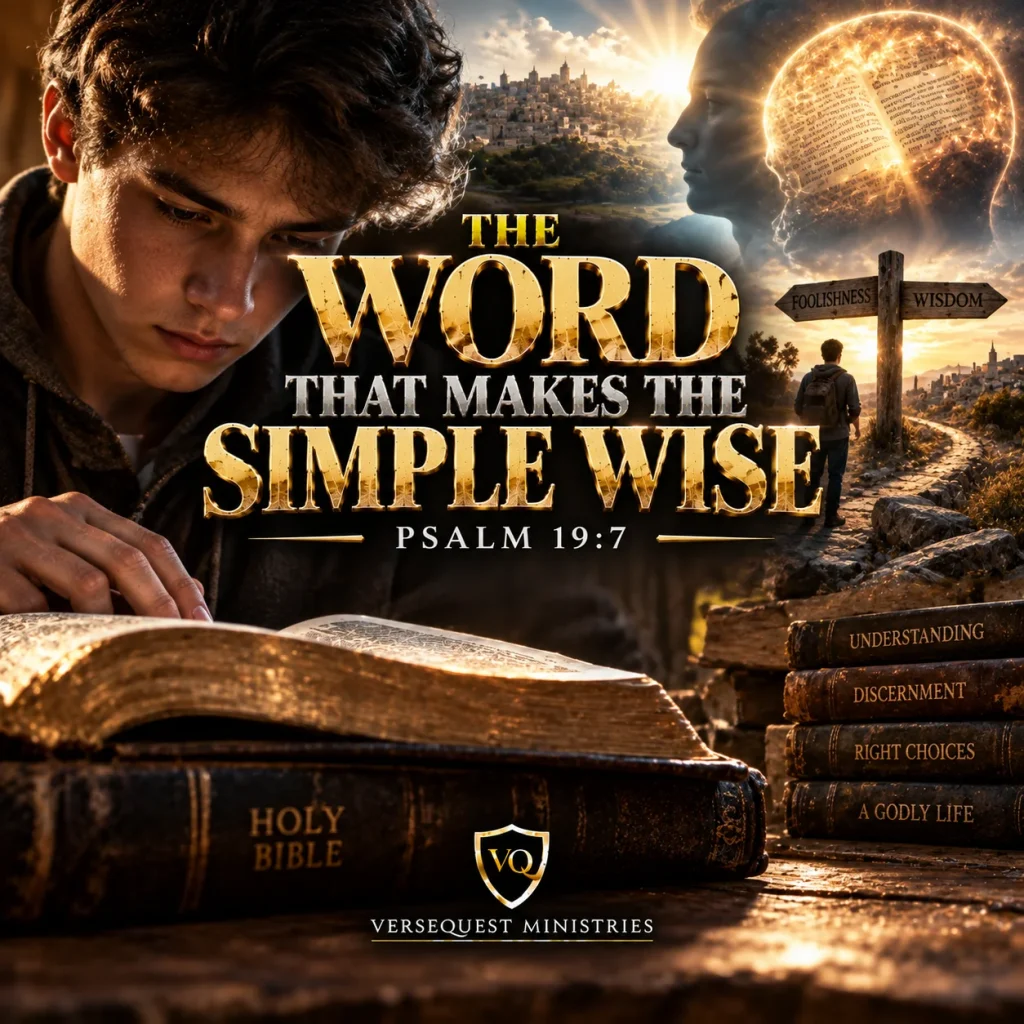
October 11, 2026
Speaker: Paul Tackett
Topic: authority of Scripture, Bible and wisdom, biblical decision making, biblical wisdom, Christian discernment, Christian spiritual growth, fear of the Lord, King James Bible study, KJV Sermon Outline, making wise the simple, Psalm 19:7, Psalm 19:7 sermon outline, rightly dividing the word, spiritual understanding, testimony of the Lord is sure, The Word That Makes the Simple Wise, wisdom for daily life, wisdom from Scripture, wisdom versus human intelligence, word of God sermon
Book: Psalms
This detailed sermon outline examines Psalm 19:7 and the declaration, “the testimony of the LORD is sure, making wise the simple.” The message distinguishes biblical wisdom from mere human intelligence and shows that spiritual understanding is not reserved for an intellectual elite but is available to those who humbly receive, believe, study, and obey the word of God. It explains why God’s testimony is sure, what Scripture means by “the simple,” how biblical truth corrects foolish thinking, and why worldly education and philosophy cannot substitute for divine revelation. The outline also develops the fear of the Lord as the beginning of wisdom, demonstrates how Scripture trains believers in spiritual discernment, emphasizes the necessity of rightly dividing the word of truth, and applies biblical wisdom to everyday choices, priorities, doctrine, and Christian conduct. Preachers, teachers, and Bible students will gain a sermon-ready framework for teaching the certainty and sufficiency of Scripture, spiritual understanding, biblical discernment, right division, practical wisdom, and the transforming power of the King James Bible to make the simple wise.
-
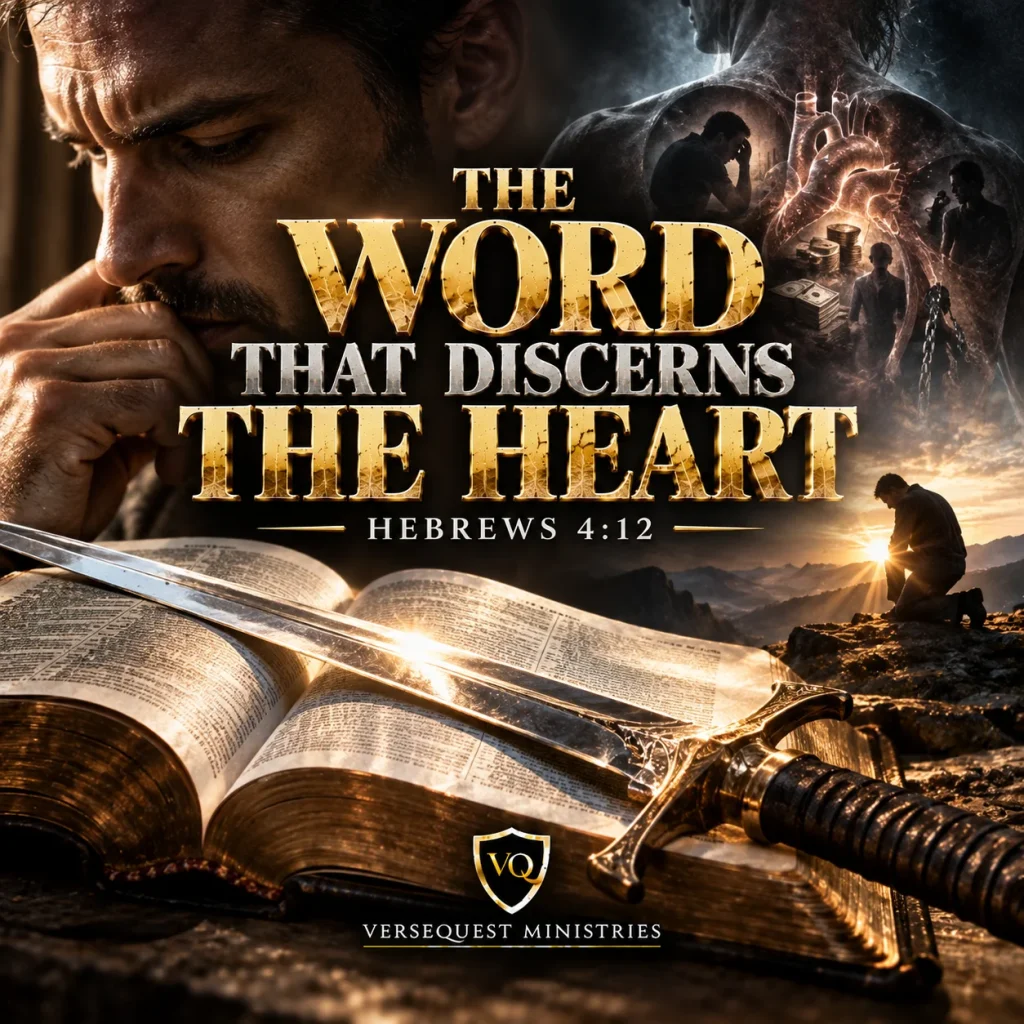
October 10, 2026
Speaker: Paul Tackett
Topic: authority of Scripture, biblical conviction, biblical self examination, confession and correction, deceitfulness of the heart, discerner of thoughts and intents, Hebrews 4:12, Hebrews 4:12 sermon outline, hidden sin, King James Bible study, KJV Sermon Outline, rightly dividing the word, sanctification through Scripture, Scripture exposes sin, Spiritual Discernment, The Word That Discerns the Heart, thoughts and motives, twoedged sword, word of God sermon, word of God sharper than a sword
Book: Hebrews
This detailed sermon outline examines Hebrews 4:12 and its declaration that the word of God is “quick, and powerful, and sharper than any twoedged sword,” piercing deeply enough to discern “the thoughts and intents of the heart.” The message explains the living and powerful character of Scripture, its sword-like ability to cut through spiritual deception, and its capacity to penetrate beyond outward religious appearance into thoughts, motives, hidden sin, and the true condition of the inner man. It explores how the Bible distinguishes spiritual realities that human feelings often confuse, exposes the deceitfulness of the heart, and brings concealed motives under the searching light of divine truth. The outline also shows that biblical conviction is intended to lead to confession, correction, and obedient living rather than mere condemnation, while emphasizing the necessity of rightly dividing Scripture without using doctrinal precision as an excuse to avoid personal application. Preachers, teachers, and Bible students will gain a sermon-ready framework for teaching biblical conviction, spiritual discernment, self-examination, confession, sanctification, right division, and the searching authority of the King James Bible.
-
October 8, 2026
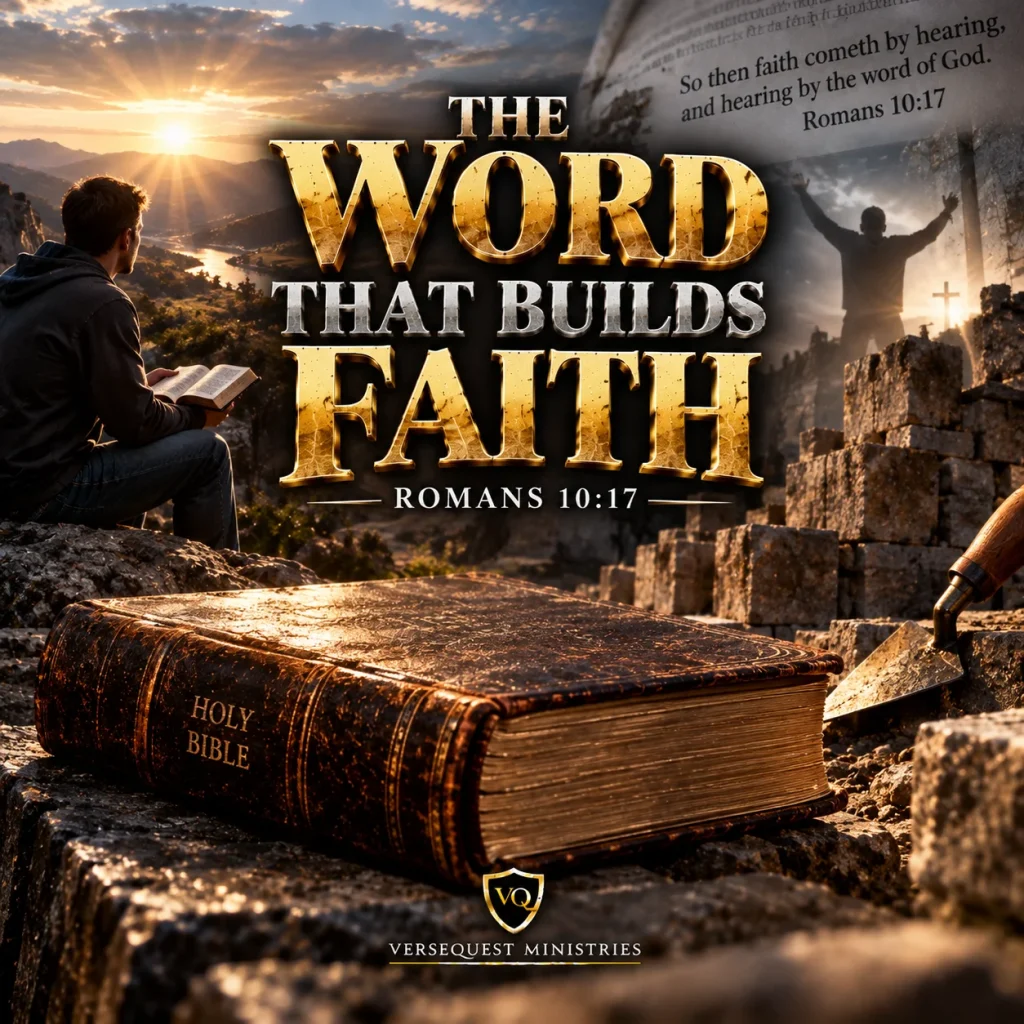
Series: Romans 10:17, The Word That Builds Faith
Speaker: Paul Tackett
Topic: Bible and faith, biblical faith, building Christian faith, Christian obedience, Christian spiritual growth, faith and Scripture, Faith Cometh by Hearing, faith versus feelings, gospel of Jesus Christ, Gospel Preaching, hearing by the word of God, King James Bible study, KJV Sermon Outline, Right Division, Romans 10:17, Romans 10:17 sermon outline, saving faith, Scripture builds faith, The Word That Builds Faith, word of God sermon
Book: Romans
This detailed sermon outline examines Romans 10:17 and Paul’s declaration, “So then faith cometh by hearing, and hearing by the word of God.” Beginning with the chapter’s immediate context of Israel’s unbelief, the necessity of preaching, and the responsibility to believe what God has revealed, the message explains that biblical faith is not positive thinking, emotional confidence, religious enthusiasm, or believing whatever a person wants God to do. True faith rests upon something God has actually said. The outline traces the relationship between hearing, preaching, and believing; identifies Christ’s death, burial, and resurrection as the gospel upon which saving faith rests today; and explains why hearing Scripture without receiving it by faith does not automatically produce obedience. It also shows how continued exposure to the word strengthens believers, why emotional atmosphere cannot substitute for biblical truth, how right division prevents faith from being built upon misapplied passages, and how Scripture corrects false beliefs and produces an obedient walk. Preachers, teachers, and Bible students will gain a sermon-ready framework for teaching saving faith, Christian growth, gospel preaching, biblical authority, right division, and the practical necessity of continually hearing, studying, believing, and obeying the word of God.